
The Legacy of Tools: How Ancient Andean Implements Shaped Their World

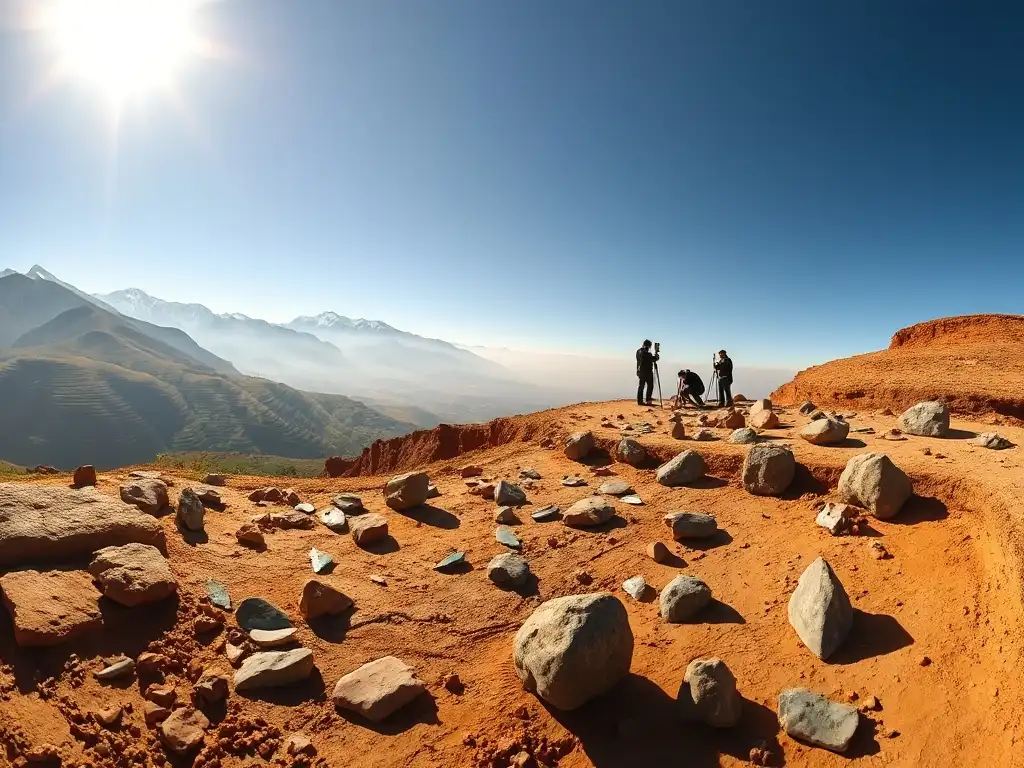
Step into a world lost to time, yet echoing with the ingenuity of the Andes. Imagine a landscape sculpted not just by nature, but by the hands of master craftspeople wielding tools of astonishing sophistication. Discover how the Ancient Andean tool impact extended far beyond mere practicality, shaping everything from monumental architecture to intricate social structures. Prepare to be amazed by the legacy of these remarkable civilizations – their innovations will leave you breathless. Let's delve into the fascinating story of Andean technology and innovation.
The ingenuity of ancient Andean civilizations is profoundly reflected in their mastery of toolmaking. From the rugged peaks of the Andes to the fertile coastal plains, the development and application of tools played a pivotal role in shaping their societies, economies, and cultural landscapes. This article delves into the remarkable impact of ancient Andean tools, exploring how their innovative designs and diverse applications fostered advancements in agriculture, construction, warfare, and daily life.
We will examine the crucial role of stone tools, the sophisticated techniques employed in their creation, and the lasting legacy they left on the Andean world. Understanding the impact of these tools provides vital insight into the resilience, adaptability, and remarkable technological prowess of these ancient cultures, enriching our comprehension of "Ancient Andean tool impact".
Introduction to Ancient Andean Tool Impact
The impact of tools on the development of Andean civilizations cannot be overstated. These implements weren't merely functional; they were integral to the very fabric of Andean society, influencing everything from food production and social structures to religious practices and artistic expression. The ability to craft effective tools allowed the Andean people to exploit their diverse environment, transforming challenging landscapes into thriving communities.
This section provides a foundational overview of the diverse range of tools utilized and the significant influence they exerted on the trajectory of Andean history. We'll explore how the availability of specific materials, like obsidian and various types of stone, influenced tool design and technological advancements.
The evolution of tool technology itself mirrors the societal and environmental changes that shaped these remarkable cultures. The study of ancient Andean tools offers a unique window into the ingenuity and resourcefulness of these civilizations, highlighting their ability to adapt and innovate within a complex and often challenging environment.
Stone Tools: Cornerstones of Andean Innovation
Stone tools formed the bedrock of Andean technology for millennia. From the earliest inhabitants to the height of the Inca Empire, stone tools remained essential for a vast array of tasks, demonstrating remarkable adaptability and longevity. The quality and variety of stone available, coupled with the sophisticated techniques employed in their manufacture, reveal a deep understanding of material properties and a commitment to craftsmanship. The impact of stone tools extended far beyond simple utility; they were often imbued with symbolic meaning and played a role in religious and ceremonial practices.
Early Stone Tool Technologies in the Andes
The earliest Andean inhabitants relied heavily on simple stone tools, utilizing techniques such as percussion flaking to shape cobbles and create rudimentary implements for hunting, gathering, and processing food. Evidence suggests that these early tools were made from readily available materials like quartzite and chert. While seemingly basic, these early tools represent a significant technological leap, allowing for more efficient resource exploitation and a more settled lifestyle.
The development of more refined techniques over time, including pressure flaking, allowed for greater precision and the creation of more specialized tools. Archaeological findings continue to shed light on the evolution of these early technologies, revealing a gradual increase in sophistication and diversity.
The Versatility of Obsidian Tools in Andean Culture
Obsidian, a volcanic glass prized for its sharpness and durability, became a crucial material in Andean toolmaking. Its superior qualities allowed for the creation of exceptionally sharp blades, points, and knives, significantly improving efficiency in various tasks, including hunting, agriculture, and even surgery. The widespread use of obsidian reflects sophisticated trade networks that connected different regions of the Andes, providing access to this valuable resource.
The production and distribution of obsidian tools were likely controlled by elite groups, further emphasizing their importance within Andean society. The intricate craftsmanship evident in many obsidian tools also suggests a high level of skill and specialization among Andean artisans. The sharp edges of obsidian tools were essential for precision in many areas including agriculture and surgery.
Stone Grinding Tools and Agricultural Practices
The development of sophisticated grinding tools was directly linked to the rise of agriculture in the Andes. Mortars and pestles, manos and metates, and other grinding implements were crucial for processing grains, tubers, and other crops, allowing for the production of flour, pastes, and other food products. The efficiency of these tools played a vital role in supporting larger populations and more complex social structures.
The design and material of these grinding tools varied according to regional differences and the specific crops being processed, highlighting the adaptability of Andean technology to diverse ecological conditions. The widespread use of grinding stones reflects the importance of agriculture as a cornerstone of Andean civilization, shaping its economy, social organization, and cultural practices. The effectiveness of these tools allowed for increased food production and storage, supporting the growth and development of Andean societies.
Metalworking: A Technological Leap in Andean History
The development of metalworking marked a pivotal moment in the trajectory of Andean civilizations. Prior to this technological leap, tools and implements were primarily crafted from stone, bone, and wood. The introduction of metallurgy fundamentally altered the way Andeans interacted with their environment, impacting their agricultural practices, warfare strategies, and artistic expressions.
The transition wasn't immediate; it unfolded gradually, with different regions adopting metalworking at varying paces and utilizing different techniques. This process, spanning centuries, profoundly shaped the social and political landscape of the Andes. The mastery of metalworking not only provided new tools but also enhanced the status of skilled artisans, leading to specialized labor and the emergence of sophisticated social hierarchies.
The availability of metal tools also impacted trade networks, as the demand for metal objects spurred increased interaction between different Andean communities. This exchange not only facilitated the spread of technological knowledge but also contributed to the cultural exchange between various groups. The legacy of Andean metalworking extends far beyond the mere creation of tools; it represents a significant milestone in human technological advancement and a testament to the ingenuity of Andean cultures.
The Significance of Copper in Ancient Andean Societies
Copper was the first metal widely worked in the Andes, initially in its native form, before the mastery of smelting techniques allowed for greater control over the metal's properties. The relative abundance of copper ores in certain Andean regions facilitated its widespread adoption. Early copper tools, such as chisels, knives, and axes, were initially simple in design but gradually became more sophisticated as metallurgical techniques improved.
The use of copper tools significantly enhanced agricultural productivity, allowing for more efficient land clearing and cultivation. The impact of copper tools extended beyond agriculture; they were also used in the construction of monumental architecture, indicating the importance of copper in the socio-political organization of Andean societies.
The symbolic value of copper also played a role; copper objects were frequently incorporated into religious rituals and elite burials, highlighting the metal's significance in Andean cosmology and worldview. The widespread use of copper in everyday life and ceremonial contexts underscores its profound impact on ancient Andean societies.
Gold and Silver Craftsmanship: Beyond Practicality
While copper served primarily practical purposes, gold and silver held immense symbolic value in Andean societies. Though less abundant than copper, these precious metals were highly prized and used extensively in the creation of elaborate ornaments, religious artifacts, and prestigious items for the elite. The intricate craftsmanship evident in gold and silver objects showcases the advanced metalworking skills of Andean artisans.
Techniques like hammering, repoussé, and casting were employed to create stunningly detailed pieces, demonstrating a remarkable understanding of metallurgy and artistic expression. The use of gold and silver in royal regalia and religious ceremonies solidified the power and prestige of ruling classes, emphasizing their divine authority and connection to the supernatural.
The stylistic variations in gold and silver craftsmanship across different Andean cultures reveal the distinct artistic traditions and identities of these societies. These precious metals were not merely decorative; they were integral to the social and religious fabric of Andean life, acting as powerful symbols of status, power, and spiritual significance.
Bronze Tools and Their Impact on Andean Agriculture and Warfare
The later adoption of bronze metallurgy in the Andes further enhanced the capabilities of Andean societies. Bronze, an alloy of copper and tin, possessed superior strength and durability compared to pure copper, making it ideal for tools and weapons. Bronze tools facilitated more efficient agricultural practices, leading to increased food production and supporting larger populations. The improved durability of bronze tools also reduced the need for frequent replacement, enhancing long-term productivity.
In warfare, bronze weapons provided a decisive advantage, enabling Andean armies to conquer and control larger territories. The use of bronze in weaponry significantly altered the dynamics of conflict in the Andes, contributing to the rise and fall of various empires. The development of bronze metallurgy represents a significant advancement in Andean technology, with far-reaching consequences for agriculture, warfare, and the overall development of Andean societies.
Textile Tools: Weaving the Fabric of Andean Life
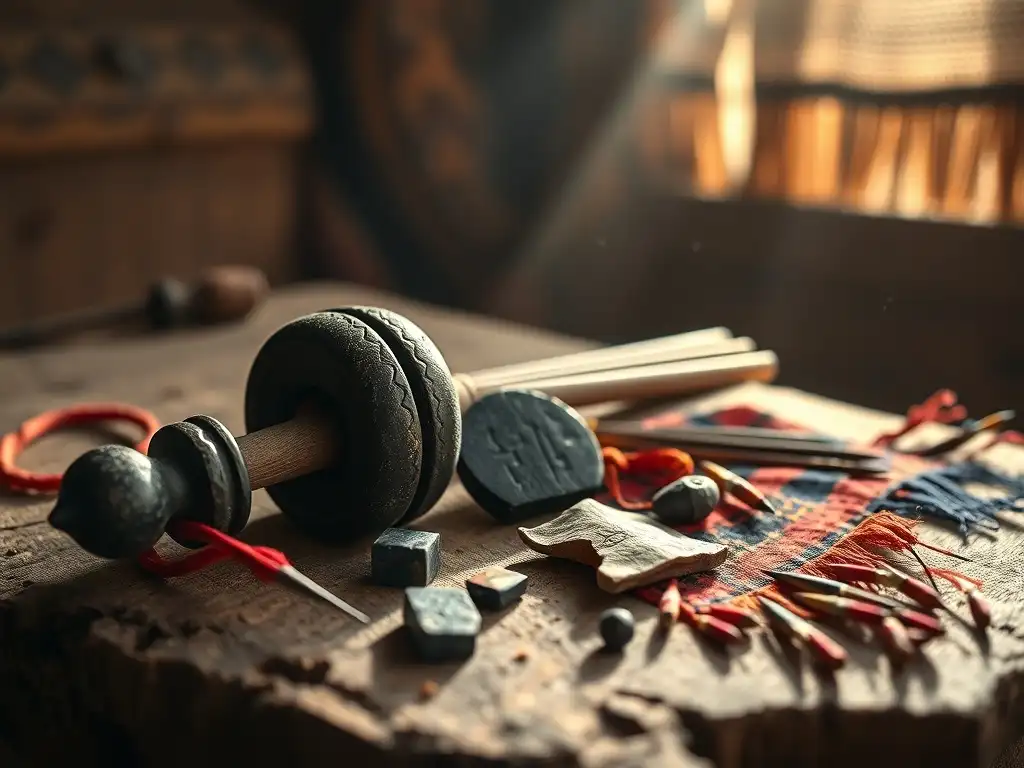
Textiles played a central role in the lives of Andean peoples, serving both practical and symbolic functions. The production of textiles was a complex process requiring specialized tools and skills. From the preparation of the fibers to the final stages of weaving and decoration, Andean textile production involved intricate techniques that were passed down through generations.
The intricate designs and vibrant colors of Andean textiles reflect the rich cultural heritage and artistic creativity of the Andean civilizations. The study of textile tools provides valuable insights into the daily lives, social structures, and artistic expressions of ancient Andean societies. The variety of tools and techniques employed across different regions highlights the diversity and adaptability of Andean textile production.
Spindles and Weaving Techniques in the Andes
The spindle was a fundamental tool in Andean textile production, used to spin fibers into yarn. Different types of spindles were employed, reflecting variations in fiber types and weaving techniques. The design and ornamentation of spindles often varied across regions and time periods, providing clues about the cultural context of their production and use. Andean weavers employed various techniques, including backstrap loom weaving, which was particularly well-suited to the Andean landscape.
The mastery of these techniques allowed Andean weavers to create incredibly intricate and durable textiles. The complexity of Andean weaving techniques is evidenced by the intricate patterns and designs found in surviving textiles. These techniques were often passed down through generations, representing a crucial aspect of Andean cultural transmission.
The Importance of Andean Textile Production
Textile production in the Andes was not merely a craft; it was a vital aspect of the economy and social life. Textiles served as clothing, blankets, and other essential items for daily life. They were also used in religious ceremonies and as offerings to deities. The quality and intricacy of textiles often reflected social status, with finer textiles reserved for elites.
Textile production was an important source of economic activity, involving specialized labor and trade networks. The exchange of textiles facilitated interactions between different Andean communities, contributing to cultural exchange and the spread of technological knowledge. The symbolic importance of textiles is evident in their use in rituals and burials, emphasizing their role in Andean cosmology and worldview. The legacy of Andean textile production continues to inspire and influence textile artists today.
Natural Dyes and the Art of Andean Textile Decoration
Andean textiles were often adorned with vibrant colors derived from natural sources. A wide range of plants, insects, and minerals were used to create a diverse palette of dyes. The process of dyeing textiles was complex and involved specialized knowledge and techniques. The use of natural dyes reflects the close relationship between Andean people and their environment.
The colors and patterns used in Andean textile decoration often held symbolic meanings, reflecting religious beliefs, social status, and regional identities. The art of Andean textile decoration showcases the artistic creativity and skill of Andean weavers. The intricate designs and vibrant colors of Andean textiles continue to fascinate and inspire textile artists and scholars today. The legacy of Andean textile decoration is a testament to the rich cultural heritage and artistic ingenuity of Andean civilizations.
Agricultural Tools: Cultivating the Andean Landscape
The impact of ancient Andean tools on their world is perhaps most evident in their agricultural advancements. The harsh Andean environment, characterized by steep slopes, arid climates, and varying altitudes, demanded innovative techniques and tools to cultivate food. The ingenuity of Andean civilizations in developing tools and techniques to overcome these challenges is a testament to their deep understanding of their environment and their remarkable adaptability. Their success in agriculture laid the foundation for their complex societies and their remarkable achievements in other fields.
Without these tools and the agricultural practices they enabled, the flourishing civilizations of the Andes would have been impossible. The development of sophisticated agricultural techniques directly influenced population density, social structures, and the overall trajectory of Andean history. The impact of these tools extends beyond mere sustenance, shaping the very fabric of Andean culture and society.
The Chaquitaclla: Andean Foot Plow and its Role
The chaquitaclla, a foot-powered plow, stands as a prime example of Andean ingenuity. This simple yet effective tool allowed farmers to efficiently till the soil, even on steep slopes where animal-drawn plows were impractical. Its design, featuring a foot-operated lever system and a sharp blade, allowed for effective soil preparation with minimal effort. The chaquitaclla's widespread use facilitated the cultivation of diverse crops, contributing significantly to food security and societal stability.
Its impact is evident in the sustained agricultural productivity of the Andean region for centuries. Archaeological evidence shows its use across various Andean cultures, highlighting its importance and adaptability. The chaquitaclla's efficiency and effectiveness on challenging terrains made it a cornerstone of Andean agriculture, directly impacting food production and societal development.
Terracing and Specialized Agricultural Implements
Beyond the chaquitaclla, Andean agricultural practices involved complex terracing systems. These terraces, meticulously carved into hillsides, increased arable land and reduced soil erosion. Specialized tools were used in their construction, including stone picks, shovels, and carrying baskets.
The precision and scale of these terracing projects reflect a sophisticated understanding of engineering principles and a deep commitment to sustainable agriculture. The construction of these terraces required significant labor coordination and community involvement, strengthening social bonds and highlighting the importance of collective effort in Andean society. The impact of these terraces on agriculture was profound, allowing for increased crop yields and supporting larger populations.
Irrigation Techniques and Tools for Water Management
Water management was crucial in the arid Andean environment. Andean civilizations developed sophisticated irrigation systems, utilizing canals, channels, and reservoirs to distribute water to agricultural fields. Tools like digging implements, stone trowels, and channeling tools were essential for constructing and maintaining these systems.
The sophisticated understanding and implementation of water management techniques showcase the advanced technological capabilities of the ancient Andean people. The precise channeling of water, often across considerable distances and varying elevations, demonstrates a deep understanding of hydraulic engineering. These irrigation systems were not only crucial for agriculture but also contributed to the development of urban centers and the overall prosperity of Andean societies.
Specialized Tools for Construction and Engineering
The remarkable architectural achievements of the Andes, from massive stone structures to intricate irrigation systems, were made possible by highly specialized tools and sophisticated construction techniques. The precision and scale of these projects demonstrate a level of technological sophistication that continues to impress and inspire researchers today. The development and application of these tools were essential to the construction of the iconic structures and monumental projects that define Andean civilizations. The mastery of these tools and techniques highlights the ingenuity and innovative spirit of the Andean people.
Tools for Stone Cutting and Shaping in Ancient Andean Architecture
The precise cutting and fitting of massive stone blocks in Andean architecture required specialized tools. Stone hammers, chisels, and other percussion tools were used to shape the stones, while abrasives like sand and water were used for polishing. The precision with which these stones were cut and fitted, often without the use of mortar, is a testament to the advanced skills and knowledge of Andean stonemasons.
The accuracy and artistry evident in these constructions demonstrate a deep understanding of stoneworking techniques and a commitment to excellence in craftsmanship. The tools themselves were carefully crafted and maintained, reflecting the value placed on skilled labor and the importance of quality workmanship.
The Use of Ropes and Pulleys in Construction Projects
The construction of monumental structures like Machu Picchu required efficient methods for transporting and lifting heavy stones. Andean engineers utilized sophisticated systems of ropes and pulleys to move and position massive blocks of stone with remarkable precision. The use of these systems demonstrates a sophisticated understanding of mechanics and engineering principles. The effectiveness of these systems is evident in the intricate and precise placement of stones in many Andean structures. The development of these systems reflects the ingenuity of Andean engineers and their ability to overcome significant logistical challenges.
Measuring Instruments and the Precision of Andean Engineering
The precision of Andean engineering, particularly in stonework, suggests the use of sophisticated measuring instruments. While the exact nature of these instruments remains a subject of ongoing research, the accuracy of the stonework itself points to the existence of tools capable of precise measurements. The consistent dimensions and alignments of stones in many Andean structures suggest the use of standardized units and measuring techniques. The remarkable precision of Andean constructions highlights their advanced understanding of geometry and measurement. Further research is needed to fully understand the specific tools and techniques used for precise measurement in ancient Andean engineering.
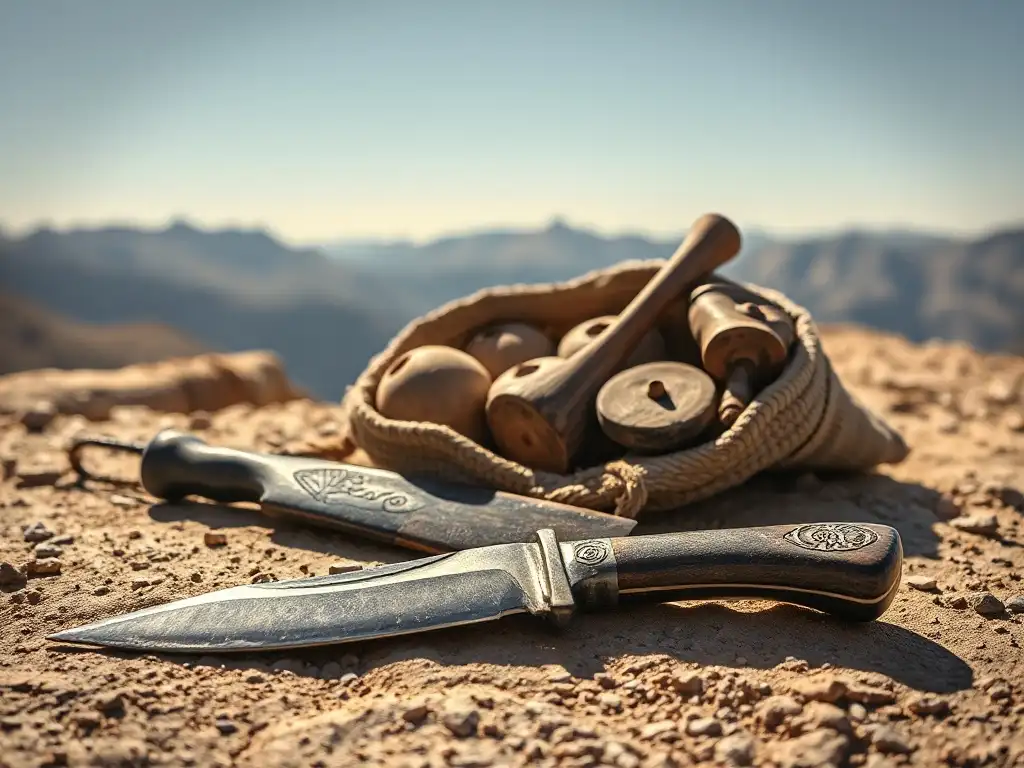
The impact of ancient Andean tools extends far beyond their practical applications. These implements played a crucial role in shaping the social fabric, cultural expressions, and spiritual beliefs of Andean societies. Their significance is woven into the very tapestry of Andean life, influencing everything from social hierarchies to religious ceremonies. Understanding this multifaceted influence is key to appreciating the ingenuity and complexity of these ancient cultures.
Tools as Markers of Social Status and Craft Specialization
The creation and ownership of specific tools often served as indicators of social standing within Andean communities. Elaborately crafted tools, made from precious materials like gold, silver, or obsidian, were likely possessed by elites, signifying their wealth and power. Conversely, the tools used by commoners reflected their daily tasks and economic roles.
This division of labor, evident in the variety of tools discovered, highlights the sophisticated level of craft specialization that existed in Andean societies. For instance, the finely honed obsidian blades used by surgeons contrast sharply with the simpler stone tools used by farmers, showcasing a clear distinction in skill and social standing. The meticulous craftsmanship evident in some tools also suggests the existence of specialized artisans, individuals whose skills were highly valued and who likely held a respected position within their communities.
Tools in Rituals and Religious Practices
Andean tools were not merely functional objects; they also held significant religious and symbolic meaning. Many tools were incorporated into rituals and ceremonies, reflecting their importance in the spiritual lives of the people. For example, the intricate gold and silver tools found in royal tombs suggest that such implements were not only used for practical tasks but also served as offerings to the gods or symbols of power in the afterlife.
Furthermore, certain tools might have been specifically designed for ritual purposes, their form and decoration imbued with symbolic significance. The precise nature of these rituals and their connection to specific tools remain areas of ongoing research, but the evidence clearly indicates that tools played a vital role in the religious and spiritual practices of ancient Andean civilizations. Archaeological discoveries frequently reveal tools associated with mummification practices or other funerary rites, further highlighting their religious significance.
The Transmission of Tool-Making Knowledge Through Generations
The creation and use of tools were not isolated events but rather part of a continuous process of knowledge transmission across generations. The skills involved in crafting tools, from selecting the right materials to mastering complex techniques, were carefully passed down through apprenticeships and family traditions. This knowledge transfer ensured the continuation of crucial technologies and the maintenance of specific craft traditions.
Evidence of this can be seen in the remarkable consistency in tool design and manufacturing across different time periods and geographical regions. The standardization of certain tool types, for example, suggests a structured system of training and knowledge dissemination. This enduring legacy of tool-making expertise speaks to the importance of cultural preservation and the strength of the social bonds within Andean communities.
The Lasting Impact of Ancient Andean Implements
The ingenuity and effectiveness of ancient Andean tools continue to resonate even today. Their influence on modern techniques and our understanding of past societies are profound.
How Ancient Andean Tools Influenced Modern Techniques
Many ancient Andean tool-making techniques and designs have proven remarkably resilient, influencing modern practices in various fields. The sophisticated techniques used in metallurgy, for example, are still studied and admired for their precision and efficiency. The advanced knowledge of Andean metalworkers in creating alloys and shaping metal objects using techniques like hammering, annealing, and casting continues to inspire contemporary craftspeople and engineers.
Likewise, the construction techniques employed in Andean architecture, which relied on precise stonework and innovative engineering solutions, offer valuable insights into sustainable building practices. The understanding of Andean agricultural techniques, aided by the study of their tools, provides valuable knowledge for modern sustainable farming practices.
The Archaeological Record and Our Understanding of Andean Technology
The archaeological record provides invaluable insights into the technological prowess of ancient Andean civilizations. The sheer diversity and complexity of the tools discovered, from simple stone implements to sophisticated metal objects, showcase a remarkable range of skills and innovations. The meticulous study of these tools, combined with analysis of associated artifacts and environmental contexts, allows researchers to reconstruct the daily lives, social structures, and technological capabilities of these ancient societies.
By analyzing the materials used, the manufacturing techniques employed, and the wear patterns on the tools, archaeologists can gain a detailed understanding of the technological development and adaptive strategies of Andean communities. The analysis of tool use marks and wear patterns can reveal insights into the specific tasks performed with each tool, adding to our understanding of their daily lives and work practices.
Preservation Efforts and the Study of Andean Tools
The preservation of ancient Andean tools is crucial for understanding the rich technological heritage of these civilizations. Museums and research institutions play a vital role in safeguarding these artifacts and making them accessible for study. Preservation efforts often involve meticulous cleaning, stabilization, and conservation techniques to ensure the long-term survival of these delicate objects.
These efforts are essential for future research and for educating the public about the achievements of ancient Andean cultures. Furthermore, ongoing research and technological advancements are continuously improving our ability to study and analyze these artifacts, providing new insights into their creation, use, and significance within the broader context of Andean society. The ongoing study of these tools allows us to continue to learn from the ingenuity and resilience of these ancient civilizations.
Conclusion: The Enduring Legacy of Ancient Andean Tool Impact
The ingenuity of ancient Andean toolmaking left an indelible mark on the societies that wielded them. From the intricate textiles woven with meticulously crafted spindles and looms to the monumental structures erected with sophisticated stone tools and techniques, the impact of these implements is undeniable. The development and refinement of these tools were not simply about practicality; they were deeply intertwined with the spiritual and social fabric of Andean life. The precision and artistry evident in many artifacts reveal a deep understanding of materials and techniques, reflecting a sophisticated technological prowess often underestimated in discussions of ancient civilizations.
The legacy of these tools extends beyond their immediate practical applications. They serve as tangible links to the past, offering invaluable insights into the lives, beliefs, and innovations of the Andean peoples. Studying these tools allows us to appreciate the complex relationship between technology, environment, and social organization that characterized these vibrant cultures. The enduring legacy of ancient Andean tool impact is a testament to the resourcefulness, skill, and cultural richness of these remarkable civilizations.
Their innovations continue to inspire and inform our understanding of human ingenuity and adaptation, reminding us of the powerful connection between human creativity and the shaping of our world. Further research into specific tool types and their regional variations promises to further illuminate the nuanced story of Andean technological achievement and its lasting impact. Understanding the "Ancient Andean tool impact" requires not just cataloging the tools themselves, but also analyzing their role within the broader context of Andean societies and their enduring contributions to human history. The legacy is not just in the tools themselves, but in the societies they built, and the knowledge they passed down through generations.
- Introduction to Ancient Andean Tool Impact
- Stone Tools: Cornerstones of Andean Innovation
- Metalworking: A Technological Leap in Andean History
- Textile Tools: Weaving the Fabric of Andean Life
- Agricultural Tools: Cultivating the Andean Landscape
- Specialized Tools for Construction and Engineering
- The Social and Cultural Significance of Andean Tools
- The Lasting Impact of Ancient Andean Implements
- Conclusion: The Enduring Legacy of Ancient Andean Tool Impact
- What was the most significant impact of Ancient Andean tools on their society?
- How did Andean tools influence the development of agriculture?
- What materials were primarily used to create Ancient Andean tools?
- How did the technology of Ancient Andean tools evolve over time?
- What is the lasting legacy of Ancient Andean tools on modern Andean cultures?
Frequently Asked Questions
What was the most significant impact of Ancient Andean tools on their society?
Ancient Andean tools had a profound impact, enabling complex agricultural practices, like terracing and irrigation, which supported large populations. Their tools also facilitated advanced construction projects, such as monumental architecture and impressive road networks.
How did Andean tools influence the development of agriculture?
Andean tools, such as the chaquitaclla (foot plow) and various irrigation systems, were crucial for efficient farming. They allowed for increased crop yields and supported the growth of complex societies. This increased food production was essential for population growth and societal development.
What materials were primarily used to create Ancient Andean tools?
Ancient Andean tools were crafted from a variety of materials readily available in the region. Stone, copper, bronze, and wood were commonly used, with the choice of material depending on the tool's intended purpose and the available resources.
How did the technology of Ancient Andean tools evolve over time?
Andean tool technology evolved significantly over centuries, progressing from simpler stone tools to more sophisticated metal implements. This development reflects the advancement of metallurgical skills and a growing understanding of material properties. Innovation in tool design also improved efficiency and productivity.
What is the lasting legacy of Ancient Andean tools on modern Andean cultures?
The legacy of Ancient Andean tools is visible in modern Andean societies through continued use of traditional techniques and materials in some rural areas. Furthermore, their ingenuity continues to inspire modern engineering and archaeological research, helping us understand their remarkable achievements.
Final Reflection: Echoes of Ingenuity: The Enduring Legacy of Andean Tools
The ingenuity of ancient Andean toolmaking continues to resonate today, a testament to human adaptability and the profound impact of technology on shaping civilizations. Understanding their innovations – from meticulously crafted textiles to sophisticated irrigation systems – offers invaluable insights into sustainable practices and the power of human creativity in the face of challenging environments. This legacy is not merely historical; it holds vital lessons for our own time, as we grapple with similar issues of resource management and environmental sustainability.
The sophisticated techniques employed by Andean artisans, passed down through generations, underscore the importance of cultural transmission and the deep connection between people and their environment. Their ability to adapt tools to their specific needs, reflecting a deep understanding of their surroundings, is truly remarkable. The past is never dead. It's not even past.
– William Faulkner. This quote perfectly encapsulates the enduring relevance of Andean toolmaking, reminding us that the echoes of their ingenuity continue to shape our understanding of human potential and the relationship between technology and society.
Consider the implications of their achievements. What can we learn from their resourcefulness and innovative problem-solving? How can we apply their understanding of sustainable practices to address the challenges of our modern world? You, the reader, hold the power to carry this legacy forward. By reflecting on the ingenuity of the ancient Andean people, we can inspire ourselves to find creative solutions to contemporary problems and build a more sustainable future, one informed by the wisdom of the past.
**Unveil the Secrets of Ancient Andean Tools! **
Thank you for exploring the fascinating legacy of ancient Andean tools with us! You've uncovered the rich history and impact these ingenious implements had on their civilization and beyond. Now, let's turn that newfound knowledge into action.
Here are some ways you can delve deeper into this incredible heritage:
- **Explore further:** Visit a local museum or archaeological site showcasing Andean artifacts to experience their significance firsthand. Witnessing these objects up close will deepen your understanding.
- **Share your discoveries:** Discuss your newfound knowledge with friends, family, or on social media, inspiring others to appreciate the ingenuity of ancient cultures. Your enthusiasm is contagious!
- **Join a community:** Connect with online forums or local groups dedicated to Andean history to exchange insights and learn more about these remarkable civilizations. Sharing your passion with others can be incredibly rewarding.
What specifically about ancient Andean tools captivates you, and how do you envision their innovative designs inspiring solutions in today's world?