
The Potter's Wheel? Exploring Ancient Andean Ceramic Tools

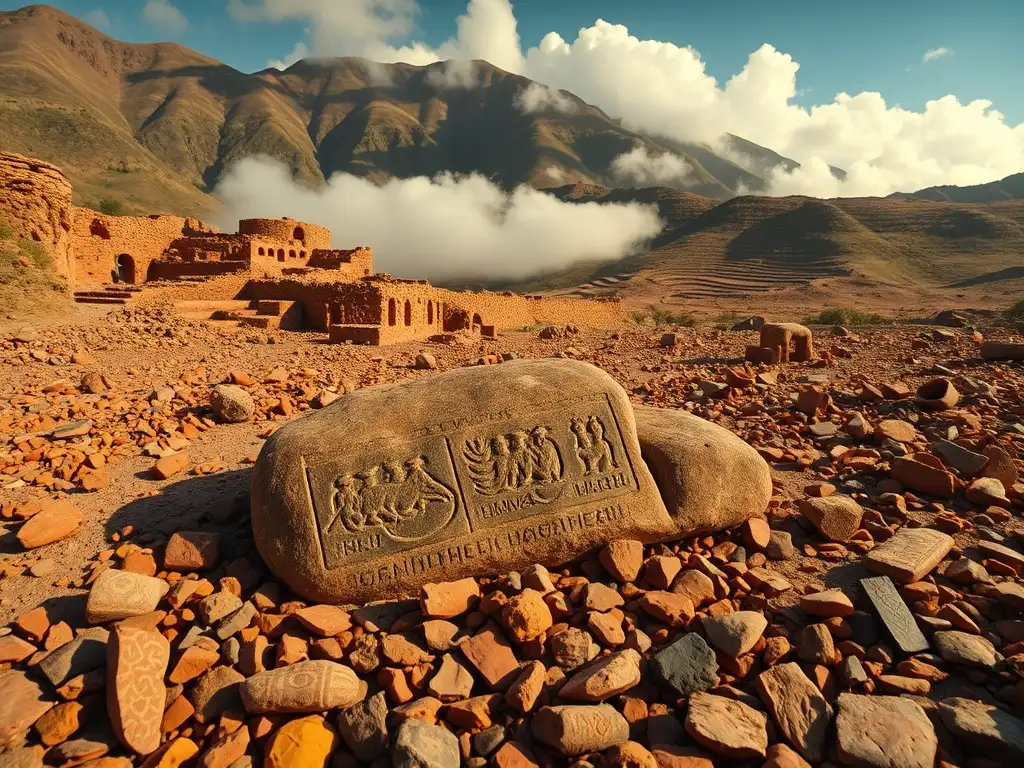
Uncover the secrets whispered by the Andes! Journey with us into a world of breathtaking artistry and ingenuity, where the legacy of the Incas, Moche, Nazca, and Tiahuanaco still resonates. Forget everything you think you know about ancient pottery – the sophisticated technology behind Ancient Andean ceramic tools will challenge your assumptions and ignite your imagination. Prepare to be amazed as we delve into the remarkable innovations that shaped these extraordinary civilizations.
- Ancient Andean Ceramic Tools: Unveiling the Secrets of Pottery Making
- Alternative Ceramic Shaping Techniques in the Andes
- Specific Examples of Andean Ceramic Tools
- Materials Used in Andean Ceramic Tool Production
- The Role of Andean Ceramic Tools in Daily Life and Rituals
- Analyzing the Technological Advancement of Andean Ceramic Tools
- Conclusion: Appreciating the Ingenuity of Andean Potters
-
Frequently Asked Questions
- Did Andean civilizations use the potter's wheel?
- What were some common materials used to make Andean ceramic tools?
- How did the absence of the potter's wheel impact Andean pottery?
- What types of ceramic tools were used for decorating Andean pottery?
- Where can I learn more about Ancient Andean ceramic tools and techniques?
- Final Reflection: Shaping Our Understanding of Andean Heritage
- Unveil Your Creativity with Andean Craftsmanship!
Ancient Andean Ceramic Tools: Unveiling the Secrets of Pottery Making
The mastery of ceramics stands as a testament to the ingenuity and artistry of the ancient Andean civilizations. From the intricate designs of Nazca pottery to the monumental vessels of the Tiahuanaco culture, ceramic artifacts offer invaluable insights into the daily lives, religious beliefs, and social structures of these fascinating societies.
This exploration delves into the fascinating world of Ancient Andean ceramic tools, revealing the sophisticated techniques employed by Andean potters in the absence of the ubiquitous potter's wheel, a technology seemingly absent from their repertoire. We will examine the diverse tools and methods they developed to create the stunning and durable pottery that continues to amaze us today.
Understanding these tools provides a crucial lens through which to appreciate the technical prowess and artistic vision of these ancient cultures, enriching our understanding of their technological achievements and their place within the broader context of Andean innovation. This journey will uncover the ingenuity behind their ceramic production, highlighting the unique challenges they overcame and the remarkable solutions they devised.
Introduction to Andean Pottery and its Significance
Andean pottery wasn't merely functional; it held profound social and religious significance. Ceramics served a multitude of purposes, from everyday vessels for food and water storage to elaborate funerary urns and ceremonial objects. The styles and decorations varied significantly across different cultures and time periods, reflecting unique artistic traditions and beliefs.
For example, the Moche culture is renowned for its incredibly lifelike and detailed pottery depicting scenes of daily life, warfare, and mythology. The Nazca, on the other hand, are celebrated for their polychrome pottery with intricate geometric and zoomorphic designs, showcasing a remarkable mastery of color and precision. The sheer diversity and artistry of Andean pottery underscore the importance of ceramic production within these societies.
The creation of these pieces required specialized knowledge, skill, and the use of a range of carefully selected and crafted tools. Understanding the tools themselves provides a crucial link to understanding the processes and the cultural context of their creation.
The Absence of the Potter's Wheel in Ancient Andean Ceramics
Unlike many other ancient civilizations in the Old World, Andean potters did not utilize the potter's wheel. This absence significantly influenced their techniques and the resulting forms of their pottery. Instead of the wheel's rotational shaping, Andean artisans relied on a combination of hand-building techniques, including:
- Coil building: This method involved rolling out long coils of clay and layering them to create the desired shape.
- Pinch pot: Starting with a small ball of clay, potters would pinch and shape it into the desired form.
- Molding: Some cultures used molds to create standardized forms, particularly for mass production of certain types of vessels.
The absence of the potter's wheel necessitated the development of other specialized tools to achieve the desired forms, surface textures, and decorative elements. These tools, often made from readily available materials like wood, bone, stone, and shell, played a crucial role in the shaping, smoothing, and decorating of the pottery. The ingenuity in adapting to this technological limitation is a testament to the resourcefulness of Andean potters. The next sections will explore these tools in greater detail.
Alternative Ceramic Shaping Techniques in the Andes
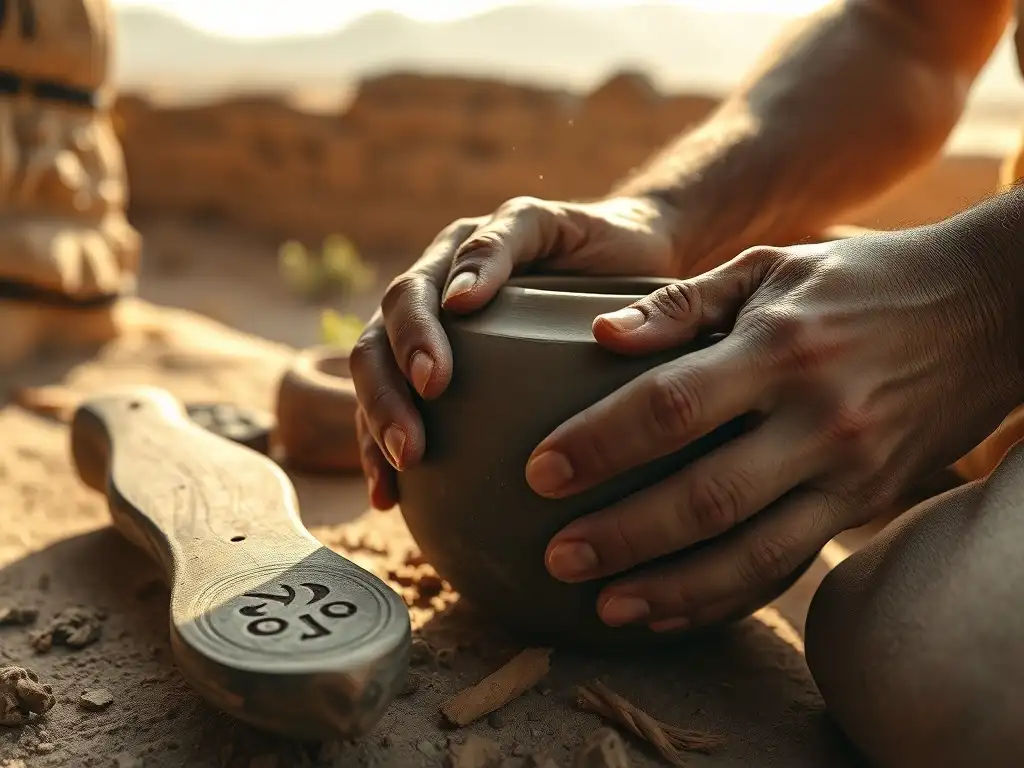
The iconic pottery of the Andes, often associated with the Inca civilization, wasn't solely produced using a potter's wheel. While the wheel was utilized in other parts of the world during this time period, Andean artisans developed sophisticated techniques to create diverse and intricately designed ceramic pieces. Understanding these alternative methods provides crucial insight into the ingenuity and technological prowess of these ancient cultures.
This section focuses on the diverse array of shaping techniques employed, highlighting their significance in the context of Ancient Andean ceramic tools. The absence of the potter's wheel didn't limit creativity; instead, it fostered the development of unique and highly effective methods.
Hand-Building Techniques: Coil, Pinch, and Slab Methods
Pre-Columbian Andean potters mastered several hand-building techniques, achieving remarkable results without the aid of a wheel. These techniques, passed down through generations, allowed for the creation of a wide variety of shapes and sizes.
- Coil Method: This involved rolling long, thin coils of clay and carefully layering them to build up the vessel's form. The coils were then smoothed and blended, often using a simple tool like a smoothed stone or shell, resulting in a seamless finish. This technique allowed for the creation of large, complex forms, as seen in many ceremonial vessels. Evidence suggests that different clay types were sometimes used for the coils and the interior smoothing, potentially for increased strength or aesthetic purposes.
- Pinch Method: This method, ideal for smaller items, involved shaping the clay by pinching and manipulating it with the fingers. This technique is known for its organic shapes and the unique textures it produces. Pinch pots often exhibit a more rustic aesthetic, reflecting the hands-on nature of the process. Small figurines and decorative elements were often made using this technique.
- Slab Method: This involved creating flat slabs of clay, which were then joined together to form the desired shape. This technique was particularly useful for creating geometric forms and vessels with flat sides. The precision required for joining the slabs demonstrates a high level of skill and artistry. Large storage jars, for example, were often constructed using this method. The joining process would often involve carefully scoring the edges of the slabs before applying a clay slip to create a strong bond.
Molded Ceramics: Utilizing Molds for Mass Production
While hand-building allowed for artistic expression, the need for mass production of utilitarian items led to the development of mold-making techniques. These molds, often made from clay or other readily available materials, allowed for the efficient creation of multiple identical objects.
The process likely involved creating a master model of the desired shape, then using that model to create a mold. Clay would then be pressed into the mold to create the desired form. This technique allowed for the standardization of shapes and sizes, especially for items like bowls, plates, and other everyday vessels.
The use of molds also allowed for the creation of intricate designs, as the mold itself could be decorated prior to pressing the clay. The efficiency gained through mold-making significantly impacted the daily lives of Andean communities, providing a reliable source of essential ceramic items. Further research is needed to fully understand the variety of materials and techniques employed in mold construction across different Andean cultures.
Paddle and Anvil Technique: Shaping Vessels with Precision
The paddle and anvil technique represents another ingenious method developed by Andean potters. This technique involved placing a lump of clay on an anvil (a flat, sturdy surface), then shaping it using a paddle (a flat, often wooden, tool). The paddle was used to beat and compress the clay, creating a thin, even wall. This method allowed for the creation of vessels with precise shapes and a consistent thickness.
The use of the paddle and anvil often produced a characteristic texture on the exterior surface of the vessel. This texture, while sometimes smoothed further, serves as a visual marker of this specific shaping method. The precise control afforded by this technique allowed Andean artisans to create vessels of varying sizes and shapes, from simple bowls to intricate ceremonial objects.
The anvil itself could be made of stone or another durable material. The use of a paddle and anvil is thought to have increased over time, reflecting the growing demand for robust, durable ceramics. The development of this technology, alongside other innovations in clay preparation and firing, contributed significantly to the advancement of Ancient Andean ceramic tools and techniques.
Specific Examples of Andean Ceramic Tools
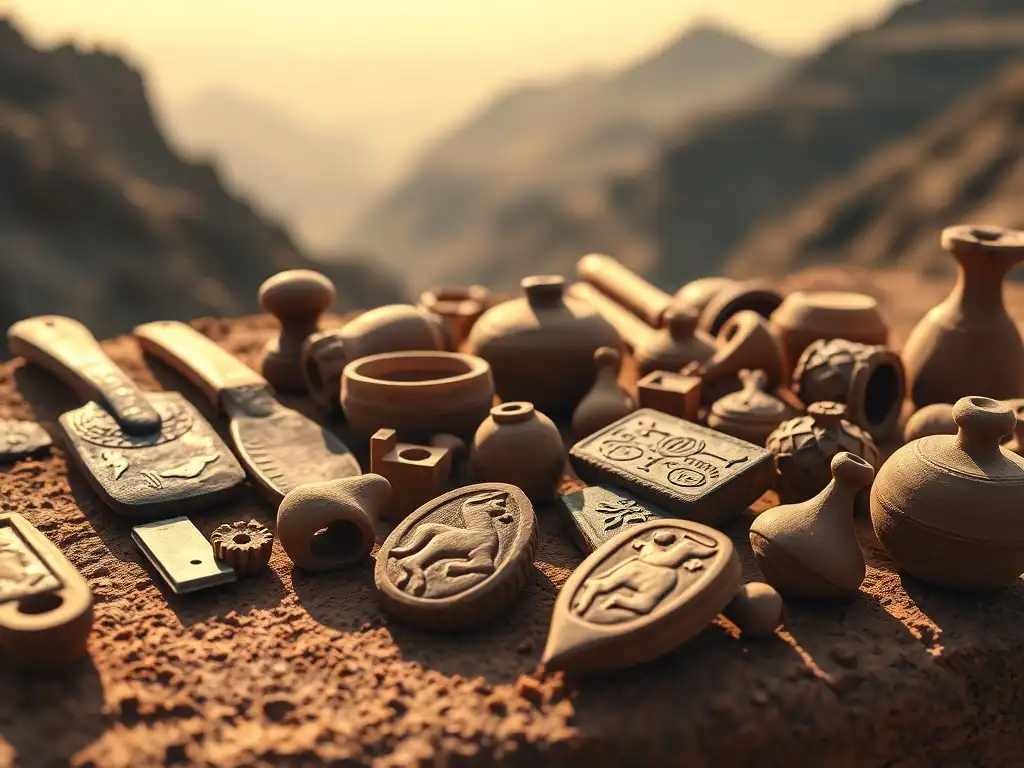
This section delves into the specifics of several key tools employed by ancient Andean artisans in their ceramic production. Understanding these tools provides crucial insight into their techniques and the level of sophistication achieved in their pottery-making. The ingenuity and adaptation evident in these tools highlight the resourcefulness of Andean civilizations. We'll examine the materials, construction, and application of these tools, focusing on burnishing stones and ceramic scrapers as prime examples reflecting the diversity of Ancient Andean ceramic tools.
Burnishing Stones: Smoothing and Polishing Surfaces
Burnishing stones were essential tools for achieving the characteristic smooth, polished surfaces found on much Andean pottery. These weren't just any stones; the selection process was deliberate, favoring materials that provided the right degree of hardness and texture for effective smoothing. The process of burnishing itself involved rubbing the stone repeatedly over the still-wet clay surface, compacting the clay particles and creating a dense, water-resistant layer. This not only enhanced the aesthetics of the finished product but also improved its durability and functionality.
Usage and Archaeological Context of Burnishing Stones
Archaeological evidence reveals a wide variety of materials used for burnishing stones. Hematite, a common iron oxide mineral, was frequently employed due to its hardness and ability to impart a rich, lustrous sheen. Other materials included smooth, hard stones like granite and quartzite, selected for their durability and effectiveness in smoothing the clay.
The shapes varied considerably, ranging from roughly oblong pebbles to carefully shaped, almost cylindrical tools. The size, shape, and material of the burnishing stone often correlated with the size and type of pottery being produced. For example, smaller, more precisely shaped stones might have been used for delicate work on smaller vessels, while larger, less refined stones might have been employed for larger pieces.
Analysis of wear patterns on recovered burnishing stones provides valuable information on the techniques and intensity of the burnishing process. The presence of these tools at various archaeological sites, often associated with pottery kilns and other ceramic production areas, confirms their widespread use throughout diverse Andean cultures. The consistency of their presence across different time periods and geographical locations underscores their fundamental importance in Andean ceramic technology.
Ceramic Scrapers: Shaping and Refining Clay
Ceramic scrapers represent another critical category within the spectrum of Ancient Andean ceramic tools. These tools, often crafted from shards of previously fired pottery, were used to remove excess clay, refine the vessel's shape, and create intricate decorative details. The sharp edges of the broken pottery fragments provided the necessary scraping and cutting action. Their effectiveness lay in their ability to carefully manipulate the clay surface, achieving a level of precision that would have been difficult to replicate with other materials.
Usage and Archaeological Context of Ceramic Scrapers
The use of ceramic scrapers demonstrates a remarkable level of resourcefulness and adaptability. Instead of discarding broken pottery, Andean artisans repurposed these fragments into functional tools, showcasing a practical and sustainable approach to materials management. The shapes and sizes of ceramic scrapers varied widely, depending on their intended use.
Some were small and delicately shaped, suitable for fine detail work, while others were larger and more robust, ideal for removing larger amounts of clay or shaping larger vessels. Archaeological excavations frequently uncover assemblages of ceramic scrapers, often in close proximity to unfinished pottery pieces. This contextual evidence strongly supports their role in the shaping and refining stages of ceramic production.
Analysis of wear patterns on these scrapers, similar to burnishing stones, provides further insight into the specific techniques and pressures employed during their use. The strategic use of these readily available, durable, and sharp-edged tools significantly contributed to the high quality and artistic sophistication observed in Ancient Andean ceramics. The efficient recycling of broken pottery into functional tools highlights the practical ingenuity and sustainable practices of these ancient Andean cultures.
Stamps and Roulettes: Applying Decorative Patterns
The creation of intricate and visually stunning pottery was a hallmark of many Andean cultures. While the potter's wheel was unknown in the Andes, Andean artisans developed ingenious techniques to achieve both functionality and aesthetic excellence in their ceramic work. Among these techniques, the use of stamps and roulettes stands out as a particularly effective method for applying decorative patterns to their vessels.
These tools allowed for the rapid replication of designs, ensuring consistency and efficiency in production, particularly for mass-produced items or those intended for ceremonial use. The designs themselves, ranging from geometric motifs to depictions of animals and stylized figures, offer valuable insights into the beliefs, social structures, and artistic sensibilities of the different Andean cultures.
The precision and artistry evident in many examples highlight the skill and dedication of the artisans who wielded these tools. The impact of these tools on the visual landscape of Andean pottery cannot be overstated; they are integral to understanding the development and evolution of Andean ceramic styles across time and space.
Usage and Archaeological Context of Stamps and Roulettes
The archaeological record provides ample evidence of the widespread use of stamps and roulettes across various Andean cultures and time periods. Analysis of excavated pottery shards reveals a diverse range of stamp and roulette designs, reflecting regional variations and stylistic changes over time. For instance, the Moche culture (100-800 CE) is known for its elaborate and often narrative-based designs, frequently incorporating stamps and roulettes depicting mythological creatures, warriors, and scenes from daily life.
These tools were likely used at different stages of pottery production; some stamps might have been applied to the clay before firing, while others may have been used on the leather-hard clay, allowing for greater detail and precision. The discovery of actual stamps and roulettes in archaeological sites further illuminates their use. These finds, often made of wood, bone, or stone, provide direct evidence of the tools themselves, allowing researchers to study their construction, size, and the types of designs they produced.
The context in which these tools are found—often alongside pottery kilns or in artisan workshops—further supports their role in ceramic production. The careful study of these archaeological contexts, combined with the analysis of the pottery itself, allows researchers to reconstruct the processes involved in creating these remarkable works of art and gain a deeper understanding of the cultural significance of Andean ceramic traditions. Furthermore, variations in the style and technique of stamp and roulette use can be used to track the spread of ideas and technologies between different Andean communities, revealing complex patterns of cultural exchange and interaction.
Materials Used in Andean Ceramic Tool Production
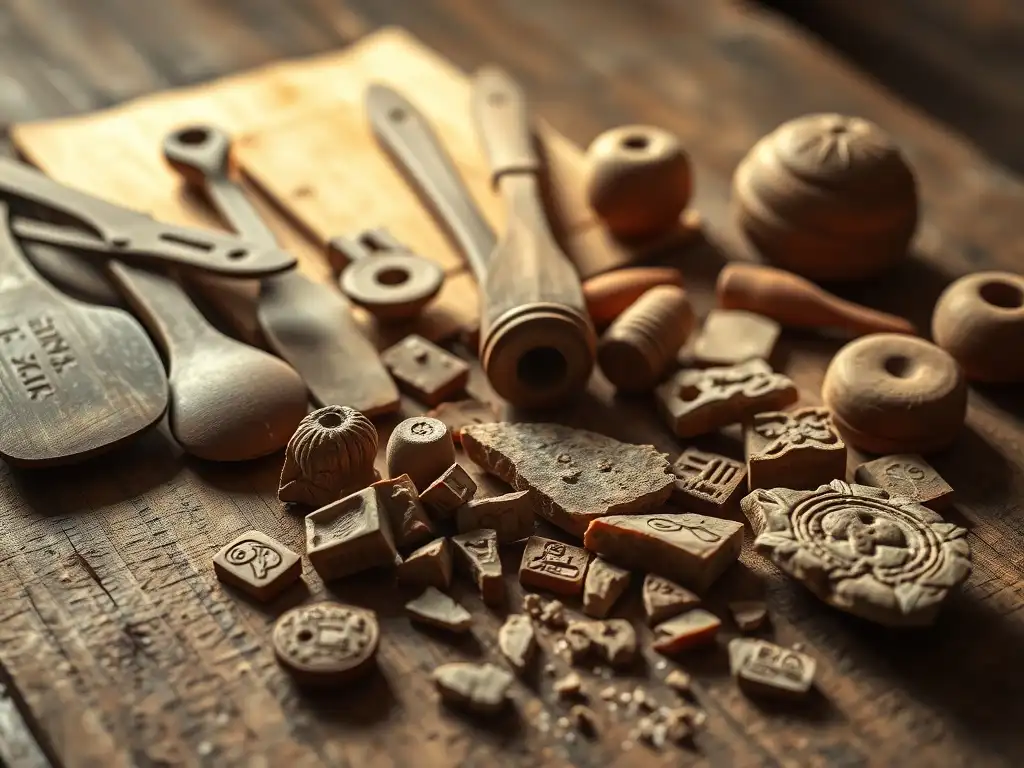
The creation of the impressive array of Ancient Andean ceramic tools relied heavily on the readily available natural resources of the Andes Mountains. Understanding the materials used—from the clay itself to the pigments used for decoration—provides crucial insight into the technological prowess and resourcefulness of these ancient societies. This section will delve into the specific materials and their processing, highlighting the ingenuity involved in transforming raw materials into functional and often aesthetically stunning tools.
The careful selection and preparation of these materials directly impacted the quality, durability, and ultimately, the success of the finished ceramic tools. Analyzing these materials allows us to better appreciate the sophisticated understanding of material science possessed by Ancient Andean artisans.
Clay Sourcing and Preparation in Ancient Andean Societies
The foundation of any ceramic tool is, of course, the clay. Ancient Andean societies demonstrated a remarkable understanding of clay types and their properties, carefully selecting clays based on their suitability for specific tool types. Clay sourcing varied depending on geographical location and the specific needs of the community. Evidence suggests that potters often sourced clay from nearby riverbeds, alluvial deposits, and even specific hillside locations known for their high-quality clay.
The preparation of the clay was a crucial step in the process, significantly impacting the final product's quality. The process often involved several stages:
- Initial Collection: Clay was carefully collected, ensuring the avoidance of impurities like stones or organic matter.
- Washing and Purification: The collected clay was meticulously washed to remove unwanted materials. This involved repeatedly soaking, kneading, and filtering the clay in water.
- Drying and Weathering: After washing, the clay was often left to dry and weather for a period of time, allowing for further purification and improving its workability. This step helped to reduce shrinkage and cracking during firing.
- Kneading and Wedging: The final stage involved a thorough kneading and wedging process to remove air bubbles and ensure a uniform consistency. This was essential for creating strong, durable tools without defects.
The techniques used in clay preparation varied across different Andean cultures, reflecting regional differences in clay types and preferred tool-making methods. Further research is needed to fully document the specific techniques employed by each individual society. [Specific information pending on regional variations in clay preparation techniques].
Tempering Materials: Enhancing the Strength of Ceramic Tools
Adding temper to clay is a crucial step in pottery production, enhancing the strength, durability, and reducing shrinkage and cracking during firing. Ancient Andean potters employed a wide variety of tempering materials, demonstrating a sophisticated understanding of material science and their impact on the final product. The choice of temper often depended on the availability of local resources and the intended use of the ceramic tool.
Common tempering materials included:
- Sand: Widely available and easily incorporated, sand helped to reduce shrinkage and improve the tool's resistance to thermal shock.
- Crushed rock: Different types of crushed rock, such as granite or volcanic rock, were used, imparting varying levels of strength and texture.
- Shell fragments: The use of shell fragments, particularly in coastal regions, provided a readily available tempering material.
- Fiber: Organic materials like plant fibers were sometimes added, potentially improving the clay's plasticity and reducing cracking.
The proportion of temper added was carefully controlled, as too much could weaken the tool, while too little would not provide sufficient benefits. The precise ratios used varied across different Andean cultures and time periods, reflecting the adaptation of techniques to local conditions and available resources. The meticulous selection and incorporation of tempering materials highlight the advanced understanding of material science within Ancient Andean societies. [Further research is needed to quantify the exact ratios of tempering materials used by different Andean groups].
Mineral Pigments for Decorating and Identifying Tools
The use of mineral pigments to decorate Ancient Andean ceramic tools was not merely aesthetic; it often served practical purposes, too. Pigments were used to identify the tool's function, the community of origin, or even the skill level of the artisan. The vibrant colors and intricate designs found on many tools showcase the artistic talent and advanced knowledge of pigment preparation within these ancient societies.
Common mineral pigments included:
| Pigment | Color | Source |
|---|---|---|
| Hematite | Red | Iron oxide mineral |
| Goethite | Yellow/Brown | Iron oxide-hydroxide mineral |
| Manganese oxides | Black/Brown | Manganese minerals |
| Malachite | Green | Copper carbonate mineral |
| Azurite | Blue | Copper carbonate mineral |
The preparation of these pigments involved grinding the minerals into fine powders, often mixed with a binding agent. The application techniques varied, ranging from simple brush strokes to intricate designs applied using stencils or stamps. The durability of these pigments is a testament to the understanding of pigment chemistry and application techniques developed by Ancient Andean artisans.
The skillful use of pigments provided a means of visual communication and cultural expression, adding another layer of complexity to the study of Ancient Andean ceramic tools. Further analysis of pigment composition can help to pinpoint the sources of these materials and shed light on trade routes and cultural exchanges. 🎨
The Role of Andean Ceramic Tools in Daily Life and Rituals
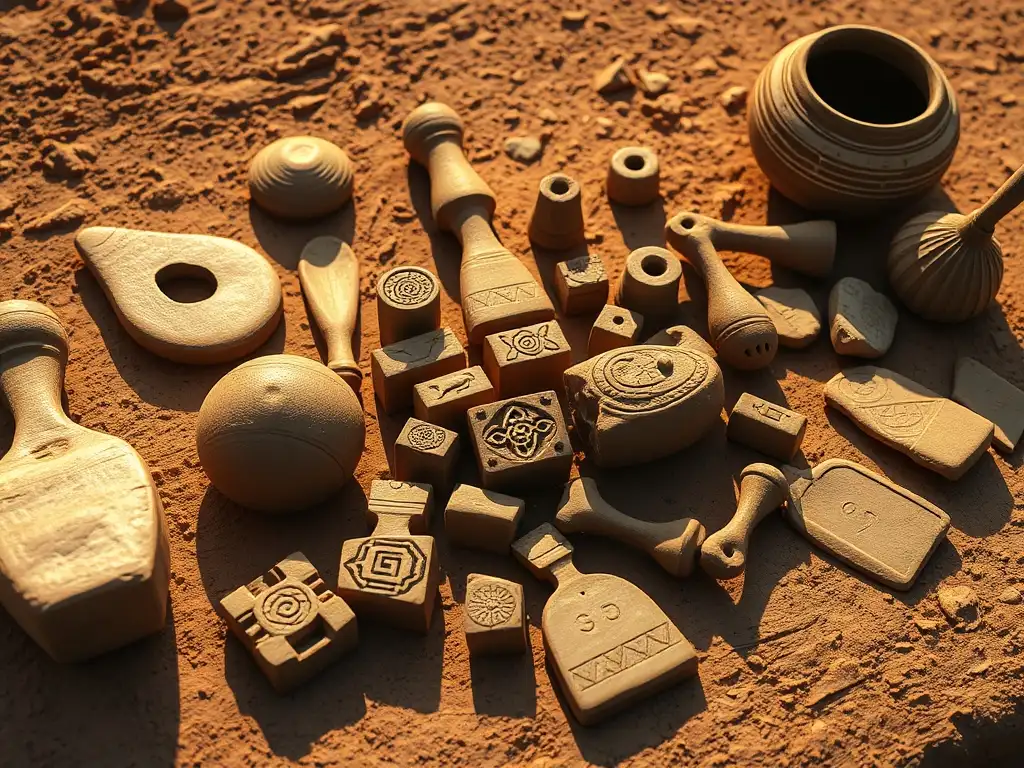
Ancient Andean ceramic tools were far more than simple instruments; they were integral to the fabric of daily life and deeply intertwined with the spiritual beliefs of these sophisticated civilizations. Their creation and use reflected a complex interplay of practical needs and symbolic meanings, shaping social structures and religious practices. Understanding these tools provides crucial insights into the ingenuity and worldview of Andean societies.
The development and refinement of these tools, over centuries, showcases a remarkable level of technological advancement and artistic expression. Examining the types of tools, their production methods, and their ultimate function allows for a deeper appreciation of the cultures that created them. The diversity in form and function directly correlates to the varied needs and beliefs of different Andean groups, highlighting the rich tapestry of Andean civilization.
Ceramic Tools in Food Preparation and Storage
Many ancient Andean ceramic tools were directly involved in food preparation and storage. Beyond the ubiquitous cooking pots, specialized tools facilitated various stages of food processing. Mortars and pestles, often crafted from volcanic stone as well as ceramic, were essential for grinding grains like maize and quinoa, preparing ingredients for chicha (a fermented corn beverage), and creating pastes for building materials. Consider the intricate designs found on many mortars and pestles; these are not merely functional objects but also artistic expressions.
The size and shape of the mortar and pestle varied depending on the intended use and the specific needs of the community. Larger mortars were used for communal food preparation, while smaller ones were designed for domestic use. Furthermore, the prevalence of storage jars, ranging from small containers for spices to large vessels for storing grains, speaks to the sophisticated agricultural practices and food preservation techniques of Andean societies.
Evidence suggests that certain types of clay were chosen specifically for their non-porous nature, enhancing the preservation of stored food. The meticulous craftsmanship evident in these vessels highlights the value placed on food security and the importance of efficient food storage within the Andean way of life. Analysis of residue found on these tools provides further evidence of their use in food preparation.
Ritual Use of Specialized Ceramic Implements
Beyond their practical applications, many ancient Andean ceramic tools served crucial ritualistic purposes. Specialized vessels, often adorned with intricate iconography, were used in ceremonies and religious practices. For instance, spouts on vessels were not always purely functional; their shapes and orientations could hold symbolic meaning related to specific deities or rituals.
Certain types of pottery were reserved exclusively for religious contexts, showcasing the strong connection between the material world and the spiritual realm. The use of specific clays or the inclusion of precious metals in the decoration further emphasized their sacred nature. Some ceramic objects, such as miniature figurines or intricately carved incense burners, were clearly intended for ritual use, providing insights into the beliefs and practices of the Andean people.
Archaeological evidence reveals the presence of such objects in tombs and sacred sites, solidifying their importance in funerary rites and religious ceremonies. The precise function of many of these ritual objects remains a subject of ongoing research, but their existence undeniably highlights the significance of ceramic tools within the religious landscape of Andean civilizations. Further research into the iconography and stylistic variations of these ritual objects is needed to fully understand their specific roles and meanings.
The production and distribution of pottery and its associated tools played a significant role in the social organization of Andean societies. The skill required to create high-quality ceramics was often specialized, leading to the development of skilled artisan communities. The presence of workshops and kilns at various archaeological sites suggests organized production and distribution networks.
The style and quality of pottery could also indicate social status; elaborate vessels with intricate designs might have been reserved for the elite, while simpler wares were used by the general population. Trade in pottery and ceramic tools further facilitated interaction and exchange between different Andean communities, contributing to the cultural exchange and interconnectedness of the region. The control over resources and the production of specialized tools could have significantly impacted social hierarchy and power dynamics.
Further studies examining the distribution patterns and stylistic variations of pottery across different regions are crucial for a comprehensive understanding of the social implications of ceramic production. Analysis of chemical compositions of the clay used in different regions could help to trace trade routes and identify specialized production centers. The social significance of ancient Andean ceramic tools and pottery remains a rich area of study, promising to reveal further insights into the complexity of Andean societies.
Analyzing the Technological Advancement of Andean Ceramic Tools
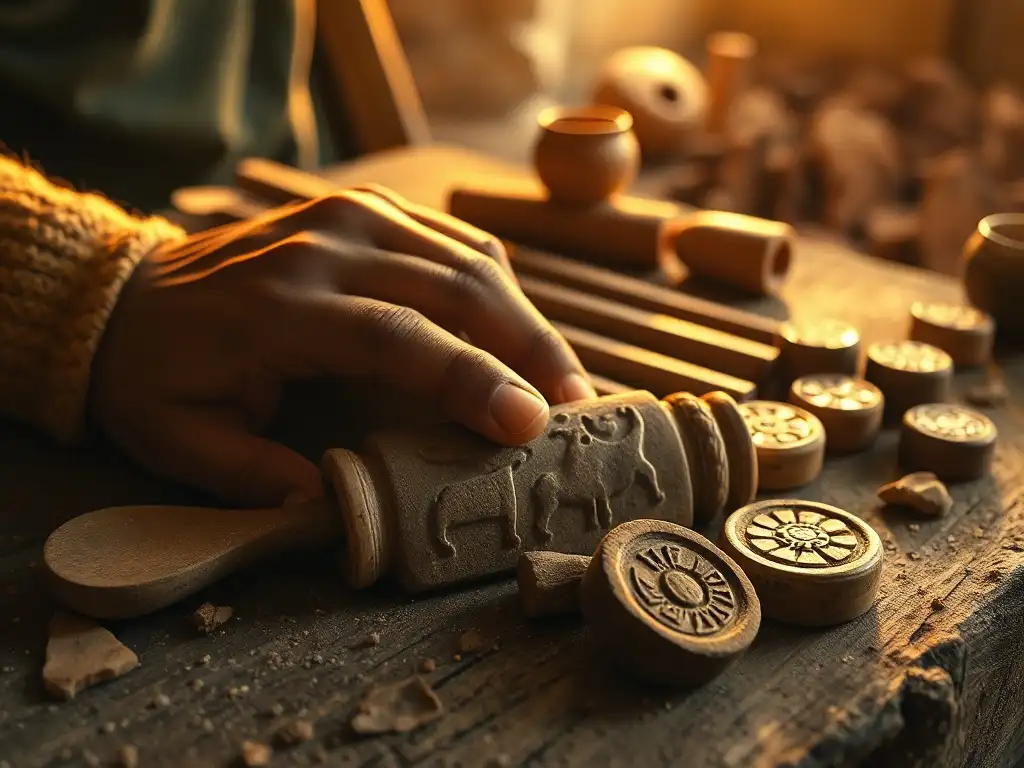
The creation of ceramics was a cornerstone of Andean civilization, reflecting not only artistic expression but also significant technological advancements. While the iconic potter's wheel is often associated with advanced ceramic production, its absence in the Andean region highlights the ingenuity and sophistication of their alternative techniques. Instead of relying on a rotating wheel, Andean artisans developed complex methods for shaping, firing, and decorating their pottery, showcasing a remarkable understanding of materials and processes.
This section delves into the technological prowess reflected in these unique tools and techniques, challenging common misconceptions about "primitive" technologies. The mastery over clay, pigments, and firing techniques resulted in stunningly diverse and durable ceramic pieces, serving a multitude of purposes from everyday use to elaborate ritual objects.
Analyzing these tools provides valuable insight into the societal structure, artistic sensibilities, and technological capabilities of these ancient cultures. The development of these tools wasn't a linear process; innovations emerged gradually, influenced by environmental factors and cultural exchanges, resulting in a rich tapestry of ceramic production methods across different Andean societies.
Innovation in Design and Functionality of Andean Ceramic Tools
Andean ceramic tools were incredibly diverse, reflecting regional variations and specialized functions. Instead of a potter's wheel, artisans employed various hand-building techniques, including:
- Coil building: This involved rolling out long, thin coils of clay and stacking them to create the desired shape. This technique allowed for considerable control over the vessel's form and thickness. Master potters could create remarkably thin-walled vessels with intricate designs, showcasing exceptional skill and precision.
- Pinch potting: This simpler method started with a ball of clay, pinched and shaped by hand. This technique was often used for smaller vessels or figurines. The variations in pinch pot techniques across different Andean cultures are fascinating, revealing unique stylistic preferences.
- Molding: More complex forms were often created using molds, demonstrating a sophisticated understanding of ceramic properties and manufacturing techniques. These molds could be carved from wood or stone, allowing for mass production of standardized shapes. Evidence suggests that some molds were reusable, indicating a level of industrial organization within ceramic production.
Beyond shaping, tools were crucial for surface decoration and finishing. These included:
- Sponges and brushes: Used to apply slips (liquid clay) and paints, creating smooth surfaces and intricate designs. The variety of textures achievable through different brushes and sponges points to a deep understanding of surface treatment.
- Carving tools: Made from bone, wood, or stone, these tools were used to create intricate carvings and incised designs, adding another layer of artistry and complexity to the ceramic pieces.
Comparing Andean Ceramic Tools with Other Ancient Civilizations
While the absence of the potter's wheel sets Andean ceramic technology apart from many other ancient civilizations like the Mesopotamians or Egyptians, it's crucial to avoid a simplistic "less advanced" interpretation. The hand-building techniques employed by Andean artisans were incredibly sophisticated and yielded results comparable in quality and artistry to wheel-thrown pottery.
For example, the thinness and precision of some Andean vessels rival those achieved by wheel-throwing, demonstrating a remarkable mastery of clay manipulation. Furthermore, the Andean focus on surface decoration and the diversity of techniques employed often surpassed the complexity found in other cultures' basic forms.
The use of molds, for example, showcases an understanding of mass production that was not always present in other contemporary societies. A direct comparison should therefore focus not on the presence or absence of a single tool (the potter's wheel), but rather on the overall ingenuity and effectiveness of the diverse array of tools and techniques used to achieve exceptional results.
The Legacy of Ancient Andean Ceramic Technology
The legacy of ancient Andean ceramic technology is profound and multifaceted. The sophisticated techniques developed by these cultures continue to inspire contemporary artists and craftspeople. The enduring beauty and functionality of ancient Andean ceramics stand as a testament to the skill and innovation of their creators.
The knowledge and skills passed down through generations contributed to the development of distinct regional styles, each with its own unique characteristics. The remarkable durability of many pieces, surviving millennia in harsh Andean climates, is a testament to the mastery of firing techniques. Moreover, the archaeological record of these tools and the pottery they produced offers invaluable insight into the social, economic, and religious life of these ancient civilizations.
Further research and analysis of these tools can still unlock further secrets about the ingenious and innovative nature of Andean ceramic technology. The study of ancient Andean ceramic tools continues to be a vital area of research, providing a window into the ingenuity and artistry of past civilizations and offering valuable lessons for contemporary crafts and materials science.
Conclusion: Appreciating the Ingenuity of Andean Potters
The absence of the potter's wheel in Andean ceramic production shouldn't be interpreted as a technological deficiency. Instead, it highlights the remarkable ingenuity and adaptability of Andean potters. Their mastery of hand-building techniques, combined with sophisticated tools and firing methods, resulted in a diverse and aesthetically stunning range of ceramic artifacts.
From the delicate Nazca vessels depicting intricate scenes to the monumental Tiahuanaco ceramics, the quality and artistry speak volumes about the skill and dedication of these ancient artisans. The development of specialized tools, like the carefully crafted modeling tools and burnishers, allowed for a level of precision and detail that is truly impressive. Understanding the full range of Ancient Andean ceramic tools is crucial to appreciating the complexity and sophistication of Andean ceramic production.
Their techniques, passed down through generations, represent a significant achievement in human technological history. The sheer variety of forms, styles, and decorative elements across different Andean cultures demonstrates not only technical skill but also a rich artistic expression deeply intertwined with their cosmology and social structures. The enduring legacy of these techniques continues to inspire and amaze.
The Enduring Impact of Andean Ceramic Techniques and Tools
The impact of Ancient Andean ceramic tools and techniques extends far beyond the archaeological record. Modern ceramic artists continue to be inspired by the innovative methods and aesthetic sensibilities of their Andean predecessors. The knowledge of ancient techniques, painstakingly pieced together through archaeological research, provides valuable insights for contemporary ceramic practices.
For example, the understanding of ancient firing techniques, using various types of kilns and fuel sources, helps in the development of sustainable and energy-efficient processes. Furthermore, the study of ancient Andean ceramic designs and motifs offers a wealth of inspiration for contemporary artists, leading to new creative explorations. The enduring appeal of Andean ceramic aesthetics is evident in its continued influence on contemporary art, design, and even fashion.
The intricate patterns, vibrant colors, and symbolic representations found on ancient ceramics continue to resonate with modern audiences, demonstrating the timeless appeal of these artistic achievements. The legacy of these skilled artisans is far from forgotten; it lives on in both the surviving artifacts and the ongoing study and inspiration they provide. This enduring impact underscores the significance of preserving and understanding the full scope of Ancient Andean ceramic tools and their cultural context.
Further Research and Exploration of Andean Ceramic Heritage
Despite significant advancements in archaeological research, much remains to be discovered regarding Ancient Andean ceramic tools and their production processes. Further research is needed to fully understand the nuances of various techniques employed across different Andean cultures and time periods. Detailed analysis of surviving tools, combined with ethnographic studies of contemporary Andean pottery traditions, can provide valuable insights into the evolution of these techniques. This research could include:
- Detailed chemical analysis of clay sources and pigments: This would help to trace the trade networks and resource management strategies of ancient Andean societies.
- 3D modeling and digital reconstruction of ancient kilns: This would allow for a better understanding of the firing processes and their impact on the final product.
- Comparative studies of ceramic styles and techniques across different Andean cultures: This would shed light on the cultural exchange and technological diffusion within the region.
- Ethnoarchaeological studies of contemporary Andean potters: This would provide valuable insights into the continuity and evolution of traditional techniques.
The exploration of Andean ceramic heritage is not just an academic pursuit; it is a vital contribution to the understanding of human ingenuity and cultural diversity. The meticulous study of Ancient Andean ceramic tools and their associated techniques offers a window into the past, enriching our appreciation for the creative spirit and technological achievements of these remarkable civilizations. Continued research and preservation efforts are essential to ensure that this invaluable heritage is protected and celebrated for generations to come. 🏺
Frequently Asked Questions
Did Andean civilizations use the potter's wheel?
No, the potter's wheel was not used by Andean civilizations. They developed sophisticated techniques using hand-building methods and molds to create their impressive ceramics.
What were some common materials used to make Andean ceramic tools?
Andean ceramic tools were often made from clay, but also incorporated stones, shells, and bone for shaping, smoothing, and decorating pottery. Obsidian was sometimes used for cutting tools.
How did the absence of the potter's wheel impact Andean pottery?
The lack of a potter's wheel resulted in unique styles and techniques. Andean ceramics are characterized by their hand-built forms, often featuring unique textures and shapes not easily replicated with a wheel.
What types of ceramic tools were used for decorating Andean pottery?
A variety of tools were used for decoration, including sponges, brushes, carved stamps, and incised tools. These tools created intricate patterns and designs reflecting Andean artistry.
Where can I learn more about Ancient Andean ceramic tools and techniques?
You can explore museums with Andean collections, academic journals, and online resources dedicated to Andean archaeology and ancient technologies. Many books are also available detailing ceramic production in Andean cultures.
Final Reflection: Shaping Our Understanding of Andean Heritage
The intricate artistry of ancient Andean ceramic tools continues to resonate today, offering invaluable insights into a rich and complex civilization. Their meticulous craftsmanship not only reveals advanced technological skills but also speaks volumes about the social structures, beliefs, and daily lives of the people who created them. These aren't simply relics of the past; they are windows into a vibrant culture that deserves continued study and appreciation.
The enduring legacy of these tools extends far beyond their practical function; they represent a profound connection to the land, a deep understanding of materials, and a sophisticated aesthetic sensibility. Their influence can still be seen in contemporary Andean art and culture, a testament to the enduring power of tradition. The past is never dead. It's not even past.
– William Faulkner. This quote perfectly encapsulates the ongoing relevance of these ancient tools and the stories they tell. Their continued study allows us to bridge the gap between past and present, fostering a deeper understanding and appreciation for the Andean heritage.
Consider the implications of this knowledge. What can we learn from the ingenuity and dedication of these ancient artisans? How can we apply their principles of sustainability and resourcefulness to our own lives? I urge you to delve deeper, to explore the rich tapestry of Andean history, and to find inspiration in the enduring legacy of these remarkable ceramic tools. Let their artistry ignite your own creativity and remind you of the power of human ingenuity to shape not only clay, but also our understanding of the world around us.
Unveil Your Creativity with Andean Craftsmanship!
Thank you for exploring the fascinating world of ancient Andean ceramics! We hope you were inspired by the rich history and innovative techniques that shaped these remarkable pieces. Now, let's put that inspiration to work!
Here are some exciting ways to further engage with this vibrant tradition:
- **Enroll in a local pottery class** to experience the tactile joy of creating your own ceramic pieces, just like the master artisans of the Andes.
- **Try a DIY ceramic project at home**, experimenting with designs inspired by Andean motifs and techniques.
- **Share your creations and discoveries with our community! ** Tag us on social media with photos of your pottery and use the hashtag #AndeanArtistry to connect with fellow enthusiasts.
Which aspect of Andean ceramic techniques are you most excited to explore in your own work?