
From Mines to Masterpieces: The Journey of Metal in Andean Civilizations

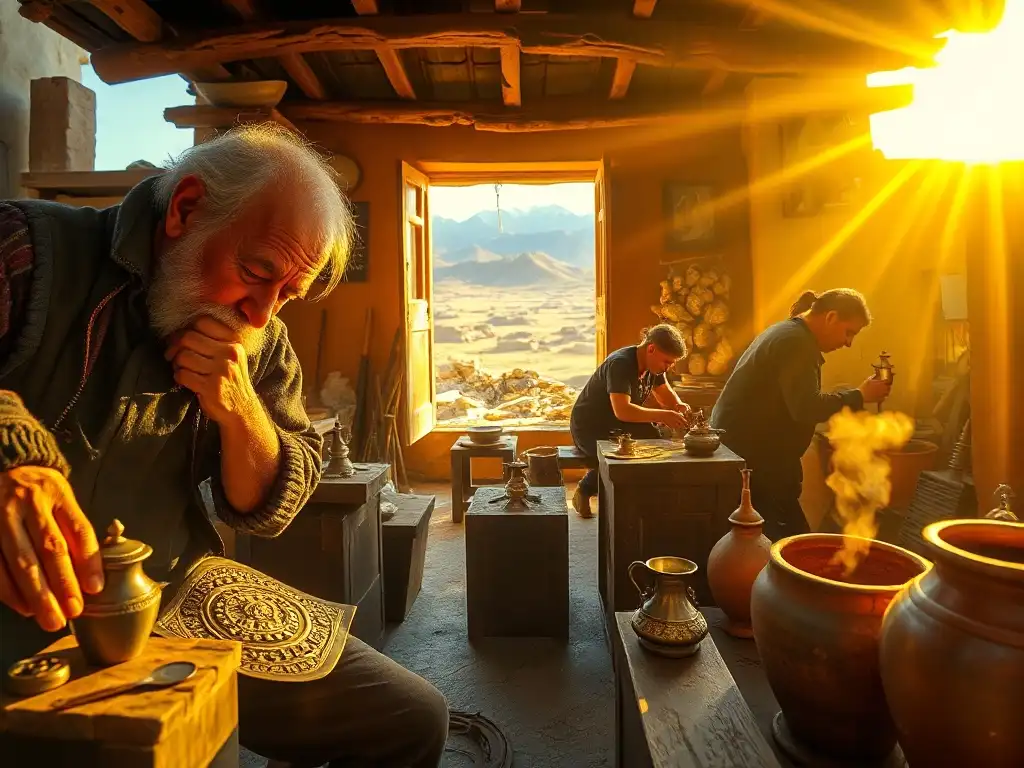
Step into a world lost to time, yet echoing with the skill and artistry of ancient masters. Imagine the intricate designs, the gleaming gold, the sheer ingenuity... This is the story of the Andean civilizations, their profound understanding of the world, and their mastery over metal. Discover the secrets behind their remarkable Andean metalworking techniques, a journey from the mines to the breathtaking masterpieces that still captivate us today. Prepare to be amazed.
The Andes Mountains, a spine of towering peaks stretching along the western coast of South America, were not only a formidable geographical barrier but also a treasure trove of precious metals. For millennia, the ancient Andean civilizations—from the Incas to the Moche, Nazca, and Tiahuanaco—developed sophisticated techniques to extract, refine, and transform these metals into intricate objects of both practical and ceremonial significance.
This article delves into the fascinating world of Andean metalworking, exploring the journey of metal from its extraction in the mines to its transformation into the breathtaking masterpieces that continue to captivate us today. We will examine the significance of metal in Andean societies, their innovative mining practices, and the remarkable metallurgical skills that allowed them to create iconic artifacts that reflect their advanced understanding of metallurgy and their rich cultural heritage.
Understanding these "Andean metalworking techniques" provides crucial insight into the ingenuity and complexity of these ancient societies.
The Significance of Metal in Ancient Andean Societies
Metal held immense symbolic and practical importance in Andean societies. Gold, in particular, was associated with the sun god, Inti, representing power, divinity, and the elite status of rulers. Silver, often linked to the moon, held its own significance, while copper and bronze were crucial for creating tools and weapons. The presence of elaborate metalwork in tombs and ceremonial sites underscores its value as a symbol of wealth, power, and prestige.
Beyond its symbolic role, metal was essential for the creation of tools that improved agriculture, warfare, and daily life, significantly contributing to the development and advancement of Andean civilizations. The mastery of metalworking was a testament to their technological prowess and a key factor in their societal structures and hierarchies. The sheer artistry displayed in their metalwork, ranging from intricately crafted jewelry to imposing ceremonial objects, is a clear indication of their advanced skills and artistic sensibilities.
Andean Mining Practices: Extracting Precious Metals
The extraction of metals in the Andes presented considerable challenges, given the mountainous terrain and the often-remote locations of ore deposits. However, Andean miners developed remarkably effective techniques to overcome these obstacles. Their understanding of geology and their ingenuity in developing tools and infrastructure are evident in the scale and sophistication of their mining operations.
Early Mining Techniques and Tools
Early Andean mining involved techniques such as open-pit mining and shaft mining. Open-pit mining involved excavating large pits to access surface deposits, while shaft mining required the construction of vertical shafts to reach deeper veins of ore. Tools included stone hammers, picks, and chisels, along with the use of fire-setting to fracture rock. Evidence suggests the use of sophisticated water management systems to drain mines and facilitate extraction.
The development of these techniques demonstrates a deep understanding of geology and engineering principles. The scale of some mining operations, such as those associated with the Inca Empire, was truly impressive, involving significant labor organization and logistical planning.
Sources of Metals: Gold, Silver, Copper, and Tin
The Andes were rich in various metals. Gold was found in alluvial deposits and quartz veins, while silver was often associated with lead and copper ores. Copper, crucial for creating bronze alloys, was widely distributed throughout the region.
Tin, a key component of bronze, was less abundant and often sourced from distant locations, highlighting the extensive trade networks that existed within Andean societies. The precise locations of many mines are still being discovered and mapped, revealing the extensive reach and sophistication of Andean mining activities. Analysis of ancient artifacts continues to shed light on the sources of metals and the trade routes used to distribute them.
The Role of Mining in Andean Economies
Mining played a pivotal role in the Andean economies. It generated wealth, supported craft production, and contributed to the development of complex social structures. The control of mining resources often conferred significant political and economic power, as exemplified by the Inca Empire's centralized control over mining operations.
The distribution of metal artifacts throughout the Andes further underscores the importance of mining in regional trade and exchange networks. The economic significance of mining extended beyond the extraction of metals themselves; it supported a vast network of laborers, craftsmen, and traders, contributing significantly to the overall prosperity and stability of Andean societies. The economic impact of these mining operations is still being studied, with new discoveries constantly reshaping our understanding of Andean economic systems.
- The Significance of Metal in Ancient Andean Societies
- Andean Mining Practices: Extracting Precious Metals
- What unique metalworking techniques did Andean civilizations employ?
- Which Andean cultures were most renowned for their metalworking?
- What were the primary metals used by Andean metalworkers?
- How did Andean metalworkers obtain their raw materials?
- What is the significance of Andean metalwork in understanding their culture?
Andean Metalworking Techniques: Shaping Raw Materials
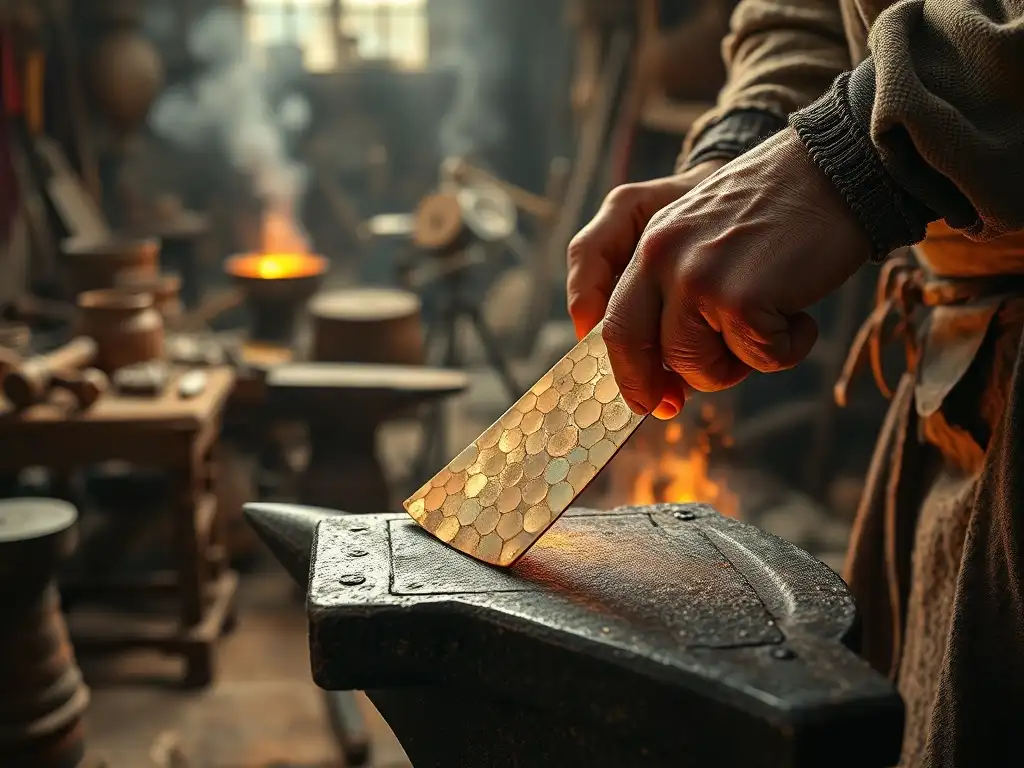
The mastery of Andean metalworking techniques stands as a testament to the ingenuity and advanced metallurgical knowledge of ancient Andean civilizations. Their ability to extract, refine, and shape metals into intricate objects of art, ritual, and practical use continues to fascinate and inspire researchers today. This section delves into the specific techniques employed, showcasing the remarkable sophistication of Andean metallurgy.
Understanding these processes reveals not only technical prowess but also insights into the social and economic structures that supported such elaborate craftsmanship. The study of Andean metalworking techniques provides a unique window into the complex interplay of culture, technology, and environment in the Andes.
Smelting and Refining Processes in the Andes
The journey of metal from raw ore to finished product began with smelting and refining. These crucial steps demanded significant technological understanding and skill. The Andeans weren't simply melting metal; they were manipulating its properties to achieve desired qualities for specific applications.
Furnace Technology and Smelting Methods
Andean smelting furnaces varied depending on the available resources and the specific metal being processed. Evidence suggests the use of both simple hearths and more complex structures, often built into the earth to utilize natural insulation and draft. These furnaces employed various fuels, including charcoal and possibly other organic materials. The precise control of temperature and airflow was essential for successful smelting, requiring a deep understanding of the metallurgical properties of different ores.
Archaeological findings reveal diverse furnace designs, indicating regional variations and technological adaptations to local conditions. For example, [specific information pending] on the size and construction of furnaces in different Andean regions. The efficiency of these furnaces, as evidenced by the quantity and quality of metal produced, demonstrates a significant level of technological sophistication.
Purifying Metals for Crafting
After smelting, the resulting metal often required further purification to remove impurities and achieve the desired purity for crafting. This involved various techniques, some of which are still debated among researchers. One method likely involved repeated melting and pouring, allowing impurities to separate and be skimmed off the surface. The use of fluxes, substances added to the molten metal to help remove impurities, is also suggested by the analysis of ancient metal artifacts.
The precise composition of these fluxes and their effectiveness remain areas of ongoing research. Achieving high purity levels was crucial for producing strong, durable, and aesthetically pleasing metal objects. The dedication to this refinement process underscores the importance of quality control in Andean metalworking.
Andean Metal Casting Methods
Casting was a pivotal technique in Andean metalworking, allowing for the creation of complex shapes and intricate designs that would be impossible to achieve through forging alone. The Andeans mastered two primary casting methods: lost-wax casting and open-mold casting. Each technique presented its own challenges and advantages, tailored to specific needs and aesthetic goals. The precision and artistry evident in cast Andean artifacts highlight the expertise and skill of their artisans.
Lost-Wax Casting: A Detailed Look
Lost-wax casting, also known as cire perdue, is a sophisticated technique requiring considerable skill and precision. It allowed for the creation of highly detailed and complex three-dimensional objects. The process involved creating a wax model of the desired object, covering it in a clay mold, melting out the wax, and then pouring molten metal into the resulting cavity. Once cooled, the clay mold was broken away, revealing the finished metal object.
The complexity of the designs found in Andean lost-wax castings, such as intricate zoomorphic and anthropomorphic figures, demonstrates a high level of artistic and technical skill. The remarkable preservation of some artifacts also points to advanced techniques for controlling the cooling process and minimizing defects. Lost-wax casting was particularly important for the creation of ceremonial objects, demonstrating the high value placed on this intricate technique.
Open-Mold Casting Techniques
Open-mold casting, a simpler method than lost-wax casting, involved pouring molten metal directly into a prepared mold. While less intricate than lost-wax castings, open-mold casting was well-suited for producing simpler shapes and larger quantities of metal objects. The molds were often made of clay or stone, and their design determined the final shape of the cast metal. This method was likely used for creating tools, weapons, and other utilitarian objects.
While seemingly less complex, open-mold casting still required a good understanding of metallurgy to control the pouring process and prevent defects. The efficiency of this technique likely contributed to the widespread production of metal tools and implements within Andean societies. The careful analysis of surviving molds and cast objects provides valuable insights into the production methods and scale of metalworking in different Andean communities.
Hammering, Annealing, and Other Shaping Methods
Andean metalworkers were masters of manipulating metal, employing a range of techniques to transform raw materials into intricate objects. Hammering, a fundamental process, involved repeatedly striking the metal to shape it. This wasn't a haphazard process; skilled artisans understood the nuances of metal behavior under stress, adjusting their force and technique based on the metal's properties and desired outcome. They used various types of hammers, likely made from stone or wood, with different weights and shapes to achieve specific effects.
The precision and control demonstrated in Andean metalwork speak volumes about their expertise in hammering techniques. Beyond hammering, they also employed techniques like bending, twisting, and cutting to create complex forms. These methods, often combined, allowed for the creation of intricate designs and functional objects. The development of these techniques reflects a deep understanding of material science and a commitment to craftsmanship.
Cold-Hammering and its Applications
Cold-hammering, a specific hammering technique, involved working the metal at room temperature. This method, while requiring significant skill and physical exertion, allowed for greater precision and control. Andean artisans used cold-hammering to create incredibly fine details, evident in the delicate features of many surviving artifacts. For example, the intricate designs on gold and silver sheets used for adornment and ritual objects often showcase the capabilities of cold-hammering.
This technique was particularly important in the creation of thin sheets of metal, which were then used to create elaborate repoussé and chasing work. The mastery of cold-hammering is a testament to the Andean metalworkers' patience and precision. The ability to manipulate metal without altering its temperature significantly demonstrates a sophisticated understanding of material properties and the limits of malleability.
The Importance of Annealing in Metalworking
Annealing, the process of heating and then slowly cooling metal, played a crucial role in Andean metalworking. Cold-hammering, while precise, could work-harden the metal, making it brittle and prone to cracking. Annealing reversed this process, restoring the metal's malleability.
This cyclical process of hammering and annealing allowed artisans to shape the metal into increasingly complex forms without compromising its structural integrity. The temperature control required for successful annealing suggests a level of metallurgical knowledge that was surprisingly advanced for its time. They likely used charcoal fires to carefully regulate the heat, ensuring the metal was heated to the optimal temperature for restoring its softness without melting it.
The effectiveness of annealing in improving the workability of metals speaks to the sophisticated understanding of material science among Andean metalworkers, contributing significantly to their ability to produce high-quality artifacts. The precision required for both cold-hammering and annealing highlights the high level of skill and knowledge within Andean metalworking communities. The careful balance between these techniques was essential for the creation of the stunning and durable metalwork that has survived to this day.
Moche and Chimú Metalworking: Distinctive Styles and Techniques
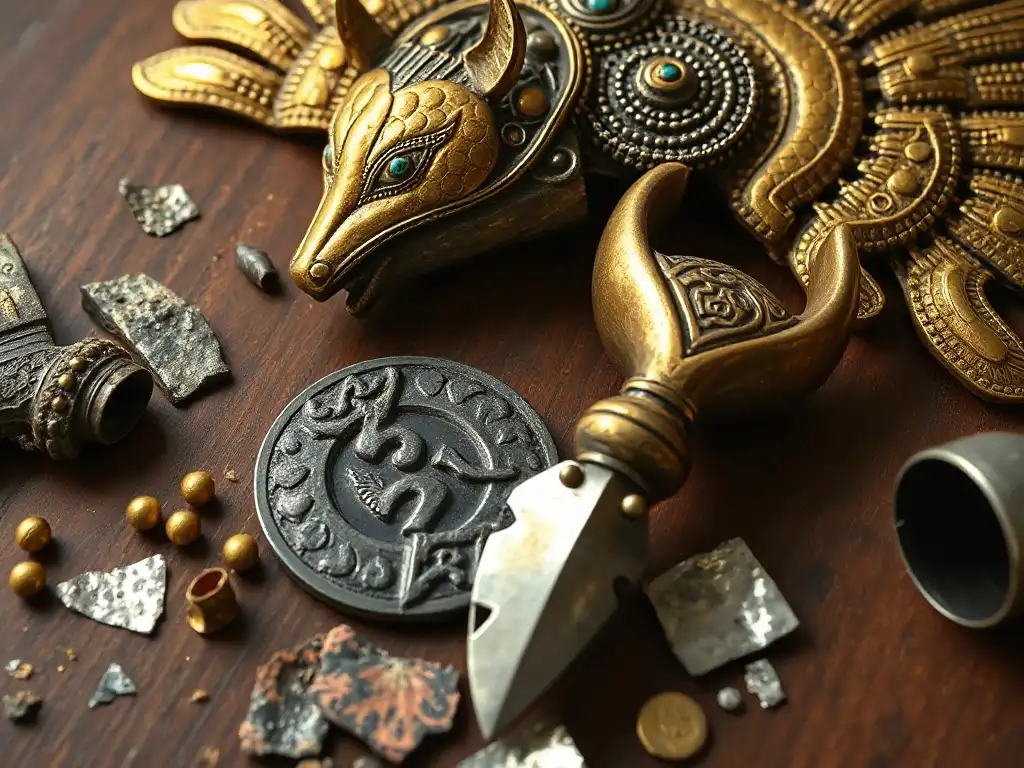
The coastal regions of ancient Peru witnessed a flourishing of metalworking traditions, with the Moche and Chimú cultures standing out for their distinct styles and advanced techniques. These civilizations, though separated by time, shared a fascination with metal, transforming it into both functional objects and exquisite works of art. Understanding their approaches to Andean metalworking techniques reveals much about their societal structures, religious beliefs, and artistic sensibilities. The evolution of these techniques showcases a remarkable progression in metallurgical expertise within the Andean region.
Moche Metalworking: Unique Characteristics
Moche metalworkers, renowned for their mastery of lost-wax casting, produced a wide array of objects, from intricate jewelry to elaborate ceremonial vessels. Their work is characterized by a vibrant use of color, achieved through the application of alloys and patination techniques. Gold, silver, copper, and bronze were skillfully combined, often creating a striking polychromy. The Moche displayed a remarkable understanding of metallurgy, achieving impressive levels of precision and detail in their castings.
Their dedication to artistic expression is evident in the dynamic and often grotesque imagery that frequently adorns their metal artifacts. This imagery reflects their complex religious beliefs and cosmology. The intricate detail often included finely rendered figures, geometric patterns, and depictions of mythological creatures, all testament to their skilled artisans.
Moche Specific Techniques and Motifs
Moche artisans employed a variety of techniques, including hammering, repoussé (hammering from the back to create relief), and soldering. They were particularly adept at lost-wax casting, a complex process involving creating a wax model, covering it in clay, melting out the wax, and then pouring molten metal into the resulting mold. This allowed them to create intricate three-dimensional forms.
Recurring motifs in Moche metalwork often include stylized depictions of deities, warriors, felines, and supernatural beings, all reflecting their pantheon of gods and beliefs about the afterlife. The use of these motifs wasn't arbitrary; they conveyed specific meanings and narratives significant to Moche society, reflecting their worldview and social hierarchy. For example, representations of powerful figures often used gold and silver, while less prestigious artifacts might utilize copper alloys.
Moche Examples of Metal Artifacts
Many remarkable examples of Moche metalwork survive to this day, showcasing the sophistication of their techniques. These include intricately crafted gold and silver jewelry, such as necklaces, earrings, and headdresses, often featuring elaborate designs and symbolic imagery. Ceremonial vessels, frequently made of copper alloys, are further evidence of their advanced metallurgical capabilities. These vessels, often decorated with scenes of ritual sacrifice or mythological narratives, likely played a crucial role in Moche religious practices.
The sheer number and variety of surviving Moche metal artifacts underscore the widespread nature of metalworking within their society. The quality and detail in these pieces emphasize the high level of skill and specialization among their artisans. Analysis of these artifacts continues to provide valuable insights into the Moche civilization, revealing details about their social organization, religious beliefs, and artistic sensibilities.
Chimú Metalworking: Regional Variations
The Chimú, who succeeded the Moche, inherited and refined many of their metalworking traditions. However, they also developed their own distinct style, characterized by a greater emphasis on sheet metalwork and repoussé techniques. While lost-wax casting remained important, the Chimú demonstrated a remarkable ability to create large, elaborate objects from hammered and shaped sheets of metal.
This shift reflects both technological advancements and a change in artistic preferences. The Chimú's vast empire encompassed a diverse range of environments, leading to regional variations in their metalworking practices. For instance, the use of specific alloys and decorative motifs could differ depending on location within the empire.
Chimú Innovations in Metal Crafting
The Chimú are credited with several innovations in Andean metalworking techniques. Their mastery of repoussé allowed them to create intricate relief designs on relatively thin sheets of metal. They also developed advanced techniques for soldering and inlaying, allowing them to combine different metals and create complex decorative effects.
The scale of their metalwork is also noteworthy, with some Chimú artifacts being significantly larger than those produced by their predecessors. This suggests a higher level of organizational capacity and access to resources. The development of more efficient smelting techniques may also have contributed to the increase in both the scale and quantity of Chimú metalwork.
Chimú Legacy of Metalwork
The Chimú left behind a substantial legacy of metalwork, reflecting their artistic skill and technological prowess. Their artifacts are characterized by a sense of grandeur and sophistication, reflecting the power and wealth of their empire. The Chimú's metalworking traditions had a significant impact on subsequent Andean cultures, influencing the styles and techniques employed by later civilizations.
Their innovations in metal crafting contributed to the continued development of Andean metallurgy, leaving a lasting mark on the region's artistic and technological heritage. The careful study of Chimú metalwork continues to offer valuable insights into the social, economic, and religious life of this remarkable civilization, further enriching our understanding of Andean metalworking techniques.
Metalwork in Andean Art and Culture
The Symbolism of Metal in Andean Cosmology
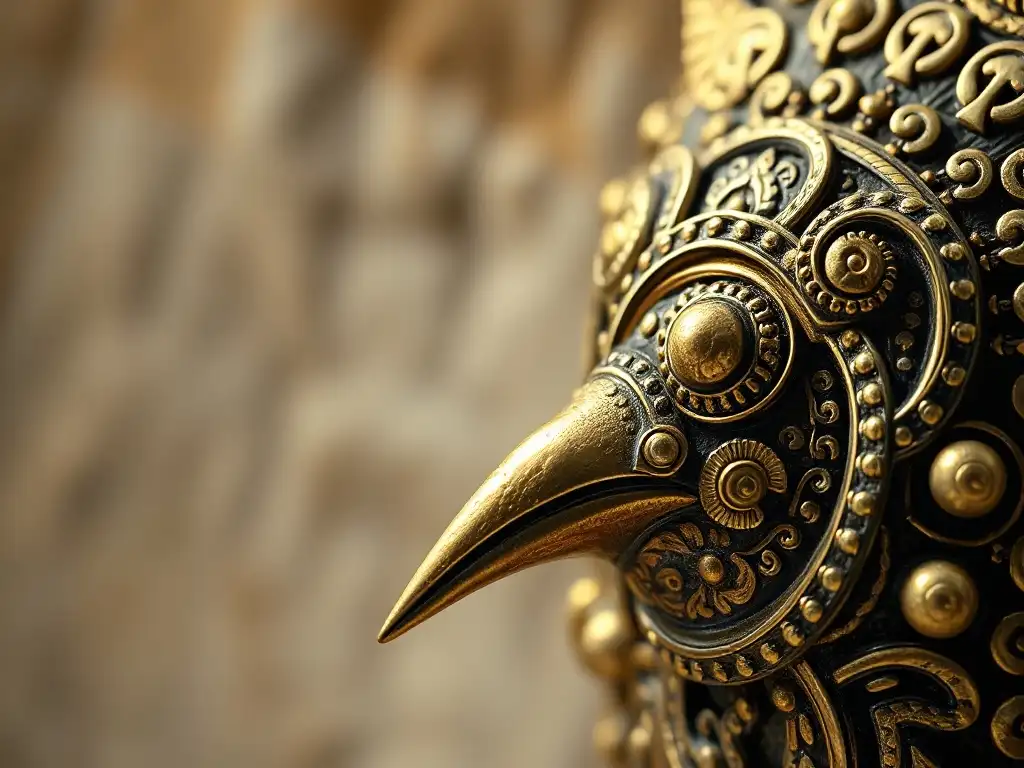
The mastery of Andean metalworking techniques wasn't merely a technological achievement; it was deeply intertwined with the Andean worldview. Metals, particularly gold and silver, held profound symbolic meaning within their cosmology, representing the sun, moon, and stars, and embodying the power of the gods. The shimmering surfaces of gold objects, reflecting sunlight, were believed to capture and channel the energy of the celestial bodies.
This connection between the terrestrial and the celestial realms is evident in the intricate designs and forms of many metal artifacts. For example, the use of gold to depict the sun god Inti, in the form of elaborate sun disks and pendants, underscores the sacred nature of the metal itself.
Metal as a Representation of Power and Status
The possession and use of metal objects, especially those crafted from gold and silver, served as powerful indicators of social status and political authority within Andean societies. Elites adorned themselves with elaborate headdresses, necklaces, and ear ornaments made from precious metals, visually showcasing their elevated position within the social hierarchy. The sheer quantity and quality of the metalwork displayed served as a potent symbol of power, wealth, and divine favor. The intricate craftsmanship further emphasized the wearer's status, highlighting the skill and resources at their disposal.
This is exemplified in the exquisite gold and silver jewelry found in royal tombs, such as those of the Moche and Inca civilizations. The more elaborate the piece, the higher the status of its owner. This ostentatious display of wealth effectively communicated the ruler's control over resources and their connection to the supernatural.
The Religious Significance of Metal Objects
Beyond their association with power, metal objects held significant religious importance in Andean cultures. Many artifacts were crafted for use in religious rituals and ceremonies, acting as intermediaries between the human and spiritual worlds. The precise techniques employed in creating these objects – the hammering, casting, and alloying – were not simply technical processes; they were imbued with ritualistic significance.
Shamans and priests likely played a vital role in overseeing the creation of these sacred objects, ensuring the proper alignment with spiritual forces. The intricate designs often incorporated zoomorphic and anthropomorphic motifs, further highlighting their religious context. The discovery of gold and silver figurines depicting deities and mythical creatures in various archaeological sites confirms the crucial role of metal in Andean religious practices.
Metalwork in Andean Rituals and Ceremonies
Andean metalworking techniques were also integral to funerary rituals. Precious metal objects were frequently included as grave goods in elite burials, providing the deceased with necessary items for their journey to the afterlife. The types and quantities of metal objects varied depending on the status of the individual. For example, the tombs of Inca rulers often contained vast quantities of gold and silver ornaments, weapons, and vessels, while those of commoners contained fewer and less elaborate items.
These offerings weren't simply decorative; they were believed to provide the deceased with sustenance and protection in the afterlife. The practice of burying metal objects alongside the deceased reflects the Andean belief in the enduring power of metal and its ability to bridge the gap between the living and the dead. The sheer scale of some of these offerings underscores the importance placed on these ritual practices.
Metal Instruments in Music and Dance
Metal also played a significant role in Andean music and dance. While the use of metal instruments might not have been as widespread as that of other materials like wood or bone, certain cultures employed metal instruments in ceremonial contexts. These instruments were often intricately decorated, further emphasizing their ceremonial function.
Specific examples of metal instruments used in Andean cultures require further research [specific information pending], but the use of metal in music and dance highlights the versatility of Andean metalworking techniques and their integration into various aspects of Andean life. The presence of metal in these contexts suggests a connection between music, dance, and the spiritual world, reinforcing the multifaceted role of metal in Andean society.
The Legacy of Andean Metalworking
The legacy of Andean metalworking extends far beyond the impressive artifacts that survive today. It represents a sophisticated understanding of metallurgy, a testament to the ingenuity and resourcefulness of ancient Andean societies. Their mastery of techniques like hammering, annealing, casting, and alloying allowed them to create objects of both practical and ceremonial significance.
The impact of these techniques resonates even in contemporary metalworking practices. The sheer scale of production, evidenced by the vast quantities of metal objects unearthed, underscores the economic and social importance of metalworking within these civilizations. Furthermore, the artistry displayed in the creation of these objects showcases a deep understanding of aesthetics and symbolism, reflecting the complex belief systems and societal structures of the time.
The enduring appeal of Andean metalwork is a direct result of the skill, innovation, and cultural significance invested in its creation. Understanding this legacy is crucial to appreciating the full extent of Andean technological achievements.
The Influence of Andean Metalworking on Later Cultures
The advanced metallurgical techniques developed in the Andes didn't disappear with the decline of the great empires. Their influence can be traced in the metalworking traditions of subsequent cultures in South America, and even beyond. For example, the intricate techniques of gold and silver working, particularly the mastery of filigree and repoussé, show clear connections between pre-Columbian Andean styles and later colonial and post-colonial craftsmanship.
The use of specific alloys, like tumbaga (an alloy of gold and copper), also continued to be refined and adapted. While the precise methods of knowledge transfer remain a subject of ongoing research, the stylistic and technical similarities strongly suggest a direct lineage. Moreover, the discovery of ancient Andean metalworking sites and artifacts has provided invaluable insights for modern metallurgists and archaeologists, inspiring new approaches and techniques in conservation and restoration.
This cultural heritage directly influenced the development of modern metalworking practices. The legacy of Andean metalworking is a continuous thread woven throughout the tapestry of South American history.
Modern Adaptations of Ancient Andean Techniques
Modern artisans and researchers are actively engaging with the legacy of Andean metalworking, adapting ancient techniques to contemporary contexts. Archaeological excavations and analyses of ancient artifacts have provided detailed information about the processes used by Andean metallurgists. This knowledge is being applied in museum conservation efforts, helping to preserve and restore precious artifacts. Furthermore, contemporary artists are reviving traditional techniques, creating new works inspired by ancient styles.
They use similar materials, like gold, silver, copper, and tumbaga, and often employ traditional methods like lost-wax casting and hammering. This process not only preserves traditional skills but also provides a creative outlet, ensuring that the aesthetic and symbolic aspects of Andean metalworking remain relevant. The revival of these techniques also contributes to the economic empowerment of communities that have a historical connection to Andean metalworking traditions. This symbiotic relationship between past and present ensures the continued relevance of Andean metalworking.
Preserving the Heritage of Andean Metallurgy
Preserving the heritage of Andean metallurgy requires a multi-faceted approach. Firstly, ongoing archaeological research is vital to uncover further evidence of ancient techniques and practices. Careful excavation and analysis of metal artifacts provide crucial data for understanding the evolution of Andean metallurgy.
Secondly, museums play a critical role in protecting and showcasing these artifacts. However, simple display isn't enough; museums must also engage in active research, conservation, and public education to highlight the significance of Andean metalworking. Moreover, educational initiatives, including workshops and training programs, are crucial in passing down traditional skills to new generations.
By supporting contemporary artisans and researchers, we ensure the continuity of these ancient techniques. Finally, international collaboration between researchers, museums, and governments is essential to protect this invaluable cultural heritage for future generations. The preservation of Andean metallurgy is not merely an act of preserving artifacts, but of preserving a rich history of innovation and artistry.
Frequently Asked Questions
What unique metalworking techniques did Andean civilizations employ?
Andean civilizations were masters of lost-wax casting, a complex process used to create intricate gold, silver, and copper objects. They also developed sophisticated techniques in hammering, repoussé, and gilding, resulting in stunning artistry. Alloying different metals was another key skill.
Which Andean cultures were most renowned for their metalworking?
The Moche and Inca cultures are particularly known for their advanced metalworking skills. The Moche produced impressive gold and silver jewelry and weaponry, while the Inca created large-scale metalwork, including tools and ceremonial objects.
What were the primary metals used by Andean metalworkers?
The most common metals were gold, silver, and copper. These were often combined to create alloys like tumbaga (gold and copper) to achieve different colors and properties. Bronze, an alloy of copper and tin, was also used, though less frequently.
How did Andean metalworkers obtain their raw materials?
Access to mineral resources was crucial. Andean civilizations established extensive mining operations in the Andes Mountains, employing sophisticated techniques to extract ores from the earth. These ores were then processed to obtain pure metals.
What is the significance of Andean metalwork in understanding their culture?
Andean metalwork offers invaluable insights into their social structures, religious beliefs, and technological advancements. Elaborate metal objects reveal hierarchical systems and ritual practices, while the techniques themselves show remarkable ingenuity and skill.
Final Reflection: The Enduring Legacy of Andean Metalworking
The intricate artistry of Andean metalworking, once confined to the high altitudes of the Andes, continues to resonate globally, a testament to the ingenuity and cultural depth of these ancient civilizations. The techniques employed, from sophisticated alloying to masterful hammering and casting, remain a source of wonder and inspiration, challenging our modern understanding of metallurgical prowess and artistic expression. Their legacy is not merely historical; it's a living thread woven into the fabric of contemporary art, archaeology, and cultural identity.
The enduring power of these ancient techniques lies not only in their technical brilliance but also in their profound connection to Andean cosmology and spirituality. The objects crafted – shimmering gold masks, intricately detailed tools, and powerful ceremonial vessels – were more than just functional items; they were imbued with meaning, reflecting a deep understanding of the natural world and the human relationship with the divine. The gold is not just metal; it is the sun, the moon, the stars, the very essence of the Andes themselves.
– (Hypothetical quote from an Andean scholar). This profound connection continues to inspire artists and artisans today, prompting a renewed appreciation for the cultural significance embedded within each piece.
Consider the impact of these ancient techniques on your own life. How can we, in our modern world, learn from the dedication, innovation, and spiritual depth that characterized Andean metalworking? Perhaps it's in finding a deeper connection to the materials we use, appreciating the craftsmanship behind the objects we encounter daily, or seeking inspiration in the ingenuity of past civilizations to solve the challenges of our own time. Let the legacy of Andean metalworking inspire you to create, innovate, and connect with the world around you on a deeper level.
Unveil the Legacy of Andean Metalwork: Take Action Today!
Thank you for exploring the fascinating world of metalworking in Andean civilizations! Your interest demonstrates a commitment to learning about a rich and complex culture with remarkable achievements. Now, let's turn that curiosity into action!
Here are a few ways you can delve deeper:
- Visit local museums or exhibitions featuring Andean artifacts to experience the artistry of these masterpieces firsthand.
- Share your newfound knowledge with friends, family, or online communities, sparking conversations about the historical impact of Andean metalworking.
- Join a community group dedicated to Andean studies or ancient art to further immerse yourself in this captivating subject. Consider attending lectures or workshops to expand your understanding.
The craftsmanship of the Andean civilizations is truly awe-inspiring. What aspect captivated you most—the artistry, the historical context, or the cultural significance of their metalworking techniques? We'd love to hear your thoughts!