
Andean Ingenuity: The MultiFunctional Uses of Bone Implements


Prepare to be amazed. For centuries, the Andes Mountains have echoed with the whispers of lost empires. But what secrets lie hidden within their ancient artifacts? Dive into the fascinating world of Andean ingenuity and uncover the surprising multifunctional uses of Andean bone tools. Explore the intricate craftsmanship and unexpected applications of these remarkable implements—a testament to the advanced technology and innovation of these pre-Columbian civilizations. Discover how these seemingly simple tools played a vital role in the daily life and complex societies of the Andes. Ready to unravel the mystery? Let's begin!
The Andes Mountains, a spine of towering peaks stretching along the western coast of South America, nurtured a vibrant tapestry of ancient civilizations. From the sophisticated Incas to the enigmatic Nazca, these cultures developed remarkable technologies, often utilizing readily available resources in ingenious ways. This article delves into the fascinating world of Andean bone tools, exploring their diverse functionalities and revealing the resourcefulness and adaptability of these remarkable societies.
We will examine how bone, a seemingly simple material, became a crucial component in the daily lives of Andean peoples, showcasing their mastery of crafting and utilizing these tools for a wide range of purposes, from agriculture and hunting to ritualistic practices and personal adornment. Understanding the multifaceted uses of Andean bone tools provides invaluable insight into the ingenuity and complexity of these ancient cultures, offering a glimpse into their daily routines, beliefs, and technological prowess.
This exploration will illuminate how the seemingly humble bone became a testament to Andean resourcefulness and innovation, solidifying its place as a cornerstone of their technological achievements. This analysis will focus on examples from several key Andean civilizations, highlighting the similarities and differences in their bone tool technologies, and demonstrating the remarkable adaptability of these implements across diverse environments and cultural contexts.
Bone Tools in Agriculture and Food Production
Andean civilizations relied heavily on agriculture for sustenance. Bone tools played a significant role in various agricultural practices. Detailed archaeological evidence reveals the use of bone needles for weaving textiles used in agriculture, such as carrying bags and nets for harvesting. Furthermore, sharpened bone fragments served as effective tools for planting seeds and preparing the soil.
The resilience and sharpness of bone, when properly treated, made it a durable and efficient alternative to stone or metal tools, especially in regions where access to these materials was limited. Bone awls were also commonly used to create holes in textiles and leather, which were essential components of agricultural tools and equipment. The versatility of bone allowed for the creation of specialized tools tailored to specific agricultural needs, demonstrating a high level of craftsmanship and understanding of material properties. [Specific examples of bone tools used in agriculture from different Andean cultures pending].
Bone Implements in Hunting and Animal Husbandry
Hunting was another essential activity for Andean societies. Bone implements played a crucial role in both hunting and animal husbandry. Sharpened bone points, meticulously crafted and often hafted onto wooden shafts, served as effective hunting weapons, capable of bringing down various game animals. The precise shaping and fine craftsmanship of these points indicate a high level of skill and understanding of projectile dynamics.
Additionally, bone tools were used in the processing of animal hides, with bone scrapers used to remove flesh and prepare the hides for clothing and other uses. [Data on the frequency of different types of bone hunting tools in various Andean cultures pending]. The use of bone in these contexts highlights the close relationship between Andean peoples and their environment, showcasing their ability to adapt and utilize natural resources to their advantage.
Bone Tools in Ritual and Ceremonial Practices
Beyond their practical applications, bone implements also held significant ritual and ceremonial importance in many Andean cultures. The use of bone in ritual contexts suggests a belief in the power and significance of this material. Archaeological findings often reveal elaborately carved bone artifacts, adorned with intricate designs and symbols, suggesting their use in religious ceremonies and rituals. These artifacts frequently display symbolic representations of animals, deities, and cosmological concepts, offering valuable insights into the spiritual beliefs and worldview of Andean societies.
[Specific examples of ritual bone artifacts and their associated symbolism pending]. The presence of bone in burial sites further underscores its importance in funerary rites and beliefs about the afterlife. This use of bone in ritual and ceremony demonstrates another layer of sophistication in the understanding and application of this readily available material.
The Technological Advancements in Bone Tool Making
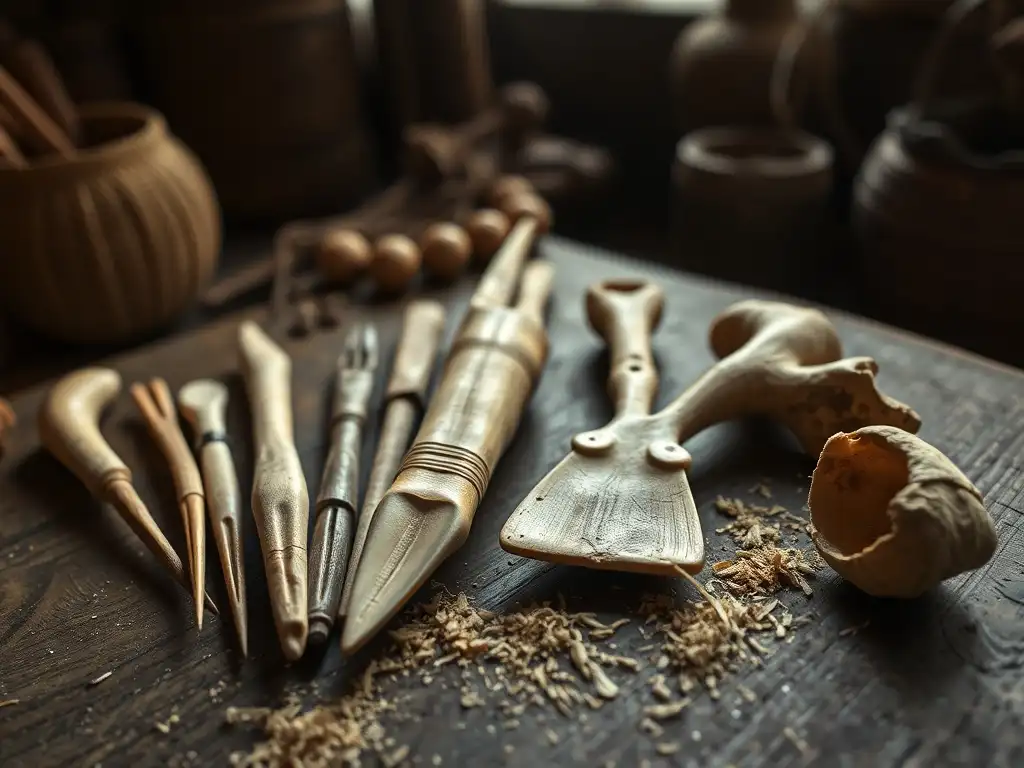
The creation of Andean bone tools wasn't a simple process. It involved several steps demonstrating a sophisticated understanding of material properties and advanced techniques. Initially, the bones were carefully selected and prepared. Then, the bones were shaped using various methods, which may have included grinding, polishing, and drilling. Finally, the tools were often decorated with intricate carvings or painted with pigments.
[Detailed description of bone tool making techniques pending]. This level of craftsmanship showcases the technological skills and artistic talents of Andean artisans. The diversity of bone tool types and their widespread distribution throughout the Andes region underscore the importance of these tools in the daily lives of Andean societies. The development of these techniques represents a significant technological achievement, reflecting the ingenuity and adaptability of Andean cultures. The intricate carvings and decorations on some bone tools also suggest a high level of artistic skill and aesthetic sensibility.
The Legacy of Andean Bone Tools
The legacy of Andean bone tools extends far beyond their practical and ceremonial uses. They represent a testament to the resourcefulness, ingenuity, and technological capabilities of ancient Andean civilizations. The diverse range of bone tools discovered across different Andean cultures provides valuable insights into their daily lives, beliefs, and artistic expressions. The study of these tools continues to shed light on the complex interplay between technology, culture, and environment in the Andes.
The enduring presence of these artifacts serves as a reminder of the rich history and cultural heritage of the region. Further research and analysis of Andean bone tools will undoubtedly reveal even more about the fascinating world of these ancient civilizations. The careful preservation and study of these artifacts are crucial for understanding the past and appreciating the ingenuity of the Andean peoples. 👩🌾 🏹 🏺
- Bone Tools in Agriculture and Food Production
- Bone Implements in Hunting and Animal Husbandry
- Bone Tools in Ritual and Ceremonial Practices
- The Technological Advancements in Bone Tool Making
- The Legacy of Andean Bone Tools
- What were Andean bone tools primarily made from?
- What types of tasks did Andean bone tools perform?
- How did the shape and design of Andean bone tools relate to their function?
- Were Andean bone tools only used for practical purposes?
- How durable were these Andean bone tools compared to other materials?
Introduction to Andean Bone Tool Technology
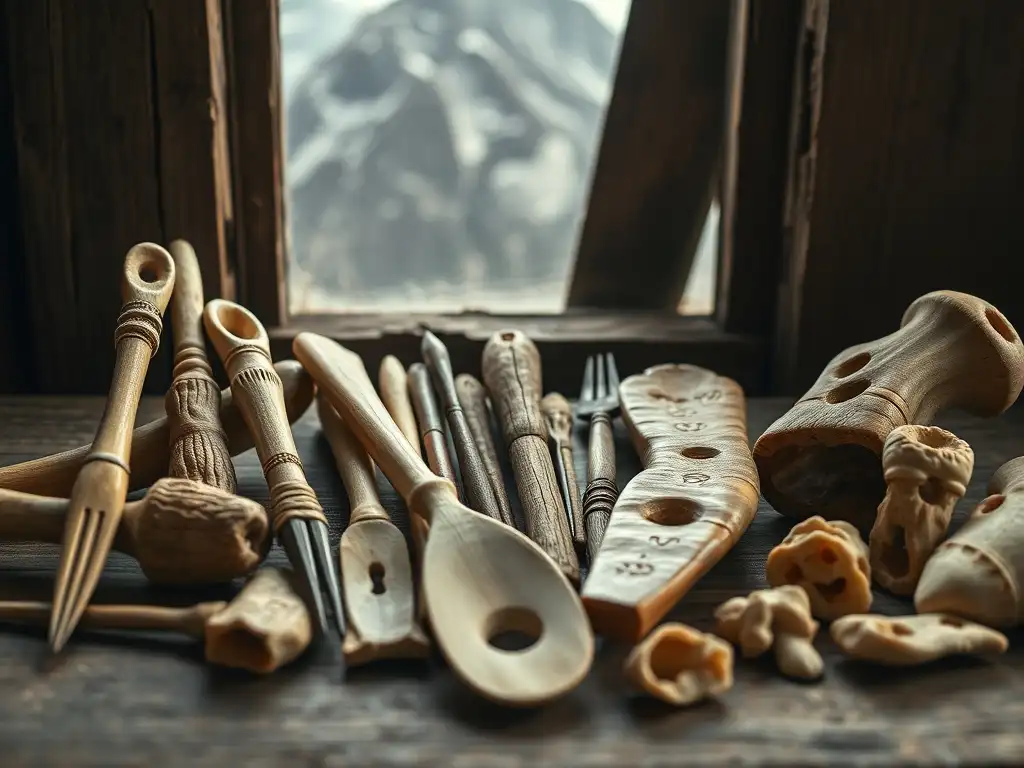
This section delves into the fascinating world of Andean bone tools, exploring their diverse applications and the ingenuity behind their creation. We will examine the significance of bone as a material, the techniques employed in their manufacture, and the crucial role these tools played in the daily lives of Andean civilizations. Understanding the multifaceted uses of these implements provides invaluable insight into the resourcefulness and technological sophistication of these ancient societies.
The study of Andean bone tools offers a unique window into their cultural practices, social structures, and adaptation to diverse environments. The term "Andean bone tools uses" encompasses a vast array of functions, reflecting the adaptability of these cultures.
The Significance of Bone as a Material in Andean Cultures
Bone, readily available from both hunted animals and domesticated camelids like llamas and alpacas, held significant cultural and practical value in Andean societies. Its availability influenced tool production, shaping the technological landscape of these cultures. Beyond its utilitarian aspects, bone may have held symbolic or ritualistic importance, potentially influencing its use in certain types of tools or ornaments. Further research is needed to fully understand the potential symbolic meanings associated with bone tools in different Andean cultures. Archaeological evidence suggests that the selection of specific animal bones for toolmaking wasn't arbitrary. Larger, denser bones, like those from camelids, were favored for their strength and durability, while smaller bones might have been used for more delicate implements. This careful selection highlights the advanced understanding of material properties within these societies. The durability and workability of bone, compared to other readily available materials, made it a highly valued resource for crafting tools.
Overview of Bone Tool Manufacturing Techniques in the Andes
Andean artisans demonstrated remarkable skill in transforming animal bones into functional tools. The process involved several stages, beginning with the selection of appropriate bones. These were then carefully cleaned, often through boiling or scraping, to remove any remaining soft tissue. Subsequently, shaping involved techniques like grinding, polishing, and drilling.
Grinding stones were commonly used to achieve the desired form and smoothness. Drilling, often accomplished using abrasive materials and hand-held drills, was used to create holes for hafting or other functional elements. The specific techniques varied regionally and across different time periods, reflecting cultural exchange and technological innovation. For example, evidence suggests that the Moche culture utilized more sophisticated drilling techniques compared to earlier Andean societies.
Furthermore, the use of bone awls, needles, and spatulas shows a high level of precision and dexterity in bone tool production. This mastery of bone-working techniques is a testament to the advanced technological capabilities of Andean civilizations. The complexity of some tools, such as intricately carved bone ornaments, demonstrates a high level of artistic skill.
Importance of Andean bone tools uses in daily life
Andean bone tools served a wide array of purposes in daily life, reflecting their adaptability and ingenuity. Their uses spanned various aspects of life, from hunting and agriculture to textile production and personal adornment. Examples include:
- Hunting and butchering: Bone points and knives were used for hunting and processing game animals.
- Agriculture: Bone implements were used for tilling the soil and harvesting crops. [Specific examples of agricultural tools pending]
- Textile production: Bone needles and awls were crucial for weaving textiles, a central aspect of Andean culture.
- Personal adornment: Carved bone ornaments and jewelry served as symbols of status and identity.
- Ritualistic practices: Some bone implements likely held ritualistic significance, though further research is needed to clarify their specific roles. [Further research on ritualistic uses pending]
The versatility of Andean bone tools is striking. The same bone might be repurposed multiple times throughout its lifespan. This demonstrates a deep understanding of resource management and a commitment to minimizing waste.
The widespread use of bone tools across different Andean cultures underlines their fundamental importance in daily life and their contribution to the overall success of these societies. The study of these tools offers a powerful lens through which we can appreciate the ingenuity and resourcefulness of the ancient Andean people and their sophisticated understanding of materials and technologies. Further investigation into the specific types and frequencies of bone tools found in different archaeological contexts will provide a more comprehensive understanding of their uses and distribution across various Andean cultures.
Diverse Applications of Bone Tools in Andean Societies
The ingenuity of Andean civilizations is strikingly evident in their resourceful utilization of readily available materials. Bone, a readily accessible resource throughout the Andes, played a crucial role in the daily lives of these societies. Far from being simply discarded waste, bones were meticulously shaped and adapted into a remarkable array of tools reflecting both practical needs and artistic skill. This section will delve into the multifaceted applications of bone tools, highlighting their importance across various aspects of Andean life.
The versatility of bone, its relative ease of shaping, and its durability contributed to its widespread adoption for a multitude of purposes. Understanding the uses of these tools offers a unique window into the resourcefulness and technological prowess of Andean cultures, illuminating how they adapted their environment and shaped their societies. The term "Andean bone tools uses" itself encapsulates the vast scope of their functionality.
Agricultural Uses of Bone Tools
The Andean civilizations were largely agrarian, relying heavily on sophisticated agricultural techniques to sustain their populations. Bone played a significant role in these agricultural practices, providing durable and effective tools for various tasks. The careful crafting of these tools reveals a deep understanding of both material properties and agricultural needs. The diverse shapes and sizes of these implements reflect the specific requirements of different farming activities.
Bone Awls and Dibbers for Planting
Bone awls, characterized by their pointed and often slightly curved ends, served as essential tools for planting seeds. Their pointed tips facilitated the creation of small holes in the soil, enabling efficient seed placement. Evidence suggests that awls of varying sizes were used, perhaps corresponding to different types of seeds or planting techniques. The durability of bone made these awls resistant to wear and tear, ensuring their longevity and effectiveness.
Some awls show signs of polishing or sharpening, indicating meticulous maintenance and a high value placed on these essential agricultural tools. Analysis of bone awls found at various archaeological sites reveals a surprising level of standardization in their design, suggesting widespread knowledge and possibly even specialized production in some communities. The efficient use of bone awls significantly improved the planting process, contributing to increased agricultural yields.
Bone Spades and Picks for Soil Preparation
Beyond planting, bone tools also played a vital role in preparing the soil for cultivation. Larger bone fragments, often carefully shaped and sharpened, functioned as rudimentary spades and picks. These tools were used to loosen the soil, remove weeds, and create furrows for planting. While less prevalent than awls and dibbers, bone spades and picks provided valuable assistance in the more arduous tasks of land preparation.
The strength and resilience of bone, particularly from larger animals like camelids, made these tools suitable for handling tough soil conditions. Archaeological evidence indicates that these tools were used in conjunction with other implements, such as stone tools, demonstrating a sophisticated understanding of tool synergy in agricultural practices. The size and shape of bone spades and picks varied considerably, suggesting adaptation to local soil conditions and the preferences of individual farmers.
Hunting and Fishing Tools Made of Bone
In addition to their agricultural applications, bone tools were extensively used in hunting and fishing. The Andean peoples relied heavily on these activities for sustenance, and bone provided an ideal material for crafting effective hunting and fishing implements. The sharp edges and points of bone tools were particularly well-suited for piercing and securing prey.
Bone Harpoons and Spear Points
Bone harpoons, featuring barbs to secure captured fish, are a prominent example of bone's use in fishing. The design of these harpoons, often incorporating intricate carvings and detailed barbs, demonstrates both technological skill and artistic expression. The shape and size of the harpoons varied depending on the target species and fishing techniques employed.
Analysis of bone harpoon fragments reveals a high degree of standardization in some regions, suggesting shared knowledge and possibly specialized craftsmanship. Similar precision is observed in the creation of bone spear points used in hunting various land animals. The effectiveness of these bone implements greatly enhanced hunting and fishing success, contributing significantly to the sustenance of Andean communities.
Bone Fishhooks and Lures
Smaller bone fragments were also skillfully transformed into fishhooks and lures. These delicate implements required a high level of craftsmanship and demonstrate the Andean peoples' mastery of bone working techniques. The design of these fishhooks often incorporated intricate details, reflecting both functional requirements and aesthetic considerations. The use of bone for fishhooks provided a lightweight yet durable option, perfectly suited for catching various fish species.
Similarly, bone lures, often carved to resemble insects or small fish, were used to attract prey. The effectiveness of these lures highlights the Andean peoples' deep understanding of aquatic ecosystems and their ability to exploit natural resources in ingenious ways. The development of these sophisticated bone fishing tools shows a remarkable understanding of animal behavior and the intricacies of aquatic environments.
Textile Production and Bone Implements
The intricate textiles produced by Andean cultures are renowned for their beauty and complexity. Bone implements played a crucial role in this textile production, demonstrating the ingenuity of Andean artisans in adapting readily available materials to sophisticated crafting techniques. The use of bone, readily sourced from camelids and other animals, provided a durable and easily shaped material ideal for creating tools that could withstand the repetitive motions involved in spinning, weaving, and finishing textiles.
The widespread presence of bone tools across different Andean cultures highlights their importance in the region's textile traditions. Evidence suggests that bone tools were not merely utilitarian but possibly also held symbolic significance, reflecting the cultural value placed on textile production and the artisans who created them.
The precise methods of acquisition, preparation, and distribution of these bone implements, however, remain areas requiring further research. Further investigation into archaeological sites and extant collections could shed more light on these processes.
Bone Needles and Spindles
Bone needles, often characterized by their fine points and carefully polished surfaces, were essential for stitching together textiles. Archaeological finds reveal a wide variety of needle sizes and shapes, suggesting adaptation to different textile types and weaving techniques. The delicate nature of some bone needles indicates the precision required in their manufacture and use. These needles often show signs of wear, providing tangible evidence of their extensive use in daily life. Similarly, bone spindles, used for spinning yarn, exhibit a remarkable level of craftsmanship. The careful shaping and smoothing of the spindle whorls ensured efficient spinning, a key step in textile production. The design and weight of bone spindles likely varied depending on the type of fiber being spun, reflecting a nuanced understanding of material properties and textile techniques. Analysis of the bone material itself can offer clues about the animal sources and the geographical distribution of these essential tools.
Bone Tools for Weaving and Fabric Creation
Beyond needles and spindles, other bone tools facilitated the weaving process. These included bone combs or heddles, used to separate and manipulate the warp threads during weaving. The precision required to create functional heddles from bone highlights the advanced technological capabilities of Andean weavers. Furthermore, bone tools were likely used in finishing textiles, such as smoothing or trimming the edges of woven fabrics.
While the exact form and function of some of these tools remain subject to ongoing scholarly debate, the overall evidence strongly suggests the extensive use of bone in all stages of textile production. Detailed studies of textile remains alongside associated bone tools can help clarify the precise techniques employed and the relationship between tool design and textile structure. The durability of bone allowed these tools to survive for millennia, offering invaluable insights into ancient Andean textile production.
Domestic Uses of Andean Bone Tools
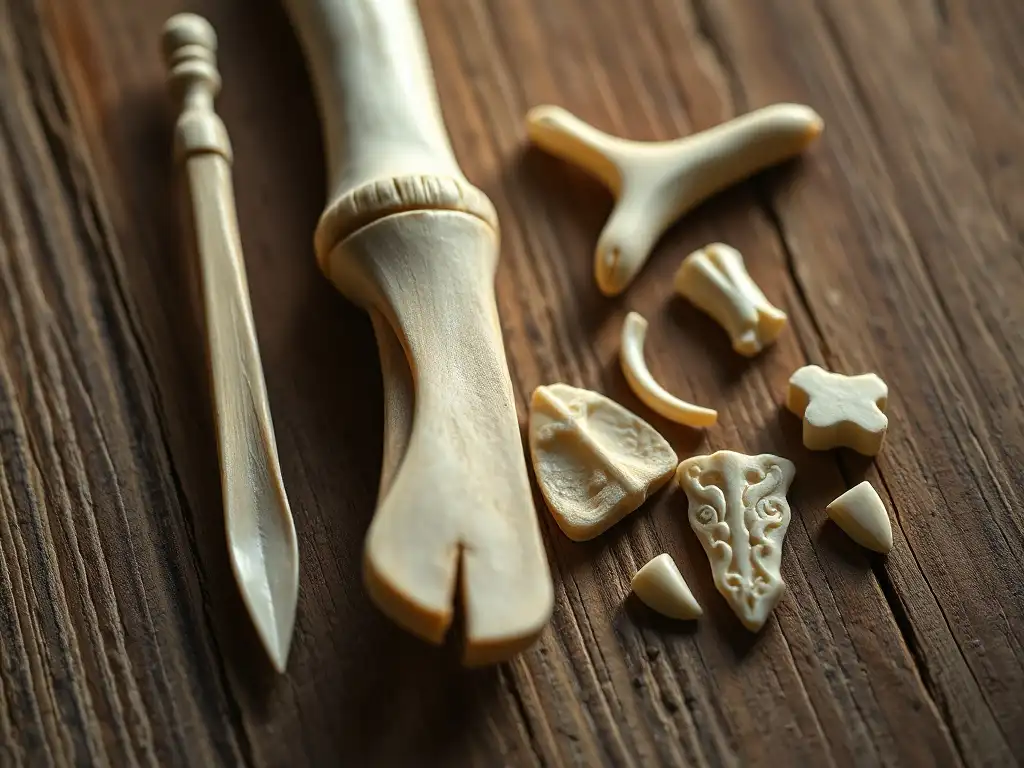
Andean bone tools extended far beyond textile production, serving a wide range of domestic purposes. The versatility of bone as a material, coupled with the ingenuity of Andean artisans, resulted in a diverse array of tools for everyday tasks. These tools reflect the adaptability of Andean societies to their environment, utilizing readily available resources to meet diverse needs. The widespread use of bone for domestic implements underscores the importance of bone as a readily available and adaptable material within Andean societies.
Bone Scrapers and Knives
Bone scrapers were commonly used for a variety of tasks, from cleaning hides and preparing food to crafting wooden implements. Their varied shapes and sizes suggest a range of applications, reflecting the adaptability of these tools to different tasks. The sharpness and durability of bone scrapers made them suitable for tasks requiring precision and strength.
Similarly, bone knives served as versatile cutting tools, used in food preparation, woodworking, and possibly even ritualistic practices. Analysis of wear patterns on these tools can reveal insights into their specific uses and the techniques employed by Andean people. The discovery of bone tools in various domestic contexts, such as houses and burial sites, provides valuable evidence of their everyday importance.
Bone Utensils for Food Preparation
Bone was also used to create utensils for food preparation. Spoons, spatulas, and other implements made from bone were used in the processing and consumption of food. The smooth and non-porous nature of bone made it a suitable material for food handling, ensuring hygiene and preventing contamination.
The shapes and sizes of these bone utensils likely varied depending on the type of food being prepared, reflecting the diverse culinary traditions of Andean cultures. Archaeological discoveries of bone utensils alongside food remains offer valuable insights into the diets and food preparation techniques of past Andean societies. The presence of these tools in different archaeological contexts, from domestic settings to ceremonial sites, highlights their significance in both daily life and ritual practices.
Ritual and Symbolic Use of Bone Artifacts
The meticulous craftsmanship evident in many Andean bone tools transcends purely utilitarian purposes. A significant portion of discovered bone artifacts points towards a deeply ingrained ritual and symbolic role within Andean societies. The selection of specific animal bones, the intricate carvings, and the contexts in which these objects are found all contribute to this interpretation.
For example, the use of condor bones, often associated with power and celestial connection, suggests a symbolic meaning far surpassing their potential use as simple tools. The presence of bone artifacts in burial sites, alongside other grave goods, further solidifies their importance in funerary rites and beliefs about the afterlife. Careful analysis of wear patterns on some bone tools also reveals that they may not have been used extensively for practical tasks, hinting at a primarily ceremonial function.
The deliberate shaping and decoration of these objects indicate a level of care and reverence that suggests their significance went beyond mere functionality. The preservation of such items over centuries underscores their enduring value within the cultural framework of these ancient societies. Further research into the specific iconography and stylistic choices in bone carving could shed more light on their symbolic meanings and their place within the broader Andean cosmology.
Bone Ornaments and Amulets
Many bone artifacts were fashioned into elaborate ornaments and amulets. These items, often intricately carved and polished, were likely worn as personal adornments, conveying social status, religious affiliation, or magical protection. The use of specific animal bones, such as those of jaguars or condors, imbued these ornaments with symbolic power, reflecting the cultural significance attributed to these animals.
For instance, jaguar bone amulets, representing power and strength, might have been worn by warriors or shamans, while condor bone ornaments, symbolizing flight and connection to the heavens, might have been associated with spiritual leaders or individuals of high social standing. The variety of shapes and designs found in these bone ornaments suggests a wide range of symbolic meanings and individual expression. The discovery of these artifacts in both elite and commoner burials indicates that bone ornaments were not exclusively restricted to the upper echelons of society, although their style and intricacy might have varied based on social status.
The careful craftsmanship and aesthetic appeal of these objects highlight the artistic skill and cultural significance of bone work within Andean civilizations. Further research is needed to fully understand the specific symbolism associated with different bone ornament designs.
Bone Tools in Ritual Practices and Ceremonies
Beyond their role as personal adornments, bone tools were also integral components in various Andean ritual practices and ceremonies. Evidence suggests that certain types of bone tools, specifically those with sharp points or intricate carvings, were used in rituals involving offerings, sacrifices, or divination. The discovery of bone tools in ceremonial contexts, often alongside other ritual objects, strongly supports this interpretation.
For example, finely carved bone needles might have been used to sew together textiles intended for offerings, while pointed bone tools could have been used to pierce or mark sacrificial animals or objects. The presence of bone tools in association with mummies or other funerary remains suggests their use in preparing bodies for burial or in performing funerary rituals. The precision and skill involved in the creation of these ritual bone tools demonstrate a deep understanding of their symbolic and practical significance within the religious framework of Andean societies.
The diversity of bone tools found in ceremonial contexts indicates the varied roles they played in different rituals, reflecting the complexity and richness of Andean religious practices. Further study of these tools in relation to archaeological contexts and accompanying artifacts will provide a more complete picture of their ritual functions.
Case Studies of Specific Andean Bone Tools
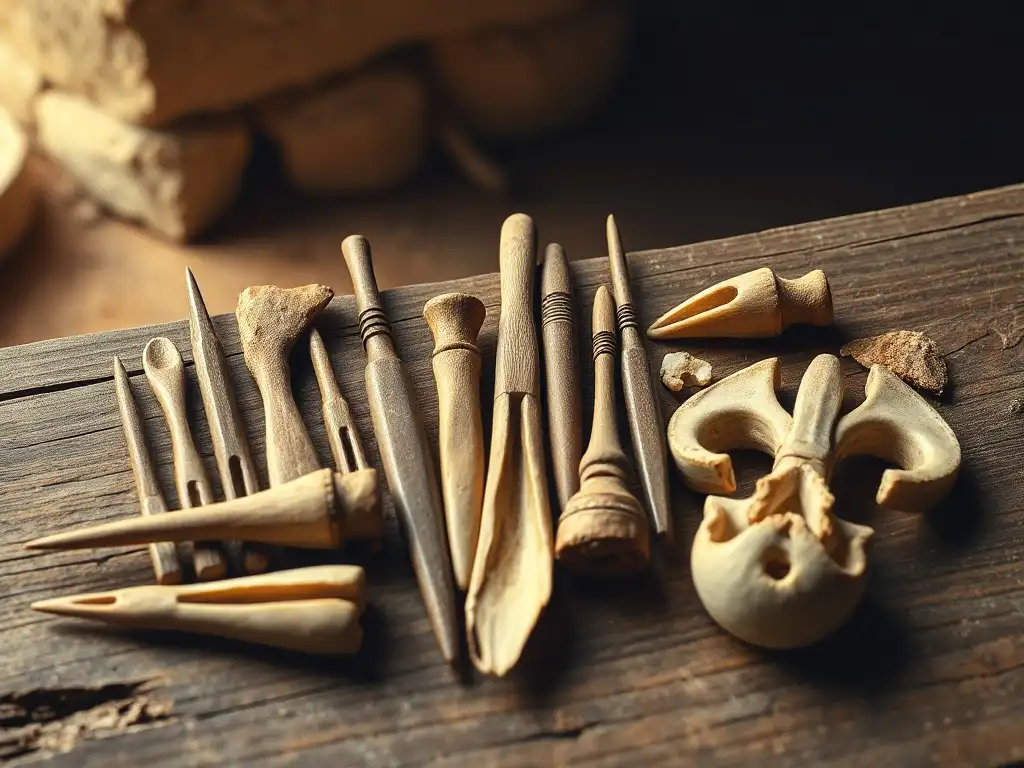
This section delves into specific examples of Andean bone tools, showcasing their remarkable versatility and ingenuity. We'll examine the materials, manufacturing techniques, and diverse applications of these artifacts, highlighting the resourcefulness of Andean cultures in utilizing readily available resources. The analysis will focus on the functional aspects of the tools, connecting their design to their intended purpose and revealing the intricate relationship between technology and daily life in the Andes.
Understanding the specific uses of these tools provides crucial insights into the social structures, economic activities, and artistic practices of these fascinating civilizations. The keyword "Andean bone tools uses" is explored in detail through these case studies.
Bone Spatula from the Moche Culture
The Moche civilization (100-800 CE), known for its sophisticated metalwork and intricate pottery, also demonstrated exceptional skill in crafting bone tools. One notable example is the bone spatula, frequently found in Moche archaeological sites. These spatulas, often crafted from llama or camelid bones, exhibit a remarkable level of craftsmanship. Their smooth, polished surfaces and carefully shaped blades suggest a high degree of skill and attention to detail. The size and shape of these spatulas varied, indicating potential specialization for different tasks.
Detailed Analysis of its Use in Ceramic Decoration
While the exact function of all Moche bone spatulas remains a subject of ongoing research, evidence strongly suggests their prevalent use in ceramic decoration. Analysis of Moche pottery reveals the presence of fine lines and intricate details that are consistent with the application of slip or paint using a thin, flat tool. The size and shape of many bone spatulas align perfectly with the dimensions of the decorative elements found on Moche ceramics.
Moreover, residue analysis on some specimens has revealed traces of pigments, further supporting the hypothesis of their use in ceramic decoration. The precision required for such intricate work demonstrates a high level of skill and artistry among the Moche artisans. This use highlights the integration of bone tools within the broader context of Moche artistic production, showcasing their essential role in the creation of their iconic pottery.
The subtle variations in spatula design likely reflect specialized uses within ceramic decoration, perhaps for applying different types of paint or achieving specific textural effects. Further research, including microscopic analysis of tool wear patterns, could provide even more detailed insights into the specific techniques employed.
Bone Weaving Tools from the Inca Civilization
The Inca Empire (1438-1533 CE) achieved remarkable advancements in textile production. Their mastery of weaving techniques, combined with their sophisticated understanding of fiber preparation, resulted in textiles of exceptional quality and beauty. Bone tools played a significant role in this process, serving various functions throughout the textile production chain. These tools, often made from camelid bones, demonstrate the Inca's ability to adapt bone to create specialized instruments.
Examination of their Manufacturing and Use in Textile Production
Inca bone weaving tools encompass a range of implements, including needles, awls, and spatulas. The manufacturing process involved careful selection of bone, followed by shaping and polishing to create smooth, durable tools. Microscopic analysis reveals evidence of meticulous craftsmanship, with many tools exhibiting highly refined edges and points. The needles, characterized by their fine points and well-defined eyes, were used for intricate weaving techniques, allowing for the creation of complex patterns and designs.
Awls, with their sharp, pointed ends, were employed for piercing holes in fabric or leather, facilitating processes like stitching or embroidery. Bone spatulas, similar to those used by the Moche, likely served as tools for smoothing fibers or applying dyes. The diverse range of bone tools used in Inca textile production reflects the complexity of their weaving techniques and the importance of textiles within their society.
The quality and sophistication of these tools underscore the high value placed on textile production and the skilled artisans who created them. The integration of bone tools within Inca textile production showcases the intricate connection between technology, craftsmanship, and social organization within the Inca Empire. Further research could explore the regional variations in bone tool design and manufacturing, potentially revealing insights into localized specialization and trade networks.
Bone Whistle from the Nazca Culture
The Nazca culture, famed for its enigmatic geoglyphs etched into the Peruvian desert, also produced sophisticated bone artifacts. Among these, bone whistles stand out as intriguing examples of their craftsmanship and potential ritual significance. These whistles, often carved from the long bones of camelids like llamas or alpacas, demonstrate a high level of skill in shaping and perforating bone to create a functional musical instrument.
The meticulous detail in some examples suggests more than mere functionality; rather, they hint at a deeper cultural or ritual purpose. Variations in size and design suggest potential differences in their use or social status associated with them. Some whistles are intricately decorated with carvings or painted with pigments, further enhancing their ceremonial value.
The use of bone, a material readily available in the Andean highlands, underscores the resourceful nature of Nazca artisans. They were able to transform a readily available natural resource into an object with both practical and symbolic meaning. The whistles’ small size also suggests portability, allowing them to be easily carried and used in various locations and contexts.
Insights into its Purpose and Significance in Ritual Contexts
The precise purpose of Nazca bone whistles remains a subject of ongoing scholarly debate, but evidence points towards their use in ritual contexts. The intricate carvings and pigments found on some specimens suggest a connection to religious beliefs and practices. Archaeological finds often associate these whistles with other ceremonial objects, further supporting their role in rituals. The whistles' sound, likely used to accompany ceremonies or shamanistic practices, may have played a crucial role in altering states of consciousness or facilitating communication with the spirit world.
Analysis of burial sites has revealed that some whistles were interred with the deceased, suggesting a belief in their continued use in the afterlife. The whistles' role in reinforcing social hierarchies cannot be discounted either; the more elaborately decorated whistles may have been used by individuals of higher status during important rituals. Further research, including acoustic analysis to determine the range and quality of sound produced, combined with careful consideration of their contextual discovery, is crucial for a more complete understanding of the role of these remarkable artifacts in Nazca society.
The potential for these bone whistles to be used for signaling, alongside their ritualistic uses, should also be explored. The whistles’ significance extended beyond mere sound production, acting as tangible representations of beliefs and spiritual practices within the Nazca culture. Their discovery continues to provide valuable insights into the complex religious and social life of this fascinating civilization.
The Longevity and Adaptability of Andean Bone Implements
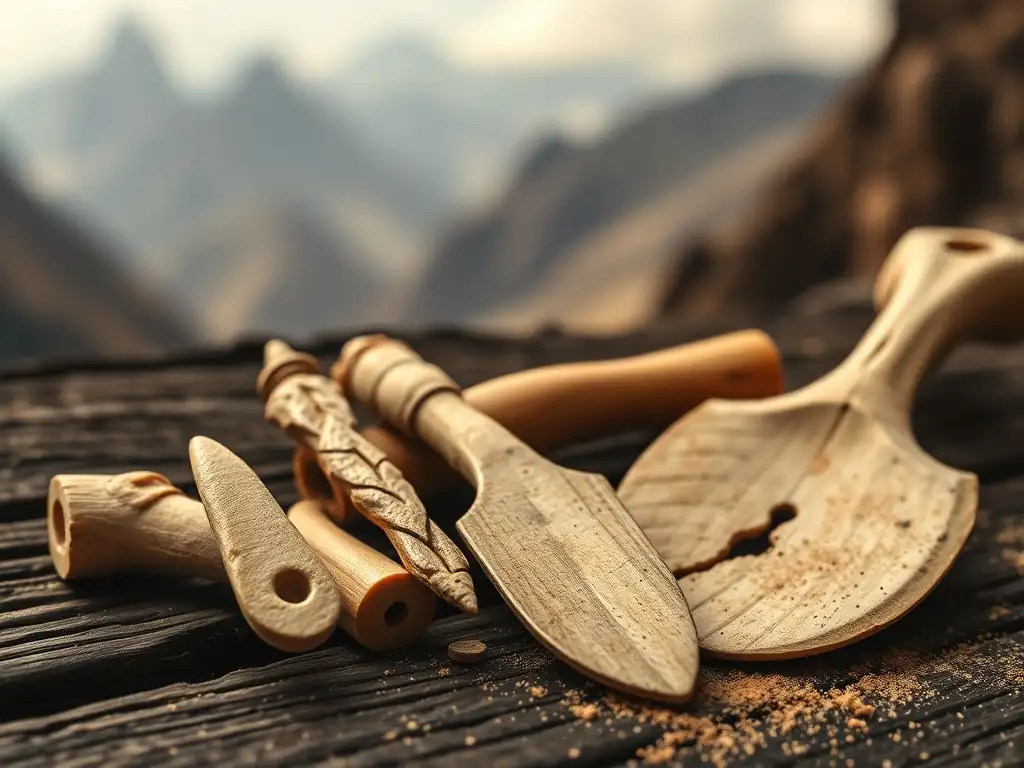
Andean bone tools uses extended far beyond simple utility. Their longevity, stemming from careful selection of materials and sophisticated crafting techniques, speaks volumes about the ingenuity of Andean cultures. The durability of bone, particularly from camelids like llamas and alpacas, allowed for the creation of tools that lasted for generations, contributing significantly to the sustainability of their societies.
This wasn't simply a matter of resourcefulness; it represented a deep understanding of material properties and a commitment to efficient resource management. Analysis of excavated sites reveals a surprising range of bone tool preservation, highlighting the effectiveness of their manufacturing processes and the tools' resistance to degradation over time. Many examples unearthed show minimal wear and tear, even after centuries buried in the harsh Andean environment.
This resilience is a testament to both the quality of the bone and the skill of the artisans who shaped them. The longevity of these tools also allowed for the transmission of knowledge and techniques across generations, ensuring the continuity of their craft traditions. This intergenerational skill transfer is crucial in understanding the enduring impact of Andean bone tool technology.
Comparison to Stone and Metal Tools in Andean Technology
While stone and metal tools were undoubtedly important components of Andean technology, bone implements occupied a unique niche. Compared to stone, bone offered a superior combination of lightness, flexibility, and relative ease of shaping. This made bone ideal for tools requiring precision and dexterity, such as needles, awls, and spatulas. Unlike stone, bone could be readily carved and polished to create intricate designs and highly refined points.
Furthermore, the organic nature of bone allowed for a better grip, enhancing control and reducing slippage during use. In contrast to metal, which was often scarce and required specialized metallurgical knowledge, bone was a readily available and easily worked resource. This accessibility made bone tools crucial for the everyday needs of Andean communities. The following table illustrates the comparative advantages:
| Feature | Bone | Stone | Metal |
|---|---|---|---|
| Availability | Abundant | Abundant | Scarce |
| Workability | Easy | Difficult | Difficult |
| Weight | Light | Heavy | Variable |
| Durability | Moderate to High | High | High |
| Precision | High | Moderate | High |
| Cost of Production | Low | Moderate | High |
Advantages of Bone as a Sustainable Material
The use of bone as a material for tools demonstrates a remarkable understanding of sustainability within Andean societies. Bone was a readily available byproduct of animal husbandry, minimizing the environmental impact of tool production. Unlike the extraction of stone or the smelting of metal, which often required significant energy expenditure and could lead to environmental degradation, bone tool production involved minimal resource depletion and waste generation.
This aligns with broader evidence suggesting that Andean cultures prioritized resource management and minimized their ecological footprint. Moreover, the biodegradability of bone, while seemingly a disadvantage, actually contributes to its sustainability. Once a bone tool reached the end of its useful life, it readily decomposed, returning nutrients to the ecosystem.
This contrasts sharply with the enduring pollution risks associated with some metals and the environmental damage caused by extensive quarrying for stone. The circular nature of bone's use within the Andean ecosystem underscores the ingenuity and ecological awareness of these ancient societies. This sustainable approach to tool-making is a significant aspect of Andean ingenuity that deserves further study.
The Legacy of Andean Bone Tools in Modern Andean Communities
While the mass production of modern tools has largely replaced bone implements, echoes of this ancient Andean technology persist in some communities. Traditional artisans in certain regions continue to utilize bone for crafting specialized tools and decorative items, preserving aspects of ancestral knowledge and techniques. These contemporary uses often blend traditional methods with modern materials, resulting in unique and innovative designs.
The continued use of bone in specific contexts highlights the enduring cultural significance of this material and its associated techniques. This enduring legacy underscores the remarkable adaptability and ingenuity of Andean cultures, whose heritage continues to inspire and inform contemporary practices. Further research into these modern practices could reveal valuable insights into the evolution of Andean bone tool technology and its ongoing cultural relevance.
Ethnographic studies focused on these communities could provide additional data on the specific types of bone tools still in use and the techniques employed in their creation. Documenting these practices is crucial for preserving this valuable cultural heritage. 🦴
Conclusion: The Enduring Legacy of Andean Bone Tools Uses
The study of Andean bone tools offers a captivating glimpse into the ingenuity and adaptability of ancient Andean societies. Their remarkable ability to transform readily available materials like bone into a diverse array of functional tools speaks volumes about their resourcefulness and sophisticated understanding of their environment. From the intricate needles used in textile production to the robust tools employed in agriculture and construction, bone implements played a crucial role in shaping Andean life.
Understanding the multifaceted uses of these tools allows us to appreciate the complexity of Andean cultures and their lasting impact on the region. The legacy of Andean bone toolmaking continues to inspire researchers and enthusiasts alike, prompting further exploration and a deeper understanding of their cultural significance. The persistence of bone tool use across various Andean cultures underscores their importance in daily life and highlights the continuity of technological traditions.
The Multifunctional Role of Bone Implements in Ancient Andean Life
Andean bone tools weren't simply single-purpose instruments; their functionality often extended beyond a single application. Consider, for instance, the ubiquitous bone needles. While primarily used for weaving and sewing textiles – a vital aspect of Andean clothing and ceremonial life – these needles could also have served in tasks requiring fine manipulation, such as leatherwork or the creation of intricate decorative elements.
Similarly, bone awls, initially designed for piercing hides or creating holes in textiles, could also have been adapted for carving or marking other materials. This adaptability reflects a pragmatic approach to tool use, maximizing the utility of available resources. The evidence suggests a fluidity in the application of bone tools, shaped by the needs and ingenuity of the artisan.
Furthermore, the size and shape of bone tools often varied, suggesting specialization for different tasks within the same general category. Larger, more robust bone tools might have been employed in agricultural tasks, while smaller, more delicately crafted tools were better suited for fine work.
Importance of Studying Andean Bone Tools for Understanding Andean Ingenuity
The study of Andean bone tools is paramount for understanding the technological prowess of ancient Andean civilizations. Analysis of these tools provides insights into their manufacturing techniques, the raw materials used, and the level of skill required for their creation. For example, the precision and artistry evident in some bone needles demonstrate a remarkable understanding of bone structure and the ability to manipulate it with great accuracy.
Moreover, examining the wear patterns on these tools can reveal information about their use and the types of materials they interacted with. This detailed analysis allows researchers to reconstruct aspects of Andean daily life, economic practices, and social structures. The distribution of specific types of bone tools across different regions can also shed light on trade networks and cultural exchange.
The study of these tools, therefore, provides a multi-faceted approach to understanding Andean ingenuity, going beyond simple descriptions to a deeper analysis of their cultural and technological context. This meticulous study allows for a more nuanced understanding of Andean innovation and its role in the development of these complex societies.
Final Thoughts on the Significance of Andean Bone Technology
Andean bone technology represents a significant achievement in ancient technology, demonstrating a profound understanding of material properties and sophisticated craftsmanship. The diverse range of tools crafted from bone, their meticulous construction, and their adaptation to a variety of tasks highlight the resourcefulness and creativity of Andean artisans.
The enduring legacy of these tools is not merely a testament to their functional utility but also a reflection of the rich cultural and social fabric of ancient Andean societies. Further research into Andean bone tools promises to uncover even more details about their creation, usage, and significance, enriching our understanding of these remarkable civilizations.
The meticulous study of these artifacts helps us appreciate the ingenuity, resilience, and artistry of the Andean people and provides further evidence of their advanced technological capabilities, proving that their mastery extended beyond monumental architecture and sophisticated agricultural practices. The legacy of Andean bone tools continues to inspire and challenge our understanding of human ingenuity and adaptation.
Frequently Asked Questions
What were Andean bone tools primarily made from?
Andean bone tools were often crafted from the bones of camelids, such as llamas and alpacas, due to their readily available supply and suitable properties. Other animal bones were also utilized depending on availability and desired tool characteristics.
What types of tasks did Andean bone tools perform?
These tools served a surprisingly wide range of purposes. They were used for everything from weaving and sewing to carving and woodworking, demonstrating the ingenuity of Andean craftsmanship.
How did the shape and design of Andean bone tools relate to their function?
The shape and size of the tools were directly related to their intended use. For example, needles were slender and pointed, while awls were thicker and more robust. Careful craftsmanship optimized functionality.
Were Andean bone tools only used for practical purposes?
While many bone tools served practical functions, some may have held ceremonial or symbolic significance. This is suggested by intricate carvings and decorations found on certain implements. Further research is needed to fully understand this aspect.
How durable were these Andean bone tools compared to other materials?
The durability varied depending on the type of bone and the tool's specific use. While not as durable as stone tools, bone tools were lightweight, easily shaped, and readily replaceable, making them practical for many applications.
Final Reflection: Echoes of Ingenuity in Andean Bone
The ingenuity of Andean cultures in utilizing bone implements resonates powerfully today, reminding us of the resourcefulness and adaptability inherent in human societies facing environmental challenges. Their mastery of bone crafting, far from being a relic of the past, offers valuable lessons in sustainable practices and innovative problem-solving that remain strikingly relevant in our era of resource scarcity and environmental concerns.
The enduring legacy of Andean bone tools extends beyond their practical applications; they represent a profound connection between humans and their environment, a testament to the deep understanding and respect for the natural world. These artifacts speak volumes about the cultural values and beliefs of these ancient societies, shaping our understanding of their social structures and daily lives. The past is never dead. It's not even past.
– William Faulkner. This quote perfectly encapsulates the ongoing influence of Andean bone tool technology, its echoes reverberating through archaeological discoveries and inspiring contemporary artisans and researchers alike.
Consider the intricate craftsmanship, the diverse functionalities, and the sheer longevity of these tools. You too can embrace a spirit of resourcefulness and innovation in your own life. Look around you – what seemingly mundane materials could be repurposed? What creative solutions can you devise to address everyday challenges? Let the legacy of Andean ingenuity inspire you to find new ways to connect with the world around you, to value resourcefulness, and to appreciate the enduring power of human creativity.
**Unveil the Wonders of Andean Inventions! **
Thank you for exploring the fascinating world of Andean ingenuity with us! You've learned how versatile bone implements shaped daily life, crafts, and survival in these remarkable cultures. Now, let's delve deeper into this vibrant heritage.
Here are a few engaging ways to continue your exploration:
- **Dive deeper:** Visit a local museum or cultural center to see firsthand the artistry and ingenuity reflected in Andean bone tools and artifacts. Many museums offer excellent exhibitions showcasing these remarkable objects.
- **Get hands-on:** Explore your creativity by attempting to recreate a traditional Andean tool using readily available materials. This hands-on experience will provide a deeper appreciation for the skills and resourcefulness of Andean cultures.
- **Spread the knowledge:** Share this article with friends and family, or post it on social media, to inspire others to learn about the innovative uses of resources in Andean cultures.
What resourceful and innovative uses of everyday materials have you encountered in your own culture? We'd love to hear your examples!