
Unearthing Andean Secrets: The Astonishing Mastery of Ancient Metallurgy

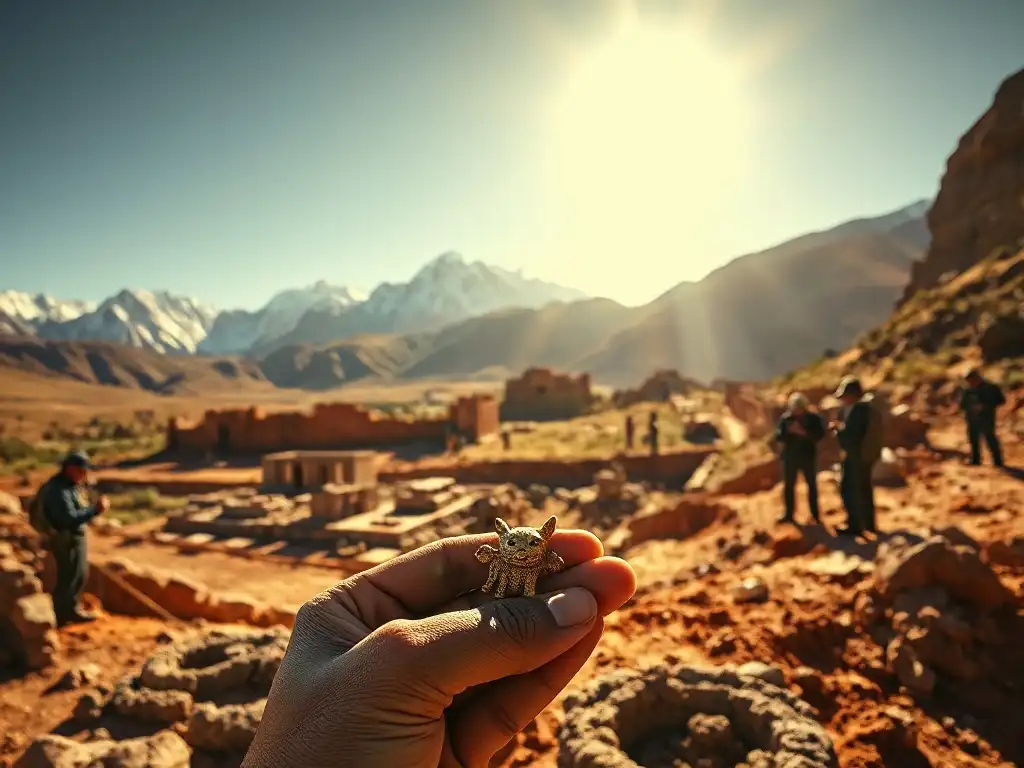
Prepare to be amazed. For centuries, the towering peaks of the Andes have guarded secrets of unparalleled ingenuity. This is where we delve into the astonishing world of Ancient Andean metallurgy techniques, revealing the breathtaking artistry and advanced technology that shaped these remarkable civilizations. Discover how the Incas, Moche, and other Andean cultures mastered metalwork, leaving behind a legacy that continues to inspire awe. Uncover the mysteries – your journey begins now.
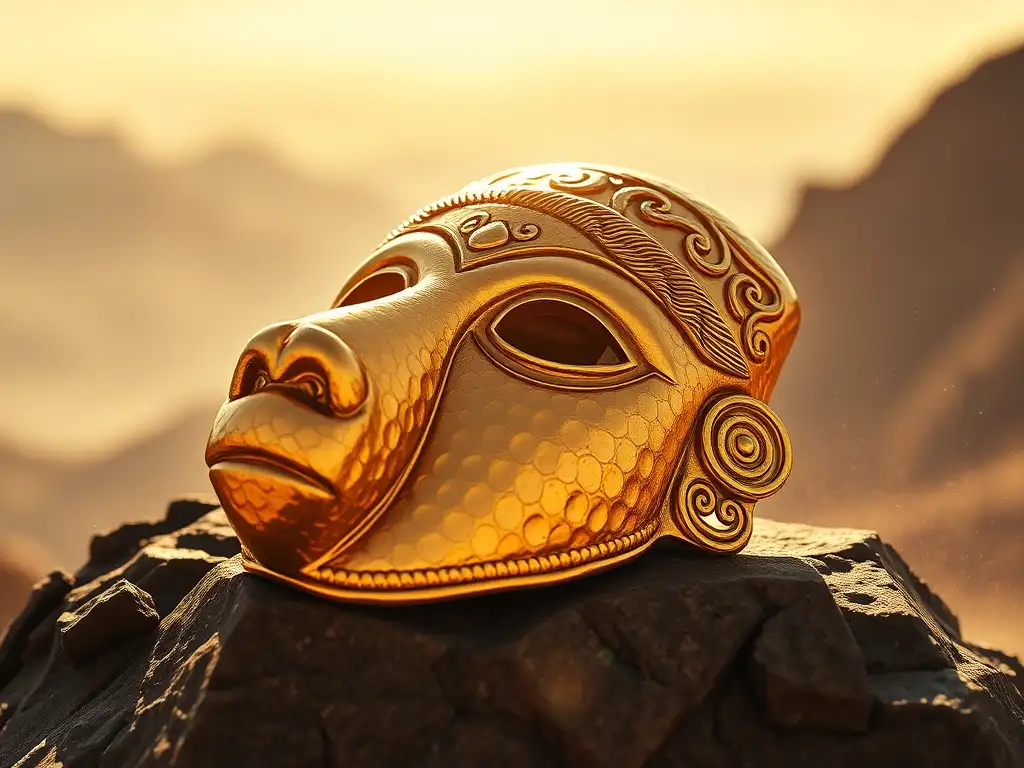
The Andes Mountains, a spine of towering peaks traversing the western edge of South America, are not only a breathtaking spectacle of nature but also a treasure trove of ancient history. For centuries, these majestic heights were home to sophisticated civilizations that developed remarkable technologies, none more impressive than their mastery of metallurgy.
This article delves into the fascinating world of ancient Andean metalworking, exploring the techniques, materials, and artistry that allowed these cultures to create objects of unparalleled beauty and technological sophistication. We'll journey through the evolution of Andean metallurgy, from its early beginnings to the height of Inca craftsmanship, uncovering the secrets behind their remarkable achievements and the enduring legacy they left behind.
Understanding Ancient Andean metallurgy techniques is key to appreciating the ingenuity and cultural depth of these remarkable societies. Prepare to be amazed by the ingenuity and artistry of these ancient metalworkers, whose skills continue to inspire awe and wonder today.
Introduction to Ancient Andean Metalworking
Ancient Andean metalworking represents a remarkable achievement in human ingenuity. Long before the arrival of Europeans, Andean cultures had developed sophisticated techniques for extracting, refining, and working with metals like gold, silver, copper, and bronze. Unlike many other ancient civilizations that relied primarily on stone tools, the Andeans embraced metallurgy, integrating it deeply into their social, religious, and political lives.
The earliest evidence of Andean metalworking dates back to approximately 2000 BCE, with the development of simple copper tools and ornaments in the central Andes. However, it was during the later periods, particularly with the rise of the Moche, Nazca, and Inca civilizations, that Andean metallurgy truly flourished, reaching unprecedented levels of artistry and technical sophistication. The creation of intricate alloys, the development of advanced casting techniques, and the incorporation of precious metals into elaborate objects all testify to the remarkable skills and knowledge of these ancient artisans.
The sheer artistry combined with the often complex metallurgical processes involved highlights the advanced understanding of these ancient societies. We will explore the specific techniques and materials used, along with the social and cultural significance of their metalwork.
Mining and Ore Processing Techniques
The process began with the arduous task of mining. Andean miners, often working at high altitudes in challenging conditions, employed sophisticated techniques to extract ores from the earth. Evidence suggests the use of stone tools, fire-setting (heating rocks to fracture them), and possibly even rudimentary forms of explosives to access rich veins of ore. Once extracted, the ore required extensive processing before it could be used.
This involved crushing and grinding the ore to a fine powder, often using mortars and pestles made of stone. Further refinement techniques, such as washing and flotation, were employed to separate the valuable metal from unwanted impurities.
The precise methods varied across different regions and time periods, reflecting the ingenuity and adaptability of Andean metallurgists in response to the specific challenges posed by their environment and the ores they worked with. The scale of some mining operations, evidenced by large-scale excavations and discarded mining waste, speaks to the significant investment of labor and resources dedicated to this crucial stage of the process.
Smelting and Alloying: The Alchemy of the Andes
After the ore was refined, the next crucial step was smelting – the process of extracting the pure metal from its ore by heating it to high temperatures. Andean metallurgists developed sophisticated smelting techniques, using various types of furnaces and fuels. These furnaces, often constructed of clay or stone, allowed them to reach the high temperatures necessary to melt the ores.
The fuel sources varied regionally, but likely included charcoal and other readily available materials. A truly remarkable aspect of Andean metallurgy was their ability to create alloys – combining different metals to produce materials with improved properties. For example, the Andeans produced bronze by combining copper and tin, achieving a harder and more durable metal than pure copper.
Their expertise in alloying extended to the creation of tumbaga, a gold-copper alloy prized for its distinctive color and malleability. The precise proportions of metals in these alloys were carefully controlled to achieve the desired properties and aesthetic effects, demonstrating a deep understanding of metallurgical principles.
Casting and Shaping Techniques: From Ingot to Artifact
Once the molten metal was produced, the next challenge was to shape it into the desired forms. The Andeans employed a range of casting techniques, including lost-wax casting (a remarkably sophisticated method involving a wax model), and sand casting. Lost-wax casting allowed for the creation of incredibly intricate and detailed objects, while sand casting was more suited for larger or simpler items.
In addition to casting, the Andeans also mastered techniques for hammering, annealing (heating and cooling to soften the metal), and repoussé (hammering from the back to create relief designs). These skills allowed them to create a wide range of objects, from simple tools and weapons to elaborate jewelry and ceremonial artifacts. The precision and artistry displayed in many of these objects are testament to the skill and patience of the Andean metalworkers.
The Significance of Andean Metalwork: Beyond the Artifact
Andean metalwork was far more than simply a technological achievement; it held profound social, religious, and political significance. Metal objects, particularly those made of gold and silver, were often associated with power, prestige, and divinity. Elaborate gold and silver ornaments, jewelry, and ceremonial objects were used to adorn rulers, priests, and other elite members of society, symbolizing their status and authority. Metalwork also played a crucial role in religious ceremonies and rituals.
Many artifacts were clearly intended for use in religious contexts, suggesting that metalworking was intimately linked to the spiritual beliefs and practices of Andean cultures. The intricate designs and iconography found on many metal objects reveal much about the cosmology and worldview of these ancient societies, providing valuable insights into their beliefs and practices. The study of ancient Andean metallurgy techniques therefore offers a multifaceted lens through which to understand their society and culture.
Conclusion: A Legacy of Ingenuity
The remarkable achievements of ancient Andean metallurgists stand as a testament to human ingenuity and creativity. Their mastery of mining, smelting, alloying, and shaping techniques allowed them to create a dazzling array of objects, reflecting their deep understanding of materials and processes. The social and religious significance of their metalwork further underscores the integral role that metallurgy played in Andean societies.
Studying these techniques not only illuminates the past but also provides inspiration for contemporary artisans and materials scientists. The legacy of Andean metallurgy continues to inspire awe and wonder, reminding us of the remarkable capabilities of ancient civilizations and their enduring contribution to human history. The legacy of their skills and ingenuity persists, reminding us of the rich tapestry of human innovation.
- Introduction to Ancient Andean Metalworking
- Mining and Ore Processing Techniques
- Smelting and Alloying: The Alchemy of the Andes
- Casting and Shaping Techniques: From Ingot to Artifact
- The Significance of Andean Metalwork: Beyond the Artifact
- Conclusion: A Legacy of Ingenuity
- Inca Mining Techniques and Metal Extraction
- Inca Goldworking: Ritual Objects and Royal Adornments
- Inca Bronze Technology: Tools, Weapons, and Everyday Objects
- The Role of Metallurgy in the Inca Empire's Power
- Inca Goldwork: Symbol of Power and Divinity
- Copper and Bronze Alloys: Everyday Tools and Weapons
- What makes Andean metallurgy so unique?
- What materials did Andean metallurgists primarily use?
- How did Andean metallurgists achieve such intricate designs?
- Were there regional variations in Andean metallurgical techniques?
- What is the significance of Andean metallurgy in understanding ancient Andean societies?
Pre-Inca Metallurgical Practices: Laying the Foundation
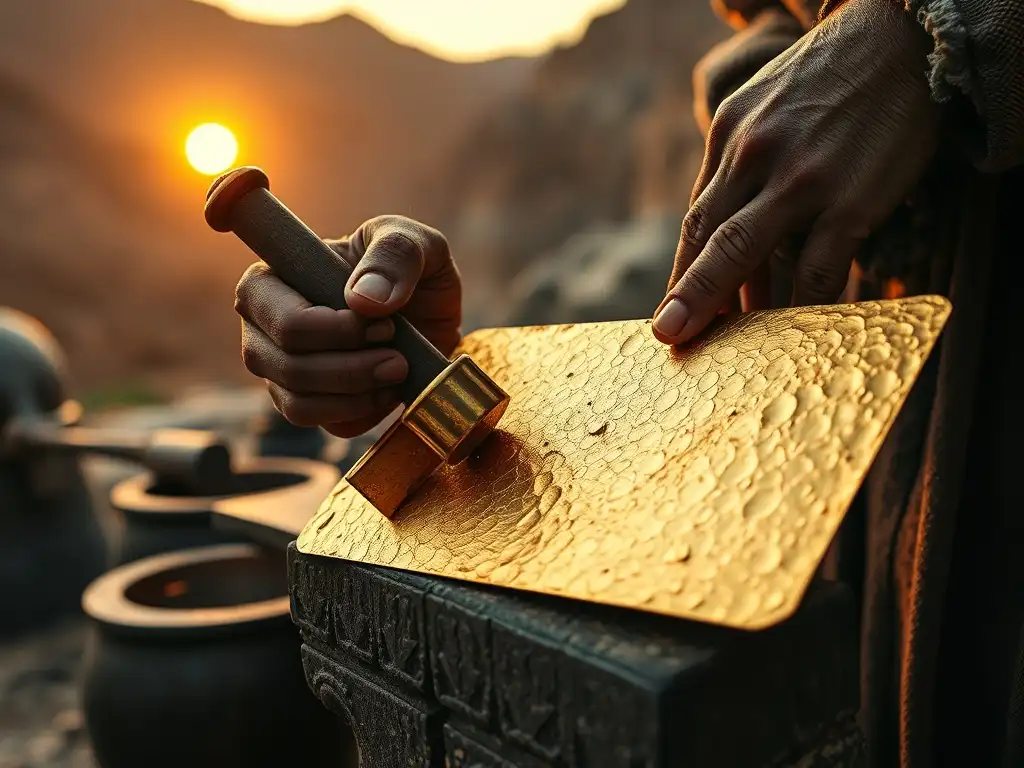
The development of advanced metallurgical techniques in the Andes wasn't a sudden event; it was a gradual process spanning centuries, with pre-Inca cultures laying crucial groundwork. Understanding these early practices is essential to appreciating the later achievements of the Inca and other empires. Ancient Andean metallurgy techniques didn't emerge in a vacuum; they built upon existing knowledge and innovations passed down through generations. The mastery of metalworking, particularly gold, silver, and copper, was not just a technological feat, but also a powerful symbol of status and religious significance within these societies.
Early Metal Use in the Andes: Gold, Copper, and Silver
The earliest evidence of metalworking in the Andes dates back to approximately 2000 BCE, with the initial focus on hammering native copper into simple tools and ornaments. This "cold hammering" technique, which involved shaping the metal without melting it, produced items like rudimentary tools and decorative pieces. Evidence suggests that gold, initially scarcer, was also worked using similar techniques, though its malleability made it easier to manipulate.
By 1000 BCE, the use of copper and gold had spread across various Andean regions, indicating a growing understanding of metalworking processes. The discovery of silver deposits further expanded the palette of materials available to Andean metallurgists, influencing both their artistic expressions and technological innovations.
The transition from cold hammering to smelting, a more advanced technique requiring higher temperatures, marked a significant leap in Andean metallurgy, enabling the creation of more complex and durable objects. This transition, however, varied across different cultures and regions, with some continuing to rely primarily on cold hammering even as smelting became more widespread.
The Moche and their Sophisticated Metal Techniques
The Moche culture (100-800 CE) is renowned for its sophisticated metalworking. They mastered the lost-wax casting technique, a complex process that allowed them to create intricate, three-dimensional objects. This technique involved creating a wax model of the desired object, covering it in clay, melting out the wax, and then pouring molten metal into the resulting mold.
The Moche were particularly skilled in working with both gold and copper, often combining them with other materials like shells and stones to create stunningly detailed artifacts. Their artisans produced elaborate headdresses, ceremonial objects, and weaponry that demonstrate a remarkable level of technical skill and artistic vision. Analysis of Moche metalwork reveals a deep understanding of alloying, the process of mixing metals to achieve specific properties.
For example, they often combined copper with tin or arsenic to create bronze, a harder and more durable material than pure copper. The Moche's mastery of ancient Andean metallurgy techniques significantly impacted the development of metalworking throughout the region.
Nazca Metalwork: Unique Styles and Applications
The Nazca culture (100 BCE – 600 CE), contemporary with the Moche, developed its own distinct style of metalwork. While they also employed lost-wax casting, their aesthetic choices differed significantly from those of the Moche. Nazca metalwork is often characterized by its geometric designs, intricate repoussé (hammering from the back to create raised designs), and the use of thin sheets of gold and silver.
Unlike the Moche, who frequently created large, three-dimensional objects, Nazca artisans often produced smaller, more delicate pieces such as ornaments, ear spools, and small figurines. They also showed a preference for using gold and silver in their purest forms, rather than creating alloys. This stylistic choice reflects a different cultural emphasis and artistic sensibility.
The Nazca's mastery of thin sheet metalwork demonstrates a high level of technical precision, allowing them to create incredibly fine details. The distinctive styles and applications of Nazca metalwork provide valuable insights into the diverse artistic and technological expressions of ancient Andean civilizations. The stylistic differences between Moche and Nazca metallurgy highlight the regional variations and independent developments within the broader context of ancient Andean metallurgy techniques.
Tiahuanaco's Influence on Andean Metal Production
Tiahuanaco's impact on Andean metallurgy, while less directly documented than that of later cultures like the Inca, is undeniable and far-reaching. Its influence is felt not just in the specific techniques employed but also in the broader cultural context that shaped metalworking practices across the region. The Tiahuanaco culture (roughly 500-1000 CE), centered around Lake Titicaca, wielded significant political and economic power.
This power translated into a substantial influence on the artistic styles and technological innovations adopted by succeeding societies. While the Tiahuanaco themselves might not have been the originators of every technique, their mastery and widespread dissemination of certain metallurgical skills played a crucial role in the trajectory of Andean metalworking.
One key area of Tiahuanaco influence lies in the stylistic choices evident in later metalwork. The iconic Tiahuanaco aesthetic, characterized by its geometric precision, stylized figures, and use of specific motifs (such as stepped pyramids and feline imagery), is reflected in the designs of many post-Tiahuanaco artifacts. This suggests a strong continuity in artistic traditions, with metalworkers drawing inspiration from the powerful visual language of the Tiahuanaco culture.
The careful craftsmanship and attention to detail seen in Tiahuanaco textiles and ceramics are mirrored in the intricate detail and high-quality finish frequently observed in metal objects from subsequent periods. This artistic legacy underscores the enduring influence of Tiahuanaco’s cultural hegemony.
Furthermore, the Tiahuanaco's sophisticated social organization likely facilitated the development of specialized metalworking workshops or guilds. While direct evidence is scarce, the scale and complexity of Tiahuanaco’s monumental architecture and intricate artifacts suggest a level of social organization capable of supporting specialized craft production. This organized approach to metalworking might have been crucial in transmitting knowledge and techniques across generations and across different Andean regions.
The standardization of certain metalworking practices observed in later periods could be a reflection of this early emphasis on organized production and the dissemination of skills through established channels. This is an area that warrants further archaeological investigation to uncover more definitive evidence.
The precise techniques employed by Tiahuanaco metalworkers remain an area of ongoing research. However, the discovery of metal artifacts from the Tiahuanaco period provides glimpses into their capabilities. These artifacts, though often fragmentary, reveal a proficiency in casting, hammering, and possibly even soldering.
While we lack detailed knowledge of their specific alloys or smelting techniques, the quality and sophistication of their surviving metalwork suggest a level of skill comparable to that of later Andean cultures. Further analysis of Tiahuanaco metal artifacts, coupled with ongoing archaeological excavations, promises to shed more light on their metallurgical practices and their enduring contribution to the development of "Ancient Andean metallurgy techniques".
Inca Metallurgical Advancements: Refining the Craft
The Inca Empire, renowned for its sophisticated infrastructure and intricate societal organization, also displayed remarkable advancements in metallurgy. Their mastery of metalworking surpassed that of many contemporaneous cultures, reflecting a deep understanding of both mining techniques and metallurgical processes. This section will delve into the specific methods employed by Inca artisans, highlighting their ingenuity and the enduring legacy of their craft. The term "Ancient Andean metallurgy techniques" perfectly encapsulates the sophisticated skills employed by the Inca, a testament to their advanced understanding of metal manipulation.
Inca Mining Techniques and Metal Extraction
Inca mining operations were extensive and well-organized. They weren't simply extracting ore; they were actively managing entire mining ecosystems. Evidence suggests the use of sophisticated techniques like terracing on mountain slopes to create stable platforms for mining activities. This minimized the risk of landslides and improved access to mineral deposits.
Furthermore, their understanding of hydrology allowed them to manage water effectively, crucial for both extraction and processing. For example, researchers have uncovered evidence of sophisticated drainage systems within Inca mines, preventing water accumulation and improving worker safety. The Inca also utilized various tools, including copper and bronze chisels and hammers, along with stone implements, indicating a diverse technological arsenal adapted to the specific challenges of each mining operation.
The efficiency of their mining operations is a testament to their advanced knowledge of geology and engineering, contributing significantly to their success in metal production. Further research is needed to fully understand the scale and complexity of their mining organization, especially in remote areas where access remains challenging. [Specific information pending on the exact extent of Inca mining operations in different regions].
Inca Goldworking: Ritual Objects and Royal Adornments
Inca goldworking reached unparalleled heights, producing objects of breathtaking artistry and intricate detail. The Inca weren't simply interested in the monetary value of gold; it held deep symbolic significance, associated with the sun god Inti and royal power. Their goldsmiths employed advanced techniques like hammering, annealing, and repoussé to create thin sheets of gold, which they then shaped and decorated with meticulous precision.
Intricate designs, often depicting animals, plants, and mythological figures, adorned ceremonial objects, royal jewelry, and religious artifacts. The technique of lost-wax casting allowed the creation of incredibly complex three-dimensional forms. Analysis of surviving Inca gold artifacts reveals a high degree of skill and sophistication, showcasing a mastery of controlling the metal’s malleability and achieving intricate details.
The level of detail found in Inca goldwork, from tiny granules to intricately woven patterns, exemplifies the high level of artistry and skill present within Inca society. Examples include the exquisite detail in the depiction of hummingbirds and other wildlife, a testament to their keen observation of nature and their ability to translate it into gold.
Inca Bronze Technology: Tools, Weapons, and Everyday Objects
While gold held significant symbolic value, bronze played a crucial role in the Inca's daily life. Bronze, an alloy of copper and tin, was used to create a wide array of tools, weapons, and everyday objects. Inca bronze artifacts demonstrate a remarkable understanding of alloying, achieving a balance between hardness and malleability.
This allowed them to produce durable tools for agriculture, such as axes and hoes, as well as effective weapons like tumi (ceremonial knives) and spearheads. The production of bronze objects required precise control of the smelting process, ensuring the correct proportions of copper and tin to achieve the desired properties. The widespread use of bronze objects across the Inca Empire underscores its importance as a practical material for everyday life and warfare.
Further analysis of Inca bronze artifacts could provide valuable insights into the Inca's understanding of material science and their ability to adapt their metallurgical techniques to produce different alloys with specific properties. The durability and widespread use of bronze tools and weapons highlight the practical application of Inca metallurgy, a testament to their ingenuity and technological prowess in shaping their daily lives. The study of Ancient Andean metallurgy techniques, particularly concerning bronze, reveals the practical and sophisticated nature of Inca technology.
The Role of Metallurgy in the Inca Empire's Power
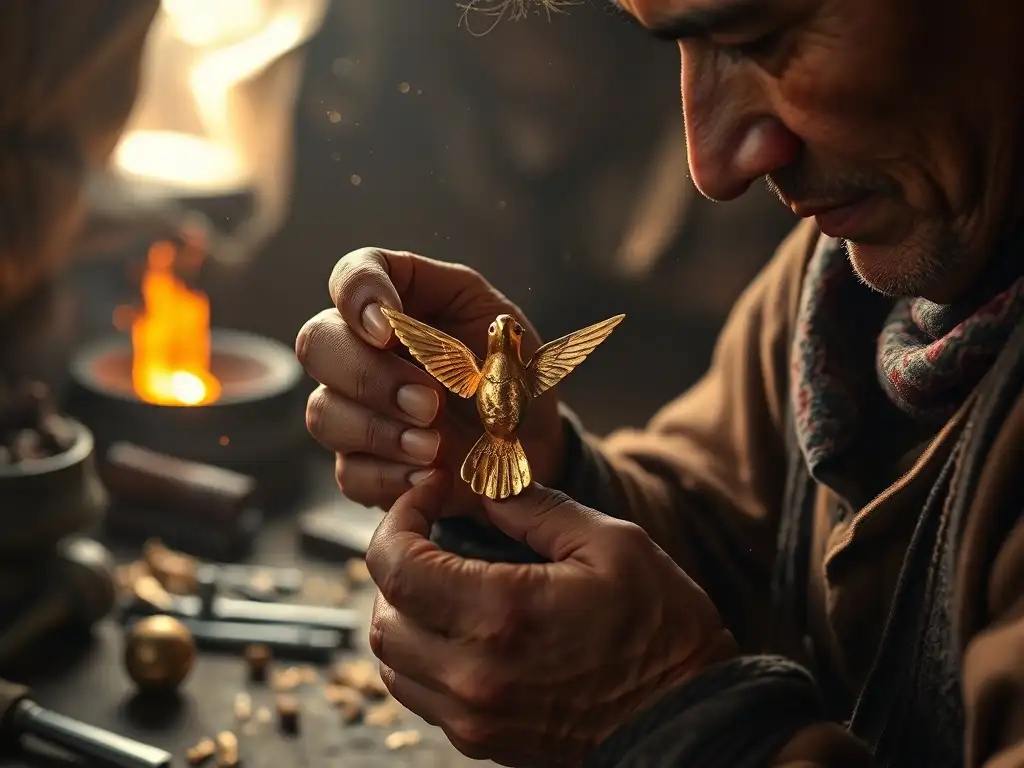
The Inca Empire's dominance across the Andes wasn't solely due to its sophisticated political organization and vast infrastructure. Metallurgy played a crucial, often overlooked, role in solidifying their power and influence. The Inca's mastery of metalworking provided them with superior weaponry, tools for agriculture and construction, and elaborate ceremonial objects that reinforced their divine authority and social hierarchy.
Access to and control over valuable metal resources, like gold and silver, became a key element in their economic and political strategy. The ability to craft intricate and visually stunning artifacts served as a powerful tool for diplomacy, securing alliances and demonstrating the Inca's technological prowess to neighboring groups. This wasn't just about practical applications; the sheer artistry displayed in Inca metallurgy impressed and intimidated, enhancing their prestige and solidifying their control.
The production and distribution of metal goods were carefully managed, often centralized under state control, further highlighting the importance of metallurgy in the Inca state’s power structure. The skilled artisans who worked with these precious metals held high social standing, a testament to the value placed on their expertise. Indeed, the Inca Empire's success can be partially attributed to its sophisticated understanding and utilization of ancient Andean metallurgy techniques.
Inca Goldwork: Symbol of Power and Divinity
Inca goldwork stands as a testament to their exceptional metallurgical skills and their sophisticated understanding of symbolism. Far from being merely decorative, Inca gold objects were imbued with deep religious and political significance. The sheer quantity of gold used, often in conjunction with other metals like silver and copper, served to visually represent the Inca's power and wealth.
The intricate designs, often featuring stylized animals, plants, and deities, further reinforced the Inca worldview and their connection to the supernatural. The gold objects weren't just symbols of earthly power; they served as powerful conduits to the spiritual realm, used in ceremonies and rituals that strengthened the Inca's authority and maintained social order. The meticulous techniques employed, including hammering, annealing, soldering, and the masterful use of alloys, allowed Inca artisans to create objects of breathtaking beauty and complexity, reflecting the high level of skill and sophistication within their society.
The creation of these pieces wasn't simply a craft; it was a sacred practice, reinforcing the close ties between religious belief and political power within the Inca Empire. The legacy of Inca goldwork continues to fascinate and inspire, offering a glimpse into the rich religious and political life of this remarkable civilization.
Copper and Bronze Alloys: Everyday Tools and Weapons
While gold and silver held immense symbolic value, the Inca's mastery extended to the practical application of copper and bronze alloys. These metals were crucial for creating tools essential for agriculture, construction, and warfare. Copper tools, such as axes, chisels, and adzes, were vital for clearing land, building terraces, and constructing the impressive Inca infrastructure.
Bronze alloys, offering increased strength and durability, were used to forge weaponry, including swords, spears, and mace heads. The quality and effectiveness of these tools and weapons were critical factors in the Inca's military successes and their ability to maintain control over their vast empire. The Inca's ability to produce high-quality copper and bronze tools and weapons on a large scale demonstrates their advanced organizational capabilities and their understanding of metallurgical processes.
The widespread use of these alloys highlights the practical and military importance of metallurgy in the daily life and imperial ambitions of the Inca civilization, demonstrating a sophisticated understanding of ancient Andean metallurgy techniques far beyond mere ornamentation. Careful analysis of these artifacts reveals the Inca’s sophisticated understanding of alloying techniques, allowing them to fine-tune the properties of their metals to meet specific needs.
Ancient Andean Metallurgy Techniques: A Detailed Exploration
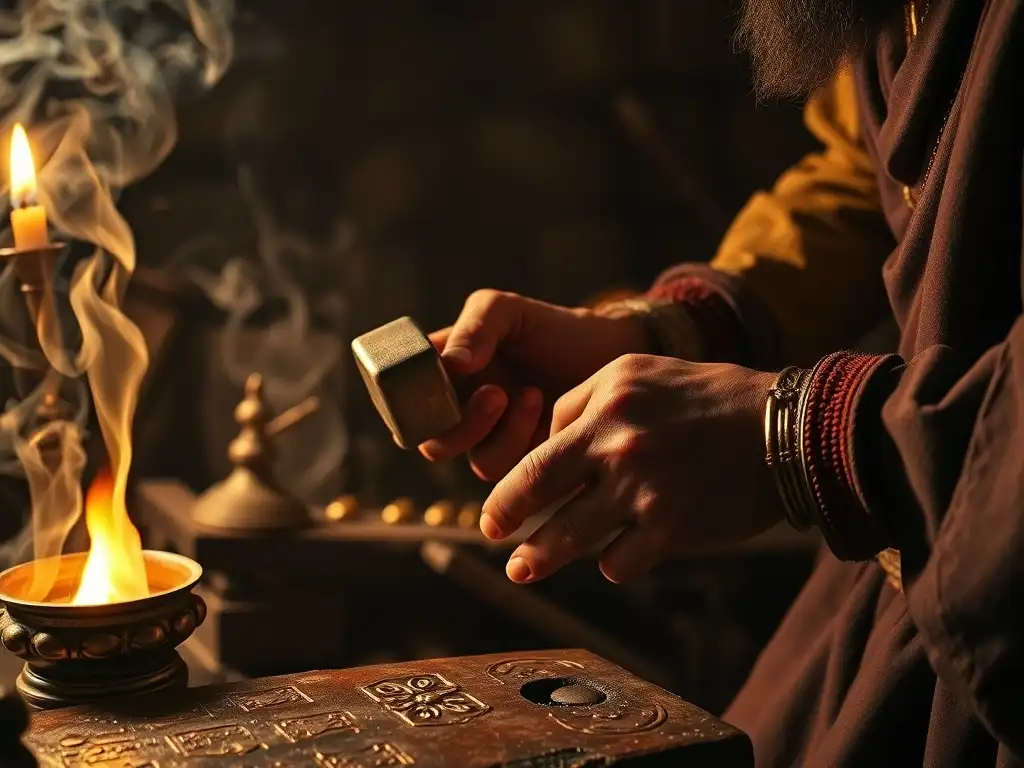
This section delves into the sophisticated metallurgical practices employed by ancient Andean civilizations, showcasing their remarkable ingenuity and mastery of metalworking. The techniques used were not only advanced for their time but also adapted to the unique challenges presented by the Andean environment and available resources. Understanding these techniques provides crucial insight into the social structures, economic systems, and religious beliefs of these fascinating cultures. The term "Ancient Andean metallurgy techniques" encompasses a wide range of processes, from the initial extraction of ores to the creation of intricate and aesthetically pleasing artifacts.
Smelting Techniques in the Pre-Columbian Andes
The Andean peoples were adept at smelting various metals, primarily copper, bronze (an alloy of copper and tin), gold, and silver. Their smelting techniques, while differing in specifics depending on the metal and the civilization, generally involved the use of simple but effective furnaces. These furnaces, often built from clay or stone, utilized charcoal or other fuel sources to achieve the high temperatures necessary for melting the ores. Evidence suggests that bellows, possibly made from animal skins, were used to increase airflow and maintain the necessary heat for successful smelting.
The process was not without its challenges. The Andean highlands lacked extensive forests in many areas, limiting the readily available fuel supply. Therefore, efficient fuel management was crucial. Furthermore, the precise control of temperature was essential to prevent the loss of valuable metals through oxidation or volatilization.
Archaeological findings show that Andean metallurgists developed sophisticated methods for managing both fuel and temperature, resulting in impressive yields of high-quality metal. For example, the Moche civilization is known for its advanced smelting techniques, producing large quantities of high-quality copper for tools and weapons. Their expertise is evident in the intricately crafted copper objects discovered in their tombs and settlements. Further research is needed to fully understand the specific methods employed by different Andean cultures, but the available evidence points towards a remarkable level of skill and knowledge.
Alloy Development and Their Applications
Beyond smelting individual metals, Andean metallurgists demonstrated an advanced understanding of alloying—the process of combining different metals to create materials with enhanced properties. The most common alloy was bronze, a combination of copper and tin. The precise proportions of copper and tin varied depending on the desired properties of the final product. Bronze was valued for its strength, durability, and relatively easy workability compared to pure copper. It was used extensively to create tools, weapons, and decorative objects.
Other alloys were also developed, though less commonly. Certain gold alloys were created to alter the color or malleability of the gold. The precise composition of these alloys and the techniques used to create them are still being studied, but it's clear that Andean metallurgists possessed a sophisticated understanding of material science.
The use of alloys highlights the innovative and experimental nature of Andean metallurgy, demonstrating a clear understanding of the relationship between material composition and resulting properties. The development and application of alloys played a significant role in the technological advancement and cultural expression of Andean societies. The diversity of alloy types and their specific applications reveal a high level of sophistication in their metallurgical practices.
Gilding and Plating Methods in Ancient Andean Cultures
Gilding and plating were further examples of the Andean mastery of metallurgy. Gilding, the application of a thin layer of gold to another metal, was often used to embellish objects made of copper or bronze, greatly enhancing their aesthetic value. Plating, a similar technique, involved applying layers of other metals like silver. The methods used for gilding and plating are not fully understood, but it's likely that techniques similar to fire gilding and electroplating were employed, although likely without the precise understanding of electricity.
Evidence suggests that the process involved carefully preparing the surface of the base metal before applying the gold or silver layer. This preparation likely involved cleaning and polishing the surface to ensure proper adhesion. The application of the precious metal was probably done through a variety of techniques, perhaps involving the use of heat and pressure, or possibly through a type of mercury amalgamation.
The resulting gilded and plated objects are often stunning examples of Andean artistry, demonstrating the skillful combination of metallurgical expertise and artistic creativity. The precise details of these techniques remain an area of ongoing research, but the surviving examples clearly demonstrate the high level of skill and precision achieved by Andean metallurgists. The elegance and durability of these objects are a testament to their mastery of these sophisticated techniques.
The Lost Wax Casting Technique in Andean Metalwork
The lost-wax casting technique, also known as cire perdue, represents a pinnacle of ancient Andean metallurgical skill. This intricate process allowed artisans to create incredibly detailed and complex metal objects, from small figurines to large ceremonial vessels. The process began with the creation of a model, often sculpted from clay or beeswax, of the desired object. This model was then meticulously coated in layers of clay, forming a mold.
A channel, or sprue, was incorporated into the clay to allow molten metal to flow into the mold. The mold was then carefully heated, melting away the wax model within. Molten metal, typically copper, bronze (an alloy of copper and tin), gold, or silver, was then poured into the resulting cavity. After cooling, the clay mold was broken away, revealing the finished metal object.
The level of sophistication achieved by Andean metallurgists in lost-wax casting is truly remarkable. They mastered the control of metal temperature, ensuring even pouring and minimal defects. The precision required to create intricately detailed pieces, such as the miniature gold llamas found in numerous tombs, speaks volumes about their expertise. Furthermore, the ability to cast multiple pieces simultaneously using a single mold demonstrates an advanced understanding of the process and its limitations.
The use of different alloys, sometimes within the same object, showcases a deep understanding of material properties and their manipulation. This technique wasn't limited to a single culture; evidence suggests its widespread use across various Andean societies, highlighting a shared knowledge and expertise in metalworking throughout the region. The lost-wax method facilitated the creation of iconic Andean artifacts, shaping their religious practices and social structures.
Hammering and Cold Working Metal Techniques
Beyond casting, Andean metallurgists also demonstrated exceptional proficiency in hammering and cold working metals. This involved shaping metal objects through repeated hammering, often at room temperature, without the use of heat. This method, though seemingly simpler than casting, required immense skill, precision, and physical strength. Artisans used various tools, including stone hammers and anvils, to manipulate the metal, gradually refining its form. The process often involved annealing, a controlled heating and cooling process, to soften the metal and prevent cracking or fracturing during deformation.
The hammered and cold-worked pieces show a remarkable level of artistry. Sheets of gold and silver were skillfully hammered into thin, delicate sheets, then intricately decorated with repoussé (hammering from the back to create raised designs) and chasing (hammering from the front to refine details). This technique was used to create stunning jewelry, ornaments, and even large-scale decorative elements on ceremonial objects.
The mastery of hammering and cold working allowed for the creation of incredibly fine details and intricate patterns, demonstrating a remarkable level of control and precision. The ability to create seamless joins between different pieces of metal, as seen in some gold artifacts, is a testament to the advanced skills of Andean metallurgists.
These techniques weren't merely decorative; they also played a crucial role in the construction of functional objects, such as tools and weaponry, highlighting the versatility and importance of hammering and cold working in Andean metallurgy. The endurance of these techniques, visible in the surviving artifacts, underscores the ingenuity and expertise of ancient Andean metalworkers.
The Significance of Andean Metallurgy
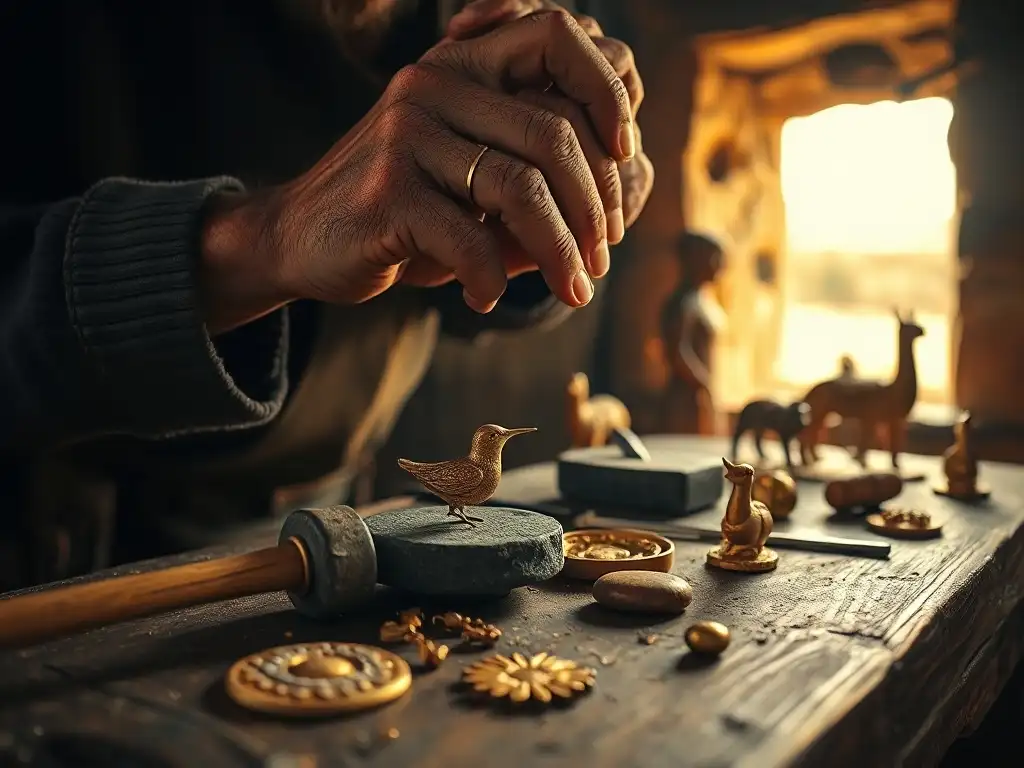
Andean metallurgy stands as a testament to the ingenuity and advanced technological capabilities of pre-Columbian societies. Far from being a simple craft, it played a crucial role in shaping the social, political, and religious landscapes of cultures like the Inca, Moche, Nazca, and Tiahuanaco. The mastery of metalworking allowed for the creation of intricate tools, weapons, ornaments, and religious artifacts, reflecting not only technical prowess but also deep cultural and spiritual values.
Understanding Ancient Andean metallurgy techniques reveals a sophisticated understanding of material science, resource management, and artistic expression that continues to fascinate and inspire researchers today. The development of these techniques was a gradual process, spanning centuries and evolving in response to both technological innovations and changing social structures. The impact of Andean metallurgy is profound, leaving an enduring legacy on the region and shaping our understanding of pre-Columbian societies.
Metallurgical Innovations and their Cultural Impact
The impact of metallurgical innovations on Andean societies was transformative. The ability to work with metals like gold, silver, copper, and bronze allowed for the creation of tools that significantly improved agricultural practices, leading to increased food production and population growth. For example, the development of advanced bronze alloys resulted in stronger and more durable tools for farming, such as hoes and plows, which enhanced agricultural efficiency. This, in turn, facilitated the growth of larger, more complex societies.
Furthermore, the creation of sophisticated weaponry, including copper and bronze axes, spears, and knives, played a significant role in warfare and territorial expansion. The control of metal resources and the ability to produce high-quality weapons conferred considerable power and prestige. The development of advanced casting and hammering techniques allowed for the creation of intricate and aesthetically pleasing objects, enhancing social status and reinforcing power structures.
The production of elaborate metal ornaments and jewelry became an important marker of social hierarchy, with elites often adorned with gold and silver items showcasing their wealth and power. This created a strong link between metallurgical skill and social standing, shaping the social dynamics of Andean societies.
Trade and Exchange of Metals in the Ancient Andes
The control and exchange of metals were central to the economic and political systems of the Andes. Access to valuable metals like gold and silver was not evenly distributed, leading to complex trade networks that connected different regions and cultures. The movement of these precious metals facilitated the exchange of goods and ideas, contributing to cultural exchange and the spread of technological innovations.
Evidence suggests that extensive trade routes existed, connecting coastal regions rich in copper with highland areas where gold and silver were found. The control of these trade routes often conferred significant political and economic power. The Inca Empire, for instance, effectively controlled the flow of precious metals throughout their vast territory, using them to consolidate their power and maintain control over their subjects.
The standardization of weights and measures for metal objects further suggests a highly organized and centralized system of trade and resource management. The analysis of metal artifacts found in different regions provides valuable insights into the extent and nature of these ancient trade networks, highlighting the interconnectedness of Andean societies.
The Spiritual and Symbolic Meanings of Metal Objects
Beyond their practical applications, metal objects in the Andes held profound spiritual and symbolic significance. Gold, in particular, was associated with the sun and divine power, while silver was linked to the moon and the underworld. The use of these metals in religious rituals and ceremonies cemented their importance in Andean cosmology.
Many metal objects, such as ceremonial vessels and masks, were intricately decorated with symbolic motifs, reflecting the beliefs and worldview of the people who created them. These objects were not simply functional tools but also powerful symbols of religious authority and spiritual power. The craftsmanship and artistry displayed in these pieces highlight the deep connection between metallurgy and religious expression.
Furthermore, the burial practices of the Andean peoples often included the inclusion of metal objects, further demonstrating their importance in the afterlife. The careful placement and arrangement of these items within tombs reveals their significance in funerary rituals and beliefs about the transition to the spirit world. The study of these objects provides a rich source of information about the spiritual beliefs and cosmological understanding of ancient Andean societies.
Legacy of Andean Metallurgy in Modern Metalworking
The sophisticated techniques developed by Andean civilizations in metallurgy continue to resonate in modern metalworking practices. While the specific methods might have evolved, the underlying principles of alloying, casting, hammering, and finishing remain relevant. The intricate designs and high-quality craftsmanship evident in pre-Columbian artifacts serve as a source of inspiration for contemporary artists and artisans. Many contemporary jewelry makers, for example, draw inspiration from the intricate designs and detailed work found in ancient Andean gold and silver pieces, adapting techniques like repoussé and chasing to create modern interpretations of these ancient styles.
The study of ancient Andean metallurgical processes also provides valuable insights for researchers and engineers today. Understanding how these civilizations achieved such high levels of precision in their work, often with relatively simple tools and limited resources, can inform the development of new and improved techniques in modern metalworking. For instance, the analysis of ancient alloys and their corrosion resistance can contribute to the creation of more durable and environmentally friendly materials.
Furthermore, the understanding of ancient casting techniques, including lost-wax casting, continues to be a valuable resource for modern foundry practices. The meticulous attention to detail and the innovative solutions employed by Andean metallurgists offer valuable lessons for contemporary metalworkers seeking to improve their skills and techniques.
The impact extends beyond direct application. The legacy of Andean metallurgy fosters a deeper appreciation for the ingenuity and skill of past civilizations. Museums and archaeological sites showcasing these artifacts educate current generations on the importance of preserving cultural heritage and inspire future generations of artisans and engineers. The enduring appeal of Andean metallurgical achievements underscores the timeless value of craftsmanship and the enduring power of human ingenuity.
This legacy serves as a constant reminder of the sophisticated technological advancements achieved long before the arrival of Europeans, challenging preconceived notions and broadening our understanding of human potential across different cultures and time periods. The study and appreciation of ancient Andean metallurgy enrich our understanding of the past and inform our approach to the future of metalworking. The techniques and artistry continue to inspire and inform, solidifying the enduring legacy of these remarkable ancient cultures.
Preserving the Heritage of Ancient Andean Metallurgy
The legacy of Ancient Andean metallurgy techniques is incredibly fragile. The very materials—gold, silver, copper, and their alloys—are susceptible to degradation over time, particularly through oxidation and environmental factors. Understanding how to preserve these invaluable artifacts for future generations is crucial, not just for historical accuracy, but also for the ongoing study and appreciation of these remarkable achievements.
This preservation relies on a multifaceted approach that combines scientific analysis, careful handling, and ethical considerations. The challenge lies in balancing the desire to showcase these treasures with the need to safeguard them from further deterioration. Failure to do so risks losing irreplaceable pieces of history and invaluable insights into the ingenuity of Andean cultures.
Archaeological Discoveries and Ongoing Research
New archaeological discoveries continue to shed light on Ancient Andean metallurgy techniques, revealing previously unknown aspects of their sophisticated processes. Recent finds in the highlands of Peru, for example, have uncovered intricate workshops containing remnants of tools, molds, and unfinished artifacts. These discoveries provide invaluable contextual information, allowing researchers to better understand the techniques employed and the social organization surrounding metalworking.
Ongoing research utilizing advanced analytical techniques, such as X-ray fluorescence (XRF) and scanning electron microscopy (SEM), allows for detailed compositional analysis of the artifacts, revealing the specific alloys used and the level of skill involved in their creation. This data is essential for informed conservation strategies. For instance, understanding the exact alloy composition helps determine the best methods for preventing further corrosion.
The meticulous documentation of these findings, including detailed photographic records and three-dimensional modeling, is critical for future research and educational purposes. This commitment to rigorous scientific methodology ensures that the knowledge gained from these discoveries is both accurate and reliable, contributing to a more complete understanding of Ancient Andean metallurgy.
The Importance of Protecting Andean Metal Artifacts
Protecting Andean metal artifacts is paramount for preserving cultural heritage and scientific knowledge. The artifacts are not merely objects; they are tangible links to the past, offering insights into the beliefs, practices, and technological capabilities of ancient Andean societies. Their deterioration represents an irreversible loss of history and knowledge. Environmental factors such as humidity, temperature fluctuations, and exposure to pollutants can accelerate corrosion and degradation.
Improper handling and storage can also lead to damage. Therefore, strict protocols are needed, encompassing proper storage conditions, controlled environmental parameters, and the use of appropriate conservation techniques. Furthermore, ethical considerations regarding the repatriation of artifacts and the involvement of local communities in their preservation are crucial.
Collaboration with local communities ensures that the preservation efforts respect cultural sensitivities and traditional knowledge. This collaborative approach recognizes that the preservation of these artifacts is not merely a scientific endeavor, but also a matter of cultural significance and community ownership. The ethical acquisition and responsible stewardship of these invaluable pieces are of utmost importance.
Museums and Exhibitions Showcasing Andean Metallurgy
Museums and exhibitions play a crucial role in showcasing Ancient Andean metallurgy techniques to a wider audience. However, the display of these delicate artifacts requires careful planning and execution to mitigate the risks of damage. Controlled environments with stable temperature and humidity levels are essential. Furthermore, the use of appropriate display cases and protective materials is crucial to minimize exposure to pollutants and physical damage.
The design of exhibitions should also prioritize the educational aspect, providing visitors with informative displays and engaging interpretations of the artifacts and the cultures that created them. High-quality photography, detailed descriptions, and interactive elements can significantly enhance the visitor experience and foster a deeper appreciation for the ingenuity and artistry of Ancient Andean metalworkers. Additionally, museums have a responsibility to engage in ongoing research and conservation efforts, ensuring that the artifacts remain protected and accessible for future generations.
This requires collaboration between museum professionals, scientists, and archaeologists. The proper curation and exhibition of these artifacts are crucial for preserving the cultural heritage and promoting a deeper understanding of Ancient Andean metallurgy. The effective showcasing of these incredible pieces is vital for continuing to inspire awe and appreciation for this remarkable chapter in human history.
Frequently Asked Questions
What makes Andean metallurgy so unique?
Andean metallurgy stands out due to its remarkable technical achievements, particularly in gold and silver working, achieved without the benefit of iron tools. They developed sophisticated techniques like lost-wax casting and hammering to create intricate artifacts.
What materials did Andean metallurgists primarily use?
The Andean civilizations primarily worked with gold, silver, copper, and bronze, often combining these metals to create alloys with unique properties. They also used platinum and other less common metals.
How did Andean metallurgists achieve such intricate designs?
They employed advanced techniques such as lost-wax casting for complex shapes and repoussé and hammering for detailed surface decoration. Highly skilled artisans refined these methods over centuries.
Were there regional variations in Andean metallurgical techniques?
Yes, significant regional differences existed. For instance, the Moche were known for their elaborate goldwork, while the Inca excelled in large-scale projects and the use of alloys.
What is the significance of Andean metallurgy in understanding ancient Andean societies?
Andean metallurgy provides crucial insights into their social structures, religious beliefs, and technological capabilities. The artifacts reveal power dynamics, trade networks, and the high level of artistic skill present in these civilizations.
Final Reflection: The Enduring Legacy of Andean Ingenuity
The mastery of ancient Andean metallurgy wasn't merely a technological achievement; it was a profound expression of cultural identity, a testament to human ingenuity that continues to resonate today. The intricate goldwork, the sophisticated bronze alloys, and the innovative techniques employed by Andean artisans remain a source of wonder and inspiration, challenging our assumptions about technological development in pre-Columbian societies. Their legacy continues to inspire modern artists, scientists, and engineers, proving the timeless value of innovation and cultural preservation.
The impact of Andean metallurgical practices extends far beyond the realm of archaeology; it speaks to the power of human creativity to overcome limitations and to forge a unique cultural identity. The intricate designs, the precise casting techniques, and the symbolic significance of the metals themselves all contribute to a rich tapestry of cultural expression. As the renowned anthropologist, Clifford Geertz, once wrote, Man is an animal suspended in webs of significance he himself has spun.
The Andean artisans spun webs of extraordinary significance through their mastery of metallurgy, leaving behind a legacy that continues to fascinate and inspire us.
Consider, for a moment, the sheer skill and dedication required to create the intricate gold objects unearthed from Andean tombs. Imagine the collaborative effort, the generations of knowledge passed down, the unwavering commitment to artistic excellence. This legacy challenges us to appreciate the ingenuity of past civilizations and to recognize the enduring power of human creativity.
Let the astonishing mastery of ancient Andean metallurgy inspire you to explore your own creative potential, to appreciate the rich tapestry of human history, and to strive for excellence in your own endeavors. Embrace the enduring legacy of the Andes, and let it ignite your own passion for discovery and innovation.
**Unlock the Mysteries of Andean Metallurgy! **
Thank you for exploring the fascinating world of ancient Andean metallurgy! The incredible skill and artistry of these civilizations reveal both their advanced technology and rich cultural heritage. Now, let's delve further!
Here are some ways to continue your exploration:
- **Dive Deeper:** Explore our extensive resources on Andean metallurgical practices to expand your knowledge.
- **Share Your Insights:** Discuss this article with friends and colleagues, or share it on social media to spark conversations about the wonders of Andean civilizations.
- **Join the Community:** Participate in our upcoming webinar on the impact of ancient metallurgy on modern practices. This is a great opportunity to interact with experts and fellow enthusiasts.
What aspect of Andean metallurgy intrigues you most, and how do you think it continues to influence modern techniques?