
A Stitch in Time: Unveiling the Tools Used in Andean Clothing Production

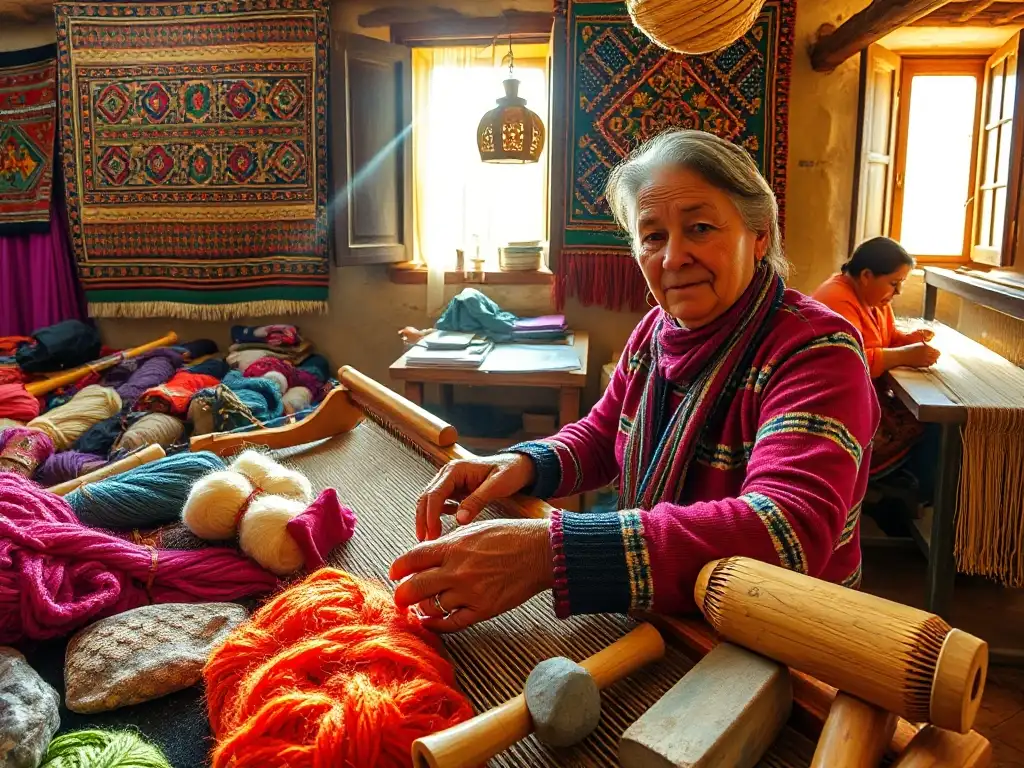
Unravel the mysteries of a lost world, where vibrant threads spun tales as rich as the Andes themselves. Journey into the heart of Andean civilizations, exploring their remarkable ingenuity and mastery of textile production. Discover the secrets behind the breathtaking artistry of Andean textiles, from the surprisingly sophisticated tools used to create them. What innovative techniques allowed these ancient cultures to produce such enduring masterpieces? Dive into the fascinating world of Andean textiles production tools and unlock the story woven into every fiber.
- Andean Textiles Production Tools: A Journey Through Time
- Essential Tools for Andean Fiber Preparation
- Looms and Weaving Techniques in the Andes
- Specialized Instruments for Textile Finishing
- The Legacy of Andean Textile Tools
-
Frequently Asked Questions
- What tools did Andean civilizations use for textile production?
- How did the backstrap loom function in Andean textile creation?
- What materials were used in conjunction with the tools for Andean textile production?
- Were the tools used in Andean textile production standardized across all cultures?
- Where can I learn more about Andean textile production tools and techniques?
- Final Reflection: Weaving the Past into the Present
- **Explore the Vibrant World of Andean Fabric Arts! **
Andean Textiles Production Tools: A Journey Through Time
The Andes Mountains, a spine of towering peaks traversing South America, are not only a geographical marvel but also the cradle of incredibly rich and diverse ancient cultures. For centuries, these civilizations—including the Incas, Moche, Nazca, and Tiahuanaco—developed sophisticated technologies and artistic expressions, none more remarkable than their mastery of textile production. This article delves into the fascinating world of Andean textiles, exploring the ingenious tools and techniques employed by these ancient artisans to create the vibrant and intricate fabrics that remain iconic even today.
We will examine the tools used in the process, highlighting their ingenuity and the cultural significance embedded within each carefully crafted piece. Understanding these tools provides a crucial window into the daily lives, social structures, and artistic achievements of Andean societies, offering a tangible connection to their rich legacy.
From the humble spindle whorl to the complex backstrap loom, each instrument played a vital role in shaping the vibrant tapestry of Andean culture and continues to inspire awe and admiration. This exploration of "Andean textiles production tools" will reveal the intricate relationship between technology, artistry, and cultural identity in the Andes.
The Cultural Significance of Andean Weaving
Andean weaving was far more than a mere craft; it was deeply interwoven with the spiritual and social fabric of Andean life. Textiles served a multitude of purposes, extending beyond simple clothing. They were used in religious ceremonies, as status symbols, and as integral components of social structures. The intricate designs woven into the fabrics often held symbolic meanings, conveying narratives, beliefs, and social hierarchies.
For example, the use of specific colors or patterns could indicate a person's social standing, clan affiliation, or even their connection to specific deities. The process of weaving itself was often a communal activity, bringing people together and fostering social bonds. The meticulous attention to detail and the high level of skill required to create these textiles underscored their importance within Andean society.
The enduring legacy of Andean weaving is a testament to the skill, creativity, and cultural depth of these ancient civilizations. The intricate designs and vibrant colors continue to capture imaginations today, serving as a potent reminder of the rich cultural heritage of the Andes. Even the tools used in this process, passed down through generations, hold a deep cultural significance, representing continuity and resilience.
Understanding Alpaca and Vicuña Fibers in Andean Clothing
The exceptional quality of Andean textiles is inextricably linked to the remarkable properties of the fibers used in their creation, primarily alpaca and vicuña. These camelids, native to the high Andes, produce fibers renowned for their softness, warmth, and durability. Alpaca fiber, prized for its luxurious softness and a wide range of natural colors, was a common material used in clothing for all social classes. Vicuña fiber, however, was far rarer and considered exceptionally precious, often reserved for the elite.
Its incredibly fine and soft texture, combined with its inherent warmth, made it a highly sought-after material. The preparation of these fibers for weaving involved a series of intricate processes, from shearing the animals to cleaning and spinning the fiber into yarn. These processes, often carried out by women, were crucial steps in the textile production chain.
The varying qualities of alpaca and vicuña fibers, directly impacted the type of tools used and the complexity of the weaving techniques employed. Understanding the characteristics of these fibers provides a vital context for appreciating the skill and artistry involved in creating Andean textiles and the sophisticated understanding of materials possessed by Andean artisans. The careful selection and preparation of these fibers directly influenced the final product, demonstrating a profound connection between the natural world and the cultural expression of Andean societies.
Essential Tools for Andean Fiber Preparation
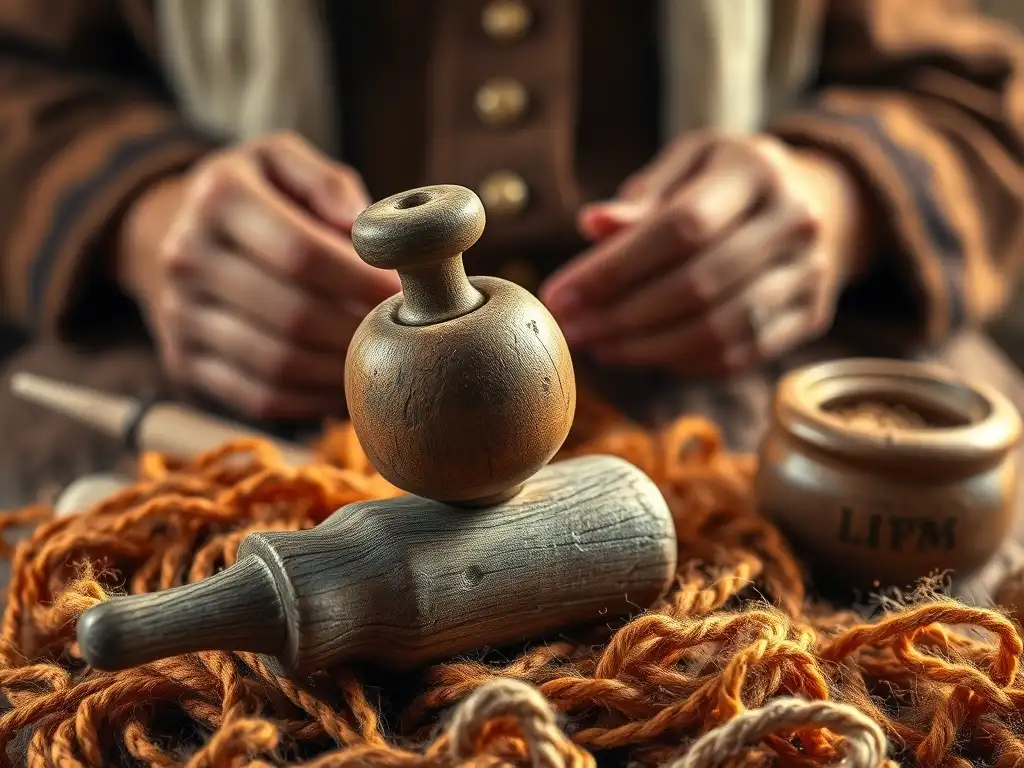
This section delves into the fundamental tools employed in the initial stages of Andean textile production, focusing on the transformation of raw fibers into usable yarn. The process, while seemingly simple, required considerable skill and precision, reflecting the ingenuity and resourcefulness of Andean artisans. Understanding these tools provides crucial insight into the dedication and artistry behind the creation of the vibrant textiles we admire today.
The meticulous preparation of fibers directly impacted the quality and appearance of the final product, demonstrating the deep connection between technology and aesthetics in Andean culture. The efficiency of these tools allowed for large-scale production to meet the demands of a complex societal structure, further highlighting the sophistication of Andean technology. Understanding the tools is key to understanding the broader context of Andean textiles production tools.
The Role of the Pushka in Andean Textile Creation
The pushka, a simple yet effective tool, played a vital role in the initial stages of textile production. This hand-held instrument, typically made from wood and featuring a series of closely spaced teeth, was used to card and align fibers. Unlike modern machinery, the pushka required considerable skill and patience.
The artisan would rhythmically move the pushka over a bed of raw fibers, meticulously separating and aligning the individual strands. This process was crucial for creating a smooth, even yarn that was strong and less prone to breakage during weaving. The consistent application of pressure and the skillful manipulation of the pushka were critical to achieving optimal results.
Different types of pushkas existed, each potentially suited to different fiber types (e.g., alpaca vs. llama wool), though more research is needed to clarify these distinctions. [Specific information pending on regional variations of pushkas and their associated fiber types]. The effectiveness of the pushka highlights the ingenuity of Andean technology, demonstrating how simple tools could be used to achieve remarkable results.
Preparing the Fiber: Using Hand Carders and Combs
Beyond the pushka, Andean artisans also employed hand carders and combs to prepare fibers for spinning. These tools, often crafted from wood and featuring rows of closely spaced metal or bone teeth, served to further refine the fibers, removing any remaining impurities and aligning them even more precisely. The carders were used to separate and untangle the fibers, creating a continuous, even strand ready for spinning.
Combs, with their finer teeth, were used for a more delicate refining process, essential for creating exceptionally fine yarns. The use of both carders and combs demonstrates a layered approach to fiber preparation, indicative of a sophisticated understanding of textile production. The choice between carder and comb likely depended on the type of fiber being processed and the desired final outcome.
[Specific information pending on the differences in use and output between carders and combs]. The precision required for this process underscores the high level of skill possessed by Andean textile artisans.
Natural Dyes from Plants and Minerals in Andean Cultures
The vibrant colors characteristic of Andean textiles were not achieved through synthetic dyes, but rather through the ingenious use of natural pigments derived from plants and minerals. This process, integral to Andean textile production, involved a complex understanding of both botany and chemistry. Plants like the tarwi (Lupinus mutabilis) provided yellows and browns, while various species of cacti offered reds and purples.
Minerals, such as ochre and azurite, provided earthy tones and brilliant blues. The preparation of these dyes often involved lengthy and meticulous processes, including the careful collection of plant materials, the precise control of boiling and fermentation temperatures, and the addition of mordants to enhance colorfastness. The entire process was an art in itself, requiring generations of accumulated knowledge and experience.
The diversity of colors available to Andean artisans, coupled with their mastery of dyeing techniques, resulted in the creation of stunning textiles that are still admired for their vibrancy and complexity today. This sophisticated approach to dyeing further underscores the advanced level of Andean technology and its profound connection to the natural world. The use of natural dyes also highlights the sustainability inherent in Andean textile production methods.
Looms and Weaving Techniques in the Andes
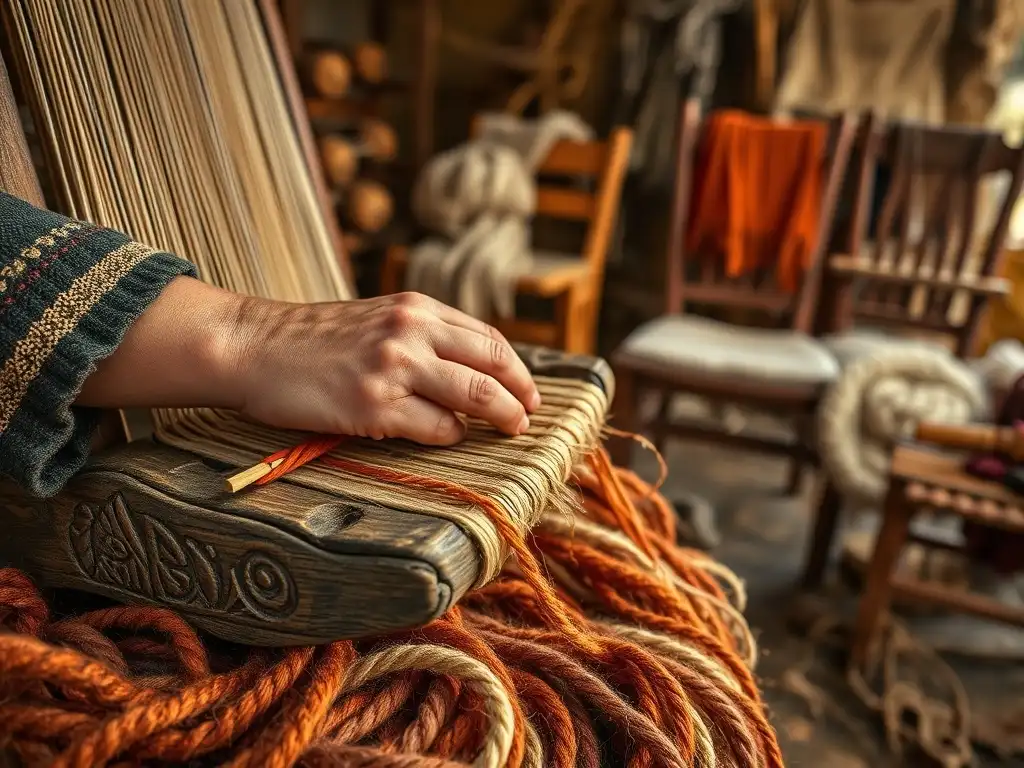
The Andes Mountains were not only a formidable geographical challenge but also a cradle of innovative textile production. Understanding Andean textiles production tools requires acknowledging the central role of the loom, a device that transformed raw materials into vibrant, intricate fabrics. The skill and artistry involved in Andean weaving are reflected in the sophistication of their looms and the diversity of their weaving techniques.
These weren't merely functional tools; they were integral to the social and spiritual fabric of Andean life, shaping identity and reflecting complex cosmological beliefs. The mastery of these tools allowed Andean cultures to create textiles of unparalleled beauty and durability, many of which survive to this day, offering invaluable insights into their craftsmanship and ingenuity. The precision and detail evident in surviving examples highlight the advanced understanding of textile production among these ancient societies.
Types of Andean Looms: The Backstrap Loom and the Four-Post Loom
Andean weavers utilized various types of looms, but two stand out for their prevalence and significance: the backstrap loom and the four-post loom. The backstrap loom, a portable and versatile tool, was widely used across various Andean cultures. This loom's portability allowed weavers to work virtually anywhere, integrating weaving into their daily routines.
Its simplicity belies its effectiveness; the weaver secures one end of the warp threads to a stationary object (like a tree or post) and the other to a belt worn around their waist. By leaning back and forth, they control the tension of the warp threads, creating the shed for passing the weft. This ingenious design allowed for the production of a wide range of textiles, from simple cloths to complex tapestries.
The four-post loom, on the other hand, was a more stationary and larger loom, often used for producing wider and more elaborate textiles. This loom provided greater control and stability during the weaving process, facilitating the creation of intricately patterned and larger pieces. The four posts provided a framework for stretching the warp threads, allowing for a more efficient and controlled weaving experience.
The use of either loom depended on the scale and complexity of the project, demonstrating the adaptability and resourcefulness of Andean weavers. Evidence suggests that the choice of loom also varied regionally and according to specific cultural practices. Further research is needed to fully understand the nuances of loom selection across different Andean communities and time periods.
The Art of Weaving: Complementary Weft and Warp-Faced Techniques
Andean textile production tools were not limited to the looms themselves; the techniques employed were equally crucial to the final product. Two prominent techniques are complementary weft and warp-faced weaving. Complementary weft involves using two or more different colored weft yarns to create patterns by interweaving them in a specific sequence. This method allowed for the creation of geometric designs and intricate motifs. The precision required highlights the advanced skill of Andean weavers. Careful planning and execution were essential to achieve the desired visual effect.
In contrast, warp-faced weaving emphasizes the warp threads, creating a fabric with a distinct texture and appearance. The warp threads are often more visible, allowing for the creation of bold patterns and textured surfaces. This technique often involved the use of supplementary weft threads to create additional decorative elements. The ability to manipulate both warp and weft threads to achieve diverse effects showcases the versatility and sophistication of Andean weaving techniques. The interplay between these techniques, and others not yet fully documented, allowed for a tremendous range of aesthetic and functional outcomes.
Tools for Creating Intricate Andean Textile Motifs
Beyond the looms and weaving techniques, a variety of other Andean textiles production tools were essential in creating the intricate motifs that characterize Andean textiles. These included:
- Spindles and distaffs: Used for spinning yarn from fibers such as alpaca, llama, and cotton. The quality of the yarn directly impacted the final textile's quality.
- Shears and knives: Used for preparing fibers and cutting the woven fabric. The precision of these tools ensured clean cuts and even edges.
- Needles: Various types of needles were used for different tasks, including embroidery and mending. The delicate nature of some embroidery work suggests the use of very fine needles.
- Weaving combs: Used to beat down the weft threads, creating a tightly woven and durable fabric. The evenness of the weft compaction directly influenced the textile's strength and appearance.
- Dyeing implements and materials: A wide range of natural dyes were used, creating a vibrant palette of colors. The specific plants and minerals used varied regionally and added to the uniqueness of each textile. [Specific information pending on regional variations in dyeing tools and techniques].
The combination of these tools and the skilled hands of the weavers resulted in textiles that were not only visually stunning but also incredibly durable and functional, reflecting the ingenuity and artistry of Andean civilizations. The legacy of their textile production continues to inspire and amaze. The study of these tools provides a deeper understanding of the technological advancements and cultural significance of Andean textile production.
Specialized Instruments for Textile Finishing
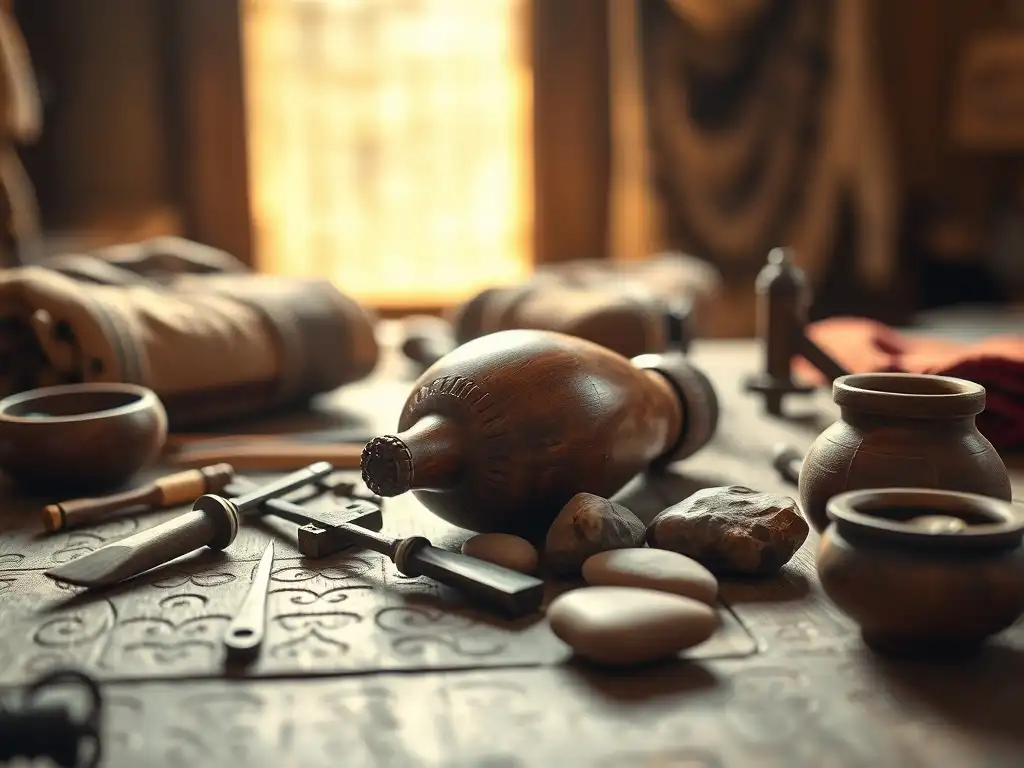
The creation of exquisite Andean textiles involved far more than just weaving. A significant amount of skill and specialized tools were dedicated to the finishing processes, elevating the garments and textiles to works of art. Understanding these tools provides crucial insight into the level of sophistication achieved by Andean artisans in textile production. The meticulous attention to detail evident in surviving examples speaks volumes about the dedication and expertise involved in each stage of the process.
This section will explore some of the specialized instruments used in textile finishing, highlighting their unique characteristics and applications in Andean textiles production. These tools weren't merely functional; they were integral to achieving the desired aesthetic qualities and durability of the finished product. The intricacy of the finishing process itself underscores the importance placed on textiles within Andean societies.
Tools for Creating Selvedges and Fringes
Selvedges, the finished edges of woven fabrics, and fringes, decorative or functional borders, required specialized tools. While the basic weaving process created a raw edge, achieving a neat, durable, and aesthetically pleasing finish demanded additional techniques and instruments. Evidence suggests the use of bone or antler needles to carefully intertwine the warp threads, creating a strong and even selvedge.
These needles, often finely sharpened and polished, allowed for precise manipulation of the threads, preventing unraveling and improving the overall appearance of the garment. The creation of fringes, often intricate and decorative, involved a combination of techniques. Some fringes were created by manipulating the warp threads during weaving, while others were added afterward using specialized tools, possibly including small wooden combs to neatly arrange and secure the fringe threads.
The types of tools and techniques used varied regionally and across different Andean cultures, reflecting the diverse stylistic preferences and traditions. The careful attention paid to these details highlights the importance of a flawlessly finished product in Andean textile production. Analyzing these tools allows us to better appreciate the skill and artistry of Andean textile workers.
Finishing Touches: Using Stone Smoothers and Bone Burnishers
Once the weaving was complete, the fabric often underwent additional processing to enhance its texture, durability, and appearance. Stone smoothers, typically made from smooth, fine-grained stones like polished river stones, were used to gently press and smooth the fabric, removing any irregularities or imperfections. This process helped to create a more even surface and improved the overall drape of the textile.
The careful selection of stones indicates an understanding of the material properties and their impact on the final product. Alongside stone smoothers, bone burnishers were employed to create a high sheen on certain fabrics. These tools, usually made from polished animal bones, were rubbed against the fabric, compacting the fibers and creating a lustrous finish.
The use of bone burnishers, particularly on finer fabrics, showcases the advanced techniques and the high value placed on creating textiles of exceptional quality. The precise application of these tools required considerable skill and experience, further demonstrating the mastery of Andean artisans in textiles production.
The Use of Natural Starches and Resins in Andean Textiles
Beyond mechanical tools, Andean artisans utilized natural substances to further refine and finish their textiles. Starches, derived from plants like potatoes or maize, were commonly used as sizing agents. Applied to the fabric before or after weaving, these starches stiffened the threads, making them easier to work with and improving the overall durability of the finished product.
The type of starch used could vary depending on regional availability and the intended use of the textile. Resins, extracted from various plants and trees, were also employed to add water resistance and improve the fabric's sheen. These resins, often possessing unique properties, contributed to the exceptional durability and water-resistance of some Andean textiles.
The precise application of starches and resins, often combined with the use of stone smoothers and bone burnishers, resulted in textiles that were not only visually stunning but also remarkably durable and functional. The skillful use of these natural materials demonstrates a deep understanding of both botanical resources and textile production processes, further solidifying the advanced nature of Andean textiles production. The careful selection and application of these materials highlight the holistic approach of Andean artisans to textiles production, considering both functionality and aesthetic appeal.
The Legacy of Andean Textile Tools
The remarkable artistry of Andean textiles is inextricably linked to the ingenuity of the tools employed in their creation. For centuries, Andean peoples crafted sophisticated tools, often from readily available materials, demonstrating remarkable adaptability and innovation. These tools weren't simply utilitarian; they were extensions of the weaver's skill, imbued with cultural significance and passed down through generations.
Understanding these implements allows us to appreciate the depth of Andean textile production and the enduring legacy of their techniques. The ingenuity involved in the design and function of these tools reflects a deep understanding of materials science and engineering principles, far exceeding simplistic notions of primitive technology. Analysis of surviving tools reveals a sophisticated understanding of ergonomics, material properties, and efficient manufacturing processes.
The precision and consistency evident in Andean textiles are a testament to the effectiveness of these tools, highlighting their integral role in the creation of iconic Andean garments and tapestries. The study of these tools provides crucial insights into the social organization and economic structures of Andean societies, revealing intricate connections between craft production and broader cultural practices.
Preserving Traditional Techniques: Contemporary Applications
While many traditional Andean textile production tools are no longer in widespread use, their legacy persists. Contemporary artisans often integrate modified versions of these tools into their practice, blending traditional techniques with modern materials. For example, the pallay, a type of backstrap loom, remains a vital tool for many weavers, though variations exist incorporating modern materials like synthetic threads or improved warping techniques.
The continued use of traditional tools, even in adapted forms, highlights their enduring practicality and the value placed on preserving traditional craftsmanship. Moreover, museums and cultural centers actively preserve and showcase antique Andean textile tools, providing valuable insights into past practices and inspiring contemporary artisans. This preservation effort is crucial for maintaining cultural heritage and ensuring the continuity of this rich tradition.
Efforts are also underway to document and digitally archive the knowledge associated with these tools, making this information accessible to a wider audience and ensuring its preservation for future generations. The creation of educational programs and workshops focused on traditional Andean textile techniques further contributes to the preservation and transmission of this invaluable knowledge.
The Importance of Andean Weaving in Cultural Identity
Andean textiles are far more than mere clothing; they are potent symbols of cultural identity, deeply intertwined with cosmology, social status, and ritual practices. The intricate designs woven into the fabrics often convey complex narratives, reflecting mythological beliefs, historical events, or social hierarchies. The tools used in creating these textiles, therefore, are not just instruments of production but also integral components of cultural expression.
The specific types of tools used, the materials from which they were made, and the techniques employed all contribute to the unique character of Andean textiles and their significance in cultural identity. The passing down of these tools and techniques through generations reinforces social bonds and strengthens cultural continuity. The vibrant colors, intricate patterns, and symbolic representations woven into Andean textiles serve as powerful reminders of the rich cultural heritage of the Andean region.
The preservation of these traditions is therefore not merely a matter of preserving craftsmanship, but also of safeguarding a crucial aspect of cultural identity. The continued use of traditional tools and techniques contributes to the vitality and dynamism of Andean culture, showcasing its resilience and adaptability.
The Role of Andean Textile Cooperatives in the Modern World
The economic significance of Andean textile production is undeniable, and the rise of textile cooperatives has played a pivotal role in empowering Andean communities. These cooperatives provide a platform for artisans to collectively market their products, ensuring fair prices and access to wider markets. The use of traditional tools within these cooperatives often serves as a key element of their marketing strategy, attracting buyers seeking authentic, handcrafted goods.
Moreover, cooperatives often play a crucial role in preserving traditional techniques and knowledge by providing training and support to younger generations of artisans. This collaborative approach ensures the continuity of both the craft and the economic benefits it provides. The success of these cooperatives highlights the importance of supporting sustainable and ethical practices in the global textile industry.
Data on the economic impact of these cooperatives is [specific information pending], but anecdotal evidence suggests a significant contribution to local economies and improved living standards for Andean communities. The ongoing growth and success of Andean textile cooperatives demonstrate the powerful synergy between cultural preservation and economic empowerment. They represent a model for sustainable development, balancing tradition with innovation to ensure the long-term viability of Andean textile production.
Frequently Asked Questions
What tools did Andean civilizations use for textile production?
Andean textile production relied on a variety of tools, including spindles for spinning yarn, backstrap looms for weaving, and shears or obsidian blades for cutting and preparing fibers. These tools varied across different cultures and time periods.
How did the backstrap loom function in Andean textile creation?
The backstrap loom, a simple yet effective device, was secured to a fixed point and the weaver's waist, allowing for precise control over the warp threads. This enabled the creation of intricate and highly detailed textiles.
What materials were used in conjunction with the tools for Andean textile production?
Besides the tools themselves, Andean weavers utilized various natural fibers, such as alpaca, llama, cotton, and vicuña, along with dyes derived from plants, minerals, and insects to achieve vibrant colors.
Were the tools used in Andean textile production standardized across all cultures?
No, the specific tools and techniques varied across different Andean cultures. While the backstrap loom was widespread, variations existed in its design and the specific tools used for spinning, dyeing, and finishing.
Where can I learn more about Andean textile production tools and techniques?
You can explore museums featuring Andean artifacts, academic journals, and online resources dedicated to Andean history and archaeology for in-depth information on Andean textile production tools and techniques.
Final Reflection: Weaving the Past into the Present
The intricate tools used in Andean textile production are not merely relics of a bygone era; they are living testaments to a vibrant cultural heritage that continues to shape artistic expression and economic livelihoods today. The meticulous craftsmanship evident in these tools, from the simple spindle whorl to the complex backstrap loom, speaks volumes about the ingenuity and resilience of Andean communities across centuries. Their continued use ensures the survival of unique artistic traditions and provides a sustainable source of income for many.
The enduring legacy of Andean textile production profoundly impacts our understanding of sustainable practices and the importance of preserving traditional skills. These techniques, passed down through generations, offer valuable lessons in resourcefulness and environmental consciousness. The threads of our past are woven into the fabric of our future.
This quote encapsulates the powerful connection between the past, present, and future of Andean textile production, highlighting the importance of preserving this rich heritage for generations to come. The artistry and skill involved are not just about creating beautiful textiles; they are a powerful expression of cultural identity and a testament to human creativity.
Consider the impact of these ancient tools. Imagine the stories whispered through the warp and weft, the generations of knowledge embedded in each carefully crafted piece. You too can contribute to the preservation of this invaluable heritage by supporting artisans, learning about the techniques, and appreciating the profound cultural significance woven into every Andean textile. Let the threads of this ancient tradition inspire you to explore your own creative potential and to value the enduring power of cultural preservation.
**Explore the Vibrant World of Andean Fabric Arts! **
Thank you for exploring the rich traditions and techniques behind Andean clothing production. Your interest helps raise awareness of these incredible cultural practices! To further deepen your connection, consider these suggestions:
Here are a few ways to continue your exploration:
- **Try a simple weaving project**, using the traditional techniques you've learned. Many beginner kits are available online and at local craft stores.
- Share your newfound knowledge with friends and family, or inspire others by posting about your favorite aspects on social media.
- **Join a local crafting group or workshop** focused on Andean textiles to connect with fellow enthusiasts and learn from experienced artisans.
What aspect of Andean textile production most captivates you, and how will you integrate this knowledge into your own creative endeavors?