
The Ingenious Andes: The Innovation Behind Andean Tool Design

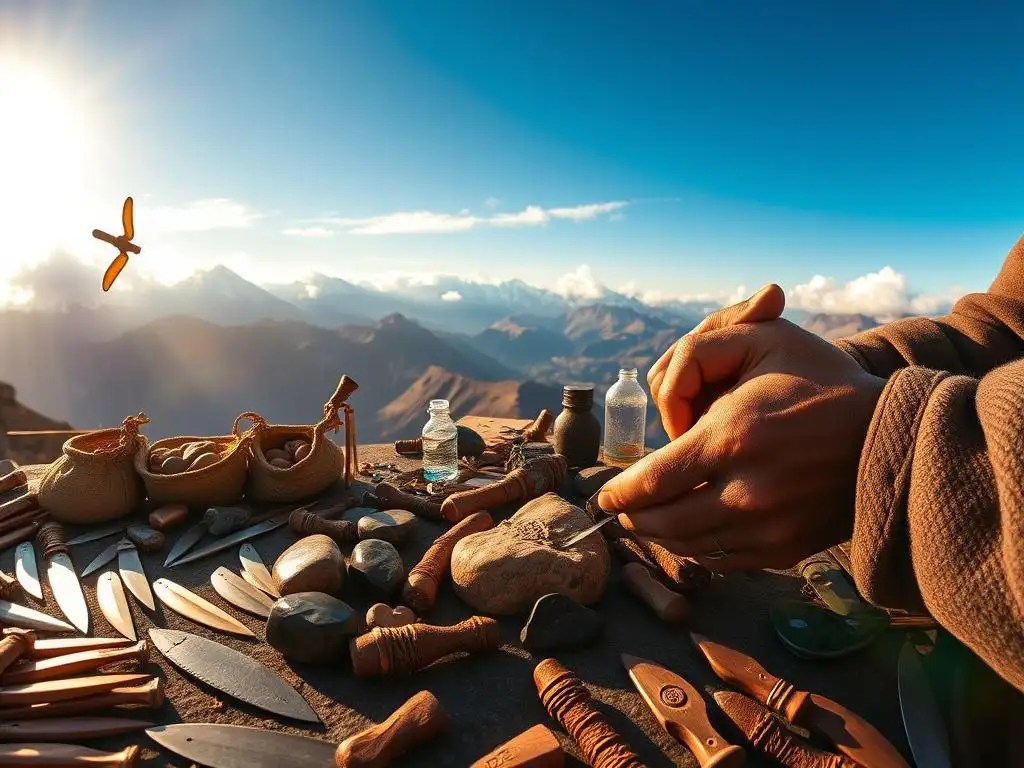
Uncover the secrets of a lost world brimming with ingenuity! Journey through the breathtaking landscapes of the Andes and discover the remarkable advancements in Andean tool design innovation that shaped entire civilizations. From the intricate artistry of the Nazca lines to the sophisticated engineering of Inca cities, prepare to be amazed by the ingenuity of the Andean people. What innovations allowed them to conquer such challenging terrains? Dive in and explore the answers.
- The Ingenious Andes: Unveiling Andean Tool Design Innovation
- Andean Tool Design Innovation: A Closer Look
- Functionality and Adaptation in Andean Tool Design
- The Cultural Significance of Andean Tool Design
- Frequently Asked Questions
- Final Reflection: Echoes of Ingenuity in the Andes
- **Discover Your Inner Innovator: Exploring Andean Tool Design**
The Ingenious Andes: Unveiling Andean Tool Design Innovation
The Andes Mountains, a spine of towering peaks stretching along the western coast of South America, were home to a series of remarkable civilizations whose ingenuity is reflected in their sophisticated tool design. This article delves into the innovative approaches employed by Andean cultures – including the Incas, Moche, Nazca, and Tiahuanaco – in crafting tools for daily life, agriculture, warfare, and religious practices.
We will explore the materials they utilized, the techniques they perfected, and the overall impact of their tool design innovation on their societal development and lasting legacy. Understanding Andean tool design offers a fascinating glimpse into the resourcefulness and advanced technological capabilities of these pre-Columbian societies, challenging preconceived notions about their technological prowess and highlighting the remarkable adaptability and creativity of their artisans.
The ingenuity displayed in their tool design serves as a testament to their deep understanding of their environment and their ability to harness its resources effectively. This exploration of "Andean tool design innovation" will reveal the intricate relationship between technology, society, and the environment in the Andes.
Introduction to Andean Tool Making and Technological Prowess
Andean tool making was far from rudimentary. These societies developed complex metallurgical processes, sophisticated stoneworking techniques, and clever adaptations using readily available organic materials. Their tools weren't just functional; they were often beautifully crafted, reflecting a deep artistic sensibility interwoven with practicality. The level of skill and precision evident in Andean artifacts showcases a deep understanding of engineering principles, including leverage, cutting angles, and material strength.
This wasn't simply about survival; it was about creating tools that maximized efficiency and minimized effort, leading to increased agricultural yields, improved construction techniques, and enhanced capabilities in warfare and craftsmanship. The development of specialized tools for specific tasks demonstrates a level of societal organization and technological expertise exceeding common perceptions of pre-Columbian societies. The sophistication of Andean tool design innovation is evident in everything from intricately carved obsidian blades to meticulously crafted copper axes.
Materials and Techniques in Ancient Andean Tool Creation
The Andean civilizations demonstrated remarkable resourcefulness in their selection and manipulation of materials for tool creation. Their environment, rich in diverse resources, provided a wide array of options, leading to a fascinating variety of tools and techniques. The choice of material was often dictated by the intended function of the tool, with considerations given to durability, sharpness, and ease of working. The artisans displayed an impressive understanding of material properties, adapting their techniques to maximize the effectiveness of each material. This understanding, coupled with their innovative techniques, enabled them to create tools of exceptional quality and functionality.
The Use of Obsidian in Andean Tool Crafting
Obsidian, a volcanic glass, was a prized material in Andean tool crafting. Its sharp edges, easily sharpened, made it ideal for creating knives, spear points, and blades. Andean artisans developed highly specialized techniques for working obsidian, including pressure flaking and percussion flaking, resulting in tools of exceptional sharpness and precision.
The quality of obsidian tools varied depending on the source of the material and the skill of the artisan. Some obsidian artifacts show remarkable levels of refinement, indicating a high level of skill and specialization within Andean societies. The widespread use of obsidian across various Andean cultures highlights its importance as a key material for tool production.
Copper and Bronze Working Innovations in Andean Tool Development
The Andean civilizations were pioneers in metallurgy. They mastered the techniques of copper and bronze working, creating tools and weapons of superior strength and durability compared to those made of stone. Early copper tools were often cold-hammered, but later, more advanced techniques like casting and annealing were employed to produce more complex and sophisticated implements.
The development of bronze alloys, combining copper and tin, further enhanced the properties of their tools, leading to stronger, more durable, and sharper implements. This metallurgical expertise was a key factor in the advancements observed in Andean agriculture, construction, and warfare. The precise methods employed remain an area of ongoing research, but the surviving artifacts speak volumes about their technological achievements.
The Use of Llama Bone and Hardwoods in Andean Implements
Beyond stone and metal, Andean artisans skillfully utilized readily available organic materials like llama bone and hardwoods. Llama bone, strong yet relatively easy to carve, was used to create needles, awls, and other tools for textile production and other crafts. The selection of specific hardwoods, chosen for their durability and strength, was crucial in the creation of various implements, particularly those used in agriculture and construction.
The integration of these organic materials into their tool-making repertoire demonstrates a resourceful and sustainable approach to material selection, further highlighting the ingenuity of Andean tool design. The careful shaping and finishing of these implements reveals a deep understanding of both the material and the intended function of the tool.
Andean Tool Design Innovation: A Closer Look

This section delves into the ingenuity behind Andean tool design, showcasing the remarkable adaptations and innovations employed by ancient Andean civilizations to overcome environmental challenges and achieve remarkable feats of engineering and agriculture. The sophisticated design of these tools reflects a deep understanding of materials science, ergonomics, and the specific demands of the Andean environment. Analyzing these tools reveals the impressive technological prowess of these cultures and their profound impact on shaping the landscape. Understanding Andean tool design innovation provides critical insights into the ingenuity and resourcefulness of these civilizations.
Agricultural Tools and Their Ingenious Design
The agricultural practices of the Andes were heavily reliant on innovative tool design. The challenging terrain, varied altitudes, and diverse climates demanded tools capable of efficient cultivation across a range of environments. The ingenuity displayed in these tools is a testament to the deep understanding the Andean people had of their surroundings and their ability to adapt their technology to meet specific needs.
The Chaquitaclla: Andean Foot Plow Innovation
The chaquitaclla, a foot plow unique to the Andes, exemplifies Andean tool design innovation. This simple yet effective tool, consisting of a wooden frame with a pointed digging tip, allowed for efficient tilling of the soil, particularly in mountainous regions where animal-drawn plows were impractical. Its design minimized soil disturbance, conserving moisture in the arid Andean climate.
The chaquitaclla's ergonomic design, allowing for comfortable use by a single person, also highlights the focus on practicality and efficiency in its creation. The widespread adoption of the chaquitaclla across various Andean cultures underscores its effectiveness and adaptability. [Specific data on regional variations of the chaquitaclla pending].
Specialized Andean Hoes and Clod Breakers
Beyond the chaquitaclla, a variety of specialized hoes and clod breakers were employed, each tailored to specific soil types and crops. These tools often incorporated materials like stone, bone, or metal, reflecting the availability of resources in different regions. The design of these hoes often featured curved blades optimized for efficient turning of the soil or breaking up clods, showcasing a nuanced understanding of soil mechanics.
The shapes and sizes varied considerably, suggesting adaptation to different agricultural practices and environmental conditions. For example, hoes used in high-altitude potato cultivation differed significantly from those used in lower-altitude maize fields. [Examples of specific regional variations in hoe design pending].
Terracing Tools and Canal Building Implements
The construction of elaborate terrace systems and irrigation canals is a hallmark of Andean agricultural ingenuity. The tools used in these monumental projects demonstrate a remarkable understanding of engineering principles. These tools included sophisticated digging implements, likely featuring metal or stone points for increased efficiency. [Specific descriptions and materials of these tools pending].
The development of effective tools for moving earth on a large scale is a significant aspect of Andean tool design innovation, reflecting a mastery of both material science and construction techniques. Evidence suggests the use of ropes, levers, and possibly even rudimentary rollers for moving large quantities of earth and stone. The precision involved in terracing and canal construction speaks volumes about the advanced understanding of water management and land use practiced by these civilizations.
Tools for Construction and Engineering Feats
The impressive stonework of Andean civilizations, from monumental structures to intricate carvings, was made possible by a sophisticated range of tools. The design and manufacture of these tools reflect a deep understanding of materials and techniques, demonstrating remarkable technological advancement.
Hammerstones and Chisels for Andean Stonework
Hammerstones and chisels were fundamental tools in Andean stonework. Hammerstones, often made of hard, durable stone, were used to strike chisels, shaping and carving stone blocks with impressive precision. The chisels themselves were carefully crafted, utilizing materials like obsidian or other hard stones, selected for their sharpness and durability.
The remarkable precision and artistry evident in Andean stonework highlight the skill and expertise of the artisans who wielded these tools. [Specific examples of different types of hammerstones and chisels and their materials pending]. The development of these tools represents a significant achievement in the understanding of material properties and the ability to exploit them for precise construction.
Plumb Bobs and Levels in Andean Architecture
The remarkable accuracy of Andean constructions suggests the use of sophisticated measuring tools. Plumb bobs, used to establish verticality, and levels, used to ensure horizontal alignment, were essential for the precise placement of stones in buildings and structures. While the exact forms of these tools remain somewhat enigmatic, their existence is implied by the precision of the architecture itself. The ability to achieve such accurate alignments across vast distances demonstrates a high level of sophistication in surveying and construction techniques. [Further research into the specific designs of Andean plumb bobs and levels is needed].
Ropes and Levers in Ancient Andean Construction
Ropes and levers played a crucial role in moving and positioning large stone blocks during construction. The use of these simple machines allowed for the efficient movement of heavy materials, even in challenging terrain. The sophisticated knotting techniques employed in Andean rope-making further highlight the advanced knowledge of material science and engineering.
The combination of carefully designed tools and an understanding of mechanical principles allowed for the construction of impressive structures that continue to amaze us today. [Specific examples of rope types and lever systems used in Andean construction pending]. The ingenuity of these simple yet effective tools significantly contributed to the scale and precision of Andean construction projects.
Domestic Tools and Everyday Life in the Andes
The daily lives of Andean civilizations were intricately woven with the tools they designed and crafted. These weren't merely functional objects; they were testaments to ingenuity, reflecting an intimate understanding of available materials and a deep connection to their environment. The innovation in Andean tool design is evident in the efficiency and sophistication of even the most commonplace implements.
From the simplest tools used for food preparation to the more complex instruments involved in textile production, Andean toolmaking demonstrates a remarkable capacity for adaptation and refinement over centuries. The effectiveness of these tools is a key factor in understanding the success and longevity of Andean societies.
Their designs, often passed down through generations, showcase a remarkable continuity of knowledge and skill, highlighting the importance of practical knowledge within Andean cultures. The study of these everyday tools provides invaluable insight into the social structures, economic activities, and artistic sensibilities of these fascinating civilizations.
Spindles and Looms for Textile Production
Textile production was a cornerstone of Andean economies and social structures. The creation of intricate textiles, renowned for their vibrant colors and complex designs, relied heavily on innovative tool design. Spindles, used to spin yarn from fibers like alpaca and llama wool, were far from simple. Their design, often incorporating weighted whorls for consistent spinning, showcases a deep understanding of physics and mechanics.
Variations in spindle design existed across different Andean cultures, reflecting regional differences in materials and techniques. The looms, used for weaving, were equally sophisticated. Backstrap looms, widely used throughout the Andes, allowed for the creation of incredibly detailed textiles, demonstrating mastery of tension control and weaving techniques.
The precision required to operate these looms, coupled with the artistry reflected in the resulting textiles, underlines the high level of skill possessed by Andean weavers. The development and refinement of these tools were crucial to the economic prosperity and cultural identity of Andean communities. The complexity of the patterns woven into these textiles suggests that the weavers had a deep understanding of mathematics and geometry, further highlighting the innovation embedded in their tool design.
Ceramic Molds and Polishing Stones
Andean pottery is celebrated for its aesthetic beauty and functional versatility. The creation of these vessels involved sophisticated techniques and specialized tools. Ceramic molds, often made from clay or other materials, allowed for the mass production of standardized shapes and sizes, enhancing efficiency.
The use of molds demonstrates a level of planning and organization that went beyond mere craftsmanship; it speaks to a systematized approach to pottery production, facilitating trade and distribution of goods. Beyond molds, polishing stones played a crucial role in refining the surface of ceramic vessels. These stones, carefully selected for their texture and hardness, were used to achieve a smooth, polished finish, enhancing both the aesthetics and durability of the pottery.
The varied shapes and sizes of polishing stones suggest that different stones were used for various stages of polishing, demonstrating a sophisticated understanding of material properties and their application. The quality and consistency of Andean pottery attest to the skill and precision achieved through the use of these specialized tools.
Grinding Stones and Mortars for Food Preparation
Grinding stones and mortars were essential tools for food preparation in the Andes. These implements, used for grinding grains, spices, and other ingredients, were fundamental to the Andean diet. The design of grinding stones, often featuring a concave surface on one stone and a convex surface on the other, was optimized for efficient grinding.
The materials used, often hard volcanic rock, ensured durability and longevity. Mortars and pestles, used for crushing and grinding a wider variety of ingredients, demonstrate a similar focus on functionality and efficiency. The shapes and sizes of these tools varied across different regions, reflecting the diverse culinary traditions of the Andes.
The presence of grinding stones and mortars in almost every Andean household is a testament to their importance in daily life. The development of these tools was not merely a technological achievement; it was a crucial factor in the development of agriculture and food security within Andean societies. The efficiency of these tools allowed for the processing of large quantities of food, contributing to the sustenance of sizable populations.
Functionality and Adaptation in Andean Tool Design
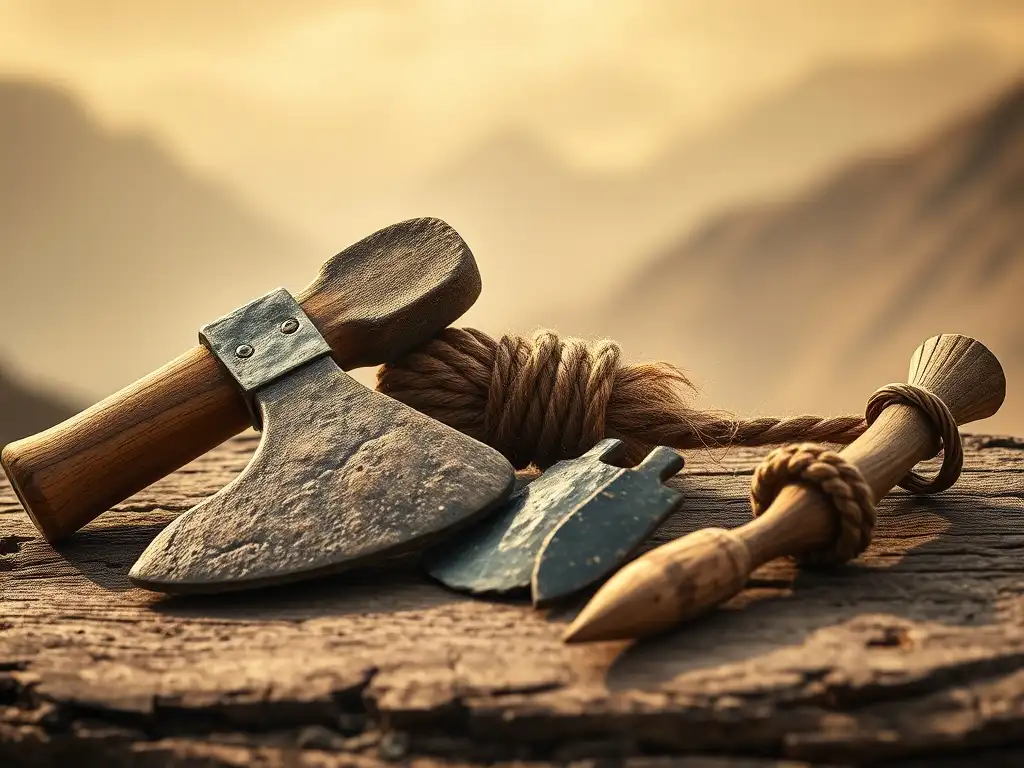
The ingenuity of Andean tool design is profoundly linked to the diverse and challenging environments of the Andes Mountains. Andean tool design innovation wasn't simply about creating tools; it was about crafting instruments perfectly suited to the specific needs of their varied landscapes and lifestyles. This section will explore how Andean toolmakers adapted their designs to optimize functionality across diverse terrains and resource acquisition strategies, demonstrating a deep understanding of ergonomics and material properties. The success of Andean civilizations is inextricably tied to their ability to develop and refine tools that maximized efficiency and minimized effort in demanding conditions.
Optimization for Diverse Andean Landscapes
The Andes Mountains present a remarkably varied geography, ranging from arid coastal deserts to high-altitude grasslands (puna) and lush cloud forests. This environmental diversity necessitated a corresponding diversity in tool design. Andean toolmakers exhibited a remarkable ability to adapt their creations to these specific ecological niches, showcasing a sophisticated understanding of both material science and the practical demands of their environments. This adaptability is a key aspect of Andean tool design innovation.
Tool Adaptations for High Altitude Farming
High-altitude farming in the Andes posed unique challenges. Thin, rocky soils, steep slopes, and unpredictable weather required specialized tools. For example, the chaquitaclla, a foot-operated plow, was ideally suited for the challenging terrain. Its design minimized soil disturbance, conserving moisture and preventing erosion in the fragile high-altitude ecosystems.
The taklla, a digging stick, was another crucial tool, adapted for different soil types and crops through variations in its size, shape, and material. These tools, combined with sophisticated agricultural techniques, allowed Andean communities to cultivate crops at altitudes where conventional farming methods would have failed. This illustrates the sophisticated understanding of agricultural needs inherent in Andean tool design innovation.
Tools for Fishing and Shellfish Gathering
Coastal communities developed tools specifically designed for fishing and shellfish gathering. Fishing tools, ranging from simple hooks made from bone or wood to more complex nets, were adapted to the specific species of fish and the conditions of the coastal waters. Shellfish gathering tools, often crafted from stone or shell, were designed for extracting shellfish from rocky intertidal zones and shallow waters.
The design of these tools reflects a deep understanding of marine ecology and the need for efficient and sustainable resource extraction. The innovation in these tools is directly connected to the successful exploitation of marine resources, contributing to the overall success of coastal Andean societies.
Tools for Forest Clearing and Resource Gathering
Andean societies relied heavily on forest resources for building materials, fuel, and other necessities. The tools used for forest clearing and resource gathering were often crafted from durable materials such as stone and wood. Axes, adzes, and chisels, meticulously shaped and sharpened, were essential for felling trees, shaping lumber, and carving intricate objects. The efficiency and precision of these tools demonstrate a high level of skill and understanding of material properties—a testament to Andean tool design innovation. Variations in tool design catered to different types of wood and the specific tasks involved in forest management.
The Ergonomics and Efficiency of Andean Tools
Beyond simple functionality, Andean tools were often designed with remarkable attention to ergonomics and efficiency. The design prioritized ease of use, minimized strain on the user, and maximized productivity. This focus on human factors is a critical aspect of understanding the overall innovation behind Andean tool design.
Design for Ease of Use and Reduced Strain
Many Andean tools incorporated features designed to reduce fatigue and improve efficiency. Handles were often shaped to fit comfortably in the hand, reducing strain during prolonged use. The weight and balance of the tools were carefully considered, optimizing their performance and minimizing the physical effort required. These ergonomic features, often overlooked in the study of ancient technologies, highlight the sophistication of Andean tool design innovation. The focus was not only on functionality but also on user comfort and long-term usability.
The Curved Blade of the Andean Sickle
The curved blade of the Andean sickle is a prime example of ergonomic design. The curved shape allowed for a smooth, efficient cutting action, minimizing the effort required to harvest crops. The design also reduced the risk of injury to the user, a critical consideration in agricultural work. The specific curvature varied depending on the type of crop being harvested, further demonstrating the adaptability and precision of Andean tool design. This subtle yet effective design feature showcases the depth of understanding of both material science and human factors in Andean tool design innovation.
The Enduring Legacy of Andean Tool Functionality
The functionality and efficiency of Andean tools are a testament to the ingenuity and practical knowledge of Andean societies. Many of the principles underlying their design—such as the use of leverage, the optimization of blade shape, and the integration of ergonomic features—continue to inform tool design today. The enduring legacy of Andean tool functionality serves as a reminder of the importance of adapting technology to specific environmental and cultural contexts.
The study of Andean tool design innovation offers valuable insights into the relationship between technology, environment, and human ingenuity. The sophisticated understanding displayed in Andean tool design continues to inspire and inform modern engineering and design principles.
The Cultural Significance of Andean Tool Design

Andean tool design wasn't merely a practical pursuit; it was deeply intertwined with the cultural fabric of these sophisticated societies. The ingenuity evident in their tools reflects not only technological prowess but also complex social structures, spiritual beliefs, and a profound respect for craftsmanship passed down through generations. Understanding the cultural significance of Andean tool design provides crucial context for appreciating the innovation behind these remarkable artifacts.
The meticulous craftsmanship and the materials used speak volumes about the worldview and priorities of the Andean people. Analyzing the design, materials, and context of discovery reveals a rich tapestry of social, religious, and economic factors influencing their creation. This section will explore several key aspects of this cultural significance, highlighting the profound connection between tools and Andean society.
The materials and artistry employed in Andean tool creation often served as indicators of social standing and individual skill. Elaborately crafted tools, made from precious metals like gold and silver, or adorned with intricate carvings, were likely owned by elites, signifying their wealth and power. For example, finely crafted gold chisels and ceremonial axes have been unearthed from elite tombs, showcasing the superior craftsmanship and access to resources enjoyed by the ruling class.
Conversely, tools used by commoners were generally more utilitarian, made from readily available materials such as stone, bone, and wood. However, even these simpler tools often displayed remarkable ingenuity in their design, reflecting the practical knowledge and skills passed down through generations of artisans. The level of detail and precision in even the most basic tools underscores the value placed on craftsmanship across all social strata.
The variation in tool design also reflects the specialized skills within Andean communities. Different tools were designed for specific tasks, requiring different levels of expertise. For instance, the intricate weaving tools required a high degree of dexterity and knowledge of textile techniques, while the tools used in agriculture demanded a deep understanding of soil conditions and planting methods. This specialization contributed to a complex social structure where individuals held specific roles and valued expertise. The tools themselves, therefore, become visual representations of this social hierarchy and specialized knowledge.
Tools Used in Burial Rituals and Ancestor Veneration
Andean cultures placed significant importance on burial rituals and ancestor veneration. Tools were frequently included in burials, not just as practical items for the afterlife, but also as symbolic objects reflecting the deceased's social status, profession, and connection to the spiritual world. The inclusion of specific tools in burials suggests a belief in the continued relevance of these tools in the spirit world, or perhaps as offerings to appease ancestral spirits. The careful placement of tools within tombs, often alongside other grave goods, points to a ritualistic significance far beyond their practical function.
The types of tools found in burials vary depending on the social status and profession of the deceased. Elite burials often contain ornate tools made of precious metals, while commoner burials may contain simpler, everyday tools. However, the presence of any tools in a burial underscores their significance in the Andean worldview, suggesting a belief in the continuity of life and the importance of these tools in both the physical and spiritual realms.
This practice highlights the deep connection between the living and the dead, and the enduring value placed on craftsmanship and skill. Further research into the specific types of tools and their arrangement within burial sites could shed more light on the nuanced beliefs surrounding death and the afterlife in Andean cultures.
The Passing Down of Craftsmanship in Andean Tool Making
The remarkable skill demonstrated in Andean tool design was not accidental; it was the result of a long tradition of apprenticeship and knowledge transmission. Craftsmanship was passed down through generations within families and communities, ensuring the continuity of these specialized skills. This system of apprenticeship fostered a strong sense of community and ensured the preservation of crucial knowledge related to tool making. The intricate techniques involved in creating these tools were not easily acquired; they required years of dedicated learning and practice.
Evidence of this apprenticeship system can be found in the consistency of tool design across different periods and regions. Similar tools, made using comparable techniques, have been discovered in various locations, suggesting a widespread network of knowledge exchange and shared practices. This suggests a robust system of knowledge transfer, possibly involving formalized apprenticeships or informal learning within family units.
Additionally, the presence of workshops and specialized tool-making centers in some Andean communities further supports the existence of a structured system for training new generations of artisans. The continuity of these skills, despite the challenges of time and geographical distance, is a testament to the effectiveness of Andean approaches to knowledge transmission and the value placed on preserving traditional techniques. Understanding this system provides key insights into the longevity and success of Andean tool design innovation.
Conclusion: The Enduring Innovation of Andean Tools
The ingenuity of Andean tool design wasn't merely a matter of practical functionality; it was deeply interwoven with the cultural fabric of these societies. The tools weren't simply instruments for survival; they were expressions of artistry, spiritual beliefs, and social structures. The meticulous craftsmanship evident in many artifacts reflects a profound respect for materials and a deep understanding of their properties. This wasn't simply about making a tool that worked; it was about creating something beautiful, meaningful, and enduring.
The legacy of Andean tool design isn't just about the tools themselves, but about the values and beliefs they represent. The sophisticated techniques employed, the adaptation to diverse environments, and the integration of tools into daily life and ritual practices all contribute to a rich and complex understanding of Andean culture. Studying these tools provides a window into the minds and lives of the people who created them, offering invaluable insights into their ingenuity, resilience, and profound connection to their world. The enduring impact of Andean tool design is a testament to the innovative spirit and cultural richness of these ancient civilizations.
Their solutions to everyday challenges continue to inspire and amaze us today, serving as a powerful reminder of human creativity and adaptability. The study of Andean tool design offers a unique perspective on the relationship between technology, culture, and the environment, showcasing a remarkable synergy that continues to fascinate researchers and enthusiasts alike. Understanding this connection allows us to appreciate the full scope of Andean innovation and its lasting contribution to human history. The meticulous craftsmanship and innovative designs remain a source of wonder and inspiration, highlighting the profound creativity and resourcefulness of Andean cultures.
Frequently Asked Questions
What makes Andean tool design so innovative?
Andean tool design was incredibly innovative due to its adaptation to diverse environments and the ingenious use of available materials. They developed tools perfectly suited for their specific agricultural and building needs, showing remarkable resourcefulness.
How did the environment influence Andean tool design?
The challenging Andean terrain, including mountains and varied climates, heavily influenced tool design. Tools were created to effectively cultivate steep slopes, build impressive structures, and adapt to different altitudes and climates. This led to specialized tools for specific tasks and environments.
What materials were commonly used in Andean tool design?
Andean toolmakers skillfully utilized readily available materials such as stone, wood, bone, and metal, including copper and bronze. Their techniques for shaping and combining these materials were highly advanced for their time, reflecting considerable ingenuity.
What were some key examples of innovative Andean tools?
Examples include the chaquitaclla (foot plow), which allowed for efficient hillside agriculture, and the sophisticated tools used in metallurgy and textile production. Their ability to create intricate designs and strong, durable tools was remarkable.
How did Andean tool design impact their civilization?
Innovative tool design was crucial to the success of Andean civilizations. It facilitated advancements in agriculture, construction, and manufacturing, allowing for population growth, complex social structures, and impressive achievements in engineering and artistry.
Final Reflection: Echoes of Ingenuity in the Andes
The ingenious tool designs of the Andes weren't merely functional; they represent a profound understanding of materials, environment, and human needs, a legacy that continues to resonate in contemporary design and engineering. These ancient innovations, born from necessity and shaped by a deep connection to the land, offer invaluable lessons for sustainable and resourceful approaches to problem-solving in our modern world.
The enduring impact of Andean tool design is not just about the tools themselves, but the ingenuity and resilience they represent. They speak to a culture that thrived by working with nature, not against it, a philosophy that feels increasingly crucial in our era of environmental challenges. The greatest glory in living lies not in never falling, but in rising every time we fall.
This quote, though not directly from Andean culture, perfectly encapsulates the spirit of innovation and perseverance reflected in their tool designs. Their ability to adapt and create with limited resources is a testament to human ingenuity and a powerful reminder of our capacity for innovation.
Consider the implications of this rich history. How can we, in our technologically advanced world, learn from the simplicity and effectiveness of these ancient tools? You, the reader, are now challenged to reflect on your own approach to problem-solving. Can you find inspiration in the resourcefulness of Andean artisans? Can you apply their principles of sustainability and ingenuity to your own life, your work, your community? Let the echoes of Andean ingenuity inspire you to create a more sustainable and innovative future.
**Discover Your Inner Innovator: Exploring Andean Tool Design**
Thank you for exploring the fascinating world of Andean tool design! Understanding the ingenuity behind these creations reveals the innovative spirit of Andean civilizations. Now, let's put this knowledge into practice.
Here are some ways to engage with the brilliance of Andean innovation:
- Become a hands-on learner: Research Andean craftsmanship and create your own tool using locally sourced materials.
- Share your passion: Discuss the importance of Andean innovation with friends, family, or online communities to foster appreciation for these remarkable cultures.
- Join a community of like-minded individuals: Connect with others interested in ancient technologies through forums and discussions to expand your knowledge and spark new ideas.
What exciting possibilities could arise from combining ancient Andean techniques with modern technology?