
Copper's Reign: The Foundation of Andean Metallurgical Achievements

Dive into the mesmerizing world of the Andes, where towering mountains cradled civilizations of unparalleled ingenuity. For centuries, their mastery of the landscape was matched only by their breathtaking advancements in art, culture, and technology. But what secrets lie hidden within the shimmering legacy of Andean copper metallurgy history? Uncover the astonishing story of copper's reign and the foundational role it played in shaping these remarkable societies – a tale of innovation waiting to be explored.
The Andes Mountains, a spine of towering peaks running down the western coast of South America, are more than just a geographical feature; they are the cradle of a remarkable metallurgical tradition. For centuries, Andean civilizations, including the Incas, Moche, Nazca, and Tiahuanaco, harnessed the readily available copper ores found in their environment, developing sophisticated techniques that shaped their societies and left behind a legacy of breathtaking artistry and technological prowess.
This article delves into the fascinating history of Andean copper metallurgy, exploring its origins, development, and enduring impact on the region's cultural landscape. We will examine how the mastery of copper fundamentally altered Andean societies, influencing their social structures, religious beliefs, and artistic expressions.
Understanding the history of Andean copper metallurgy is key to appreciating the ingenuity and complexity of these ancient civilizations, providing a deeper understanding of their technological advancements and their lasting contributions to human history. This exploration will reveal not only the technical aspects of copper working but also its profound social and symbolic significance.
Early Stages of Andean Copper Metallurgy: From Native Copper to Smelting
The earliest evidence of copper use in the Andes dates back to approximately 5000 years ago, with the initial exploitation of naturally occurring, malleable native copper. This readily available material allowed for the creation of simple tools and ornaments through cold hammering and annealing. Archaeological findings reveal numerous examples of early copper artifacts, such as awls, needles, and beads, showcasing the initial steps in the development of Andean metallurgy. These early objects demonstrate a basic understanding of metalworking techniques, laying the foundation for more advanced metallurgical practices.
The transition from using native copper to smelting copper ores marked a significant technological leap. This involved heating copper ores to high temperatures in furnaces to extract the pure metal. The development of this process, while the exact timeline is still under research, significantly increased the availability of copper and allowed for the production of larger and more complex objects.
The Rise of Bronze and its Impact on Andean Societies
The Andean mastery of copper metallurgy didn't stop at simple tools. Around 1500 BCE, Andean metallurgists began experimenting with alloying copper with other metals, notably tin and arsenic, to create bronze. This innovation greatly improved the strength and durability of the metal, opening up possibilities for more sophisticated tools and weapons. The introduction of bronze significantly impacted Andean societies, leading to advancements in agriculture, warfare, and social organization. The production of bronze tools, such as axes and chisels, facilitated more efficient farming practices, potentially leading to increased food production and population growth. Furthermore, the creation of superior bronze weapons provided a military advantage, potentially influencing the dynamics of inter-group relations and warfare. The precise methods of bronze production and their regional variations are still being studied, revealing the complexity and ingenuity of Andean metallurgical practices.
Technological Advancements and Artistic Expression in Andean Copperwork
The development of Andean copper metallurgy was not a linear process. It involved continuous experimentation and refinement of techniques. Over time, Andean metallurgists developed increasingly sophisticated methods for shaping and decorating copper and bronze objects. Lost-wax casting, a complex technique involving creating a mold from wax, allowed for the production of intricate three-dimensional forms.
Hammering, annealing, and repoussé (a technique of shaping metal by hammering from the back) were also widely employed to create highly detailed and aesthetically pleasing objects. The artistry of Andean copperwork is evident in the numerous surviving artifacts, ranging from finely crafted tools to elaborate ceremonial objects. These objects often feature intricate designs, reflecting the rich symbolism and artistic traditions of the Andean cultures. The use of inlaid materials, such as gold, silver, and turquoise, further enhanced the aesthetic appeal and symbolic significance of these objects.
The Legacy of Andean Copper Metallurgy
The legacy of Andean copper metallurgy extends far beyond the impressive array of surviving artifacts. It represents a significant chapter in the history of human technological innovation, showcasing the ingenuity and resourcefulness of Andean civilizations. The sophisticated techniques developed by Andean metallurgists, such as lost-wax casting and alloying, demonstrate a deep understanding of material science and engineering.
These advancements not only shaped the material culture of the Andes but also contributed to the development of complex social structures and religious beliefs. The study of Andean copper metallurgy continues to provide valuable insights into the technological and cultural achievements of these remarkable civilizations, highlighting their significant contributions to the broader history of human development. The mastery of copper was not simply about creating tools and ornaments; it was about shaping the very fabric of Andean societies.
The continued research and discoveries in this field promise to further enrich our understanding of this fascinating aspect of Andean history. 🌍
- Early Stages of Andean Copper Metallurgy: From Native Copper to Smelting
- The Rise of Bronze and its Impact on Andean Societies
- Technological Advancements and Artistic Expression in Andean Copperwork
- The Legacy of Andean Copper Metallurgy
- What role did copper play in the development of Andean civilizations?
- When did Andean copper metallurgy begin?
- How did Andean metallurgists work with copper?
- What were some significant copper artifacts produced by Andean cultures?
- How did Andean copper metallurgy compare to that of other ancient civilizations?
The Dawn of Metalworking in the Andes: An Overview

The Andes Mountains, a spine of towering peaks stretching along the western edge of South America, witnessed the rise of remarkable civilizations long before European contact. These Andean cultures, including the Incas, Moche, Nazca, and Tiahuanaco, weren't just adept farmers and builders; they were pioneers in metallurgy, particularly in the working of copper. Understanding Andean copper metallurgy history requires acknowledging the unique challenges and ingenious solutions employed by these ancient peoples.
The scarcity of readily available tin, crucial for bronze production, forced them to develop sophisticated techniques centered around copper alloys and native copper itself, shaping their technological trajectory and leaving behind a rich legacy of artifacts. This section will explore the early stages of Andean metalworking and the innovative techniques developed by these pre-Columbian masters.
The mastery of copper allowed for the creation of tools, weapons, and ceremonial objects that significantly impacted Andean societies, influencing their social structures, religious beliefs, and artistic expressions. The evolution of Andean copper metallurgy wasn't a linear progression; rather, it was a dynamic process shaped by regional variations, cultural exchanges, and technological innovations.
Early Stages of Andean Metallurgy
The earliest evidence of Andean metallurgy dates back to roughly 3000 BCE in the central Andes, with the initial focus on hammering native copper into simple tools and ornaments. This period, characterized by a relatively limited understanding of metallurgical processes, saw the production of primarily utilitarian objects. Think simple, hammered copper sheets fashioned into knives, adzes, and rudimentary jewelry. These early examples demonstrate a fundamental understanding of copper's malleability.
However, the lack of advanced techniques meant these objects were relatively fragile compared to later developments. Archaeological discoveries reveal a gradual increase in the sophistication of copper working techniques throughout the centuries, leading to the development of more complex shapes and designs. The transition from cold hammering to annealing—heating and cooling the metal to improve its workability—marked a significant step forward. This process allowed for more intricate designs and larger, sturdier artifacts.
The discovery of this technique represents a significant milestone in Andean copper metallurgy history, reflecting an evolving understanding of material properties. The earliest Andean metallurgists were essentially experimenting, learning through trial and error how to best manipulate this precious metal, laying the groundwork for future advancements. The spread of copper working techniques across different Andean regions was likely facilitated by trade networks and cultural exchange, fostering a shared technological knowledge base.
Pre-Columbian Metalworking Techniques
The pre-Columbian Andean metallurgists developed a range of sophisticated techniques to shape copper and its alloys. Beyond simple hammering and annealing, they mastered techniques like casting, which involved melting copper and pouring it into molds to create more complex shapes. This advancement allowed for the mass production of standardized items and the creation of larger-scale objects, such as ceremonial vessels and tools.
Furthermore, they discovered and exploited the properties of various copper alloys, experimenting with the addition of other metals to enhance the metal's strength, durability, and color. The precise recipes for these alloys, often involving arsenic and bismuth, remain a subject of ongoing research, highlighting the sophisticated chemical understanding these ancient artisans possessed. The development of these advanced techniques is evidenced by the stunning array of artifacts discovered across the Andes, demonstrating the artistry and skill of Andean metallurgists.
Consider the following table summarizing some key techniques:
| Technique | Description | Example Artifact |
|---|---|---|
| Cold Hammering | Shaping metal by repeatedly striking it with a hammer at room temperature. | Simple copper tools, ornaments |
| Annealing | Heating and cooling metal to improve its malleability and reduce brittleness. | More complex copper shapes, larger objects |
| Casting | Melting metal and pouring it into a mold to create a specific shape. | Ceremonial vessels, intricate figurines |
| Alloying | Combining copper with other metals (e.g., arsenic, bismuth) to create alloys. | Stronger, more durable tools and ornaments |
| Repoussé | Shaping metal from the back by hammering it against a mold or support. | Decorative plates, intricate relief work |
| Inlay | Embedding pieces of different metals (or other materials) into a metal surface. | Elaborately decorated tools, ceremonial items |
The development of these diverse techniques underscores the innovation and ingenuity of Andean cultures. The meticulous craftsmanship evident in surviving artifacts speaks to a deep understanding of both the material properties of copper and the artistic possibilities it offered. The mastery of copper metallurgy was integral to the development of Andean civilizations, leaving an enduring legacy that continues to fascinate and inspire researchers today. The complex interplay between technological advancements and cultural expression continues to be a focus of Andean copper metallurgy history research.
The Significance of Copper in Andean Societies
Copper's discovery and mastery fundamentally reshaped Andean societies, impacting their daily lives, social structures, and spiritual beliefs. Its malleability and relative abundance in the Andes, compared to other metals, allowed for a rapid expansion of metallurgical techniques and a subsequent flourishing of technological innovation. This section explores the profound impact of copper on various aspects of Andean life, from practical tools to elaborate religious ceremonies.
Understanding the role of copper provides crucial insight into the complexities of Andean "Andean copper metallurgy history" and the ingenuity of its ancient inhabitants. The widespread use of copper wasn't merely a technological advancement; it was a catalyst for social and cultural transformation.
Copper's Role in Tools and Agriculture
The introduction of copper tools significantly improved the efficiency of Andean agriculture and other crucial aspects of daily life. Before copper, tools were primarily made of stone, obsidian, or bone, limiting their effectiveness and durability. Copper, however, allowed for the creation of stronger, sharper, and more versatile implements. Consider the dramatic difference between a stone axe and a copper axe: the latter could fell trees more quickly, prepare fields more efficiently, and ultimately increase agricultural yields.
This increased productivity had a cascading effect. Larger harvests meant more food, supporting larger populations and leading to the development of more complex social structures. Copper adzes, for example, allowed for the precise shaping of wood, enabling the construction of more durable houses, irrigation canals, and even larger-scale agricultural terraces. The improved tools also facilitated the production of textiles and pottery, further enriching Andean material culture.
Archaeological evidence consistently shows a correlation between the increased availability of copper and the expansion of agricultural practices and population growth across various Andean cultures. Detailed analysis of excavated tools reveals sophisticated techniques, demonstrating a high level of metallurgical skill and ingenuity even in the early stages of copper working. The impact of copper on the practical aspects of Andean life cannot be overstated; it was a foundational element in their economic and social development.
Copper's Importance in Ritual and Status
Beyond its practical applications, copper held immense symbolic significance in Andean cultures. The lustrous metal, often associated with the sun and other powerful deities, became a crucial component of religious rituals and a marker of social status. Elaborate copper objects, such as ceremonial axes, bells, and decorative ornaments, were often buried with elites, highlighting their importance in the afterlife and reflecting their high social standing. The intricate designs and craftsmanship evident in these artifacts demonstrate a deep understanding of metallurgical techniques and a sophisticated artistic sensibility.
The use of copper in religious contexts varied across different Andean cultures. For instance, the Moche civilization incorporated copper into their elaborate funerary practices, while the Inca used copper to create intricate religious objects for temple ceremonies. The rarity and difficulty of working with copper contributed to its high value, making copper artifacts prized possessions and symbols of power.
The presence of copper objects in elite burials suggests that access to these items was restricted, reinforcing social hierarchies and creating a distinct visual language of status and authority. Furthermore, the association of copper with deities and the supernatural world imbued these objects with spiritual power, making them not only symbols of wealth but also instruments of religious practice.
The study of copper artifacts provides valuable insight into the religious beliefs and social structures of these ancient societies. Analyzing the stylistic variations and the contexts in which these objects were found helps us to understand the complex interplay between material culture, religion, and social organization in the Andean world.
Andean Copper Metallurgy History: A Detailed Exploration
This section delves into the fascinating history of Andean copper metallurgy, exploring the techniques, innovations, and regional variations that shaped this crucial aspect of Andean civilizations. Understanding the development of copperworking is key to grasping the technological prowess and societal complexities of these ancient cultures. The mastery of copper metallurgy wasn't just a technological achievement; it was intrinsically linked to their social structures, religious beliefs, and economic systems. The rich legacy of Andean copper metallurgy continues to inspire awe and wonder.
The Development of Smelting Techniques
The earliest evidence of copper smelting in the Andes dates back to approximately 3000 BCE, although the exact methods and timeline are still under investigation by archaeologists. Initially, the process likely involved simple techniques, possibly using low-intensity hearths and readily available fuels like wood or charcoal. Over time, however, Andean metallurgists refined their smelting techniques, achieving higher temperatures and greater control over the process.
This involved developing sophisticated furnaces and bellows, allowing for the efficient extraction of copper from its ores. Evidence suggests that they utilized a variety of ores, including malachite, azurite, and chalcopyrite, adapting their techniques based on the specific ore characteristics and the available resources in each region.
The transition from simple hearths to more complex furnaces marks a significant technological leap. These later furnaces, often built into the ground, allowed for better temperature regulation and higher yields. The use of bellows, likely made from animal skins, provided a consistent airflow, crucial for achieving the temperatures necessary for copper smelting.
The development of these advanced smelting techniques demonstrates a remarkable understanding of metallurgical principles and a capacity for innovation that was far ahead of its time. Careful analysis of ancient slag heaps provides invaluable insights into the evolving smelting practices, revealing changes in furnace design, fuel usage, and ore selection over centuries. Further research, including isotopic analysis of artifacts, is needed to fully understand the nuances of these early smelting processes.
Innovations in Copper Alloying
Beyond the mastery of smelting, Andean metallurgists made significant strides in developing copper alloys, notably bronze. Bronze, an alloy of copper and tin, possesses superior properties compared to pure copper, including increased hardness and durability. The precise timing and methods of bronze production in the Andes remain a subject of ongoing research, with evidence suggesting different approaches across various regions and time periods. The source of tin, a relatively rare element in the Andes, is a key area of investigation, suggesting potential trade networks that extended across vast distances.
The creation of bronze marked a significant advancement in Andean metallurgy, enabling the production of more sophisticated tools and weapons. The ability to control the ratio of copper to tin allowed for the fine-tuning of the alloy's properties, resulting in tools and artifacts tailored to specific needs. This control over alloy composition demonstrates a high level of metallurgical knowledge and skill.
Furthermore, the development of other alloys, such as arsenical copper, showcases the experimentation and innovative spirit of Andean metallurgists. Analyzing the chemical composition of ancient artifacts provides crucial information about the techniques used and the materials available to Andean artisans. The study of alloying techniques helps us understand the technological sophistication and ingenuity of these ancient civilizations.
Regional Variations in Copperworking
Andean copperworking wasn't a monolithic practice; instead, significant regional variations existed, reflecting differences in available resources, technological traditions, and cultural preferences. Coastal regions, for example, often utilized different ores and smelting techniques compared to those found in the highlands. The Moche culture, known for its sophisticated metalwork, developed unique techniques for casting and repoussé, resulting in intricate and highly detailed artifacts. The Tiahuanaco culture, on the other hand, displayed a preference for larger-scale works, utilizing different alloying techniques and creating impressive ceremonial objects.
The variations in styles and techniques among different Andean cultures highlight the diverse approaches to metallurgy across the region. These differences aren't simply aesthetic; they reflect unique technological solutions adapted to local conditions and cultural contexts. Studying these regional variations provides a richer and more nuanced understanding of Andean copper metallurgy, moving beyond a generalized perspective to appreciate the diverse ingenuity and adaptability of these ancient societies.
Further research involving comparative analysis of artifacts from different regions is necessary to further illuminate the extent of this regional diversity in Andean copperworking. The study of Andean copper metallurgy provides a fascinating glimpse into the technological innovations and cultural expressions of these remarkable civilizations.
Key Archaeological Sites Revealing Copper Use
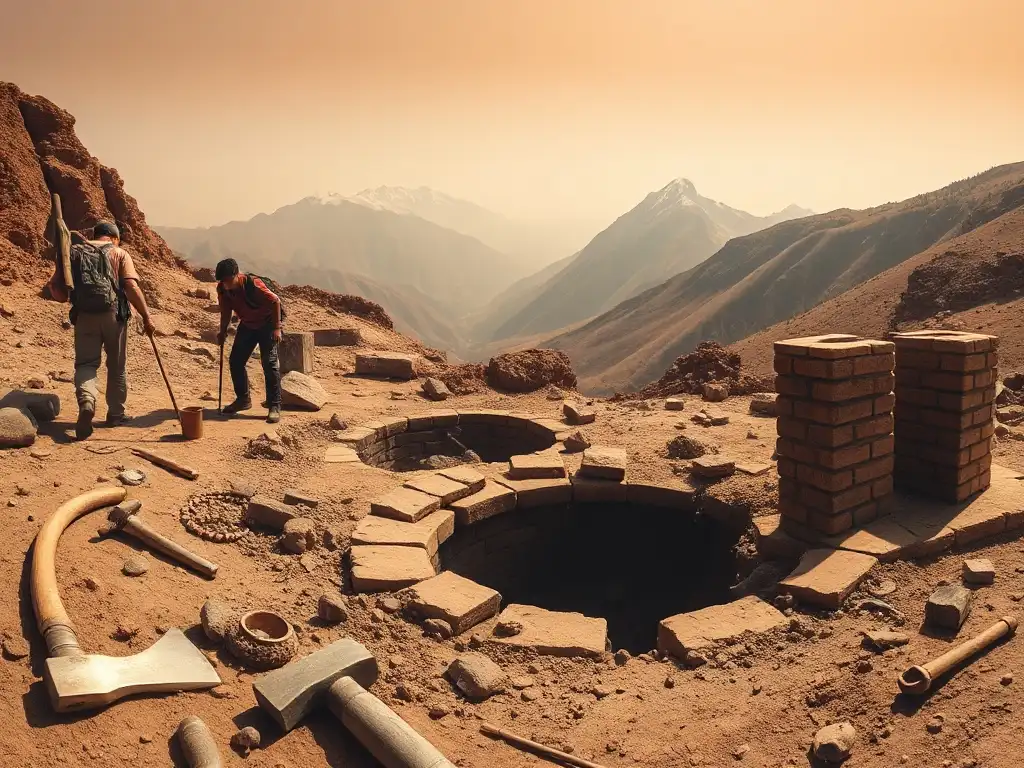
This section delves into specific archaeological sites crucial to understanding the evolution of Andean copper metallurgy history. These locations offer tangible evidence of the processes, techniques, and societal significance of copper working across different Andean cultures and time periods. Examining these sites allows us to reconstruct a more complete picture of the development of Andean metallurgical expertise, from its nascent stages to its sophisticated peak. The analysis of artifacts and the context of their discovery provides invaluable insights into the technological advancements, cultural practices, and economic implications of copper throughout the region.
Huaca Prieta: Evidence of Early Copper Smelting
Huaca Prieta, located on the north coast of Peru, provides some of the earliest evidence of copper use in the Andes. While not exhibiting the advanced techniques seen in later periods, the site reveals the initial steps in copper smelting and working. Excavations have unearthed fragments of copper artifacts, albeit rudimentary, dating back to approximately 3000 BCE.
These findings suggest that the knowledge and practice of copper metallurgy emerged relatively early in the Andean region, potentially laying the groundwork for future advancements. The copper objects found are typically small, simple tools or ornaments, indicating a basic understanding of the material's properties and malleability.
Further research is needed to fully understand the smelting techniques employed at Huaca Prieta, but the discovery of these early copper artifacts is undeniably significant in tracing the history of Andean copper metallurgy. The limited quantities and simple forms of the artifacts suggest that copper was a scarce and highly valued resource at this early stage.
Batán Grande: Advanced Copper Alloy Production
The site of Batán Grande, associated with the Sicán culture (750-1375 CE), showcases a significant leap forward in Andean copper metallurgy history. Here, archaeologists have uncovered evidence of sophisticated copper alloy production, specifically the creation of arsenical copper. This alloy, a combination of copper and arsenic, resulted in a harder, more durable metal ideal for creating tools and weapons.
The presence of specialized workshops and the discovery of numerous molds and crucibles indicate a level of organized production and specialized labor previously unseen in earlier Andean metallurgical sites. The intricate designs and high quality of the artifacts found at Batán Grande suggest a high degree of skill and mastery over metallurgical techniques.
The artisans of Batán Grande clearly understood the benefits of alloying and were able to consistently produce high-quality arsenical copper objects, demonstrating a notable advancement in Andean copper working capabilities. Analysis of the arsenical copper artifacts reveals a consistent level of quality control, suggesting a sophisticated understanding of the metallurgical process and its parameters.
Sipán: The Use of Copper in Burial Rituals
The Moche culture's royal tombs at Sipán, located on Peru's northern coast, provide compelling evidence of the significant role copper played in their religious and social practices. The elaborate burials unearthed at Sipán contain a wealth of copper artifacts, including ornate headdresses, masks, weapons, and tools. These objects, often meticulously crafted and richly decorated, were clearly intended to accompany the deceased into the afterlife, highlighting the high value placed on copper within Moche society.
The sheer quantity and quality of copper artifacts found in these tombs underscores the importance of the metal in Moche culture, placing it firmly within the elite sphere. The presence of copper in funerary contexts reveals not only the technological prowess of the Moche metalworkers but also their beliefs and worldview. The use of copper in burial rituals demonstrates the symbolic and ritual significance of the metal, extending beyond its practical applications.
The intricate details and symbolic representations incorporated into the copper artifacts speak to the advanced skills of Moche artisans and their deep understanding of the cultural significance of copper. The discovery of these lavishly decorated copper objects provides invaluable insight into the social hierarchy and religious beliefs of the Moche civilization.
The Legacy of Andean Copper Metallurgy
The legacy of Andean copper metallurgy is profound and far-reaching, impacting not only subsequent Andean societies but also contributing significantly to our modern understanding of ancient technologies. The mastery of copper working, beginning in the early centuries BCE, laid the groundwork for increasingly sophisticated metalworking techniques that characterized the region for millennia. This wasn't simply a technological advancement; it was deeply interwoven with the social, religious, and political structures of Andean civilizations.
The control and manipulation of copper became a symbol of power, prestige, and spiritual authority, reflected in the exquisite craftsmanship of tools, weapons, and ceremonial objects. The sheer scale of copper production and the intricate techniques employed testify to the advanced organizational capabilities of these societies, hinting at complex systems of labor organization, resource management, and trade networks that spanned vast distances. The enduring impact of this metallurgical expertise is evident in the remarkable artifacts that have survived to the present day, offering invaluable insights into the ingenuity and artistry of ancient Andean cultures.
Analyzing these objects allows us to trace the evolution of techniques, the spread of styles, and the ever-increasing sophistication of Andean metalworking throughout history. The legacy is not merely material; it's also a testament to human innovation and adaptation in a challenging environment.
The Influence on Later Andean Civilizations
The advancements in copper metallurgy achieved by early Andean cultures profoundly impacted subsequent civilizations. The knowledge and techniques, passed down through generations, were refined and expanded upon by later groups like the Moche, Nazca, and Inca. The Moche, for example, are renowned for their intricate gold and silver work, but their expertise was built upon a foundation of copper smelting and alloying developed by earlier cultures.
The sophisticated casting techniques, the ability to create complex shapes, and the understanding of metal properties – all were inherited and improved upon. The Inca, while known for their mastery of gold and silver, also continued to utilize copper in various applications, particularly for tools and weaponry. The continuity of copper working across different Andean cultures highlights the enduring nature of this technology and its integration into the fabric of Andean society.
The evolution wasn't linear; there were periods of innovation and adaptation, of borrowing and refinement, but the underlying knowledge and skills remained a constant thread connecting different Andean societies across centuries. This persistent use speaks volumes about the practicality and symbolic importance of copper within Andean societies. Studying this continuity provides crucial insights into the processes of cultural transmission and technological development within the Andean region.
Modern Understanding of Ancient Andean Metalcraft
Modern understanding of ancient Andean metalcraft is greatly enhanced by archaeological discoveries and advanced analytical techniques. The analysis of ancient metallurgical remains, including tools, waste products, and furnaces, provides invaluable data on the processes used. Isotopic analysis, for instance, allows researchers to trace the origins of the copper ore used, revealing the extent of trade networks and the geographical reach of Andean metallurgical activities.
Microscopic examination of artifacts reveals details about the techniques employed, such as hammering, annealing, and casting. These techniques, often incredibly sophisticated for their time, demonstrate a deep understanding of material properties and metallurgical processes. Furthermore, the study of ancient Andean metalworking provides a deeper understanding of the relationship between technology, society, and environment.
The development of advanced metallurgy was not isolated from other aspects of Andean life; it was deeply intertwined with social organization, religious beliefs, and economic systems. By combining archaeological evidence with scientific analysis, we can paint a more complete picture of the lives and achievements of the ancient Andean peoples, revealing the ingenuity and skill that went into their remarkable metallurgical accomplishments. This ongoing research continues to unveil new insights into the history and development of Andean copper metallurgy, constantly refining our understanding of this fascinating aspect of Andean civilization.
Exploring the Technological Prowess of Copper Metallurgy
The Andean region's mastery of copper metallurgy represents a significant milestone in the history of human technological advancement. Long before the Inca Empire, Andean cultures displayed an impressive understanding of metalworking, transforming copper into a vast array of tools, ornaments, and ceremonial objects. This sophisticated knowledge wasn't merely a matter of chance; it was the product of centuries of experimentation, refinement, and a deep understanding of the material properties of copper.
The development of Andean copper metallurgy history is a testament to the ingenuity and resilience of these ancient societies, showcasing their ability to adapt and innovate within their unique environmental context. The impact of this metallurgical prowess extended far beyond practical applications, shaping social structures, religious beliefs, and artistic expression across diverse Andean cultures. This section delves into the specific techniques employed, highlighting the ingenuity and sophistication of Andean metalworkers.
Cold Hammering and Annealing in Detail
Cold hammering, a technique involving the repeated striking of copper at room temperature using stone or bone hammers, was a fundamental step in Andean copperworking. This process allowed artisans to shape the metal into desired forms, gradually altering its shape and density. However, repeated hammering could lead to work hardening, making the copper brittle and prone to fracturing. To counteract this, Andean metallurgists employed annealing – a process of heating and cooling the metal to relieve internal stresses and restore its malleability. This cyclical process of hammering and annealing was crucial in creating intricate shapes and designs.
Evidence suggests that different annealing techniques were used, possibly varying based on the specific copper alloy used and the desired final product. Analysis of ancient artifacts indicates that some pieces underwent multiple cycles of hammering and annealing, showcasing the patience and precision involved. For example, studies of meticulously crafted copper sheets from the Moche culture reveal a complex interplay of hammering and annealing, creating incredibly thin, yet strong, sheets ideal for intricate repoussé work.
The exact temperatures used for annealing remain a subject of ongoing research, but it's clear that Andean metallurgists possessed a nuanced understanding of how heat affected the metal's properties. The precise control over these processes is a significant indicator of their advanced metallurgical knowledge. 🔥
Lost-Wax Casting and Its Applications
Lost-wax casting, also known as the cire perdue method, represents another significant achievement in Andean copper metallurgy. This complex technique allowed for the creation of intricate three-dimensional objects, including figurines, tools, and jewelry. The process involved creating a wax model of the desired object, covering it in a clay mold, melting out the wax, and then pouring molten copper into the resulting cavity. Once cooled, the clay mold was broken away, revealing the finished copper piece.
The mastery of lost-wax casting in the Andean region is especially remarkable considering the challenges involved. Maintaining consistent temperatures during the melting and pouring process, ensuring complete filling of the mold, and controlling the cooling rate were all crucial factors in producing high-quality castings. The development and refinement of this technique allowed Andean artisans to create objects of exceptional detail and complexity.
The artistry displayed in many lost-wax castings, such as the intricate details found on Moche ceremonial objects or the delicately crafted Tiahuanaco figurines, serves as a testament to their technical skill and artistic vision. The widespread use of this method across different Andean cultures underscores its significance as a key technological innovation.
The Mastery of Metal Casting in Andean Cultures
The success of Andean metal casting wasn't solely dependent on the lost-wax technique. Different casting methods were employed, reflecting the diverse needs and preferences of various Andean cultures. While lost-wax casting allowed for intricate detail, other techniques, such as open mold casting, were used for simpler, more utilitarian objects. These different approaches highlight the adaptability and ingenuity of Andean metalworkers, who were able to select the most appropriate technique based on the desired outcome and available resources.
The widespread use of copper and its alloys in Andean societies speaks to the metal's cultural significance. Copper objects weren't merely functional tools; they also held significant social and religious value. Elaborate copper ornaments, weapons, and ceremonial items were often associated with elite status and power, reflecting the metal's symbolic importance within Andean societies.
The development of sophisticated metallurgical techniques was therefore not simply a technological advancement but also a crucial factor in shaping the social and political landscape of the Andean world. The legacy of Andean copper metallurgy remains a compelling example of human ingenuity and a testament to the enduring creativity of ancient Andean cultures. 🌎
Beyond Copper: Other Metals and Alloys in the Andes
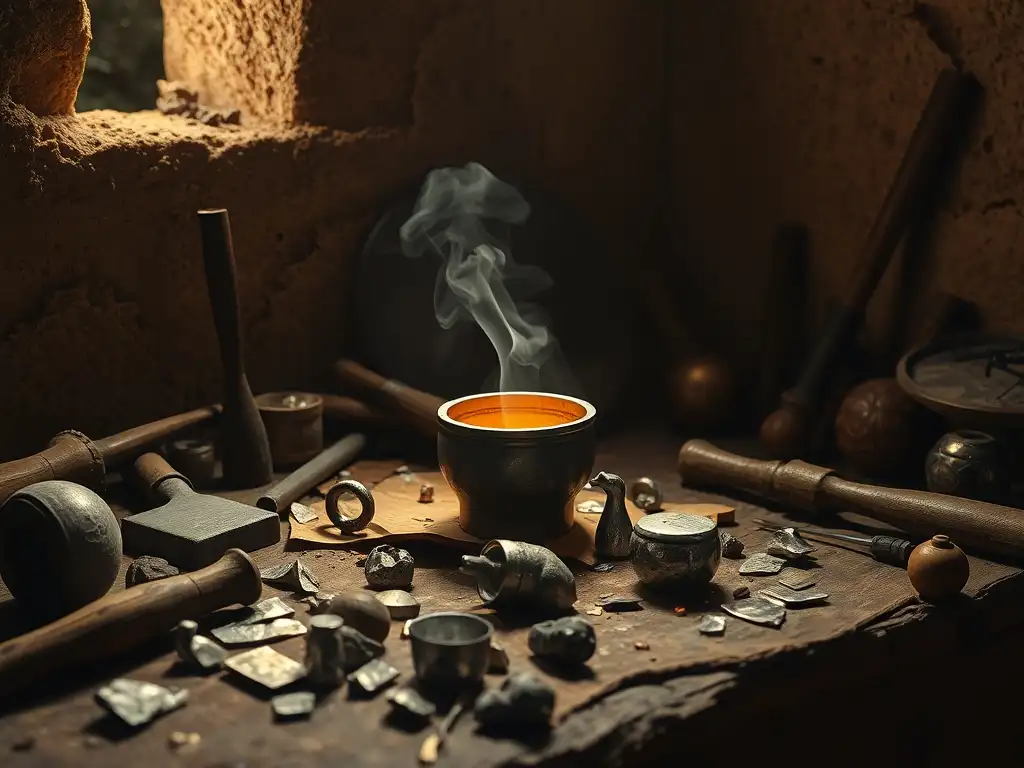
The dominance of copper in Andean metallurgy shouldn't overshadow the significant role other metals and alloys played in shaping their technological advancements and cultural expressions. While copper formed the bedrock of their metallurgical achievements, the skillful manipulation of gold, silver, and the eventual development of bronze demonstrate a sophisticated understanding of material properties and innovative techniques. This section delves into the fascinating history of these other metals and their impact on Andean societies.
The mastery of these materials wasn't simply a technological feat; it was deeply intertwined with their religious beliefs, social structures, and artistic endeavors, reflecting a complex interplay between practical application and symbolic meaning. Understanding the broader metallurgical landscape of the Andes provides a more complete picture of their technological prowess and cultural richness. The story of Andean copper metallurgy history is incomplete without acknowledging these crucial additions to their metallic repertoire.
The Introduction of Gold and Silver
Gold and silver, with their inherent beauty and rarity, held immense symbolic value in Andean cultures. Their introduction into the metallurgical practices of the region marked a shift from purely utilitarian applications of copper to a realm where aesthetics and religious significance became paramount.
While the exact timeline for the widespread use of gold and silver is still under scholarly debate, archaeological evidence suggests their incorporation into Andean metallurgy occurred significantly later than copper working. The earliest examples of gold and silver artifacts are often associated with elite burials and ceremonial contexts, highlighting their status as precious metals reserved for the powerful and the sacred.
The techniques employed in working these soft metals differed from those used for copper. Instead of hammering and annealing, gold and silver were more frequently shaped through techniques like casting, repoussé (hammering from the back to create relief), and filigree (creating intricate designs from fine wires). The intricate details found in many gold and silver artifacts, such as the elaborate headdresses and ceremonial objects discovered in tombs, demonstrate a remarkable level of artistry and technical skill.
These pieces weren't just functional; they were powerful symbols of authority, wealth, and spiritual connection, showcasing the sophisticated understanding of metallurgy intertwined with Andean cosmology. The sheer artistry involved in creating these pieces underscores a level of skill and precision that further enriched the Andean copper metallurgy history.
The Development of Bronze in the Andean Region
Bronze, an alloy of copper and tin, represents a significant leap forward in Andean metallurgy. Unlike the relatively readily available copper, tin was a scarce resource in the Andes, necessitating complex trade networks to acquire this essential component. The appearance of bronze artifacts signifies not only technological advancement but also the development of sophisticated trade routes and economic systems capable of supporting the acquisition and distribution of rare materials.
The precise date of bronze's introduction varies across different Andean regions, with some areas showing earlier adoption than others. However, the presence of bronze objects marks a clear progression in metallurgical sophistication, allowing for the creation of stronger, more durable tools and weapons.
The production of bronze required a more precise understanding of metallurgy than copper working alone. The ratio of copper to tin had to be carefully controlled to achieve the desired properties of the alloy. Too much tin could result in a brittle material, while too little would yield an alloy with insufficient strength.
The mastery of this process demonstrates a deep understanding of material science and the ability to manipulate different components to create objects with specific functional characteristics. This development significantly impacted warfare, agriculture, and other aspects of Andean life, demonstrating a technological advancement that further enriched and broadened the Andean copper metallurgy history narrative. The creation of bronze tools and weapons, for example, provided a significant military advantage, impacting the balance of power between different Andean groups.
Conclusion: The Enduring Impact of Andean Copper Metallurgy
The mastery of copper metallurgy stands as a cornerstone of Andean civilization, profoundly shaping its technological advancements, social structures, and cultural expressions. From the earliest hammered copper artifacts to the intricate alloys and sophisticated casting techniques of later periods, the story of Andean copper reveals a remarkable trajectory of innovation and ingenuity.
Understanding this history provides crucial insight into the complexity and resilience of these ancient societies. The development of Andean copper metallurgy wasn't merely a technological leap; it was a catalyst for social change and a powerful symbol of cultural identity, leaving an indelible mark on the region's heritage.
The legacy of Andean copper continues to inspire awe and wonder, reminding us of the remarkable capabilities of human ingenuity and the enduring power of cultural heritage. Further research into the specific metallurgical processes, trade networks, and societal impact of copper will continue to illuminate the rich tapestry of Andean history.
Copper's Contribution to Andean Technological Advancements
Copper's malleability and relative abundance in the Andean region allowed for its early adoption in toolmaking. Initially, cold hammering techniques produced simple tools and ornaments. However, as metallurgical knowledge advanced, Andean artisans developed increasingly sophisticated techniques, including annealing (heating and cooling) to improve the metal's workability. This allowed for the creation of more complex objects, such as intricate jewelry, finely crafted tools, and even weaponry.
The development of alloying—combining copper with other metals like tin or arsenic to create bronze—marked a significant technological leap. Bronze was stronger and more durable than pure copper, enabling the creation of more robust tools and weapons, significantly impacting agriculture, warfare, and daily life. The precise techniques used in alloying, casting, and shaping varied across different Andean cultures, reflecting regional specialization and technological exchange.
Evidence suggests a sophisticated understanding of heat treatment and metalworking techniques, showcasing a high level of metallurgical expertise. The transition from simple copper tools to complex bronze objects represents a crucial stage in the development of Andean technology, laying the foundation for future advancements in other areas. The impact of this technological progress rippled through various aspects of Andean life, improving efficiency in agriculture, enhancing warfare capabilities, and enriching artistic expression.
The Lasting Influence on Andean Culture and Society
The control and manipulation of copper had significant implications for Andean social structures. Access to and control over copper resources likely influenced power dynamics and trade networks. Skilled metalworkers held prestigious positions within society, reflecting the importance of metallurgy in the Andean worldview. The production and distribution of copper artifacts served as a powerful means of communication, reinforcing social hierarchies and facilitating cultural exchange.
Copper objects became integral parts of religious rituals and ceremonies, embodying spiritual significance and reflecting cosmological beliefs. The artistic expression seen in Andean copperwork—from intricate jewelry to ceremonial objects—is a testament to the high level of craftsmanship and the cultural value placed on metalworking. The stylistic variations in copper artifacts across different Andean cultures demonstrate the diverse artistic traditions and regional identities.
The legacy of Andean copper metallurgy is not just a technological one; it is deeply intertwined with the social, political, and religious fabric of Andean societies. The enduring presence of copper artifacts in archaeological sites continues to illuminate the profound influence of this metal on the development of Andean culture and its lasting legacy. The study of Andean copper metallurgy allows us to grasp the intricate relationship between technology, society, and culture in these ancient civilizations.
Frequently Asked Questions
What role did copper play in the development of Andean civilizations?
Copper was fundamental to the development of Andean civilizations. Its malleability and abundance allowed for the creation of tools, weapons, and decorative objects, driving technological and societal advancements. This led to increased agricultural production and social stratification.
When did Andean copper metallurgy begin?
The earliest evidence of copper working in the Andes dates back to approximately 5000 years ago, although the exact origins are still debated by scholars. Different regions developed copper metallurgy at varying times, with some showing earlier development than others. Technological advancements were made over centuries.
How did Andean metallurgists work with copper?
Andean metallurgists developed sophisticated techniques like hammering, annealing, and casting to shape copper. They also learned to alloy copper with other metals, such as tin and arsenic, to create bronze, significantly strengthening their tools and weaponry. Advanced techniques were developed over time.
What were some significant copper artifacts produced by Andean cultures?
Andean cultures produced a wide range of copper artifacts, including tools for agriculture and mining, weapons such as axes and knives, and ornate jewelry and ceremonial objects. The quality and artistry of these items reflect the high level of metallurgical skill achieved. Religious significance was often associated with these objects.
How did Andean copper metallurgy compare to that of other ancient civilizations?
Andean copper metallurgy was remarkably advanced for its time, showcasing innovative techniques and complex alloys. While influenced by other cultures, it developed a unique style and sophistication, particularly evident in its artistic and technological achievements. Regional variations in techniques also existed.
Final Reflection: Copper's Enduring Legacy in the Andes
The mastery of copper metallurgy by Andean cultures wasn't merely a technological advancement; it was the bedrock of their civilizations, a testament to human ingenuity that continues to resonate today. The intricate artistry and sophisticated techniques employed in shaping copper, gold, and other alloys remain a source of wonder and inspiration, showcasing the remarkable capabilities of pre-Columbian societies. Their achievements challenge our modern perspectives on technological progress and highlight the profound connection between human innovation and cultural identity.
The legacy of Andean copper metallurgy extends far beyond the impressive artifacts that survive to this day. It represents a profound understanding of material science, a sophisticated social organization capable of supporting large-scale production, and a deep spiritual connection to the earth's resources. The metalworker was not merely a craftsman, but a shaman, a bridge between the earthly and spiritual realms.
This connection between artistry, technology, and spirituality is a powerful reminder of the holistic nature of Andean culture, and its enduring influence on the region's identity can still be felt today in artistic traditions and cultural narratives.
Consider the implications of this rich history. What can we learn from the ingenuity and resourcefulness of these ancient cultures? How can we apply their understanding of sustainable resource management and collaborative innovation to address the challenges of our own time? You, the reader, are now part of this ongoing conversation. Let the story of Andean copper metallurgy inspire you to explore the connections between technology, culture, and the environment, and to appreciate the enduring power of human creativity.
Unleash Your Curiosity: Dive Deeper into Andean Metallurgy!
Thank you for exploring the incredible achievements of Andean civilizations in metallurgy! Your interest highlights the brilliance of these ancient cultures and offers insights relevant even today. To further engage with this rich history, consider these next steps:
- Join our community! Participate in our forum dedicated to Andean Civilizations. Discuss metallurgical techniques, share discoveries, and connect with fellow history enthusiasts.
- Expand your knowledge! Explore our in-depth articles detailing specific Andean metallurgical processes and uncovering the secrets of their remarkable craftsmanship.
- Share your passion! Write a blog post or share your thoughts on social media about what inspires you most about Andean metallurgy.
Consider the lasting impact of Andean metallurgical innovations on modern art and technology. Join the conversation and let's explore this together!