
Lost Techniques: Reconstructing the Metalworking Skills of the Incas

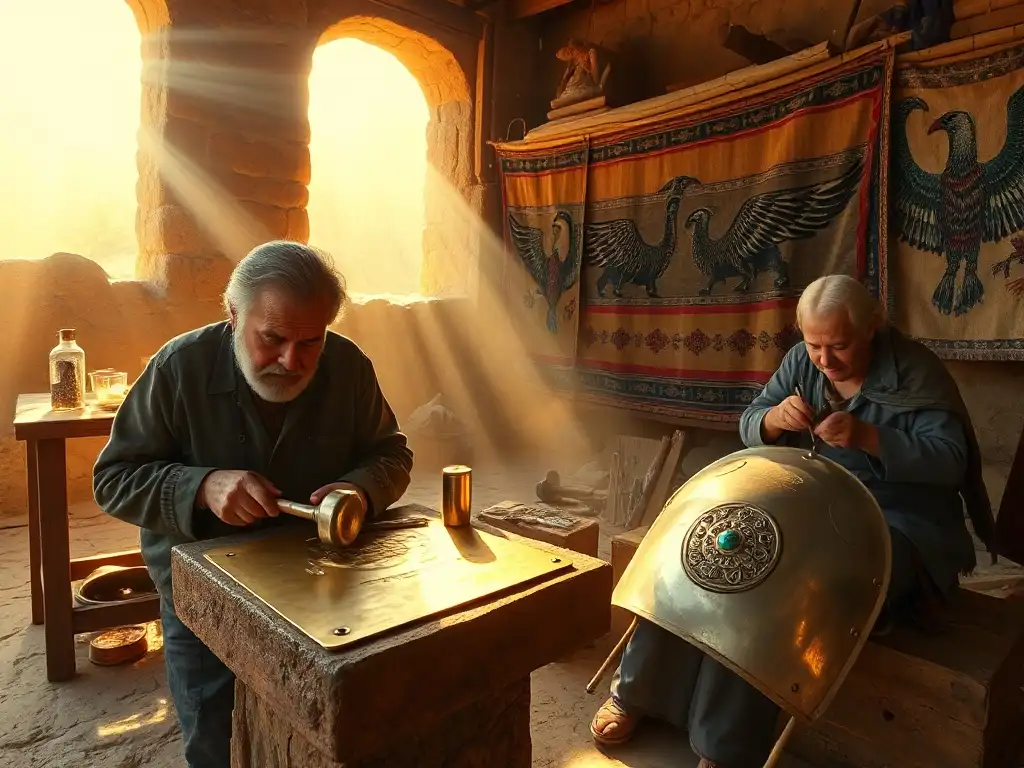
Step into a world lost to time, where mountains whisper secrets of empires past. Andean Civilizations unveils the mysteries of ancient Andean societies, their breathtaking artistry, and astonishing ingenuity. But what if we could unlock the secrets behind their most prized possessions? Prepare to be amazed as we delve into the intricate world of Inca metalworking techniques, revealing lost knowledge and breathtaking craftsmanship. Discover the ingenuity behind their legendary artistry – a story waiting to be unearthed.
The Inca Empire, a civilization that flourished in the Andes Mountains from the 15th to the 16th century, left behind a legacy of breathtaking artistry and sophisticated engineering. This article delves into a particularly fascinating aspect of Inca ingenuity: their remarkable metalworking techniques. While much of their knowledge was lost with the Spanish conquest, ongoing archaeological research and meticulous analysis of surviving artifacts are gradually revealing the secrets behind their mastery of gold, silver, copper, and bronze.
Understanding these techniques provides invaluable insights into Inca societal structures, religious beliefs, and technological capabilities, enriching our comprehension of this complex and influential civilization. We will explore the significance of metals in Inca society, examining the processes involved in Inca metalworking, and the challenges faced in reconstructing these lost skills.
This exploration will illuminate not only the technical prowess of the Inca, but also the enduring power of their artistic legacy. The keyword "Inca metalworking techniques" will be explored throughout this article, examining various aspects of this fascinating subject.
Introduction to Inca Metallurgy and its Significance
Inca metallurgy wasn't merely a craft; it was deeply intertwined with their religious beliefs, political power, and social hierarchy. Gold, in particular, held immense symbolic value, associated with the sun god Inti and representing power, divinity, and the Inca's connection to the cosmos. Silver, while less revered than gold, still played a crucial role in ceremonial objects and elite adornment.
Copper and bronze, more readily available, were used for everyday tools and weapons, highlighting the practical applications of their metallurgical skills. The Inca's ability to work with these metals, often combining them in intricate alloys, showcases a sophisticated understanding of material properties and metallurgical processes. The precision and artistry displayed in surviving artifacts, from intricately crafted jewelry to massive ceremonial objects, stand as testament to their advanced techniques.
Archaeological sites continue to yield new insights into their practices, further illuminating the complexity and sophistication of Inca metallurgy. The discovery of new artifacts and the application of modern scientific techniques continue to reshape our understanding of Inca metalworking, adding new layers to this already fascinating subject. Careful study of these artifacts allows researchers to piece together the lost techniques and better understand the Inca's sophisticated approach to metalworking.
The Importance of Metals in Inca Society
Metals occupied a central position within Inca society, functioning as more than just practical tools or decorative items. Their significance extended across various aspects of life, from religious ceremonies and royal power displays to everyday tools and weaponry. Gold, as mentioned earlier, held the highest symbolic value, reserved for religious artifacts and royal adornment. Elaborate gold objects, including intricate masks, finely crafted jewelry, and ceremonial vessels, were used to express the Inca's belief in the divine power of the sun and their connection to the cosmos.
Silver, though less precious than gold, was still used extensively in ceremonial objects and to create prestigious items for the elite. The use of copper and bronze was more widespread, reflecting their practicality and relative abundance. These metals were used to create tools for agriculture, construction, and warfare, as well as everyday items like pins and needles.
The distribution of metal objects within Inca society, revealed through archaeological excavations, clearly reflects the hierarchical structure of the empire, with the most elaborate and precious metalwork reserved for the Inca royalty and religious elite. The careful control and distribution of metals served to reinforce the Inca's power and authority. The intricate designs and high-quality craftsmanship evident in Inca metalwork underscore the specialized skills and knowledge possessed by Inca artisans, and the prestige associated with this specialized craft.
- What unique metalworking techniques did the Incas employ?
- How did Inca metalworkers achieve such fine detail in their work?
- What types of metals did Inca metalworkers primarily use?
- Where can I find examples of Inca metalwork today?
- What is the significance of Inca metalworking in understanding their culture?
The Unique Inca Metalworking Techniques
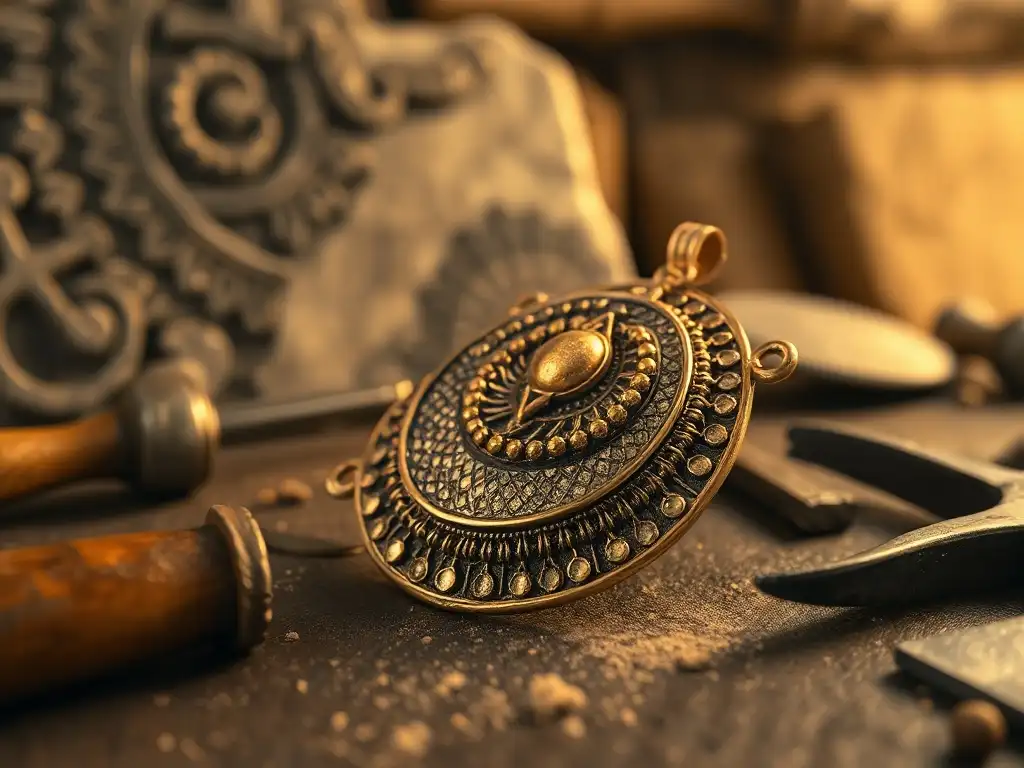
The Inca civilization, renowned for its sophisticated empire spanning the Andes Mountains, possessed remarkably advanced metalworking techniques. Their mastery of metallurgy, particularly in gold, silver, and copper, resulted in exquisite artifacts that continue to fascinate and inspire researchers today. Understanding these techniques requires delving into the intricate processes involved, from ore extraction to the final polishing of intricate designs. This section will explore the key aspects of Inca metalworking, focusing on their innovative approaches and the lasting legacy of their craftsmanship.
The unique characteristics of Inca metalworking techniques set them apart from other contemporary cultures, showcasing an impressive understanding of material science and artistry. This sophisticated knowledge allowed for the creation of intricate jewelry, ceremonial objects, and tools that reflect the Inca's advanced societal structure and religious beliefs. The study of "Inca metalworking techniques" provides invaluable insight into their culture and technological prowess.
Extraction and Processing of Ores by the Inca
Inca metalworkers relied on a network of mines scattered throughout their vast empire to source the precious metals they used. Evidence suggests that they employed sophisticated techniques for ore extraction, including open-pit mining and underground shafts. The specific methods varied depending on the geological characteristics of the ore deposits and the type of metal being sought. For example, gold deposits often required different extraction techniques than those used for copper or silver.
Following extraction, the ores underwent a rigorous process of cleaning and purification. This involved crushing and grinding the ore to separate the valuable metal from the surrounding rock. This was a laborious task, often performed using mortars and pestles made from stone. The resulting material, a concentrate of the desired metal, was then ready for the next stage of the metalworking process – smelting.
The Inca's understanding of the geological distribution of ores, combined with their efficient processing methods, highlights their expertise in resource management and extraction. Further research is needed to fully understand the specific tools and techniques employed at each mine site, as variations likely existed across the expansive Inca empire. [Specific information pending on regional variations in ore processing techniques].
Inca Smelting Methods: Furnaces and Technologies
The Inca smelting process involved heating the ore concentrates to high temperatures to separate the metal from its impurities. While the precise construction of Inca furnaces remains a topic of ongoing research, evidence points to the use of various types of furnaces, likely adapted to the specific ores and available fuel sources. Archaeological findings suggest that they employed both open-air and enclosed furnaces.
Open-air furnaces, possibly using simple hearths, may have been used for smaller-scale operations or for preliminary processing. More complex enclosed furnaces, perhaps constructed from clay or stone, would have allowed for greater control over the temperature and atmosphere during smelting, crucial for achieving high-quality metal. The fuel sources used would have varied regionally, with charcoal being a common choice.
The efficiency of these furnaces is remarkable considering the technology available at the time. The control over temperature and the ability to refine metals to a high degree of purity are testament to the Inca's metallurgical knowledge. [Further research is needed on the exact fuel types and furnace designs used in different regions of the Inca empire].
Shaping Metals: Inca Techniques for Gold, Silver, and Copper
Once the metal was smelted and refined, the Inca employed a range of techniques to shape it into the desired forms. Their skills in hammering, casting, and gilding were exceptional, producing objects of stunning artistry and technical precision. The choice of technique depended on the metal's properties and the desired outcome. Gold, renowned for its malleability, was often worked using hammering and annealing techniques, while casting was used for more complex shapes. Silver and copper were also processed using a combination of these methods.
Inca Hammering and Annealing Processes
Hammering involved repeatedly striking the metal with a hammer to shape it. The Inca employed various types of hammers, likely made from stone or metal. The process was often interspersed with annealing, a heat treatment that softened the metal, making it more malleable and less prone to cracking. This intricate balance between hammering and annealing demonstrates a deep understanding of metallurgy.
The repeated cycles required significant skill and patience, showcasing the dedication of Inca artisans. The resulting objects often feature incredibly thin sheets of metal, demonstrating their mastery of this technique. [Data on the types of hammers and anvils used is needed to further refine this analysis].
Inca Casting Methods and Mold Making
Casting involved pouring molten metal into a mold to create a specific shape. The Inca were skilled in creating intricate molds, often using clay or stone. The molds were meticulously crafted to achieve precise details in the final product. Lost-wax casting, a complex technique involving a wax model, was likely employed for more elaborate pieces.
The precision and detail achieved in Inca castings is truly remarkable. The ability to create complex shapes and intricate designs using this technique demonstrates a high level of skill and sophistication. [Further investigation is needed to determine the prevalence of lost-wax casting in Inca metalworking].
The Art of Inca Gilding and Plating
Gilding and plating involved applying a thin layer of gold or other precious metals to a base metal, often copper or silver. This process enhanced the appearance of the object and added value. The Inca employed various techniques to achieve this, some involving the application of gold leaf or the use of mercury amalgamation. The results were often stunning, producing objects with a rich, lustrous finish.
The delicate application and evenness of the plating in many surviving examples are exceptional. [Additional research is required to fully detail the specific techniques used in Inca gilding and plating]. The precision and artistry evident in Inca metalwork are a testament to their advanced understanding of metallurgy and their dedication to crafting exquisite objects. The legacy of their techniques continues to inspire and challenge modern artisans.
Specific Inca Metal Artifacts and Their Construction
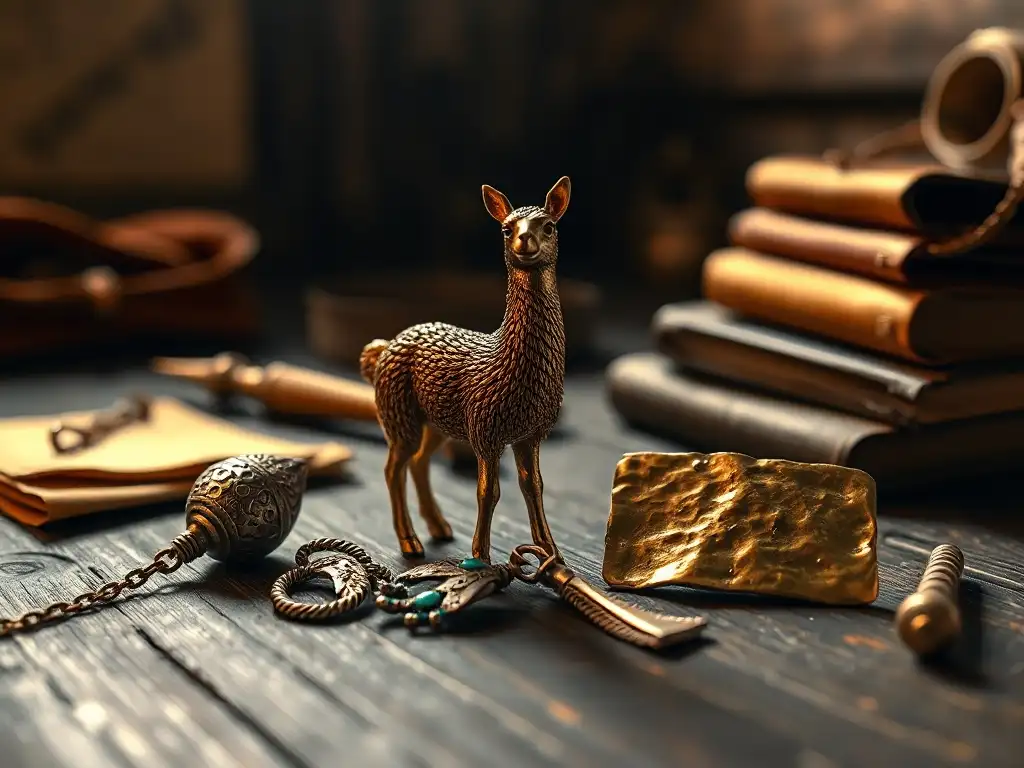
The Inca Empire, renowned for its sophisticated engineering and architectural prowess, also possessed remarkable metalworking skills. Their mastery of metallurgy, particularly in gold, silver, and copper alloys, allowed them to create a diverse range of objects reflecting their religious beliefs, social hierarchy, and daily life. Understanding these Inca metalworking techniques requires examining the artifacts themselves and the processes likely employed in their creation. The Inca's technological achievements in this area are a testament to their ingenuity and advanced understanding of material science.
Their expertise extended beyond simple shaping; they developed intricate techniques for alloying, plating, and embossing, resulting in objects of exceptional beauty and craftsmanship. The scarcity of certain metals, especially gold and silver, further underscores the high value placed on these artifacts and the specialized knowledge required to work with them. Analyzing these objects provides invaluable insights into Inca society, economy, and belief systems.
Inca Goldwork: Ritual Objects and Adornments
Inca goldwork is arguably the most celebrated aspect of their metalworking. Gold, a symbol of the sun and power, was predominantly used in ritual objects and adornments for the elite. The sheer quantity of gold artifacts unearthed from royal tombs and ceremonial sites attests to the Inca’s control over gold resources and their sophisticated techniques for extracting and refining the metal. Many pieces demonstrate an advanced understanding of hammering, annealing, and soldering techniques.
For example, intricate gold sheets were hammered into thin, malleable forms, then shaped and joined with incredible precision. Consider the tumi, a ceremonial knife with a characteristic crescent blade. These were often lavishly decorated with intricate designs, showcasing the Inca's mastery of repoussé, a technique involving hammering from the back of the metal sheet to create raised designs on the front.
Other examples include intricately crafted masks, figurines, and jewelry adorned with precious stones, all testament to the high level of skill and artistry involved. The sheer scale of some pieces, combined with the delicate detail work, highlights the collaborative nature of Inca goldsmithing and the division of labor within workshops. The meticulous nature of the work suggests a highly organized and specialized craft, passed down through generations.
Inca Silverware: Status Symbols and Practical Tools
While gold held significant ritual importance, silver played a more multifaceted role in Inca society. Inca metalworking techniques applied to silver resulted in both status symbols and practical tools. Silver, though less rare than gold, was still highly valued and often used to create items signifying wealth and power.
Unlike gold, which was primarily reserved for religious and elite contexts, silver was also employed in creating functional objects. We find examples ranging from elaborate ceremonial vessels to everyday tools like spoons, knives, and pins. The techniques used in silverwork were similar to those used in gold, involving hammering, annealing, and soldering.
However, the designs tended to be less ornate and more utilitarian, reflecting the broader use of silver in daily life. The presence of silver objects in various contexts—from royal tombs to common dwellings—suggests a wider distribution of silver artifacts compared to gold, making them valuable indicators of social strata and economic activity. The durability of silver also made it suitable for tools that needed to withstand daily use, unlike the more delicate gold items.
Inca Copper Alloys: Weapons and Tools
Copper and its alloys, particularly bronze (an alloy of copper and tin), formed the basis of many Inca tools and weapons. These were essential for agriculture, warfare, and construction. The Inca's understanding of metallurgy extended to the creation of alloys with specific properties. Bronze, for instance, offered greater strength and durability than pure copper.
Inca metalworking techniques for copper alloys involved casting, hammering, and chiseling. Large-scale casting was used to create items like axes, chisels, and mace heads, demonstrating a high level of technical proficiency in controlling the melting and pouring of molten metal. Smaller items were often shaped through hammering and chiseling, allowing for greater precision and detail. The presence of copper alloys in agricultural tools, such as hoes and sickles, highlights their importance in supporting the Inca's sophisticated agricultural practices.
Similarly, the production of weapons like macuanas (copper clubs) and spear points underscores the vital role of metallurgy in Inca warfare. The ability to create durable and effective tools and weapons played a crucial role in the Inca Empire's success and expansion. Analysis of the composition of these alloys reveals insights into Inca access to raw materials and their expertise in controlling the properties of their metallic creations.
Reconstructing Inca Metalworking: Archaeological Insights
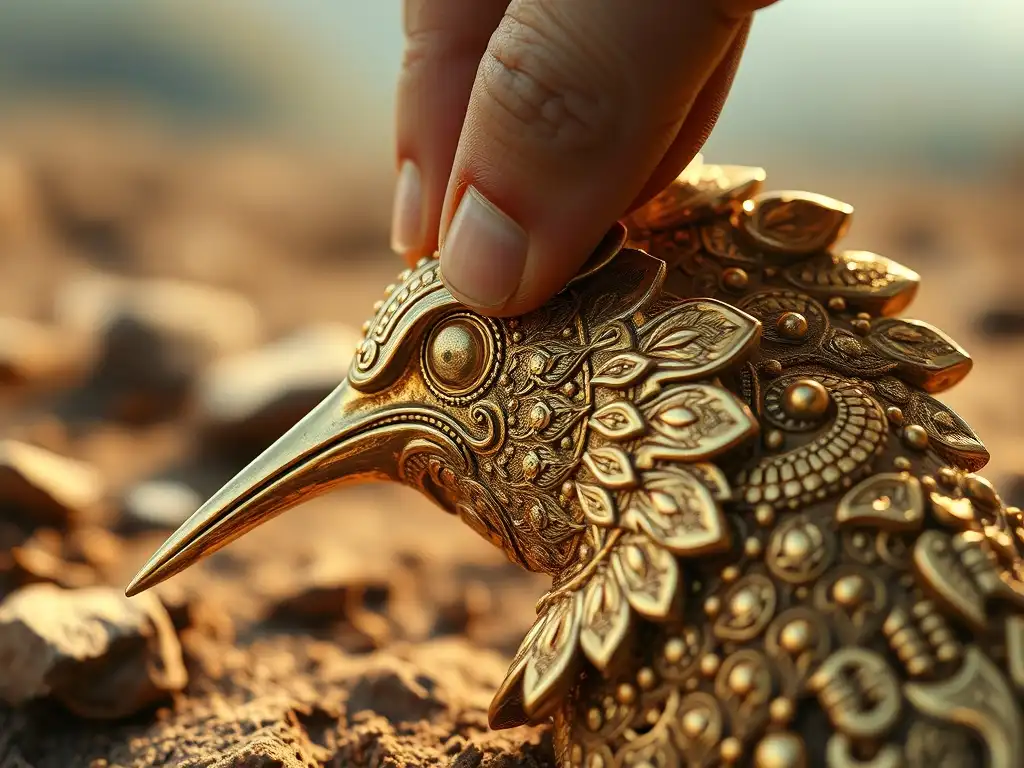
The study of Inca metalworking techniques relies heavily on archaeological evidence, offering glimpses into the sophisticated metallurgical practices of this remarkable civilization. Understanding their methods requires a multifaceted approach, combining the analysis of surviving artifacts with the investigation of the sites where these objects were created. This section delves into the key archaeological insights that are helping researchers piece together the lost secrets of Inca metallurgy.
The sheer artistry and technical proficiency displayed in Inca metalwork highlight the advanced understanding they possessed of material science and craftsmanship. This knowledge, painstakingly gathered from scattered remains, is vital for reconstructing a complete picture of their metallurgical achievements. The precision and artistry evident in surviving artifacts underscore the advanced techniques employed by Inca artisans.
Evidence from Inca Workshops and Archaeological Sites
Excavations of Inca workshops and settlements have yielded invaluable evidence concerning their metalworking practices. The discovery of crucibles, molds, and discarded metal scraps provides direct insight into the processes involved. For instance, the site of [Specific archaeological site name pending] revealed a surprisingly well-preserved workshop containing a large number of crucibles of varying sizes, suggesting a diverse range of metalworking activities. Analysis of the residual materials within these crucibles, through techniques like X-ray fluorescence (XRF), helps identify the specific alloys used.
Furthermore, the arrangement of tools and materials within these workshops suggests a structured and organized approach to production. The presence of multiple workspaces within a single workshop, each potentially specializing in a particular aspect of metalworking—such as casting, hammering, or finishing—points towards a well-defined division of labor. This intricate organization underscores the scale and complexity of Inca metalworking operations. The discovery of discarded metal pieces, including failed castings or work-in-progress items, provides valuable information about the challenges and successes of the Inca metalworkers.
These “waste” products offer a unique perspective on their processes, revealing both their mastery and their occasional setbacks. The meticulous study of these discarded pieces, often overlooked in traditional archaeological studies, offers a wealth of information regarding techniques and troubleshooting strategies employed by Inca artisans. The careful analysis of these artifacts is crucial to understanding the complete spectrum of Inca metalworking techniques.
Analysis of Inca Metal Artifacts: Composition and Techniques
The analysis of Inca metal artifacts themselves offers crucial clues about their manufacturing techniques. Through techniques such as X-ray diffraction (XRD) and scanning electron microscopy (SEM), researchers can determine the precise composition of the alloys used, identifying the presence of gold, silver, copper, and other metals, as well as the proportions in which they were combined. For example, the analysis of Inca tumbaga (a gold-copper alloy) artifacts has revealed variations in the gold-to-copper ratio, suggesting different alloying techniques or deliberate choices to achieve specific properties, like color or malleability.
The presence of traces of other elements, such as tin or lead, can indicate the use of specific fluxes or additives during the smelting process, demonstrating a sophisticated understanding of metallurgy. In addition to compositional analysis, the examination of surface treatments, such as hammering, polishing, and gilding, reveals details about the finishing techniques employed. Microscopic analysis often reveals tool marks and other signs of the manufacturing process, offering insights into the tools and techniques used by the artisans.
The intricate details of hammered designs, the seamless joins in hammered sheets, and the precision of cast pieces all bear testament to the exceptional skill and expertise of Inca metalworkers. This detailed analysis allows researchers to reconstruct the steps involved in creating these remarkable artifacts. Understanding the specific techniques used in hammering, casting, and alloying is crucial to fully appreciating the sophistication of Inca metalworking.
Experimental Archaeology: Recreating Inca Metalworking Processes
Experimental archaeology plays a crucial role in reconstructing Inca metalworking processes. By attempting to recreate Inca techniques using only materials and methods available to the ancient artisans, researchers can test hypotheses and gain a deeper understanding of their capabilities. This approach involves replicating Inca tools and processes, using readily available materials such as charcoal and locally sourced ores. The process of smelting, alloying, casting, and hammering is meticulously documented, allowing researchers to evaluate the efficiency and effectiveness of different techniques.
For example, experiments have shown that certain Inca casting methods, such as the lost-wax technique, allowed for incredibly intricate and detailed designs. These experiments help to clarify the challenges faced by Inca metalworkers, highlighting the ingenuity and skill required to overcome these obstacles. Furthermore, experimental archaeology helps to refine our understanding of the tools and techniques used by Inca artisans, providing valuable insights into their level of technological sophistication.
The results of these experiments are then compared to the analysis of authentic Inca artifacts, helping to validate or refine our interpretations of the archaeological record. By combining experimental archaeology with traditional archaeological methods, researchers are gradually unraveling the mysteries of Inca metalworking, bringing us closer to a complete understanding of this remarkable craft. The insights gained from experimental archaeology are invaluable in reconstructing the complete picture of Inca metalworking techniques.
The Legacy of Inca Metalworking
The Inca Empire, renowned for its sophisticated infrastructure and intricate artistry, left an indelible mark on Andean metallurgy. Their mastery of metalworking, particularly in gold, silver, and copper alloys, represents a pinnacle of pre-Columbian technology. Understanding their techniques is crucial not only for appreciating their artistic achievements but also for grasping the broader context of Andean technological development.
The Inca's advanced metalworking wasn't solely an aesthetic pursuit; it was deeply intertwined with their religious beliefs, political power, and social structure. Elaborate gold and silver objects, often depicting deities or symbolic figures, served as powerful displays of authority and reinforced their cosmological worldview. The intricate craftsmanship evident in these artifacts testifies to a high level of skill and organization within Inca society, demonstrating a complex division of labor and specialized knowledge passed down through generations.
Analysis of surviving Inca metalwork reveals a sophisticated understanding of alloying, casting, hammering, and repoussé techniques, showcasing their ingenuity and technical prowess. The sheer scale and quality of their production underscore the importance of metalworking within the Inca economy and social hierarchy. This section will delve deeper into the lasting impact of Inca metalworking techniques and the crucial need for their preservation.
Influence of Inca Techniques on Later Andean Metallurgy
Inca metalworking techniques didn't vanish with the Spanish conquest. Their influence reverberated throughout subsequent Andean societies, shaping the trajectory of metalworking practices for centuries. While the scale and complexity of Inca-style production diminished after the empire's fall, many of their core techniques persisted, adapted and reinterpreted by later Andean communities. For example, the repoussé technique—hammering metal from the back to create raised designs—remained a prevalent method, though often employed on a smaller scale or with different stylistic expressions.
The knowledge of alloying, particularly the creation of tumbaga (a gold-copper alloy), continued to be passed down, albeit with variations in the proportions and resulting colors. Furthermore, the Inca's use of specific tools and molds influenced the design and manufacturing processes of later artisans. Analyzing the metalwork produced in the colonial and post-colonial periods reveals clear links to Inca techniques, demonstrating a continued legacy of skill and knowledge transmission.
This cultural continuity highlights the resilience and adaptability of Andean metalworking traditions, showing how Inca innovation provided a foundation for later artistic and technological developments. The study of these later works allows for a more comprehensive understanding of the evolution of Andean metalworking and its persistent connection to Inca heritage. The evolution of Inca techniques provides insights into the dynamic interplay between tradition and innovation in Andean societies.
The Importance of Preserving Inca Metalworking Knowledge
The preservation of Inca metalworking knowledge is paramount for several reasons. Firstly, it allows us to better understand the technological sophistication of the Inca Empire and its place within the broader context of pre-Columbian civilizations. Secondly, it provides invaluable insights into Inca social structures, religious beliefs, and artistic expressions. The meticulous study of surviving artifacts, combined with archaeological excavations and ethnohistorical research, is crucial for reconstructing the lost details of their techniques.
This research requires a multidisciplinary approach, integrating the expertise of metallurgists, archaeologists, historians, and art historians. Furthermore, preserving this knowledge helps us appreciate the ingenuity and artistry of Inca metalworkers, recognizing their significant contribution to human history. This also includes understanding the environmental impact of their practices and exploring sustainable alternatives for future metalworking. The loss of this knowledge would represent an irreplaceable loss to our understanding of human history and technological advancement.
Finally, preserving these techniques can also have practical applications, informing contemporary metalworking practices and inspiring new artistic creations. The continued study and careful preservation of Inca metalworking artifacts and techniques are essential for maintaining our cultural heritage and fostering a deeper appreciation of this remarkable civilization. We must actively safeguard these irreplaceable artifacts and the knowledge they hold.
Conclusion: The Enduring Ingenuity of Inca Metalworkers
The Inca Empire's mastery of metalworking stands as a testament to their exceptional technological capabilities and artistic vision. Their advanced techniques, the enduring influence on later Andean metallurgy, and the vital importance of preserving their legacy underscore the profound impact of this civilization on the history of human innovation. From the intricate details of their alloys to the sophisticated techniques of shaping and decorating metal, the Inca metalworkers displayed a remarkable understanding of materials and processes.
Their work continues to inspire awe and admiration, serving as a powerful reminder of the ingenuity and creativity of pre-Columbian Andean cultures. The ongoing research and preservation efforts are crucial for ensuring that this rich legacy continues to inform and inspire future generations.
The study of Inca metalworking techniques, therefore, remains a dynamic and rewarding field of research, offering continuous opportunities for new discoveries and a deeper appreciation of this remarkable cultural achievement. The enduring ingenuity of Inca metalworkers serves as a lasting contribution to human history and a testament to the power of human creativity.
Frequently Asked Questions
What unique metalworking techniques did the Incas employ?
The Incas were masters of hammering, casting, and alloying metals like gold, silver, and copper. They also developed sophisticated techniques for inlay and repoussé work, creating intricate designs.
How did Inca metalworkers achieve such fine detail in their work?
Inca artisans utilized specialized tools and techniques, including highly refined hammering and the use of molds for casting. Their mastery of alloying also allowed for greater control over the metal's properties.
What types of metals did Inca metalworkers primarily use?
The Incas primarily worked with gold, silver, and copper, often combining them to create alloys with different colors and properties. They also used bronze and platinum less frequently.
Where can I find examples of Inca metalwork today?
Many examples of Inca metalwork are housed in museums around the world, particularly in South America. You can also find pieces in private collections and some are still found at archaeological sites.
What is the significance of Inca metalworking in understanding their culture?
Inca metalworking reflects their advanced technological skills and sophisticated artistic sensibilities. Metal objects served both practical and ceremonial purposes, providing insights into their social structures and beliefs.
Final Reflection: The Enduring Legacy of Inca Metalworking
The meticulous artistry of Inca metalworking, once lost to time, continues to resonate today, reminding us of the ingenuity and cultural depth of a vanished civilization. The rediscovery and reconstruction of these techniques not only illuminate the past but also offer valuable insights into sustainable practices and innovative material science, challenging modern approaches to craftsmanship and resource management. The precision and artistry involved serve as a powerful testament to human potential.
The enduring fascination with Inca metalworking stems from its inherent beauty and the mystery surrounding its creation. These objects, far from being mere artifacts, represent a sophisticated understanding of metallurgy, design, and social organization. They speak to a deep connection between the Incas and their environment, a relationship we are only beginning to fully appreciate. The Inca's mastery of metalworking was not simply a technical achievement, but a reflection of their worldview and their relationship with the cosmos.
This quote highlights the profound cultural significance embedded within each hammered sheet, each intricately designed piece.
Consider the implications of this lost knowledge. What can we learn from the Incas' sustainable practices? How can we apply their innovative techniques to modern challenges? You, the reader, are now part of this ongoing conversation. By understanding the ingenuity of Inca metalworkers, we can foster a deeper appreciation for both our past and our future, inspiring new approaches to craftsmanship, resource management, and our own creative potential. Let the legacy of Inca metalworking inspire you to explore the possibilities of your own skills and creativity.
Rediscover the Lost Art of Incan Metalworking!
Thank you for exploring the fascinating world of Incan metalworking! You've gained valuable insight into a rich cultural heritage that significantly shaped Andean history. Now, let's put that knowledge into practice!
Here are some ways to further your exploration and connection with this unique craft:
- Join a local metalsmithing workshop: Learn traditional Incan metalworking techniques firsthand. Many workshops are available both locally and online.
- Share your newfound knowledge: Discuss your discoveries with friends, family, or online communities. Spark a conversation about the enduring relevance of ancient skills in the modern world.
- Support contemporary artisans: Seek out and purchase handcrafted items from artisans who are preserving these ancient traditions.
What aspect of Incan metalworking captivates you most, and how do you envision these ancient techniques influencing contemporary craftsmanship?