
The Hidden World of Andean Metal Workshops: Reconstructing the Past

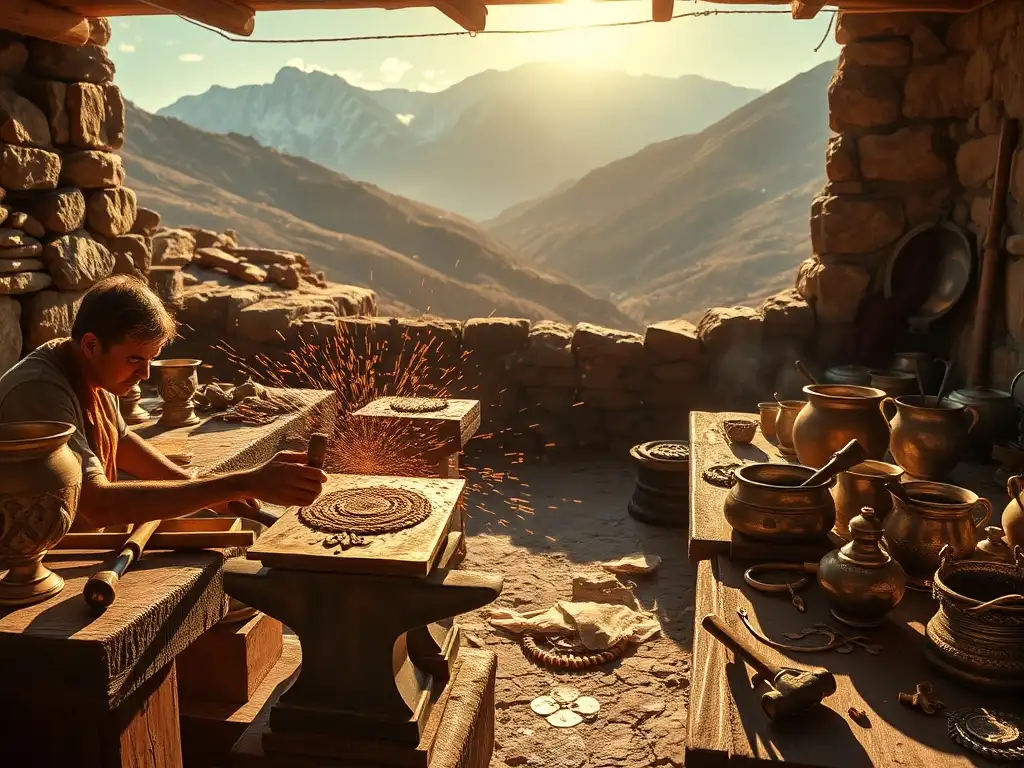
Step into a world lost to time, yet echoing with the clang of hammers and the gleam of gold. For centuries, the Andes Mountains held secrets – secrets buried deep within the earth and etched into the very fabric of their magnificent civilizations. Prepare to uncover the artistry and ingenuity of the ancient Andean cultures, starting with our exploration of Andean metalworking techniques. Discover how these master artisans shaped empires, forged legends, and left behind a legacy of breathtaking artistry that continues to fascinate us today. What innovations did they develop? What mysteries remain? Unravel the story within.
The Andes Mountains, a spine of towering peaks stretching along the western coast of South America, were home to a series of remarkably advanced civilizations long before the arrival of Europeans. These cultures, including the Incas, Moche, Nazca, and Tiahuanaco, didn't just thrive in challenging environments; they flourished, developing sophisticated agricultural techniques, intricate textiles, and, crucially, masterful metalworking skills.
This article delves into the fascinating world of Andean metal workshops, exploring the techniques employed, the societal implications of their craft, and the ongoing efforts to reconstruct this lost knowledge. We will uncover the secrets behind their impressive achievements, examining the processes, materials, and ingenuity that allowed them to create objects of both practical and ceremonial significance.
Understanding Andean metalworking techniques provides a vital window into the complexity and ingenuity of these ancient societies, revealing much about their social structures, religious beliefs, and technological capabilities. The intricate artistry and advanced metallurgical processes employed are a testament to their remarkable understanding of materials science and engineering.
Introduction to Andean Metallurgy
Andean metallurgy wasn't merely a craft; it was deeply interwoven with the fabric of Andean society. From the earliest hammered copper artifacts to the later, more complex gold and silver objects of the Inca Empire, metalworking held significant religious, political, and economic power. The sheer variety of techniques employed is astonishing, ranging from simple hammering and annealing to sophisticated casting, alloying, and even electroplating (in some cases).
The artisans weren't just skilled metalworkers; they were engineers, chemists, and artists, pushing the boundaries of their technological capabilities. Their mastery of metallurgy allowed for the creation of everything from everyday tools and weapons to elaborate ceremonial objects and stunning jewelry, reflecting the diverse needs and beliefs of the various Andean cultures.
The availability of different metals, such as copper, gold, silver, and bronze, varied across regions and time periods, influencing both the techniques employed and the styles of artifacts produced. This variation highlights the regional diversity within Andean metallurgy and the unique adaptations made by different cultural groups.
The process often began with the sourcing of raw materials, which involved extensive mining operations. Evidence suggests sophisticated techniques were used to extract and refine ores, demonstrating a deep understanding of geological processes and chemical reactions.
For example, the Moche culture is renowned for its intricate gold and silver work, often incorporating complex designs and techniques like filigree and repoussé. The Nazca, on the other hand, were masters of casting, producing finely detailed figurines and other objects. Understanding these variations reveals a rich tapestry of metallurgical practices across different Andean civilizations.
Key Techniques and Materials Used in Andean Metalworking
Andean metalworkers employed a fascinating array of techniques. These included:
- Hammering and Annealing: This fundamental technique involved repeatedly hammering the metal to shape it, followed by heating (annealing) to soften it and prevent cracking. This process allowed for the creation of a wide range of shapes and forms.
- Casting: Lost-wax casting, a complex technique, was used to create intricately detailed objects. This involved creating a wax model, covering it in clay, melting out the wax, and pouring molten metal into the resulting mold.
- Alloying: Andean metalworkers understood the importance of alloying different metals to achieve specific properties. For example, adding tin to copper created bronze, a harder and more durable material.
- Repoussé and Chasing: These techniques involved hammering metal from the back to create raised designs (repoussé) and then refining the details from the front (chasing). This allowed for the creation of highly detailed and three-dimensional artwork.
- Electroplating (potential): Recent research suggests that some Andean cultures may have even experimented with electroplating, a sophisticated technique involving the deposition of a thin layer of metal onto another metal surface. This requires a deeper understanding of chemical reactions and electricity than previously thought.
The primary metals used were copper, gold, silver, and bronze (a copper-tin alloy). The sourcing and processing of these materials were integral aspects of the craft, requiring extensive knowledge of geology, mining, and metallurgy. The use of specific metals often carried symbolic meaning, reflecting the cultural and religious significance assigned to different materials.
Andean metalworking was not simply a technological achievement; it was deeply embedded within the social and economic structures of these societies. The production of metal objects was likely organized in specialized workshops, possibly under the control of elites or religious leaders. The skilled artisans who worked in these workshops held a position of prestige and respect within their communities.
The finished products, ranging from everyday tools to elaborate ceremonial objects, served various purposes. Some were used for practical tasks, such as agriculture and warfare, while others held significant religious or political value. The distribution and exchange of these metal artifacts played a crucial role in economic and social interactions, contributing to the growth and development of Andean societies.
The control and distribution of metal resources and finished products likely played a role in the consolidation of power and the emergence of hierarchical social structures. Further research is needed to fully understand the complex social and economic dynamics of Andean metalworking.
Modern Research and Reconstruction Efforts
Today, archaeologists and metallurgists continue to study Andean metalworking techniques, using a combination of archaeological excavation, scientific analysis, and experimental archaeology. By carefully examining the surviving artifacts and analyzing the residues of ancient workshops, researchers are reconstructing the processes and techniques used by these skilled artisans. Experimental archaeology involves recreating ancient techniques using traditional methods and materials to better understand the challenges and skills involved. This approach provides invaluable insights into the ingenuity and precision of Andean metalworkers.
These ongoing efforts are crucial not only for understanding the past but also for appreciating the remarkable achievements of these ancient cultures and their profound impact on the history of metallurgy. The continued investigation and interpretation of these techniques offer a richer understanding of the Andean civilizations and their significant contributions to human history. The field is constantly evolving, with new discoveries and interpretations continually reshaping our understanding of Andean metalworking.
- Introduction to Andean Metallurgy
- Key Techniques and Materials Used in Andean Metalworking
- The Social and Economic Context of Andean Metalworking
- Modern Research and Reconstruction Efforts
Unearthing Ancient Andean Metalworking Techniques
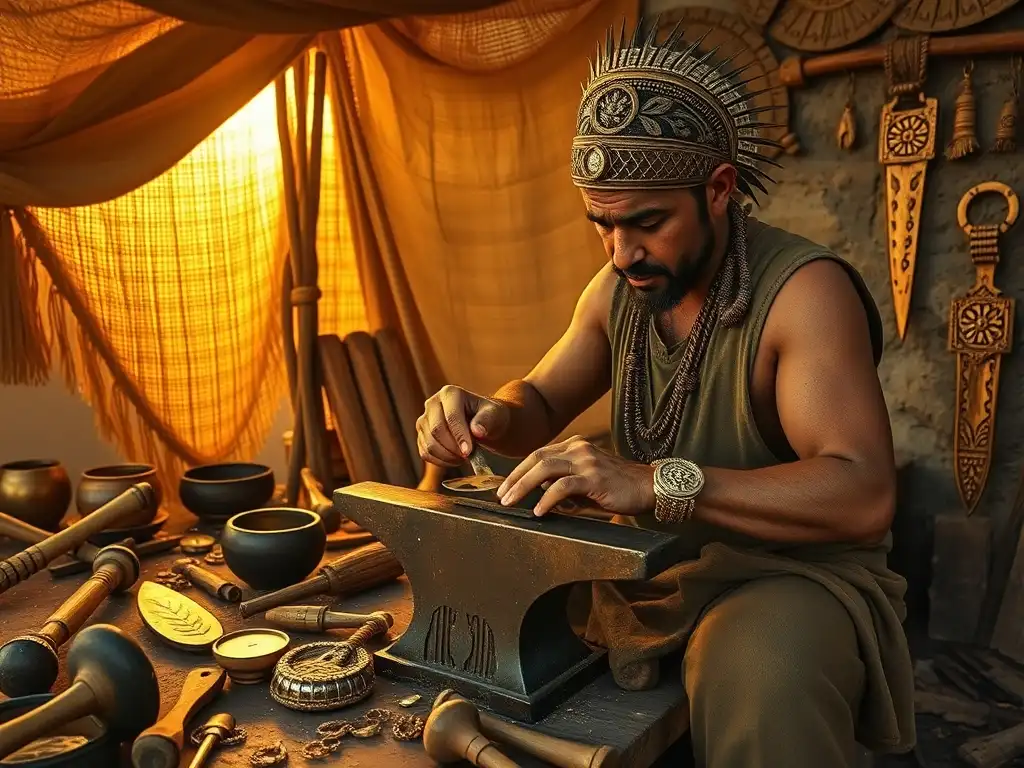
This section delves into the fascinating world of Andean metalworking, exploring the techniques employed by ancient civilizations to shape metal into tools, ornaments, and religious artifacts. Understanding these techniques provides crucial insights into the technological advancements, social structures, and artistic expressions of Andean societies. The study of Andean metalworking techniques reveals a sophisticated understanding of metallurgy, far exceeding previous assumptions.
We will examine the significance of metal in their societies, trace the evolution of early metalworking practices, and detail the development of copper metallurgy, a cornerstone of Andean technological prowess. This exploration will highlight the ingenuity and skill of Andean artisans, showcasing their mastery of Andean metalworking techniques across various periods and cultures.
The Significance of Metal in Andean Societies
Metal held profound symbolic and practical importance in Andean societies. It wasn't merely a material resource; it represented power, prestige, and spiritual connection. Gold, silver, and copper, particularly, were associated with deities and the supernatural. For example, elaborate gold and silver ornaments adorned elite individuals, signifying their high social standing and connection to the divine. The intricate craftsmanship evident in these objects highlights the skilled artisans and the societal value placed on metalwork.
Moreover, the use of metal in tools, weapons, and agricultural implements significantly impacted daily life, enhancing efficiency and productivity. The distribution of metal artifacts across the Andes also reveals complex trade networks and inter-regional interactions. The rarity of certain metals further increased their value, making them key components in ceremonial practices and expressions of power. The sheer volume of surviving artifacts demonstrates the extensive scale of Andean metal production and its enduring influence on Andean culture.
Early Metalworking Practices in the Andes
The earliest evidence of metalworking in the Andes dates back to approximately 2000 BCE, initially focusing on the working of native copper. These early practices involved cold hammering, where the metal was shaped by repeated strikes with a hammer and anvil. This technique, while seemingly simple, required considerable skill and precision to achieve the desired forms.
Evidence suggests that early Andean metalworkers used stone hammers and anvils, gradually refining their techniques over time. The production of simple tools and ornaments characterized this period, showcasing the initial exploration of metal's potential. The discovery of early workshops, often located near sources of copper ore, provides valuable insights into the organization of production and the development of specialized skills.
Analysis of early metal artifacts reveals a gradual increase in sophistication, reflecting the ongoing refinement of techniques and the growing mastery of Andean metalworking techniques. Further research is needed to fully understand the social organization of these early workshops and the transmission of knowledge across generations.
The Development of Copper Metallurgy
The development of copper metallurgy marked a significant leap forward in Andean technology. This involved the smelting of copper ore to extract the pure metal, allowing for the production of larger and more complex objects. Evidence suggests that Andean metallurgists employed various smelting techniques, adapting them to the specific characteristics of the ore and the available resources. The use of crucibles, bellows, and carefully controlled temperatures were crucial elements in this process.
The transition from cold hammering to casting—pouring molten metal into molds—expanded the possibilities of metalworking significantly. This allowed for the creation of more intricate designs and larger-scale pieces, such as ceremonial vessels, weapons, and tools. The development of alloys, combining copper with other metals like tin or arsenic to create bronze, further broadened the range of possibilities.
These alloys produced stronger and more durable metal objects, further enhancing the capabilities of Andean metalworkers. The precise timeline and geographic spread of these technological advancements continue to be areas of ongoing investigation and debate among scholars studying Andean metalworking techniques. The sophistication of Andean copper metallurgy is a testament to their ingenuity and understanding of metallurgical processes.
Exploring the Diversity of Andean Metal Artefacts
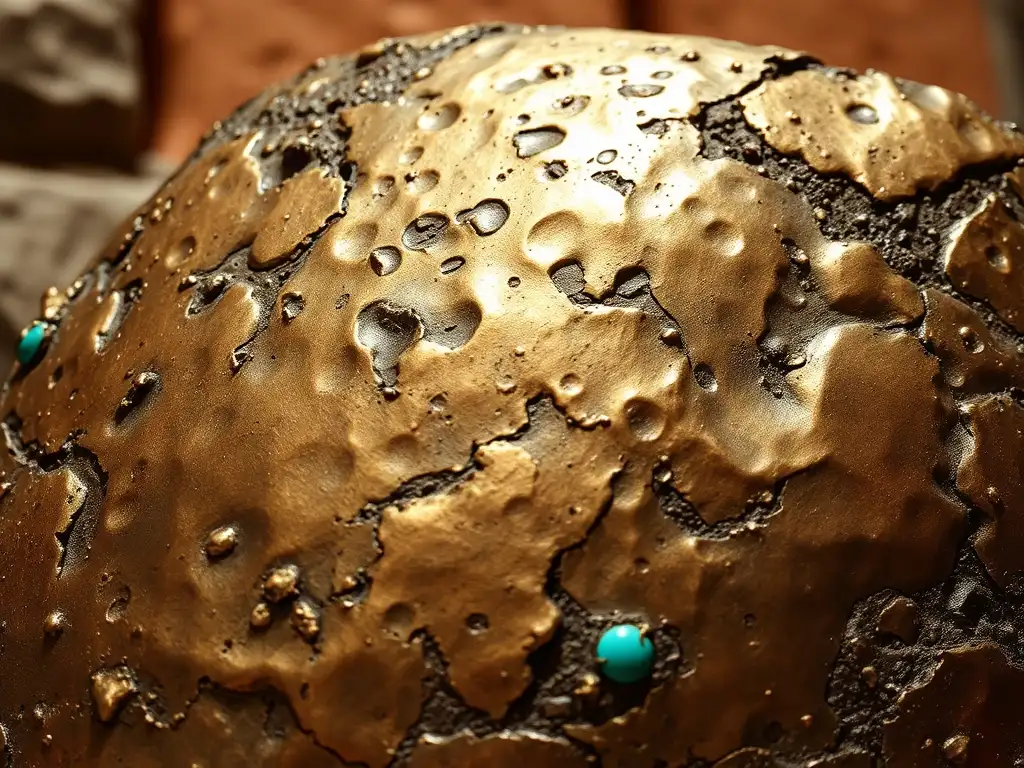
The Andean region boasts a remarkably diverse range of metal artifacts, reflecting both the ingenuity of its ancient metallurgists and the varied needs and aesthetics of different cultures. From the intricate goldwork of the Moche to the sophisticated alloys employed by the Inca, the sheer variety of techniques and materials employed speaks volumes about the advanced state of Andean metalworking. Understanding this diversity is crucial to appreciating the complexity of Andean societies and their technological achievements.
The careful analysis of these objects reveals not only artistic skill but also insights into social structures, religious beliefs, and economic systems. The sheer volume of surviving artifacts—despite the ravages of time and looting—provides a rich tapestry of information waiting to be unravelled. This section will focus on key aspects of this diversity, highlighting the remarkable achievements of Andean metalworkers.
Gold and Silver Craftsmanship
Andean gold and silver craftsmanship reached unparalleled heights. The techniques employed were incredibly sophisticated, showcasing a mastery of hammering, annealing, soldering, and casting. Gold, often associated with divinity and power, was worked into elaborate ornaments, masks, and vessels. The Moche, for instance, are renowned for their exquisite gold and silver artifacts, often depicting intricate scenes of mythology and daily life.
Their mastery of repoussé—a technique involving hammering from the back of a sheet of metal to create raised designs—is particularly striking. Silver, while perhaps less prestigious than gold, was also extensively used, often in combination with gold to create stunningly beautiful objects. The Inca, known for their imperial power, also produced remarkable gold and silverwork, albeit often with a more formalized and less naturalistic style than the Moche.
The difference reflects not just stylistic choices but also variations in social and religious contexts. Detailed studies of the metallurgical properties of these objects, including trace element analysis, allow researchers to trace the origins of the raw materials and identify specific workshops. This provides valuable insights into trade networks and the organization of Andean metal production.
The Use of Alloys in Andean Metalwork
The Andean metallurgists were not simply skilled in working with pure gold and silver. They also demonstrated a remarkable understanding of alloys—combinations of metals—to achieve specific properties. The addition of copper to gold, for example, increased its hardness and durability, making it more suitable for tools and certain types of ornaments. Similarly, the addition of other metals to silver modified its color and malleability.
The precise composition of these alloys often varied depending on the desired outcome and the available resources. Analysis of Andean alloys reveals a deep understanding of metallurgy, far beyond simple experimentation. The consistent use of particular alloy compositions suggests a standardized production process, hinting at a level of technological sophistication and control rarely seen in other ancient cultures.
The development and refinement of these alloys were crucial to the production of durable and aesthetically pleasing artifacts. Further research into the precise techniques used to create these alloys could significantly enhance our understanding of Andean metalworking techniques. For example, [specific information pending] on the precise temperatures used in alloy production.
Metal Tools and Their Function
Beyond the artistic achievements, the Andean metalworkers also produced a wide range of tools crucial for both metalworking itself and other aspects of Andean life. These tools, often made of copper alloys, demonstrate a practical application of metallurgical knowledge. Examples include chisels, hammers, and anvils, all vital for shaping metal. The design and construction of these tools reveal a deep understanding of material properties and the forces involved in metalworking.
The effectiveness of these tools, as evidenced by the surviving metal artifacts, points to a high level of craftsmanship and engineering skill. Furthermore, metal tools were not limited to metalworking. Copper and bronze tools were also used in agriculture, construction, and other crafts. The development of these tools was essential to the overall technological advancement of Andean societies.
A more comprehensive study of these tools, including their manufacturing techniques and wear patterns, could provide crucial insights into the daily lives and working practices of Andean artisans. A detailed inventory of these tools and their distribution across different Andean cultures is [specific information pending]. This would significantly improve our understanding of the technological diffusion and regional variations in Andean metalworking.
Tumi Knives and Ritual Masks
The tumi, a distinctive ceremonial knife with a characteristic T-shaped blade, stands as a powerful symbol of Andean metalworking prowess. These weren't merely utilitarian tools; their elaborate designs, often incorporating intricate figures and motifs, point to a deeply symbolic role within Andean societies. The blades themselves, typically made of copper alloys, were meticulously crafted, showcasing a high degree of skill in shaping and finishing the metal.
The handles, frequently fashioned from wood, bone, or stone, were often adorned with gold or silver inlay, further emphasizing their ceremonial significance. Archaeological finds reveal a wide range of tumi variations, reflecting regional differences in style and ornamentation, as well as potentially indicating variations in social status or ritual function.
The precise metallurgical techniques employed in their creation, involving sophisticated casting and hammering methods, remain a subject of ongoing research, offering valuable insights into the technological sophistication of Andean metalworkers. Analyzing the composition of the alloys used in different tumi can provide further clues about trade networks and the availability of specific ores across the Andean region.
Beyond the tumi, ritual masks represent another pinnacle of Andean metalworking artistry. These masks, often crafted from gold, silver, or copper alloys, served diverse religious and ceremonial purposes. Some were likely used in funerary rites, while others might have been associated with shamanistic practices or the veneration of specific deities. The level of detail in these masks is astonishing, with features meticulously rendered, often incorporating inlaid gemstones or other materials.
For instance, some masks from the Moche culture exhibit incredibly lifelike features, capturing nuanced expressions with remarkable precision. The techniques employed in their manufacture demonstrate a masterful understanding of metal manipulation, including advanced casting, hammering, and soldering techniques. The use of alloys, such as tumbaga (a gold-copper alloy), allowed for a wider range of colors and textures, further enhancing the aesthetic and symbolic value of these artifacts.
The discovery of workshops and associated tools provides further evidence of the specialized knowledge and sophisticated techniques employed in the creation of these breathtaking objects. The artistry displayed in these masks is a testament to the creative genius and technical skill of Andean metalworkers, contributing significantly to our understanding of Andean religious beliefs and practices. The continued study of these masks and their creation promises to reveal further details about the complex social and religious structures of the Andean world.
Andean Metalworking Techniques: A Detailed Look
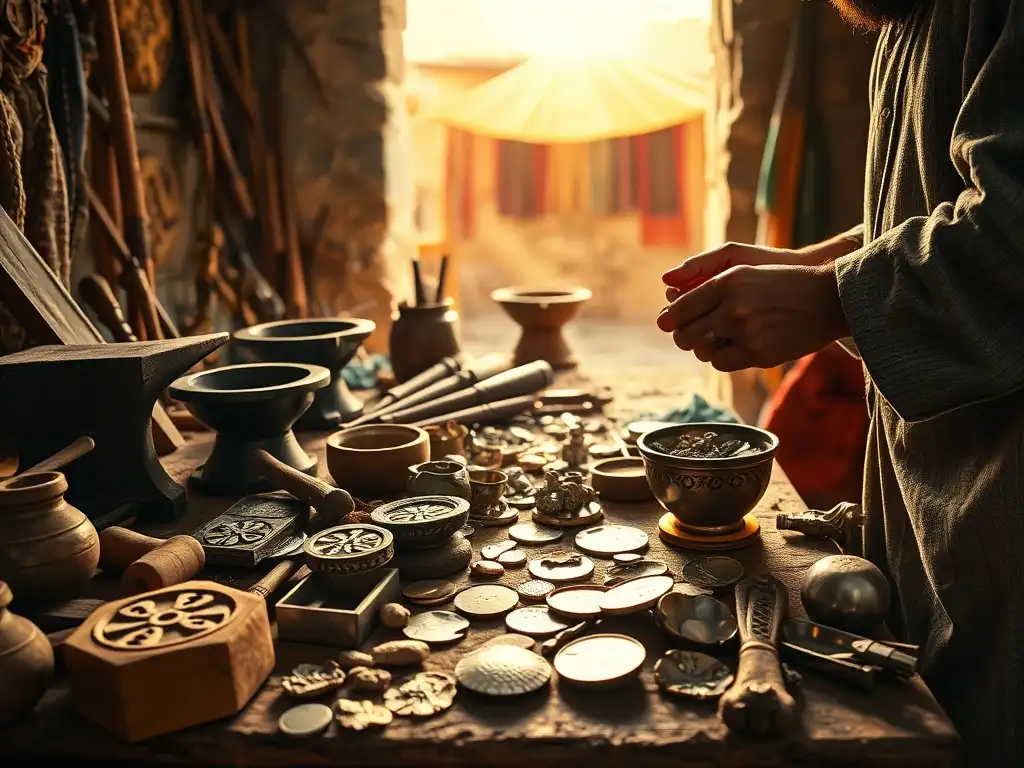
This section delves into the sophisticated techniques employed by Andean civilizations in their mastery of metalworking, a crucial aspect of their technological advancements and cultural expression. Understanding these techniques provides invaluable insight into their societal organization, resource management, and artistic capabilities. The sheer skill and ingenuity displayed in Andean metalwork, considering the available resources and tools, remains remarkable even today. We will explore the processes involved, from the initial acquisition of raw materials to the creation of intricate finished products.
Mining and Ore Extraction Methods
Andean metalworkers relied on a variety of methods to extract the ores necessary for their craft. The specifics varied depending on the geographical location and the type of ore being sought. For example, evidence suggests that open-pit mining was utilized for easily accessible deposits, particularly in areas with softer rock formations.
This involved removing layers of overburden to reach the ore veins. Tools included stone hammers, chisels, and picks, often made from tough, durable materials like andesite. More challenging ore extraction likely involved techniques like fire-setting, where controlled fires were used to fracture rock and facilitate the removal of ore-bearing sections.
The extraction process was incredibly laborious, often requiring significant manpower. Archaeological evidence indicates the organization of large workforces, possibly involving specialized labor groups dedicated to mining and ore processing. The scale of some mining operations, particularly those associated with copper and gold deposits, points to a complex, well-organized system of resource management and distribution.
Unfortunately, detailed records of mining practices are scarce, leaving many aspects of this crucial initial stage open to interpretation and further research. We can only speculate on the level of technological sophistication employed in certain extraction practices, such as the potential use of simple levers and inclined planes to move large quantities of rock and ore.
Smelting Processes and Technologies
Once extracted, the ores underwent smelting, a process involving high temperatures to separate the metal from its impurities. Andean metallurgists developed sophisticated smelting techniques, adapting their methods to the specific characteristics of different ores. Evidence points to the use of various types of furnaces, ranging from simple pits to more complex structures utilizing bellows for increased airflow and higher temperatures. The fuel sources varied, with charcoal being a common choice, given its abundance and relatively high energy content.
The smelting process required precise control of temperature and airflow to achieve optimal results. Impurities, such as slag, were separated from the molten metal, resulting in a refined product suitable for further processing. The quality of the resulting metal depended heavily on the skill of the smelters and the precision of their techniques.
Achieving high-purity metal, particularly in the case of precious metals like gold and silver, was a testament to their advanced metallurgical knowledge. Further research is needed to fully understand the specific chemical processes involved and the level of control Andean metallurgists exercised over the smelting process. The development of more advanced furnace designs, potentially incorporating preheating chambers or more efficient bellows systems, likely contributed to improvements in smelting efficiency and metal quality over time.
Shaping and Forming Techniques
After smelting, the refined metal underwent a series of shaping and forming techniques to create the desired artifacts. These techniques included hammering, casting, and annealing. Hammering, often performed using stone hammers and anvils, allowed for the creation of sheets, wires, and various shapes. Casting, a more complex technique, involved pouring molten metal into molds. These molds were often made from clay or stone, and the resulting castings could be remarkably intricate and detailed, showcasing the metallurgists' skill and artistic vision.
Annealing, a heat treatment process, was crucial for improving the malleability and workability of the metal. By carefully controlling the heating and cooling cycles, metallurgists could adjust the metal's properties, making it easier to shape and reducing the risk of cracking or breakage. The techniques employed in hammering and casting were refined over generations, resulting in an impressive range of metal objects, from simple tools and ornaments to elaborate ceremonial items and complex weaponry.
The precision and artistry evident in many Andean metal artifacts are a testament to the sophisticated level of skill attained by these ancient metalworkers. The discovery of new archaeological sites and the application of advanced analytical techniques continue to shed light on the nuances of these fascinating and intricate techniques. The legacy of Andean metalworking remains a source of wonder and inspiration.
Decoration and Finishing Methods
Andean metalworkers weren't just concerned with the functionality of their creations; aesthetics played a crucial role. The decoration and finishing of metal objects reveal a sophisticated understanding of artistry and a remarkable level of skill. Techniques varied across different cultures and time periods, reflecting regional styles and artistic preferences. Common methods included hammering, repoussé, chasing, and engraving. These techniques allowed artisans to create intricate designs, often incorporating zoomorphic and anthropomorphic motifs, geometric patterns, and stylized representations of plants and other natural elements.
Repoussé, a technique where a design is hammered from the back of a metal sheet to create a raised relief on the front, was particularly popular. This method allowed for the creation of incredibly detailed and three-dimensional images. The Moche culture, known for their elaborate gold and silver work, frequently employed repoussé to depict scenes of warfare, rituals, and daily life. Their mastery of this technique is evident in the intricate details of their artifacts, showcasing a profound understanding of metal's malleability.
Chasing, a closely related technique, involved smoothing and refining the surface of the metal after repoussé, further enhancing the detail and three-dimensionality of the design. The artisans would use specialized tools to carefully shape and refine the raised portions of the relief, creating a polished and visually striking finish. This meticulous attention to detail demonstrates the high value placed on craftsmanship within Andean societies.
Engraving, on the other hand, involved incising designs directly onto the metal's surface using sharp tools. This technique was often used in conjunction with other methods, adding finer details or creating inscriptions. The Nazca culture, renowned for their intricate textiles and ceramics, also exhibited remarkable skill in metal engraving, producing delicate and precise patterns on their copper and gold artifacts.
Beyond these primary techniques, Andean metalworkers employed various finishing methods to enhance the appearance and durability of their work. These included polishing, gilding, and the application of various patinas. Polishing, achieved through rubbing with smooth stones or other materials, created a lustrous surface that enhanced the brilliance of the metal.
Gilding, the application of a thin layer of gold, added a touch of luxury and prestige to objects. The use of patinas, which are chemical coatings that create a unique color and texture on the metal's surface, provided a protective layer and added to the aesthetic appeal of the finished piece.
These finishing touches, often applied with great artistry, transformed functional objects into works of art that reflected the cultural values and aesthetic sensibilities of Andean civilizations. The combination of these techniques showcases the depth and breadth of Andean metalworking expertise, leaving behind a legacy of breathtaking artistry and technical prowess.
Reconstructing Andean Workshops: Archaeological Insights
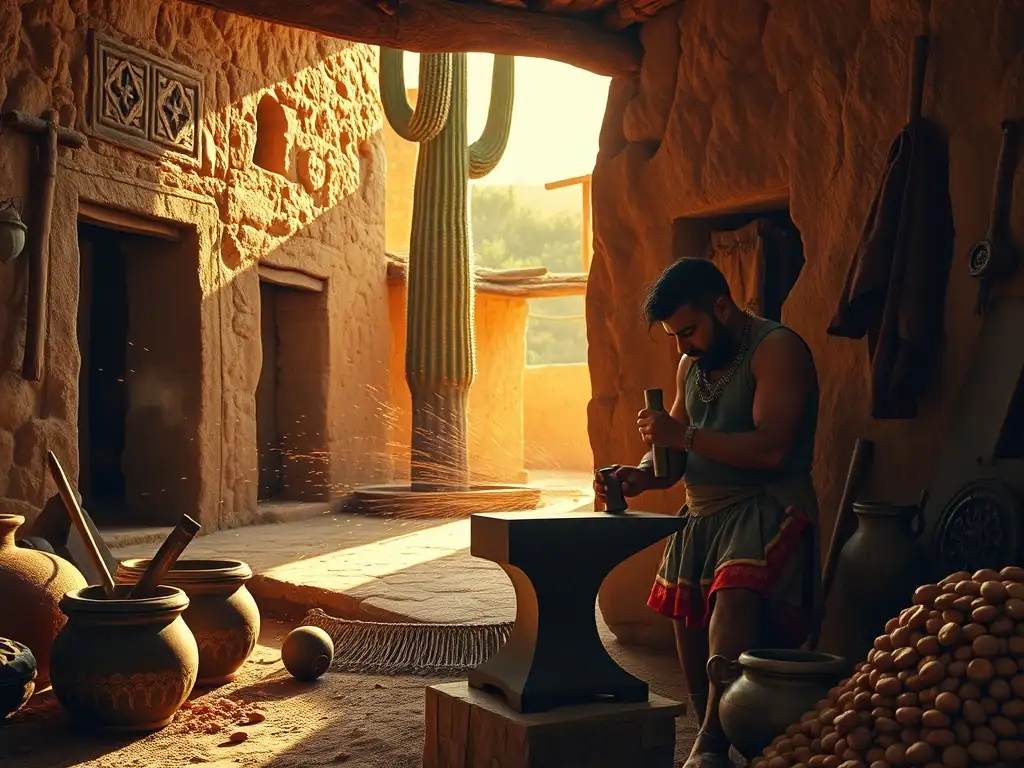
This section delves into the fascinating process of reconstructing ancient Andean metal workshops, piecing together the puzzle of their organization and operation based on archaeological evidence. Understanding these workshops is crucial to comprehending the sophisticated Andean metalworking techniques that produced iconic artifacts. We'll explore the methods archaeologists employ to unveil the secrets hidden within these lost sites.
Identifying Workshop Locations and Layouts
Identifying the physical locations of ancient Andean metal workshops is a crucial first step in understanding their operations. Archaeologists utilize a variety of techniques, including:
- Systematic surface surveys: These involve meticulously combing the landscape for telltale signs of past activity, such as scattered slag (waste material from smelting), fragments of metal tools, and unusual concentrations of specific minerals. For instance, the discovery of large quantities of copper slag near a riverbed in the highlands could indicate the presence of a smelting workshop utilizing readily available water resources.
- Geophysical prospecting: Techniques like magnetometry and ground-penetrating radar can detect subsurface anomalies, such as buried structures or pits, that might represent workshop features. This non-invasive method allows archaeologists to map potential workshop areas before undertaking more destructive excavation.
- Excavation and stratigraphic analysis: Careful excavation of promising sites reveals the layout of the workshop, including the arrangement of work areas, furnaces, and storage spaces. Stratigraphic analysis, examining the layers of sediment, helps to date different phases of workshop activity and understand how the space evolved over time. For example, layered deposits of slag and discarded tools can illustrate the chronological sequence of production.
Once a workshop location is identified, its layout provides valuable insights into the production process. Some workshops might have been organized into specialized areas—one for smelting, another for casting, and yet another for finishing. The arrangement of these areas could indicate the flow of materials and labor within the workshop, revealing aspects of the Andean metalworking techniques employed. The spatial distribution of artifacts also helps determine the scale of production, indicating whether the workshop was small-scale and localized or part of a larger, more complex network.
Analyzing Metallurgical Tools and Equipment
The tools and equipment used in Andean metal workshops are invaluable sources of information about the techniques employed. Careful analysis of these artifacts reveals details about the smelting, casting, and finishing processes. For example:
- Crucibles: These heat-resistant containers were used to melt metals. Their size, shape, and material (often clay) provide clues about the scale of production and the types of metals processed. Analysis of residue inside crucibles can identify the specific metals being worked.
- Furnaces: The design and construction of furnaces reveal the technology used for smelting. Some furnaces were simple pits, while others were more complex structures capable of reaching higher temperatures. The type of fuel used (charcoal, for example) can also be inferred from the residue.
- Molds: Molds were used to cast metal objects into specific shapes. The complexity of the molds, and the precision of the resulting castings, reflect the skill and sophistication of the metalworkers. Analysis of mold materials and surface textures can reveal details about the casting techniques.
- Hammers, chisels, and files: These tools were used to shape and finish metal objects. Their size, shape, and wear patterns provide insights into the techniques used to work the metal, and the force and precision involved. Microscopic analysis can reveal details about the techniques used to sharpen and maintain these tools.
Analyzing these tools and equipment allows archaeologists to reconstruct the entire sequence of steps involved in producing metal artifacts, providing a detailed understanding of Andean metalworking techniques. The diversity and sophistication of the tools found in different workshops might also reflect regional variations in techniques and specialization.
The social organization of Andean metalworkers is a complex topic that requires careful consideration of several factors:
| Evidence Type | Insights Gained | Example |
|---|---|---|
| Workshop size and layout | Indicates scale of production and level of specialization | A large workshop with specialized areas suggests a hierarchical structure. |
| Tool complexity & quality | Reflects skill levels and potential specialization among metalworkers | High-quality tools might indicate a specialized craft guild. |
| Grave goods | Reveal social status and potential occupational identity of metalworkers | Elaborate burials with metal tools might indicate elite status. |
| Iconography | Depicts metalworkers and their activities, sometimes providing clues about social status | Representations of metalworkers in textiles or pottery. |
The evidence suggests a range of social structures, from small, family-based workshops to larger, more organized production centers possibly associated with elite patronage or state control. Further research is needed to fully understand the social dynamics within these workshops and the role of metalworkers within Andean societies. The interplay between technological innovation and social organization remains a key area of ongoing research in understanding Andean metalworking techniques.
The intricate relationship between the technological advancements and the social fabric of these societies is a captivating area of study that requires further investigation. More detailed analysis of workshop contexts and associated artifacts is needed to refine our understanding of this crucial aspect of Andean civilization.
The Huaca de la Luna Workshop Complex
The Huaca de la Luna, a stunning adobe pyramid located within the larger Moche complex at the [Specific location pending] site, offers invaluable insights into ancient Andean metalworking. Archaeological excavations have revealed a surprisingly sophisticated workshop area associated with the elite structures of the Huaca. This wasn't just a place for crafting; it was a carefully planned and organized space reflecting the high status and specialized nature of Moche metallurgy. Evidence suggests a clear division of labor, with dedicated areas likely used for different stages of the metalworking process.
The discovery of numerous crucibles, molds, and metal fragments within the workshop complex speaks to the scale of production. These artifacts, often made of clay and meticulously crafted, reveal the techniques employed by Moche artisans. The presence of diverse crucible sizes indicates the ability to melt and process various quantities of metal, perhaps suggesting a production system capable of fulfilling both large-scale and smaller, more specialized commissions.
Furthermore, the presence of intricate molds, some exhibiting remarkably detailed designs, points to the creation of sophisticated metal objects, ranging from ceremonial items to adornments. The diversity of these finds highlights the complexity and sophistication of the Moche metalworking industry.
Analysis of the recovered metal fragments, primarily copper and alloys of copper and other metals, provides further clues about the Moche metallurgical practices. The presence of different alloys suggests a degree of experimentation and a sophisticated understanding of metallurgy. The precise compositions of these alloys, along with the traces of other elements, offer valuable insights into the Moche's mastery of techniques such as annealing and alloying to improve the strength, durability, and aesthetic qualities of their metalwork.
Isotopic analysis of the metal sources is providing a better understanding of the geographic range of the Moche's metal supply chains, contributing to our knowledge of Andean trade networks. The Huaca de la Luna workshop thus represents a crucial site for understanding the technological prowess and economic organization of Moche society.
The careful planning and specialization evident in the workshop's layout suggest a highly organized and efficient production system, reflecting the significance of metalwork within the broader Moche social and political landscape. Further research and analysis of the artifacts recovered from this site promise to unlock even more secrets about Andean metalworking techniques.
The Legacy of Andean Metalworking
The mastery of Andean metalworking techniques left an indelible mark on the continent, influencing artistic expression, technological advancements, and societal structures for centuries. This sophisticated craft wasn't merely a utilitarian practice; it was deeply intertwined with religious beliefs, political power, and social status. The intricate artistry and technological prowess displayed in Andean metallurgy continue to fascinate and inspire researchers and artisans alike. Understanding this legacy requires examining its profound influence on subsequent Andean cultures and its surprising contemporary relevance.
Influence on Later Andean Cultures
The sophisticated metalworking techniques developed by earlier Andean cultures, such as the Moche and Nazca, formed a crucial foundation for the Inca Empire's metallurgical achievements. The Incas, while renowned for their own innovations, built upon pre-existing knowledge and expertise. For instance, the Inca's mastery of gold and silver alloying likely stemmed from techniques perfected by earlier cultures.
Evidence suggests a continuity of techniques, with certain stylistic elements and metallurgical processes persisting across different Andean societies. This is particularly evident in the use of specific alloys, casting methods, and decorative motifs. The Inca's vast empire facilitated the spread and refinement of these techniques, leading to a standardization of certain aspects of metalworking across their territories.
However, regional variations persisted, reflecting the unique traditions and stylistic preferences of different ethnic groups within the empire. The legacy of Andean metalworking is not just a linear progression; it's a complex tapestry woven from the contributions of numerous cultures, each adding its unique thread to the rich fabric of Andean metallurgical history. Detailed studies of Inca metalwork often reveal subtle influences from earlier traditions, demonstrating the continuous evolution and adaptation of these techniques.
Contemporary Relevance of Ancient Techniques
The ingenuity of Andean metalworking techniques continues to inspire contemporary artisans and researchers. Modern-day metallurgists study ancient Andean methods to understand their effectiveness and efficiency. For example, the unique lost-wax casting techniques employed by the ancient Andean cultures are being re-examined and adapted for modern applications.
The precision and detail achieved in ancient Andean castings are still remarkable and serve as a benchmark for contemporary metalworkers. Furthermore, the understanding of ancient Andean alloy compositions and their corrosion resistance is proving valuable in the development of new, durable materials. The study of ancient Andean metalworking is not solely an academic pursuit; it has practical applications in materials science, conservation, and artistic restoration.
The insights gained from studying these techniques can contribute to innovation in various fields, illustrating the enduring relevance of ancient Andean knowledge. The revival of traditional Andean metalworking techniques also plays a crucial role in preserving cultural heritage and supporting local communities.
Preserving Andean Metallurgical Heritage
Preserving the legacy of Andean metalworking requires a multi-pronged approach. This includes careful excavation and analysis of ancient workshops and artifacts, along with the development of effective conservation strategies to protect fragile metallic objects from deterioration. Digital documentation and 3D modeling of artifacts are essential tools for preserving and disseminating knowledge about Andean metallurgical techniques. Furthermore, supporting contemporary artisans who continue to practice traditional techniques is crucial for maintaining this cultural heritage.
The establishment of museums and educational programs dedicated to Andean metallurgy helps raise awareness and appreciation for this significant cultural achievement. However, challenges remain in balancing the preservation of these artifacts with the need for research and public access. Ethical considerations must guide the handling and display of these valuable objects.
The long-term preservation of Andean metallurgical heritage is a collaborative effort that requires the involvement of archaeologists, conservators, artisans, and policymakers. Without concerted efforts, this invaluable aspect of Andean civilization risks being lost to time. The task is not only to safeguard existing artifacts but also to ensure the continuation of the knowledge and skills involved in this unique and important craft.
Conclusion: The Enduring Impact of Andean Metalworking Techniques
The mastery of Andean metalworking techniques represents a remarkable achievement in human ingenuity and a testament to the sophisticated technological advancements of pre-Columbian societies. The intricate artistry, innovative techniques, and the sheer scale of production evident in surviving artifacts highlight the significant role metallurgy played in shaping Andean cultures. From the delicate goldwork of the Moche depicting mythical creatures and everyday life to the powerful bronze weaponry of the Tiahuanaco, metal objects served not only practical purposes but also held deep symbolic and religious significance.
The techniques employed, including lost-wax casting, hammering, and alloying, demonstrate a profound understanding of material properties and a commitment to artistic expression. These skills were passed down through generations, ensuring the continuity of metalworking traditions across diverse Andean cultures and spanning centuries.
The legacy of Andean metalworking extends far beyond the impressive objects themselves. The development and refinement of these techniques fostered technological innovation that influenced other aspects of Andean life, including agriculture, architecture, and warfare. The sophisticated organization required for large-scale metal production suggests a complex social structure with specialized labor and efficient resource management.
Furthermore, the enduring appeal of Andean metalwork continues to inspire contemporary artists and researchers, prompting ongoing study and appreciation of these remarkable achievements. The study of Andean metalworking not only provides insights into the past but also offers valuable lessons for contemporary material science and craftsmanship. Understanding the intricacies of ancient techniques can inform modern practices and lead to new innovations in metallurgy and design.
The legacy of these ancient artisans continues to resonate today, reminding us of the ingenuity and artistry of the Andean civilizations. Their advanced metalworking techniques remain a source of fascination and inspiration, a testament to the enduring power of human creativity and innovation. The sophisticated understanding of alloys and the artistic skill in shaping metal objects continue to be a source of wonder and research for scholars and enthusiasts alike, ensuring that the impact of Andean metalworking techniques will be felt for generations to come.
Frequently Asked Questions
What unique metalworking techniques did Andean civilizations employ?
Andean metalworkers were masters of lost-wax casting, a complex process involving creating a wax model, covering it in clay, melting the wax, and pouring molten metal into the mold. They also excelled in hammering and repoussé, shaping metal sheets with intricate designs.
What metals did Andean civilizations primarily work with?
The most common metals used were gold, silver, copper, and bronze, often combined to create alloys with distinct colors and properties. Platinum and meteorite iron were also used, though less frequently.
How did the environment influence Andean metalworking?
The availability of ores and fuel sources significantly impacted metalworking practices. Access to specific resources dictated the types of metals used and the scale of production in different regions.
What was the purpose of Andean metal artifacts?
Andean metalwork served a variety of purposes, from ceremonial objects and religious icons to tools and ornaments. The craftsmanship often reflected the social status and power of the individual or group it belonged to.
How have archaeologists learned about Andean metalworking techniques?
Archaeologists study metal artifacts, excavated workshops, and iconographic evidence to reconstruct Andean metalworking. Analysis of the metal itself reveals information about the techniques and materials used.
Final Reflection: Forging Connections Across Time in Andean Metalworking
The intricate artistry of Andean metalworking, once a hidden world, continues to resonate today, offering invaluable insights into ancient societies and challenging our modern perspectives on craftsmanship and innovation. The techniques employed, from lost-wax casting to hammering and repoussé, were not merely functional; they were deeply symbolic, reflecting a complex cosmology and social structure. Understanding these techniques allows us to appreciate the ingenuity and artistry of past civilizations in a way that transcends simple historical analysis.
The enduring legacy of Andean metalworking is evident not only in the surviving artifacts but also in the ongoing efforts to understand and replicate these ancient processes. These techniques, passed down through generations, represent a profound connection to the past, a testament to human creativity and resilience. The past is never dead. It's not even past.
– William Faulkner. This quote perfectly encapsulates the enduring relevance of Andean metalworking, reminding us that the skills and knowledge of these ancient artisans continue to inform and inspire us. The meticulous detail and artistic expression found in these pieces serve as a powerful reminder of the human capacity for innovation and beauty.
Consider the implications of this knowledge. How can we, in our own lives, strive for such precision and dedication to our craft, whatever it may be? Let the legacy of Andean metalworkers inspire you to find beauty and meaning in your own work, to appreciate the intricate details, and to strive for excellence in all that you undertake. By understanding the past, we can better appreciate the present and build a more informed and creative future. Let the echoes of the Andean hammers and the glow of the ancient furnaces ignite your own passion and creativity.
Unveil the Craftsmanship of the Andes!
Thank you for joining us on this fascinating journey through the hidden world of Andean metal workshops. This is just the beginning of your exploration of their rich history and artistry! To truly connect with this vibrant culture, consider these next steps:
- Dive deeper: Visit local galleries and museums showcasing Andean metalwork to fully appreciate the skill and artistry in each piece.
- Share the knowledge: Discuss your newfound appreciation for Andean metalwork with friends and family, or connect with other enthusiasts online.
- Get hands-on: Participate in a workshop or class to experience the techniques used by these master artisans firsthand and discover your own creative potential.
How might experiencing the artistry of the Andes inspire your own creative endeavors?