
The Andean Smelting Saga: Uncovering the Processes of Metal Extraction

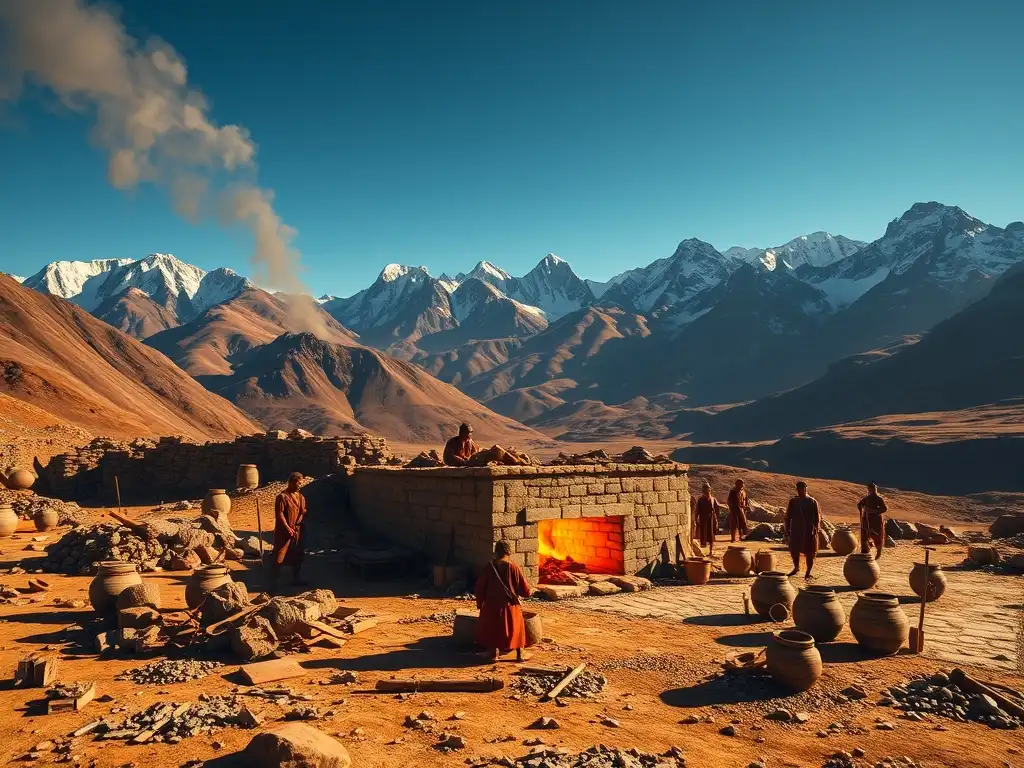
Welcome, explorer! Prepare to delve into the captivating world of Andean Civilizations. For centuries, these masterful cultures shaped the landscape of South America, leaving behind a legacy of breathtaking artistry and astonishing innovation. But what secrets lie hidden within their mastery of metal? Discover the intriguing story of Andean metal smelting techniques—a lost art that reveals the ingenuity and sophistication of these ancient societies. Uncover the processes, the challenges, and the breathtaking results in our in-depth exploration of "The Andean Smelting Saga." Dare to uncover the mysteries that await…
The Andes Mountains, a spine of towering peaks running down the western coast of South America, were not just a geographical feature; they were a crucible of innovation, particularly in the realm of metallurgy. For centuries, Andean civilizations, including the Incas, Moche, Nazca, and Tiahuanaco, developed sophisticated techniques for extracting and working with metals, shaping their societies and leaving behind a legacy of breathtaking artistry and technological prowess. This article delves into the fascinating world of Andean metal smelting, exploring the processes, techniques, and societal impact of this crucial aspect of their technological development.
We will uncover the secrets behind their mastery of metals, examining the ingenuity and resourcefulness that allowed them to transform raw materials into exquisite artifacts and powerful tools. Understanding these "Andean metal smelting techniques" provides a crucial window into the complexities and advancements of these remarkable ancient cultures.
Sourcing and Preparation of Ores
Andean metalworkers demonstrated remarkable skill in locating and processing metal ores. Their knowledge of geology and mineral deposits was extensive. They primarily worked with copper, gold, silver, and bronze (an alloy of copper and tin), sourcing these materials from various locations throughout the Andes. The process began with the careful selection and extraction of ores from mines, often located at high altitudes and in challenging terrains.
Following extraction, the ores underwent a rigorous preparation process. This involved crushing and grinding the ore to increase the surface area, facilitating more efficient smelting. Evidence suggests the use of stone hammers, mortars, and pestles for this crucial preparatory step.
The precise techniques varied among different Andean cultures, reflecting regional differences in both geological resources and metallurgical practices. Further research is needed to fully understand the variations in ore preparation across different Andean societies. For example, [specific information pending] regarding the use of specific tools for different ore types.
The Smelting Process: Furnaces and Techniques
The heart of Andean metal smelting lay in their ingenious furnace designs and smelting techniques. While the exact construction varied depending on the culture and the scale of operation, most furnaces involved a basic design principle: a fire-resistant chamber where the ore was heated to extremely high temperatures. Archaeological evidence suggests the use of both open-air and enclosed furnaces, with the latter allowing for better control of the smelting process. Fuels commonly included charcoal, wood, and possibly other organic materials, providing the intense heat necessary to melt the ores. The process required precise control of airflow and temperature, skills honed over generations of experience. Interestingly, some Andean cultures employed techniques that involved the use of bellows to increase the oxygen supply to the furnace, leading to higher temperatures and more efficient smelting. This level of technological sophistication highlights their advanced understanding of thermodynamics. 1
Alloying and Refining Techniques
Once the metal was smelted, the Andean metalworkers often proceeded to alloy it with other metals to achieve desired properties. For instance, the creation of bronze, a harder and more durable material than pure copper, required the precise mixing of copper and tin. The proportions of these metals were carefully controlled to obtain the optimal characteristics for specific applications. Refining techniques were also crucial, as the initial smelting process often resulted in impure metal.
Various methods were used to remove impurities and increase the purity of the final product. These methods may have included repeated heating and cooling cycles, as well as the use of fluxes to help separate the metal from impurities. The exact methods employed remain an area of active research, with ongoing analysis of archaeological artifacts providing valuable insights into the complexity of Andean refining processes.
The Societal Impact of Andean Metallurgy
The mastery of metalworking profoundly impacted Andean societies. Metal tools, weapons, and ornaments became symbols of power, prestige, and religious significance. The production and distribution of metal goods fostered trade networks, connecting different regions and communities across vast distances. Specialized metalworkers held high social status, reflecting the importance of their skills and the value of their creations.
The development of sophisticated metallurgical techniques contributed to the growth and complexity of Andean civilizations, shaping their economies, social structures, and artistic expressions. The legacy of Andean metallurgy is evident in the exquisite artifacts that have survived to this day, offering a testament to the ingenuity and artistry of these ancient cultures. The impact of these techniques is still being felt today, influencing our understanding of ancient technology and shaping our appreciation for the rich cultural heritage of the Andes.
1 Further research is needed to fully understand the specific design and operation of various Andean furnaces.
- Sourcing and Preparation of Ores
- The Smelting Process: Furnaces and Techniques
- Alloying and Refining Techniques
- The Societal Impact of Andean Metallurgy
- What specific metals did Andean civilizations work with?
- How did Andean cultures extract these metals from their ores?
- What were the key features of Andean smelting furnaces?
- What role did Andean metalworking play in their societies?
- How did Andean smelting techniques compare to those of other ancient cultures?
Introduction to Andean Metallurgy and Metalworking
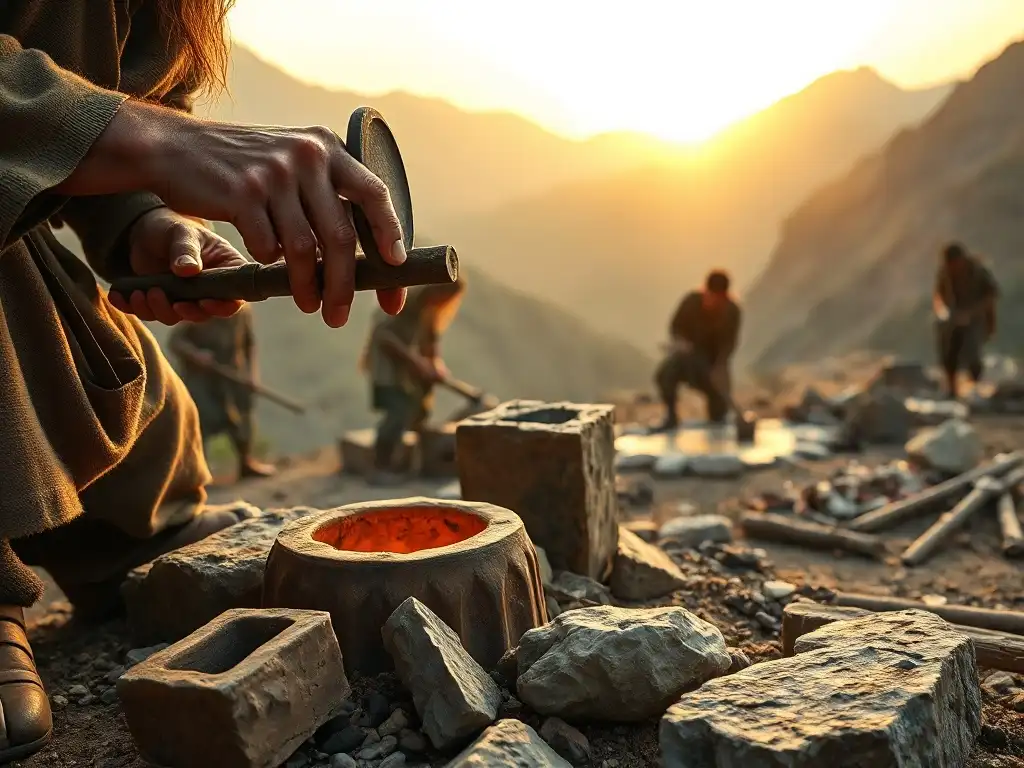
This section delves into the fascinating world of Andean metallurgy, exploring the sophisticated techniques employed by ancient Andean civilizations to extract and work metals. Understanding these processes provides crucial insight into their social structures, economic systems, and technological prowess. The mastery of metalworking wasn't merely a technological achievement; it was deeply intertwined with their religious beliefs and artistic expression, shaping their worldview and leaving behind a legacy of breathtaking artifacts.
This exploration will focus on the diverse smelting techniques used across different Andean cultures, highlighting the ingenuity and innovation that characterized their metallurgical advancements. The term "Andean metal smelting techniques" encompasses a wide range of practices, reflecting both regional variations and technological evolution over centuries.
The Significance of Metal in Andean Societies
Metal held immense symbolic and practical significance in Andean societies. Beyond its utilitarian applications in tools and weaponry, metal objects, particularly those crafted from gold and silver, served as powerful symbols of authority and religious power. The elite often adorned themselves with elaborate gold ornaments, solidifying their status and connection to the divine.
The sheer artistry and technical skill involved in crafting these pieces underscores the high value placed on metalworking expertise. For example, the intricate goldwork of the Moche culture, characterized by its lifelike depictions and detailed craftsmanship, showcases an advanced level of metallurgical skill and artistic vision. The use of precious metals in religious contexts further emphasizes their spiritual importance, with gold often associated with the sun and its life-giving power.
The distribution and control of metal resources likely played a significant role in shaping political power dynamics and economic hierarchies within these societies. Detailed studies of grave goods and archaeological finds consistently reveal the central role of metal objects in expressing social status and religious beliefs.
Early Metalworking Traditions in the Andes
The earliest evidence of metalworking in the Andes dates back to approximately 2000 BCE, with the initial use of native copper. This early period saw the development of basic techniques, including hammering, annealing, and cold-working, to shape copper into simple tools and ornaments. The transition from the use of native copper to smelting copper ores represented a significant technological leap, marking a pivotal moment in Andean metallurgical history.
This shift likely occurred gradually, with different regions adopting smelting techniques at varying times depending on access to resources and technological exchange. Archaeological evidence suggests that the development of smelting was not uniform across the Andes, with regional variations in techniques and the types of metals used.
The earliest smelting furnaces were likely rudimentary, possibly involving simple pits or hearths, gradually evolving into more sophisticated designs over time. This early phase of Andean metalworking laid the foundation for the more complex and sophisticated techniques that would emerge in later periods, paving the way for the remarkable achievements of cultures such as the Incas, Moche, and Nazca.
Overview of Andean Metal Smelting Techniques
Andean metal smelting techniques varied across different regions and time periods, reflecting diverse approaches to resource management and technological innovation. The process typically involved several key steps: ore extraction, ore preparation, smelting, refining, and shaping. Different Andean cultures employed unique variations in these stages. For instance, the Incas, known for their advanced metallurgical skills, utilized sophisticated techniques for smelting copper, bronze (an alloy of copper and tin), and silver.
They employed various types of furnaces, including those built into the ground and others constructed using clay or stone. The precise temperatures and conditions required for successful smelting were carefully controlled, demonstrating a deep understanding of metallurgical principles. The use of bellows to increase airflow and achieve higher temperatures was a crucial innovation, allowing for efficient smelting and the production of higher-quality metal. Moreover, the Andean civilizations were skilled in alloying different metals to create new materials with desired properties.
The creation of bronze, for example, dramatically improved the strength and durability of tools and weapons. The development and refinement of Andean metal smelting techniques were a continuous process, reflecting ongoing experimentation, adaptation, and the transmission of knowledge across generations. Further research is needed to fully understand the nuances of regional variations in these techniques and their relationship to broader technological and social developments. The study of Andean metal smelting techniques offers valuable insights into the technological ingenuity and cultural sophistication of these ancient civilizations, highlighting their significant contributions to the history of metallurgy.
Andean Metal Extraction: A Closer Look
This section delves into the fascinating world of Andean metal extraction, focusing on the meticulous processes employed by ancient Andean civilizations to obtain the ores necessary for their renowned metalworking. We will explore the sourcing of ores, the methods used to identify and select them, and the critical role of mineralogy in achieving successful smelting. Understanding these techniques provides invaluable insight into the ingenuity and advanced knowledge of Andean metallurgists. The sophisticated understanding of Andean metal smelting techniques reveals a level of technological prowess previously underestimated.
Ore Sources and Mining Practices in the Andes
The Andes Mountains were a treasure trove of metal-bearing ores, providing the raw materials for the vibrant metallurgical traditions of various Andean cultures. These ores weren't uniformly distributed; certain regions were richer in specific metals than others. For example, copper ores were prevalent in the north, while silver and gold were more abundant in the central and southern Andes. This geographical distribution influenced the development of specialized mining practices and trade networks.
Mining itself varied considerably depending on the ore's accessibility and the geological context. Surface deposits, easily accessible and often containing high-grade ores, were likely exploited first using simple tools like stone hammers and picks. Evidence suggests the use of digging sticks and even rudimentary forms of explosives (possibly utilizing fire-setting techniques) to extract ores from shallower shafts.
Deeper deposits required more sophisticated techniques, potentially involving shafts and ramps, though the exact methods remain partially unknown and require further archaeological investigation. The scale of some Andean mining operations is truly remarkable, suggesting organized labor and a well-defined understanding of geological formations. The development of these techniques directly impacted the advancement of Andean metal smelting techniques and the flourishing of their metalworking traditions.
The transportation of ores from mines to smelting sites was a significant logistical challenge. Porters carried smaller quantities across challenging terrain, while larger amounts may have been transported by llama caravans along established trails. The efficiency of these transport systems was crucial for sustaining the metalworking industries. This intricate network, connecting remote mining sites to urban centers, highlights the sophisticated organization and planning capabilities of Andean societies.
Identifying and Selecting Metal-Bearing Ores
Identifying metal-bearing ores required a keen understanding of mineralogy and geological processes. While we lack detailed written records from these ancient civilizations, archaeological evidence strongly suggests a sophisticated level of visual identification. Metallurgists likely relied on the color, luster, and texture of the ores to distinguish between different metal-bearing minerals. For instance, the characteristic green or blue color of malachite and azurite, copper carbonate minerals, would have been easily recognizable. Similarly, the yellow color of gold and the silvery-white appearance of silver would have facilitated their identification.
Furthermore, Andean metallurgists likely employed rudimentary metallurgical tests to assess the ore's quality. These tests may have involved heating small samples to observe their behavior at high temperatures. The presence of specific colors or changes in texture during heating could have provided crucial information about the metal content and the suitability of the ore for smelting.
This trial-and-error approach, combined with accumulated knowledge passed down through generations, allowed for the selection of high-quality ores, maximizing the efficiency of the smelting process and the yield of refined metal. The selection process itself was a crucial step in the advancement of Andean metal smelting techniques.
The Importance of Mineralogy in Andean Smelting
The success of Andean smelting depended heavily on a detailed understanding of mineralogy. Different ores require different smelting techniques. For example, the smelting of copper ores, often containing oxides and sulfides, involved different strategies compared to the smelting of gold or silver ores. The presence of impurities in the ores also influenced the smelting process and the final product's quality. Understanding the chemical composition of the ores allowed Andean metallurgists to adjust the temperature, the fuel type, and the smelting time to optimize the metal extraction process.
The Andean metallurgists' mastery of mineralogy is evident in the quality and variety of metal artifacts recovered from archaeological sites. The production of high-quality bronze alloys, for instance, required precise control over the proportions of copper and tin. This suggests a profound understanding of alloying principles and the ability to consistently produce alloys with desired properties.
This detailed knowledge of mineralogy and its application to smelting techniques is a testament to the scientific and technological sophistication of Andean civilizations. The impact of mineralogy on the success of Andean metal smelting techniques cannot be overstated. It was the foundation upon which their remarkable metallurgical achievements were built.
Pre-Columbian Smelting Methods in the Andes
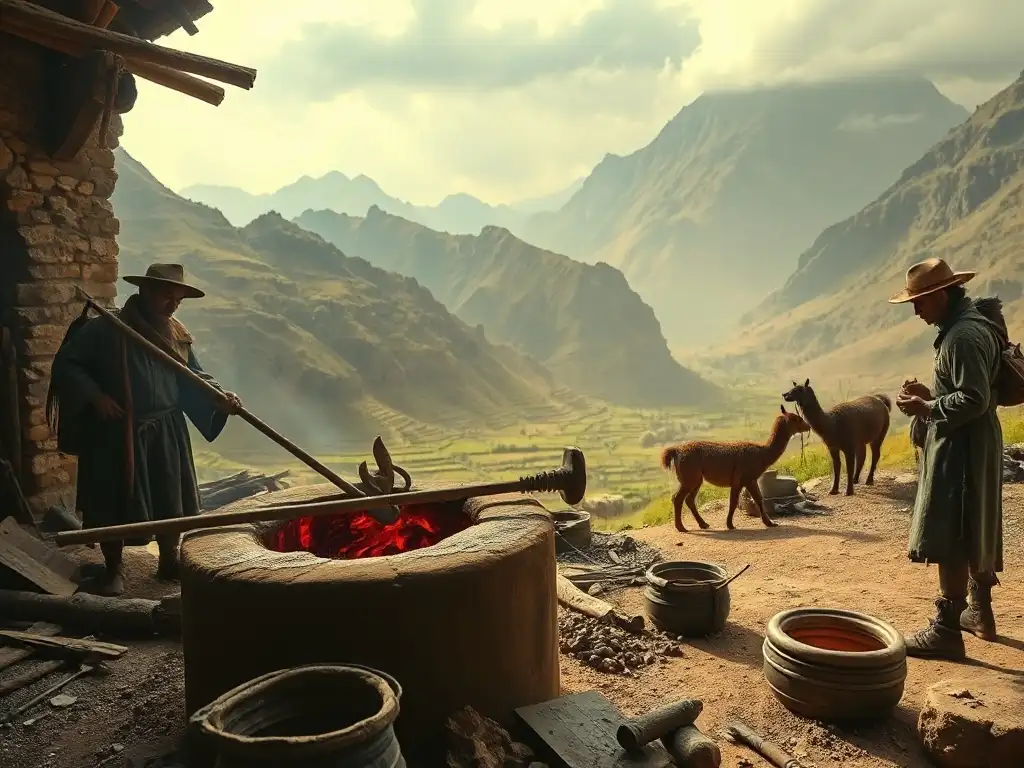
The Andes Mountains, a geographically diverse region, fostered a remarkable development in pre-Columbian metallurgy. Andean metal smelting techniques, far from being uniform, varied significantly depending on the specific metal being processed (gold, silver, copper, bronze), the available resources, and the local technological traditions. This section delves into the intricacies of these techniques, focusing on the crucial elements of furnace construction, fuel sources, and temperature control. Understanding these processes unveils the ingenuity and sophistication of Andean metallurgists. The mastery of Andean metal smelting techniques showcases their advanced understanding of material science and engineering.
Furnace Construction and Types of Andean Furnaces
Andean furnaces, the heart of the smelting process, were not standardized structures. Archaeological evidence reveals a range of designs, reflecting regional variations and the specific needs of different smelting operations. Simple, shallow pits lined with clay or stone were common for smaller-scale operations, particularly in the early stages of Andean metallurgy. These were often used for the initial roasting of ores to remove impurities. More complex furnaces, however, were employed for larger-scale production. These could include structures built from stone, adobe bricks, or a combination of both, often incorporating bellows for air injection.
Some furnaces were designed as vertical shafts, allowing for the controlled descent of the ore and fuel. Others were constructed as horizontal hearths, offering a different approach to managing the heat and airflow. The size and shape of these furnaces varied considerably, depending on the quantity of ore being processed and the type of metal being extracted.
For example, the smelting of gold, which requires lower temperatures, might have employed smaller, simpler furnaces compared to the smelting of copper, which demands higher temperatures and more sophisticated furnace designs. Further research is needed to fully map the diversity of furnace types across different Andean cultures and time periods. Detailed analysis of surviving furnace remnants and depictions in Andean art could reveal more about the regional variations in furnace construction and the specific techniques used in different Andean communities.
Fuel Sources for Andean Metal Smelting
The fuel used in Andean smelting processes played a critical role in the success of the operation. The most common fuel sources included charcoal, derived from various types of wood, and llama dung. Charcoal, with its high carbon content, provided a clean-burning fuel ideal for achieving the high temperatures required for smelting.
The choice of wood type likely influenced the quality of the charcoal and, consequently, the smelting process. The use of llama dung, while less efficient, was a readily available resource in many Andean communities, particularly in regions where wood was scarce. This adaptability to local resources highlights the resourcefulness and ingenuity of Andean metallurgists.
The efficiency of fuel use was crucial, especially considering the logistical challenges of transporting fuel to remote smelting sites. Evidence suggests that Andean metallurgists developed techniques to optimize fuel consumption, such as carefully controlling the airflow in the furnace and using preheating techniques to reduce the amount of fuel needed. Further study into the specific types of wood used and the efficiency of different fuel combinations could provide valuable insights into the energy management strategies employed by these skilled artisans. The interplay between fuel type, furnace design, and air supply represents a fascinating area of study within Andean metallurgy.
Air Supply and Temperature Control in Smelting
Achieving and maintaining the necessary temperatures for successful smelting was a significant challenge. The Andean metallurgists addressed this using a combination of techniques, primarily focused on controlling the airflow within the furnace. Simple methods, such as natural drafts, were utilized in smaller furnaces. However, for larger-scale operations, artificial air supply was essential. This was achieved through the use of bellows, often made from animal skins, which were rhythmically pumped to force air into the furnace. The skillful manipulation of bellows allowed for precise control over the intensity of the fire and, consequently, the temperature within the furnace.
Temperature control was also influenced by the construction of the furnace itself. The materials used in the furnace lining, the size and shape of the chamber, and the arrangement of the ore and fuel all played a crucial role in regulating the heat distribution and overall temperature. The precise techniques used to control temperature and airflow remain somewhat enigmatic, requiring further research to fully understand the nuances of Andean smelting practices.
Analyzing the residue and slag from ancient smelting sites, in conjunction with ethnographic studies of traditional metalworking techniques in the Andes, could provide critical insights into the sophisticated temperature control mechanisms employed by these pre-Columbian metallurgists. The mastery of these techniques allowed the Andean civilizations to produce high-quality metal artifacts for centuries.
Key Steps in Ancient Andean Smelting
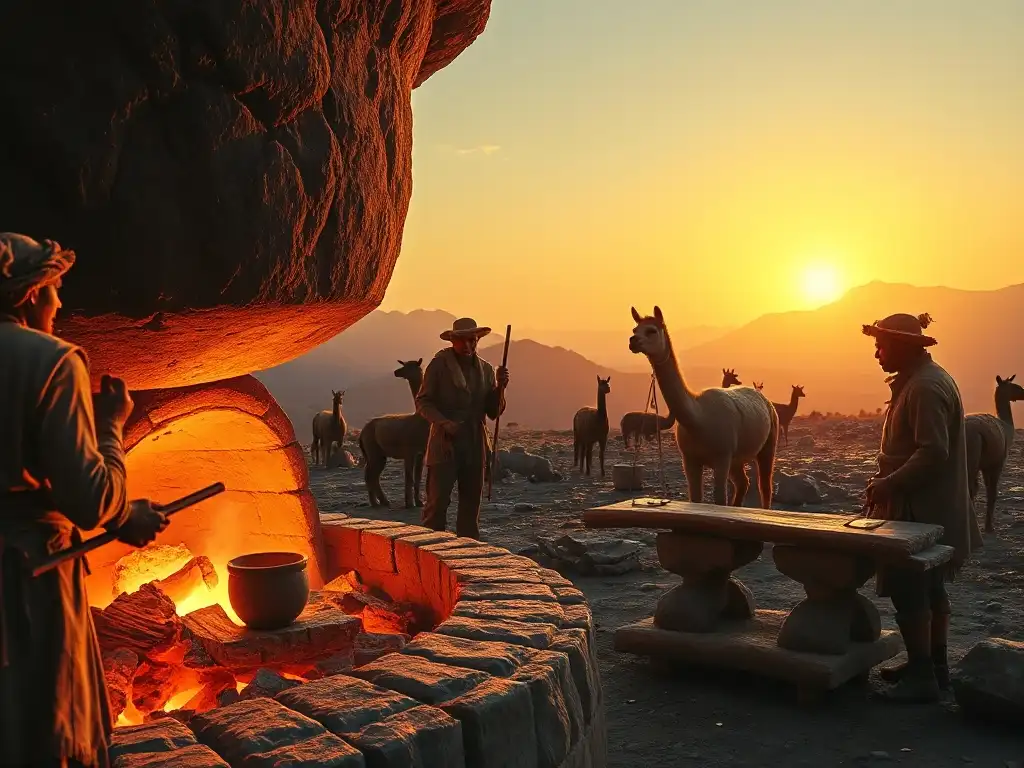
The mastery of Andean metal smelting techniques represents a significant technological achievement, showcasing the ingenuity and resourcefulness of ancient Andean civilizations. Their methods, refined over centuries, allowed them to extract and work with metals like copper, gold, silver, and bronze, creating intricate artifacts that still astound us today. This section details the key steps involved in their smelting processes, highlighting the remarkable precision and knowledge embedded within these ancient practices. Understanding these techniques provides crucial insight into the sophisticated metallurgical understanding of Andean societies. The term "Andean metal smelting techniques" itself encapsulates the breadth of this fascinating subject.
Preparation of Ores for Smelting
Before the actual smelting process could begin, Andean metallurgists meticulously prepared the ores. This crucial preliminary stage directly impacted the efficiency and success of the subsequent steps. The process involved several key actions:
- Ore Selection and Sourcing: Metallurgists carefully selected ores based on their quality and mineral content. Sources varied regionally, with certain areas renowned for specific metal deposits. Evidence suggests a sophisticated understanding of geological formations and ore distribution, indicating extensive prospecting and exploration activities. For example, high-quality copper ores were sourced from specific locations in the Andes, while gold was often obtained from alluvial deposits.
- Crushing and Grinding: Once sourced, the ores underwent a rigorous crushing and grinding process. This involved using stone hammers, mortars, and pestles to reduce the ore to a fine powder or granular consistency. This increased the surface area of the ore, facilitating better interaction with the fuel and flux during the smelting process. The degree of fineness varied depending on the type of ore and the desired outcome.
- Mixing with Flux: A critical aspect of ore preparation was the addition of fluxing agents. These materials, often limestone or other calcium-rich substances, helped to lower the melting point of the ore and remove impurities. The precise ratio of ore to flux varied depending on the specific ore composition and the desired metal purity. This careful control over the fluxing agent is a testament to the Andean metallurgists' advanced understanding of chemical processes. The precise composition of these fluxes remains a subject of ongoing research, with new discoveries constantly refining our understanding of these ancient practices.
The Smelting Process: Transforming Ore into Metal
The core of Andean metal smelting involved transforming the prepared ore into molten metal. This process, carried out in specialized furnaces, demanded considerable skill and precision. Variations existed across different Andean cultures, reflecting regional adaptations and innovations.
- Furnace Construction: Andean furnaces varied in design and size, ranging from small, portable hearths to larger, more complex structures. Many were constructed using clay or stone, capable of withstanding high temperatures. The design facilitated efficient airflow and heat control, crucial for successful smelting. The precise construction techniques, including the use of refractory materials, are still being studied by archaeologists.
- Fuel Management: The smelting process relied on a steady supply of fuel, primarily charcoal. Careful control of the airflow and fuel supply was essential to maintain the optimal temperature for melting the ore without damaging the furnace. Maintaining this precise temperature range was a skill developed over generations. The efficient use of charcoal as fuel demonstrates a deep understanding of combustion processes.
- Extraction and Casting: Once the ore was molten, the liquid metal was carefully separated from the slag (waste material). This often involved tapping the furnace or using various tools to pour the molten metal into molds. Molds were typically made of stone or clay, allowing for the creation of specific shapes and sizes. The skill involved in pouring the molten metal and avoiding contamination is truly remarkable.
Refining Techniques: Purifying Extracted Metals
The metals extracted through smelting were rarely pure. Andean metallurgists employed various refining techniques to further purify the extracted metals, improving their properties and enhancing their suitability for crafting tools, ornaments, and other artifacts.
- Cupellation: This method was commonly used to refine silver and gold. It involved heating the impure metal in a porous cupel, allowing the base metals to oxidize and be absorbed by the cupel, leaving behind a purer form of the precious metal. The meticulous control of temperature and airflow was essential for successful cupellation.
- Repeated Smelting: In some cases, the extracted metal was subjected to repeated smelting to remove remaining impurities. This iterative approach, while labor-intensive, significantly increased the purity of the final product. Archaeological evidence reveals multiple stages of smelting and refining for certain artifacts.
- Alloying: Andean metallurgists also mastered the art of alloying, combining different metals to create new materials with improved properties. The most common example is bronze, an alloy of copper and tin, which was significantly stronger and more durable than pure copper. The precise proportions of metals used in alloys were carefully controlled to achieve specific properties. The development of bronze marked a significant advancement in Andean metallurgy, opening up new possibilities for toolmaking and artistic expression. The understanding and application of alloying demonstrates a sophisticated grasp of material science.
Specific Metals and Their Smelting Processes
The Andean civilizations weren't just masters of agriculture and intricate textiles; they were also pioneers in metallurgy, developing sophisticated techniques for extracting and working with various metals. Their advancements in Andean metal smelting techniques significantly impacted their social structures, artistic expressions, and overall technological development. Understanding these processes requires examining the specific methods employed for each metal. The availability of different ores and the desired properties of the final product heavily influenced the techniques used. This section delves into the specific smelting processes for gold, silver, and copper, highlighting the ingenuity and resourcefulness of Andean metallurgists.
Smelting Gold in the Andean Region
Gold, highly valued for its beauty and symbolic significance, was extensively worked by Andean cultures. While gold doesn't require the high temperatures needed for smelting base metals like copper, its extraction involved several crucial steps. The process frequently started with alluvial gold—gold found in riverbeds and sediments. This was often collected through panning or other rudimentary methods. However, gold was also extracted from veins within rocks. In these instances, the ore would likely undergo crushing and grinding before being processed.
The Andean goldsmiths developed techniques to refine the gold, separating it from impurities. This might have involved processes such as cupellation, a method where molten metal is heated in a porous container, allowing base metals to oxidize and be absorbed by the container, leaving behind refined gold. The absence of widespread evidence of large-scale smelting furnaces for gold suggests that the focus was more on refining existing gold rather than extensive ore smelting.
This is supported by the prevalence of intricate gold objects in Andean archaeological finds, demonstrating a high level of skill in working with already refined gold. The exact details of some refining processes remain a subject of ongoing research, with [specific information pending] on the precise chemical processes used.
Andean Silver Smelting Practices
Silver, another precious metal, presented a different challenge. Unlike gold, silver smelting required higher temperatures and more sophisticated techniques. Andean metallurgists likely employed various methods to extract silver from its ores, which often contained lead or other base metals.
One likely method involved a process similar to lead smelting, where silver-bearing lead ore was heated in furnaces. The lead would melt and carry the silver with it. Subsequently, the lead would be oxidized, leaving behind refined silver. Archaeological evidence suggests that Andean metallurgists had access to and understood the principles of lead smelting, although the precise scale and sophistication of these operations remain areas of active research.
The use of crucibles and bellows to control airflow within the furnaces is supported by finds at various archaeological sites. The quality of the silver produced varied depending on the ore and the skill of the smelter. [Specific information pending] on the exact types of furnaces used and the efficiency of silver extraction.
The refining of silver was crucial to produce high-quality metal for ornaments, tools, and ceremonial objects. The techniques used likely involved a combination of heating, oxidation, and possibly other chemical processes to separate the silver from impurities and other metals.
Copper Extraction and Alloying in the Andes
Copper was a vital metal for Andean civilizations, used for tools, weapons, and decorative objects. The extraction of copper from its ores involved more complex smelting processes than gold. Andean metallurgists developed impressive techniques to reach the high temperatures required. Evidence suggests they used various types of furnaces, possibly including those built from clay or stone, and employed bellows to increase airflow and achieve higher temperatures.
The smelting process for copper involved heating the copper ore (often malachite or azurite) in the furnaces until it melted. The molten copper would then be separated from the slag (waste material), often through tapping or pouring. The quality of the copper obtained depended on the ore's purity and the efficiency of the smelting process.
Furthermore, Andean metallurgists were skilled in alloying, combining copper with other metals like tin or arsenic to create bronze and other alloys with enhanced properties. Bronze, stronger and more durable than pure copper, was used to create tools and weapons. The precise proportions of copper and tin used in bronze varied across different Andean cultures and time periods, reflecting their mastery of metallurgical techniques and their understanding of the relationship between alloy composition and material properties.
This sophisticated understanding of alloying demonstrates a high level of technological advancement in Andean metallurgy. The precise methods for controlling alloy composition remain an area of ongoing research, with [specific information pending] regarding the techniques used for precise measurement and control during alloying. The development of alloys represents a significant leap in Andean metalworking, showcasing their innovative approach to material science.
Processing Tin and Other Metals
The Andes weren't solely focused on copper and gold; other metals played significant roles in Andean metallurgy, showcasing the ingenuity of ancient Andean metalworkers. Tin, for example, was crucial for creating bronze, a harder and more durable alloy than copper alone. While sources of tin ore in the Andes were less abundant than copper, archaeological evidence points to its strategic acquisition and transport across considerable distances.
The smelting process for tin likely involved similar techniques to copper smelting, albeit potentially requiring slightly different temperatures and furnace designs to account for tin's lower melting point. Further research is needed to fully understand the nuances of tin smelting in the Andean context, especially regarding the precise methods used to refine the ore and achieve a high-purity metal. This research could involve analyzing furnace residues from archaeological sites known for bronze production.
The processing of other metals, such as silver and lead, also presents fascinating avenues of investigation. Silver, highly prized for its aesthetic qualities and value, was often found in association with copper and lead ores. The extraction of silver likely involved complex techniques, perhaps including cupellation, a process where impurities are oxidized and removed from molten silver.
Lead, often a byproduct of silver mining, was used for various purposes, including the creation of weights and, potentially, certain alloys. The specific methods used to extract and refine lead in the Andes are still under study, and further analyses of metallurgical sites are crucial to shed light on these processes. Careful examination of slag and other metallurgical waste products can reveal details about the temperatures and techniques employed.
The Andean mastery extended beyond the "big three" (copper, gold, silver). Archaeological discoveries continue to unveil evidence of the use of less common metals, such as mercury and arsenic, which were sometimes used in alloys or for specific purposes like gilding or in medicinal practices. Understanding how these less common metals were processed requires more detailed investigations, combining archaeological findings with experimental archaeology to replicate ancient techniques and analyze the resulting materials.
This interdisciplinary approach is essential to fully appreciate the extent of Andean metallurgical knowledge and skill. The integration of these less common metals into their metallurgical practices further underscores the sophisticated understanding of material properties that characterized Andean metalworkers. This sophisticated understanding is a testament to their advanced knowledge and ingenuity.
Tools and Technologies Used in Andean Smelting
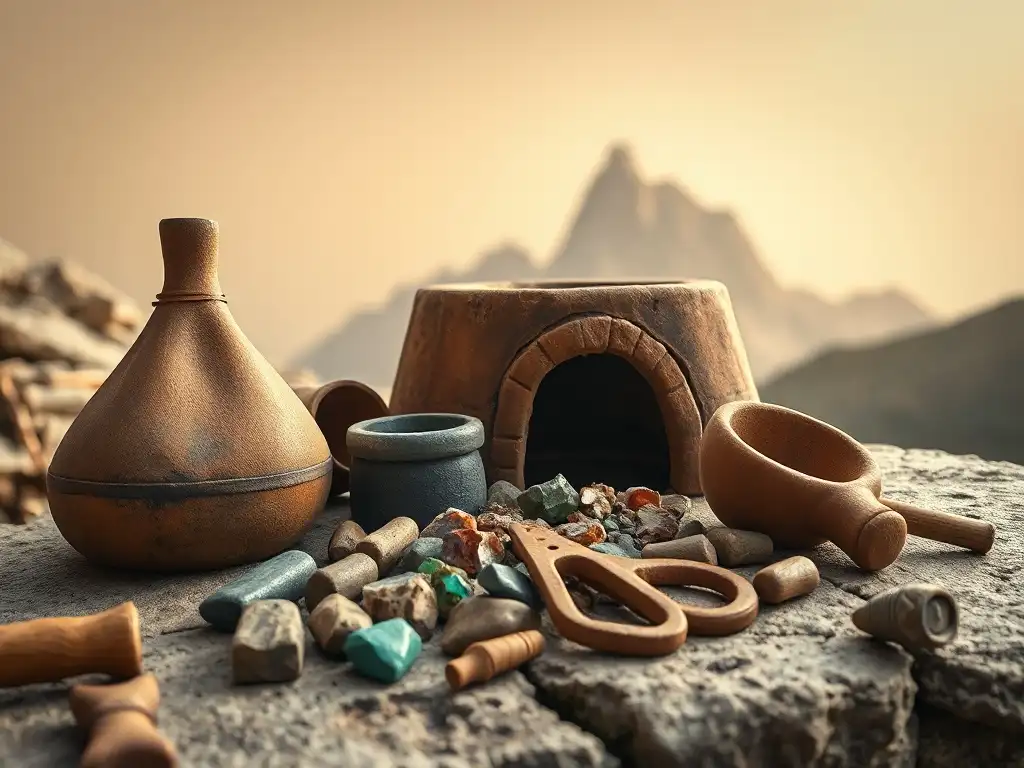
The mastery of Andean metal smelting techniques wasn't simply a matter of luck; it relied on a sophisticated understanding of metallurgy coupled with ingenious tools and technologies. The Andean civilizations, particularly the Inca, Moche, and Nazca, developed impressive capabilities in extracting and working metals like copper, gold, silver, and bronze. Their success stemmed from a combination of innovative equipment and a deep understanding of the chemical processes involved.
The techniques varied across different cultures and time periods, reflecting regional differences in resource availability and technological advancements. However, some common threads unite these diverse approaches, highlighting the ingenuity of Andean metallurgists.
Andean Smelting Equipment: Bellows, Crucibles, and Molds
The creation of metal objects in the Andes involved a series of carefully orchestrated steps, each relying on specialized equipment. Bellows, for instance, were crucial for providing the necessary airflow to maintain high temperatures in the smelting furnaces. These weren't primitive devices; evidence suggests the use of sophisticated bellows made from animal hides and intricately designed nozzles to control the intensity and direction of the air blast. The efficiency of these bellows directly impacted the success of the smelting process, enabling the metallurgists to reach the high temperatures required to melt the ores.
Crucibles, the containers used to hold and melt the ore, were typically made of refractory clay, carefully selected and shaped to withstand the intense heat. The design of these crucibles varied depending on the scale of the operation and the specific metal being smelted. Larger crucibles were needed for mass production, while smaller ones were used for more precise work. The quality of the crucible directly impacted the purity of the resulting metal, as impurities from a poorly made crucible could contaminate the final product.
Finally, molds played a critical role in shaping the molten metal into desired forms. These molds were crafted from a variety of materials, including stone, clay, and wood. The level of detail achievable in these molds is a testament to the skill and artistry of the Andean artisans. Intricate designs, often reflecting religious or social beliefs, were frequently incorporated into the molds, resulting in beautifully crafted metal objects. The precision required to create functional and aesthetically pleasing molds underscores the advanced level of technological sophistication achieved in Andean metalworking.
The Role of Indigenous Knowledge in Smelting
Beyond the tangible tools, the success of Andean metal smelting was deeply intertwined with indigenous knowledge. This knowledge wasn't merely a collection of recipes; it represented a profound understanding of the natural world and its resources. Metallurgists possessed detailed knowledge of the ore deposits, understanding variations in ore quality and their impact on the smelting process. They had developed sophisticated techniques for ore preparation, including crushing, grinding, and washing, to enhance the efficiency of the smelting process. This involved understanding the properties of different minerals and how to separate valuable metals from unwanted impurities.
Furthermore, Andean metallurgists possessed an intimate knowledge of the fuel sources used in smelting. They likely utilized a variety of fuels, including charcoal and wood, carefully selecting the type of fuel based on its properties and availability. The control of the combustion process was critical to achieving the desired temperature and minimizing the loss of valuable metals. This knowledge was passed down through generations, constantly refined and adapted to suit changing circumstances. It was a dynamic and evolving system, demonstrating the adaptability and resilience of Andean metallurgical traditions.
Technological Advancements in Andean Metal Production
The Andean civilizations weren't static in their metallurgical practices; they continuously refined their techniques, leading to significant technological advancements. For example, evidence suggests the development of more efficient furnaces over time, allowing for higher temperatures and increased production. This could have involved improvements in bellows design, furnace construction, or the use of different fuel sources. The development of alloys, such as bronze (a mixture of copper and tin), demonstrated an understanding of material science far beyond simple smelting. Creating bronze required precise control over the proportions of the constituent metals, highlighting the sophisticated knowledge of Andean metallurgists.
Furthermore, the evolution of techniques for metal finishing, such as hammering, annealing, and polishing, significantly enhanced the quality and aesthetic appeal of the finished products. These techniques allowed for the creation of intricate designs and highly polished surfaces, indicating a high level of craftsmanship and artistic skill. The continuous improvement in Andean metal smelting techniques reflects not only technological innovation but also a deep cultural commitment to metalworking as a central aspect of Andean societies.
The legacy of these advancements continues to inspire and amaze researchers today, showcasing the remarkable ingenuity of these ancient Andean civilizations. The study of Andean metal smelting techniques provides a fascinating insight into their technological prowess and cultural achievements.
The Impact of Andean Metal Smelting on Society
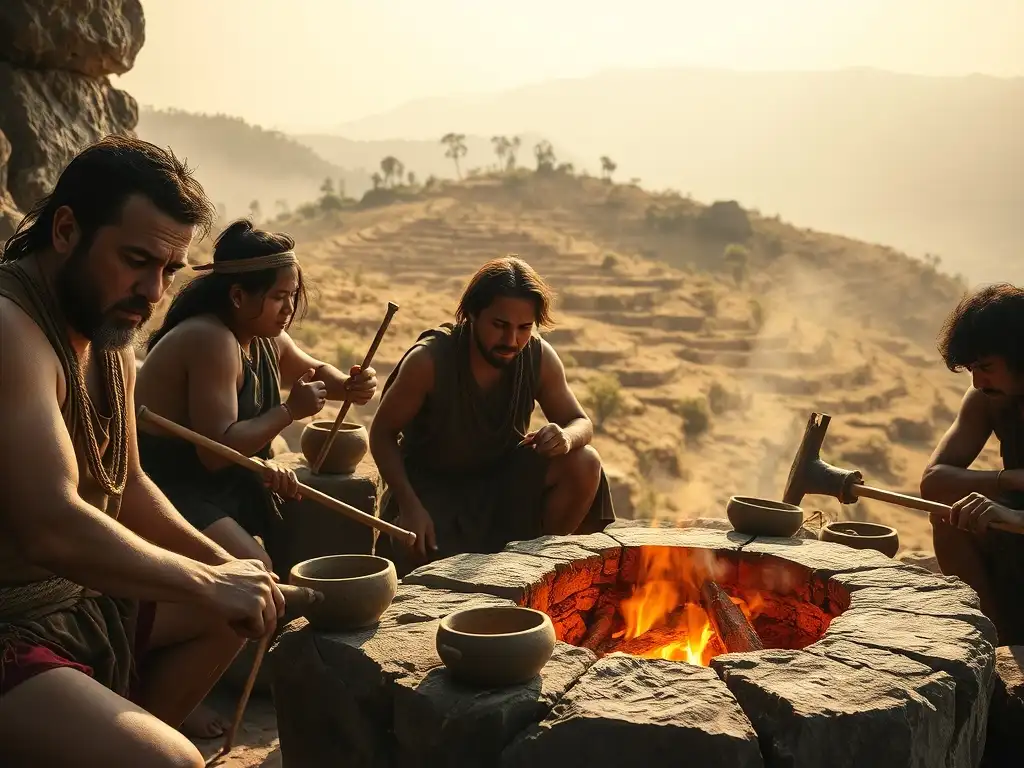
The development of sophisticated Andean metal smelting techniques profoundly impacted Andean societies, transforming their social structures, economic systems, and religious beliefs. The mastery of metallurgy wasn't merely a technological advancement; it was a catalyst for significant societal change. From the initial experimentation with copper alloys in the early centuries CE to the complex silver and gold work of the Inca Empire, metalworking played a central role in shaping Andean civilizations. The impact reverberated through various aspects of life, leaving an indelible mark on their history. Understanding this impact requires examining the role of metal in various societal contexts.
Metal as a Symbol of Power and Status
Metal, particularly gold and silver, became potent symbols of power and status within Andean societies. The ability to control the extraction, smelting, and crafting of these precious metals directly translated into political and social dominance. Elites, rulers, and priests adorned themselves with elaborate gold and silver ornaments, clothing, and ceremonial objects, visually reinforcing their elevated positions within the social hierarchy.
The sheer quantity and quality of metalwork possessed by an individual or a group served as a clear indicator of wealth and influence. For instance, the Moche culture's intricate gold and silver artifacts, often depicting scenes of warfare or religious rituals, were clearly reserved for the elite, reinforcing their control and authority. The presence of elaborate metalwork in tombs further highlights its importance in the afterlife and the continued assertion of status even beyond death.
The sheer artistry and technical skill involved in creating these pieces added another layer to their symbolic value, showcasing the expertise and resources controlled by those who commissioned and possessed them. Analysis of burial sites consistently reveals a strong correlation between the quantity and quality of metal artifacts and the social standing of the deceased. This reinforces the idea that access to and control over metal was a key determinant of social stratification in Andean societies.
The Trade and Distribution of Metals in the Andes
The Andean metal smelting techniques fostered extensive trade networks across the vast and diverse landscapes of the Andes. The distribution of metals, both raw materials and finished products, facilitated economic exchange and cultural interaction between different groups. While some regions excelled in specific aspects of metalworking, such as copper mining in the central Andes or gold production in the northern regions, the trade networks ensured the circulation of resources and expertise.
This exchange wasn't simply a matter of economic transactions; it also facilitated the dissemination of technological innovations and artistic styles. For instance, the spread of specific alloying techniques or decorative motifs across different cultural groups reveals the interconnectedness of Andean societies through metalworking. Archaeological evidence, such as the discovery of metal artifacts from distant regions in burial sites, provides tangible proof of these extensive trade routes.
The intricate systems of exchange, involving both local bartering and long-distance trade, contributed significantly to the economic prosperity and cultural dynamism of Andean civilizations. Further research into the specific trade routes and the organization of metal distribution is needed to fully understand the economic impact of Andean metal smelting.
The Legacy of Andean Metalworking Skills
The legacy of Andean metalworking skills extends far beyond the demise of the Inca Empire. The ingenuity and expertise demonstrated by Andean metalworkers continue to inspire awe and admiration. Their sophisticated techniques, including lost-wax casting, hammering, and alloying, represent remarkable achievements in metallurgy.
The intricate designs and the high level of craftsmanship evident in surviving artifacts showcase a deep understanding of materials and processes. These skills were not lost with the conquest; they persisted, albeit often in adapted forms, throughout colonial times and beyond. Even today, traditional metalworking techniques in the Andes, while influenced by modern technology, retain echoes of ancient practices.
The preservation of these skills, often passed down through generations, serves as a testament to the enduring legacy of Andean metalworking. The continued study and appreciation of these techniques are crucial to understanding the broader history of Andean technology and innovation, showcasing the remarkable ingenuity of ancient Andean civilizations and their lasting impact on the region's cultural identity. Further investigation into the continuity of Andean metalworking practices from pre-Columbian times to the present day is necessary to fully appreciate the extent of this enduring legacy.
Conclusion: The Enduring Legacy of Andean Metal Smelting
The mastery of Andean metal smelting techniques represents a remarkable achievement in human technological development. For centuries, Andean societies skillfully harnessed available resources, developing sophisticated processes that yielded high-quality metalwork. This wasn't simply a matter of practical utility; the production of gold, silver, copper, and bronze artifacts was deeply intertwined with religious beliefs, social status, and political power. The intricate designs and impressive scale of some metal objects testify to the advanced organizational capabilities and specialized knowledge within these ancient communities.
The legacy of Andean metallurgy extends beyond the aesthetic appeal of the artifacts themselves. It illuminates the ingenuity and resilience of Andean cultures, their capacity for innovation, and their profound understanding of the natural world. Understanding these techniques allows us to appreciate the depth and complexity of Andean civilizations, challenging simplistic narratives and fostering a more nuanced appreciation of their history.
The Importance of Preserving Andean Metallurgical Heritage
Preserving our understanding of Andean metallurgical heritage is crucial for several reasons. Firstly, it allows us to learn from the past and potentially apply some of the principles discovered to modern metallurgical challenges. For example, analyzing the ancient techniques used for alloying metals could provide insights into creating more sustainable and efficient methods today.
Secondly, preserving this knowledge helps us to understand the broader cultural context in which these techniques developed. The artifacts themselves are invaluable historical sources, but their true significance is enhanced through an understanding of the processes that created them. Finally, the preservation of this heritage is a matter of cultural justice and respect.
The knowledge and skills of Andean metalworkers represent a unique and irreplaceable aspect of their cultural identity. Protecting archaeological sites, supporting research initiatives, and promoting educational programs dedicated to Andean metallurgy are all essential steps in ensuring that this rich heritage continues to inspire and educate future generations. The loss of this knowledge would represent a significant loss for humanity's collective understanding of technological achievement and cultural development.
Lessons from Ancient Andean Metal Extraction Techniques
The Andean metal smelting techniques offer valuable lessons applicable beyond the realm of archaeology and metallurgy. Their approach highlights the importance of resource management and sustainable practices. Andean societies weren't simply extracting and using resources indiscriminately; they developed methods tailored to the specific resources available in their environment.
This approach reflects a deep understanding of ecological balance and the need for responsible resource utilization—a lesson particularly relevant in today's world facing environmental challenges. Furthermore, the complexity of Andean metallurgical processes demonstrates the power of collaboration and specialized knowledge. The production of sophisticated metalwork required a high degree of cooperation and division of labor, highlighting the importance of social organization and skilled craftsmanship.
These insights can be applied to contemporary challenges in project management, team building, and the development of specialized expertise. Analyzing the failures and successes of ancient Andean techniques can also inform modern engineering and production processes, offering valuable lessons in problem-solving and innovation.
Future Research in Andean Metal Smelting Studies
Future research in Andean metal smelting should focus on several key areas. More detailed analyses of archaeological sites are needed to further refine our understanding of the smelting processes, including the specific technologies used, the scale of production, and the distribution networks for raw materials and finished products. Advanced scientific techniques, such as isotopic analysis and metallurgical microscopy, can provide invaluable data on the composition of ancient alloys and the methods used to create them.
Furthermore, research should explore the social and economic implications of Andean metalworking. This includes investigating the roles of different social groups in the production process, the economic impact of metal production on Andean societies, and the relationship between metalwork and religious beliefs. Finally, future research needs to incorporate interdisciplinary approaches, bringing together archaeologists, metallurgists, anthropologists, and historians to develop a more comprehensive and nuanced understanding of Andean metal smelting and its place within the broader context of Andean civilization.
This collaborative approach will be crucial for unlocking the full potential of this fascinating area of study. The possibilities for new discoveries and insights are immense, promising to enrich our understanding of Andean history and technology for years to come.
Frequently Asked Questions
What specific metals did Andean civilizations work with?
Andean civilizations expertly worked with a variety of metals, including gold, silver, copper, and bronze. Their mastery of metallurgy is evident in their intricate artifacts.
How did Andean cultures extract these metals from their ores?
Andean metalworkers employed sophisticated techniques, including fire assaying and cupellation, to separate the desired metals from their ores. They also used reduction smelting in various furnaces.
What were the key features of Andean smelting furnaces?
Andean furnaces varied in design depending on the culture and time period, but often involved earthen structures with draft systems to control airflow and temperature for efficient smelting.
What role did Andean metalworking play in their societies?
Metalworking held significant social and religious importance. Elite status was often linked to access to and control over metal objects, which were used in ceremonies and as symbols of power.
How did Andean smelting techniques compare to those of other ancient cultures?
While sharing some similarities with other ancient metallurgical traditions, Andean techniques exhibited unique adaptations to the specific resources and environmental conditions of the Andes mountains, showcasing remarkable ingenuity.
Final Reflection: Echoes of the Andes: A Legacy Forged in Fire
The innovative metal smelting techniques developed in the Andes weren't simply technological advancements; they were the bedrock of a civilization. These ancient processes, refined over millennia, continue to resonate today, offering valuable insights into sustainable resource management and the ingenuity of human adaptation. Their legacy challenges our modern approaches and prompts us to reconsider our relationship with the environment and the materials we utilize.
The impact of Andean smelting extends far beyond the archaeological record; it speaks to the enduring power of human creativity in the face of environmental challenges. The sophisticated understanding of metallurgy displayed by these ancient cultures is a testament to their deep connection with their surroundings. The mountains themselves became the crucible, providing not only the ore but also the fuel and the very landscape that shaped the lives and technologies of these remarkable people.
This profound relationship between human ingenuity and the natural world is a lesson we must heed in our own time, as we grapple with the consequences of unsustainable practices.
Consider the ingenuity of these ancient techniques, the resourcefulness born from necessity, and the enduring legacy they've left behind. You, too, can draw inspiration from their story. Let the echoes of the Andean smelting saga inspire you to seek innovative and sustainable solutions to the challenges facing our world today. Embrace the spirit of ingenuity and resourcefulness, and strive to create a future where technological advancement and environmental responsibility walk hand in hand.
**Unveil the Mysteries of Andean Metal Extraction! **
Thank you for exploring the rich history of Andean civilizations and their remarkable smelting techniques. Your interest in this fascinating subject demonstrates a keen appreciation for the ingenuity of ancient cultures. Let's delve deeper together!
Here are some ways to continue your exploration:
- **Join our community:** Subscribe to our newsletter for insightful articles and updates on Andean civilizations, including exclusive information on their metalworking techniques.
- **Share your thoughts:** Discuss this article with friends or on social media. Consider how ancient practices might have influenced modern metal extraction methods.
- **Discover more:** Explore our interactive maps and resources to visualize the historical development of metal extraction in the Andes.
What aspect of Andean metalworking most captivates you, and how can we continue to unravel its secrets together?