Andean Technology and Innovation

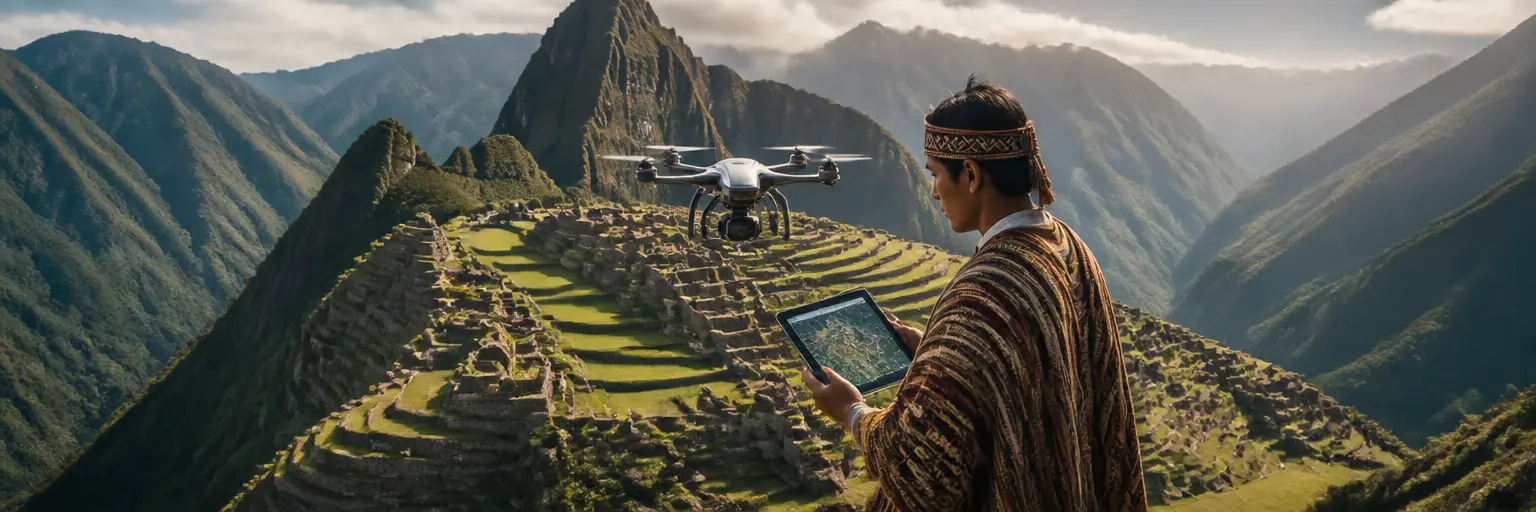
Discover the remarkable ingenuity of the Andean Technology and Innovation, where ancient civilizations transformed local resources into practical tools, sophisticated metalwork, and enduring solutions for daily life. Explore how the Incas, Moche, Nazca, and Tiahuanaco advanced engineering, craftsmanship, agriculture, and material technology—revealing a legacy of innovation that continues to inspire archaeological research and our understanding of pre-Columbian civilization.
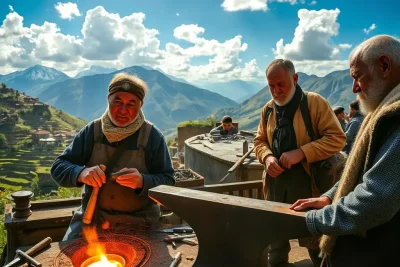

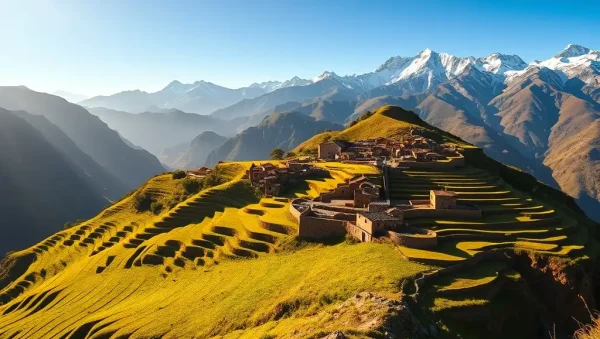
Andean Technology and Innovation reveals the remarkable ingenuity of the ancient civilizations that flourished across the Andes. Long before modern engineering, societies such as the Inca, Moche, Nazca, and Tiahuanaco developed practical technologies adapted to steep mountains, arid deserts, high plateaus, and changing climates. Their achievements included specialized tools, advanced farming equipment, sophisticated metalworking, and durable objects designed for work, trade, ceremony, and everyday life.
This category explores how ancient Andean communities transformed local materials into useful and meaningful technologies. Discover the role of stone, wood, bone, clay, copper, silver, and gold in Andean society, while learning how innovation supported agriculture, construction, transportation, craftsmanship, and religious traditions. These technologies were not isolated inventions: they reflected generations of observation, experimentation, and knowledge passed between communities.
From hand tools used in agriculture and household tasks to finely crafted metal ornaments and weapons, Andean technology demonstrates a deep understanding of materials and environment. Explore the practical achievements and cultural significance of ancient tools and metallurgy, and gain a clearer picture of how technology shaped daily life and social organization in the Andes.
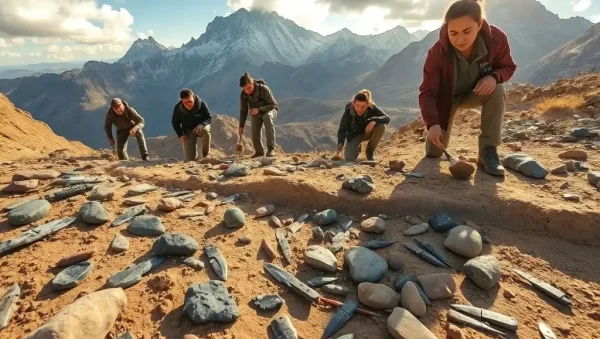
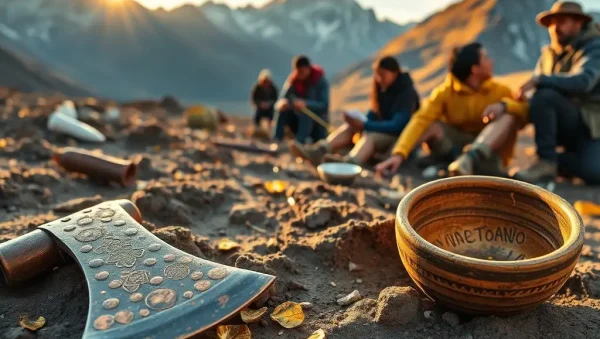
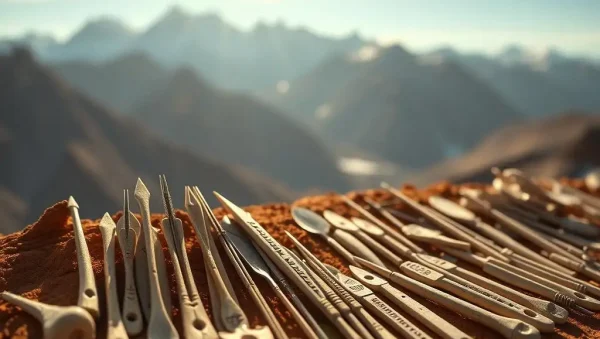
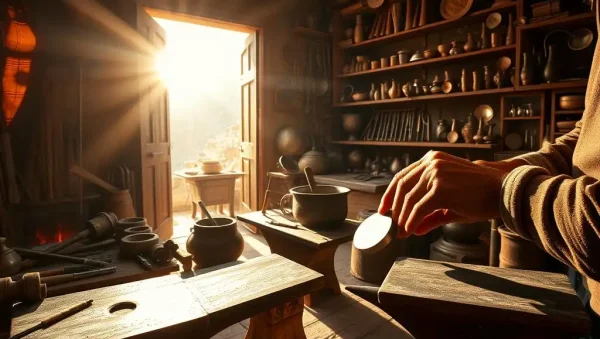
The Tools and Implements of Daily Life subcategory examines the objects that helped Andean people farm, build, prepare food, weave textiles, hunt, and manage household activities. Readers can learn about agricultural implements such as digging sticks and foot plows, as well as stone tools, wooden instruments, bone objects, grinding stones, weaving equipment, and pottery used in everyday routines. These artifacts show how communities adapted their tools to high-altitude fields, mountain slopes, and dry coastal environments.
Expect informative discussions of how tools were made, used, and preserved, with attention to their wider cultural context. Everyday implements offer valuable evidence about ancient Andean life, including food production, domestic labor, craftsmanship, trade, and cooperation. By studying these practical objects, readers can better understand the resourcefulness of the Inca, Moche, Nazca, and Tiahuanaco civilizations.
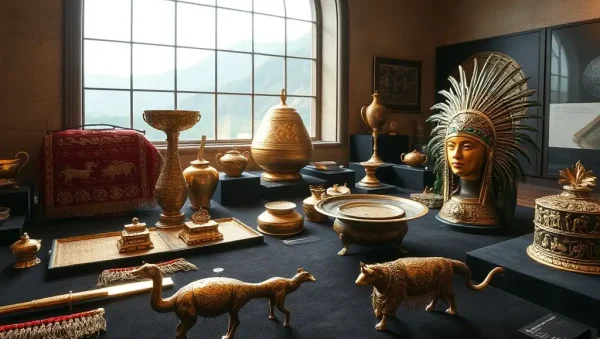
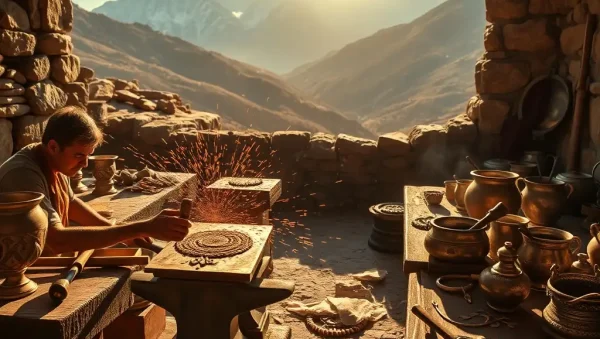
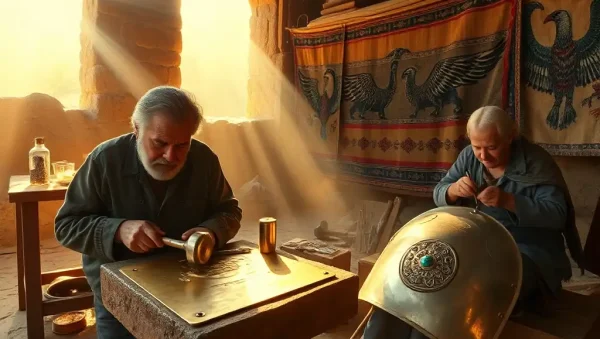
The Developments in Metallurgy subcategory explores the ancient Andean mastery of copper, bronze, silver, gold, and other metals. Readers can discover how Moche, Inca, Tiahuanaco, and earlier Andean metalworkers extracted ores, shaped metal through hammering and casting, created alloys, and produced objects for tools, weapons, jewelry, ceremonial use, and political display. These techniques represent some of the most important technological achievements in pre-Columbian South America.
Special attention is given to the relationship between metalworking, religion, status, and power. Gold and silver were valued for their symbolic and spiritual associations, while copper and bronze often served practical and military purposes. Readers can expect insights into ancient Andean workshops, craftsmanship, trade networks, mining traditions, and the artistic techniques that made Andean metalwork internationally significant.
Andean technology refers to the tools, techniques, materials, and systems developed by ancient civilizations in the Andes. It includes agriculture, metallurgy, construction, textiles, pottery, transportation, and household implements.
The Inca, Moche, Nazca, and Tiahuanaco were all important innovators. The Moche were renowned for metalworking and ceramics, the Nazca for irrigation and pottery, Tiahuanaco for stone construction and agricultural systems, and the Inca for infrastructure, farming, and administration.
Common tools included stone implements, digging sticks, foot plows, grinding stones, weaving instruments, bone tools, wooden objects, pottery vessels, and specialized equipment for farming, food preparation, construction, and craft production.
Metallurgy supported practical activities while also expressing religious beliefs, social rank, and political authority. Metal objects could function as tools, weapons, ornaments, offerings, ritual objects, or symbols of elite power.
Ancient Andean craftspeople worked with locally available materials such as stone, wood, clay, bone, textiles, copper, bronze, silver, and gold. Their choices depended on the environment, intended function, cultural meaning, and availability of resources.