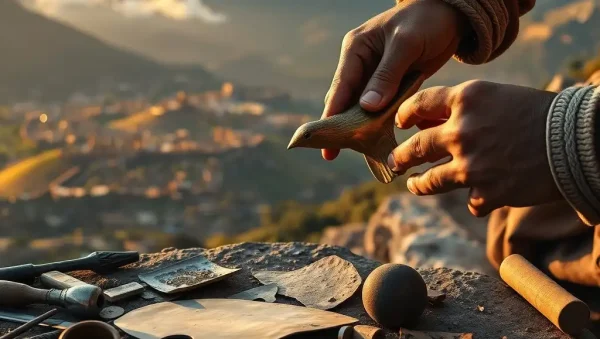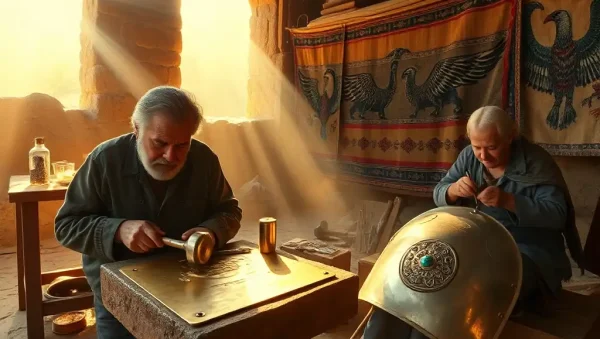
Andean Technology and Innovation

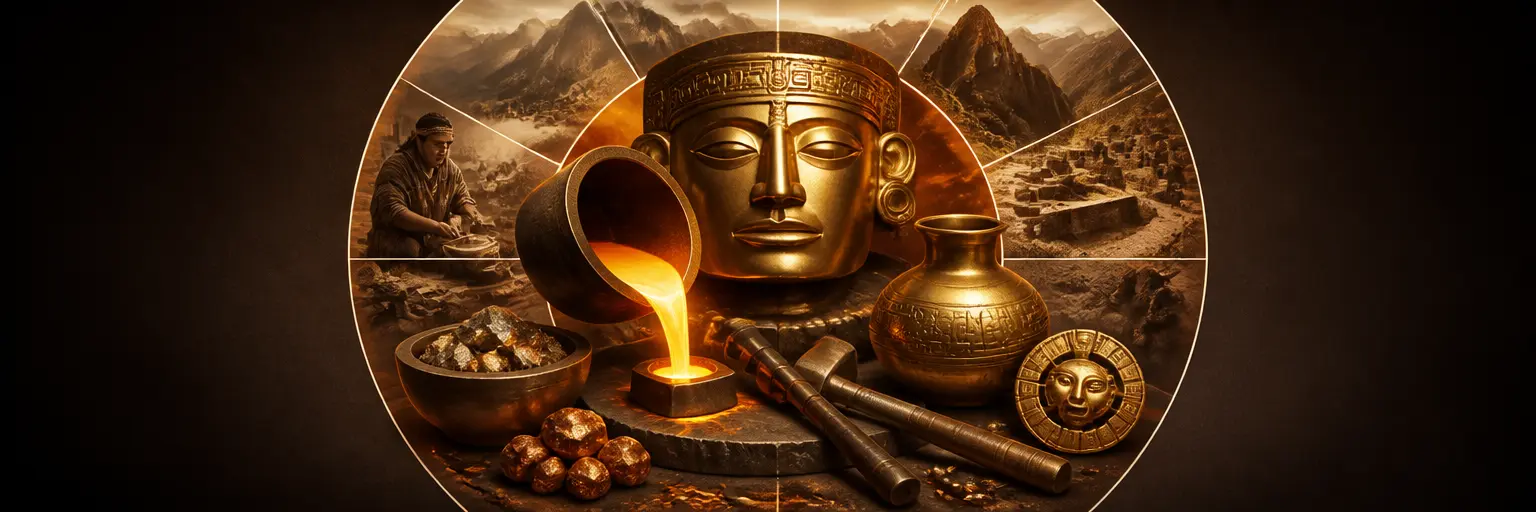
Discover how Andean civilizations transformed raw materials through innovative metallurgy ⚒️✨. Explore ancient techniques for smelting, alloying, casting, and metalworking, along with the remarkable use of gold, silver, copper, and bronze by cultures such as the Incas, Moche, Nazca, and Tiahuanaco. Learn how metallurgical advances shaped ceremonial art, tools, weapons, trade, and social power across the Andes.
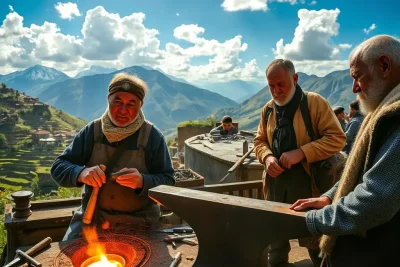

Explore the remarkable developments in metallurgy that shaped technology, art, trade, religion, and social organization across the ancient Andes. This subcategory examines how the Incas, Moche, Nazca, Tiahuanaco, and other Andean societies mined, processed, alloyed, cast, hammered, and finished metals such as gold, silver, copper, and bronze. Discover how Andean metallurgists transformed natural resources into ceremonial objects, tools, weapons, ornaments, masks, vessels, and symbols of political authority.
Learn how early Andean communities developed sophisticated techniques for working with native metals and mineral ores. Articles explore the beginnings of copper metallurgy, goldworking, silver production, smelting, annealing, hammering, and cold working, revealing how practical experimentation gradually became a specialized technological tradition.
Readers can also investigate the environmental knowledge behind ancient metal production. From identifying mineral deposits to collecting charcoal and controlling heat, Andean craftspeople developed methods adapted to high-altitude landscapes, deserts, valleys, and mountain regions. These innovations helped establish some of the earliest complex metallurgical systems in South America.
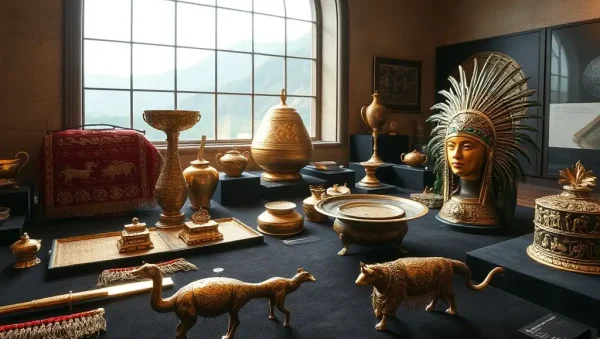
Discover why Moche metallurgy is recognized for its technical precision and extraordinary artistic quality. Moche artisans produced elaborate gold, silver, copper, and tumbaga objects, including ritual vessels, headdresses, nose ornaments, ear ornaments, masks, weapons, and symbolic figures inspired by religion and elite power.
This section examines techniques such as sheet metal forming, gilding, soldering, repoussé, lost-wax casting, and alloy manipulation. Explore how Moche metal objects communicated mythology, identity, status, warfare, and connections between rulers and supernatural beings.
Study the role of metallurgy within the Inca Empire, where precious metals were closely associated with the sun, the gods, imperial authority, and ceremonial life. Gold and silver objects were used in temples, royal compounds, diplomatic exchanges, funerary contexts, and state rituals rather than simply as everyday currency.
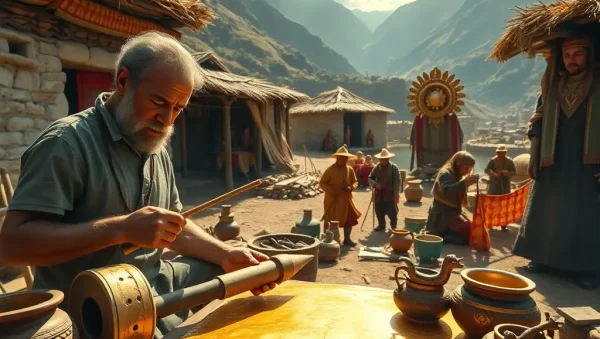
Learn how the Inca state organized miners, artisans, labor, and resource distribution across its vast territory. Topics include Inca mining, metal workshops, imperial craft production, ceremonial metallurgy, gold symbolism, silverwork, and the sacred importance of metals in Cusco and other major Andean centers.
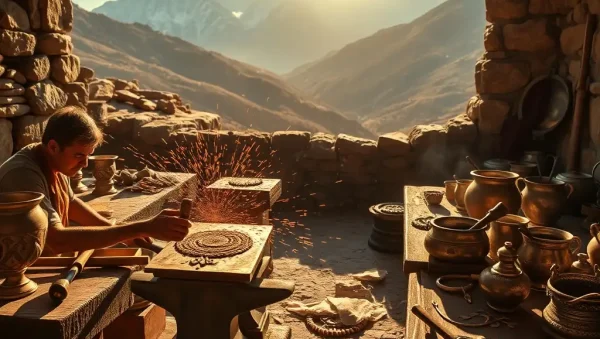
Explore the complete production process behind ancient Andean metal objects, from locating ore deposits to refining, shaping, decorating, and circulating finished works. Research into ancient mining, ore extraction, furnaces, crucibles, tuyères, charcoal, ventilation, and smelting temperatures reveals the practical knowledge required for successful metallurgy.
Readers will discover how geography influenced technological development. The Andes offered rich deposits of copper, gold, silver, tin, and other minerals, while regional communities adapted their furnaces and production methods to altitude, wind patterns, fuel availability, and local geological conditions.
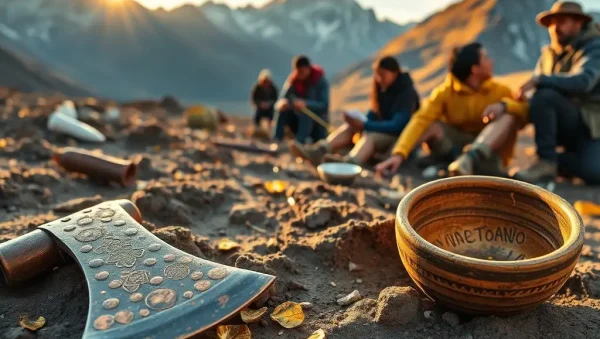
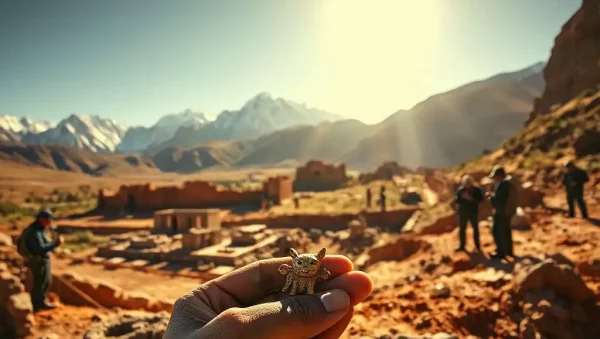
Understand how archaeologists and materials scientists reconstruct the history of Andean metallurgy. Laboratory methods such as metallographic analysis, elemental testing, lead-isotope studies, microscopy, radiography, and experimental archaeology help identify manufacturing techniques, material sources, trade routes, and patterns of technological exchange.
Scientific research also helps distinguish original production from later alteration, conservation treatments, or modern restoration. By combining archaeological evidence with historical interpretation, scholars can explain how metal objects were made, used, valued, buried, exchanged, and sometimes deliberately destroyed.
Ancient Andean metallurgy was shaped by interaction between societies. This section explores how technical knowledge, raw materials, finished objects, and artistic styles moved between coastal communities, highland centers, rainforest regions, and distant political networks.
Examine the connections between metallurgy and Andean trade, long-distance exchange, regional interaction, craft specialization, migration, and imperial expansion. The movement of metals and metallurgical ideas offers valuable evidence of communication among the Moche, Nazca, Tiahuanaco, Wari, Inca, and other civilizations.
Ancient Andean societies worked with gold, silver, copper, arsenical copper, bronze, and tumbaga, an alloy commonly associated with gold and copper. The choice of metal depended on local resources, technical knowledge, intended function, and symbolic meaning.
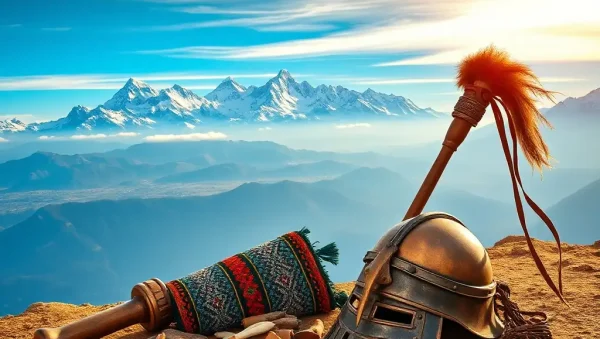
Most Andean metal objects were not used as money in the modern sense. Gold and silver commonly expressed religious significance, political authority, social status, and ceremonial value, while copper and bronze could also serve practical, decorative, and military purposes.
The Moche are especially renowned for their detailed metalwork and advanced decorative techniques. The Inca also developed highly organized state-controlled production, while Tiahuanaco, Nazca, Wari, and other cultures contributed important innovations in casting, alloying, ornamentation, and ceremonial design.
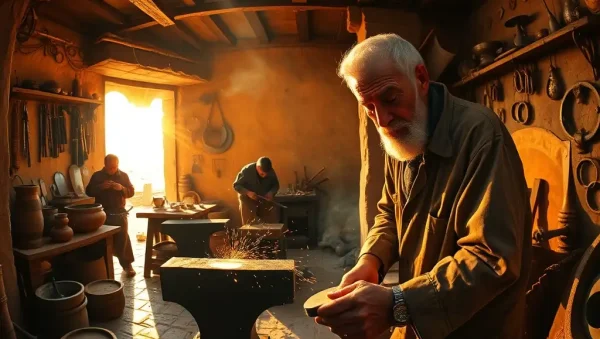
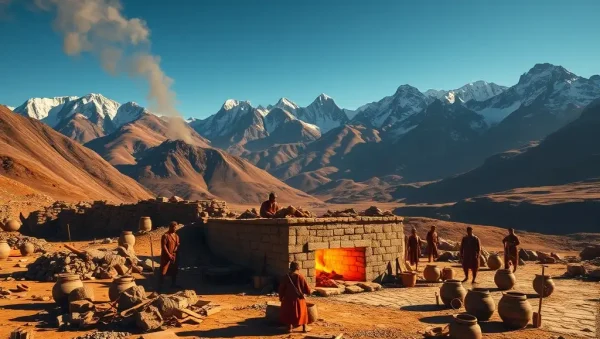
Metallurgists used furnaces, ceramic crucibles, charcoal, and controlled airflow to reach the temperatures required for smelting and casting. In highland regions, wind-powered furnaces and specialized ventilation systems helped generate intense heat for processing copper, silver, gold, and other materials.
Andean metallurgy demonstrates the scientific knowledge, creativity, organization, and environmental adaptation of ancient South American societies. Studying these developments improves our understanding of pre-Columbian technology, cultural history, archaeology, innovation, craftsmanship, and indigenous engineering.