
The Unsung Heroes: The Importance of Everyday Tools in Andean Life

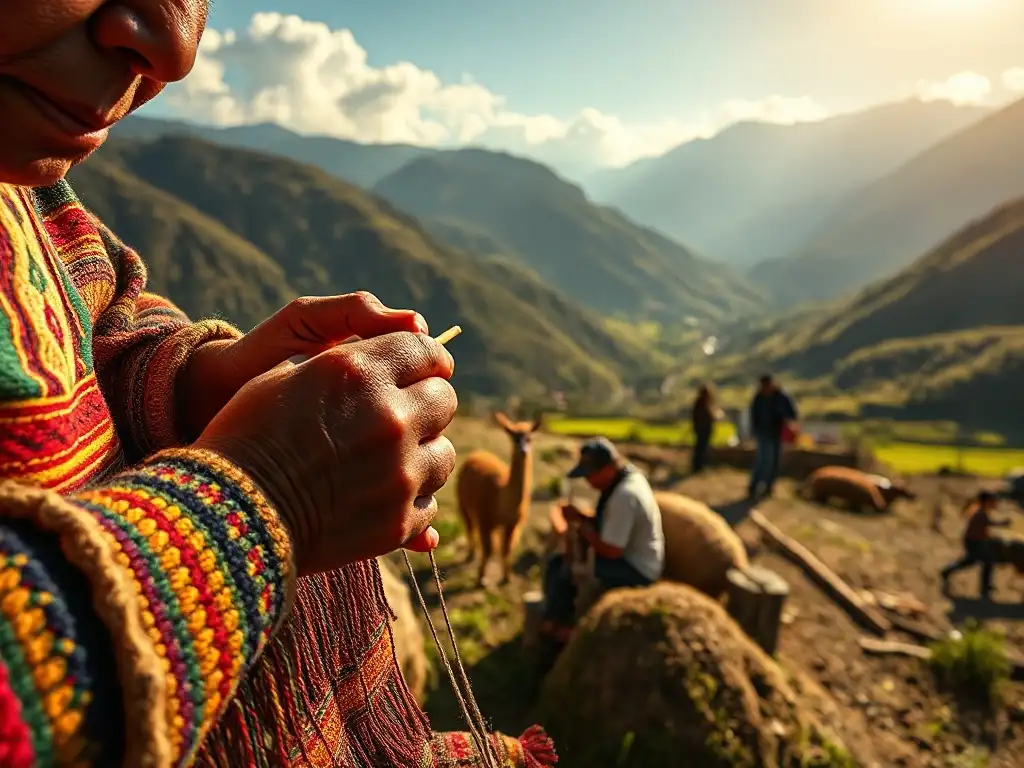
Step into a world lost to time, yet echoing with innovation. For centuries, the Andean civilizations thrived, their ingenuity shaping a landscape as breathtaking as their achievements. But what truly powered their remarkable societies? Discover the secrets behind their success – from the seemingly simple Andean civilization everyday tools that shaped their lives to the monumental structures that still stand today. Prepare to be amazed by the ingenuity and resilience of these ancient cultures as we delve into the fascinating story of their everyday lives.
The breathtaking monuments and intricate artistry of the Andean civilizations often overshadow the ingenuity embedded in their everyday tools. This article delves into the crucial role these seemingly simple implements played in shaping Andean life, highlighting their sophistication and impact on agriculture, textile production, and daily routines.
Understanding these tools provides a deeper appreciation for the resourcefulness and technological prowess of the Andean people, revealing a complex interplay between environment, innovation, and societal structure. By examining specific examples, we aim to illuminate how seemingly mundane objects contributed significantly to the remarkable achievements of these ancient cultures, offering a fresh perspective on the concept of "Andean civilization everyday tools" and their lasting legacy.
We will explore the tools used in agriculture, construction, and daily life, demonstrating their importance in understanding the daily lives and societal structures of these fascinating cultures. Prepare to be amazed by the ingenuity and practicality of these unsung heroes of Andean history!
Andean Civilization Everyday Tools: An Introduction
The study of Andean civilization everyday tools offers a unique window into the daily lives and technological advancements of these remarkable societies. Unlike the monumental architecture that often dominates narratives, these tools reveal the practical ingenuity and adaptability of the Andean people. From the intricate design of agricultural implements to the precision of weaving tools, every artifact tells a story of innovation and resilience.
The materials used, often sourced locally and sustainably, reflect a deep understanding of the environment and its resources. This section lays the groundwork for understanding the broader context in which these tools operated, setting the stage for a detailed examination of specific examples.
The variety and sophistication of these tools showcase the advanced understanding of engineering principles and the efficient use of available resources within the Andean civilizations. This contrasts with the often simplistic portrayals of these societies, revealing a much more complex and technologically advanced culture.
Essential Tools for Andean Agriculture
Agriculture formed the bedrock of Andean societies, and the tools employed reflect a deep understanding of the diverse Andean ecosystems. The ingenuity displayed in the design and manufacture of these tools allowed for successful cultivation in challenging terrains, ranging from high-altitude plains to coastal deserts. The tools were not merely functional; they were integral to the social and spiritual fabric of Andean life, often imbued with symbolic meaning. The following sections explore some of the key tools that shaped Andean agricultural practices and contributed to the remarkable success of Andean farming.
The Chaquitaclla: Andean Foot Plow and its Significance
The chaquitaclla, a foot-operated plow, is a prime example of Andean ingenuity. Its unique design, utilizing a system of levers and a pointed digging element, allowed for efficient soil preparation with minimal effort. This tool was particularly crucial in the challenging Andean terrains, where traditional animal-drawn plows were impractical. The chaquitaclla's effectiveness lay not only in its mechanical design but also in its adaptability to various soil types and conditions.
Its use facilitated crop diversification and contributed significantly to the food security of Andean communities. Archaeological evidence suggests its widespread use across different Andean cultures, highlighting its importance as a fundamental agricultural tool. The chaquitaclla's enduring legacy is a testament to the remarkable engineering skills of the Andean people.
The Raucana: Andean Hoe for Soil Preparation
The raucana, a type of hoe, complemented the chaquitaclla in soil preparation. Its design, often featuring a curved blade attached to a wooden handle, allowed for precise weeding and loosening of the soil around crops. The raucana's effectiveness in managing weeds was critical in maximizing crop yields in the often challenging conditions of Andean agriculture.
Its relatively simple construction allowed for easy replacement and repair, ensuring its widespread availability across Andean communities. The raucana, alongside the chaquitaclla, represents the Andean peoples' innovative approach to sustainable and efficient land management. The materials used in its construction, often locally sourced wood and stone, further highlight this connection to the environment.
Tools for Harvesting Andean Crops: Sickles and Harvesting Knives
Harvesting Andean crops required specialized tools designed for efficiency and minimal crop damage. Sickles, with their curved blades, were used to cut stalks of grain, while knives were employed for harvesting other crops like potatoes and quinoa. The design of these tools varied depending on the specific crop and the local conditions. The precision and effectiveness of these tools were crucial in ensuring the successful collection of the harvest, contributing to the food supply and economic stability of Andean communities.
The construction of these tools often involved advanced techniques, reflecting a deep understanding of metallurgy and material science. The careful selection of materials and the precise shaping of the blades demonstrate a high level of craftsmanship and skill. These tools, though seemingly simple, played a vital role in the success of Andean agriculture.
Andean Textile Tools: Weaving Heritage
The mastery of textile production was paramount in Andean civilizations, representing not only a practical skill but also a deeply ingrained cultural expression. The creation of intricate textiles, from simple garments to elaborate ceremonial items, relied on a sophisticated array of tools, passed down through generations, reflecting the ingenuity and resourcefulness of Andean peoples. These tools, often crafted from readily available materials like wood, bone, and stone, played a vital role in the social and economic fabric of Andean societies.
The production of textiles was often a communal activity, with women playing a central role in the process, contributing significantly to the economic stability of their communities. The quality and artistry of Andean textiles served as a marker of status and social standing, with the finest pieces being highly valued.
The intricate designs and vibrant colors of Andean textiles reflect a deep connection to the natural world, with motifs representing animals, plants, and celestial bodies. The enduring legacy of Andean textile techniques continues to inspire contemporary artisans and designers, highlighting the timeless artistry and skill of the Andean people.
The Spindle (Pushka): Spinning Andean Fibers
The pushka, or spindle whorl, was a fundamental tool in the Andean textile process. This small, weighted disc, typically made from clay, stone, or wood, was essential for spinning fibers into yarn. The spinner would attach the spindle to a length of fiber, using a simple technique to twist and draw out the fibers, creating a continuous thread.
Different materials and designs of pushka reflected regional variations and stylistic preferences. The weight and size of the pushka were carefully considered, influencing the speed and quality of the spinning process. Master spinners could achieve exceptional fineness and evenness in their yarns, enabling the creation of remarkably delicate and intricate textiles.
The pushka’s simplicity belied its crucial role in the complex world of Andean textile production, a testament to the ingenuity of Andean artisans. Archaeological finds frequently uncover pushka in various forms, providing invaluable insights into the daily lives and technological achievements of Andean communities.
The Loom: Creating Intricate Andean Textiles
The loom, a more complex tool than the spindle, was the centerpiece of Andean textile production. Various types of looms were used, ranging from simple backstrap looms, portable and easily adaptable to different settings, to more elaborate upright looms, capable of producing larger and more intricate textiles. The backstrap loom, often used for weaving smaller items like belts and pouches, involved a warp beam attached to a backstrap that the weaver would adjust to control tension.
The upright loom, common for creating larger pieces like ponchos and tapestries, provided greater control and allowed for more complex weaving patterns. The construction of the loom itself was a testament to Andean engineering skills, utilizing a variety of materials and techniques to ensure durability and functionality.
The loom's design facilitated various weaving techniques, allowing artisans to create textiles of exceptional quality and beauty. The intricate patterns and designs woven into Andean textiles, often reflecting religious beliefs and social structures, are a testament to the skill and artistry of the weavers who operated these remarkable tools.
Tools for Dyeing Andean Fabrics: Indigo and Cochineal Dyeing
The vibrant colors of Andean textiles were achieved through the use of natural dyes derived from plants and insects. Indigo, a deep blue dye obtained from the Indigofera plant, and cochineal, a brilliant red dye extracted from the cochineal insect, were particularly important. The process of dyeing involved a series of steps, requiring specialized tools and knowledge.
Morter and pestle were used to grind the dye materials into a fine powder. Large earthenware pots were used for boiling and simmering the dye baths, ensuring even penetration of the color into the fibers. Wooden paddles were essential for stirring the dye bath and ensuring even distribution of the dye.
The precise timing and temperature control of the dyeing process were crucial for achieving the desired color and intensity. The use of mordants, substances that help to fix the dye to the fiber, was also vital. The wide range of colors achieved by Andean dyers through the skillful use of natural dyes is a testament to their understanding of chemistry and their ability to manipulate natural resources.
Andean Pottery Tools: Shaping Clay into Art
Andean pottery represents a remarkable achievement in ancient technology, demonstrating both artistic skill and technological prowess. The creation of these enduring artifacts involved a series of carefully executed steps, each requiring specialized tools and techniques. From the initial preparation of the clay to the final firing of the finished piece, Andean potters demonstrated remarkable ingenuity in their use of available resources.
The quality of the clay, the shaping techniques, and the firing methods all contributed to the durability and aesthetic appeal of their creations. These pots served a variety of purposes, from everyday domestic use to ceremonial and funerary contexts, reflecting the importance of pottery in Andean life.
Tools for Clay Preparation in the Andes
The first step in creating Andean pottery was the careful preparation of the clay. This involved collecting the clay from suitable sources, often riverbanks or hillsides. The clay was then cleaned and processed to remove impurities, a process that could involve washing, sieving, and tempering. Tempering involved adding materials like crushed rock, shell, or fiber to the clay to improve its workability and reduce cracking during firing.
Tools used in this process included baskets for sieving the clay, wooden or bone tools for mixing and kneading the clay, and smooth stones for grinding tempering materials. The careful preparation of the clay was essential for creating high-quality pottery that could withstand the firing process. The quality of the clay preparation directly influenced the durability, texture and overall aesthetic appeal of the final product.
Shaping and Molding Andean Ceramics: Coil and Paddle Techniques
Once the clay was prepared, it was shaped into the desired form. Andean potters employed a variety of techniques, with the coil-and-paddle method being particularly prevalent. In this method, long coils of clay were rolled out and carefully layered on top of each other, creating the basic shape of the pot. A paddle, often made of wood or bone, was used to smooth and compress the coils, ensuring a sturdy and even wall thickness.
Additional tools, such as modeling tools made from bone or wood, were used to refine the shape and add decorative elements. The skill required to create complex forms using this technique was remarkable, demonstrating a high level of technical expertise and artistic sensibility. The variations in coil size, paddle pressure, and decorative techniques resulted in a diverse range of pottery styles across different Andean regions and time periods.
Firing Techniques and Tools in Andean Pottery
The final stage in the creation of Andean pottery was firing. Andean potters used various firing techniques, often employing open-air kilns or simple pit kilns. These kilns were typically constructed from readily available materials like clay and stone. The firing process required precise temperature control and careful monitoring to avoid cracking or damage to the pottery.
Tools used in the firing process included fuel sources such as wood or dung, and tools for controlling airflow and regulating the temperature within the kiln. The firing process was crucial for transforming the clay into a durable and watertight ceramic. The success of the firing process determined the quality and longevity of the pottery, impacting its ability to serve its intended purpose, whether for storage, cooking, or ceremonial use. The skillful control of the firing process reflects the technological sophistication of Andean potters.
Andean Construction Tools: Building Ancient Structures
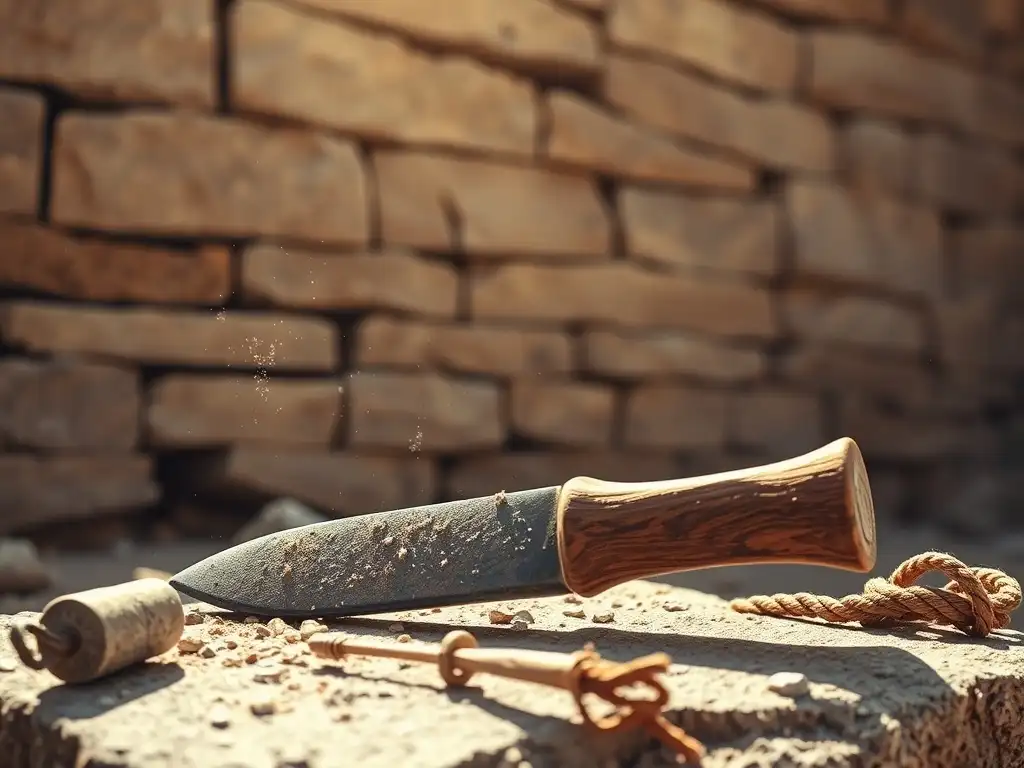
The remarkable architectural achievements of the Andean civilizations, from the towering structures of Machu Picchu to the intricate designs of Tiahuanaco, were made possible by a sophisticated array of tools and techniques. Understanding these tools provides crucial insight into the ingenuity and labor involved in creating these iconic landmarks. The construction process wasn't simply about brute force; it relied on precise craftsmanship and a deep understanding of materials.
The builders demonstrated an impressive mastery of stonework, utilizing various techniques to shape and assemble massive blocks with remarkable precision. Their success was a testament to their advanced understanding of engineering and their ability to adapt tools to the challenging Andean terrain. This sophisticated approach to construction allowed them to create enduring structures that have withstood the test of time, inspiring awe and wonder even today.
The sheer scale of these projects underscores the importance of efficient and effective tools in the daily lives of Andean builders. The development of these tools was a gradual process, evolving over centuries to meet the increasing demands of ever more ambitious building projects.
Stone Cutting and Shaping Tools: Hammerstones and Chisels
Hammerstones, typically made from hard, durable rock like andesite or basalt, served as the primary percussive tools. These weren't simply crude rocks; their shapes were often carefully selected or modified to optimize their effectiveness. The size and weight of the hammerstone varied depending on the task, with smaller ones used for finer work and larger ones for rough shaping.
In conjunction with hammerstones, chisels—crafted from equally hard materials—were used to meticulously carve and shape the stone blocks. Different chisel types existed, each suited to specific tasks, from removing large amounts of material to creating intricate details. The precision achieved through the coordinated use of hammerstones and chisels is evident in the perfectly fitted stones of many Andean structures, demonstrating a remarkable level of skill and patience.
Archaeological evidence suggests that the techniques used to create these tools were passed down through generations, ensuring the continuity of this vital knowledge and expertise. The effectiveness of these simple yet refined tools is a testament to the practical ingenuity of Andean artisans.
Tools for Transporting Stones in Andean Constructions
Moving massive stone blocks across challenging terrain presented a significant logistical challenge. The Andes' steep slopes and rugged landscapes required innovative solutions for transporting these heavy materials. While the precise tools used remain a subject of ongoing research, evidence suggests the use of ramps, levers, rollers, and possibly even sledges.
Ramps, painstakingly constructed from earth and stone, allowed for the gradual elevation of heavy blocks. Levers and rollers, possibly made from wood or other suitable materials, would have aided in maneuvering the stones along these ramps and across relatively level ground. Sledges, though less certain, could have been employed for transporting stones over shorter distances.
The ingenuity of these transport methods, combined with the coordinated efforts of numerous workers, allowed for the successful construction of monumental structures, highlighting the importance of efficient transportation in Andean construction projects. Further research is needed to fully understand the specific tools and techniques used, but the evidence points to a sophisticated understanding of mechanics and logistics.
Tools for Building with Adobe: Molds and Trowels
Adobe, a mixture of sun-dried mud and straw, formed a crucial building material in many Andean regions. Creating durable and well-shaped adobe bricks required specialized tools. Molds, often made from wood, were used to shape the wet adobe mixture into standardized bricks. These molds ensured consistency in brick size and shape, crucial for creating stable and aesthetically pleasing structures.
Trowels, likely made from wood or bone, were used to smooth the surface of the bricks and to apply the adobe mixture during construction. The use of molds and trowels allowed for efficient and standardized production of adobe bricks, significantly speeding up the construction process. Moreover, the consistent size and shape of the bricks facilitated the precise construction of walls and other architectural elements. The effectiveness of these simple tools in shaping the Andean landscape is a testament to the practical application of knowledge in everyday life.
Andean Metalworking Tools: Precision and Skill
The Andean civilizations were renowned for their advanced metalworking skills, producing intricate jewelry, tools, and weapons. This mastery required a range of specialized tools, reflecting their sophisticated understanding of metallurgy. Their techniques were not only functional but also aesthetically refined, resulting in objects of exceptional beauty and craftsmanship. The development of these metalworking tools was a gradual process, with innovations occurring over centuries as their metallurgical knowledge advanced. The precise tools and techniques employed varied depending on the specific metal being worked and the desired outcome.
Tools for Mining Andean Metals
Mining Andean metals like copper, gold, and silver required specialized tools for excavation and extraction. These tools included picks, shovels, and possibly even rudimentary drills. The exact materials and forms of these early tools remain a subject of ongoing research, but archaeological finds offer clues to their nature.
The mining process was often labor-intensive, requiring the coordinated efforts of many individuals. Evidence suggests the use of simple but effective techniques to extract ore from the earth, demonstrating a practical understanding of geology and mining processes. The challenge of extracting these materials from the earth speaks volumes about the dedication and skill of the Andean miners.
Smelting and Refining Andean Metal Ores: Furnaces and Bellows
Smelting and refining metal ores involved the use of furnaces and bellows to achieve high temperatures and control the airflow. Furnaces, likely constructed from clay or stone, provided the necessary environment for melting the ores. Bellows, used to increase the airflow into the furnace, were crucial for maintaining the high temperatures required for smelting.
The design and construction of these tools were critical to the success of the metalworking process. The sophistication of their smelting techniques is evident in the quality and purity of the metals they produced. The development of these technologies was instrumental in the advancement of Andean metalworking.
Forging and Shaping Andean Metal Objects: Jewelry, Tools, and Weapons
Once the metal was smelted and refined, various tools were used to forge and shape it into the desired objects. These included hammers, anvils, and tongs. Hammers, varying in size and weight, were used to strike the heated metal, shaping it according to the artisan's design. Anvils provided a stable surface to work on, while tongs allowed for the safe handling of the hot metal.
The skill and precision required to forge intricate objects like jewelry, tools, and weapons is remarkable. The Andean artisans demonstrated a mastery of metalworking techniques, resulting in objects of exceptional quality and artistry. Their tools were carefully chosen and expertly employed, demonstrating a profound understanding of materials and processes.
Other Important Everyday Tools in Andean Life
This section explores some of the less prominent, yet equally crucial, everyday tools used by Andean civilizations. These tools, often made from readily available materials like wood, stone, bone, and fiber, played a vital role in the daily lives of Andean peoples. Their design and functionality reflect the ingenuity and adaptability of these cultures in harnessing their environment. The creation and use of these tools were often deeply interwoven with social structures, religious beliefs, and artistic expression, demonstrating their significance beyond mere practicality. Understanding these implements allows for a richer appreciation of the complexity and sophistication of Andean societies.
Andean Grinding Stones: Preparing Food
Andean grinding stones, or metates and manos, were fundamental tools for food preparation. The metate, a flat, often slightly concave, stone surface, served as a base. The mano, a smaller, hand-held stone, was used to grind grains, seeds, and other ingredients into flour or paste. The design varied across different Andean cultures, reflecting regional differences in materials and techniques.
Some metates were intricately carved, showcasing artistic skill and potentially holding symbolic meaning. The process of grinding was not merely a practical task; it was also a social activity, often undertaken by women and shared within the community. The efficiency and effectiveness of these simple tools allowed for the cultivation and processing of diverse crops, providing sustenance for large populations. Variations in the size and shape of both the metate and mano indicate specialization for different grains and other foods.
Andean Basketry Tools: Gathering and Storage
Basketry played a crucial role in Andean life, serving various purposes from gathering and storage to transportation and ritual use. The tools used in basketry were simple but effective. Sharp, pointed implements, often made from bone or wood, were used to split and prepare plant fibers. Spindles and whorls were employed to spin fibers into thread.
Simple weaving tools, potentially including bone needles or sharpened sticks, facilitated the intricate weaving processes that resulted in durable and versatile baskets. The designs and materials used in Andean basketry varied widely depending on the intended use and the available resources. The creation of baskets was not simply a practical skill; it was a form of artistic expression and a way to transmit knowledge and traditions through generations. The intricacy and durability of some Andean baskets are a testament to the skill and precision of their creators.
Andean Fishing Tools: Nets, Hooks, and Spears
Fishing was an important source of protein for many Andean communities, particularly those living near the coast or along lakes and rivers. The tools used for fishing were diverse and reflected the specific environments and fishing techniques employed. Nets, often made from plant fibers or animal hair, were used to catch fish in large quantities. Hooks, crafted from bone, wood, or even thorns, were used for individual fishing.
Spears, fashioned from wood and sometimes tipped with stone or bone points, were employed for hunting larger fish or aquatic animals. The design and construction of these tools demonstrate a deep understanding of aquatic ecosystems and the behavior of fish. The effectiveness of these tools allowed Andean communities to supplement their diets with essential protein, contributing to their overall health and well-being. The development of sophisticated fishing techniques and tools showcases the adaptability and resourcefulness of Andean cultures.
The Enduring Legacy of Andean Civilization Everyday Tools
The everyday tools of Andean civilizations offer a compelling glimpse into the ingenuity, resourcefulness, and cultural richness of these societies. Their study allows us to appreciate the sophisticated technologies developed within these cultures, often overlooked in favor of more monumental structures and artifacts.
How Andean Tools Shaped Their Culture
Andean tools were not simply functional objects; they were integral to the social fabric of these societies. The knowledge and skills required to create and use these tools were often passed down through generations, solidifying social structures and reinforcing community bonds. The production and exchange of tools could have played a role in economic systems and trade networks. The artistic expression embedded in many tools further highlights their cultural significance, demonstrating a deep connection between practicality and aesthetics. Furthermore, the materials used in tool production often held symbolic or religious importance, linking everyday life to spiritual beliefs.
The Ingenuity of Andean Technology
The development of Andean tools showcases a remarkable level of technological ingenuity. The ability to adapt readily available materials to create effective and durable tools speaks volumes about the problem-solving skills and adaptive capacity of Andean peoples. The intricate designs and precise craftsmanship evident in many tools highlight the advanced understanding of materials science and engineering within these cultures.
Innovative techniques for shaping and working materials, often achieved with relatively simple tools, are testament to the creativity and skill of Andean artisans. The effectiveness of these tools in meeting the diverse needs of Andean societies is a testament to their ingenuity.
Modern Relevance of Andean Tools and Techniques
The legacy of Andean tools and techniques continues to resonate today. Many traditional practices and techniques are still in use in Andean communities, demonstrating their enduring value and relevance. Moreover, the ingenuity and adaptability demonstrated in the design and creation of Andean tools offer valuable lessons for contemporary technological innovation.
Understanding the principles behind these technologies can inspire new approaches to sustainable development and resource management. The study of Andean tools provides a rich source of inspiration for modern designers and engineers seeking innovative and sustainable solutions. The principles of efficiency, adaptability, and resourcefulness embedded in these ancient technologies remain highly relevant today.
- Andean Civilization Everyday Tools: An Introduction
- Essential Tools for Andean Agriculture
- Andean Textile Tools: Weaving Heritage
- Andean Pottery Tools: Shaping Clay into Art
- Andean Construction Tools: Building Ancient Structures
- Andean Metalworking Tools: Precision and Skill
- Other Important Everyday Tools in Andean Life
- The Enduring Legacy of Andean Civilization Everyday Tools
- What types of everyday tools did Andean civilizations use?
- How did Andean tools impact their daily lives?
- What materials were commonly used to make Andean tools?
- Were there any technological advancements in Andean toolmaking?
- How did the environment influence the design and function of Andean tools?
Frequently Asked Questions
What types of everyday tools did Andean civilizations use?
Andean civilizations utilized a diverse range of tools, including agricultural implements like digging sticks and plows, textile tools for weaving and spinning, and stone tools for various tasks. Their tools reflected their environment and resourcefulness.
How did Andean tools impact their daily lives?
Everyday tools were essential for survival in the challenging Andean environment. They facilitated farming, food preparation, clothing production, and construction, shaping their daily routines and social structures.
What materials were commonly used to make Andean tools?
Andean tools were crafted from readily available materials, such as wood, stone, bone, metal, and fiber. The choice of material depended on the tool's intended purpose and the available resources.
Were there any technological advancements in Andean toolmaking?
Yes, Andean civilizations showed significant technological progress in toolmaking. They developed sophisticated techniques in metalworking, pottery, and weaving, resulting in increasingly efficient and specialized tools over time.
How did the environment influence the design and function of Andean tools?
The Andean environment, characterized by high altitudes and diverse terrains, heavily influenced tool design. Tools were adapted to the specific needs of different environments, reflecting a deep understanding of their surroundings and resource management.
Final Reflection: Echoes of Ingenuity: The Enduring Legacy of Andean Tools
The ingenious tools of the Andean civilizations, far from being relics of a bygone era, offer a powerful lesson in sustainable living and resourcefulness that remains profoundly relevant today. Their simple yet effective designs highlight the importance of understanding our environment and utilizing available resources responsibly, a lesson urgently needed in our increasingly consumerist world. The ingenuity displayed in their creation speaks volumes about human adaptability and the enduring power of human creativity.
The impact of these everyday tools extends far beyond their practical applications; they represent a deep connection to the land and a profound understanding of ecological balance. These tools weren't just instruments of survival; they were integral to the social fabric, shaping communities and traditions that persist to this day. The tools a culture uses are a reflection of its values and its relationship with the world.
This quote encapsulates the significance of studying these objects, not just as artifacts, but as windows into a rich and complex cultural heritage. Their continued presence in modern Andean life, albeit often in modified forms, is a testament to their enduring value.
Consider the implications of this knowledge. How can we, in our own lives, embrace a similar spirit of resourcefulness and ingenuity? You too can find inspiration in the simplicity and effectiveness of these ancient tools. Challenge yourself to find creative solutions to everyday problems, to minimize waste, and to foster a deeper connection with the natural world around you. Let the legacy of the Andean people inspire you to live more sustainably and appreciate the power of simple, yet profound, innovation.
Embrace the Power of Everyday Tools!
Thank you for exploring the fascinating world of Andean life and its tools! You've discovered the crucial role these instruments play in shaping cultures and communities. Now, let's put that knowledge into practice!
Here's how you can continue your journey of discovery and engagement:
- Create a DIY project using traditional Andean techniques or materials, bringing a piece of history into your home. For example, you could try weaving a small textile using traditional methods.
- Share your insights! Discuss the significance of these tools with your community on social media, in local groups, or even with friends and family.
- Meet a local artisan or visit a workshop to see these tools in action and gain a deeper understanding of their role. This firsthand experience will bring the history to life.
What everyday tool do you find most significant in our modern lives, and why? Share your thoughts below!