
The Art of Efficiency: Analyzing the Design of Andean Tools and Implements

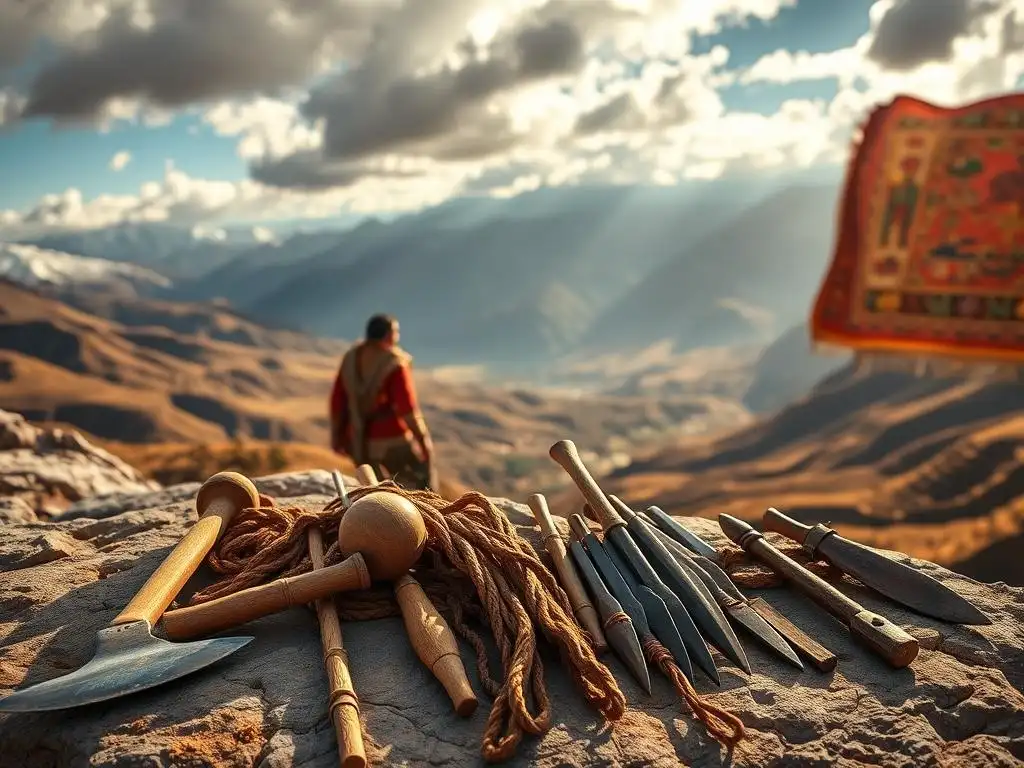
Step into a world lost to time, yet echoing with ingenuity. For centuries, the Andes Mountains cradled civilizations whose mastery of their environment is only now being fully understood. Prepare to be amazed by the intricate artistry and breathtaking efficiency of Andean tool design. Our analysis reveals secrets hidden within these ancient implements, challenging preconceptions and unveiling a legacy of innovation. Discover the ingenuity behind their designs and unlock the mysteries of Andean tool design analysis – a journey into the heart of a remarkable past awaits.
-
Andean Tool Design Analysis: The Art of Efficiency
- Introduction to Andean Ingenuity in Toolmaking
- Understanding the Environmental Context of Andean Tools
- Materials and Techniques in Andean Tool Construction
- Functional Design in Andean Tools and Implements
- The Significance of Andean Tools in Daily Life
- Advanced Andean Tool Design and Innovation
- The Legacy of Andean Tool Design
- Conclusion: Appreciating the Ingenuity of Andean Tool Design
- Frequently Asked Questions
- Final Reflection: Weaving Efficiency into the Modern World
- **Unleash Your Curiosity and Discover More! **
Andean Tool Design Analysis: The Art of Efficiency
The ingenuity of Andean civilizations is profoundly reflected in their tool design. Far from rudimentary, these tools represent sophisticated adaptations to diverse environments and material resources, showcasing a deep understanding of engineering principles and a remarkable capacity for problem-solving. This analysis delves into the design of Andean tools and implements, exploring the interplay between functionality, material selection, and the unique challenges posed by the Andean landscape.
We will examine how seemingly simple tools were meticulously crafted to maximize efficiency in agriculture, construction, textile production, and daily life, highlighting the remarkable artistry and practicality embedded within their design. This exploration will reveal how Andean tool design provides a fascinating case study in human adaptation and innovation, offering valuable insights into the ingenuity of these remarkable cultures and their lasting legacy.
Understanding the principles behind Andean tool design offers a unique perspective on the technological sophistication of these ancient societies, challenging preconceived notions of "primitive" technology. This analysis will focus on key examples from various Andean cultures, including the Incas, Moche, Nazca, and Tiahuanaco, to provide a comprehensive overview of this captivating aspect of Andean heritage.
Introduction to Andean Ingenuity in Toolmaking
Andean toolmaking wasn't simply a matter of finding a sharp rock; it was a sophisticated process involving specialized skills, knowledge transfer across generations, and an intimate understanding of available materials. From the meticulously crafted obsidian blades of the Nazca to the intricately designed bronze tools of the Moche, the level of craftsmanship is astounding. Consider, for example, the chaquitaclla, a foot-powered plow used extensively in the Andes.
Its seemingly simple design belies its effectiveness in cultivating the challenging Andean terrain. The chaquitaclla's efficiency stemmed not only from its unique shape, but also from its clever use of leverage and the understanding of soil mechanics. Similarly, the various types of Andean weaving tools, with their diverse designs adapted to different fiber types and weaving techniques, demonstrate a deep understanding of material properties and textile production.
These examples highlight the nuanced relationship between Andean tool design and the overall societal structure and cultural practices. The development and use of these tools were deeply embedded within the social fabric, contributing to economic productivity, social organization, and cultural identity. This intricate connection underscores the importance of analyzing Andean tool design within its broader socio-cultural context.
Understanding the Environmental Context of Andean Tools
The diverse geography of the Andes—from arid coastal deserts to high-altitude plains and lush jungle valleys—significantly influenced the design and functionality of Andean tools. The challenges posed by this varied landscape necessitated innovative solutions, resulting in a remarkable diversity of tools adapted to specific ecological niches. The materials used, the techniques employed, and even the overall shape and size of the tools reflect a deep understanding of the environment and its limitations.
The relationship between the environment and Andean tool design is not merely coincidental; it is fundamental to understanding their effectiveness and ingenuity. This section explores this crucial relationship in detail.
The Influence of Andean Geography on Tool Design
The steep slopes, rocky terrain, and varying altitudes of the Andes presented significant challenges to agriculture and construction. Tools had to be lightweight yet durable, capable of handling rocky soil and uneven surfaces. For instance, the design of the ayllu system, a form of communal agriculture, was intrinsically linked to the development of tools that maximized efficiency in terraced farming. The tools used in highland agriculture often differed significantly from those used in coastal regions, reflecting the contrasting environmental conditions and agricultural practices.
The need for efficient irrigation systems in arid areas also drove the development of specialized tools for canal construction and water management. Analyzing the specific design features of these tools in relation to the environmental constraints they addressed reveals the remarkable adaptability and problem-solving skills of Andean engineers. [Specific data on tool variations across altitudes pending]
Adaptation to Diverse Ecosystems: Coastal, Highland, and Jungle Tools
The Andean region encompasses three distinct ecosystems: the coastal desert, the highlands, and the jungle. Each presented unique challenges and opportunities for tool design. Coastal tools often focused on fishing and shellfish gathering, utilizing materials like wood, bone, and shell. Highland tools emphasized agriculture, with a focus on cultivating potatoes, maize, and other Andean crops.
Jungle tools, on the other hand, were adapted for the dense vegetation and humid climate, often involving different materials and construction techniques. The contrast between these tool types underscores the ingenuity of Andean civilizations in adapting their technology to suit the specific needs of each environment. [Specific examples of coastal, highland, and jungle tools with detailed descriptions pending]. The diversity of tools across these ecosystems serves as powerful evidence of the sophisticated understanding of materials and the adaptability of Andean societies.
Materials and Techniques in Andean Tool Construction
The ingenuity of Andean tool design is intrinsically linked to the materials available and the techniques employed in their construction. Understanding these aspects provides crucial insight into the technological prowess of these ancient civilizations. The Andean region boasts a diverse range of resources, each carefully selected and utilized based on its properties and the intended function of the tool.
From the high Andes' rugged mountains to the coastal deserts, the environment itself dictated the materials available and shaped the innovative techniques developed to work with them. This resourcefulness is a hallmark of Andean technology, reflecting a deep understanding of material science and an ability to adapt to diverse environmental challenges. The variety of materials and techniques used demonstrates a sophisticated approach to toolmaking, tailored to specific needs and purposes.
Sourcing Raw Materials for Andean Implements
Obtaining raw materials for tool construction was a complex process, often involving significant travel and specialized knowledge. For example, obsidian, a volcanic glass prized for its sharpness, was sourced from specific volcanic regions, sometimes hundreds of kilometers away from the settlements where it was used. This necessitates the existence of extensive trade networks and a deep understanding of geology to identify and exploit these valuable resources.
Similarly, the sourcing of specific types of stone for grinding tools, such as andesite or basalt, required knowledge of local geology and access to quarries. The transportation of these heavy materials, often over challenging terrain, speaks to the organizational capabilities and logistical planning of Andean societies.
The careful selection of materials demonstrates a deep understanding of the properties required for different tools and an appreciation for the value of quality raw materials. The effort invested in obtaining these materials highlights the importance of tools in daily life.
Stone Tool Technology: Flaking, Grinding, and Polishing
Andean stone tool production employed a range of sophisticated techniques, including flaking, grinding, and polishing. Flaking involved skillfully removing small pieces of stone to create sharp edges and points on tools like knives and projectile points. This required precision and control, and evidence suggests the use of specialized hammers and anvils made of harder materials.
Grinding, used to create smooth, functional surfaces on tools such as manos and metates (used for grinding grains), involved rubbing the stone against another surface, often using abrasive materials like sand. Polishing, a final step in the production of many tools, involved further smoothing and refining the surface, creating a durable and aesthetically pleasing finish.
The mastery of these techniques demonstrates a high level of skill and precision, reflecting a deep understanding of material properties and tool function. The development of these techniques over time showcases a continuous process of refinement and improvement in Andean toolmaking.
The Use of Metals in Andean Tool Production
The introduction of metalworking marked a significant technological advancement in the Andes. Initially, copper and bronze were used to create tools and ornaments. Later, Andean metallurgists mastered the techniques of working with gold, silver, and other precious metals. The ability to cast, hammer, and anneal metals allowed for the creation of more durable, complex, and specialized tools.
This technological innovation demonstrates a sophisticated understanding of metallurgy and the ability to control high temperatures and manipulate materials to create functional and aesthetically pleasing objects. The use of metals allowed for the creation of tools that were stronger, lighter, and more efficient than their stone predecessors, leading to further advancements in agriculture, warfare, and other aspects of Andean life. The artistry displayed in metalworking also highlights the cultural significance of these objects.
Functional Design in Andean Tools and Implements
The remarkable efficiency of Andean tools stems not only from the materials and techniques used in their construction but also from their carefully considered design. The form and function of these tools are inextricably linked, reflecting a deep understanding of ergonomics, biomechanics, and the practical needs of daily life. The design often prioritized efficiency, minimizing effort while maximizing output. The sophistication of these designs is a testament to the ingenuity and practical knowledge of Andean artisans.
Analyzing the Ergonomics of Andean Hand Tools
Many Andean hand tools, such as the chaquitaclla (a foot plow) and various types of digging sticks, were designed with ergonomics in mind. The shapes and sizes of these tools were carefully considered to fit the human hand and body, minimizing strain and maximizing efficiency. The handles of many tools were often curved or shaped to provide a comfortable and secure grip.
Such design features reflect an understanding of biomechanics and the importance of reducing fatigue during prolonged use. This demonstrates a sophisticated approach to tool design, prioritizing both efficiency and comfort for the user. This focus on ergonomics speaks to the value placed on human well-being and the importance of efficient labor in Andean societies.
Efficiency and Purpose: Case Studies of Specific Andean Tools
Consider the chaquitaclla. Its unique design, with a foot-operated lever and a digging point, allowed for efficient tilling of the soil, particularly in the challenging Andean terrain. The toquilla, a type of loom, facilitated the weaving of complex textiles with remarkable speed and precision. These examples showcase the close relationship between tool design and the specific tasks they were intended to perform.
The efficiency of these tools reflects an understanding of physics and engineering principles, applied to practical problems of daily life. The careful consideration of both form and function in Andean tool design reveals a deep understanding of the needs of the user and the demands of the environment. The variety of tools designed for diverse tasks illustrates the adaptability and sophistication of Andean technology.
The Significance of Andean Tools in Daily Life
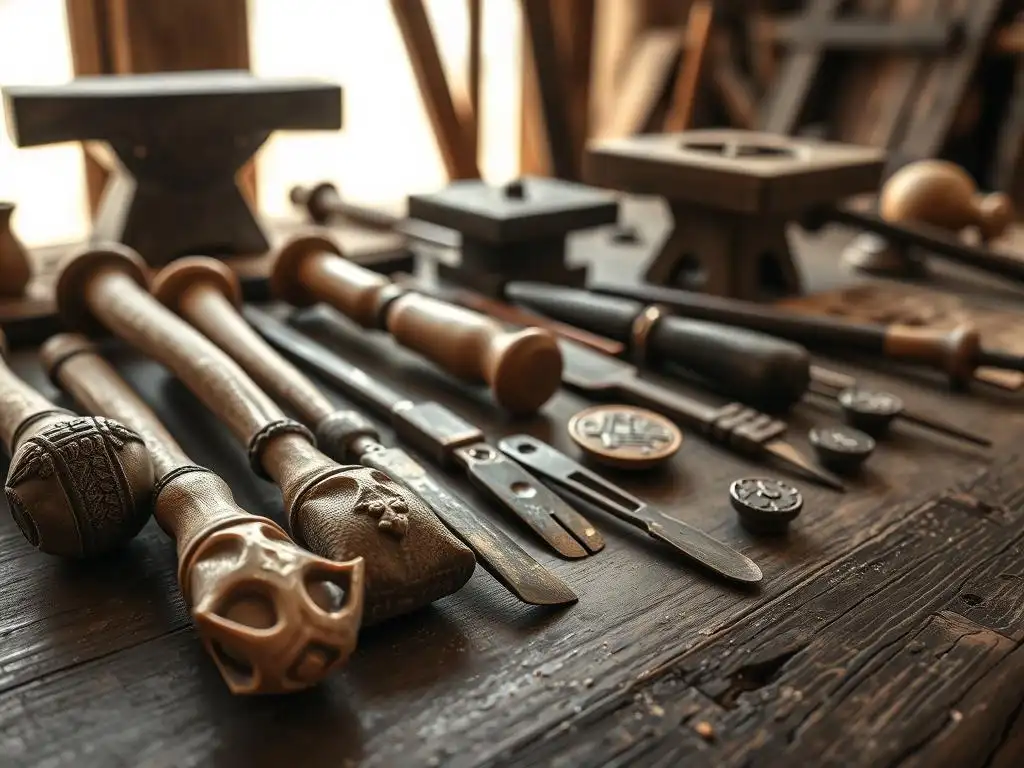
Andean tools weren't mere implements; they were integral to the survival and prosperity of ancient Andean societies. Their design reflected a deep understanding of the environment and a remarkable ingenuity in adapting available materials to create efficient and effective tools.
From the simplest digging stick to the intricately crafted metal implements of the later periods, these tools shaped daily life, influencing everything from food production and textile creation to construction and trade. The effectiveness of these tools directly impacted the population's ability to sustain itself, leading to the development of sophisticated social structures and impressive achievements in architecture, agriculture, and art.
The study of Andean tools provides crucial insights into the resourcefulness and technological prowess of these ancient civilizations, highlighting their ability to leverage their environment for optimal results. The efficiency of their designs, often achieved with seemingly simple materials, stands as a testament to their deep understanding of engineering principles.
Tools for Agriculture: Enhancing Crop Yields
Agriculture was the backbone of Andean societies, and the tools used for cultivation were crucial for their success. The chaquitaclla, a foot-powered plow, is a prime example of ingenious Andean tool design. Its effectiveness in tilling the often-challenging Andean terrain allowed for increased crop yields. Other tools, such as digging sticks, hoes, and irrigation systems (though not strictly hand tools, they were crucial to agricultural practices), were carefully crafted and strategically employed to maximize agricultural output.
The design of these tools often incorporated features specifically adapted to the unique characteristics of Andean soils and crops, demonstrating a sophisticated understanding of agricultural science. For instance, the shape and size of the digging sticks varied depending on the type of soil being worked, reflecting an understanding of soil mechanics. This close relationship between tool design and agricultural practices is a key element in understanding the success of Andean agriculture.
Andean Tools for Textile Production
Textile production was another significant aspect of Andean life, with textiles serving both practical and ceremonial purposes. The creation of these textiles relied heavily on specialized tools, demonstrating advanced technical skill and artistry. Spindles and distaffs were used for spinning yarn, while looms, often intricate in their design, were employed for weaving.
The quality and design of these tools contributed significantly to the production of the renowned Andean textiles, characterized by their vibrant colors, intricate patterns, and durability. The tools themselves often reflect the social status of their owners, with higher-quality materials and more elaborate designs found among the elite. The diversity of tools used in textile production, ranging from simple to highly sophisticated, reveals the complexity and importance of this craft in Andean society.
Tools for Building and Construction: Shaping the Andean Landscape
The impressive architectural achievements of the Andean civilizations were made possible by the development of sophisticated building and construction tools. Stone tools, such as hammers, chisels, and wedges, were used to shape and carve the massive stones used in structures like Machu Picchu. The precision and efficiency with which these tools were used is evident in the remarkable fit and finish of the stonework.
Further, specialized tools were likely employed for tasks such as transporting and lifting the heavy stones, though the exact nature of these tools remains a subject of ongoing research. The development and use of these tools allowed the Andean people to shape the landscape, creating awe-inspiring structures that continue to amaze and inspire today. The ingenuity in tool design and the skill in their application are key factors in understanding the remarkable achievements in Andean architecture.
Advanced Andean Tool Design and Innovation
The Andean civilizations exhibited a remarkable capacity for technological innovation, evident in the design and evolution of their tools. This wasn't simply a matter of incremental improvement; rather, it involved significant leaps in design and the incorporation of new materials and techniques. Their understanding of metallurgy, for instance, allowed them to create tools of superior strength and durability compared to those made of stone or wood.
This technological advancement significantly enhanced the efficiency and effectiveness of their tools, impacting various aspects of their lives. The study of these advanced tools offers valuable insights into the sophistication of Andean technology and its impact on society.
The Role of Specialization in Tool Development
The development of advanced Andean tools was facilitated by the emergence of specialized craftspeople. Evidence suggests that certain individuals or groups were dedicated to the production of specific types of tools, leading to improvements in design and efficiency. This specialization allowed for the development of expertise and the refinement of techniques, contributing to the overall quality and effectiveness of the tools.
This division of labor played a critical role in technological advancement, highlighting the importance of social organization in shaping technological innovation. The level of craftsmanship evident in many Andean tools suggests a high degree of skill and specialization among the toolmakers.
Evidence of Standardization in Andean Implements
While Andean tools show remarkable diversity reflecting regional variations and specific needs, there's also evidence of standardization in certain types of implements. This standardization suggests the existence of established design principles and manufacturing techniques, possibly reflecting the influence of centralized authority or widespread trade networks. The consistency in size, shape, and materials used in some tools indicates a degree of control over production, possibly through workshops or specialized centers.
Further research is needed to fully understand the extent and implications of standardization in Andean tool production. However, the existing evidence points to a more complex and organized system than previously thought.
The Evolution of Andean Tool Technology over Time
The evolution of Andean tool technology was a gradual process, influenced by factors such as environmental conditions, available materials, and social changes. Early tools were primarily made of stone and wood, but over time, the adoption of metallurgy led to the creation of tools made of bronze, copper, and eventually gold and silver. This shift in materials dramatically increased the durability and efficiency of tools, allowing for more complex tasks and greater productivity.
The evolution of Andean tool technology reflects a continuous process of adaptation and innovation, reflecting the dynamic nature of Andean societies and their interaction with their environment. This ongoing evolution underscores the adaptive capacity of Andean cultures and their ability to refine and improve their tools over time.
The Legacy of Andean Tool Design
The legacy of Andean tool design is a testament to the ingenuity and adaptability of ancient Andean cultures. Their tools weren't simply functional; they were carefully crafted objects reflecting a deep understanding of materials science, ergonomics, and environmental sustainability. From the intricate weaving techniques employed in textile production to the sophisticated irrigation systems built using meticulously designed tools, the Andean civilizations demonstrated a remarkable ability to harness available resources to create effective and efficient tools for a wide range of purposes.
This wasn't a matter of mere survival; it was a sophisticated system of technological innovation adapted to the unique challenges of the Andean environment. The precision and artistry evident in many tools also suggest a strong cultural value placed on craftsmanship and skill, demonstrating that functionality and aesthetics were not mutually exclusive.
This holistic approach to tool design set a precedent for future generations and continues to inspire innovation today. The ingenuity demonstrated in their toolmaking represents a significant contribution to human technological development.
Lessons Learned from Ancient Andean Toolmaking
Analyzing Andean toolmaking offers invaluable lessons for modern practices. One key takeaway is the emphasis on sustainable resource management. Andean artisans often utilized locally sourced materials, minimizing environmental impact. For instance, the use of readily available stones, wood, and fibers demonstrates a deep understanding of local ecosystems and a commitment to responsible resource use.
Furthermore, the durability and longevity of many Andean tools highlight the importance of quality craftsmanship and thoughtful design. The focus on creating tools that could withstand harsh conditions and frequent use underscores the value of investing in robust and reliable technology. Finally, the intricate designs and functionalities embedded in Andean tools, such as the complex mechanisms within some agricultural implements, offer valuable insights into innovative problem-solving approaches that can inspire modern engineers and designers. These examples showcase the potential of integrating sustainability and efficiency in contemporary design.
The Enduring Impact on Modern Practices
The impact of Andean tool design extends far beyond the ancient past. Many principles of Andean toolmaking, such as the use of readily available materials and the focus on ergonomic design, continue to influence modern practices in various fields. The ingenious methods used in textile production, for example, continue to inspire contemporary designers. The precision and control demonstrated in Andean weaving techniques are still studied and appreciated for their efficiency and artistry.
Similarly, the sophisticated irrigation systems, built using tools designed for specific tasks, continue to inform modern water management techniques. The principles of sustainability and resourcefulness embedded in Andean tool design provide valuable lessons for addressing contemporary environmental challenges. Today, designers and engineers draw inspiration from the resourcefulness and ingenuity of Andean toolmakers, striving to create more sustainable and efficient technologies. This enduring legacy underscores the timelessness of well-designed and ethically produced tools.
Conclusion: Appreciating the Ingenuity of Andean Tool Design
The study of Andean tool design reveals a sophisticated understanding of materials, ergonomics, and sustainable practices. The ingenuity displayed in these tools is remarkable, showcasing the resourcefulness and adaptability of Andean civilizations. From the intricate designs of weaving tools to the efficiency of agricultural implements, these creations highlight a deep connection between humans and their environment. Analyzing Andean tool design not only provides valuable insights into the past but also offers important lessons for modern practices, emphasizing the importance of sustainability, durability, and thoughtful design. The legacy of Andean toolmaking serves as a powerful reminder of the importance of innovation and the enduring impact of well-crafted tools. Appreciating the ingenuity of Andean tool design allows us to gain a deeper understanding of human innovation and the enduring power of sustainable technologies. The sophisticated and efficient nature of these tools underscores their importance in the Andean civilizations' success and continues to inspire modern-day innovation. Understanding the "Andean tool design analysis" provides a rich tapestry of knowledge about ancient technologies and offers valuable lessons for contemporary design and manufacturing.
Frequently Asked Questions
What makes Andean tool design so significant?
Andean tool design is significant because it reveals the ingenuity and adaptation of ancient cultures to their diverse environments. Tools reflect their advanced understanding of materials and engineering principles. Their efficiency shaped their societies.
How did Andean cultures adapt their tools to different environments?
Andean tool design varied greatly depending on the specific ecological niche. Tools used in the high Andes differed significantly from those used in coastal regions, reflecting adaptations to altitude, climate, and available resources. This demonstrates remarkable environmental awareness.
What materials were commonly used in Andean tool creation?
Stone, particularly obsidian and andesite, was widely used for tools. Metals like copper, bronze, and gold were also employed, especially in later periods. Wood, bone, and shell were also important materials for different tool types.
What is the focus of "Andean tool design analysis"?
"Andean tool design analysis" focuses on examining the form, function, and manufacture of Andean tools to understand their technological sophistication, cultural significance, and the societies that created them. It uses scientific methods to investigate these aspects.
How did Andean tool design influence their agricultural practices?
Andean tool design was crucial to their successful agriculture. Specialized tools for terracing, irrigation, and harvesting allowed them to cultivate diverse crops in challenging environments. This ensured food security and supported population growth.
Final Reflection: Weaving Efficiency into the Modern World
The ingenious design of Andean tools, honed over millennia, offers a powerful lesson in sustainable resource management and innovative problem-solving that remains strikingly relevant today. In a world grappling with climate change and resource depletion, understanding the principles behind their creation—simplicity, adaptability, and a deep respect for materials—provides a crucial framework for developing more sustainable technologies and practices. The enduring legacy of these tools transcends mere historical significance; they represent a blueprint for a more responsible and efficient future.
The impact of Andean tool design extends far beyond the Andes themselves, influencing our understanding of human ingenuity and the symbiotic relationship between humans and their environment. Their elegant simplicity speaks volumes about the power of mindful design, a stark contrast to the often wasteful practices of modern mass production. The best things are the simplest,
a proverb often attributed to various cultures, perfectly encapsulates the essence of Andean tool design and its enduring appeal. This philosophy, embedded in their tools, challenges us to reconsider our own consumption habits and the environmental impact of our choices.
Consider the ingenuity of these tools, their seamless integration with the environment, and the wisdom embedded in their creation. You, the reader, are now equipped with a deeper understanding of sustainable design principles. Let this knowledge inspire you to seek out efficiency in your own life, to appreciate the value of simplicity, and to strive for solutions that are both effective and environmentally responsible. Embrace the legacy of Andean ingenuity, and let it guide you towards a more sustainable and fulfilling future.
**Unleash Your Curiosity and Discover More! **
Thank you for exploring the fascinating world of Andean tools and their intricate designs. You've gained valuable insights into the ingenuity and creativity of these ancient implements, inspiring us today and deepening our appreciation for Andean cultures.
Now, let's put this knowledge to work! Here are some ways to further explore this captivating subject:
- **Get creative:** Try making a simple tool inspired by Andean designs using readily available materials. Share your creation with friends or on social media!
- **Join the discussion:** Connect with other enthusiasts online. Share your thoughts on the importance of efficient design and its modern applications.
- **Dive deeper:** Visit a local museum or cultural center with Andean artifacts. Observe how these tools shaped daily life and take notes on what you find most interesting.
What aspect of Andean tool design excites you most? Share your thoughts in the comments below!