
Precision in Pottery: Examining the Tools That Created Andean Ceramics

Step into a world lost to time, yet echoing with the skill of master artisans. Imagine the intricate designs, the vibrant colors—all born from the hands of ancient Andean potters. This journey into the heart of Andean Civilizations begins with an exploration of their ingenuity: Andean pottery making tools. Uncover the secrets behind their remarkable craftsmanship and prepare to be amazed by the precision and artistry that shaped a legacy in clay. Discover the techniques that continue to inspire awe... read on to learn more.
The artistry and sophistication of Andean ceramics stand as a testament to the ingenuity and skill of ancient Andean cultures. From the intricate designs of the Nazca to the monumental vessels of the Moche, these artifacts offer invaluable insights into the daily lives, religious beliefs, and social structures of these remarkable civilizations.
This article delves into the fascinating world of Andean pottery making, focusing specifically on the tools and techniques employed by these master artisans. We will explore the remarkable precision achieved by these ancient peoples, examining the diverse implements they used to create their enduring legacy in clay.
Understanding these tools provides a crucial lens through which to appreciate the technical mastery and artistic vision that produced such breathtaking ceramics, contributing significantly to our understanding of Andean technology and innovation related to "Andean pottery making tools". We will uncover the secrets behind the creation of these exquisite pieces, revealing the ingenuity and dedication that went into their production.
The Significance of Andean Ceramics and Their Craftsmanship
Andean ceramics are far more than just aesthetically pleasing objects; they are rich repositories of historical and cultural information. Their significance extends beyond their artistic merit, providing crucial evidence for archaeologists and historians seeking to reconstruct the past. The meticulous craftsmanship evident in these pieces reflects a deep understanding of material properties and a highly developed artistic sensibility.
Pottery served a multitude of purposes, from everyday utilitarian objects like cooking pots and storage jars to elaborate ceremonial vessels used in religious rituals and elite burials. The diversity of forms, styles, and decorative techniques used across different Andean cultures highlights the regional variations and stylistic evolution of pottery production over centuries. The sheer volume of surviving pottery, coupled with its remarkable preservation in the arid Andean climate, provides an unparalleled resource for understanding these ancient societies.
The level of detail and precision in the execution of designs, often incorporating complex iconography and narrative scenes, is truly astonishing, showcasing the advanced skills of the artisans who created them. The use of specific "Andean pottery making tools" was key to achieving this level of precision.
Understanding Ancient Andean Pottery Techniques
The creation of Andean ceramics was a complex process involving several stages, each requiring specialized tools and techniques. The process typically began with the selection and preparation of clay, often sourced from local deposits. This clay was then meticulously cleaned, mixed with temper (such as sand or crushed stone) to improve its workability and durability, and carefully shaped using a variety of tools.
These tools, often made from readily available materials like wood, bone, stone, and shell, played a crucial role in shaping the vessel and adding decorative elements. For example, modeling tools, ranging from simple spatulas to intricately carved implements, were used to create the basic form of the pot. Later, smoothing tools, often made from polished stone, were employed to refine the surface, creating a smooth, even texture.
The application of slip (a liquid clay mixture) and paint, often achieved with brushes made from plant fibers or animal hair, further enhanced the aesthetic appeal of the vessels. Finally, firing in specialized kilns completed the process, transforming the clay into a durable and long-lasting ceramic artifact. The specific tools used varied depending on the culture and the period, but the underlying principles of careful preparation, precise shaping, and skillful decoration remained constant, all dependent on the right "Andean pottery making tools."
- The Significance of Andean Ceramics and Their Craftsmanship
- Understanding Ancient Andean Pottery Techniques
Essential Andean Pottery Making Tools
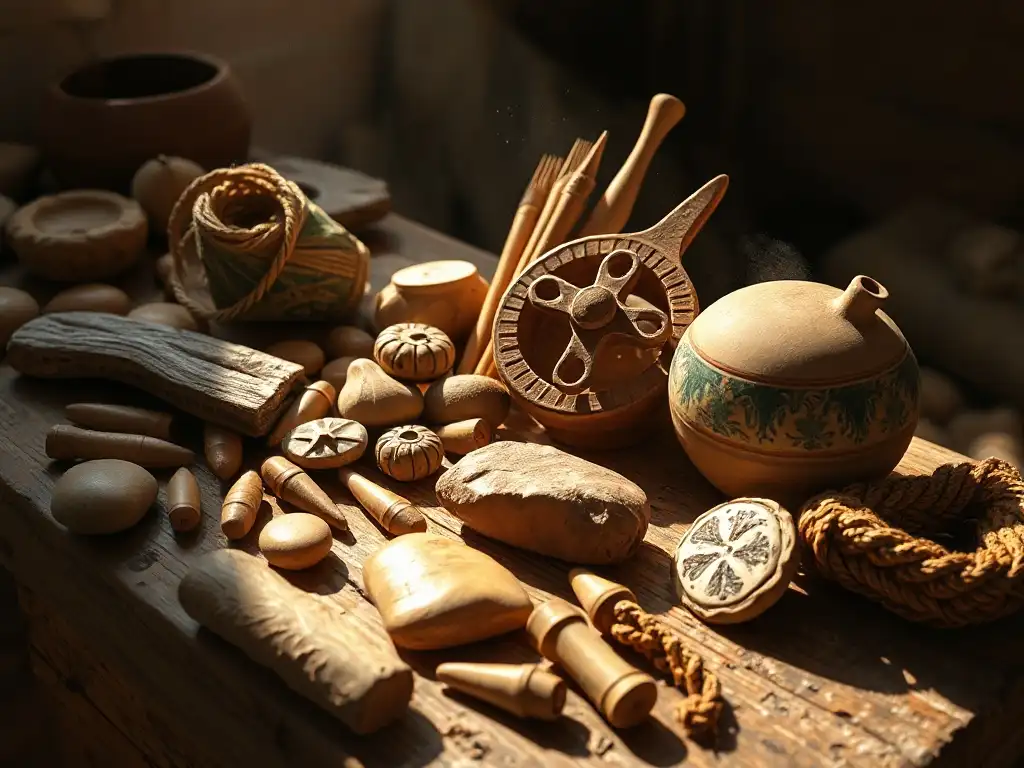
This section delves into the fundamental tools employed by Andean artisans in the creation of their remarkable ceramics. Understanding these tools provides crucial insight into the techniques and ingenuity that enabled the production of the diverse and aesthetically stunning pottery characteristic of Andean cultures. From the simplest hand-held implements to more sophisticated molds, each tool played a vital role in shaping the clay and bringing the artist's vision to life.
The mastery of these tools, passed down through generations, represents a significant aspect of Andean technological innovation and cultural heritage. Analyzing these tools allows us to better appreciate the skill and precision involved in Andean pottery making.
The Role of the Coiling Method in Andean Ceramics
The coiling technique was a cornerstone of Andean ceramic production, employed across various cultures and time periods. This method involved rolling out long, thin ropes of clay, which were then carefully coiled upon each other, building up the vessel's form layer by layer. The success of this technique relied heavily on the artisan's skill in maintaining consistent coil thickness and ensuring proper adhesion between layers.
While seemingly simple, coiling demanded precision and patience. Imperfect coils could lead to structural weaknesses and cracks during firing. The tools used in this process were primarily hands and simple smoothing tools. However, the effectiveness of the coiling method was significantly enhanced by the use of a carefully prepared clay.
This involved a lengthy process of mixing, kneading, and tempering the clay to achieve the optimal consistency for coiling. The addition of temper – materials like sand, shell, or fiber – improved the clay’s workability and reduced shrinkage during firing, thus contributing to the durability and longevity of the finished product. The meticulous nature of this preparatory work speaks volumes about the dedication and expertise of Andean potters.
Different Andean cultures exhibited variations in their coiling techniques. For instance, some cultures favored thinner coils, resulting in more delicate and intricate vessels, while others preferred thicker coils for sturdier, more robust forms. These variations reflect the diverse aesthetic preferences and functional needs across different Andean societies. Further research into specific cultural variations in coiling techniques is needed to fully understand the nuances of this crucial aspect of Andean pottery making tools.
Shaping Tools: Smooth Stones and Wooden Paddles
Once the coils were in place, shaping tools played a crucial role in refining the vessel's form and creating a smooth, even surface. These tools were remarkably simple yet incredibly effective. Smooth stones, carefully selected for their shape and texture, were used to gently press and blend the coils together, eliminating visible seams and creating a seamless transition between layers. The stones' smooth surfaces prevented the clay from sticking and allowed for precise manipulation.
Wooden paddles, often carved from readily available wood, served a similar purpose. These paddles, sometimes featuring slightly curved or rounded edges, allowed potters to further refine the vessel's shape, creating curves, smoothing surfaces, and achieving a desired profile. The use of both stones and paddles highlights the adaptability and resourcefulness of Andean potters, who utilized readily available natural materials to create sophisticated ceramic forms.
The variety in the shapes and sizes of these tools likely reflected regional variations and individual preferences. Further investigation could reveal the specific types of wood and stone favored by different Andean groups, shedding more light on the regional variations in Andean pottery making.
The Use of Molds in Andean Ceramic Production
While coiling was a dominant method, the use of molds in Andean ceramic production also deserves attention. Molds, typically made from clay itself, allowed for the mass production of standardized forms, particularly for utilitarian objects like bowls and jars. These molds were not simply impressions; they were carefully crafted tools that dictated the shape, size, and even decorative elements of the finished piece.
The process involved pressing a prepared clay slab into the mold, ensuring that it filled all the crevices and conformed to the mold's shape. Excess clay was then trimmed away, leaving a vessel that closely replicated the mold’s design. The use of molds demonstrates a sophisticated understanding of ceramic technology and the efficient production of goods.
The standardization achieved through mold-making likely played a crucial role in the distribution and exchange of goods within and between Andean societies. The intricacy of some molds, incorporating intricate designs and textures, points to the artistry and skill involved even in mass-production techniques.
Further research is needed to fully document the range of mold types and their regional distribution across different Andean cultures, providing a richer understanding of the development and use of these important Andean pottery making tools. The impact of molds on the standardization and large-scale production of Andean ceramics is a fascinating area for future study.
Specialized Instruments for Surface Decoration
Beyond the basic tools for shaping and firing, Andean potters employed a range of specialized instruments to achieve the intricate surface decorations that characterize their pottery. These tools, often crafted from readily available materials, allowed for a remarkable level of precision and artistry. The creation of these decorative elements wasn't a simple process; it required skill, patience, and a deep understanding of the materials.
One crucial tool was the spatula, often made from bone, shell, or even carefully shaped pieces of wood. These spatulas varied in size and shape, allowing potters to apply different types of paint, create textures, and add fine details to their designs. Some spatulas were quite broad, ideal for applying washes of color across large areas, while others were delicate and pointed, perfect for intricate line work and the creation of fine patterns.
The material used often influenced the final effect; a bone spatula might create a different texture than one made from shell. Archaeological finds consistently reveal a diversity of spatulas, suggesting a wide range of techniques and stylistic preferences among different Andean cultures.
Another important tool was the stamp. These were typically made from wood, stone, or shell and carved with various designs. By pressing the stamp onto the wet clay, potters could quickly and efficiently reproduce intricate motifs across the surface of the vessel. The designs varied greatly, from geometric patterns to representations of animals and plants. The use of stamps allowed for mass production of certain decorative elements, while still allowing for individual artistic expression through the choice of stamps and their arrangement. The ability to create consistent, repeated designs was crucial for creating complex and visually stunning pottery.
Finally, the use of brushes made from natural materials, such as animal hair or plant fibers, added another layer of complexity to the decorative process. These brushes allowed for a greater degree of control and precision in applying paint, enabling the creation of subtle shading and gradients. The fineness of the brush would determine the level of detail achievable, with finer brushes allowing for more intricate work.
The development and use of brushes demonstrates a sophisticated understanding of material properties and their application to artistic expression. The variety in brush types and their associated techniques contributed significantly to the diversity of decorative styles across different Andean regions and time periods. The interplay between these different tools allowed for a remarkable range of decorative techniques, showcasing the advanced artistry and technical skill of Andean potters.
Materials Used in Andean Pottery Production
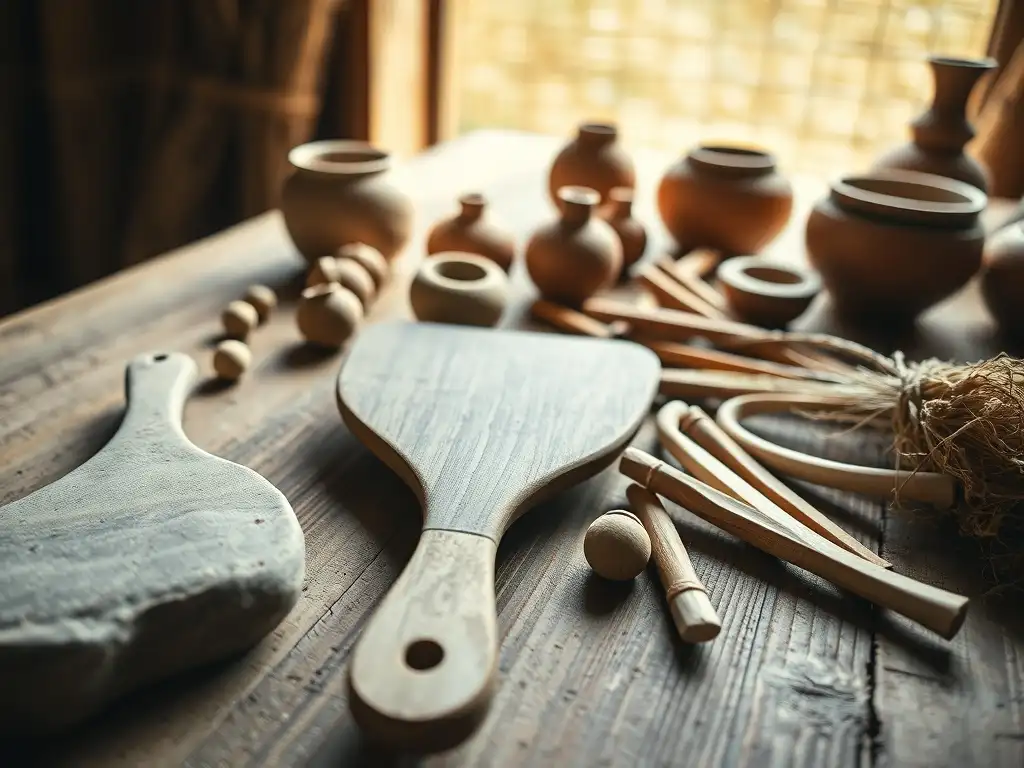
The creation of the exquisite Andean ceramics we admire today relied heavily on the careful selection and preparation of raw materials. Understanding these materials is crucial to appreciating the skill and ingenuity of Andean potters. The quality of the clay, the sourcing of pigments, and the meticulous finishing techniques all contributed to the unique characteristics of Andean pottery.
This section will delve into the specific materials used, highlighting their importance in the overall process of Andean pottery making. The careful selection and preparation of these materials, often sourced locally, demonstrates a deep understanding of the natural environment and its resources, reflecting the sophisticated knowledge systems of Andean civilizations. This intimate connection with the land is paramount to understanding the enduring legacy of Andean pottery.
Andean Clay Sourcing and Preparation
Andean clay sourcing was a critical first step in pottery production. Potters meticulously selected clays based on their properties, often prioritizing clays known for their plasticity and ability to withstand high firing temperatures. The type of clay varied regionally, reflecting the geological diversity of the Andes. For example, coastal regions might have offered clays with different properties than those found in the high altitude valleys.
The preparation process itself was equally vital. This involved removing impurities, such as stones and organic matter, often through careful hand-picking and washing. The clay was then typically pounded and kneaded to achieve a uniform consistency, a process that could take hours, even days, depending on the desired texture and plasticity. This meticulous preparation was essential for creating vessels that were both strong and aesthetically pleasing.
The consistency of the clay directly affected the final product's durability and appearance, underscoring the potter's intimate knowledge of materials science. Evidence suggests that some communities even developed specialized techniques for processing clay, leading to unique regional styles and characteristics in their pottery. The thoroughness of this preparatory stage highlights the dedication and skill involved in Andean pottery making.
Natural Pigments and Their Application on Ceramics
The vibrant colors found on many Andean ceramics were achieved using natural pigments derived from minerals and plants. These pigments weren't simply applied haphazardly; their application demanded skill and precision. Common pigments included various iron oxides for reds, yellows, and browns; manganese oxides for blacks and purples; and even plant-based dyes for certain shades. The sourcing of these pigments often involved extensive knowledge of local geology and botany.
For example, specific types of clay rich in iron oxide were sought after for their intense red hues. The application techniques also varied. Some pigments were mixed with water or a binding agent before being applied to the pottery, while others were used in a dry form, perhaps even dusted onto the surface. The application could involve brushes made from natural fibers, or even simply the potter's fingers.
The artistry involved in achieving a smooth, even application of color, often with intricate designs, is a testament to the advanced skills of Andean artisans. The durability of these pigments, often lasting for centuries, is further evidence of their careful selection and application. Understanding the specific types of pigments used and their application techniques provides a deeper appreciation for the sophistication of Andean artistry.
The Importance of Burnishing Stones for a Polished Finish
Burnishing, the process of smoothing the surface of a ceramic vessel, was crucial in achieving the characteristic sheen found on many Andean ceramics. This was not simply an aesthetic choice; burnishing also improved the pottery's durability and water resistance. The tools used for burnishing were typically smooth, hard stones, carefully selected for their ability to create a polished surface without scratching the clay. These burnishing stones varied in size and shape, depending on the size and form of the vessel being worked.
The process itself involved repeatedly rubbing the stone against the surface of the clay, applying firm, even pressure to create a high gloss finish. The skill of the potter was evident in the evenness and consistency of the burnishing, often resulting in a mirror-like surface. This meticulous attention to detail is a hallmark of Andean pottery.
The burnishing process not only enhanced the aesthetic appeal of the pottery but also played a vital role in its functionality, making it more resistant to water damage and increasing its overall longevity. The selection of the correct burnishing stone and the mastery of the burnishing technique itself were key elements in the creation of these remarkable pieces. The sophistication of the process highlights the advanced technological understanding of Andean civilizations.
Firing Techniques and Kilns in Ancient Andean Pottery
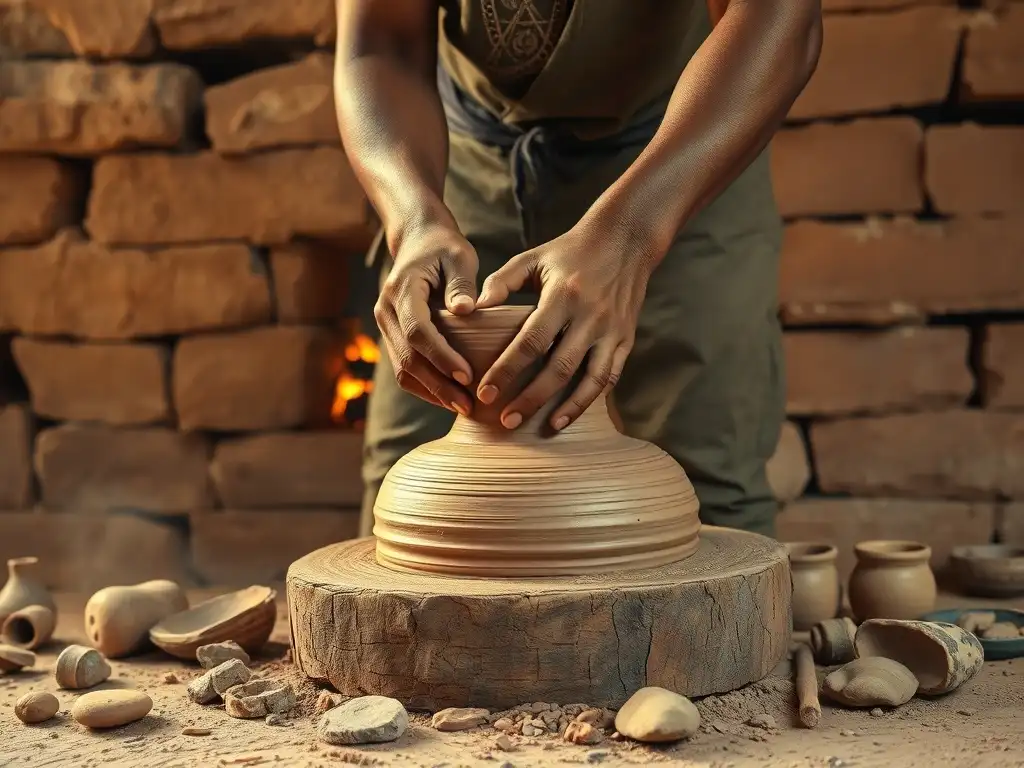
The creation of durable and aesthetically pleasing Andean pottery wasn't solely dependent on skillful handcrafting; the firing process played a crucial role in determining the final product's quality and longevity. Understanding the firing techniques employed by ancient Andean cultures offers invaluable insight into their technological prowess and artistic vision. Variations in kiln design and firing methods across different Andean societies reflect unique regional adaptations and technological advancements over centuries.
The study of ancient kiln remains, combined with ethnographic studies of later Andean pottery traditions, reveals a complex interplay of factors influencing the firing process. These factors include the type of fuel used, the kiln's design, and the level of temperature control achieved. Analyzing these aspects allows us to better appreciate the sophisticated understanding of material science possessed by these ancient peoples.
The careful control of the firing process is a testament to their dedication to achieving high-quality results, impacting not only the functionality but also the symbolic and aesthetic value of their ceramic creations. This section will delve into the intricacies of Andean firing techniques, focusing on the evolution of kiln technology and its impact on ceramic quality.
Open-Air Firing Methods in Andean Cultures
Early Andean pottery production relied heavily on open-air firing methods. These techniques, often involving simple pits or bonfires, were relatively straightforward but yielded variable results in terms of ceramic quality. Archaeological evidence suggests the use of various fuels, including wood, dung, and possibly even plant materials. The lack of precise temperature control in these open-air methods meant that the firing process was susceptible to fluctuations in heat intensity, resulting in unevenly fired pieces and a higher rate of breakage. However, the simplicity and accessibility of these techniques made them suitable for widespread adoption across diverse Andean communities.
For example, evidence from early Moche sites reveals the use of simple pits lined with stones to contain the fire and pottery. The pottery was often stacked directly on the ground within the pit, leading to variations in firing temperature and potential damage from direct contact with the fuel. While less precise than later kiln technologies, these open-air methods allowed for the production of functional pottery on a large scale, supporting the growth of Andean communities and their distinct cultural practices.
The variability in the resulting pottery, however, also contributed to the diversity of styles and aesthetics observed in early Andean ceramic traditions. Further research is needed to fully understand the specific fuel sources and techniques used in different regions and time periods. [Specific information pending on fuel types used in different regions].
Development of Kiln Technology in Andean Civilizations
The transition from open-air firing to more sophisticated kiln technology represents a significant advancement in Andean ceramic production. The development of kilns allowed for greater control over the firing process, leading to improved ceramic quality and consistency. While the exact timeline of kiln development remains debated among archaeologists, evidence suggests a gradual evolution from simple pit kilns to more complex structures capable of achieving higher and more consistent temperatures. The design of these kilns varied across different cultures and regions, reflecting both technological innovation and local resource availability.
For instance, the later Nazca and Tiwanaku cultures demonstrated a greater mastery of kiln technology, utilizing more efficient designs capable of producing higher-quality ceramics. These kilns often incorporated features such as draft holes and chimneys to regulate airflow and temperature. The use of these advanced kilns is evidenced by the superior firing and consistent quality seen in their pottery.
This suggests a more organized and specialized approach to ceramic production, possibly involving specialized craftspeople and a more developed understanding of the scientific principles underlying the firing process. The increased control over temperature enabled the creation of more durable and aesthetically refined ceramics, furthering the development of Andean artistic expression. [Specific examples of kiln designs from Nazca and Tiwanaku cultures pending].
Temperature Control and Its Impact on Ceramic Quality
Temperature control during the firing process was paramount to achieving the desired properties in Andean pottery. Too low a temperature could result in porous, fragile ceramics, while excessively high temperatures could lead to warping, cracking, and discoloration. The mastery of temperature control is a key indicator of the advanced technological understanding of ancient Andean societies. The development of kilns, with their ability to regulate airflow and heat distribution, significantly improved the ability of potters to control the firing temperature.
The impact of temperature control is clearly visible in the final product. Evenly fired ceramics exhibit superior strength, water resistance, and a more consistent color and texture. This allowed for the creation of sophisticated vessels with intricate designs and decorations, which could withstand daily use and storage. The precise control of temperature also allowed for the creation of unique ceramic finishes and glazes, enhancing the aesthetic appeal and symbolic meaning of the pottery.
The ability to achieve a specific temperature range was essential for producing high-quality pottery suitable for a range of purposes, from utilitarian vessels to ceremonial objects. This demonstrates a profound understanding of the relationship between temperature, material properties, and the desired outcome. [Data on specific temperature ranges and their effects on different ceramic types pending].
Examining Regional Variations in Andean Ceramic Tools
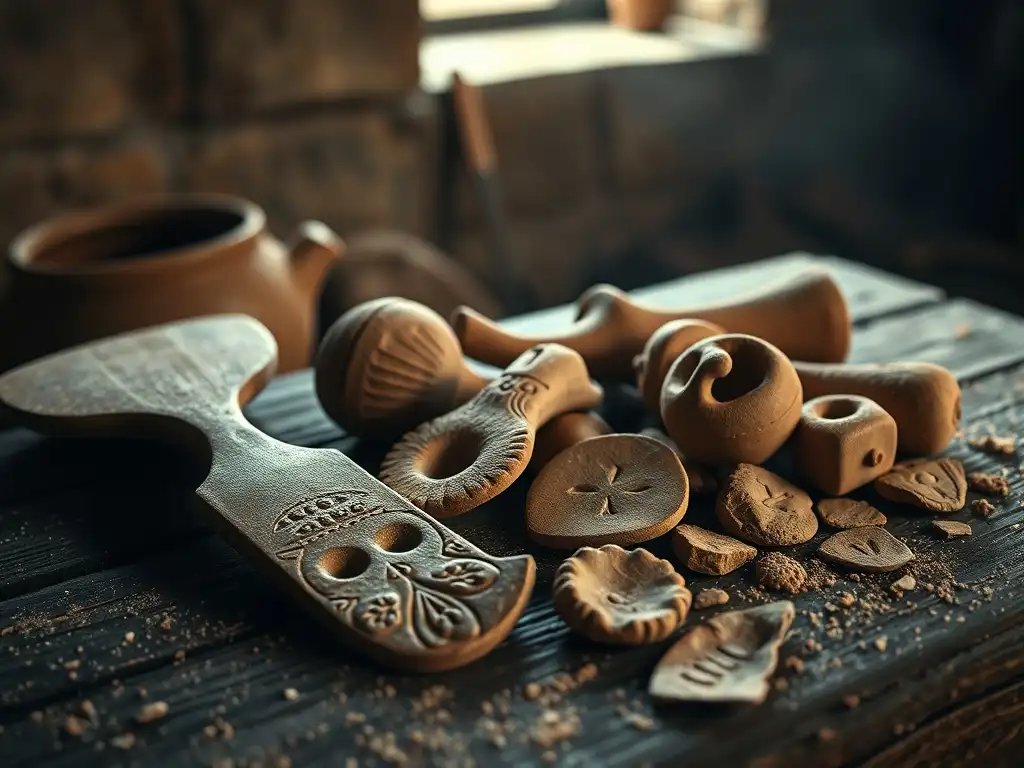
The remarkable diversity of Andean pottery, spanning millennia and numerous cultures, wasn't solely a product of artistic vision. The tools employed in its creation varied significantly across regions and time periods, reflecting both technological advancements and unique aesthetic preferences. Understanding these regional variations is crucial for appreciating the complexity and ingenuity of Andean pottery making.
This section will explore the distinct tool sets used by three prominent Andean cultures: the Moche, Nazca, and Inca, highlighting the interplay between technology and artistic expression in the creation of their iconic ceramics. Analyzing these differences allows us to gain a deeper understanding of the cultural nuances embedded within the seemingly simple act of shaping clay. The sophistication of Andean pottery making tools, often overlooked, reveals much about the advanced technological capabilities of these societies.
Moche Pottery Tools: A Closer Look
The Moche civilization (c. 100-800 CE) is renowned for its incredibly lifelike and detailed pottery, often depicting scenes of warfare, religious rituals, and daily life. This level of detail was achieved, in part, through the use of specialized tools. Archaeological evidence suggests the Moche potters utilized a range of tools, including:
- Modeling tools: These included various types of spatulas, made from bone, wood, or shell, used to refine the clay forms and add intricate details. Some spatulas were highly polished, allowing for fine lines and delicate textures. Others were more roughly textured, used for creating a sense of movement or rough surfaces in their depictions.
- Burnishing tools: Smooth stones, often polished river stones, were used to create a lustrous finish on the pottery. The burnishing process not only enhanced the aesthetic appeal but also made the pottery more durable and watertight.
- Painting tools: Fine brushes, likely made from animal hair or plant fibers, were used to apply pigments. The pigments themselves were sourced from natural minerals and plants, providing a vibrant palette of colors. The precision in Moche painting is astounding, indicating a high level of skill and expertise in the use of these tools.
- Kiln technology: While the exact nature of Moche kilns is still under investigation, evidence suggests the use of open-air kilns, potentially utilizing controlled fires to achieve specific firing temperatures and effects. The management of the firing process was crucial for achieving the desired color and durability of the finished pottery.
The Moche potters' skill in manipulating these tools is evident in the complexity and realism of their work. Their mastery of form and decoration showcases a deep understanding of the properties of clay and the potential of their tools. Further research into the specific composition of their tools and their manufacturing techniques could further illuminate the sophistication of Moche pottery production.
Nazca Pottery Techniques and their Unique Tools
The Nazca culture (c. 100 BCE – 800 CE), contemporaneous with the Moche, is famous for its polychrome pottery, characterized by intricate designs and vibrant colors. While sharing some similarities with Moche tools, Nazca pottery production demonstrates unique approaches and tool adaptations:
- Slip application: The Nazca potters were masters of applying slips (liquid clay suspensions) of various colors. They likely used different types of brushes and possibly even specialized tools to achieve the fine lines and precise application of colors seen in their iconic pottery. The control over slip viscosity and application techniques was key to their success.
- Negative painting: This distinctive technique involved covering sections of the pottery with a resist, then applying a contrasting color. The resist was later removed, leaving behind a negative space that created striking visual effects. The tools used for applying the resist and the subsequent paint layers remain a subject of ongoing research, but likely involved specialized brushes or applicators.
- Kiln technology: [Specific information pending] regarding the detailed construction and operation of Nazca kilns. However, the consistent quality and firing of their polychrome pottery suggests a sophisticated understanding of kiln technology and temperature control.
The Nazca's mastery of polychrome painting, achieved through innovative techniques and likely specialized tools, showcases a different facet of Andean ceramic innovation. The vibrant colors and intricate designs of their pottery serve as testament to their advanced technological and artistic skills.
Inca Pottery Tools and Their Standardization
The Inca Empire (c. 1438-1533 CE) controlled a vast territory and, consequently, its pottery production demonstrated a greater degree of standardization compared to earlier cultures. While regional variations existed, Inca pottery tools show evidence of increased efficiency and mass production techniques:
- Wheel-throwing (potential): While direct evidence is scarce, some scholars suggest the potential use of a rudimentary potter's wheel in certain Inca regions. This would have significantly increased production speed and efficiency. Further research is needed to confirm this hypothesis.
- Standardized forms and designs: Inca pottery often features standardized shapes and decorative motifs, suggesting the use of templates or molds. These molds, potentially made from wood or clay, would have ensured consistency in form and size across different production centers.
- Mass production techniques: The vast scale of Inca pottery production suggests the organization of specialized workshops and a division of labor. This efficiency was supported by standardized tools and techniques, facilitating the production of large quantities of pottery for both elite and common use.
The Inca approach to pottery production reveals a different aspect of Andean technological innovation – one that prioritized efficiency and standardization to meet the demands of a vast empire. Further investigation into Inca workshops and the organization of their ceramic production could reveal more about their sophisticated manufacturing processes. The standardization of tools and techniques is a testament to the Inca's administrative capabilities and their ability to organize large-scale production efforts.
Tiahuanaco Pottery and the Tools of its Craftsmanship
Tiahuanaco pottery, characterized by its distinctive style and often monumental scale, reveals a sophisticated understanding of ceramic production techniques. Unlike some other Andean cultures that favored highly polished surfaces, Tiahuanaco pottery frequently showcases a more textured, almost deliberately rough finish. This aesthetic choice, however, doesn't diminish the skill involved in its creation. The tools employed reflect both the desired aesthetic and the available resources in the altiplano region.
The creation of Tiahuanaco ceramics began with the careful selection and preparation of clay. Evidence suggests that various clay types were mixed to achieve the desired consistency and color. This meticulous process likely involved the use of simple tools like wooden spatulas or shell fragments to blend and refine the clay mixture. The absence of extensive wheel-thrown pottery in Tiahuanaco suggests a reliance on hand-building techniques, possibly utilizing coiling or paddle-and-anvil methods. These techniques required skilled hands and precise control to create the often-large and intricately designed vessels.
Once the clay was prepared, the shaping process commenced. While the specific tools remain somewhat elusive due to limited archaeological findings, we can infer their nature from the pottery itself. Simple, hand-carved wooden tools, possibly resembling modern modeling tools, likely served to refine the form and add details. Stone implements, perhaps smoothed river stones or purposefully shaped pieces, may have been used for smoothing surfaces or creating textures. The characteristic surface textures of Tiahuanaco pottery suggest the use of tools to impress patterns or create deliberate irregularities, showcasing a departure from the polished surfaces seen in some coastal cultures.
The firing process was another crucial step, and while the exact kilns used remain a subject of ongoing research, the results speak to a mastery of temperature control. The consistent firing of the pottery, achieving a durable and often visually striking finish, indicates a sophisticated understanding of pyrotechnology. Tools used in the firing process, such as fuel-managing implements or kiln supports, would have been essential but are rarely preserved archaeologically. The final stage involved post-firing treatments, which may have included the application of pigments or additional surface treatments, using brushes made from plant fibers or animal hair.
The study of Tiahuanaco pottery making tools provides a fascinating glimpse into the technological capabilities and artistic sensibilities of this significant Andean culture. Further research, particularly focused on the excavation and analysis of workshops and associated artifacts, could shed more light on the specific tools and techniques employed, enhancing our understanding of their remarkable craftsmanship.
The unique aesthetic choices reflected in their pottery, such as the textured surfaces and the often large scale of the vessels, stand as a testament to the ingenuity and skill of Tiahuanaco artisans. The interplay between the available resources, the desired aesthetic, and the resulting pottery demonstrates the intimate relationship between technology, art, and the environment in the Andes.
Legacy of Andean Pottery Making Tools
This section delves into the enduring impact of ancient Andean pottery-making techniques on contemporary ceramic practices. Understanding the tools used by past Andean civilizations provides a crucial link to comprehending the artistry and skill involved in creating their remarkable pottery. The legacy of these tools extends beyond mere historical interest; it informs and inspires modern artisans, ensuring the continuation of a rich cultural tradition. We'll explore this fascinating connection, examining how the echoes of ancient methods resonate in the studios of today's Andean potters.
Influence of Ancient Techniques on Modern Andean Pottery
Many traditional Andean pottery techniques persist today, a testament to the ingenuity and effectiveness of ancient methods. Modern potters often utilize tools directly descended from, or conceptually similar to, those used by their ancestors centuries ago. For instance, the use of simple, hand-carved wooden paddles for smoothing and shaping clay remains common.
While materials might have evolved (perhaps from a specific type of wood to a more readily available one), the fundamental shaping action remains the same. Similarly, the techniques for creating intricate surface decorations, including negative painting and resist techniques, are still practiced, albeit sometimes with slightly modified tools or materials.
The knowledge of these techniques is often passed down through generations within families, preserving the legacy of Andean pottery making. This oral tradition, supplemented by the occasional discovery of ancient tools, ensures the continuity of this vital cultural practice. However, the increasing availability of modern tools presents both challenges and opportunities. While some potters embrace modern conveniences like electric kilns for faster firing, many prioritize maintaining traditional methods, viewing them as essential to the authenticity and cultural significance of their work. The balance between tradition and innovation is a dynamic and ongoing process within the Andean pottery community.
Preservation and Study of Andean Ceramic Tools
The preservation and study of Andean ceramic tools are crucial for understanding the technological advancements and artistic practices of these ancient civilizations. Archaeological excavations regularly unearth a wide range of tools, from simple spatulas and burnishers to more specialized instruments for creating intricate designs. These discoveries provide invaluable insights into the processes involved in pottery production, revealing the level of skill and sophistication achieved by Andean artisans.
Careful analysis of these tools, including material composition, wear patterns, and manufacturing techniques, allows researchers to reconstruct the entire pottery-making process. For example, the study of different types of burnishers can reveal information about the desired surface finish of the pottery, while the analysis of stamps and molds can shed light on the decorative techniques employed. Furthermore, the discovery of kilns provides crucial information about firing techniques and temperatures.
The meticulous preservation of these artifacts in museums and research institutions ensures that future generations can continue to learn from and be inspired by the ingenuity of Andean potters. This careful preservation is vital for understanding the evolution of Andean technology and its impact on the development of Andean culture.
The Enduring Significance of Andean Pottery as a Cultural Artifact
Andean pottery holds immense cultural significance, extending far beyond its utilitarian purpose. The intricate designs, often featuring symbolic representations of animals, deities, and everyday life, provide a window into the beliefs, values, and social structures of these ancient societies. The pottery itself acts as a tangible link to the past, connecting modern communities to their ancestral heritage.
The enduring appeal of Andean pottery is also reflected in its continued production and appreciation. Modern artisans continue to create pottery using traditional techniques, ensuring that this rich artistic tradition remains alive. Collectors and enthusiasts worldwide value Andean pottery for its aesthetic beauty, historical significance, and cultural relevance.
The vibrant colors, intricate designs, and masterful craftsmanship of these pieces make them highly sought-after objects. The preservation and study of Andean pottery, therefore, are not only crucial for understanding the past but also for celebrating and preserving a living cultural heritage. The continued interest in "Andean pottery making tools" underscores the global appreciation for this significant cultural legacy.
Frequently Asked Questions
What tools did Andean civilizations use for pottery making?
Andean potters employed a diverse range of tools, including sponges, burnishers made from smooth stones or shells, and various types of modeling tools for shaping and decorating the clay. They also used simple hand tools and natural materials.
How did the tools influence the style of Andean pottery?
The tools directly impacted the texture, finish, and overall aesthetic of the pottery. Different tools created distinct surface treatments, ranging from highly polished to deliberately rough textures. Tool marks are often visible, adding to the unique character of each piece.
Were the tools standardized across all Andean cultures?
While some basic tools were common, specific tool types and techniques varied considerably between different Andean cultures (e.g., Inca, Moche, Nazca). Regional differences in materials and artistic styles influenced tool development and usage.
Where can I find examples of these ancient pottery-making tools?
Examples of ancient Andean pottery-making tools can be found in museums and archaeological sites throughout the Andes region. Many museums have dedicated exhibits on Andean cultures, showcasing both the pottery and the tools used to create it.
What materials were typically used to make the tools?
Andean pottery-making tools were often fashioned from readily available materials such as wood, bone, stone, shell, and plant fibers. The choice of material depended on the specific tool's function and the resources accessible to the potters.
Final Reflection: The Enduring Legacy of Andean Pottery Tools
The meticulous craftsmanship evident in Andean ceramics is not merely a testament to artistic skill, but a powerful reflection of the ingenuity and resourcefulness of ancient Andean cultures. These tools, far from being simple implements, represent a sophisticated understanding of materials science and a deep connection to the earth itself. Their legacy continues to resonate today, inspiring both artisans and researchers alike.
The impact of these tools extends far beyond the realm of archaeology; they represent a vital link to a rich cultural heritage. The precision and artistry displayed in Andean pottery speak to a profound connection between humans and their environment, a relationship that is increasingly relevant in our own time as we grapple with issues of sustainability and resource management. The past is never dead. It's not even past.
– William Faulkner. This quote perfectly encapsulates the enduring influence of Andean pottery-making techniques and the tools that made them possible. Their story continues to be unearthed, reinterpreted, and reimagined, enriching our understanding of human creativity and resilience.
Consider the intricate detail, the perfect symmetry, the vibrant colors achieved with such limited resources. These weren't simply functional objects; they were vessels imbued with meaning, reflecting spiritual beliefs, social structures, and daily life. You, the reader, are now equipped with a deeper understanding of the tools that shaped this legacy. Take a moment to reflect on the ingenuity of these ancient artisans and consider how their dedication to precision and innovation continues to inspire us today. Let their story fuel your own creativity and appreciation for the power of human craftsmanship.
Unveil the Artistry of Andean Ceramics Today!
Thank you for exploring the captivating world of Andean ceramics! We hope you've been inspired by the precision and creativity evident in this ancient craft. Now, let's put that inspiration into action.
Here are some ways to further your exploration and appreciation of Andean pottery:
- Take a pottery class: Learn the techniques and skills behind this beautiful art form, either in person or online.
- Share your knowledge: Host a gathering with friends and family to discuss Andean ceramics and their cultural significance.
- Visit a museum or gallery: See stunning examples of Andean pottery up close and personal.
What most fascinates you about Andean ceramics, and how will you integrate this art form into your own creative work?