
A Glimpse into the Past: Reconstructing Daily Life Through Andean Implements

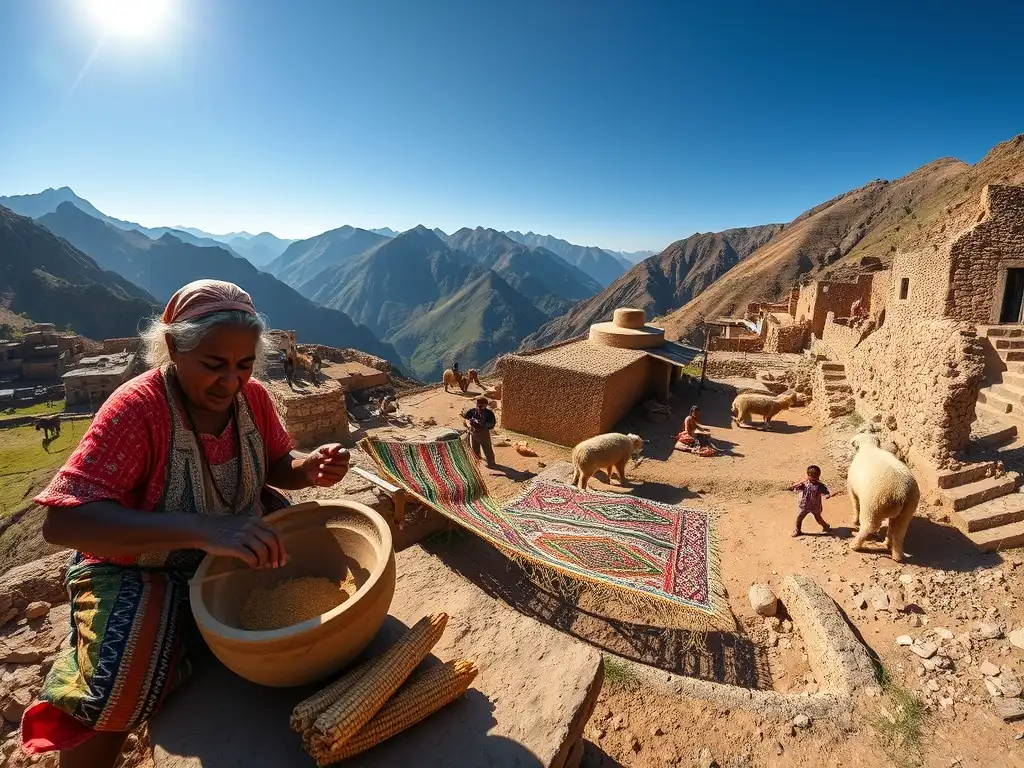
Step into a world lost to time, yet echoing with the whispers of a vibrant past. Imagine the bustling markets of Cusco, the intricate weaving of textiles, and the precise engineering of Machu Picchu. This is the world of Andean civilization daily life, a realm waiting to be rediscovered. Journey with us as we unravel the mysteries of ancient Andean societies through their remarkable ingenuity, and prepare to be amazed by the sophistication of their daily routines. Uncover the secrets hidden within their tools and technology – a captivating story awaits.
- A Glimpse into the Past: Reconstructing Andean Civilization Daily Life Through Implements
- Understanding Daily Life in the Andean Civilizations
- Agricultural Implements and Their Role in Andean Life
- Domestic Tools and Everyday Activities of the Andean People
- Hunting and Fishing Implements in Andean Culture
- Specialized Tools and Craftsmanship in Andean Civilizations
- The Significance of Andean Implements in Understanding the Past
-
Frequently Asked Questions
- What were the main sources used to understand daily life in Andean civilizations?
- How did the environment impact daily life in the Andes?
- What role did agriculture play in the daily lives of Andean people?
- What kind of technology did Andean civilizations use in their daily lives?
- How did social structures influence daily life in Andean communities?
- Final Reflection: Echoes of the Andes: A Legacy of Ingenuity and Resilience
- Unveil the Secrets of Andean Daily Life!
A Glimpse into the Past: Reconstructing Andean Civilization Daily Life Through Implements
Understanding the daily lives of ancient Andean civilizations requires more than just studying grand monuments and elaborate textiles. A crucial lens through which we can peer into their past is through the examination of their everyday tools and implements.
These seemingly simple objects—from intricately crafted pottery to sophisticated agricultural instruments—reveal a wealth of information about their social structures, technological advancements, and the intricate relationship between these societies and their environment. This article delves into the fascinating world of Andean implements, showcasing how these artifacts illuminate the daily routines, beliefs, and ingenuity of the people who shaped the Andean landscape for millennia.
We will explore how the study of these implements provides a more nuanced understanding of Andean civilization daily life, moving beyond grand narratives to uncover the everyday realities of their existence. By examining specific examples, we aim to paint a richer picture of life in the Andes, offering a glimpse into the lives of individuals rather than just the broader sweep of history.
Agricultural Implements: Cultivating the Landscape
The Andean civilizations were masters of agriculture, developing sophisticated techniques to cultivate crops in diverse and challenging terrains. Their success was deeply intertwined with the tools they employed. Consider the chaquitaclla, a foot-powered plow used for tilling the land.
Its design, combining simplicity with effectiveness, speaks volumes about the ingenuity of Andean farmers. The development of this tool allowed for increased agricultural yields, supporting the growth and complexity of Andean societies. Furthermore, the variety of chaquitacllas found across different regions reflects the adaptation of this technology to varying environmental conditions and agricultural practices.
Evidence suggests specialized versions existed for different crops and soil types, highlighting a deep understanding of their environment and the needs of their agriculture. Beyond the chaquitaclla, irrigation systems, terraces, and other sophisticated agricultural techniques, all supported by carefully crafted tools, reveal a deep understanding of water management and soil conservation. These systems weren't simply functional; they were also integral to the spiritual and cosmological beliefs of the Andean people.
Domestic Tools: Weaving the Fabric of Daily Life
Beyond agriculture, the daily lives of Andean people were woven into the intricate tapestry of their domestic tools. From the simple spindle whorl used in spinning yarn to the complex loom used for weaving textiles, these implements reflect a level of craftsmanship and artistry that is both impressive and revealing. The variety of pottery forms—from utilitarian vessels for cooking and storing food to intricately decorated ceremonial pieces—provides insights into social hierarchies, trade networks, and artistic expression.
The meticulous detail in pottery decoration often reveals symbolic meanings and narratives, demonstrating the importance of art in daily life. Even seemingly mundane objects, such as stone mortars and pestles used for grinding grains, were crafted with precision and often bore decorative elements, suggesting a deep connection between functionality and aesthetics. The diversity of these tools, ranging from simple implements to highly specialized ones, underscores the complexity and sophistication of Andean domestic life.
Tools of Ritual and Ceremony: Connecting the Living and the Spiritual
The Andean world was deeply intertwined with spirituality and ritual. Many tools, while seemingly functional, also served religious or ceremonial purposes. For example, certain types of pottery were used only in specific rituals, and their designs often held symbolic meaning related to Andean cosmology. Similarly, tools used in metalworking, such as crucibles and bellows, were not only vital for crafting ornaments and tools but were also imbued with spiritual significance.
The process of metalworking itself was often associated with divine powers, and the resulting artifacts served both practical and sacred functions. The interplay between the practical and the spiritual in Andean tools underscores the holistic worldview that permeated all aspects of their lives. The careful craftsmanship and symbolic representations embedded in these objects offer profound insights into their spiritual beliefs and practices. Further research into specific examples could provide even clearer connections between daily life and religious practice.
The Legacy of Andean Implements: A Continuing Source of Knowledge
The study of Andean implements continues to provide invaluable insights into the daily lives of these remarkable civilizations. The ongoing archaeological discoveries and analyses of these artifacts continually refine our understanding of Andean technology, social structures, and artistic traditions. Each newly unearthed tool sheds further light on the ingenuity, resilience, and cultural richness of these ancient societies.
The careful preservation and study of these implements are crucial for ensuring that the stories they tell continue to resonate through time, providing a lasting testament to the achievements and legacy of the Andean civilizations. Furthermore, the study of these implements offers valuable lessons about sustainable living, resource management, and the intricate relationship between humans and their environment. This knowledge remains relevant today, offering valuable insights for contemporary societies facing similar environmental challenges.
Understanding Daily Life in the Andean Civilizations
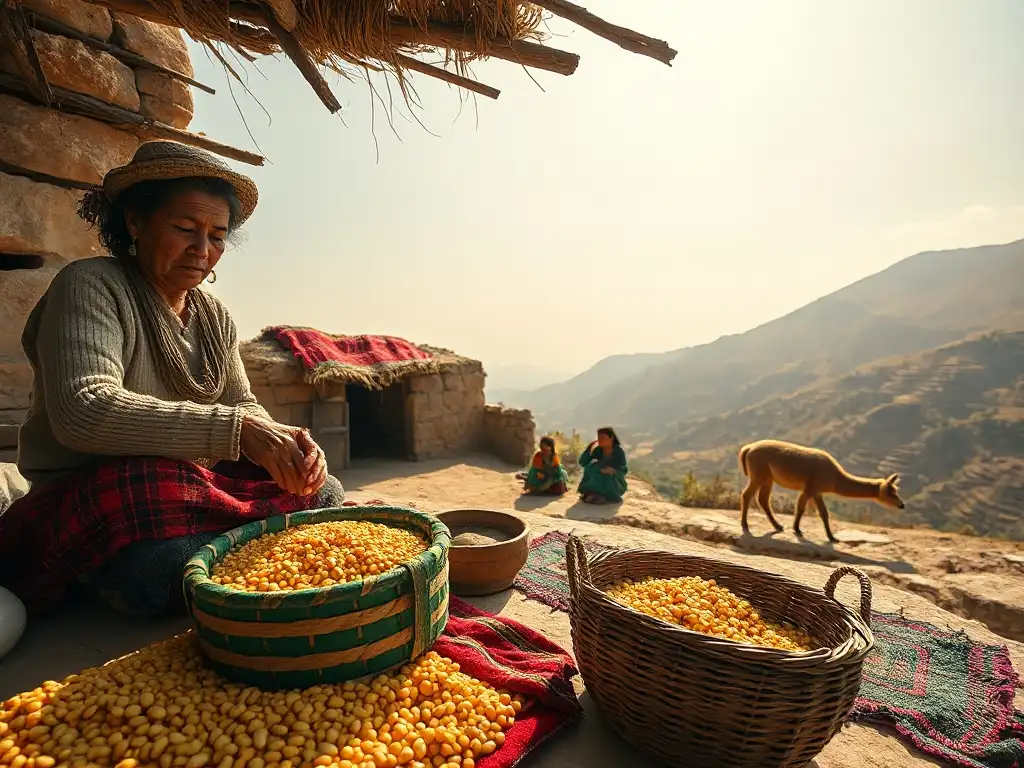
Understanding Andean civilization daily life requires delving into the intricate relationship between the people and their environment. The Andes Mountains presented both challenges and opportunities, shaping the daily routines and technological innovations of these remarkable societies. Their ingenuity in adapting to the harsh terrain is reflected in the tools and implements they crafted, offering a unique window into their daily lives.
From the high-altitude farming techniques to the complex social structures, the tools they used are integral to understanding their world. Analyzing these artifacts provides valuable insights into their agricultural practices, social organization, religious beliefs, and artistic expressions, painting a vivid picture of their everyday existence. This section will explore how the study of Andean tools and implements helps us reconstruct their daily routines and appreciate the resilience and adaptability of these ancient cultures.
The diversity of tools, reflecting the varied environments and lifestyles across different Andean cultures, is a testament to their remarkable ingenuity and resourcefulness. This careful study allows us to move beyond simple descriptions of artifacts and into a deeper understanding of the meaning behind their creation and use.
The Importance of Tools in Andean Society
The importance of tools in Andean society cannot be overstated. They weren't merely utilitarian objects; they were integral to the very fabric of Andean life, reflecting their close relationship with the natural world and their sophisticated understanding of its resources. Tools facilitated survival, shaping their agricultural practices, enabling complex construction projects, and contributing to their artistic and religious expressions.
Consider the chaquitacllas, for example – intricately designed agricultural terraces that demonstrate a deep understanding of water management and soil conservation. These terraces, built and maintained using a variety of specialized tools, allowed for intensive agriculture in challenging mountainous terrain. The creation and maintenance of these systems required significant communal effort, highlighting the social and economic importance of tools in Andean society.
Further, the finely crafted textiles, pottery, and metalwork—all produced with specialized tools—reveal a level of craftsmanship and artistic expression that speaks volumes about the cultural significance of tools beyond their purely practical functions. The tools themselves, therefore, become markers of social status, religious practices, and technological advancement. Their presence in burials and ceremonial contexts underscores their symbolic value within Andean cultures.
Archaeological Evidence of Andean Tools and Implements
Archaeological excavations across the Andes have yielded a treasure trove of tools and implements, offering tangible evidence of daily life. These artifacts, ranging from simple stone tools to sophisticated metal implements, provide invaluable insights into the technological advancements and diverse lifestyles of Andean civilizations. For instance, the discovery of meticulously crafted obsidian blades suggests a high level of skill in stone knapping, while the presence of bronze and copper tools points to advancements in metallurgy.
The variety of tools found reflects the diverse environments and lifestyles across different Andean cultures. Coastal communities, for example, relied heavily on fishing implements, while highland communities utilized tools adapted to agriculture and animal husbandry. The sheer number and diversity of these artifacts demonstrate the crucial role tools played in shaping Andean societies.
Detailed analysis of these tools, including their materials, manufacturing techniques, and wear patterns, helps us reconstruct the daily activities and technological capabilities of these ancient cultures. The meticulous craftsmanship evident in many tools also highlights the skill and artistry of Andean artisans.
Reconstructing Daily Routines Through Artifact Analysis
Analyzing Andean tools and implements allows for a nuanced reconstruction of daily routines. The presence of specific tools in particular contexts provides clues about the activities performed in those locations. For example, the discovery of grinding stones and mortars in domestic settings suggests food preparation activities, while the presence of weaving tools indicates textile production. The wear patterns on tools can also provide valuable information.
For instance, the degree of wear on a grinding stone can indicate the intensity of its use, offering insights into dietary habits. Similarly, the wear patterns on agricultural tools can reveal information about the types of crops cultivated and the methods used in cultivation. By combining artifact analysis with other lines of evidence, such as botanical and faunal remains, we can create a comprehensive picture of daily life in Andean civilizations.
This approach moves beyond simply cataloging artifacts to understanding their use within a broader social and environmental context. The combined evidence provides a rich tapestry of detail, allowing us to paint a vivid picture of the daily lives of these ancient people, their resilience, and their ingenuity. This interdisciplinary approach emphasizes the importance of collaborative research in understanding the complexities of Andean civilization daily life.
Agricultural Implements and Their Role in Andean Life
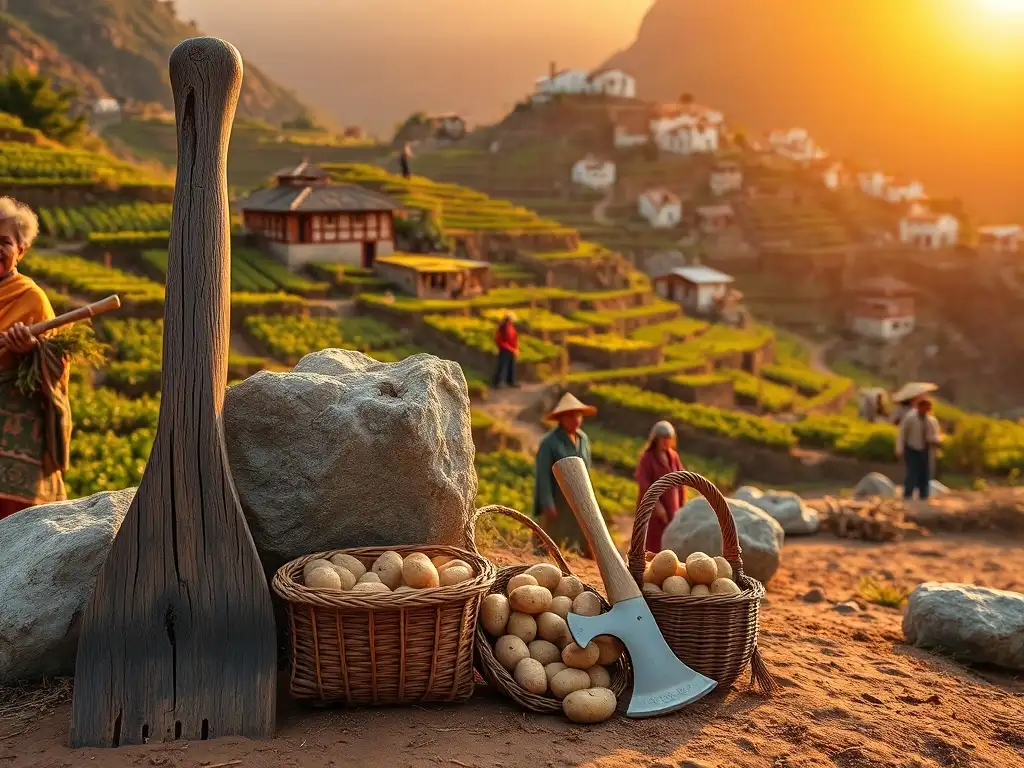
The agricultural practices of Andean civilizations were deeply intertwined with their daily lives, shaping their social structures, religious beliefs, and artistic expressions. Understanding the tools they used provides invaluable insight into their ingenuity and adaptation to diverse, often challenging, environments. From the high altitude plains to the coastal deserts, Andean farmers developed sophisticated techniques and tools to cultivate crops crucial for survival.
Their success in harnessing the available resources showcases a remarkable understanding of their environment and a testament to their resilience. The importance of agriculture in Andean civilization daily life cannot be overstated; it was the bedrock of their society, influencing everything from their political organization to their artistic motifs. The study of Andean agricultural implements offers a window into this crucial aspect of their culture.
Andean Farming Techniques and Tools
Andean farming techniques were incredibly diverse, adapting to the varied terrains and climates across the region. Terracing, for example, was a crucial technique used to create level fields on steep slopes, maximizing arable land and minimizing soil erosion. This involved considerable labor and engineering skill, showcasing the advanced knowledge of Andean societies in land management. Alongside terracing, irrigation systems played a vital role, especially in drier regions. Ingenious canals and aqueducts were constructed to divert water from rivers and streams to fields, ensuring a reliable water supply for crops.
The tools used in Andean agriculture were equally impressive. Many were made from readily available materials like wood, stone, and bone, demonstrating both resourcefulness and an understanding of material properties. Simple tools like digging sticks were used for preparing the soil, while more complex implements were developed for specific tasks.
The sophistication of these tools, often reflecting regional variations and adaptations, highlights the diverse agricultural practices across the Andes. Further research is needed to fully catalog the regional variations in tools used in Andean agriculture [specific information pending]. However, existing archaeological evidence consistently points to the high level of skill and expertise employed in farming.
The Chaquitaclla: A Key Andean Agricultural Tool
The chaquitaclla, a foot-powered plow, stands out as a particularly significant Andean agricultural implement. This ingenious tool, uniquely adapted to the Andean environment, allowed farmers to cultivate the soil efficiently, even in challenging terrains. Its design, featuring a flat, T-shaped wooden blade, allowed for effective turning and loosening of the soil, minimizing the need for extensive hand labor. The chaquitaclla's widespread use across various Andean cultures underscores its importance in agricultural production.
The chaquitaclla wasn't just a tool; it was a symbol of agricultural productivity and prosperity. Its depiction in Andean art and its presence in archaeological contexts highlight its cultural significance. Its impact on the Andean civilization daily life was profound, enabling increased agricultural yields and supporting larger populations. Further studies into the manufacturing techniques and regional variations of the chaquitaclla would significantly enhance our understanding of Andean technological innovation. The efficiency and effectiveness of the chaquitaclla stand as a testament to the ingenuity of Andean farmers.
Harvesting Tools and Crop Processing in the Andes
Harvesting crops required a different set of tools, often specialized for particular plants. Sickles, made from obsidian or other sharp materials, were used for cutting grains and other crops. Tools for processing harvested crops were also crucial. Grinding stones, for example, were ubiquitous, used for processing grains into flour, a fundamental element of the Andean diet. The design and material of these grinding stones often varied regionally, reflecting local preferences and available resources.
The post-harvest processing of crops was an important aspect of Andean civilization daily life. It involved not only the preparation of food but also the storage of surplus for later use. Specialized storage facilities, such as underground silos or elevated granaries, were constructed to protect harvested crops from pests and the elements. These storage techniques were essential for ensuring food security throughout the year, particularly in regions with variable climates.
The development of these complex systems for harvesting and processing crops showcases the advanced organizational and technological capabilities of Andean societies. The efficiency of these systems was crucial to the survival and prosperity of Andean communities. Understanding these processes is vital to a complete picture of Andean daily life.
Domestic Tools and Everyday Activities of the Andean People
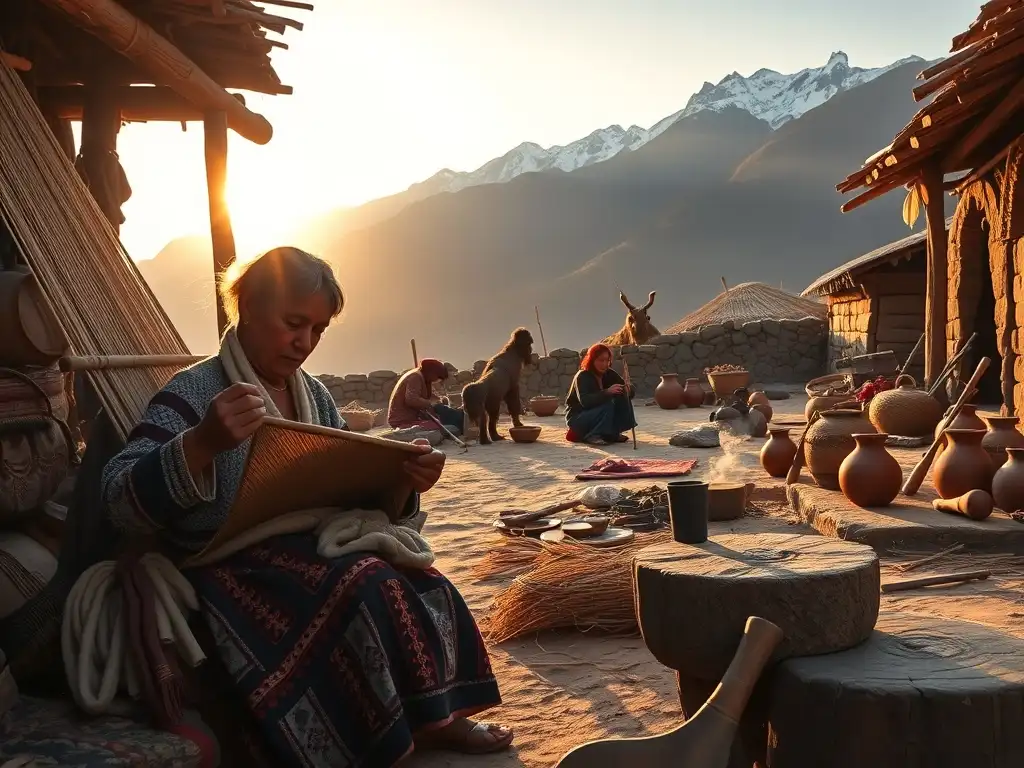
This section delves into the fascinating world of domestic tools used in Andean civilizations, offering a glimpse into the daily routines and ingenuity of these ancient peoples. Understanding their tools provides crucial insight into their societal structures, resource management, and overall way of life. The diverse range of implements unearthed from archaeological sites paints a vivid picture of their resourcefulness and adaptability to the challenging Andean environment. Analyzing these tools allows us to reconstruct a more complete and nuanced understanding of Andean civilization daily life. The following subsections will explore specific tool categories and their significance.
Andean Cooking and Food Preparation Tools
Andean cooking, heavily reliant on locally sourced ingredients like potatoes, quinoa, and maize, necessitated specialized tools. Archaeological evidence reveals a variety of implements designed for food preparation, reflecting the sophistication of their culinary practices. For instance, the batán, a large, heavy stone used for grinding grains, was ubiquitous across different Andean cultures.
Its widespread use highlights the importance of ground grains in the Andean diet. Smaller, hand-held mortars and pestles, often crafted from stone or wood, were used for grinding spices and preparing smaller quantities of food. These tools weren't just functional; their shapes and decorations often reflected cultural beliefs and artistic sensibilities.
Furthermore, the development of efficient cooking methods is evident in the discovery of various types of hearths and ovens. From simple open fires to more complex subterranean ovens, these structures reveal a gradual evolution in cooking technology. These advancements allowed for greater control over cooking temperatures and improved food preservation techniques.
The careful construction of these ovens suggests a deep understanding of heat management and efficient fuel consumption, crucial for survival in the high-altitude Andean environment. The presence of specialized tools for specific tasks, such as specialized knives for cutting vegetables or spatulas for stirring, further highlights the complexity and diversity of Andean cuisine. The analysis of food residues found on these tools provides further insights into specific dietary habits and preferences.
Textile Production and Weaving Implements of the Andes
Textile production was a cornerstone of Andean civilization, with weaving playing a crucial role in clothing, religious practices, and social status. The sophisticated weaving techniques and the intricate designs found on Andean textiles are testaments to their advanced technological capabilities. A key tool in this process was the spindle whorl, a small, weighted disc used to spin yarn from fibers like alpaca and llama wool. The variety of materials and designs found on spindle whorls across different Andean cultures suggests a high level of regional specialization and artistry.
Beyond the spindle whorl, a range of other implements were used in the weaving process. These included various types of looms, from simple backstrap looms to more complex vertical looms. The complexity of the loom directly correlated with the intricacy of the textile produced. The use of different types of looms also suggests a social hierarchy, with more complex looms likely being used by skilled artisans for the production of elite textiles.
Other tools, such as needles, shears, and combs, were essential for preparing the fibers and finishing the woven fabrics. The durability and sophistication of these tools reflect the importance of textile production in Andean society. The intricate designs and vibrant colors of the textiles themselves speak volumes about the artistic skills and cultural significance of this craft.
Pottery and Ceramic Tools for Daily Use
Pottery and ceramics played a vital role in the daily lives of Andean people, serving diverse functions from food storage and cooking to water transport and ceremonial rituals. The production of pottery involved a range of specialized tools. Potters used various types of tools to shape the clay, including wooden paddles, smoothing stones, and bone tools. These tools were used to create a wide variety of shapes and sizes of vessels, reflecting the diverse needs of Andean society.
The diversity of pottery forms reflects the multifaceted nature of Andean life. Large storage jars were used to store grains and other food items, while smaller bowls and cups were used for eating and drinking. Specialized vessels were also created for ceremonial purposes, often adorned with intricate designs and symbolic motifs. The quality and decoration of the pottery often indicated social status, with finer pottery being associated with elite members of society.
The analysis of chemical residues found on pottery shards provides valuable information about the types of food and beverages consumed by Andean people. Furthermore, the stylistic variations in pottery across different regions provide insights into regional cultural identities and trade networks. The development and mastery of ceramic technology represent a significant milestone in the technological advancement of Andean civilizations.
Hunting and Fishing Implements in Andean Culture
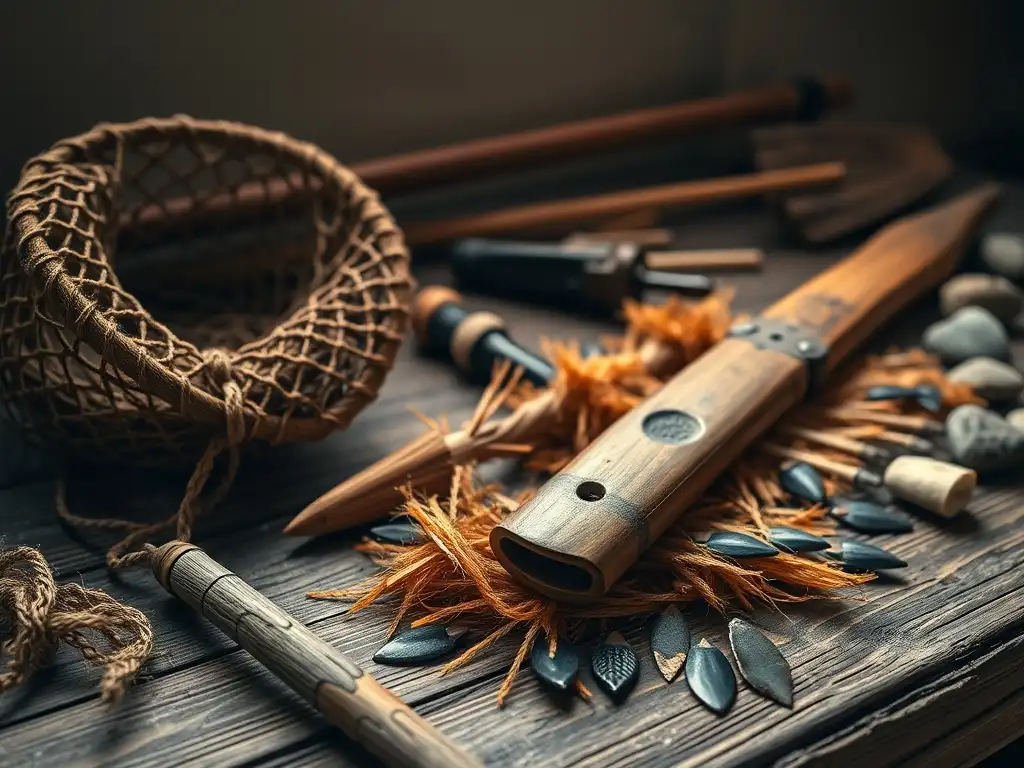
This section delves into the crucial role hunting and fishing played in shaping the daily lives of Andean civilizations. Understanding their hunting and fishing strategies and the tools they employed provides invaluable insight into their resourcefulness, adaptation to diverse environments, and societal structures. The diversity of techniques and implements reflects the varied geographical landscapes inhabited by these cultures, ranging from high-altitude plains to coastal regions. Analyzing these tools allows us to reconstruct a more complete picture of Andean civilization daily life.
Hunting Strategies and Tools of Ancient Andean Societies
Andean societies developed sophisticated hunting strategies tailored to their environment and prey. High-altitude hunting often involved the use of traps and snares, capitalizing on the limited mobility of animals in mountainous terrain. Evidence suggests the widespread use of atlatls – spear-throwers – significantly increasing the range and power of their hunting weapons. These atlatls, crafted from wood and bone, are found across various Andean cultures, showcasing a shared technological understanding.
The coastal regions presented different challenges and opportunities. Here, the emphasis shifted towards hunting seabirds and marine mammals. Simple harpoons, often tipped with bone or obsidian, were employed for hunting aquatic animals. Furthermore, evidence points towards the use of nets, though the exact materials and techniques used remain areas of ongoing research.
The development of these diverse hunting strategies reveals the adaptability and ingenuity of Andean peoples in securing vital protein sources. We can see a clear correlation between the type of terrain and the hunting tools employed, reflecting a deep understanding of their environment and its resources. The sophistication of some of these tools, like the atlatls, suggests a degree of specialization within Andean societies, potentially indicating the existence of skilled hunters or specialized roles within communities.
Fishing Techniques and Implements Used by Andean Civilizations
Fishing was equally crucial to the sustenance of Andean populations, particularly those residing near lakes, rivers, and the coast. The coastal communities, especially, relied heavily on fish as a primary food source. A variety of fishing techniques were employed, including the use of nets, hooks, and spears. The materials used varied depending on availability and the specific fishing technique. For instance, fishing nets were likely made from plant fibers like cotton or other locally available materials. The hooks, frequently made of bone or shell, demonstrate ingenuity in adapting readily accessible resources for practical applications.
In the high-altitude lakes, fishing techniques likely involved simpler tools, possibly focusing on trapping or spearing fish. The exact nature of these techniques remains a subject of ongoing archaeological investigation. However, the discovery of fish bones in high-altitude settlements confirms the importance of fishing even in these challenging environments.
The integration of fishing into Andean civilization daily life is undeniable, with its importance varying depending on the specific location and environmental conditions. Further research into the specific types of fish caught and the seasonality of fishing practices will help us paint a more detailed picture of these communities' subsistence strategies.
The Role of Hunting and Fishing in Andean Daily Life
Hunting and fishing were not merely methods of food acquisition; they were deeply intertwined with the social, religious, and economic fabric of Andean societies. Successful hunts and abundant fishing harvests were celebrated, often involving rituals and ceremonies. The distribution of game and fish within communities played a crucial role in social organization and maintaining social hierarchies.
Evidence suggests that certain animals, like llamas and vicuñas, held symbolic significance, with hunting practices regulated to ensure sustainable populations. The importance of hunting and fishing extended beyond mere subsistence, shaping social structures, religious beliefs, and economic systems. This integration highlights the profound impact of these activities on the overall structure and functioning of Andean societies.
Further research into the social and religious contexts of hunting and fishing practices will shed more light on the complex interplay between these activities and the broader cultural landscape of Andean civilizations. The study of Andean implements provides a tangible link to understanding the intricate web of Andean civilization daily life.
Specialized Tools and Craftsmanship in Andean Civilizations
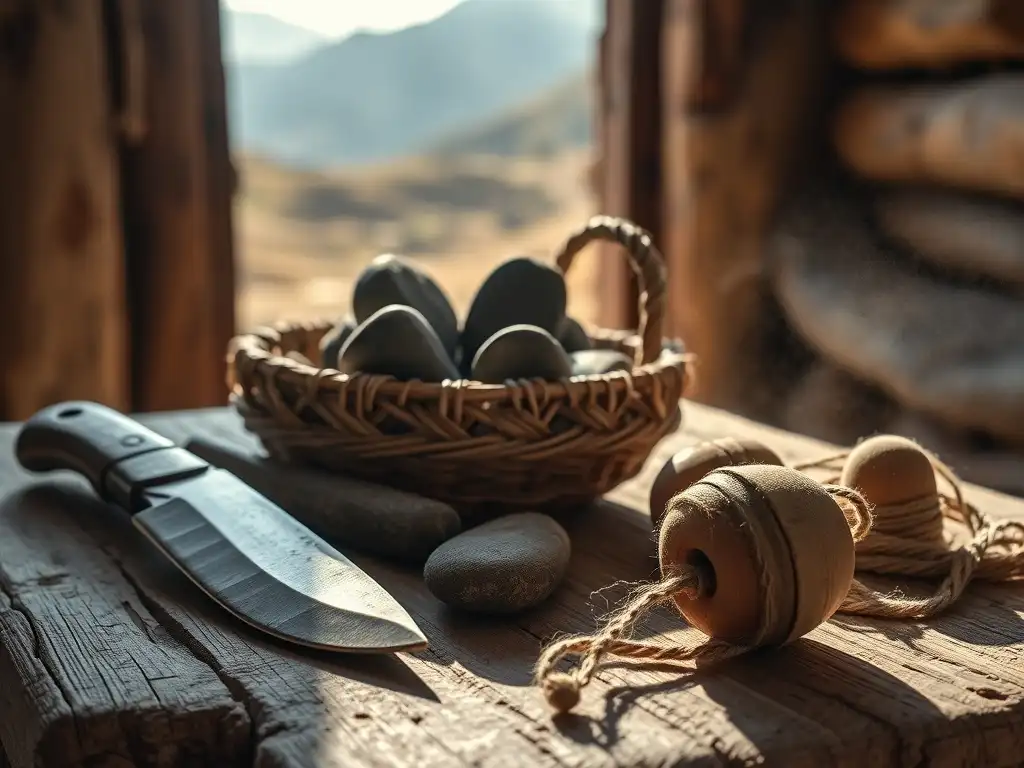
This section delves into the sophisticated tools and remarkable craftsmanship that characterized daily life in various Andean civilizations. Understanding these implements provides invaluable insight into their technological prowess and the ingenuity employed in adapting to their challenging environment. The level of skill demonstrated in tool creation reveals a deep understanding of materials science and an advanced capacity for precise engineering, far exceeding simplistic notions of "primitive" technology.
Analysis of these artifacts offers a window into the social structures, economic activities, and artistic expressions of these fascinating cultures. The diversity of tools reflects the varied needs of their agricultural, construction, and artistic endeavors, shaping their daily routines and influencing their cultural development.
The meticulous creation of these implements underscores the value placed on craftsmanship and the importance of specialized labor within Andean societies. The study of these tools allows us to reconstruct not just the what of daily life but also the how and the why, enriching our understanding of Andean civilization daily life.
Andean Metalworking and Its Implements
Andean metalworking reached remarkable heights, particularly in the production of gold, silver, and copper artifacts. Their mastery of metallurgy is evident in the intricate designs and sophisticated techniques employed. Implements used in this process included:
- Crucibles: Clay vessels used to melt metals at high temperatures. The design of these crucibles, often featuring carefully crafted vents and heat-resistant properties, reveals a deep understanding of heat transfer and material science. Variations in crucible design suggest regional differences in metalworking techniques.
- Molds: Used to shape molten metal into specific forms, molds were crafted from clay, stone, or even wood. The precision of many surviving molds showcases the advanced planning and skill involved in metalworking. Some molds were incredibly complex, allowing for the creation of intricate figurines and jewelry.
- Hammers and Anvils: Stone and metal hammers were used in conjunction with anvils (also often made of stone) to shape and refine metal objects. The weight and shape of these hammers, as evidenced by archaeological findings, varied according to the intended purpose. Larger hammers were likely used for initial shaping, while smaller, more delicate tools were used for finishing work.
- Alloying Techniques: Andean metalworkers were adept at creating alloys, combining different metals to achieve desired properties. The precise ratios of metals used in specific alloys, like tumbaga (a gold-copper alloy), suggest a sophisticated understanding of material science and a controlled process for achieving consistent results.
Stoneworking and Construction Tools in the Andes
The impressive stone structures of the Andes, such as Machu Picchu and Sacsayhuamán, are testaments to the advanced stoneworking techniques of Andean civilizations. The tools employed in shaping and fitting these massive stones were remarkably efficient and precise:
| Tool Type | Material | Function | Precision Level |
|---|---|---|---|
| Stone Hammers | Andesite, Basalt | Crushing and rough shaping of stones | Moderate |
| Chisels | Obsidian, Andesite | Precise shaping and carving of stone blocks | High |
| Abrasives | Sand, Grit | Smoothing and polishing of stone surfaces | High |
| Lever Systems | Wood, Stone | Moving and positioning large stone blocks | Moderate |
The construction of these monumental structures required a high degree of cooperation and planning, highlighting the sophisticated social organization of Andean societies. Archaeological evidence suggests that specialized labor was involved in quarrying, transporting, and shaping the massive stone blocks. The precision of the stonework, particularly in the fitting of stones without mortar, is a testament to their advanced understanding of engineering principles.
The Art of Andean Toolmaking: Techniques and Materials
The creation of Andean tools itself was a sophisticated craft, requiring specialized skills and knowledge. The choice of materials depended on the intended use of the tool and the availability of resources in different regions.
- Obsidian: This volcanic glass was prized for its sharpness and used to create exceptionally precise chisels and blades. The sourcing of obsidian from specific locations suggests extensive trade networks connecting different Andean communities.
- Andesite and Basalt: These volcanic rocks were readily available and used for hammers, anvils, and other durable tools. Their hardness and durability made them ideal for shaping stone and metal.
- Copper and Bronze: With the development of metallurgy, copper and bronze became increasingly important for toolmaking. These metals allowed for the creation of stronger, more resilient tools, facilitating more efficient construction and agricultural practices.
- Wood: Wood was used extensively for handles, levers, and other parts of tools. The selection of specific wood types based on their properties (strength, flexibility, etc.) suggests a deep understanding of material science and its application in toolmaking. Evidence from archaeological sites shows a variety of woodworking techniques, indicating a high level of skill and craftsmanship.
The diversity of materials and techniques employed in Andean toolmaking reflects the adaptability and ingenuity of these civilizations. The tools themselves are not merely functional objects but also represent the artistry and technological prowess of their creators, offering a compelling glimpse into the daily lives and cultural achievements of the Andean people. Further research into specific tool types and their regional variations could provide even greater insight into the intricacies of Andean civilization daily life.
The Significance of Andean Implements in Understanding the Past
Andean civilization daily life is remarkably illuminated through the study of the tools and implements left behind by its diverse cultures. These artifacts, ranging from simple agricultural tools to sophisticated textiles and metalwork, offer invaluable insights into the daily routines, social structures, and technological advancements of these fascinating societies. More than mere objects, these implements are tangible links to the past, allowing us to reconstruct the lives and experiences of individuals who lived centuries ago.
Analyzing their construction, materials, and distribution provides a rich tapestry of information about Andean societies, their ingenuity, and their adaptation to their challenging environment. By meticulously studying these objects, we gain a deeper appreciation for the complexities and ingenuity of Andean civilization.
The distribution and types of Andean tools reveal much about the social organization of these societies. For example, the presence of elaborate gold and silver objects alongside simpler tools suggests a hierarchical structure with distinct social classes. The intricate craftsmanship of certain items, like finely woven textiles or meticulously carved stone tools, indicates specialized labor and a division of skills.
Analysis of agricultural tools, such as the different types of chacas (terraces) and irrigation systems, points to communal labor and a sophisticated understanding of water management, crucial for survival in the Andean highlands. The discovery of large quantities of similar tools in specific locations might signify communal workshops or specialized production centers. Furthermore, the presence or absence of certain tools in different regions can provide clues about trade networks and the exchange of goods and technologies across vast distances.
Detailed studies of grave goods, which often included tools reflecting the deceased's occupation or social status, further support these observations. The careful examination of these artifacts helps us piece together a nuanced understanding of the social fabric of Andean societies.
Insights into Andean Technological Innovations
Andean technological innovations are vividly demonstrated through the analysis of their implements. The mastery of metallurgy, for instance, is evident in the sophisticated techniques used to create gold and silver artifacts, as well as bronze and copper tools. The creation of intricate alloys and the development of techniques like lost-wax casting showcase their advanced understanding of material science.
Similarly, their expertise in textiles is unparalleled, with the creation of incredibly fine and durable fabrics using techniques like tapestry weaving and knotting (quipus). The development of advanced agricultural techniques, such as the construction of andenes (terraces) to maximize arable land and sophisticated irrigation systems to manage water resources, demonstrates their remarkable ingenuity in adapting to the challenging Andean landscape.
These innovations weren't merely technological achievements; they were crucial for the survival and prosperity of these civilizations. The complexity and efficiency of these technologies highlight the advanced knowledge and expertise possessed by Andean societies.
Preserving and Studying Andean Artifacts for Future Generations
The preservation and study of Andean artifacts are crucial for our continued understanding of Andean civilization daily life. Proper conservation techniques are essential to protect these fragile objects from deterioration and damage. This includes careful storage in controlled environments, regular monitoring for signs of decay, and the use of appropriate conservation methods.
Furthermore, ongoing research and analysis of these artifacts, utilizing advanced technologies like 3D scanning and material analysis, allow for a more comprehensive understanding of their creation, use, and significance. The development of accessible databases and digital archives makes this information available to a wider audience, fostering further research and education.
The ethical considerations surrounding the excavation, repatriation, and display of these artifacts are also paramount, ensuring that these invaluable pieces of history are treated with the respect and care they deserve. Continued investment in preservation efforts and research will ensure that future generations can continue to learn from and appreciate the rich legacy of Andean civilizations.
Frequently Asked Questions
What were the main sources used to understand daily life in Andean civilizations?
Archaeological excavations have yielded invaluable insights. Artifacts, such as tools, pottery, and textiles, provide concrete evidence of daily activities and social structures. Analysis of human remains also offers crucial information about diet and health.
How did the environment impact daily life in the Andes?
The challenging terrain of the Andes significantly shaped daily life. Andean civilizations adapted to high altitudes, diverse climates, and limited resources through innovative agricultural techniques and sophisticated infrastructure. Resource management was crucial for survival.
What role did agriculture play in the daily lives of Andean people?
Agriculture formed the backbone of Andean societies. Cultivation of crops like potatoes, maize, and quinoa sustained their populations. Irrigation systems and terraced farming showcased their advanced understanding of agriculture and engineering.
What kind of technology did Andean civilizations use in their daily lives?
Andean civilizations developed impressive technologies, including advanced irrigation systems, sophisticated textile production techniques, and metallurgy for tools and adornments. These technologies were essential for their survival and societal development.
Andean societies were characterized by hierarchical social structures. Daily life varied depending on one's social status, with elites enjoying privileges while commoners performed agricultural labor and other essential tasks. Social organization was fundamental to community function.
Final Reflection: Echoes of the Andes: A Legacy of Ingenuity and Resilience
The intricate tools and implements unearthed from Andean archaeological sites aren't just artifacts; they are powerful witnesses to a vibrant civilization that continues to resonate in the present. Their meticulous craftsmanship and ingenious design speak volumes about the ingenuity and adaptability of Andean peoples, offering invaluable insights into their daily lives and enduring cultural legacy. Understanding their past allows us to better appreciate the complex tapestry of human experience and the enduring power of cultural heritage.
The meticulous detail in the creation of these tools, from simple weaving needles to sophisticated agricultural implements, underscores the deep connection Andean communities had with their environment and their profound understanding of its rhythms. The past is never dead. It's not even past.
- William Faulkner. This quote perfectly encapsulates the enduring relevance of studying Andean daily life; the echoes of their ingenuity and resilience continue to shape the cultural landscape of the region and inspire us today. Their resourcefulness in the face of challenging environments serves as a powerful example of human adaptation and innovation.
Consider the ingenuity displayed in their agricultural techniques, their mastery of textile production, or the sophisticated astronomical knowledge reflected in their architecture. These are not merely historical facts; they are lessons in sustainability, community building, and the power of human creativity. You, the reader, are now equipped with a deeper understanding of Andean civilization. How can you apply this knowledge to your own life? How can you foster a deeper appreciation for the ingenuity and resilience of past cultures, and what can we learn from their successes and challenges to build a more sustainable and equitable future?
Unveil the Secrets of Andean Daily Life!
Thank you for exploring the fascinating world of Andean civilizations! Your investigation into their daily tools and practices has provided unique insights into a rich and influential culture. Now, let's bring that knowledge to life!
Here are some exciting ways to connect further with Andean culture:
- **Explore Andean Cuisine:** Prepare traditional dishes using ingredients like quinoa and potatoes for a truly authentic taste of history.
- **Participate in Andean Arts and Crafts:** Find local workshops or events focusing on traditional Andean art forms to create your own inspired pieces.
- **Share Your Andean Journey:** Connect with others by sharing your discoveries about Andean daily life on social media or in conversations with friends and family.
How will you integrate the wisdom and traditions of the Andean civilizations into your own life?