
Andean Metallurgical Innovations: Techniques That Still Inspire Awe

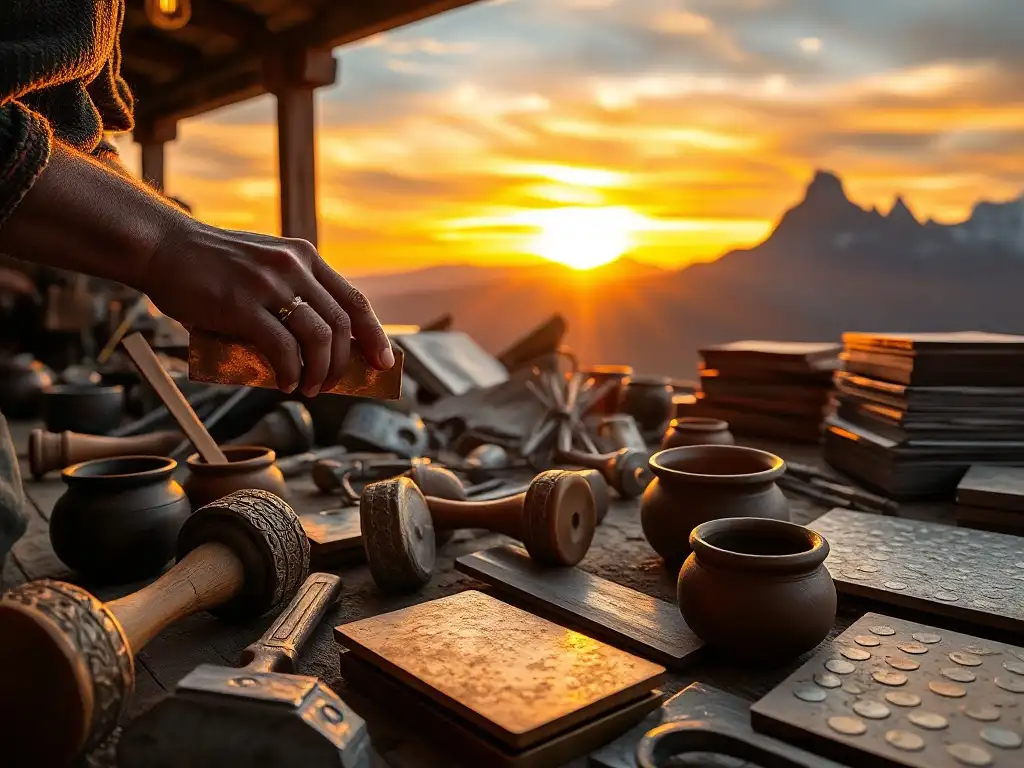
Uncover the secrets of a lost world where artistry and ingenuity intertwined. For centuries, the Andes Mountains echoed with the clang of hammers and the glow of furnaces, birthing masterpieces of Andean metallurgy techniques. Journey with us into the heart of ancient civilizations – the Incas, Moche, Nazca, and Tiahuanaco – and witness the breathtaking innovations that continue to inspire awe. Prepare to be amazed by the skills and knowledge that shaped a legacy forged in fire and metal. Discover the stories behind these remarkable techniques, and unlock the mysteries of their enduring power.
The Andes Mountains, a spine of towering peaks running down the western coast of South America, were home to a remarkable array of pre-Columbian civilizations. These cultures, including the Incas, Moche, Nazca, and Tiahuanaco, not only thrived in challenging environments but also developed sophisticated technologies that continue to fascinate and inspire awe today. Nowhere is this more evident than in their mastery of metallurgy, a field in which they achieved astonishing levels of skill and artistry.
This article delves into the ingenious Andean metallurgy techniques, exploring the processes, materials, and artistic expressions that defined their metalworking traditions and left an enduring legacy. We'll uncover the secrets behind their remarkable achievements, examining the innovative techniques that allowed them to create objects of both practical and ceremonial significance, showcasing the ingenuity and artistry of these ancient Andean cultures.
The intricate details and advanced techniques employed in Andean metallurgy serve as a testament to the advanced knowledge and skill of these ancient civilizations, highlighting their remarkable contributions to the field of metallurgy. Understanding these techniques provides valuable insight into the complexities of Andean societies and their profound impact on the development of technology in the Americas.
The Source Materials: Accessing and Refining Precious Metals
Andean metallurgists skillfully exploited the rich mineral resources available in their environment. Gold, silver, copper, and bronze were the primary metals used, often sourced from specific regions within the Andes. The extraction process, while not fully understood in all its details, involved techniques like open-pit mining and possibly more sophisticated methods depending on the location and the civilization.
The refinement of these metals involved complex procedures. For example, evidence suggests the use of cupellation, a process of separating precious metals from base metals using heat and oxidation. This required precise control of temperature and airflow, showcasing a deep understanding of metallurgical principles. Furthermore, the precise techniques for alloying metals, creating bronze from copper and tin for instance, varied across different Andean cultures, leading to unique characteristics in the resulting metal objects. The sophistication of these techniques is truly remarkable considering the tools and technologies available at the time.
Lost-Wax Casting: A Masterpiece of Precision
One of the most impressive Andean metallurgy techniques was lost-wax casting, also known as cire perdue. This intricate process allowed the creation of remarkably detailed and complex metal objects. The process involved creating a model of the desired object using wax, covering it in clay, and then melting out the wax to leave a mold.
Molten metal was then poured into the mold, solidifying into the desired shape. The precision required to achieve such intricate detail in these castings is astounding. Evidence suggests that the Andean cultures refined this technique over centuries, achieving unparalleled levels of skill and artistry in the production of intricate jewelry, ceremonial objects, and even tools.
The level of detail and the consistency seen in objects created using this method across different regions and time periods speaks volumes about the mastery of this technique. The lost-wax method allowed for the creation of objects with extremely fine details, such as intricate patterns and realistic representations of animals and human figures, demonstrating a deep understanding of both artistic expression and metallurgical precision.
Hammering and Repoussé: Shaping Metal with Skill and Patience
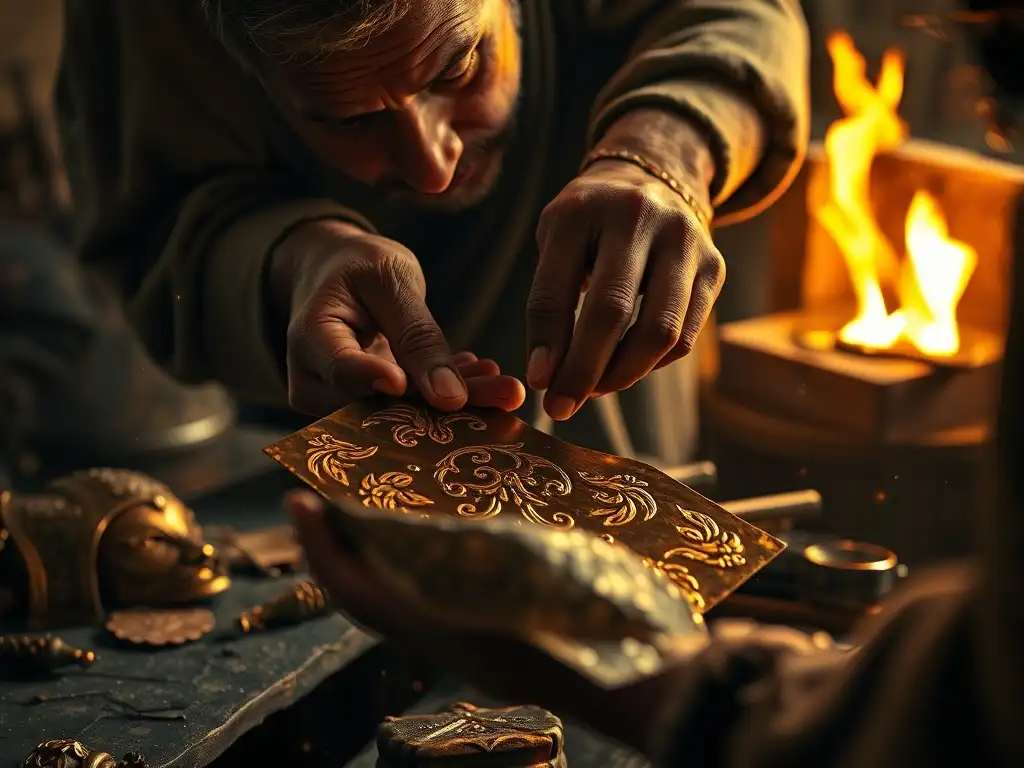
Beyond casting, Andean metallurgists also employed hammering and repoussé techniques to shape metal. Hammering involved repeatedly striking the metal to shape it, while repoussé involved shaping the metal from the back using a hammer and punches. These techniques required considerable skill and patience, and the resulting objects often displayed a high level of craftsmanship.
The ability to manipulate metal into intricate forms demonstrates a profound understanding of the metal's properties and the ability to control its malleability through careful heating and hammering. Many examples of hammered and repoussé work survive today, showcasing the versatility of these methods and the artistic skill of the artisans. The seamless integration of these techniques with casting and other processes further highlights the sophisticated nature of Andean metallurgy.
The Artistic and Ceremonial Significance of Andean Metalwork
The Andean civilizations didn't merely produce functional metal objects; they created exquisite works of art with profound ceremonial significance. Gold and silver, in particular, were associated with power, divinity, and the spiritual world. Intricately crafted jewelry, ceremonial vessels, and other objects often featured symbolic imagery, reflecting the religious beliefs and social structures of the respective cultures. These artifacts were not simply utilitarian items; they were integral parts of religious rituals, royal power displays, and social status markers.
The artistry and craftsmanship invested in these objects speak to their importance within Andean societies, highlighting the close relationship between metallurgy, religion, and social hierarchy. The enduring beauty and complexity of these artifacts continue to captivate and inspire researchers and the public alike. The study of these objects provides invaluable insights into the beliefs, values, and social structures of these ancient civilizations.
- The Source Materials: Accessing and Refining Precious Metals
- Lost-Wax Casting: A Masterpiece of Precision
- Hammering and Repoussé: Shaping Metal with Skill and Patience
- The Artistic and Ceremonial Significance of Andean Metalwork
The Legacy of Ancient Andean Metalworking
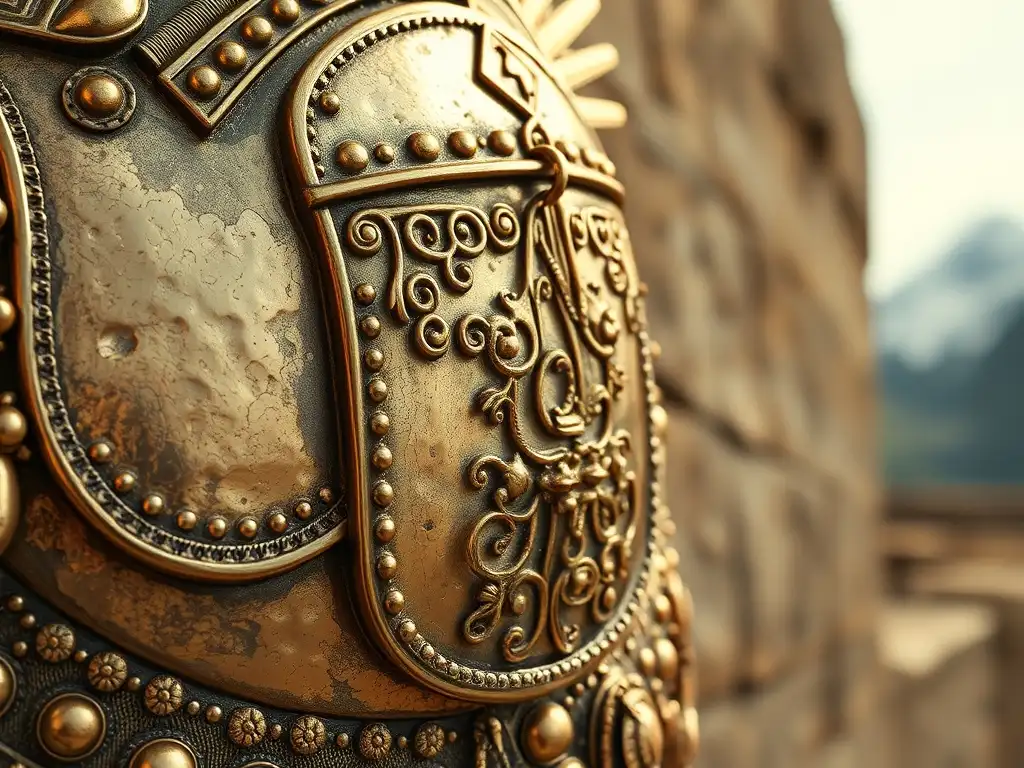
The legacy of Andean metallurgy techniques is a testament to the ingenuity and artistry of ancient Andean civilizations. Their mastery of metalworking, spanning centuries and encompassing diverse cultures, continues to fascinate and inspire awe. From the delicate goldwork of the Moche to the intricate alloys of the Inca, their metallurgical achievements represent a significant chapter in human technological development.
This section will delve into the specific techniques employed, highlighting the remarkable sophistication and innovation that characterized Andean metalworking. Understanding these techniques provides crucial insight into the social structures, religious beliefs, and economic systems of these remarkable societies. The enduring impact of Andean metallurgy is evident even today, influencing modern artistic practices and inspiring new research into ancient technologies.
The sheer artistry and technical skill involved in creating these objects remain a source of wonder and a powerful reminder of the advanced capabilities of these ancient cultures. The study of Andean metallurgy techniques offers a unique window into the past, illuminating the ingenuity and creativity of these past civilizations.
Pre-Inca Metallurgical Prowess in the Andes
Long before the Inca Empire rose to prominence, various Andean cultures had already developed sophisticated metallurgical techniques. The development of Andean metallurgy was a gradual process, evolving over centuries with each culture building upon the achievements of its predecessors. For instance, the Chavín culture (900-200 BCE), known for its monumental architecture and intricate iconography, demonstrated early proficiency in hammering and annealing copper, creating simple tools and ornaments. The Paracas culture (700-100 BCE), renowned for its textiles, also exhibited nascent metallurgical skills.
However, it was the Moche culture (100-800 CE) that truly elevated Andean metallurgy to new heights. Moche artisans were masters of lost-wax casting, a complex technique requiring meticulous skill and precision. This allowed them to create intricate and detailed objects, including elaborate ceremonial vessels, jewelry, and weaponry.
Their mastery of gold, silver, and copper alloys, combined with their sophisticated casting techniques, resulted in stunning works of art that reflect a deep understanding of material properties and advanced technical skill. The Moche also developed techniques for inlaying and plating metals, enhancing the visual appeal and value of their creations. Evidence suggests a high degree of specialization within Moche society, with specialized workshops dedicated to metalworking.
The Rise of Sophisticated Metal Crafts in Andean Cultures
The Inca Empire (1438-1533 CE) inherited and further refined the metallurgical traditions of its predecessors. While the Inca continued to utilize lost-wax casting, they also perfected techniques for sheet metal working, hammering, and repoussé (a technique where metal is shaped from the reverse side). This allowed them to create large-scale objects, such as elaborate ceremonial headdresses and intricately decorated armor. Inca metalworkers were also skilled in creating alloys with specific properties, achieving different colors and levels of durability. The Inca's mastery of gold, silver, and copper, combined with their advanced techniques, resulted in an abundance of stunning artifacts.
The Inca's approach to metallurgy was not solely focused on aesthetics; it also served practical purposes. Metallurgical skills were essential for crafting tools for agriculture, warfare, and construction. The production of tools like axes, knives, and chisels played a vital role in the Inca empire's economic and military power.
Moreover, the use of metal in religious ceremonies and the creation of royal insignia reinforced the Inca's political authority and social hierarchy. Their metalwork served not only as a testament to their technical skills but also as a powerful symbol of their imperial power and religious beliefs. The Inca Empire showcased the culmination of centuries of Andean metallurgical innovation, leaving behind a legacy that continues to inspire researchers and artists alike.
The study of Andean metallurgy techniques, specifically those of the Inca, offers a glimpse into the advanced technological and societal organization of this remarkable civilization. The sheer scale and complexity of their metalwork is a testament to their engineering prowess and organizational capabilities.
Further Exploration: Alloying Techniques
The precise composition of many Andean alloys remains a subject of ongoing research. However, evidence suggests a deep understanding of how different metals could be combined to achieve desired properties. For example, the addition of tin to copper could increase its hardness and durability, while the combination of gold and silver could create a range of colors and textures. Analyzing the composition of ancient Andean alloys provides invaluable insights into their metallurgical knowledge and expertise. The advanced techniques used in creating these alloys are a further testament to the sophistication of Andean metallurgy.
Key Andean Metallurgy Techniques
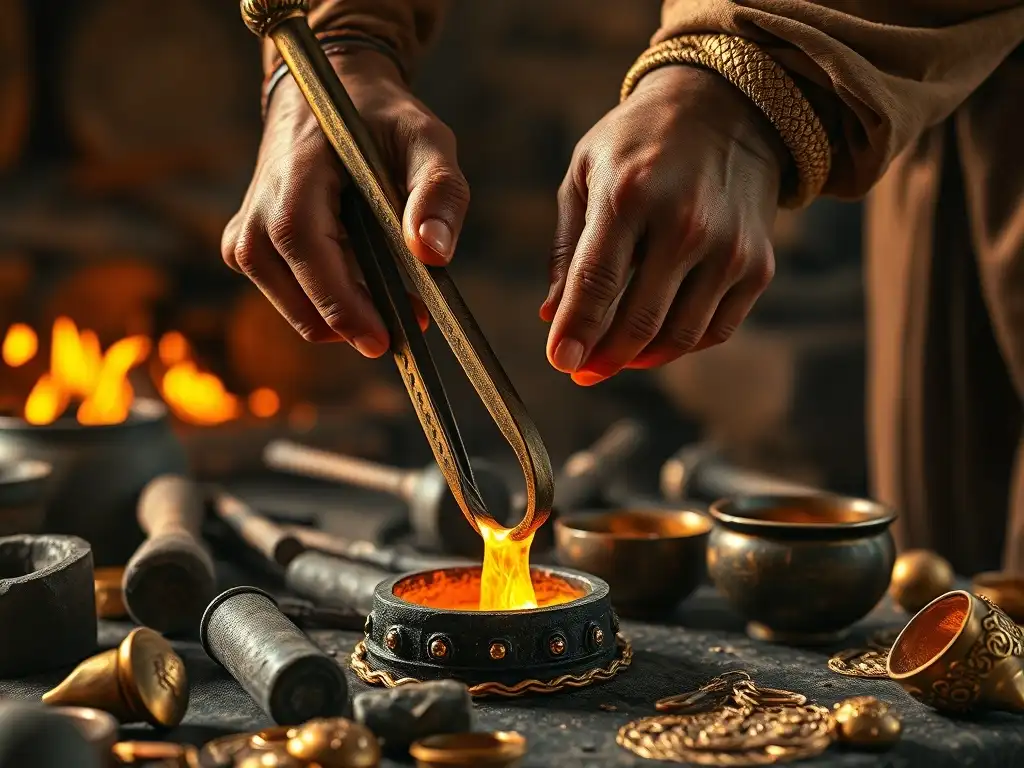
This section delves into the sophisticated metallurgical practices employed by various Andean cultures, showcasing their mastery of techniques that continue to fascinate and inspire awe. Understanding these Andean metallurgy techniques provides crucial insight into the technological prowess and societal structures of these ancient civilizations. Their innovations in metalworking were not merely functional; they were deeply intertwined with religious beliefs, political power, and artistic expression. The artistry and technical skill displayed in their creations are a testament to their advanced understanding of material science and engineering.
The Art of Gold Working in the Andes
The Andean civilizations, particularly the Muisca, Incas, and Chibcha, were renowned for their exquisite goldwork. Their mastery extended beyond simple hammering and shaping; they developed intricate techniques to create incredibly detailed and delicate objects. The process often began with the extraction of gold from alluvial deposits using panning techniques and, later, more sophisticated methods.
Gold's malleability allowed for advanced techniques like hammering, annealing (heating and cooling to soften the metal), and repoussé (hammering from the reverse side to create relief). They were also skilled in the lost-wax casting process, allowing them to create complex three-dimensional forms. This involved creating a wax model, covering it in clay, melting out the wax, and pouring molten gold into the resulting mold. Evidence suggests they used crucibles made of clay or ceramic materials for melting the gold.
The level of detail achieved in some pieces is astonishing. For example, some gold artifacts feature incredibly fine filigree work, showcasing the artisans' exceptional dexterity and patience. The use of gold wasn't solely decorative; it held significant symbolic value, representing power, divinity, and the sun. The intricate designs often depicted religious figures, animals, and other significant motifs, further highlighting the integration of artistry and spirituality in their metallurgical practices. 👑
Andean Silver Mining and Processing Methods
Silver, another crucial metal in Andean metallurgy, was widely mined and processed. The techniques employed varied depending on the location and the type of ore. In some areas, they used open-pit mining, while in others, they developed sophisticated shaft mining techniques to reach deeper deposits. The Incas, for instance, are known to have utilized extensive networks of tunnels and shafts to access silver veins.
Once extracted, the silver ore required processing to extract the pure metal. Evidence suggests they employed various methods, including smelting and amalgamation. Smelting involved heating the ore in furnaces to high temperatures, separating the silver from other impurities. Amalgamation, a more complex process, involved mixing the ore with mercury to form an amalgam, which was then heated to separate the silver from the mercury.
This process, though effective, posed significant health risks due to mercury toxicity. Detailed analysis of ancient mining sites reveals the extensive infrastructure and labor involved in these operations, underscoring the importance of silver in the Andean economy and culture. 🪙
Copper Smelting and Alloy Creation in the Andes
Copper smelting was another significant metallurgical achievement in the Andes. The process involved heating copper ore in furnaces to high temperatures, causing the copper to melt and separate from the other materials. The resulting copper could then be shaped into various tools, weapons, and ornaments. However, pure copper is relatively soft, so the Andean metallurgists developed techniques to create stronger and more durable alloys.
One notable alloy was bronze, a mixture of copper and tin. The precise sources of tin used by Andean metallurgists are still being investigated, but evidence suggests they had established trade networks to obtain this essential ingredient. The addition of tin significantly increased the hardness and strength of the copper, making it ideal for tools and weapons. They also experimented with other alloying elements, creating unique metal compositions with specific properties.
The development of these alloys demonstrates a sophisticated understanding of material science and a capacity for experimentation and innovation that significantly impacted their technological advancement. Furthermore, the creation of these alloys showcases the complex networks of trade and exchange that existed across the Andes. 🛠️
Unique Andean Metallurgical Processes
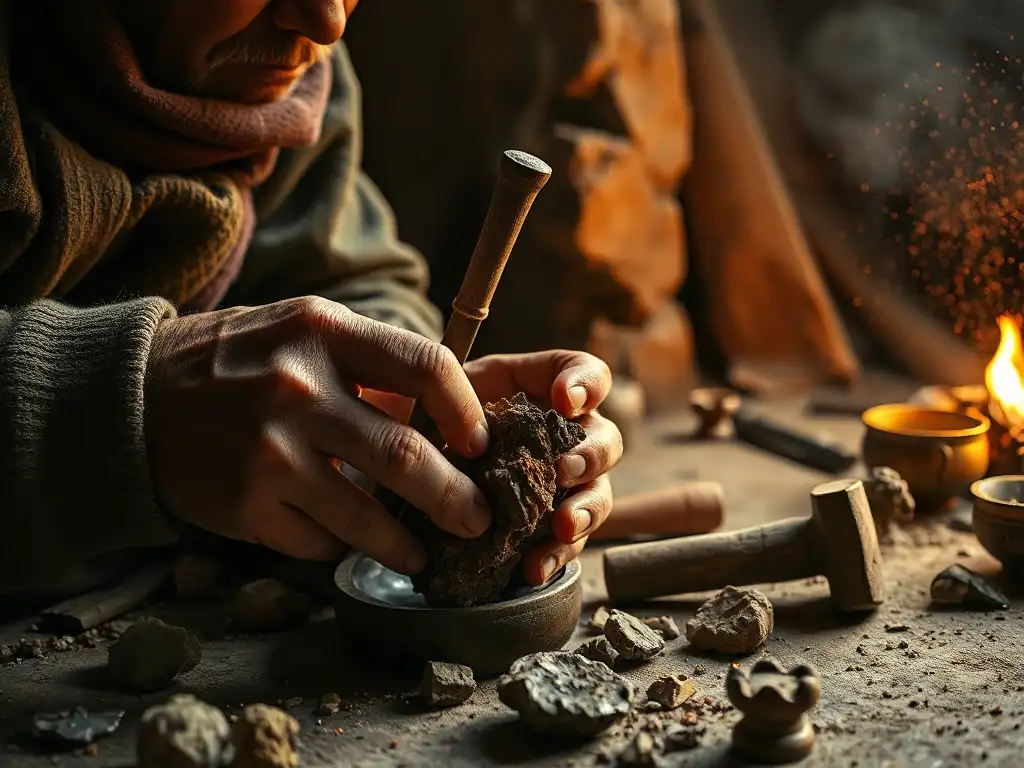
The Andes Mountains, a geographically challenging yet resource-rich environment, fostered the development of unique metallurgical processes among its ancient inhabitants. These techniques, refined over centuries, resulted in stunning artifacts that continue to inspire awe and demonstrate remarkable ingenuity. Understanding these processes reveals not only the technical skill of Andean artisans but also their deep connection to the landscape and their sophisticated understanding of material properties.
The study of Andean metallurgy techniques offers a fascinating glimpse into the ingenuity and artistry of these ancient cultures. We will explore some of the most prominent techniques employed, highlighting their unique characteristics and lasting impact.
Cold Hammering and Annealing Techniques
Cold hammering, a technique involving repeatedly striking metal at room temperature to shape it, was a cornerstone of Andean metalworking. This meticulous process required significant skill and patience, as the metal would work-harden, becoming increasingly brittle with each strike. To counteract this, Andean artisans employed annealing—a process of heating the metal to a specific temperature, then allowing it to cool slowly.
This relieved the internal stresses caused by hammering, making the metal more malleable and easier to shape further. The precise temperatures and durations used for annealing varied depending on the metal and desired outcome, showcasing a sophisticated understanding of material science. Evidence suggests that the artisans carefully monitored the color of the metal during annealing to gauge its temperature and prevent overheating or underheating, demonstrating a high level of control and precision.
This iterative process of hammering and annealing allowed for the creation of incredibly intricate and finely detailed objects, from delicate jewelry to elaborate ceremonial tools. The mastery of these techniques stands as a testament to the dedication and skill of Andean metalworkers. 🔥
The Use of Lost-Wax Casting in Andean Metalwork
Lost-wax casting, a sophisticated method for creating complex metal forms, was another significant achievement of Andean metallurgy. This process involved creating a wax model of the desired object, covering it in a clay mold, and then melting out the wax, leaving a cavity into which molten metal could be poured. Once the metal solidified, the clay mold was broken away, revealing the finished piece. The remarkable precision and detail achieved by Andean artisans through lost-wax casting are evident in numerous surviving artifacts, including intricate figurines, ornate jewelry, and ceremonial vessels.
The use of multiple wax models within a single mold allowed for the creation of complex, multi-part objects. For instance, some examples show intricate assemblages of multiple pieces seamlessly joined. The control over the pouring process and the precise temperature management necessary for successful casting demonstrate a high degree of technical expertise.
Furthermore, the selection of appropriate alloys for specific applications showcases an advanced understanding of material properties and their optimal uses. The widespread adoption of this complex technique across diverse Andean cultures highlights its significance and its contribution to the rich tapestry of Andean art and technology. ⚙️
Plating and Gilding Methods of Ancient Andean Artisans
Beyond shaping and casting, Andean artisans also mastered sophisticated plating and gilding techniques to enhance the aesthetic appeal and value of their metalwork. Plating involved covering a base metal, often copper or bronze, with a thin layer of a more precious metal, such as gold or silver. This was achieved through various methods, including electroplating (though its presence requires further investigation [specific information pending]), and possibly techniques involving the application of thin sheets of precious metal.
Gilding, the process of applying a thin layer of gold, was particularly prevalent in Andean metalwork. The artisans achieved remarkable thinness and evenness in their gilding, resulting in a lustrous and durable finish. The specific techniques used for plating and gilding remain subjects of ongoing research, but available evidence suggests a meticulous approach involving careful preparation of the base metal, precise application of the precious metal, and controlled heating or other processes to ensure adhesion and durability.
Analysis of surviving artifacts reveals that Andean artisans achieved a level of refinement in these techniques that is comparable to, if not exceeding, that of metalworkers in other ancient civilizations. The combination of these techniques with intricate casting and hammering allowed for the production of truly breathtaking objects of exceptional beauty and craftsmanship. ✨
Applications of Andean Metal Technology
The mastery of Andean metallurgy extended far beyond mere artistic expression; it fundamentally reshaped Andean societies, impacting agriculture, warfare, and religious practices. The ingenuity and technical prowess displayed in these applications continue to inspire awe and demonstrate a sophisticated understanding of material science. This section will explore some key applications of Andean metalworking, highlighting the diverse ways in which metal transformed daily life and societal structures. The term "Andean metallurgy techniques" encompasses a broad spectrum of skills and knowledge, reflecting the unique challenges and opportunities presented by the Andean environment and its resources.
Metal Tools and Agricultural Implements in the Andes
Andean farmers weren't just cultivating crops; they were actively innovating tools to improve efficiency and yield. Metal, primarily bronze and copper alloys, played a crucial role in this agricultural revolution. Instead of relying solely on stone and wood implements, Andean farmers crafted a range of specialized tools. These included:
- Adzes: Used for woodworking and shaping timber for construction and agricultural implements. The precision and durability of metal adzes significantly improved construction speed and quality.
- Sickles: Essential for harvesting crops like maize and quinoa. Metal sickles allowed for cleaner cuts and faster harvesting compared to their stone predecessors, increasing agricultural output.
- Ploughs (potential): While direct evidence is limited, the development of sophisticated irrigation systems suggests the possibility of metal-tipped ploughshares or other metal components in plough construction, although further research is needed to confirm this hypothesis. [Specific information pending: further archaeological evidence on plough technology].
- Irrigation tools: The intricate canal systems of the Andes required sophisticated tools for digging, shaping, and maintaining the canals. Metal tools likely played a significant role in this engineering feat, although the exact types of tools employed remain a subject of ongoing research.
The impact of these metal tools extended beyond mere efficiency gains. They allowed for the cultivation of larger areas of land and supported the growth of larger, more complex societies. The increased food production facilitated population growth and the development of specialized labor, paving the way for significant societal advancements. The widespread use of metal tools underscores the deep integration of metallurgy into the fabric of Andean agricultural practices.
Andean Metal Weapons and Military Technology
Andean metallurgy significantly influenced warfare and military technology. The production of metal weapons provided a decisive advantage in conflict, contributing to the rise and fall of various Andean empires. The most prominent examples include:
- Mace heads: These heavy, blunt weapons, often crafted from copper alloys, were effective in close-quarters combat. Their weight and durability gave soldiers a significant advantage over opponents armed with stone or wooden weapons.
- Spear points and arrowheads: The sharper, more durable metal points increased the lethality of projectile weapons. The improved penetration power of metal spear points and arrowheads significantly altered battlefield tactics and outcomes.
- Knives and daggers: Used both as weapons and tools, these items were crafted with precision and often decorated with intricate designs. The quality of Andean metalwork is evident in the craftsmanship of these weapons, reflecting the high level of skill possessed by Andean metallurgists.
- Helmets and body armor (limited evidence): While less common than other weaponry, some evidence suggests the use of metal helmets and rudimentary body armor in certain Andean cultures. Further research is needed to fully understand the extent of their use and effectiveness. [Specific information pending: more detailed archaeological findings on defensive metalwork].
The development of superior metal weapons fostered competition and conflict between Andean groups, driving technological innovation and shaping the political landscape of the region. The strategic importance of metalworking is evident in the distribution and control of metal resources, which often played a crucial role in determining military dominance.
Ritual and Ceremonial Objects Crafted with Andean Metallurgy
Beyond practical applications, Andean metallurgy played a vital role in religious practices and the creation of elaborate ceremonial objects. The skill and artistry demonstrated in these pieces highlight the symbolic and spiritual significance of metal in Andean cultures. Examples include:
- Tumi ceremonial knives: These distinctive crescent-shaped knives were not just tools; they were sacred objects used in ceremonies and rituals. Their elaborate designs and high-quality craftsmanship reflect their importance in Andean religious life.
- Metal figurines and idols: Depicting deities, animals, and other important figures, these objects were used in religious ceremonies and adorned temples and shrines. The intricate detail and artistry demonstrate the high level of skill and the symbolic importance of metal in Andean religious beliefs.
- Ornamental jewelry: Elaborate necklaces, earrings, and other jewelry items made from gold, silver, and other precious metals were used to adorn elites and religious figures, showcasing wealth, power, and spiritual status. The intricate designs and use of precious metals reflect the importance of these items in Andean society.
- Metal vessels and containers: Used for ritual libations and the storage of sacred objects, these vessels often featured intricate designs and were crafted from high-quality materials. Their exquisite craftsmanship reveals the artistry and technical skill of Andean metallurgists and their role in religious ceremonies.
The creation of these ceremonial objects demonstrates the sophisticated understanding of metalworking techniques and the deep integration of metallurgy into the spiritual and ritual life of Andean societies. The artistry and symbolism embedded in these pieces offer valuable insights into Andean cosmology and religious beliefs. The enduring appeal of these objects is a testament to the skill and artistry of Andean metallurgists and the enduring legacy of Andean civilizations.
The Enduring Influence of Andean Metallurgy
The ingenuity of Andean metallurgists continues to fascinate and inspire researchers and artisans alike. Their mastery of techniques, developed over millennia, resulted in objects of unparalleled beauty and functionality, demonstrating a profound understanding of materials science and metallurgical processes. This legacy isn't just a historical curiosity; it holds significant relevance in the modern world.
The precision casting techniques, the sophisticated alloys, and the intricate designs employed by Andean civilizations provide valuable insights for contemporary materials science and engineering. Understanding their methods allows us to appreciate not only the artistry, but also the underlying scientific principles that enabled such remarkable achievements. The study of Andean metallurgy offers a unique opportunity to bridge the gap between ancient knowledge and modern innovation, potentially leading to breakthroughs in various fields.
For example, the analysis of ancient alloys reveals optimized compositions for specific applications, challenging our current assumptions about material properties and prompting the development of new, potentially superior materials. The intricate techniques used in creating delicate artifacts demonstrate a level of control and precision that remains challenging to replicate even with modern tools. This persistent influence highlights the timeless value of Andean metallurgical knowledge.
Modern Applications Inspired by Ancient Andean Techniques
Ancient Andean metallurgical techniques are finding renewed relevance in modern applications. The intricate lost-wax casting methods, for instance, are being studied and adapted for use in creating high-precision components for aerospace and medical applications. The unique alloys developed by Andean artisans, often incorporating gold, silver, copper, and tin in complex combinations, are inspiring research into new materials with improved properties.
The precise control over temperature and atmosphere during smelting and casting, as evidenced by the quality of ancient artifacts, is informing the development of more efficient and environmentally friendly smelting processes. Furthermore, the decorative techniques employed by Andean metalworkers, such as repoussé and chasing, are being explored by contemporary artists and designers, leading to the creation of innovative and visually stunning works. The study of ancient Andean metallurgy isn't just about understanding the past; it's about harnessing its knowledge to improve the present and shape the future.
- Example 1: Researchers are analyzing the composition of ancient Andean bronze tools to develop new alloys with improved durability and corrosion resistance for industrial applications.
- Example 2: The lost-wax casting techniques are being adapted to create intricate dental implants with superior biocompatibility.
- Example 3: The techniques used in creating gold and silver sheets are being re-examined to improve the efficiency of modern metalworking processes.
Preserving the Heritage of Andean Metalworking
Preserving the heritage of Andean metalworking requires a multifaceted approach combining meticulous archaeological research with innovative conservation techniques. Detailed documentation of existing artifacts, including their composition, manufacturing processes, and decorative elements, is crucial for understanding and preserving this rich legacy. Moreover, the development of non-invasive analytical techniques is essential for studying artifacts without causing further damage.
This includes advanced imaging methods like X-ray fluorescence spectroscopy (XRF) and scanning electron microscopy (SEM), which allow for the detailed analysis of the materials and manufacturing techniques without compromising the integrity of the artifacts. The ethical considerations surrounding the preservation and study of these artifacts are paramount. Collaboration between archaeologists, conservators, and local communities is vital to ensure the responsible stewardship of this invaluable cultural heritage.
The ongoing efforts to preserve and study Andean metalworking contribute not only to our understanding of the past, but also to the development of best practices for the preservation of cultural heritage worldwide. Protecting these artifacts ensures future generations can appreciate the exceptional skill and artistry of Andean metallurgists.
The Ongoing Study of Andean Metallurgical Innovations
The study of Andean metallurgical innovations is a dynamic and evolving field, constantly yielding new discoveries and insights. Ongoing research utilizes advanced analytical techniques to unravel the secrets of ancient alloys and manufacturing processes, providing a deeper understanding of the scientific and technological achievements of Andean civilizations. This research also involves collaborations between specialists from different disciplines, including archaeologists, metallurgists, chemists, and anthropologists, combining expertise to address complex questions about Andean metalworking.
The application of innovative technologies, such as 3D modeling and digital imaging, is contributing to the creation of detailed virtual models of ancient artifacts, allowing for a more comprehensive study without direct handling. Furthermore, the ongoing excavations and discoveries of new archaeological sites continue to provide valuable new data, expanding our knowledge of Andean metallurgy and its evolution over time.
The study of Andean metallurgy techniques is far from complete; it's an ongoing process of discovery and learning that continues to deepen our understanding of this fascinating aspect of Andean civilization. Each new finding adds another layer to our appreciation of the ingenuity and skill of these ancient masters.
Frequently Asked Questions
What makes Andean metallurgy so unique?
Andean metallurgy was remarkably advanced for its time, employing sophisticated techniques like lost-wax casting and alloying to create intricate gold, silver, and copper objects. Their mastery of these techniques produced exceptionally durable and aesthetically pleasing artifacts.
What metals did Andean civilizations primarily work with?
The Andean civilizations primarily worked with gold, silver, and copper, often combining them to create alloys like tumbaga (gold and copper). They also utilized other metals like bronze and tin, but less frequently.
What was the lost-wax casting process used for?
The lost-wax casting technique, a complex process involving molding with wax, allowed Andean artisans to create highly detailed and intricate objects, from small jewelry to large ceremonial items. This method enabled the creation of complex shapes and designs.
How did Andean metallurgists create alloys?
Andean metallurgists expertly combined different metals to create alloys with desired properties. For example, tumbaga, an alloy of gold and copper, offered durability and a distinctive color not found in the base metals.
What is the significance of Andean metallurgy today?
Andean metallurgical techniques continue to inspire awe and admiration. Their advanced understanding of metalworking remains a testament to their ingenuity and artistic skill, influencing modern metalworking practices.
Final Reflection: The Enduring Legacy of Andean Metallurgical Mastery
The ingenuity of Andean metallurgical techniques continues to resonate today, a testament to the power of human innovation and a challenge to our assumptions about ancient civilizations. These weren't simply artisans; they were sophisticated engineers, chemists, and artists, pushing the boundaries of their understanding of materials and processes to create objects of breathtaking beauty and functional brilliance. Their achievements, often overlooked in broader historical narratives, deserve renewed appreciation and deeper study.
The impact of Andean metallurgy extends far beyond the stunning artifacts themselves. It represents a profound understanding of the natural world and a mastery of complex techniques that influenced subsequent cultures and continues to inspire contemporary artists and scientists. The past is never dead. It's not even past.
- William Faulkner. This quote perfectly encapsulates the enduring relevance of Andean metallurgical innovations; their influence echoes through time, shaping our understanding of ancient technologies and their potential for modern applications. The precision and artistry involved in these techniques remain a source of wonder and a powerful reminder of human potential.
Consider the intricate details, the sophisticated alloys, the sheer artistry displayed in these ancient works. You too can find inspiration in this legacy. Let the ingenuity of the Andean masters spark your own creativity, your own curiosity about the possibilities that lie within seemingly simple materials. Explore the world around you with a renewed sense of wonder, recognizing the potential for innovation and the enduring power of human ingenuity, just as the Andean metallurgists did centuries ago.
Unleash Your Curiosity About Andean Ingenuity!
Thank you for exploring the remarkable world of Andean metallurgical innovations! We hope you're inspired by the ingenuity and skill that have endured through the centuries. Now, let's translate that inspiration into action and further exploration.
Here are a few ways you can deepen your understanding:
- Participate in a workshop or guided tour focusing on Andean metallurgy to experience these techniques firsthand and learn from experts.
- Share your knowledge with friends and family— spark a conversation about the fascinating history behind these remarkable achievements.
- Conduct further research—explore recent scholarly articles or books on Andean civilizations to gain a deeper appreciation for their contributions to metallurgy.
How do you see the legacy of ancient Andean metallurgy influencing modern artistic or technological practices today? Let's discuss!