
From Mines to Monuments: The Mining Tools of the Incas and Their Predecessors

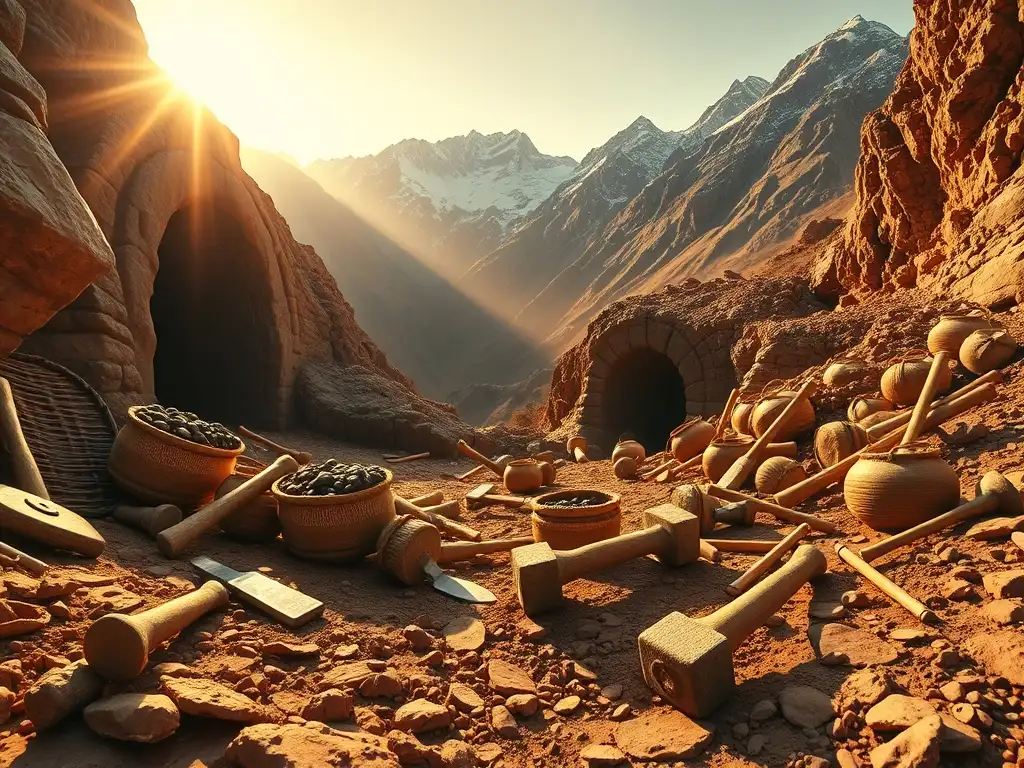
Uncover the secrets of a lost world, where ingenuity thrived amidst towering peaks and breathtaking landscapes. Journey with us into the heart of the Andean civilizations, exploring their remarkable achievements in technology and innovation. But first, prepare to be amazed by the sophisticated Inca mining tools and techniques – a testament to their engineering prowess that shaped not only their empire, but also their legacy. Discover how these ingenious methods contributed to the construction of their awe-inspiring monuments... the story awaits.
The Inca Empire, renowned for its breathtaking architecture and intricate social structures, relied heavily on its mastery of mining and metallurgy. This article delves into the fascinating world of Inca mining tools and techniques, exploring the ingenious implements used to extract precious metals and the evolution of these methods from their predecessors.
We'll examine the technological advancements that fueled the Inca's impressive achievements, highlighting the ingenuity and resourcefulness of Andean civilizations in harnessing the resources of their environment. Understanding their mining practices provides a crucial window into the economic, social, and technological sophistication of the Inca and preceding Andean cultures.
From the simple tools used by earlier cultures to the more sophisticated techniques employed by the Inca, this exploration reveals a rich tapestry of innovation and adaptation in the face of challenging terrain and demanding tasks. The keyword "Inca mining tools and techniques" will be explored in detail, showcasing the remarkable achievements of these ancient Andean peoples.
Early Andean Mining Techniques and Tools
Long before the Inca, Andean cultures had already developed sophisticated mining practices. Evidence suggests that societies like the Moche and Nazca, for instance, utilized rudimentary tools for extracting copper and other metals. These early techniques likely involved simpler tools such as stone hammers, picks, and chisels made from obsidian or other hard stones. The extraction process was likely labor-intensive, relying heavily on human power.
While detailed records are scarce, archaeological findings reveal evidence of early shafts and tunnels, suggesting a level of organization and planning in their mining operations. These early efforts laid the groundwork for the more advanced techniques adopted by the Inca later. The scale of these early operations, though likely smaller than those of the Inca, still demonstrates a remarkable understanding of geological formations and ore extraction. We will examine specific examples of early mining sites to illustrate the tools and techniques used.
Inca Innovations in Mining Technology
The Inca inherited and significantly improved upon the mining techniques of their predecessors. Their advancements were driven by the need for large quantities of metals for construction, weaponry, and ornamentation. The Inca developed more efficient tools and techniques, including the use of bronze and copper alloys for tools, which offered greater durability and efficiency compared to the stone implements of their predecessors.
Improved techniques for shaft sinking and tunnel construction are also evident in Inca mining sites. The use of systems of ramps and drainage channels allowed for safer and more efficient extraction. Archaeological evidence suggests a higher degree of organization and specialization in Inca mining operations, with specialized workforces dedicated to different aspects of the mining process.
Specific Inca Mining Tools: A Closer Look
Let's examine some specific examples of Inca mining tools. These included:
- Metal Picks and Chisels: Made from hardened copper alloys, these tools were more efficient and durable than their stone predecessors.
- Stone Hammers: While stone hammers continued to be used, they were often employed in conjunction with metal tools.
- Wooden Supports and Shoring: The Inca used wooden supports to reinforce shafts and tunnels, enhancing safety and preventing collapses.
- Leather Bags and Baskets: These were used to transport ore and other materials.
- Metal Spades and Shovels: [Specific details about design and materials pending]
The Legacy of Inca Mining
The Inca's sophisticated mining techniques and tools had a lasting impact on subsequent Andean cultures and even influenced later colonial mining practices. Their understanding of metallurgy and mining contributed significantly to the development of the region's economy and technology. The impressive scale and organization of Inca mining operations stand as a testament to their engineering skills and societal organization. The remnants of their mines and the tools they employed continue to fascinate and inspire researchers today.
Their legacy serves as a powerful reminder of the ingenuity and resourcefulness of the ancient Andean civilizations. The study of Inca mining tools and techniques offers valuable insights into the broader context of Inca society, economy, and technological achievements. Further research continues to uncover new details about these remarkable practices, adding to our understanding of this fascinating aspect of Andean history.
- Early Andean Mining Techniques and Tools
- Inca Innovations in Mining Technology
- Specific Inca Mining Tools: A Closer Look
- The Legacy of Inca Mining
- Inca Mining: A System of Controlled Extraction
- Stone Tools for Inca Mining Operations
- The Chisel and Hammer: Essential Inca Mining Implements
- Inca Mining Picks and Their Variations
- Using Levers and Wedges in Inca Extraction
- Crushing and Grinding Stones for Ore Processing
- Inca Methods for Separating Metals
- Inca Smelting Techniques and Furnaces
- Ventilation Techniques in Inca Mines
- Water Management in Inca Mining Sites
Pre-Inca Mining Practices and Technologies
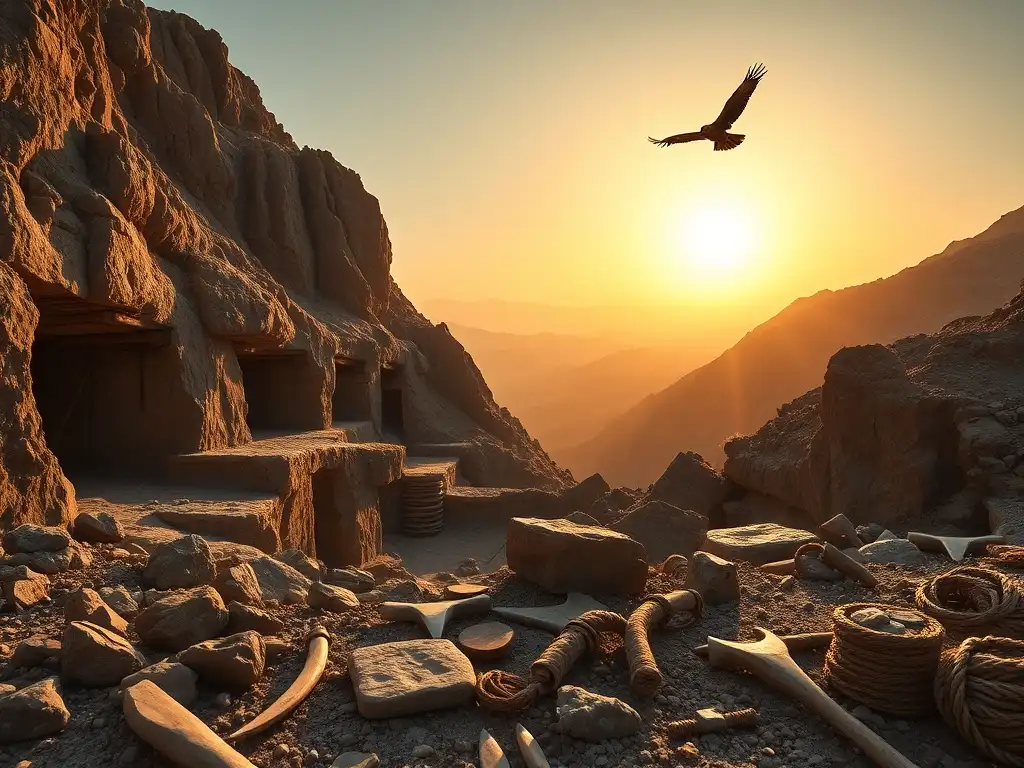
This section delves into the mining activities and technological advancements of Andean cultures before the Inca Empire's rise, laying the groundwork for understanding the Inca's sophisticated mining operations. We'll explore the evolution of techniques and the crucial role mining played in these societies' development. Understanding these pre-Inca foundations is key to appreciating the full scope of Inca mining tools and techniques.
Early Andean Mining: An Overview
The extraction of valuable minerals in the Andes dates back millennia. Early evidence suggests that mining wasn't a large-scale, organized operation in the earliest periods. Instead, it involved smaller, more localized efforts focused primarily on readily accessible surface deposits of copper, gold, and other metals. These early miners likely used rudimentary tools, such as stone hammers and chisels, to extract ores. Archaeological findings often uncover evidence of these early mining activities in the form of scattered artifacts and partially excavated pits.
The development of more sophisticated mining techniques was gradual, evolving over centuries. Factors such as population growth, increasing demand for metals, and advancements in metallurgy all played a role in this progression. The development of more complex tools and organizational structures was a direct response to the increasing needs of growing societies. The shift from surface mining to underground mining, for example, marks a significant technological leap, requiring more advanced techniques and collaborative efforts. The precise timeline for this transition varies across different Andean regions, influenced by local geological conditions and societal developments.
The Significance of Mining in Pre-Inca Societies
Mining was not merely an economic activity for pre-Inca Andean societies; it held profound social and religious significance. Metals, particularly gold and silver, were often associated with deities and used in elaborate ceremonial objects. The control and distribution of these valuable resources played a crucial role in establishing social hierarchies and political power. This is evident in the elaborate gold and silver artifacts found in pre-Inca tombs and ceremonial sites.
These weren't just decorative items; they were powerful symbols of status and authority, reflecting the importance of mining in the social fabric of these civilizations. Further research is needed to fully understand the complex interplay between mining, religion, and social structures in these early Andean societies. The exact mechanisms of resource control and distribution require further investigation, particularly regarding the social implications of mining activities on different social strata.
Mining Techniques of the Moche Civilization
The Moche civilization (circa 100-800 CE) represents a significant advancement in Andean mining. They developed more advanced techniques for extracting metals, including the use of more sophisticated tools and potentially, more organized labor systems. Evidence suggests the Moche employed techniques such as open-pit mining and shaft mining, accessing deeper and richer ore deposits. While the exact tools used by the Moche are still being uncovered and analyzed by archaeologists, we know they utilized various types of stone tools, likely including improved hammers, chisels, and possibly even rudimentary metal tools made from already-extracted metals.
The Moche's metallurgical skills were also notable. They were adept at smelting and alloying metals, creating high-quality tools and decorative objects. Analysis of Moche artifacts reveals a sophisticated understanding of metallurgy, indicative of advanced techniques and a specialized workforce.
Their innovations in both mining and metallurgy significantly contributed to the overall technological advancement of the Andean region, laying the foundation for subsequent cultures, including the Inca. Further research into Moche mining sites, focusing on the analysis of tools and mining methods, is crucial to fully understand their contributions to the development of Inca mining tools and techniques. The discovery of new sites and artifacts continues to shed light on the Moche's impressive mining capabilities.
Nazca Mining and Mineral Extraction Methods
The Nazca civilization, renowned for its enigmatic geoglyphs, also possessed sophisticated mining techniques. Unlike later Andean cultures that extensively used copper, the Nazca focused primarily on obtaining obsidian, a volcanic glass prized for its sharpness and use in crafting tools and weaponry. Evidence suggests they employed a combination of methods for extracting this valuable resource. Open-pit mining, involving the excavation of relatively shallow pits to access near-surface deposits, appears to have been a common practice.
This is supported by archaeological finds of extensive quarry sites showing significant removal of material. Furthermore, the Nazca likely utilized simpler tools like stone hammers and picks, gradually chipping away at the obsidian veins. The lack of extensive evidence of sophisticated tunneling techniques suggests that deep mining was less prevalent, focusing instead on readily accessible resources. The relatively small scale of their mining operations, compared to later empires, reflects their technological capabilities and resource needs at the time.
Their mastery of obsidian working, however, demonstrates a high level of skill and understanding of material properties, even with relatively rudimentary tools. Further research into Nazca mining sites could shed more light on their specific techniques and the organization of their mining activities. The careful selection of obsidian sources and the consistent quality of their artifacts indicate a level of planning and expertise in resource management that is surprisingly advanced for the period.
Tiahuanaco's Contributions to Mining Technology
The Tiahuanaco culture, flourishing in the Altiplano region, made significant contributions to Andean mining technology, laying the groundwork for later developments. While their expertise in metallurgy wasn't as prominent as that of later civilizations, their advancements in mining techniques were substantial. Archaeological evidence points towards the use of more sophisticated methods than those employed by the Nazca. They likely employed a combination of open-pit and underground mining, adapting their methods to the specific geological conditions of the region.
This suggests a better understanding of geological formations and a capacity to plan and execute more complex mining operations. The use of improved tools, possibly including copper and bronze implements, would have facilitated more efficient extraction of minerals. While specific tool designs remain largely unknown due to limited preservation, the scale and complexity of their mining activities indicate technological advancements compared to their predecessors. Moreover, the Tiahuanaco's extensive network of roads and infrastructure suggests a well-organized system for transporting mined materials, highlighting a sophisticated approach to logistics and resource management.
Their contributions to mining were fundamental in paving the way for the Inca's later, more expansive mining activities. The legacy of Tiahuanaco's mining expertise is visible in the subsequent development of Andean mining technologies, representing a crucial step in the evolution of resource extraction in the Andes. Further study of Tiahuanaco mining sites is crucial to fully understand the extent and nature of their technological advancements.
Inca Mining Tools and Techniques
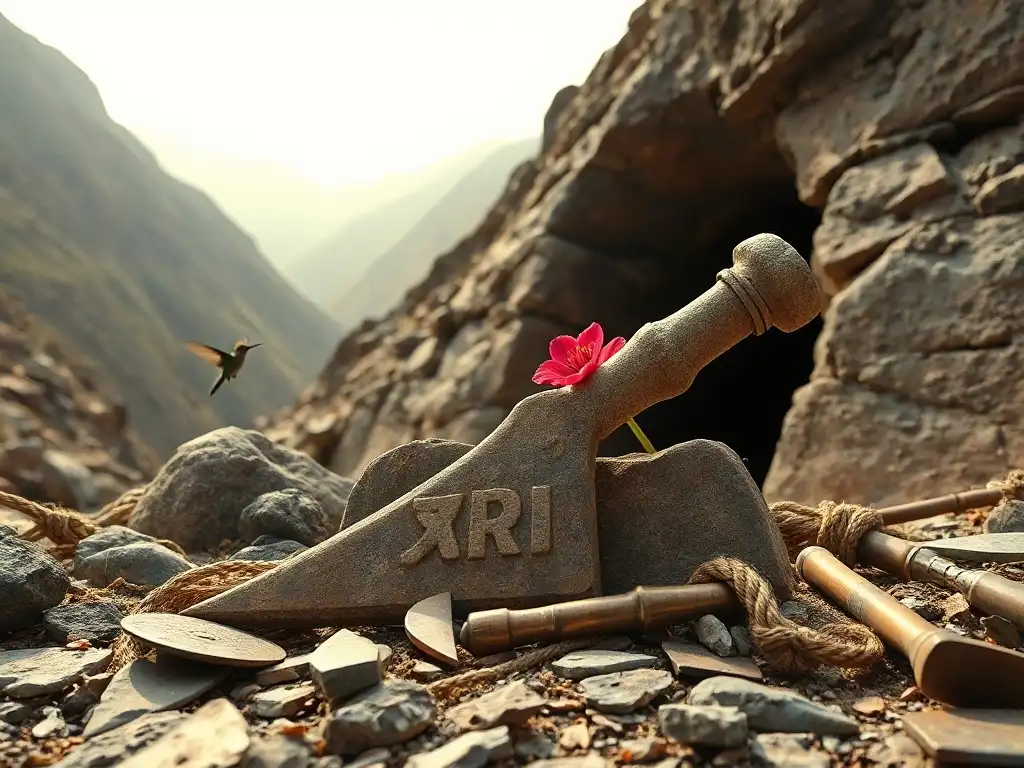
This section delves into the fascinating world of Inca mining, exploring the tools and techniques employed by these masterful engineers of the Andes. Understanding their methods offers a glimpse into their sophisticated understanding of metallurgy and resource management, crucial to their empire's success and longevity. The Inca mining legacy wasn't built in isolation; it was a culmination of advancements made by preceding Andean cultures, each contributing to the refined techniques observed during the Inca period. This evolution of Inca mining tools and techniques showcases the ingenuity and adaptability of Andean civilizations.
Inca Mining: A System of Controlled Extraction
Inca mining wasn't a haphazard affair. It was a highly organized and controlled system, reflecting their sophisticated societal structure. Unlike some contemporary practices, Inca mining prioritized safety and efficiency. Evidence suggests a detailed understanding of geological formations and ore distribution. They weren't simply digging holes; they planned their operations meticulously. This meticulous approach is evident in the remarkably well-preserved mines and tunnels discovered across the Andes.
The Inca state controlled all aspects of mining, from prospecting and extraction to processing and distribution. This centralized control ensured a steady supply of precious metals and other minerals vital for their economy and religious practices. Specialized labor forces, likely organized through the mita system (a form of mandatory labor service), carried out different tasks within the mines.
This division of labor, combined with advanced planning, allowed for efficient and sustainable extraction practices. The Inca's understanding of water management was also crucial, with sophisticated drainage systems often incorporated into mine shafts to prevent flooding and ensure worker safety. This systematic approach to Inca mining represents a significant advancement in resource management compared to earlier Andean cultures.
Stone Tools for Inca Mining Operations
While the Incas utilized some metal tools, particularly towards the later stages of their empire, stone tools remained prevalent throughout their mining operations. These weren't crude implements; they were meticulously crafted from durable materials like andesite and diorite, chosen for their hardness and resistance to wear. The craftsmanship involved in creating these tools speaks volumes about the skill and precision of Inca artisans.
The effectiveness of these stone tools is supported by the scale of Inca mining projects. They managed to extract significant quantities of ore using primarily stone implements, a testament to their engineering prowess and efficient work organization. Different types of stone tools were employed for specific tasks, reflecting a specialized approach to mining. For example, pointed tools were used for drilling, while broader, flatter tools served for shaping and smoothing surfaces.
The development and refinement of these tools represent a continuous process of improvement over centuries of Andean mining traditions. The mastery of stone tool production was directly related to the success of Inca mining endeavors. Further research is needed to fully understand the specific types of stone used and their geographical origins, which could reveal crucial information about Inca trade networks and resource management strategies.
The Chisel and Hammer: Essential Inca Mining Implements
Among the most important Inca mining tools were the chisel and hammer. These seemingly simple implements, when used skillfully, were capable of achieving remarkable feats of engineering. The chisels, often made of hardened stone or, later, bronze or copper, were used to cut and shape the rock. The hammers, typically made of a heavy, dense stone, provided the force needed to drive the chisel into the rock face.
The technique involved precise hammering, requiring considerable skill and coordination. The effectiveness of this method depended heavily on the quality of the tools and the skill of the miners. Archaeological findings suggest that the Incas developed specialized techniques for using these tools, potentially involving multiple miners working in coordination. This collaborative approach likely increased efficiency and reduced the risk of injury.
The use of the chisel and hammer demonstrates a clear understanding of leverage and force application, showcasing a sophisticated understanding of engineering principles. The enduring legacy of these seemingly basic tools is a testament to their effectiveness and the ingenuity of the Inca miners who wielded them. The study of preserved Inca mining tools continues to reveal new insights into their manufacturing techniques and the overall sophistication of their mining operations. Analysis of wear patterns on these tools would provide further details on the specific mining techniques employed.
Inca Mining Picks and Their Variations
Inca mining operations relied heavily on specialized picks, crafted from tough materials like copper alloys and hardened stone. These weren't your average picks; variations existed based on the specific task and the type of rock being worked. For softer rocks, a simpler pick design might suffice, perhaps with a broader, flatter blade for efficient removal of material. However, for harder igneous rocks prevalent in many Andean mining areas, the picks were likely smaller, with a sharper point to penetrate the stone more effectively.
Archaeological evidence suggests that the Inca metallurgists were skilled at heat-treating their copper alloys, resulting in picks with increased durability and resistance to breakage during strenuous mining activities. The handles, often made from wood strengthened with leather or fiber wrappings, were carefully fitted to the pickhead to maximize leverage and minimize vibrations that could lead to fatigue or injury for the miners. The design of the pickhead itself, from the angle of the blade to the overall weight and balance, was likely optimized through generations of practical experience to ensure efficiency and effectiveness in extracting valuable minerals.
We can infer a significant level of standardization in pick production within Inca society, given the scale of their mining operations and the geographical distribution of their mining sites. Further research into the metallurgical properties of recovered Inca picks would clarify the specific alloys used and their impact on tool performance. The variations in pick design highlight the Inca’s sophisticated understanding of materials science and their ability to adapt their tools to various geological conditions.
Using Levers and Wedges in Inca Extraction
Beyond picks, the Inca employed ingenious techniques, leveraging simple machines like levers and wedges to extract ore from rock faces. Imagine a scene: teams of miners skillfully positioning massive wooden levers against a loosened section of rock, then coordinating their efforts to pry it free. The wedges, often crafted from durable stone or even hard wood, were inserted into cracks and crevices, and then driven in using hammers or mauls, gradually splitting the rock and releasing the desired ore.
This methodology wasn't solely about brute force; it required a keen understanding of rock mechanics and fracture patterns. The Inca miners undoubtedly possessed considerable experience in identifying weaknesses in the rock formations, strategically placing levers and wedges to maximize efficiency and minimize unnecessary damage to the surrounding rock. The effectiveness of this approach is evident in the scale of Inca mining operations, which yielded significant quantities of minerals like copper and gold.
The use of levers and wedges, combined with their sophisticated understanding of the geological strata, allowed them to extract valuable ores with remarkable precision, minimizing the risk of cave-ins and maximizing the yield from their efforts. The ingenuity of these techniques underscores the advanced engineering skills of the Inca civilization. Further study of Inca mine shafts and quarries could offer valuable insights into the precise application of these techniques and their overall effectiveness.
Crushing and Grinding Stones for Ore Processing
Once extracted, the ore required further processing. This involved a series of steps, beginning with crushing and grinding to reduce the ore to a manageable size for further refinement. The Inca utilized a variety of tools for this purpose, ranging from large, heavy stone hammers to smaller, hand-held grinding stones. Larger, stationary mortars and pestles were likely employed for initial crushing, reducing larger chunks of ore into smaller fragments.
These were often made from hard, durable stones like andesite or granite. Following the initial crushing, the ore would have been ground into a finer powder using smaller grinding stones, possibly on a metate—a flat, slightly concave grinding surface—using a mano, a handheld grinding stone. The effectiveness of this process depended on the type of ore and the desired fineness. The finely ground ore would then be ready for further processing techniques like smelting or leaching, depending on the desired metal.
The careful selection of stones for crushing and grinding, based on their hardness and durability, speaks to the Inca’s understanding of materials and their ability to adapt their tools to meet the specific needs of their metallurgical processes. Analysis of the residues found in Inca mining sites could help to determine the specific types of stones used and the overall efficiency of their crushing and grinding techniques. The development of these tools and techniques represents a significant step in the advancement of Inca metallurgy and demonstrates their sophisticated approach to resource management.
Inca Methods for Separating Metals
The Incas, inheriting and refining techniques from previous Andean cultures, developed sophisticated methods for separating metals from ore. Their process wasn't solely reliant on brute force; instead, it involved a clever combination of techniques designed to maximize yield and purity. One common method involved crushing the ore into a fine powder using stone mortars and pestles – a painstaking process requiring significant labor. This pulverized ore was then subjected to a process of washing and panning, utilizing the differences in density between the metal and the surrounding gangue (waste rock).
Water was strategically channeled to carry away lighter materials, leaving behind a concentrated heavier fraction containing the desired metal. This technique, while seemingly simple, required considerable skill and patience to achieve optimal results. The effectiveness of this method depended heavily on the type of ore and the skill of the miners.
For example, separating gold from its associated minerals would have required a different approach and level of finesse compared to separating copper or silver. Archaeological evidence suggests the use of various sized containers and sieves to further refine the separation process, indicating a nuanced understanding of particle size and density. The residue from this process was often further processed using other techniques, demonstrating a cyclical and efficient approach to resource utilization.
Inca Smelting Techniques and Furnaces
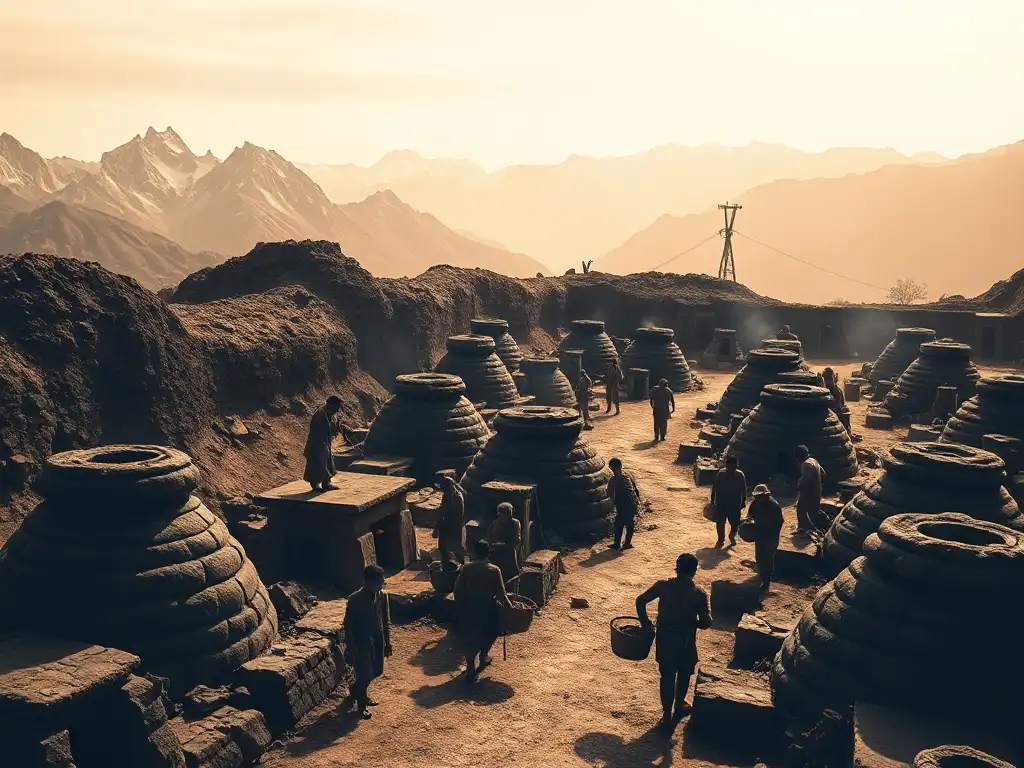
Inca smelting techniques represent a remarkable achievement in Andean metallurgy. While lacking the sophisticated bellows systems of later European technologies, they demonstrated a keen understanding of heat control and the chemical processes involved in metal extraction. Their furnaces, typically constructed from clay or stone, were designed to achieve high enough temperatures to melt the desired metals. These weren't simple open fires; instead, they were carefully constructed structures that allowed for the regulation of airflow and heat intensity.
Archaeological finds reveal evidence of various furnace designs, suggesting adaptations to different ores and metal types. Fuel sources were likely a combination of charcoal and other readily available organic materials. The process involved carefully layering the ore with the fuel, often using limestone or other fluxes to lower the melting point of the ore and facilitate the separation of the metal. The molten metal would then be tapped from the furnace into molds, creating ingots or other desired shapes.
The efficiency of these furnaces was likely influenced by factors such as furnace design, fuel quality, and the skill of the smelters. Further research is needed to fully understand the nuances of Inca smelting practices, including the exact temperature ranges achieved and the types of fluxes used in different regions. However, the existing evidence clearly shows a sophisticated and effective smelting technology. The quality of Inca metalwork, evident in their intricate tools and ornaments, is a testament to their mastery of this process.
Ventilation Techniques in Inca Mines
The challenge of ventilation in deep and often confined Inca mines was addressed using ingenious, albeit rudimentary, techniques. While the scale of their mining operations might not have matched later industrial efforts, the necessity for adequate air circulation was undeniably critical for worker safety and productivity. The most basic method was likely to create openings or shafts that allowed for natural airflow. These shafts could have been created vertically or horizontally, depending on the geological conditions and the layout of the mine.
In deeper mines, the use of simple fires at the mine entrances might have been employed to create a convection current, drawing fresh air into the workings. However, the effectiveness of this method would have been limited, especially in deep or complex mine layouts. The lack of advanced tools and technologies meant that creating these ventilation shafts was a labor-intensive process, requiring significant effort and expertise.
The evidence suggests that the Inca miners understood the importance of good ventilation, and they employed the available resources and techniques to address the challenges posed by working in confined spaces. Further investigation into Inca mining sites could reveal more detailed information about their ventilation strategies and the extent to which they mitigated the risks associated with poor air quality underground. Understanding these techniques is crucial not only for appreciating Inca ingenuity but also for drawing lessons applicable to modern mining safety practices.
Water Management in Inca Mining Sites
Water played a crucial role in Inca mining operations, far beyond simply quenching the thirst of miners. The Incas, masterful engineers, understood the importance of water for various stages of the mining process. Their sophisticated systems weren't merely rudimentary channels; they were intricate networks designed to maximize efficiency and minimize risk. These systems, often integrated into the broader landscape, showcased a deep understanding of hydrology and a remarkable ability to manipulate the natural environment.
One key application of water management was in the extraction of ores. In many cases, Inca miners employed hydraulic mining techniques. This involved strategically directing water flows to erode softer rock formations, exposing valuable mineral veins.
The force of the water, carefully channeled and controlled, acted as a natural tool, reducing the need for extensive manual labor and potentially speeding up the extraction process. Evidence suggests that they used sophisticated systems of canals and ditches to divert water from rivers and streams, often over considerable distances, to reach the mining sites. The precise techniques varied depending on the topography and the specific geological characteristics of the mining area.
Furthermore, water was essential for processing the extracted ores. After the ore was mined, it often required washing and grinding to separate the valuable minerals from the waste rock. The Incas used water to facilitate this process, creating sluices and other wash-plant systems to separate the heavier minerals from lighter materials. These systems, integrated with their water management infrastructure, allowed for a more efficient and effective ore processing stage. Archaeological findings frequently reveal the remnants of these water-based processing facilities, highlighting their importance in the overall mining operation.
Beyond the practical applications, the management of water in Inca mining sites also reflects a deeper understanding of the environment and its resources. The Incas weren’t simply exploiting the landscape; they were actively managing it, demonstrating a sustainable approach to resource extraction. This careful management wasn't limited to the immediate vicinity of the mines; it often involved integrating the mining operations into larger water management systems that served the surrounding communities as well.
This holistic approach underscores the Inca's sophisticated understanding of resource management and their ability to integrate their economic activities with the broader ecological context. The ingenuity and foresight demonstrated in their water management systems in mining areas are a testament to their advanced technological capabilities and their deep understanding of the environment.
Materials Sourced by Inca Mining
The Inca Empire, renowned for its sophisticated infrastructure and intricate artistry, relied heavily on its mastery of mining and metallurgy. Their ability to extract and work various metals significantly impacted their societal development, military prowess, and religious practices. Understanding the Inca mining tools and techniques reveals a complex system of resource acquisition that extended beyond simple extraction, encompassing sophisticated organizational structures and specialized knowledge passed down through generations.
The Inca weren't the first to mine in the Andes, however; they inherited and built upon the techniques of preceding cultures, adapting and refining existing methods to meet their own ambitious demands. This section will explore the primary materials sourced through Inca mining practices, focusing on the extraction methods and the subsequent uses of these valuable resources.
Gold Mining and its Importance to the Inca Empire
Gold held immense symbolic and religious significance within the Inca Empire. It represented the sun god, Inti, and was intricately woven into the fabric of their cosmology. Inca gold mining, therefore, wasn't merely an economic endeavor; it was a deeply spiritual act. While the exact techniques employed varied depending on the geological context and the richness of the ore, several common practices have been identified through archaeological evidence.
The Incas frequently employed open-pit mining, particularly for easily accessible deposits. This involved excavating large pits, often using tools like stone hammers, picks, and chisels made from hard stone like andesite or obsidian. These tools, while seemingly rudimentary, were remarkably effective when wielded by skilled miners. The extracted ore was then processed using techniques like crushing and washing to separate the gold from the surrounding rock. Mercury amalgamation, a technique known to be used in the Andes before the Inca, was likely also employed to refine the gold further. 1
The resulting gold was then used for a variety of purposes. It was fashioned into intricate jewelry, ceremonial objects, and religious artifacts, showcasing the high level of skill and artistry of Inca goldsmiths. Gold was also used to decorate palaces, temples, and other important structures, reflecting the empire's wealth and power. The sheer volume of gold artifacts discovered in Inca sites attests to the scale of their mining operations and the importance of gold in their society.
Silver Mining and its Usage
Silver, while not as revered as gold, was also a vital material within the Inca Empire. Unlike gold, silver had more practical applications beyond its symbolic value. Inca silver mining, therefore, was driven by both religious and utilitarian needs.
Similar tools and techniques used in gold mining were likely adapted for silver extraction. However, the geological characteristics of silver deposits often necessitated different approaches. While open-pit mining was still employed, underground mining may have been more prevalent for deeper or less accessible veins. The challenges presented by underground mining likely led to the development of more sophisticated techniques, possibly including the use of simple support structures within the mines to prevent collapses. [Specific information pending] on the extent of Inca underground mining techniques and the tools employed.
Silver was predominantly used for utilitarian purposes. It was used to craft tools, weapons, and agricultural implements, reflecting its practical value to the Inca economy. Silver was also incorporated into jewelry and ceremonial objects, although less prominently than gold. The use of silver in daily life demonstrates its importance as a readily available and useful metal within the Inca technological repertoire.
Copper Extraction and its Applications
Copper, a readily available metal in the Andean region, played a crucial role in Inca technology. Its malleability and ability to be alloyed with other metals made it ideal for a wide range of applications.
Inca copper mining likely utilized similar techniques to those used for gold and silver, adapting to the specific geological context of each deposit. Open-pit mining was likely employed for surface deposits, while underground mining may have been used for deeper veins. The tools used for copper extraction were probably similar to those used for other metals, consisting primarily of stone hammers, picks, and chisels. [Specific information pending] on the specific tools and techniques employed for copper extraction by the Incas.
Copper was used extensively in the production of tools and weapons. Copper axes, chisels, knives, and spear points have been discovered in numerous Inca sites, highlighting its importance in both agriculture and warfare. Copper alloys, such as bronze (copper and tin), were also likely produced, although the extent of this practice in the Inca Empire remains a topic of ongoing research.
The widespread use of copper artifacts demonstrates its vital role in shaping Inca daily life and military capabilities. The Inca's innovative use of copper underscores their advanced metallurgical knowledge and their ability to adapt resources to meet diverse societal needs.
1 Further research is needed to fully understand the extent of mercury amalgamation in Inca gold refining practices.
Tin and Bronze Production by the Incas
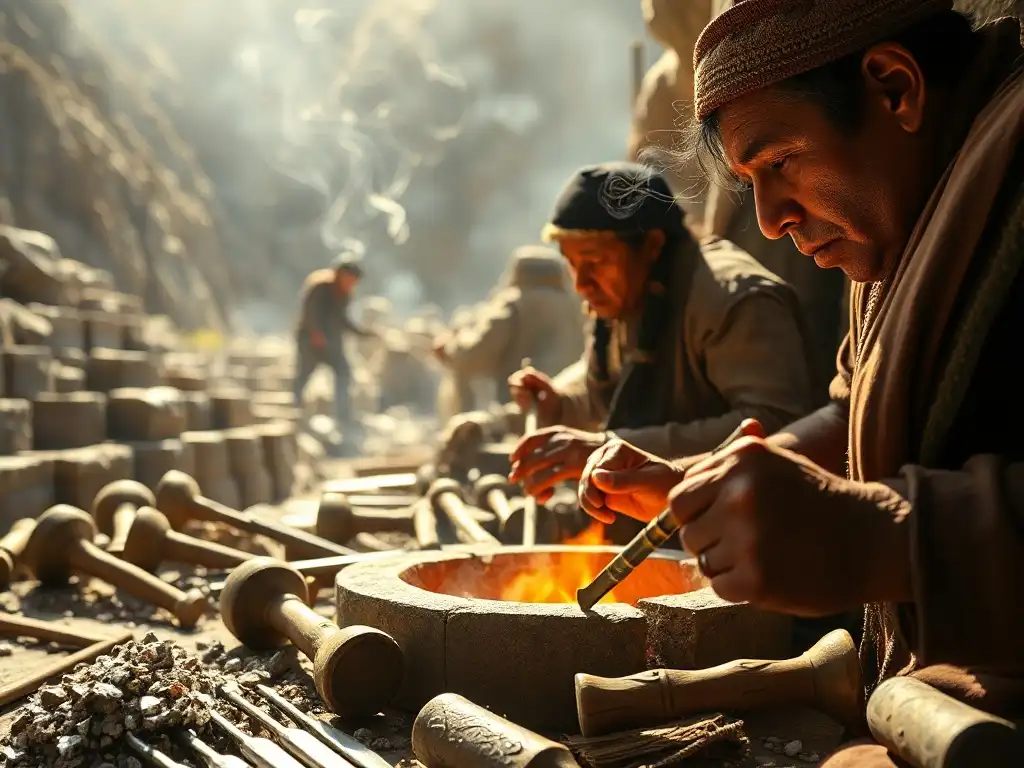
The Incas, masterful metallurgists, weren't solely focused on gold and silver. Their bronze production, though less prolific than their work with precious metals, reveals sophisticated metallurgical knowledge and techniques. Tin, a crucial component of bronze, wasn't readily available in the Inca heartland. Archaeological evidence suggests that tin ore was sourced from distant regions, likely the Andes of Bolivia, requiring extensive trade networks to facilitate its transportation.
The process itself involved complex stages. First, the tin ore would have been extracted, likely through methods similar to those used for other minerals – open-pit mining supplemented by more rudimentary shaft mining in certain areas. After extraction, the ore would have undergone refining processes, possibly involving heating and washing to separate the tin from impurities. This refined tin was then alloyed with copper, often obtained from closer sources, to create bronze.
The precise ratios of tin and copper varied depending on the desired properties of the finished product, showcasing a level of metallurgical understanding beyond simple smelting. The resulting bronze was then used to craft a variety of tools and ornaments, demonstrating the importance of this alloy in Inca society. The scarcity of tin and the sophisticated techniques required for its processing highlight the Inca's advanced capabilities and organizational prowess in managing resources across vast distances. Further research is needed to pinpoint the exact locations of Inca tin mines and fully understand the complexities of their tin extraction and bronze-making processes.
The Extraction of Other Valuable Minerals
Beyond tin, the Incas and their predecessors mined a variety of other minerals vital to their economy and culture. Copper, for example, was a widely used metal, crucial not only for bronze production but also for tools, weapons, and decorative objects. Copper mines were located throughout the Andes, with some regions, like those in modern-day Peru, proving particularly rich in deposits. The extraction methods likely varied depending on the geological context, but open-pit mining and shaft mining were common practices.
Evidence suggests that the Incas employed sophisticated techniques, including the use of stone tools and possibly rudimentary explosives (though the extent of their use remains a subject of ongoing debate among researchers) to extract the ore. Similarly, lead and mercury were also extracted, primarily for use in metallurgical processes and for creating pigments. Lead, for instance, was likely used as a flux in smelting operations, facilitating the extraction of other metals. The extraction of mercury, used in the amalgamation process for gold and silver, required specialized knowledge and careful handling due to its toxicity.
These additional minerals, along with tin, copper, gold, and silver, paint a picture of a sophisticated mining industry capable of supporting a complex and expansive civilization. The precise techniques employed and the scale of these mining operations for minerals beyond the precious metals require further investigation to fully illuminate the extent of Inca metallurgical mastery. The location and scale of some of these mines remain to be fully identified and documented, emphasizing the ongoing need for archaeological research in the Andean region.
The Impact of Inca Mining on Construction and Art
The Inca Empire's remarkable achievements in architecture, urban planning, and artistic expression were profoundly shaped by their sophisticated mining techniques. Access to a wide array of minerals, efficiently extracted and processed, fueled the empire's expansion and cultural flourishing. From the massive stones of Machu Picchu to the intricate gold and silver artifacts adorning royal tombs, the story of Inca civilization is inextricably linked to its mining prowess.
Understanding their mining practices provides crucial insight into their societal structure, technological capabilities, and overall cultural development. Their proficiency wasn't merely about extracting resources; it represented a mastery of engineering, logistics, and resource management, all contributing to their imperial success. The scale of their mining operations, particularly considering their available technology, remains impressive even by modern standards.
How Inca Mining Supplied Materials for Monumental Buildings
Inca monumental architecture, renowned for its precision and scale, relied heavily on the efficient extraction and transport of stone. Sites like Sacsayhuamán, with its cyclopean walls composed of perfectly fitted massive stones, stand as testaments to this. The quarries providing these immense blocks were often located considerable distances from the construction sites.
Inca miners employed a combination of techniques, including fire-setting (heating rock faces to crack them) and the use of copper and bronze tools, to extract these stones. Evidence suggests a sophisticated understanding of rock formations and geological properties, enabling them to select the most suitable stones and minimize waste. The precision of the cuts and the seamless fit of the stones in structures like Ollantaytambo indicate a high level of skill and meticulous planning, reflecting a deep understanding of both mining and construction.
The organization required to transport these massive blocks across challenging terrain further highlights the advanced logistical capabilities of the Inca state. Detailed analysis of quarry sites reveals extensive planning and infrastructure, including ramps, channels, and potentially even rudimentary lifting devices – all contributing to the successful completion of their ambitious building projects. The sheer volume of stone used in these structures underscores the importance of efficient and effective mining operations in the Inca Empire's ability to construct its iconic cities and fortifications.
Mining and the Creation of Inca Art and Crafts
Beyond construction, Inca mining provided the raw materials for a vibrant artistic tradition. Gold, silver, copper, and various precious stones were meticulously extracted and refined, then transformed into exquisite works of art. The renowned Inca goldsmiths were masters of their craft, creating intricate jewelry, ceremonial objects, and decorative items that showcased remarkable skill and artistry.
The techniques employed, including hammering, casting, and the application of intricate surface decoration, required a high degree of technical expertise. The sourcing of these metals was not random; specific mines were likely dedicated to the production of materials for artistic purposes, suggesting a specialized division of labor within the Inca mining system. The iconic Inca artifacts, often depicting religious figures, animals, and mythical beings, provide invaluable insights into Inca beliefs and cosmology.
The sophistication of these artistic creations mirrors the technological advancements in their mining practices, demonstrating a harmonious blend of artistic vision and engineering skill. The careful selection and processing of metals ensured the creation of durable, visually stunning, and culturally significant objects that continue to fascinate and inspire today.
The Role of Mining in Inca Engineering
Inca mining wasn't solely focused on extraction; it involved a significant element of engineering. The construction and maintenance of mines, often located in high-altitude and challenging environments, demanded innovative solutions. Evidence suggests the use of sophisticated drainage systems to manage water infiltration in mines, which would have been crucial for worker safety and operational efficiency.
The creation of ventilation shafts, possibly using simple but effective techniques, would have improved working conditions in underground mines. Furthermore, the design and construction of ramps and pathways for transporting ore and materials from the mines to processing centers and ultimately to construction sites or workshops showcase a remarkable understanding of logistics and engineering principles. The Inca's ability to adapt to different geological conditions and develop appropriate mining techniques for varying mineral deposits reflects a considerable level of technological innovation.
While specific details about some aspects of their engineering remain unclear, the sheer scale and longevity of their mining operations attest to the effectiveness of their methods and their understanding of the practical challenges involved in large-scale mining. Further research into Inca mining sites could potentially reveal even more sophisticated engineering solutions than are currently understood.
The Legacy of Inca Mining Practices
The Inca Empire's sophisticated mining techniques left an undeniable mark on subsequent Andean societies and continue to fascinate archaeologists and historians today. Their mastery of extraction, processing, and metallurgical skills wasn't simply a means to an end; it was deeply interwoven with their cultural and religious beliefs.
The impressive structures they built, from the monumental stonework of Machu Picchu to the intricate irrigation systems that sustained their vast agricultural endeavors, all relied heavily on the metals and materials procured through their mining operations. The abundance of gold, silver, and copper, expertly worked into intricate jewelry, religious artifacts, and ceremonial objects, speaks volumes about the Inca's advanced metallurgical capabilities and their profound understanding of material science.
The legacy extends beyond the tangible artifacts. Inca mining practices influenced the development of mining technologies in the region for centuries after the fall of the empire. Their innovative techniques, such as the use of sophisticated drainage systems in underground mines and their effective methods for crushing and processing ores, were adapted and refined by later Andean cultures. The knowledge passed down through generations, shaping the landscape and the economy of the Andes well into the colonial period and beyond.
Even today, the echoes of Inca mining practices can be found in the techniques employed by modern miners in the region, highlighting the enduring impact of their expertise. Understanding these historical methods is crucial for responsible and sustainable resource management in the Andes today. The careful consideration of environmental impact demonstrated by Inca miners, though not always perfectly applied, presents a valuable lesson for contemporary mining operations.
The Inca's approach to mining wasn't solely focused on extraction; it was intricately linked to their worldview. Mountains were revered as sacred entities, and mining was viewed as a way to respectfully access the earth's riches. This spiritual dimension is reflected in the care taken to minimize environmental damage, a stark contrast to some modern mining practices.
Archaeological evidence suggests a strong emphasis on reclamation and the prevention of unnecessary environmental degradation. This perspective underscores the complex relationship between human activity and the natural environment in the Inca worldview, a relationship which modern societies could benefit from revisiting.
The integration of mining into their societal structure, with specialized labor and complex logistical systems, provides a compelling case study in resource management and technological innovation within a specific socio-cultural context. Further research into Inca mining records, both archaeological and ethnohistorical, could shed even more light on this fascinating aspect of their civilization.
Comparison of Pre-Inca and Inca Mining Tools
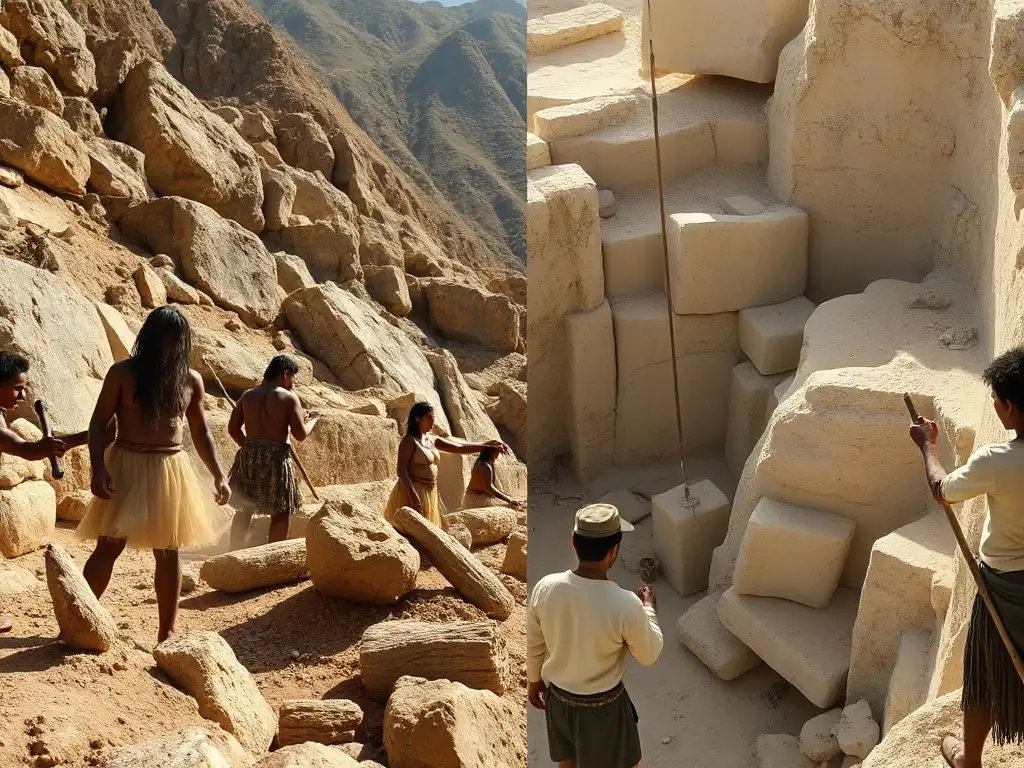
This section delves into the fascinating evolution of Andean mining tools, comparing the techniques and technologies employed by pre-Inca civilizations with those of the Inca Empire. Understanding these differences reveals much about the technological advancements and societal organization of each era. The Inca, while building upon existing knowledge, significantly expanded mining operations, reflecting their powerful centralized state. This analysis focuses on the practical aspects of tool design and application, highlighting key distinctions and continuities.
Differences in Technology and Scale
Pre-Inca cultures, such as the Moche and Nazca, developed sophisticated mining techniques, but their operations were generally smaller in scale compared to the Inca. Evidence suggests they primarily utilized simpler tools, relying heavily on hand-held implements like stone hammers, chisels, and picks. These tools, often made from locally sourced materials like obsidian or andesite, were effective for extracting smaller quantities of ore from relatively accessible locations. The Moche, known for their metallurgical prowess, likely used more advanced techniques for smelting and refining metals, but their mining tools themselves remained comparatively basic.
In contrast, the Inca Empire, with its vast resources and centralized administration, orchestrated large-scale mining projects. While they continued to use some basic hand tools, they also implemented more complex techniques and tools. This included the use of copper alloys for stronger and more durable tools, enabling them to excavate deeper and more extensive mines.
The Inca also likely employed more sophisticated methods for water management in their mines, such as drainage systems and potentially even rudimentary explosives (though definitive evidence for widespread Inca use of explosives remains debated). This difference in scale is a key indicator of the Inca's advanced organizational capabilities and their ability to mobilize significant labor forces for major infrastructural projects.
Innovations Introduced by the Inca in Mining
The Inca's impact on Andean mining wasn't merely about scale; they introduced several key innovations. One significant advancement was the improved metallurgy of their tools. Analysis of Inca mining tools reveals a higher frequency of copper alloys, demonstrating a more advanced understanding of metallurgy compared to their predecessors. These stronger tools allowed for more efficient extraction of ores and deeper penetration into the earth.
Furthermore, the Inca's sophisticated road network facilitated the transportation of both mining tools and extracted materials across vast distances. This efficient logistical system, crucial for their empire's success, also played a crucial role in their mining operations. The ability to quickly move resources and manpower to different mining sites significantly increased the efficiency and productivity of their mines. While the exact methods of transportation—whether by llama trains or human porters—varied depending on terrain and distance, the overall impact on Inca mining productivity is undeniable.
Another potential innovation, requiring further research, is the possibility of more advanced techniques for supporting mine shafts and tunnels. While evidence remains inconclusive, it's plausible that the Inca employed more sophisticated shoring techniques to prevent collapses in their deeper mines, further enhancing safety and efficiency.
Similarities in Basic Mining Techniques
Despite the technological advancements of the Inca, several basic mining techniques remained consistent across pre-Inca and Inca periods. The fundamental approach of excavating tunnels and shafts to access ore deposits remained unchanged. The use of hand tools, even if the materials and design evolved, remained central to the extraction process. Both pre-Inca and Inca miners likely relied on similar methods for breaking up rock, including hammering, chipping, and wedging.
Moreover, both cultures likely employed similar strategies for ventilation and water management in their mines, albeit with varying levels of sophistication. Basic methods like creating shafts for ventilation and using rudimentary drainage systems were likely common to both periods. The challenges of working underground, such as managing airflow and water accumulation, remained constant throughout Andean mining history, requiring adaptation and ingenuity from miners across generations. This continuity in basic techniques underscores the enduring challenges of mining and the ingenuity of Andean civilizations in overcoming them.
The Evolution of Andean Mining Tools
The development of Andean mining tools wasn't a sudden leap but a gradual evolution spanning millennia. Long before the Inca Empire, cultures like the Moche and Nazca had already established sophisticated mining practices, albeit with simpler technologies. Their tools, primarily made from readily available materials like copper, stone, and wood, reflect their understanding of the geological landscape and the challenges of extracting valuable resources.
Early mining efforts likely focused on surface deposits, utilizing basic tools like picks and shovels crafted from hardened wood or stone. As mining techniques advanced, the demand for more durable and efficient tools increased, leading to innovations in metallurgy and tool design. The transition from primarily stone tools to copper and bronze implements marked a significant technological leap, allowing for deeper and more extensive mining operations.
This progression is evident in the archaeological record, where we find a clear timeline of tool development reflecting the increasing sophistication of mining practices across different Andean cultures. The discovery of increasingly complex mining sites, accompanied by the remnants of progressively advanced tools, paints a vivid picture of this continuous improvement. For instance, the discovery of sophisticated copper alloys in pre-Inca sites shows a level of metallurgical expertise that allowed for the creation of stronger and more resilient tools, allowing for the exploitation of richer, deeper ore deposits.
The Inca, inheriting this rich legacy, further refined existing techniques and introduced new innovations. Their advanced knowledge of metallurgy allowed them to produce high-quality bronze and even some early forms of steel, significantly enhancing the durability and efficiency of their mining tools. This technological advancement enabled them to undertake even more ambitious mining projects, extracting vast quantities of minerals for construction, ornamentation, and religious purposes.
The Inca's mastery extended beyond the creation of the tools themselves; their understanding of engineering and logistics allowed them to effectively manage large-scale mining operations, moving vast amounts of material and coordinating the efforts of numerous workers. The Inca road system, for example, played a crucial role in facilitating the transportation of mined resources and tools across their vast empire.
The integration of these logistical advancements with their improved metallurgy created a synergy that resulted in a significant increase in the scale and scope of Inca mining activities compared to their predecessors. This is particularly evident in the magnitude of their monumental constructions, which relied heavily on the efficient extraction and transportation of large quantities of stone.
The transition from simple stone tools to sophisticated metal implements represents a remarkable technological achievement in the Andes. This evolution wasn't solely driven by technological innovation but also by societal factors, including population growth, increased demand for resources, and the need for more efficient extraction methods to support larger-scale construction projects and imperial expansion. Understanding this evolutionary process provides valuable insights into the ingenuity and adaptability of Andean cultures in harnessing the resources of their environment and shaping their civilizations.
The careful study of these tools, alongside archaeological evidence of mining sites, allows us to appreciate the complex interplay of technological advancement, social organization, and environmental adaptation that characterized Andean mining throughout its history. The legacy of these advancements continues to fascinate researchers and underscores the remarkable achievements of these ancient Andean societies.
Conclusion: The Ingenuity of Andean Mining
The study of Inca mining tools and techniques reveals a sophisticated understanding of metallurgy, engineering, and resource management far exceeding common perceptions of pre-Columbian societies. Their advancements weren't solely technological; they were deeply intertwined with their social structure, religious beliefs, and overall worldview.
The Inca, building upon the legacies of their predecessors like the Moche and Nazca, refined existing methods and developed new ones, showcasing a remarkable capacity for innovation and adaptation. Understanding their methods provides a deeper appreciation for the scale and complexity of their monumental achievements, from intricate irrigation systems to awe-inspiring cities nestled high in the Andes.
Summarizing Inca Mining Knowledge
Inca mining knowledge encompassed a broad spectrum of skills and practices. They possessed a detailed understanding of ore identification and extraction, employing various techniques depending on the type of ore and its geological context. Their proficiency in metallurgy allowed them to create durable and effective tools, from simple picks and shovels to more complex devices like the champi (a type of copper chisel). Evidence suggests a sophisticated system of labor organization, with specialized workers responsible for different stages of the mining process.
This intricate system, combined with their advanced knowledge of materials and techniques, enabled them to extract vast quantities of valuable metals, including gold, silver, and copper, which were crucial to their economy and religious practices. The Inca's understanding of water management also played a crucial role in mining, facilitating efficient ore processing and transportation. [Specific details on Inca water management in mining pending].
The Importance of Mining in Inca Society
Mining was not merely an economic activity for the Inca; it was deeply embedded within their social and religious fabric. Metals, particularly gold and silver, held significant symbolic value, representing the sun god Inti and the power of the Sapa Inca. Elaborate gold and silver artifacts, used in religious ceremonies and adorned by the elite, underscore the importance of these metals in Inca society. The extraction of these metals supported the construction of monumental structures, intricate jewelry, and ceremonial objects, solidifying the Inca's power and prestige.
The mining industry also provided employment for a significant portion of the population, contributing to the overall economic stability and social organization of the empire. Furthermore, the control over vital resources like copper, essential for tool production, reinforced the Inca's authority and facilitated their expansion. The control and distribution of mining resources were directly linked to the Inca's political and economic power.
The Enduring Legacy of Andean Mining Techniques
The ingenuity of Andean mining techniques extends far beyond the Inca empire. Their innovative approaches to ore extraction, processing, and metallurgy influenced subsequent societies and continue to fascinate researchers today. The legacy of Andean mining is not only reflected in the surviving artifacts and structures but also in the enduring impact on the landscape itself. Many of the mining sites, though abandoned centuries ago, still bear witness to the scale and sophistication of Inca mining operations.
Studying these sites offers valuable insights into the technological advancements of pre-Columbian civilizations and highlights the resourcefulness and adaptability of Andean peoples. Moreover, understanding these ancient techniques can inform contemporary approaches to responsible and sustainable mining practices. The Inca's methods, characterized by a deep respect for the environment and a holistic approach to resource management, offer valuable lessons for modern mining industries.
The study of Inca mining tools and techniques provides a rich tapestry of knowledge, highlighting not only their technological prowess but also their deep connection to the land and their unique cultural values. The legacy of Andean mining continues to inspire and inform us today. ⛏️
Frequently Asked Questions
What mining tools did the Inca use?
The Inca utilized a variety of tools, including copper and bronze chisels, stone hammers, and wooden wedges. They also employed sophisticated techniques like fire-setting to break apart rock.
How did Inca mining techniques compare to those of their predecessors?
While the Inca refined existing techniques, their predecessors, like the Moche and Nazca, already possessed advanced skills in metalworking and mining. The Inca built upon this existing knowledge base, improving efficiency and scale.
What were the primary materials mined by the Inca?
The Inca primarily mined copper, gold, silver, and other metals, crucial for their religious practices, weaponry, and infrastructure. They also extracted stone for construction projects.
How did the Inca transport mined materials?
The Inca utilized a remarkable network of roads and trails for transporting mined materials. Llamas and human porters were key to moving resources across the challenging Andean terrain.
What impact did Inca mining have on their society?
Inca mining significantly impacted their society, fueling economic growth, religious practices, and the development of impressive infrastructure. It also shaped their social hierarchy and labor systems.
Final Reflection: Echoes of the Andes: Legacy of Inca Mining
The ingenuity of Inca mining techniques, far from being a relic of the past, offers a powerful lesson in sustainable resource management and innovative problem-solving that remains strikingly relevant today. Our modern world, grappling with environmental challenges and the ethical sourcing of materials, can learn much from the careful consideration and respect for the land demonstrated by Inca miners. The sophisticated understanding of metallurgy and the resourcefulness displayed in their tool creation stand as a testament to human adaptability and resilience.
The enduring impact of Inca mining extends beyond the impressive structures they built; it resonates in the very landscape of the Andes. The echoes of their labor are not just found in the remnants of their tools and mines, but also in the cultural memory and traditions of the Andean people. Their methods, passed down through generations, shaped not only their material world but also their spiritual connection to the earth. The mountains are not just mountains, they are the ancestors, the source of life, and the keepers of our history.
This sentiment encapsulates the profound relationship between the Inca and their environment, a relationship that modern societies would do well to emulate.
Consider the implications of this legacy. How can we, in our own lives, approach resource extraction with the same respect and foresight demonstrated by the Inca? How can we integrate sustainable practices into our daily routines, mirroring their commitment to minimizing environmental impact? I urge you to reflect on the ingenuity and wisdom of the Inca, and to consider how their approach to mining can inspire a more responsible and sustainable future for all. Let the echoes of the Andes guide you towards a more harmonious relationship with our planet.
Unlock the Secrets of Inca Engineering!
Thank you for exploring the fascinating world of Inca mining with us! You've discovered the innovative ingenuity of this ancient civilization, and now it's time to delve even deeper.
Here's how you can continue your exploration:
- Join a local history group or online forum to connect with fellow enthusiasts and share your discoveries about Inca mining techniques.
- Visit a museum with a collection of Andean artifacts to see these remarkable tools firsthand. Many museums feature exhibits specifically on ancient mining practices.
- Share your knowledge by writing a blog post or creating a social media post about what you've learned. Your insights could inspire others!
What aspect of Inca engineering intrigues you most?