
The Silent Helpers: Uncovering the Role of Andean Wooden Tools

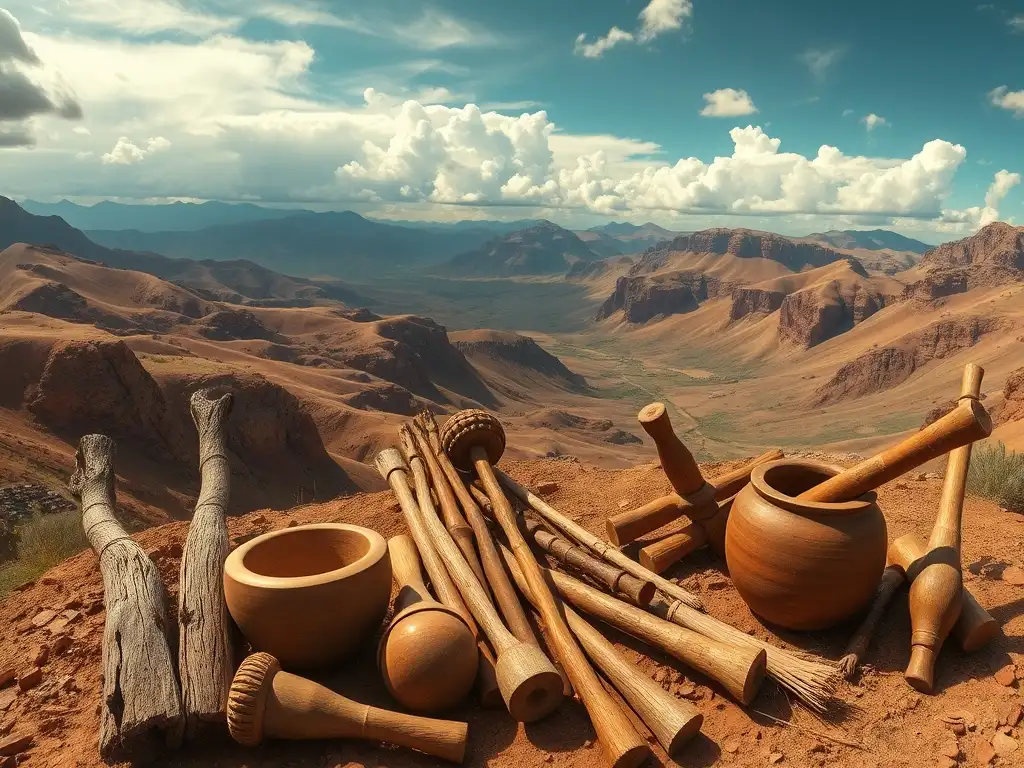
Step into a world lost to time, yet echoing with the whispers of innovation. For centuries, the Andean mountains held secrets – secrets now revealed through the intricate craftsmanship of their people. Prepare to be amazed by the ingenuity of the ancient civilizations that thrived in these breathtaking landscapes. Discover the fascinating story of Andean wooden tools history, and unlock the mysteries of a technology that shaped an entire civilization. Their silent helpers, these tools, tell a tale far richer than any gold could ever reveal… read on to learn more.
The history of the Andes is a tapestry woven with threads of gold, silver, and stone, often overshadowing the less glamorous, yet equally vital, contributions of wood. This article delves into the often-overlooked world of Andean wooden tools, revealing their crucial role in the daily lives and technological advancements of ancient Andean civilizations, from the Incas to the lesser-known cultures who shaped the region's rich heritage.
We will explore how these seemingly simple implements facilitated agriculture, construction, textile production, and more, providing a nuanced understanding of the ingenuity and resourcefulness of Andean peoples and their profound connection to their environment. Understanding the history of Andean wooden tools provides a crucial lens through which we can appreciate the complexity and sophistication of these ancient societies, moving beyond the glittering artifacts and focusing on the everyday objects that sustained their existence.
This exploration of "Andean wooden tools history" will illuminate the silent helpers that powered the vibrant Andean civilizations.
Introduction to Andean Wooden Implements
The Andean region, characterized by its diverse geography ranging from arid coastal deserts to towering mountain ranges, presented unique challenges and opportunities for its inhabitants. Wood, a readily available resource in many areas, became a fundamental material for crafting a wide array of tools essential for survival and societal development. These implements were not merely functional; they often reflected intricate craftsmanship and artistic expression, showcasing the skill and ingenuity of Andean artisans.
From simple digging sticks used in agriculture to complex weaving tools and intricate carpentry instruments, wooden implements permeated every aspect of daily life. The type of wood used varied regionally, reflecting the available resources and the specific properties required for each tool. For example, harder woods might have been preferred for tools requiring greater durability, while softer woods might have been used for more delicate tasks.
Unfortunately, the perishable nature of wood means that many examples have not survived, leaving us with a fragmentary understanding of the full range of tools employed. However, archaeological discoveries, combined with ethnohistorical accounts and surviving examples from later periods, offer valuable insights into the ingenuity and skill of Andean woodworkers. The study of these tools is not simply about identifying their function but also about understanding their cultural significance and the role they played in shaping Andean societies.
The Significance of Wood in Ancient Andean Cultures
The significance of wood extended far beyond its practical applications. In many Andean cultures, wood held deep symbolic meaning, often associated with fertility, growth, and the spiritual world. Certain types of wood were considered sacred, and their use was restricted to specific rituals or ceremonies. The selection of wood for toolmaking wasn't arbitrary; it was often influenced by beliefs and traditions.
This spiritual connection to wood is reflected in the craftsmanship and decoration of some tools, which were sometimes adorned with intricate carvings or painted with symbolic designs. Furthermore, the process of crafting wooden tools itself may have held ritual significance, with skilled artisans playing an important role in their communities. The durability and longevity of some wooden tools also contributed to their significance. These tools were not disposable items; they were passed down through generations, accumulating history and meaning with each use.
This aspect underscores the importance of studying these objects not only for their technological significance but also for their role in shaping Andean cultural identities and transmitting knowledge across generations. The meticulous craftsmanship evident in surviving examples suggests a deep appreciation for the material and a commitment to creating tools that were both functional and aesthetically pleasing. Further research is needed to fully understand the full extent of the symbolic and ritualistic significance of Andean wooden tools and their role in the complex tapestry of Andean culture.
Wood Selection and Preparation for Toolmaking in the Andes
The Andean civilizations demonstrated remarkable skill in selecting and preparing wood for toolmaking. Their choices weren't random; they were deeply informed by the properties of different wood species and their suitability for specific tasks. For example, harder woods like queuña (Polylepis spp.)
were favored for tools requiring durability and resistance to wear, such as agricultural implements and construction components. These trees, often found at high altitudes, possess a density that makes them ideal for withstanding significant stress. Conversely, softer woods, perhaps from certain species of willow or cedar, might have been selected for tools requiring more flexibility or ease of carving, like certain types of weaving implements.
The process of preparing the wood was equally meticulous. Archaeological evidence suggests that Andean artisans employed a variety of techniques, likely including felling trees using stone axes, followed by careful drying and seasoning to prevent warping or cracking. Further shaping and smoothing would have been achieved through the use of adzes, chisels, and abrasive stones, resulting in tools that were not only functional but also aesthetically pleasing.
The precision involved in this process speaks to the advanced understanding of wood properties and the sophisticated techniques employed by Andean craftspeople. The level of craftsmanship evident in surviving examples highlights the significant time and skill invested in creating these essential tools.
Types of Andean Wooden Tools and Their Uses

The Andean civilizations developed a wide array of wooden tools, each meticulously crafted for a specific purpose. These tools were essential to their daily lives, playing a critical role in agriculture, textile production, construction, and domestic activities. The ingenuity and adaptability demonstrated in their design and manufacture reflect a deep understanding of both material science and the demands of their environment. The variety of tools also underscores the complexity and sophistication of Andean societies, far beyond simple subsistence living. The legacy of these tools continues to inspire modern woodworkers and historians alike.
Agricultural Tools: Wooden Shovels, Digging Sticks and More
Agricultural tools were central to the Andean way of life, and wood played a pivotal role in their creation. Wooden shovels, though simpler in design than their modern metal counterparts, were effective tools for moving soil and preparing fields for planting. Their size and shape likely varied depending on the terrain and the type of crop being cultivated. Digging sticks, often made from hardened wood, served as efficient tools for planting seeds and loosening the soil.
[Specific examples of digging stick designs and their regional variations pending]. Beyond shovels and digging sticks, other wooden tools, perhaps including plows or specialized weeding implements, were likely used, though evidence for their widespread use is currently limited. Further research into Andean agriculture could reveal a more complete picture of the wooden tools employed.
Textile Production: Wooden Spindles and Looms
Textile production was another area where Andean wooden tools played a vital role. Wooden spindles, used for spinning yarn, were crucial in the creation of textiles. These spindles, often intricately carved, varied in size and design depending on the desired thickness and texture of the yarn. [Specific examples of spindle designs and regional variations pending].
Wooden components also formed the framework of looms used for weaving. These looms, though simpler than some later models, allowed for the creation of complex and beautifully patterned textiles. The precision required in crafting these tools, and the skill required to operate them, speaks to the high level of craftsmanship and expertise in Andean textile production.
Construction Tools: Wooden Beams and Scaffolding
The impressive architecture of Andean civilizations, from monumental structures to intricate housing, relied heavily on the use of wooden tools and materials. Wooden beams, often from strong and durable hardwoods, were essential structural components in buildings and other constructions. These beams were carefully shaped and fitted together, demonstrating a sophisticated understanding of structural engineering. Wooden scaffolding, used to reach great heights during construction, was also critical. [Specific examples of scaffolding techniques and their regional variations pending]. The scale and complexity of some Andean constructions suggest the use of advanced scaffolding systems, possibly involving intricate wooden frameworks and supporting structures.
Domestic Tools: Wooden Bowls, Spoons and Utensils
Beyond their roles in agriculture, textile production, and construction, wooden tools were indispensable in Andean homes. Wooden bowls, spoons, and other utensils were used for preparing and serving food. These items were often carved with intricate designs, reflecting the artistic sensibilities of their creators. The variety of shapes and sizes suggests a range of uses, from simple eating utensils to more specialized tools for food preparation.
[Specific examples of domestic wooden tools and their regional variations pending]. The presence of these items in archaeological contexts provides valuable insights into the daily lives and cultural practices of Andean communities. The craftsmanship visible in many surviving examples emphasizes the artistic and functional value placed upon these everyday objects.
The Craftsmanship Behind Andean Wooden Tool Construction
The creation of Andean wooden tools was a testament to the ingenuity and skill of ancient artisans. These weren't mass-produced items; each tool represented hours, sometimes days, of meticulous work. The process began with the careful selection of wood, prioritizing species known for their strength, durability, and resistance to rot and insect damage.
Certain woods, like the quingua (Polylepis) found in high-altitude regions, were particularly prized for their resilience. The choice of wood often depended on the intended use of the tool; for instance, tools requiring greater strength might utilize harder woods, while those needing flexibility might employ more pliable options. The tools themselves were not simply functional; they often incorporated aesthetic elements, reflecting the cultural values and artistic sensibilities of the creators.
Detailed carvings, polished surfaces, and even the incorporation of inlaid materials occasionally adorned these objects, transforming them from mere implements into works of art. This attention to detail speaks volumes about the respect and reverence afforded to the tools that sustained Andean life.
Traditional Techniques for Carving and Shaping Wood
Andean woodworkers employed a variety of techniques to shape their tools. Simple hand tools, such as adzes, chisels, and knives made from obsidian or other hard stones, were the primary instruments. These tools, honed to razor sharpness, allowed for precise carving and shaping of the wood.
The process was often painstaking, requiring considerable patience and skill. The artisans likely used a combination of techniques, including whittling, scraping, and sanding, to achieve the desired form and finish. Evidence suggests that some tools were shaped using fire, with controlled burning used to soften the wood and make it easier to work.
The techniques varied regionally, with some areas favoring more intricate carvings than others. The skill passed down through generations, with apprentices learning from master craftsmen, ensuring the continuity of these time-honored traditions. The precision and artistry involved in creating these tools are evident in their surviving examples, many of which are remarkably well-preserved considering their age.
The Use of Fire and Stone Tools in Woodworking
Fire played a crucial role in Andean woodworking. It wasn't just used for clearing forests or heating workshops; it was an integral part of the toolmaking process itself. Controlled burning, a technique honed over centuries, allowed artisans to soften hard woods, making them more pliable and easier to carve.
This technique reduced the time and effort required for shaping, allowing for greater efficiency. Moreover, fire was used to create specific effects, such as charring the surface of the wood to increase its durability or to create unique decorative patterns. Stone tools, primarily made from obsidian and other volcanic rock, were the primary cutting and shaping instruments.
These tools, often meticulously crafted themselves, were used in conjunction with fire to create a range of tools, from simple digging sticks to intricate weaving implements. The combination of fire and stone tools represents a sophisticated understanding of material properties and a mastery of woodworking techniques, highlighting the advanced technological capabilities of Andean civilizations.
Regional Variations in Andean Wooden Tool Designs
The design and construction of Andean wooden tools were not uniform across the vast Andean region. Significant variations existed between different regions, reflecting the diverse environments, resources, and cultural practices. Altitude played a major role; tools found in the high Andes often differed significantly from those found in the coastal regions. The availability of specific wood types also influenced the design, with artisans adapting their techniques to the characteristics of the available materials.
Furthermore, cultural differences influenced the aesthetics and functionality of the tools. For example, tools associated with agricultural practices might vary considerably between different ethnic groups, reflecting variations in farming techniques and crop types. This regional diversity underscores the adaptive nature of Andean technology and the ingenuity of its creators in responding to local conditions.
Coastal vs Highland Toolmaking Traditions
A stark contrast existed between coastal and highland Andean toolmaking traditions. Coastal communities, with access to a wider variety of hardwoods and different plant resources, developed tools adapted to their specific needs – fishing, boat building, and coastal agriculture. These tools often featured more intricate carvings and a greater use of inlaid materials. Conversely, highland communities, often facing harsher environmental conditions and limited resources, developed tools more focused on practicality and durability.
The tools used in highland agriculture, for instance, were often simpler in design but extremely robust, capable of withstanding the demands of the challenging terrain. The differing wood types available also influenced the tools' designs; coastal artisans may have used harder, more durable woods, while highland artisans utilized more readily available, though potentially less durable, options. This contrast illustrates the adaptation of technology to specific environmental and cultural contexts.
Influence of Specific Cultures: Inca, Moche, Nazca
The Inca, Moche, and Nazca cultures each left their unique mark on Andean wooden tool design. The Inca, known for their sophisticated empire-wide organization, likely standardized certain tool designs for greater efficiency and ease of production. However, regional variations likely persisted within the Inca empire.
The Moche, famed for their elaborate metalwork and pottery, may have incorporated similar artistic sensibilities into their wooden tool designs, potentially featuring intricate carvings or inlaid decorations. The Nazca, renowned for their geoglyphs and complex irrigation systems, likely produced tools specifically adapted to their unique agricultural practices. Unfortunately, the lack of extensive surviving examples of wooden tools from these cultures makes it difficult to fully assess the extent of their unique styles and techniques.
More archaeological research is needed to fully understand the nuances of the wooden tools used by these three distinct Andean civilizations. Further investigation into the stylistic variations and technological advancements within each culture promises to unveil fascinating insights into the evolution of Andean wooden tool technology.
The Archaeological Evidence of Andean Wooden Tools
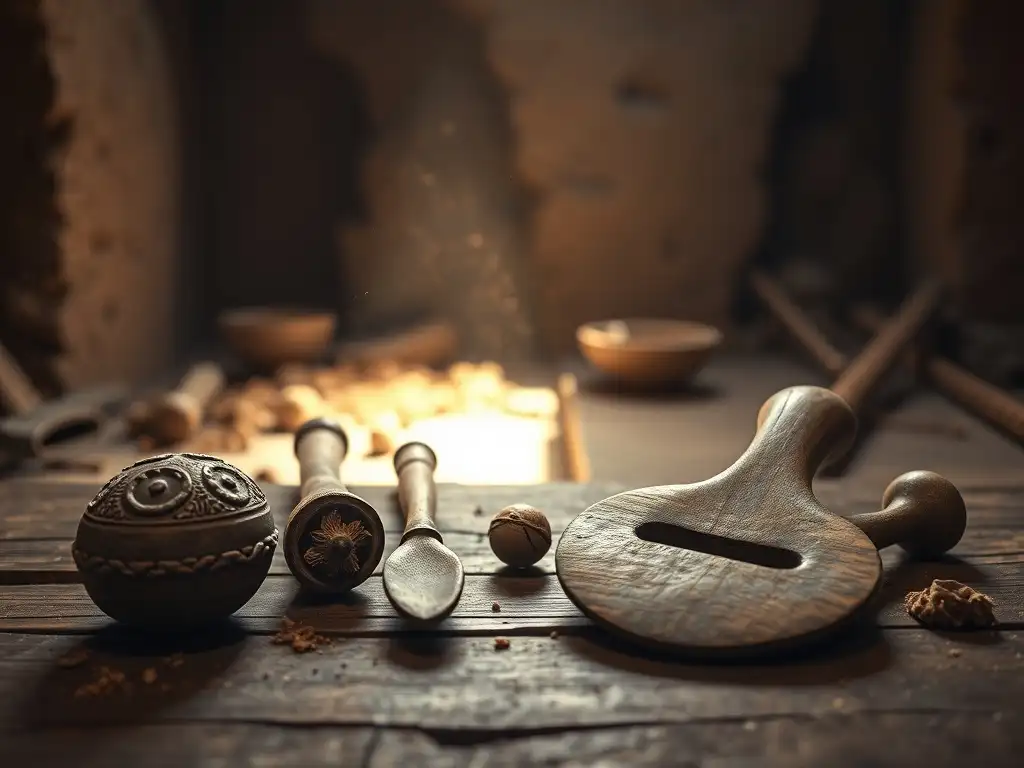
The study of Andean wooden tools relies heavily on archaeological evidence, which, while challenging due to the perishable nature of wood, offers invaluable insights into the ingenuity and resourcefulness of Andean cultures. Excavations across the Andes, from the arid coastal regions to the high-altitude mountains, have unearthed a surprising array of wooden artifacts. These range from simple implements like spindles and weaving tools to more complex objects such as agricultural implements, parts of looms, and even fragments of ceremonial objects.
The sheer variety reflects the diverse uses of wood across Andean societies, highlighting its importance in daily life and ritual practices. Careful analysis of these finds, coupled with ethnographic studies of surviving Andean communities, allows researchers to piece together a comprehensive understanding of wooden tool production and usage throughout Andean history.
The distribution of these artifacts across different archaeological sites also helps to understand the trade networks and cultural exchange that took place within the Andean region. For example, the discovery of similar tool types in geographically distant sites suggests a shared technological tradition or perhaps even the movement of skilled artisans.
Preservation of Wooden Artifacts in Andean Climates
The preservation of organic materials like wood presents significant challenges, particularly in the varied Andean climates. While some sites, due to exceptionally dry conditions, offer remarkable preservation, many others have yielded only fragmented remains or impressions left in the soil. The arid coastal regions, like those inhabited by the Nazca and Moche cultures, have provided surprisingly well-preserved wooden artifacts.
This is due to the extremely low humidity levels that inhibit the growth of microorganisms responsible for wood decay. Conversely, humid, high-altitude regions present a greater challenge for preservation, leading to significant degradation of wooden objects over time. Archaeologists employ various techniques to mitigate these challenges, including careful excavation methods, the use of specialized preservation chemicals, and advanced imaging technologies to analyze even severely deteriorated fragments.
Understanding the environmental conditions surrounding each site is crucial for interpreting the state of preservation of the recovered wooden artifacts. The challenge of preservation underscores the importance of careful and meticulous excavation and analysis to maximize the information gleaned from these fragile remains.
What Archaeological Finds Tell us About Andean Technology
Archaeological finds reveal a sophisticated understanding of woodworking techniques among Andean cultures. The tools themselves—axes, adzes, chisels, and knives—often made from stone or metal, demonstrate a high level of craftsmanship. Analysis of the wooden artifacts themselves reveals a range of techniques, including carving, shaping, polishing, and joining. The precision and complexity of some objects, such as intricately carved ceremonial items or precisely constructed agricultural tools, suggest specialized knowledge and a division of labor within Andean communities.
The types of wood used, often selected for specific properties like strength, durability, or flexibility, also indicate a deep understanding of the available resources and their applications. For instance, the selection of certain hardwoods for tools requiring greater strength or resistance to wear speaks volumes about Andean knowledge of materials science. Further analysis of the tool marks and manufacturing processes can reveal aspects of Andean technology that were previously unknown.
The Legacy of Andean Wooden Tools in Modern Times
The legacy of Andean wooden tools extends far beyond their historical context. The techniques and knowledge associated with their creation continue to influence contemporary Andean cultures. The tradition of woodworking persists in many Andean communities, albeit often adapted to modern needs and materials. Traditional methods of tool making and use are still practiced in some areas, representing a direct link to ancient Andean traditions. These tools are not merely relics of the past; they represent a living cultural heritage.
Influence on Contemporary Andean Crafts
The influence of ancient Andean woodworking is particularly evident in contemporary crafts. Many traditional Andean crafts, such as weaving, pottery, and carving, rely on tools and techniques that have roots in ancient practices. The designs and patterns found on modern textiles and ceramics often echo motifs and styles found in ancient Andean artifacts.
This continuity reflects the enduring cultural significance of traditional Andean craftsmanship and the ongoing role of woodworking in shaping Andean identity. The skills and knowledge passed down through generations ensure that traditional techniques continue to inspire and inform contemporary artistic expression. This connection between past and present underscores the importance of preserving traditional crafts as a vital part of Andean cultural heritage.
The Importance of Preserving Traditional Knowledge
The preservation of traditional Andean woodworking knowledge is crucial for several reasons. It represents a vital link to the past, safeguarding a rich cultural heritage. This knowledge embodies centuries of accumulated experience and expertise in tool making and material use. Furthermore, preserving these traditions contributes to the sustainable development of Andean communities by supporting local economies and preserving unique cultural identities.
The loss of this knowledge would represent an irreplaceable loss to both Andean cultures and the wider world. Efforts to document, teach, and promote these traditions are essential for ensuring their survival for future generations and maintaining the rich tapestry of Andean cultural heritage. The continued use of traditional Andean wooden tools in modern contexts serves as a testament to the enduring value of this knowledge.
Conclusion: Appreciating the Ingenuity of Andean Woodworking
The study of Andean wooden tools offers a compelling glimpse into the ingenuity and resourcefulness of ancient Andean societies. Far from being simple implements, these tools represent a sophisticated understanding of wood properties, tool design, and manufacturing techniques. Their diversity reflects the wide range of tasks undertaken in Andean daily life, from agriculture and construction to textile production and religious ceremonies.
The careful selection of specific wood types, based on their strength, durability, and workability, showcases a deep connection with the natural environment and an advanced knowledge of material science. This understanding wasn't merely practical; it was integral to the social fabric, shaping economic activities, religious beliefs, and artistic expression.
The remarkable preservation of some of these tools, despite the passage of centuries, allows us to appreciate the craftsmanship and skill involved in their creation. The intricate carvings, precise shaping, and durable construction speak to the dedication and expertise of the artisans who produced them. Their legacy extends beyond their practical function; they serve as tangible links to the past, offering valuable insights into the lives, beliefs, and technologies of the Andean people.
Further research and analysis of these remarkable artifacts are essential to deepen our comprehension of Andean history and culture, revealing the full extent of their technological advancements and the ingenuity of their woodworking traditions. The "silent helpers" of the Andes, through their enduring presence, continue to whisper stories of a rich and complex past, enriching our understanding of “Andean wooden tools history” and the civilizations that crafted them.
Future discoveries will undoubtedly further illuminate the significant role these tools played in shaping Andean societies. The meticulous craftsmanship evident in even the simplest tools underscores the sophisticated knowledge and skills possessed by the Andean people, highlighting the importance of preserving and studying these invaluable artifacts for generations to come.
- Introduction to Andean Wooden Implements
- The Significance of Wood in Ancient Andean Cultures
- Wood Selection and Preparation for Toolmaking in the Andes
- Types of Andean Wooden Tools and Their Uses
- The Craftsmanship Behind Andean Wooden Tool Construction
- Regional Variations in Andean Wooden Tool Designs
- The Archaeological Evidence of Andean Wooden Tools
- The Legacy of Andean Wooden Tools in Modern Times
- Conclusion: Appreciating the Ingenuity of Andean Woodworking
- What types of wooden tools did Andean civilizations use?
- How did the geography influence Andean wooden tool design?
- What materials, besides wood, were used in Andean wooden tools?
- How were Andean wooden tools preserved, considering the climate?
- What can Andean wooden tools tell us about their society?
Frequently Asked Questions
What types of wooden tools did Andean civilizations use?
Andean civilizations crafted a wide variety of wooden tools, including agricultural implements like plows and digging sticks, textile tools such as spindles and weaving batons, and everyday tools for carpentry and building. Their designs were often ingenious and adapted to the specific needs of their environment.
How did the geography influence Andean wooden tool design?
The varied geography of the Andes, from mountains to coastlines, greatly influenced tool design. Tools were adapted to the specific terrain and resources available. For instance, tools used in the highlands differed from those used in coastal areas.
What materials, besides wood, were used in Andean wooden tools?
While wood was primary, Andean artisans often combined it with other materials to enhance durability and function. Stone, bone, and metal were frequently incorporated into the design, creating robust and effective tools.
How were Andean wooden tools preserved, considering the climate?
Preservation of organic materials like wood in the Andean region is challenging due to the harsh climate and altitude. Many tools have decayed, but archaeological finds in dry caves and tombs have yielded remarkably well-preserved examples.
What can Andean wooden tools tell us about their society?
The sophistication and diversity of Andean wooden tools provide insights into the technological advancements and resource management of these civilizations. They reveal much about their daily lives, social structures, and economic activities.
Final Reflection: The Enduring Legacy of Andean Wooden Tools
The ingenuity of Andean wooden tools continues to resonate today, a testament to the enduring power of human adaptation and innovation. These seemingly simple objects, crafted from readily available materials, represent a sophisticated understanding of engineering, sustainability, and the deep connection between people and their environment. Their legacy extends far beyond their practical applications, offering valuable insights into the cultural and social fabric of Andean civilizations.
The impact of these tools extends beyond the archaeological record; their influence subtly shapes our understanding of sustainable practices and resource management. Their simple elegance, born from necessity and refined over generations, stands in stark contrast to our often wasteful modern approaches. The best things in life are simple,
a sentiment that rings particularly true when considering the enduring effectiveness of these ancient tools. Their story reminds us of the importance of respecting both our natural resources and the wisdom of past generations.
Consider the ingenuity of these tools, their resilience, and the stories they silently tell. You too can find inspiration in their simplicity, in their connection to the earth, and in their enduring legacy. Reflect on your own relationship with the tools you use, and consider how a deeper appreciation for sustainable practices, inspired by the Andean masters, can enrich your life and contribute to a more responsible future. Let the silent helpers speak to you, and let their wisdom guide your actions.
Uncover the Magic of Andean Wooden Tools!
Thank you for exploring the fascinating world of Andean wooden tools with us! You've discovered how these tools shaped daily life and rituals in Andean civilizations. Now, let's delve even deeper!
Here's how you can continue your exploration:
- Explore local crafts: Visit a local artisan market or shop to discover handcrafted wooden tools inspired by Andean traditions. You might be surprised by the artistry and skill involved.
- Share your knowledge: Discuss the cultural significance of these tools with friends, family, or online communities. Inspire others with your newfound appreciation for Andean craftsmanship.
- Create a DIY project: Try making a simple wooden tool, drawing inspiration from traditional Andean designs. This hands-on experience will deepen your understanding and appreciation.
What aspect of Andean wooden tools most captivated you, and how do you see their legacy reflected in modern society?