
From Fiber to Fabric: The Tools That Defined Andean Textile Production

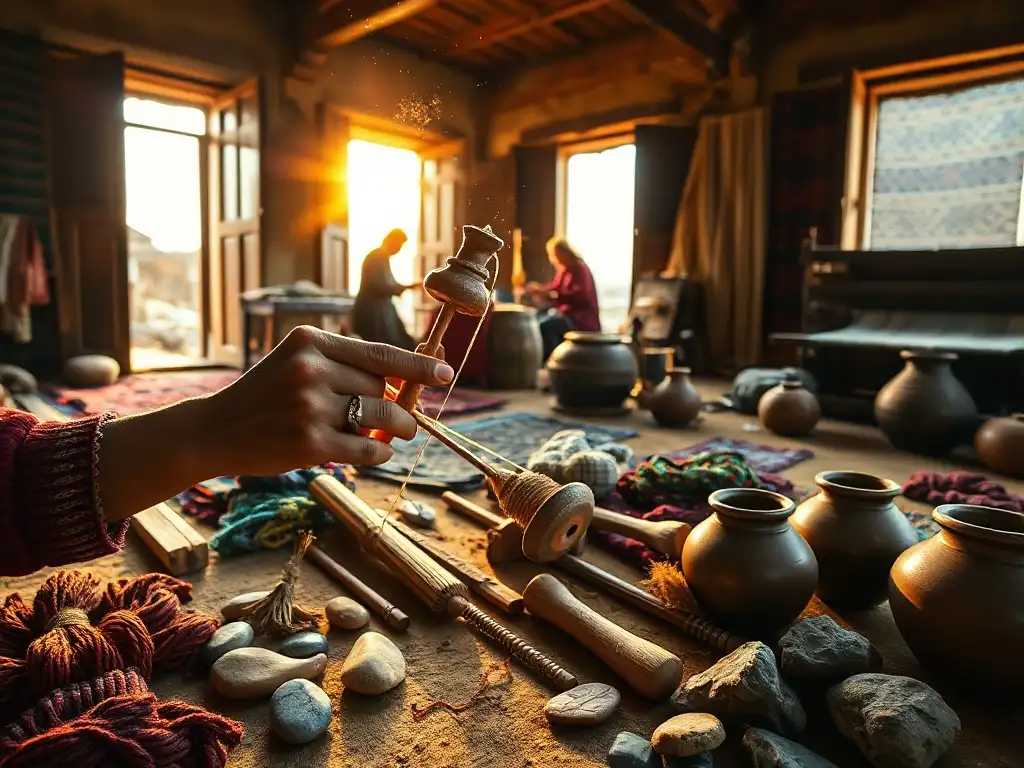
Unravel the mysteries of the Andes! Journey through time and discover a world of breathtaking artistry and ingenuity. For centuries, the vibrant cultures of the Andes wove not just cloth, but history itself. Prepare to be amazed as we delve into the intricate world of Andean textile production tools, revealing the secrets behind their mastery and the legacy they left behind. Are you ready to uncover the fascinating techniques that shaped Andean civilization?
The Andes Mountains, a breathtaking tapestry of towering peaks and fertile valleys, were also the cradle of remarkable textile traditions. For millennia, Andean civilizations, including the Incas, Moche, Nazca, and Tiahuanaco, developed sophisticated techniques for transforming natural fibers into intricate and vibrant textiles.
This article delves into the ingenious tools and implements that defined Andean textile production, revealing the ingenuity and artistry behind these enduring masterpieces. We'll explore the essential instruments used in each stage of the process, from the harvesting of raw materials to the creation of stunning finished products, highlighting the remarkable technological advancements that characterized these ancient cultures and their mastery of "Andean textile production tools".
Understanding these tools provides a crucial window into the daily lives, social structures, and spiritual beliefs of these fascinating societies. Prepare to be amazed by the sophistication and artistry of Andean textile production, a testament to human ingenuity and the enduring power of craft.
Understanding Andean Textile Craftsmanship
Andean textile production was not merely a practical skill; it was a deeply ingrained cultural practice imbued with symbolic meaning. The creation of textiles involved a complex process, requiring specialized knowledge and a range of tools. The process typically began with the cultivation and harvesting of raw materials, primarily cotton and various types of camelid fibers (llama, alpaca, vicuña, and guanaco).
These fibers were then cleaned, spun into yarn, and dyed using natural pigments derived from plants, minerals, and insects. The dyeing process itself was a complex art, with Andean artisans achieving a remarkable range of colors and shades. Finally, the yarn was woven into cloth using a variety of techniques, including backstrap loom weaving, which was a particularly prevalent method.
The tools used in each stage reflect the ingenuity and resourcefulness of Andean artisans, who adapted their techniques to the unique challenges of their environment. The precision and artistry evident in surviving Andean textiles speak volumes about the skill and dedication of the craftspeople who created them. We will examine some of these key tools in detail below.
The Importance of Textiles in Ancient Andean Societies
Textiles were far more than just clothing in ancient Andean societies; they held significant social, economic, and religious importance. Their intricate designs and vibrant colors often conveyed social status, religious beliefs, and clan affiliations. Textiles served as a form of currency, were used in ceremonies and rituals, and were even incorporated into burial practices.
The quality and intricacy of a textile often reflected the wearer's social standing, with elite individuals adorned in garments made from the finest materials and showcasing the most elaborate designs. The production of textiles involved a complex division of labor, with specialized artisans responsible for different stages of the process. This division of labor contributed to the economic and social organization of Andean societies, demonstrating the importance of textile production in their overall structure.
The enduring legacy of Andean textiles continues to inspire and captivate, showcasing the enduring connection between craft, culture, and society. The meticulous craftsmanship evident in these textiles offers a powerful glimpse into the rich tapestry of Andean life.
- What tools did Andean civilizations use for textile production?
- How did the backstrap loom impact Andean textile production?
- What materials were used besides fiber in Andean textile production?
- Were the tools used for Andean textile production standardized across all cultures?
- Where can I learn more about Andean textile production tools?
Andean Fiber Preparation Tools
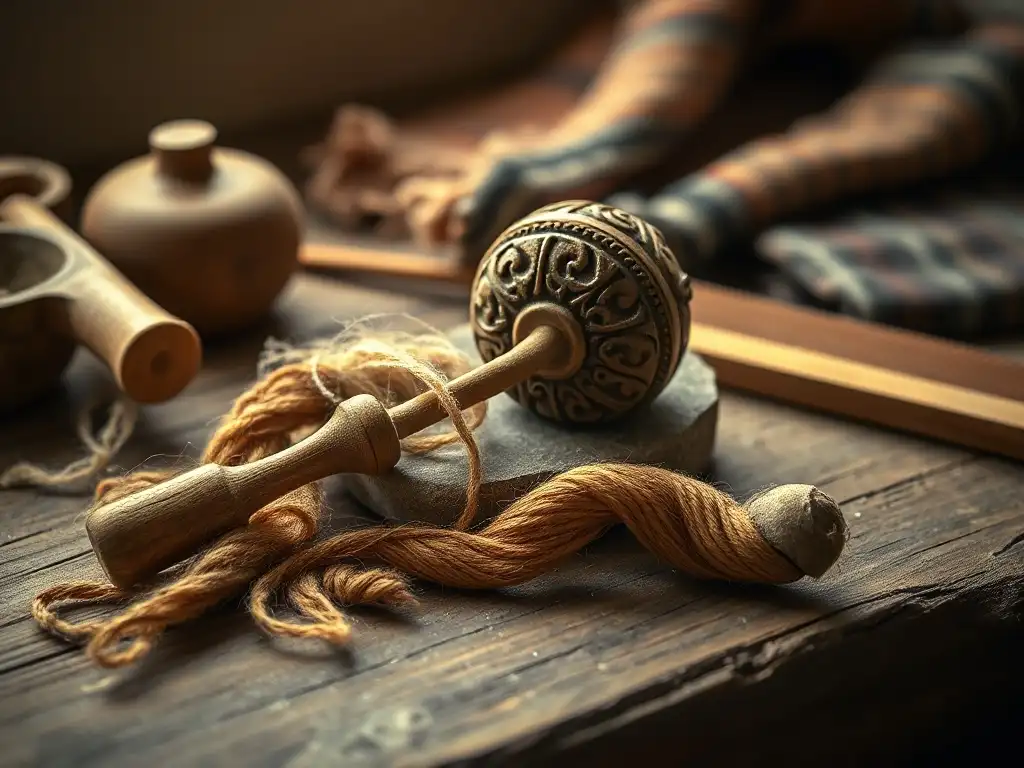
This section delves into the fascinating world of Andean fiber preparation, focusing on the tools that shaped textile production in these remarkable civilizations. Understanding these tools provides crucial insight into the ingenuity and resourcefulness of Andean artisans, allowing us to appreciate the complexity and artistry of their textiles. We'll explore the processes involved in transforming raw materials into usable yarn, highlighting the key instruments that facilitated this transformation. The meticulous nature of these processes speaks volumes about the societal importance of textile production in Andean cultures.
Processing Raw Materials: From Alpaca to Yarn
Before the intricate weaving could begin, Andean artisans had to meticulously process raw fibers. This involved several crucial steps, each aided by specific tools. The process typically started with shearing the alpaca, llama, or vicuña. The resulting fleece then underwent a series of treatments designed to separate the fibers, remove impurities, and prepare them for spinning.
One of the most important tools was the chakhu, a hand-held comb used to disentangle and clean the raw fibers. Made from wood or bone, the chakhu’s teeth were carefully crafted to effectively remove debris and align the fibers. Different types of chakhu might have existed depending on the fiber type being processed—for instance, a finer-toothed chakhu may have been used for delicate vicuña fiber. This careful preparation was crucial for producing high-quality yarn, highlighting the Andean artisans’ deep understanding of materials.
After combing, the fibers were often washed using natural detergents derived from plants like quinoa. The cleaned fibers were then ready for the next stage: spinning. The careful preparation of the fibers, often a communal activity, speaks to the social and economic importance of textile production within Andean communities.
The Role of the Spindle (Pushka) in Andean Spinning
The pushka, or spindle, was a pivotal tool in Andean spinning. This simple yet ingenious device transformed the prepared fibers into yarn, a process requiring skill and dexterity. The pushka consists of a slender shaft, usually made from wood or bone, with a whorl at one end. The whorl adds weight and helps control the twist as the spinner draws out and twists the fibers.
The spinning process involved attaching the prepared fiber to the top of the spindle. The spinner then would use the whorl’s weight to create a twist in the fiber, gradually drawing out more fiber and twisting it into a continuous yarn. This process required significant practice and skill, with experienced spinners able to produce exceptionally fine and even yarns. The pushka's design, passed down through generations, represents an elegant solution to the challenge of fiber processing. The consistent quality of Andean textiles is a testament to the mastery of this technique.
Evidence suggests that different weights and sizes of pushkas were used, possibly depending on the type of fiber being spun or the desired yarn thickness. Further research is needed to fully understand the nuances of pushka design and its regional variations across the diverse Andean cultures.
Different Types of Spindles Used in Andean Cultures
While the basic principle of the pushka remained consistent across different Andean cultures, variations in materials, size, and design existed. Archaeological findings reveal a diversity of spindles, reflecting regional differences and possibly specialized uses. Some pushkas were adorned with intricate carvings or painted with vibrant colors, suggesting a deeper cultural significance beyond their purely functional role.
For example, spindles found in the Nazca region might differ in shape and material from those discovered in the highlands of the Inca Empire. Such variations highlight the adaptability of the tool and its integration within diverse cultural contexts. The materials used—wood, bone, or even stone—also varied based on the resources available in each region.
Further research into the stylistic and material variations of Andean spindles could provide valuable insights into the cultural identities and technological exchanges between different Andean communities. The subtle differences in these tools reflect the rich tapestry of Andean cultures and their unique approaches to textile production.
Carding and Combing Techniques for Fiber Preparation
Andean textile production relied heavily on the careful preparation of fibers before spinning. Carding and combing were crucial steps in this process, transforming raw materials into smooth, consistent strands ready for the loom. These techniques, passed down through generations, demonstrate a sophisticated understanding of fiber manipulation and an impressive level of dexterity. The specific tools used varied depending on the fiber type (alpaca, llama, vicuña, cotton) and the desired outcome, but the underlying principles remained constant: to align the fibers and remove impurities.
The process typically began with carding, a technique used to disentangle and clean the fibers. While specific tools varied regionally, many Andean cultures utilized simple, yet effective, hand-held tools. These often involved a flat, wooden board or a piece of hide upon which the fibers were laid. A comb-like instrument, sometimes made from wood with embedded spines of animal bone or metal, was then drawn across the fibers, separating and aligning them.
This process removed debris, knots, and short fibers, resulting in a cleaner, more even fiber mass. The effectiveness of carding depended on the skill and experience of the artisan, who would carefully manipulate the fibers to achieve the desired result. The rhythm and pressure applied during carding were key to producing high-quality results.
Following carding, combing was often employed to further refine the fibers. Combing involved using a finer-toothed comb, sometimes made from metal or meticulously crafted from wood, to remove even shorter fibers and further align the longer ones. This created an exceptionally smooth and even fiber ready for spinning.
The process was painstaking and required considerable patience and skill. The finer the comb, the smoother and more lustrous the resulting yarn would be, a characteristic highly valued in Andean textiles. The difference between simply carded and combed fibers was significant, with combed fibers producing a yarn of superior quality and fineness, ideal for the creation of intricate and luxurious textiles.
The level of refinement applied through combing directly influenced the overall quality and value of the final product. Artisans would carefully choose their combing techniques based on the intended use of the yarn and the desired aesthetic qualities of the finished textile.
Andean Weaving Technology and Tools
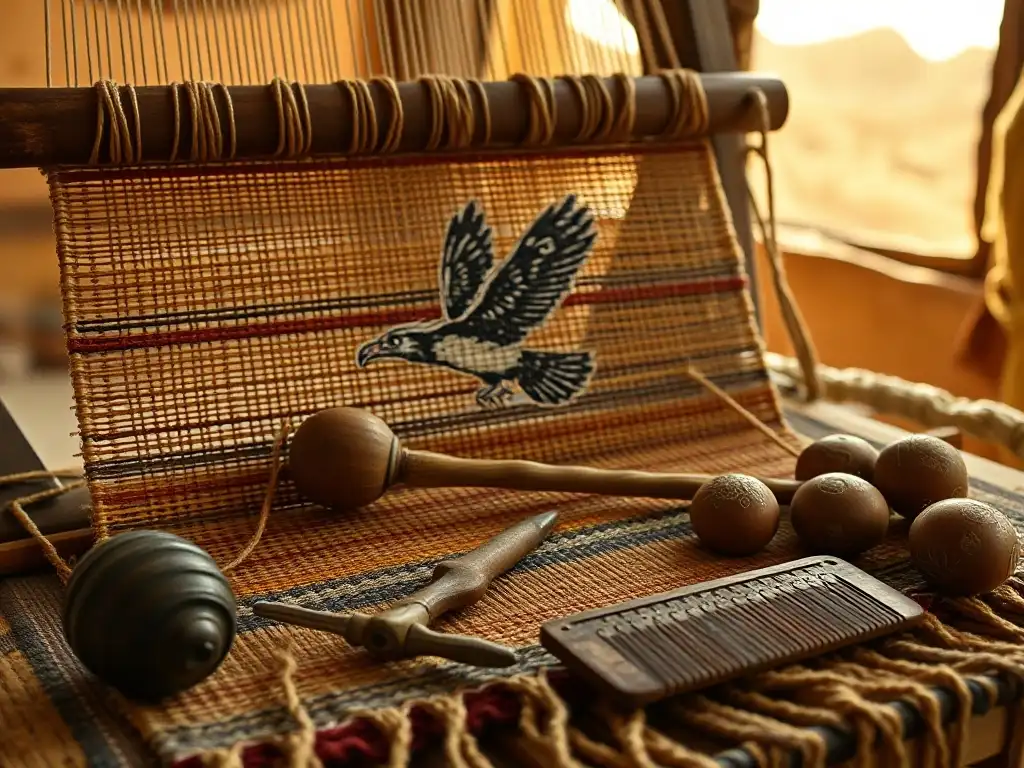
Andean textile production tools were incredibly diverse and sophisticated, reflecting the ingenuity and adaptability of the various Andean cultures. From the simple spindle whorl to the complex backstrap loom, these tools allowed for the creation of textiles renowned for their vibrant colors, intricate designs, and remarkable durability. Understanding these tools is key to appreciating the artistry and technological prowess of Andean civilizations.
The development and refinement of these tools over centuries showcases a deep understanding of materials science and engineering principles, far exceeding the simplistic notion of "primitive" technology. The mastery of Andean textile production tools is a testament to the ingenuity of the Andean people.
The Backstrap Loom: A Cornerstone of Andean Weaving
The backstrap loom is arguably the most iconic of Andean textile production tools. This portable and versatile loom, used for centuries across the Andes, is characterized by its simplicity and efficiency. Unlike stationary looms, the backstrap loom utilizes the weaver's body weight and a system of warp threads stretched between a fixed post and a belt worn around the weaver's waist.
This ingenious setup allows for precise control over the weaving process, enabling the creation of incredibly detailed and complex textiles. The backstrap loom's portability also allowed weavers to work virtually anywhere, integrating textile production seamlessly into daily life. Its widespread use across different Andean cultures, from the Inca to the pre-Inca societies, highlights its enduring significance and adaptability.
The backstrap loom wasn't just a tool; it was a symbol of Andean identity and a cornerstone of their social and economic structures. Mastering the backstrap loom required years of training and practice, passing down knowledge and skills through generations.
Components of the Andean Backstrap Loom
The Andean backstrap loom, while seemingly simple, comprises several crucial components working in concert. These include:
- Warp beam: A sturdy beam, often made of wood, that holds the lengthwise warp threads.
- Healds: These are simple frames with vertical slits that separate the warp threads, allowing for the creation of intricate patterns. Different types of heald variations allowed for the creation of more complex textiles.
- Backstrap: A strong strap, typically woven from durable fibers, that is fastened around the weaver's waist. This strap provides tension to the warp threads.
- Fixed post or tree: This provides the other anchor point for the warp threads, opposite the weaver's waist.
- Shuttle: A small, often wooden, tool used to carry the weft threads across the warp threads. The design of the shuttle varied depending on the type of weft being used.
- Spindle whorl: Used to spin yarn, this small, weighted disc would be attached to a spindle to help twist and create the weft and warp threads. Different materials, like clay or stone, were used depending on availability and aesthetic preferences.
The precise construction and materials used for each component varied depending on the region and the available resources. However, the fundamental principles remained consistent across various Andean cultures. The simple elegance of the design belies the sophisticated engineering underlying its functionality. The quality of the materials, particularly the strength and evenness of the backstrap, directly impacted the weaver's ability to create high-quality textiles.
Different Weaving Techniques Employed in the Andes
Andean weavers employed a variety of techniques using their tools to achieve diverse textile effects. These techniques are not mutually exclusive, and often multiple techniques were combined in a single piece of textile. Some of the most notable techniques include:
- Plain weave: The simplest weave structure, where the weft threads pass alternately over and under the warp threads. While seemingly basic, variations in tension and thread type could create subtle texture and visual effects.
- Warp-faced weave: A technique that emphasizes the warp threads, creating a durable and often richly patterned fabric. This technique was frequently used for creating strong and resistant garments.
- Weft-faced weave: This technique highlights the weft threads, creating a softer and often more decorative fabric. This was ideal for creating more ornate and decorative textiles.
- Brocade: A complex technique involving supplementary weft threads that are woven into the fabric to create intricate patterns. This allowed for the creation of incredibly detailed and visually stunning textiles. This method showcased high levels of skill and expertise.
- Tapestry: A technique where the weft threads are manipulated to create distinct areas of color and design. This required a high level of precision and skill. The skill level required for this technique is what made certain textiles highly valuable.
The mastery of these techniques, combined with the use of diverse natural dyes, allowed Andean weavers to create textiles of unparalleled beauty and complexity, showcasing their deep understanding of Andean textile production tools and their artistic vision. The legacy of these techniques continues to inspire textile artists today. The intricate patterns and vibrant colors reflect not only technical skill but also a rich cultural heritage.
The Use of the Vertical Loom in Andean Textile Production
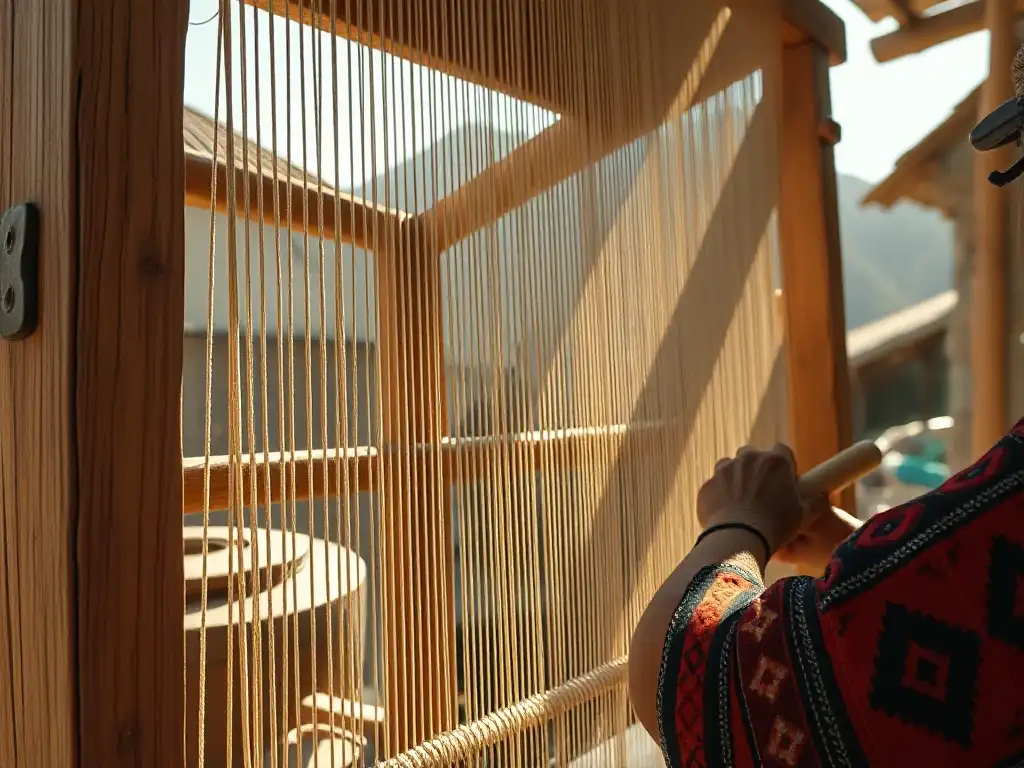
The vertical loom stands as a cornerstone of Andean textile production, a testament to the ingenuity and adaptability of Andean weavers. Unlike the horizontal looms common in other parts of the world, the vertical loom, characteristic of the Andes, allowed for the creation of exceptionally intricate and large textiles. Its unique design, employing a warp held vertically by a series of heddles and weights, facilitated the weaving of complex patterns and the incorporation of diverse materials. The weaver, often working from a seated position, could easily manipulate the warp threads, creating intricate designs with remarkable precision.
The vertical loom's portability also played a significant role, allowing weavers to move their workspaces as needed, adapting to changing environmental conditions or social gatherings. The construction of the loom itself varied regionally, reflecting the diverse materials available and the specific weaving traditions of different Andean communities. Some looms were simple, constructed from readily available wood and fibers, while others incorporated more sophisticated elements, showcasing the evolution of this crucial technology over centuries. The mastery of the vertical loom wasn't simply a technical skill; it was deeply embedded within Andean social structures, passed down through generations, and integral to the expression of cultural identity.
Evidence suggests that the loom's design evolved over time, improving efficiency and allowing for increasingly complex weaving techniques. The durability of the vertical loom and its adaptability to various weaving styles contributed to its enduring presence in Andean textile production, shaping the vibrant tapestry of Andean cultural heritage. Furthermore, the vertical loom's design facilitated collaborative weaving, allowing multiple individuals to contribute to a single piece, a practice that underscored the communal nature of textile production in many Andean societies.
Specialized Weaving Tools: Bone Weaving Needles
Beyond the loom itself, the creation of Andean textiles relied on a range of specialized tools, many crafted from readily available materials. Among these, bone weaving needles stand out as particularly significant. Made from the bones of camelids – llamas and alpacas – these needles were meticulously crafted, showcasing a high degree of skill and precision. Their smooth, polished surfaces minimized friction during weaving, enabling the efficient manipulation of fine threads, crucial for creating intricate designs.
The shape and size of the needles varied depending on the type of fiber being woven and the desired effect. Some needles were slender and delicate, ideal for working with fine yarns of vicuña or alpaca, while others were thicker and more robust, suitable for weaving with coarser materials like cotton or wool. The use of bone, a readily available and easily worked material, underscores the resourceful nature of Andean textile production. The craftsmanship evident in these needles suggests that their creation was a specialized skill, potentially held by individuals with specific expertise within the community.
The discovery of bone needles in various archaeological sites across the Andes provides compelling evidence of their widespread use and importance in Andean textile production. Analysis of these needles reveals not only their functionality but also provides insight into the techniques and styles employed by Andean weavers. The precision and artistry involved in their creation highlight the value placed on textile production and the expertise of those who produced these essential tools. Moreover, the variations in needle design across different regions and time periods reflect the diverse weaving traditions and evolving techniques across the Andean region.
Dyeing Techniques and Tools in Andean Textile Production
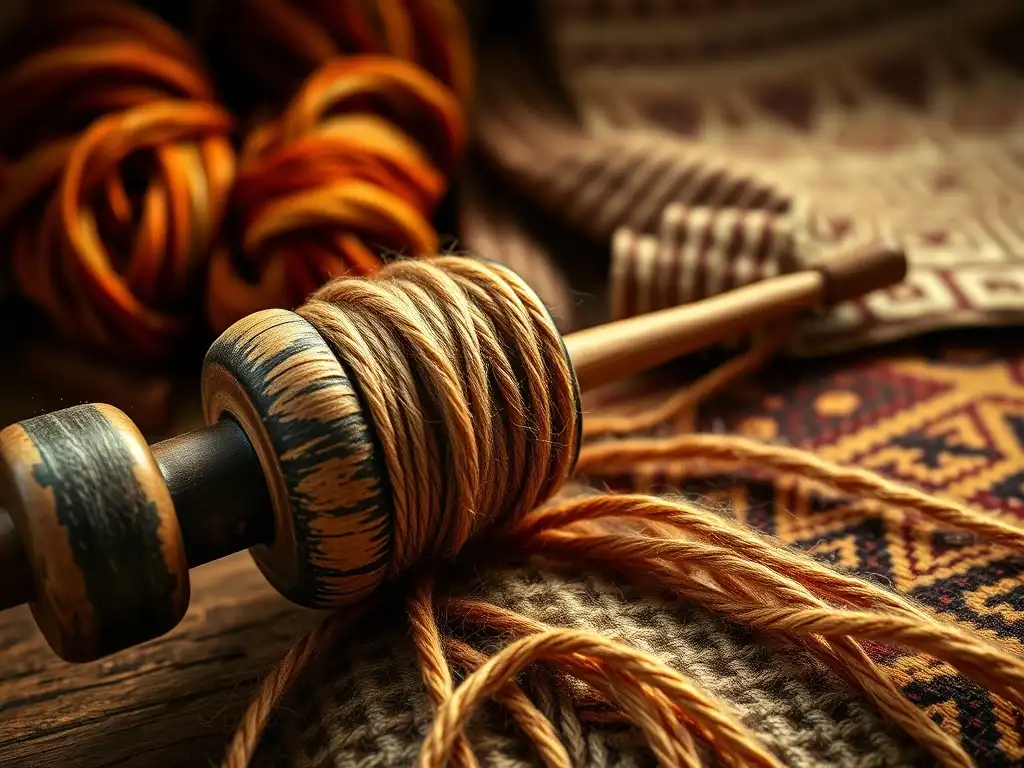
The vibrant colors characterizing Andean textiles weren't achieved by accident. Sophisticated dyeing techniques, passed down through generations, relied on a deep understanding of natural resources and meticulous processes. Understanding these methods is crucial to appreciating the ingenuity and artistry behind Andean textile production tools.
The remarkable range of colors—from deep reds and ochres to brilliant blues and greens—testifies to the mastery of Andean dyers. This section explores the tools and techniques employed in this crucial aspect of textile creation, focusing on the sources of pigments, the role of mordants, and the application methods. The ingenuity and sustainability of these practices highlight the sophisticated understanding of natural resources inherent in Andean textile production tools.
Natural Pigments and Dyes: Sources and Preparation
Andean dyers harnessed the power of the natural world, extracting pigments from plants, insects, minerals, and even mollusks. The preparation of these dyes was a complex process, often involving multiple steps and considerable time.
- Plant-based dyes: Many plants provided vibrant hues. For instance, cochineal insects, cultivated on prickly pear cacti, yielded a rich crimson. Different species of Bromelia (bromeliads) offered yellows and oranges. Various barks and roots, including those of the molle tree, contributed to a range of browns and reds. The precise color obtained depended on the plant part used, the time of harvest, and the preparation method. The extraction process often involved boiling the plant material in water for extended periods, sometimes with the addition of other ingredients to enhance color fastness or modify the shade.
- Mineral-based dyes: Minerals provided earthy tones and deep blues. Ochres, from iron oxides, supplied yellows, oranges, and reds, their shade varying depending on the specific mineral composition. The rich blues found in many Andean textiles were often derived from añil (indigo), a plant requiring a complex fermentation process to produce the dye.
- Insect-based dyes: The most famous example is cochineal, mentioned above. The scale insects were carefully harvested, dried, and ground into a powder before use. The intensity of the color depended on the amount of insect powder used and the dyeing technique employed.
The preparation of dyes was often a communal activity, with knowledge and skills passed down through family lines. The meticulous nature of the process, combined with the availability of resources, significantly impacted the range of colors achievable and the overall cost of textile production. The careful selection and preparation of these natural pigments are key components of the Andean textile production tools story.
The Importance of Mordants in Andean Dyeing
Mordants played a crucial role in the Andean dyeing process. These substances acted as a bridge between the dye and the fiber, improving colorfastness and brightness. Without mordants, the dyes would wash out easily, rendering the textiles useless.
The Andeans employed various mordants, including:
- Plant-based mordants: Certain plant materials, such as the bark of the quebracho tree, contained tannins that acted as effective mordants. These tannins helped fix the dye molecules onto the fiber, preventing them from leaching out during washing or wear.
- Mineral-based mordants: Minerals like alum (potassium aluminum sulfate) were also commonly used. Alum is a naturally occurring mineral that enhances the color vibrancy and helps bind the dye to the fibers.
The choice of mordant depended on the dye being used and the desired outcome. The process of mordanting often involved soaking the fibers in a mordant solution before applying the dye. This careful selection and application of mordants were essential aspects of Andean textile production tools, ensuring the longevity and beauty of the finished product. The understanding of mordants demonstrates a sophisticated knowledge of chemistry and its application to textile production.
Tools for Dyeing and Color Application
The application of dyes also involved specialized tools and techniques. While the exact tools varied regionally and over time, some common elements emerged:
| Tool | Description | Function | Material |
|---|---|---|---|
| Earthenware pots | Large, sturdy pots for boiling dye solutions. | Dye preparation and boiling of fibers. | Clay |
| Wooden paddles/stirrers | Used to stir dye solutions and ensure even distribution of dye to the fibers. | Mixing dyes and ensuring even color application during the dyeing process. | Wood |
| Woven straining cloths | Used to separate the dyed fibers from the dye bath. | Filtering out excess dye, leaving the fibers evenly dyed. | Cotton, wool, or other fibers |
| Stone mortars and pestles | Used to grind and prepare plant-based dyes and mordants. | Crushing and pulverizing plant materials to extract pigments and mordants. | Stone |
The dyeing process itself often involved multiple dips in the dye bath, with careful monitoring to achieve the desired shade. The expertise of the Andean dyers lay not only in the selection of materials but also in their ability to control the dyeing process to produce consistent and vibrant colors. This highlights the importance of specialized tools and knowledge in Andean textile production tools. The techniques were passed down through generations, ensuring the continuity of this vital aspect of Andean culture. 🎨
Andean Textile Finishing and Embellishment Techniques
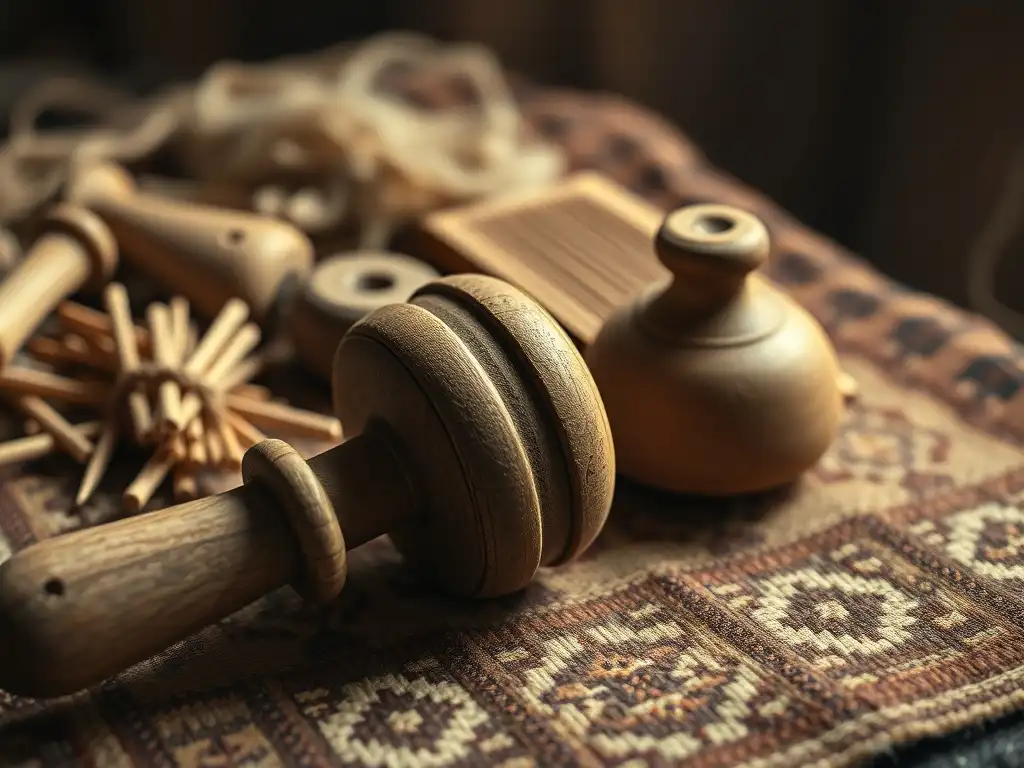
The creation of Andean textiles wasn't solely about weaving; finishing and embellishment played crucial roles in transforming basic cloth into magnificent garments and artifacts. These processes, often as intricate and time-consuming as the weaving itself, involved specialized tools and techniques that reflected the sophistication of Andean textile production. Understanding these final stages reveals a deeper appreciation for the artistry and cultural significance embedded within these remarkable fabrics. The techniques employed varied across different Andean cultures and time periods, showcasing the diverse approaches to textile artistry across the region.
Tools for Finishing Woven Fabrics
After the arduous process of weaving, Andean textiles frequently underwent several finishing processes to improve their durability, texture, and appearance. These processes involved a range of tools, many of which were simple yet effective. For example, shearing tools, likely made from obsidian or other sharp stones, were used to create a smooth, even surface on the finished fabric, removing any protruding fibers. These tools, often described in archaeological reports, reveal the meticulous attention to detail inherent in Andean textile production.
Another crucial tool was the spindle whorl, although its role here differs from its use in spinning. While primarily used for spinning yarn, spindle whorls were also adapted to help with the process of fulling, a technique used to shrink and thicken woven cloth, giving it a denser, more felted texture. The rhythmic movement of the spindle whorl, combined with water and possibly a natural soap made from plants, helped to compact the fibers, creating a more durable and warm fabric.
The meticulous nature of Andean textile production is evidenced by the attention given to even the smallest details. Tools like smooth, polished stones, or even carefully selected river stones, were likely used for burnishing, a process that imparted a lustrous sheen to the finished textile. This would enhance the visual appeal of the garment and add to its overall value.
Adding Embellishments: Embroidery and Other Decorative Techniques
Beyond the basic finishing techniques, Andean artisans employed a variety of methods to embellish their textiles, transforming functional cloth into works of art. Embroidery, a particularly prevalent technique, involved the use of specialized needles made from bone, wood, or metal. These needles, often found in archaeological contexts, varied in size and shape depending on the type of embroidery and the desired effect. The threads used for embroidery were often made from fine, high-quality fibers like alpaca or vicuña wool, showcasing the value placed on these materials.
Beyond embroidery, other decorative techniques included appliqué, where pieces of fabric were sewn onto a base cloth, and resist dyeing, where portions of the fabric were prevented from absorbing dye, creating intricate patterns. These techniques required sophisticated knowledge of dyeing processes and skillful manipulation of the fabric. The geometric patterns and zoomorphic motifs frequently found in Andean textiles demonstrate the advanced level of artistic skill and creativity.
For example, the intricate designs found on Paracas textiles showcase the mastery of these embellishment techniques. The specific tools used for appliqué and resist dyeing are still being investigated by archaeologists, but evidence suggests the use of simple but effective tools like bone or wooden implements for precise application.
Preserving and Caring for Andean Textiles
The longevity of many surviving Andean textiles is a testament to the sophisticated methods used for their preservation and care. While specific techniques varied across different regions and time periods, several common practices are evident. Storing textiles in dry, cool environments was crucial to prevent damage from moisture and insects. The use of natural materials for storage, such as woven baskets or chests lined with plant materials, further protected the textiles from pests and environmental degradation.
The care of textiles also involved regular cleaning and repair. While the specific tools used for cleaning are not always clearly documented, it's likely that simple techniques were employed, perhaps involving gentle washing with water and natural cleaning agents. The repair of damaged textiles required expertise in weaving and sewing, ensuring that any tears or holes were carefully mended to preserve the integrity of the fabric.
The dedication to preserving these textiles speaks volumes about their cultural significance and the respect they commanded within Andean societies. The remarkable condition of some textiles discovered in Andean archaeological sites demonstrates the effectiveness of these preservation methods. Further research into the specific materials and practices used for textile preservation is vital to a complete understanding of Andean textile production.
The Legacy of Andean Textile Tools and Techniques
The legacy of Andean textile production tools extends far beyond their practical applications. These tools, passed down through generations, represent a profound connection to ancestral knowledge, cultural identity, and artistic expression. Their sophisticated designs and functionality speak volumes about the ingenuity and mastery of Andean artisans.
Understanding these tools is key to appreciating the intricate tapestries and textiles that have captivated the world for centuries. The very act of using these tools, many unchanged for centuries, embodies a continuity of tradition rarely seen in other cultures. This continuity is not merely about the physical tools themselves, but the intricate knowledge systems associated with their use – systems that encompass dyeing techniques, fiber preparation, and weaving styles, all interwoven into a rich cultural tapestry.
The enduring power of these tools lies in their ability to connect past, present, and future generations, ensuring the vibrant continuation of Andean textile traditions. This heritage is not only a source of pride for Andean communities but also a significant contribution to the global understanding of textile arts.
The Enduring Impact on Contemporary Andean Weaving
Even in the face of modern industrialization, traditional Andean weaving techniques and tools persist. Many communities continue to utilize ancient spinning techniques like the drop spindle, a simple yet effective tool that allows for the creation of incredibly fine and strong yarns. The backstrap loom, another iconic tool, remains a staple in many Andean households, its portability and adaptability making it ideal for both individual and communal weaving projects.
The continued use of these tools ensures the preservation of unique weaving styles and intricate patterns that have been passed down for centuries. These styles aren't merely replicated; they are constantly evolving, adapting to modern tastes while retaining their core essence. This dynamic interplay between tradition and innovation is a testament to the resilience and adaptability of Andean textile traditions.
The vibrant colors and intricate designs of contemporary Andean textiles are a direct result of this enduring legacy, demonstrating how ancient techniques continue to shape modern artistic expression. The demand for authentic, hand-woven Andean textiles remains strong, both domestically and internationally, further solidifying the importance of preserving these tools and techniques.
Modern Uses and Adaptations of Traditional Tools
While the core functionality of many Andean textile production tools remains unchanged, some adaptations have occurred to improve efficiency or address modern needs. For example, some artisans now incorporate improved materials in the construction of their tools, using stronger woods or more durable metal components. This doesn't diminish the traditional aspect; rather, it allows for the continued use of these tools over longer periods, reducing the environmental impact associated with constant tool replacement.
Furthermore, some innovative weavers are experimenting with integrating modern technologies alongside traditional tools. This might involve using electric spindles to speed up the spinning process while still utilizing traditional dyeing techniques or incorporating digital design tools to create patterns before weaving them on a backstrap loom. Such adaptations demonstrate a conscious effort to preserve traditional practices while embracing technological advancements.
This approach ensures the sustainability of Andean textile production while catering to the demands of a modern market. The careful balance between tradition and innovation is crucial for the long-term survival and evolution of these unique crafts. The skillful integration of modern elements without sacrificing the integrity of the traditional methods is a key factor in the ongoing success of Andean textile production.
Preserving the Knowledge of Andean Textile Production
Preserving the knowledge associated with Andean textile production tools is paramount for the future of this rich cultural heritage. This involves more than simply preserving the tools themselves; it requires actively documenting and transmitting the intricate knowledge systems embedded within the craft. This includes detailed documentation of weaving techniques, dyeing processes, fiber preparation methods, and the symbolic meanings associated with different patterns and colors. Efforts are underway to create comprehensive archives that document these practices through detailed descriptions, photographs, and videos.
Workshops and apprenticeships play a vital role in transferring this knowledge to younger generations, ensuring the continuity of these traditions. Furthermore, supporting Andean communities in their efforts to market and sell their textiles helps to incentivize the continuation of these practices. The preservation of this knowledge is not merely an academic exercise; it is a crucial step in safeguarding a vital aspect of Andean cultural identity and ensuring the sustainability of a unique artistic tradition. The active involvement of communities, researchers, and organizations is essential to safeguard this invaluable heritage for generations to come.
The future of Andean textile production depends on the collective effort to preserve and promote this rich cultural legacy. The vibrant tapestry of Andean culture is intricately woven with the threads of its history, and preserving its textile traditions is vital for the preservation of its cultural identity. 🧶
Conclusion: The Ingenuity of Andean Textile Artisans
The study of Andean textile production tools reveals not just a sophisticated understanding of material science and engineering, but also a deep connection between the artisans and their environment. The ingenuity displayed in crafting tools from readily available materials—like bone, wood, and stone—speaks volumes about the resourcefulness and adaptability of these ancient cultures. Their mastery of techniques like spinning, weaving, dyeing, and finishing, facilitated by their carefully designed tools, resulted in textiles of extraordinary quality and artistry. These weren't simply functional items; they were expressions of cultural identity, religious beliefs, and social status, woven into the very fabric of Andean life.
The enduring legacy of these tools and techniques is evident in the surviving textiles themselves, which continue to inspire awe and admiration centuries later. Their intricate designs and remarkable preservation are a testament to the skill and dedication of the Andean artisans, and their innovative approach to textile production remains a significant area of study for understanding ancient Andean technology and culture. The precision and complexity of the tools, coupled with the artistry of the resulting textiles, highlight the significant role textile production played in shaping Andean societies.
Further research into the specific uses and regional variations of these tools promises to further illuminate our understanding of this vital aspect of Andean civilization. The legacy of these tools extends beyond mere functionality; they represent a cultural heritage that continues to resonate today. Indeed, the study of these tools provides a powerful lens through which to appreciate the ingenuity and skill of the Andean textile artisans, and their profound impact on the development of Andean culture.
Frequently Asked Questions
What tools did Andean civilizations use for textile production?
Andean textile production relied on a variety of tools. These included spindles and whorls for spinning yarn, backstrap looms for weaving, and various needles for sewing and embroidery. Different tools were used depending on the specific culture and time period.
How did the backstrap loom impact Andean textile production?
The backstrap loom, a portable and versatile tool, was crucial. Its use allowed for the creation of complex designs and intricate textiles. It was adaptable to various weaving techniques and materials.
What materials were used besides fiber in Andean textile production?
Besides fibers like cotton and alpaca wool, Andean artisans also incorporated dyes from natural sources, such as plants and minerals. They used these dyes to create a wide range of vibrant colors and patterns in their textiles.
Were the tools used for Andean textile production standardized across all cultures?
No, the specific tools and techniques varied between different Andean cultures. While some tools like spindles were common, the designs and materials used differed reflecting the unique characteristics of each civilization.
Where can I learn more about Andean textile production tools?
You can explore museums with Andean collections, research academic articles and books on Andean archaeology and textile history, or visit sites dedicated to Andean culture and history online. Many resources detail the tools and techniques used.
Final Reflection: Weaving a Legacy: The Enduring Impact of Andean Textile Tools
The intricate tools used in Andean textile production weren't merely instruments; they were the architects of a cultural legacy that continues to resonate today. These ingenious devices, passed down through generations, represent not only a sophisticated understanding of material science but also a profound connection to the land and a vibrant expression of identity. Their impact extends far beyond the realm of textiles, shaping social structures, artistic expression, and even economic systems.
The enduring power of these tools lies in their ability to connect us to a rich history, a history often overlooked in the face of globalization. The meticulous craftsmanship, the innovative techniques, and the deep spiritual significance woven into each fiber speak volumes about the ingenuity and resilience of Andean cultures. The threads themselves are a language, a story told through color and texture, passed down from mother to daughter, from generation to generation.
This quote, though fictional, encapsulates the profound cultural transmission inherent in the practice and the tools themselves. Understanding these tools allows us to appreciate the depth and complexity of Andean societies and their enduring contributions to the world.
Now, consider the impact of these tools on your own life. Perhaps you've encountered Andean textiles in a museum, a market, or even in your own home. Take a moment to appreciate the artistry and the history embedded within those threads. Let the legacy of these ingenious tools inspire you to explore the craftsmanship and cultural significance of the objects you encounter in your daily life. By understanding the past, we can better appreciate the present and build a more informed and culturally sensitive future.
Unveil Your Creativity: Dive Into Andean Textiles!
Thank you for joining us on this exploration of Andean textile production! We hope you found the rich history and techniques inspiring. Now, let's put that inspiration into action!
- Create your own textile project: Gather materials and weave a small piece, or experiment with natural dyeing techniques inspired by Andean traditions.
- Join a textile arts community: Look for local classes or online workshops to connect with other textile enthusiasts and learn new skills.
- Share your work: Post your creations on social media to celebrate Andean textiles and inspire others to explore this vibrant art form.
What aspect of Andean textile culture excites you most for your next project?