
The Art of the Hunt: Unveiling Andean Hunting Implements

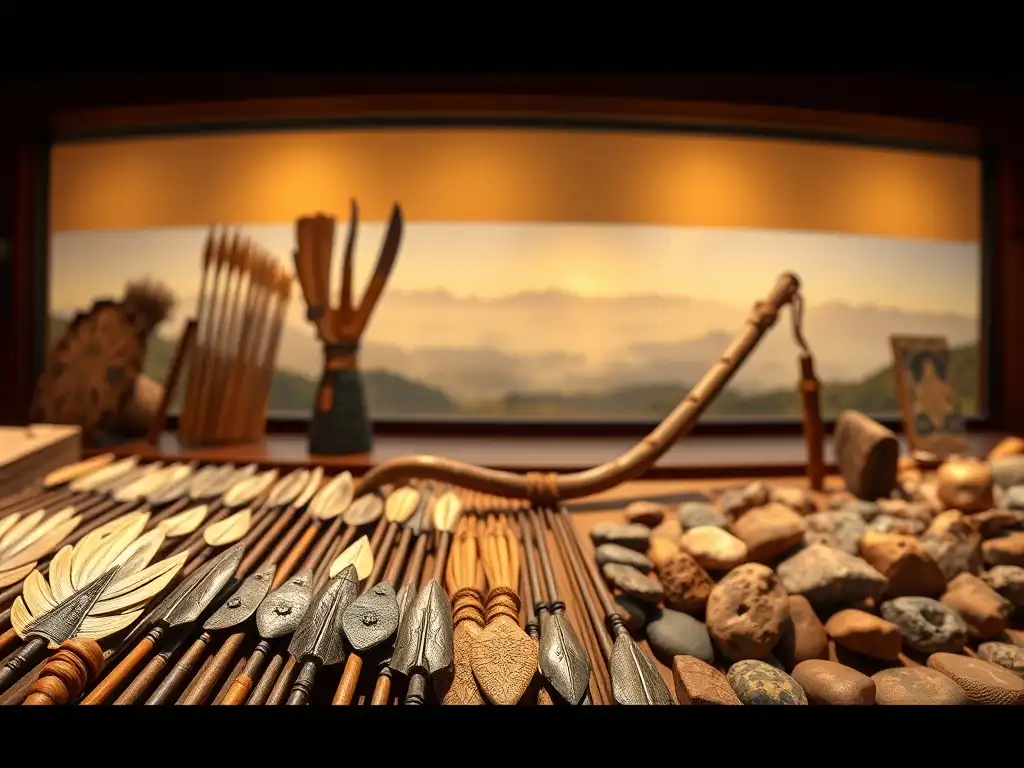
Step into a world lost to time, where the echoes of ancient Andean ingenuity still resonate. Prepare to be captivated by the remarkable artistry and sophistication of the Andean civilizations. This journey into their past begins with an exploration of Andean hunting tools history, revealing the clever strategies and breathtaking craftsmanship behind their survival. Discover how these tools shaped not only their daily lives but also their enduring legacy. Uncover the secrets hidden within these fascinating implements – the hunt awaits.
The Andes Mountains, a spine of towering peaks and fertile valleys stretching along the western coast of South America, were home to a vibrant tapestry of ancient civilizations. For millennia, these cultures—including the Incas, Moche, Nazca, and Tiahuanaco—developed sophisticated techniques for survival, deeply intertwined with their environment and reflected in their remarkable technological achievements. This article delves into the fascinating world of Andean hunting, exploring the tools and implements used by these resourceful peoples.
We will uncover the ingenuity and artistry embedded in their hunting practices, shedding light on their intimate relationship with the Andean ecosystem and providing a deeper understanding of their daily lives and cultural beliefs. Understanding the history of Andean hunting tools offers a unique lens through which to view the resourcefulness, adaptability, and sophisticated technological capabilities of these ancient societies.
This exploration will reveal how their hunting techniques shaped their social structures, artistic expressions, and overall cultural development, offering valuable insights into the rich tapestry of Andean history. We will examine the diverse materials, innovative designs, and the symbolic significance attached to these tools, revealing a story far richer than simply the practical application of hunting technology.
Introduction to Andean Hunting Practices
Andean hunting practices varied significantly depending on the specific civilization, geographic location, and the available fauna. The challenging terrain and diverse climates of the Andes demanded adaptability and innovation. Hunting wasn't merely a means of sustenance; it was deeply interwoven with religious beliefs, social structures, and artistic expression.
For example, the Moche civilization, known for its elaborate ceramics depicting scenes of daily life, frequently showcased hunting expeditions, highlighting the importance of this activity in their culture. These depictions often feature individuals using various tools and techniques, giving us valuable insights into their hunting methods. Evidence suggests the use of a range of strategies, from individual hunting with specialized tools to communal hunts involving traps and coordinated efforts.
The animals hunted varied greatly, ranging from small rodents and birds to larger camelids like llamas and alpacas, and even the formidable Andean condor. The availability of these resources directly impacted the development and specialization of hunting implements. The challenges presented by the rugged terrain and the diverse wildlife fostered the creation of ingenious and highly effective hunting tools.
Andean Hunting Tools: An Overview of the Past
Andean hunting tools demonstrate a remarkable level of craftsmanship and adaptation to the environment. The materials used were carefully selected based on availability and properties. Common materials included:
- Wood: Various types of wood were used for spear shafts, atlatls (spear-throwers), and components of traps.
- Obsidian: This volcanic glass was prized for its sharpness and used to create arrowheads, spear points, and knives.
- Bone: Bones from animals were fashioned into tools like awls, needles, and possibly even projectile points.
- Stone: Various types of stone, including basalt and andesite, were used for grinding stones, hammers, and other tools related to hunting and processing prey.
The types of hunting tools varied greatly depending on the target animal and hunting strategy. Some examples include:
- Spears: Essential hunting weapons, spears were often tipped with obsidian or bone points for increased lethality. Evidence suggests that some Andean cultures used atlatls to increase the range and power of their spears.
- Bolas: These weighted balls attached by cords were used to ensnare animals by tripping or tangling them.
- Blowguns: Smaller game could be hunted using blowguns, which propelled darts tipped with poison. [Specific details on blowgun design and prevalence pending]
- Traps: Various types of traps, including snares and pitfalls, were used to capture animals. [Specific examples of trap designs and their use pending]
The creation and use of these tools were not merely practical endeavors; they were also deeply embedded within the social and spiritual fabric of Andean societies. The artistry evident in the crafting of many tools suggests a level of skill and cultural significance that extended beyond mere functionality.
Further research into the specific techniques, materials, and regional variations in toolmaking is crucial to fully appreciate the complexity and sophistication of Andean hunting technology. The study of these artifacts provides compelling evidence of the resourcefulness and ingenuity of these ancient cultures, offering valuable insights into their daily lives and the intricate relationship they maintained with their environment.
Pre-Incan Hunting Tools and Techniques
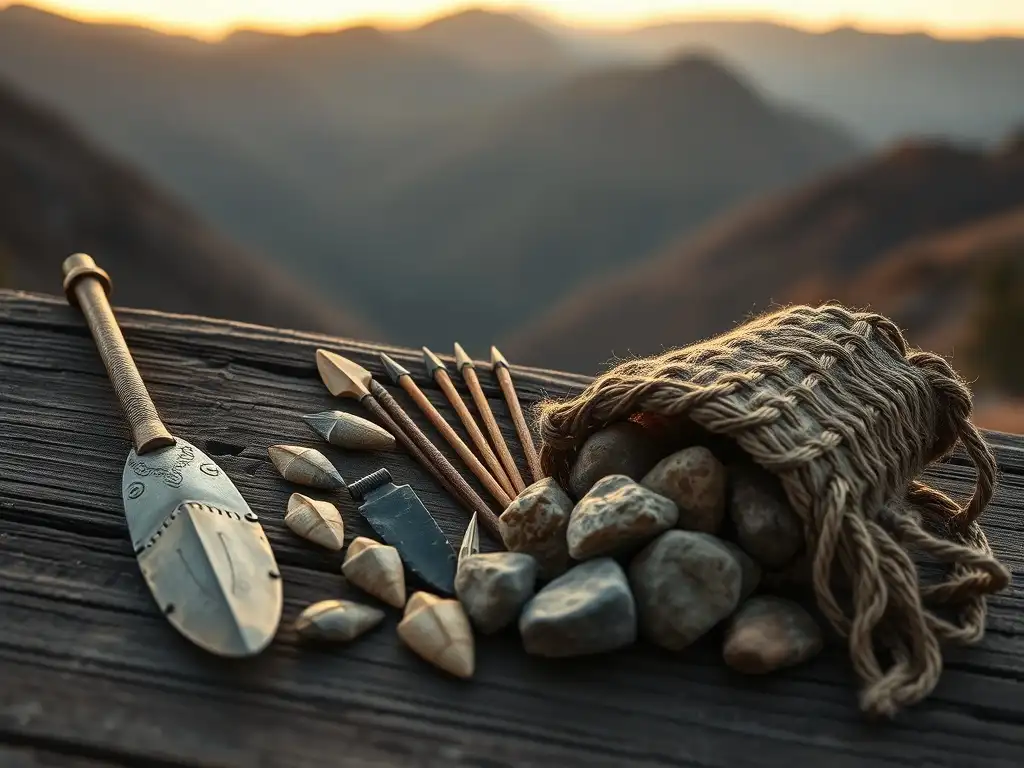
This section delves into the diverse hunting implements and strategies employed by Andean cultures before the rise of the Inca Empire. Understanding these pre-Inca techniques provides crucial context for appreciating the later sophistication of Inca hunting practices and reveals the long and rich history of hunting in the Andes. The Andean hunting tools history is far more nuanced and complex than often assumed, showcasing remarkable adaptation to varied terrains and prey.
Early Andean Hunting Strategies
Early Andean hunters relied heavily on their intimate knowledge of the environment and animal behavior. Their strategies were often ingenious and reflected a deep understanding of the local ecosystem. Evidence suggests the use of a variety of techniques, including:
- Trapping: Sophisticated snare traps, made from readily available materials like woven fibers and wood, were used to capture smaller game such as birds and rabbits. These traps demonstrate a surprising level of ingenuity in their design, often incorporating triggers and concealed mechanisms. Archaeological findings reveal variations in trap design across different regions, reflecting adaptation to local conditions and prey species.
- Driving and Ambush: Larger animals, such as deer and guanacos, were often hunted using techniques involving driving the animals towards predetermined ambush points. This likely involved the coordinated efforts of multiple hunters, highlighting the importance of social organization and communication within early Andean communities. The specific methods varied depending on the terrain, with rocky cliffs and narrow passes frequently used to funnel the animals towards waiting hunters.
- Hunting with Dogs: Domesticated dogs played a significant role in hunting activities, assisting in tracking, driving, and even bringing down prey. The breed and size of hunting dogs likely varied depending on the target animals, with smaller dogs used for smaller game and larger, more robust dogs used for larger prey. The symbiotic relationship between humans and dogs in Andean hunting is evident in both archaeological evidence and surviving folklore.
Moche Hunting Weapons and Their Characteristics
The Moche culture (c. 100-800 CE), known for its remarkable artistry and sophisticated social organization, developed a range of specialized hunting weapons. Their weaponry reflects both practical considerations and aesthetic sensibilities. Notable examples include:
- Atlatls: These spear-throwers significantly increased the range and power of spears, making them effective hunting tools. Moche atlatls were often elaborately decorated, showcasing the cultural significance attributed to hunting and weaponry. The designs frequently incorporate intricate motifs related to animals, possibly representing the prey or embodying spiritual beliefs.
- Spears and Darts: While seemingly simple, Moche spears and darts were carefully crafted, utilizing materials like wood, obsidian, and bone. The points were often meticulously shaped and sharpened to ensure effective penetration. Analysis of these weapons reveals variations in design and material depending on the intended prey, suggesting a nuanced understanding of weapon efficacy.
- Bolas: These weighted projectile weapons, consisting of multiple stones or weights attached by cords, were used to ensnare animals. The Moche produced bolas with varying numbers of weights and cord lengths, reflecting adaptation to different hunting situations and prey sizes. The effectiveness of bolas depended on accurate throwing and precise timing.
Development of Hunting Technology in the Andes Before the Incas
The development of Andean hunting technology was a gradual process, reflecting continuous adaptation to the environment and evolving social structures. Several key trends are apparent across different pre-Inca cultures:
| Culture | Notable Hunting Technologies | Key Characteristics |
|---|---|---|
| Early Andean | Snares, traps, driving techniques, hunting dogs | Simple technology, reliance on environmental knowledge |
| Moche | Atlatls, spears, darts, bolas | Specialized weapons, elaborate decoration, prey adaptation |
| Nazca | [Specific information pending] | [Specific information pending] |
| Tiahuanaco | [Specific information pending] | [Specific information pending] |
The evolution of hunting technology in the Andes before the Inca reflects a complex interplay of environmental pressures, technological innovation, and cultural beliefs. Further research is needed to fully understand the specific technologies and strategies used by other pre-Inca cultures, such as the Nazca and Tiahuanaco. However, the available evidence clearly demonstrates the significant role hunting played in shaping Andean societies and their cultural development. The "Andean hunting tools history" is a testament to human ingenuity and adaptation. 🕵️♂️
Incan Hunting Implements and Their Significance
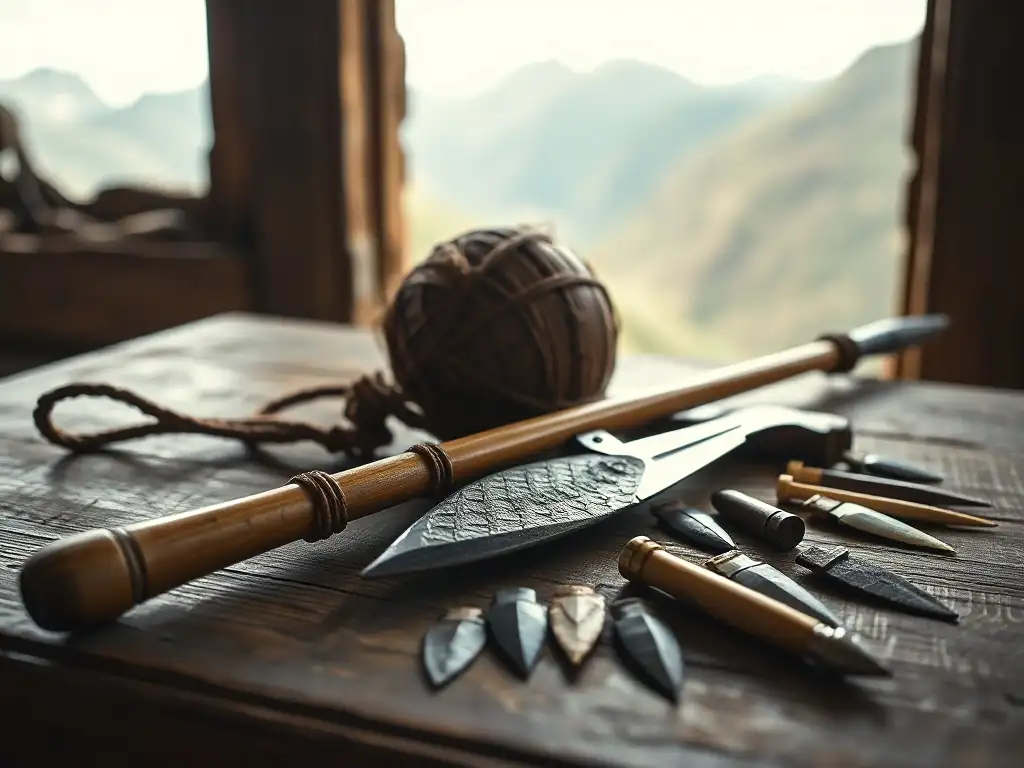
The Incan Empire, renowned for its sophisticated engineering and agricultural prowess, also possessed a remarkable understanding of hunting techniques and tools. Hunting wasn't merely a means of sustenance; it was deeply interwoven with Incan religious beliefs and social structures, shaping their worldview and impacting their technological advancements. Understanding Incan hunting implements provides crucial insight into their complex society and its relationship with the Andean environment.
The study of Andean hunting tools history reveals a nuanced picture of their resourcefulness and adaptability. This section delves into the specifics of Incan hunting tools, exploring their design, functionality, and cultural significance within the broader context of Incan life. The sophisticated tools they crafted demonstrate a deep understanding of materials science and animal behavior, reflecting their mastery of their environment.
Incan Hunting Techniques and Rituals
Incan hunting practices were far from haphazard. They involved intricate rituals and specialized techniques designed to ensure a successful hunt and appease the spirits of the animals. Before embarking on a hunt, Inca hunters often performed ceremonies to appease the mountain gods (Apus) and request a successful hunt.
These rituals involved offerings of coca leaves, chicha (a fermented corn beverage), and other sacred items. Certain animals, like the llama or vicuña, were considered sacred in some contexts, and their hunting was subject to strict regulations and ceremonies to ensure respect for these creatures and maintain balance within their ecosystem. The techniques themselves varied depending on the target animal and the terrain.
For example, communal hunts involving large numbers of hunters were common for larger game, requiring coordination and strategy. Smaller game, such as birds, were often hunted using slings or traps. The Andean hunting tools history reveals a connection between the spiritual and practical aspects of life.
The Importance of Hunting in the Incan Empire
Hunting played a vital role in the Incan economy and social structure. While agriculture formed the backbone of their sustenance, hunting supplemented their food supply, particularly in regions less suited to intensive farming. Certain hunted animals provided essential resources beyond mere meat, such as wool from vicuñas and alpacas, used for clothing and textiles.
This economic importance is reflected in the sophisticated designs of their hunting tools, indicating a significant investment in this crucial activity. The distribution of hunted goods also played a role in the Incan social hierarchy, with certain individuals or groups having privileged access to specific animals or hunting grounds. Thus, understanding the history of Andean hunting tools sheds light on the complex interplay between resource acquisition, social organization, and religious beliefs in the Incan Empire.
Types of Incan Hunting Implements: A Detailed Look
The Incan arsenal of hunting tools was remarkably diverse, reflecting their adaptability to different terrains and prey. Their tools weren't merely functional; they were often intricately designed and crafted, demonstrating a high level of skill and artistry. The materials used in creating these tools were often locally sourced, showcasing their resourceful use of available resources.
The Sling (Waraka) and Its Role in Andean Hunting
The waraka, a sling, was a ubiquitous hunting tool throughout the Andes. Its simple yet effective design allowed for accurate and powerful shots, making it ideal for hunting birds and small mammals. Variations in size and weight allowed for adaptation to different prey and hunting conditions.
Archaeological evidence reveals numerous examples of waraka stones, some showing signs of wear and tear, indicating their extensive use. The effectiveness of the waraka is a testament to the Incas' understanding of projectile motion and its application in hunting. The waraka also played a significant role in warfare, highlighting its versatility and importance in Incan society.
The Spear (Lanza) and Its Variations for Hunting
The lanza, or spear, was another crucial hunting implement, used for hunting a wider range of animals, from birds to larger camelids. Different types of spears existed, varying in length, weight, and point design, depending on the intended prey. Some spears featured barbed points to prevent the animal from escaping, while others had broader heads for inflicting greater damage.
The construction of these spears involved careful selection of wood and stone, reflecting an understanding of material properties and durability. The precision and craftsmanship involved in creating these spears highlight the importance of hunting in providing sustenance and resources for the Incan population.
Other Incan Hunting Equipment: Traps and Nets
Beyond projectile weapons, the Incas also employed various trapping and netting techniques. These methods were particularly effective for capturing smaller animals or those inhabiting specific environments. The construction of traps and nets required a deep understanding of animal behavior and the surrounding environment.
While specific details about the design and materials of these traps are limited in available archaeological evidence, their presence is undeniable, adding another layer of complexity to the Incan hunting practices and their understanding of Andean hunting tools history. These tools, often less visually striking than spears or slings, played a critical role in providing a reliable and sustainable source of food for the empire.
Materials and Craftsmanship of Andean Hunting Instruments
This section delves into the fascinating world of Andean hunting tools, exploring the materials used and the sophisticated craftsmanship employed in their creation. Understanding these aspects is crucial to appreciating the ingenuity and resourcefulness of Andean cultures. The history of Andean hunting tools is intrinsically linked to the readily available resources and the advanced techniques developed over centuries.
Sourcing Materials for Hunting Tools in the Andes
The Andean region, with its diverse geography ranging from arid coastal deserts to high-altitude mountain ranges and lush Amazonian foothills, provided a varied palette of materials for crafting hunting implements. The choice of material often depended on the specific tool's function and the availability of resources in a given region.
- Stone: Obsidian, a volcanic glass prized for its sharpness and durability, was a common material for projectile points, knives, and scrapers. Andean artisans expertly flaked obsidian to create incredibly sharp edges, significantly enhancing the effectiveness of hunting weapons. Other stones, such as chert, quartzite, and andesite, were also utilized, although their prevalence varied across different Andean cultures and time periods. The quality and availability of these stones often dictated the style and design of the hunting tools. For example, the scarcity of high-quality obsidian in some areas might have led to the adoption of alternative materials.
- Wood: Various woods, depending on availability and desired properties, served as handles for axes, clubs, spears, and atlatls (spear-throwers). Strong, resilient woods were preferred for durability, while lighter woods might have been chosen for agility and maneuverability. The selection of wood was not arbitrary; Andean hunters carefully considered the properties of different tree species, selecting those best suited for the intended purpose. Evidence suggests specific species were favored for their strength and resistance to breakage.
- Bone and Antler: Bone and antler, readily available from hunted animals, were also significant materials. These provided strong, lightweight, and easily worked materials for spear points, awls, and decorative elements on hunting tools. The crafting process involved meticulous shaping and polishing, sometimes with intricate carvings or engravings. The use of bone and antler reflects a sustainable approach to material sourcing, utilizing byproducts of the hunt itself.
- Fiber and Textiles: Plant fibers, such as cotton and llama wool, played a vital role in creating bindings, handles, and slings for carrying hunting tools. Textiles were also used for protective coverings, ensuring the preservation of delicate tools or providing a comfortable grip. The weaving techniques used reflected the advanced textile expertise of Andean cultures. The strength and durability of these fiber-based components were crucial for the longevity and usability of the hunting equipment.
The Craftsmanship Behind Andean Hunting Implements
The creation of Andean hunting tools was not merely a practical task; it was a skilled craft requiring precision, patience, and a deep understanding of materials. The techniques employed varied across different cultures and time periods, reflecting the unique traditions and technological advancements of each group.
The process often involved multiple stages:
- Material Acquisition: This involved sourcing raw materials, often requiring travel to specific locations known for high-quality resources. This aspect highlights the interconnectedness between the Andean environment and the development of hunting technology.
- Shaping and Modification: This stage involved the skillful shaping of the raw materials using various techniques, including flaking, grinding, polishing, and carving. The tools used for these processes were themselves carefully crafted, reflecting a sophisticated understanding of toolmaking.
- Assembly and Finishing: For complex tools like spears and atlatls, assembly was a critical step, requiring precision and attention to detail. Finishing techniques, such as polishing and decorating, added functionality and aesthetic appeal. This stage involved the integration of different materials, demonstrating the artisans' ability to combine various resources effectively.
The level of craftsmanship evident in Andean hunting tools is remarkable, showcasing the expertise and dedication of the artisans who created them. Many tools display intricate designs and a high level of precision, demonstrating a mastery of techniques that were passed down through generations.
Durability and Effectiveness of Andean Hunting Tools
The durability and effectiveness of Andean hunting tools were essential for survival. The materials and craftsmanship employed were directly related to their performance in the hunt. The sharp edges of obsidian projectile points, for example, ensured efficient killing power, while the strong, resilient wood used in spear shafts provided the necessary strength and stability.
The design of the tools themselves also played a crucial role in their effectiveness. The aerodynamic shape of spear points, the balanced design of atlatls, and the ergonomic handles of axes all contributed to their efficiency. The ingenious incorporation of counterweights in some tools further enhanced their performance, improving accuracy and power.
Several factors influenced the longevity of these tools:
- Material Selection: The choice of durable materials, such as obsidian and strong hardwoods, significantly contributed to the tools' lifespan.
- Construction Techniques: Skilled craftsmanship and careful assembly ensured that the tools were robust and resistant to damage.
- Maintenance and Repair: Evidence suggests that Andean hunters regularly maintained and repaired their tools, extending their useful life. This practice highlights a pragmatic approach to resource management.
The success of Andean hunting practices was directly linked to the quality and effectiveness of their hunting tools. The sophisticated design, careful material selection, and skilled craftsmanship resulted in tools that were both durable and highly effective, playing a vital role in the survival and prosperity of Andean societies. The study of these tools provides invaluable insights into the resourcefulness, ingenuity, and technological prowess of these ancient cultures.
Regional Variations in Andean Hunting Tools
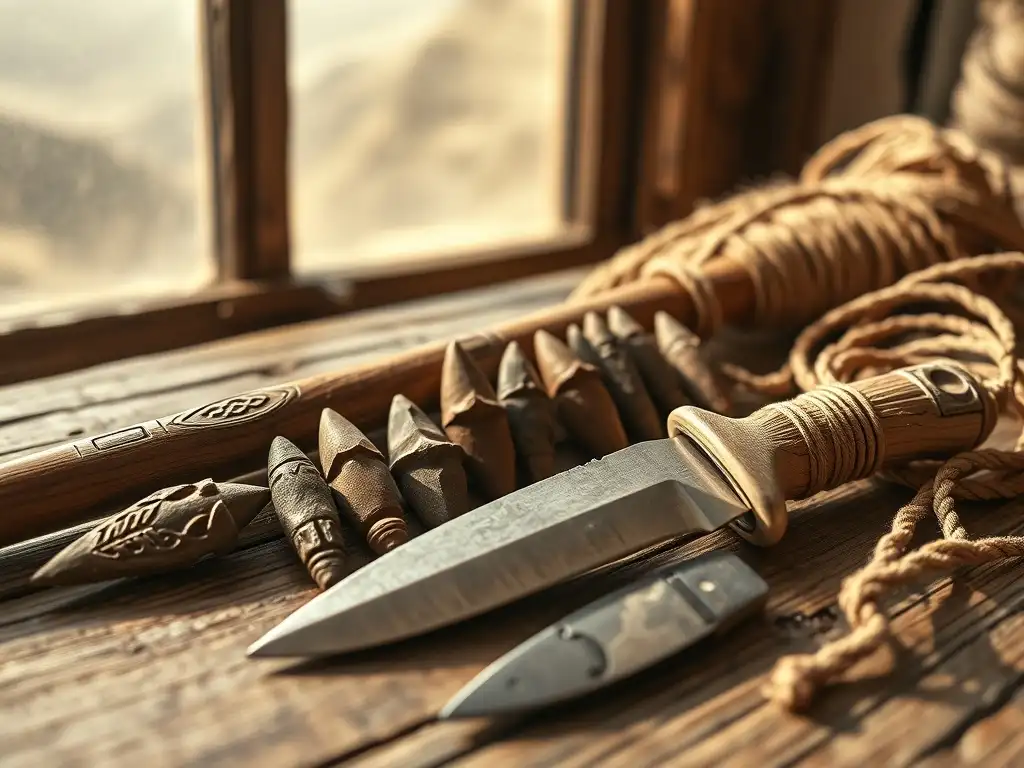
The diverse geography of the Andes Mountains profoundly impacted the development of hunting tools and techniques across different regions. Understanding these regional variations is crucial to appreciating the ingenuity and adaptability of Andean cultures. The term "Andean hunting tools history" itself encompasses a vast array of specialized implements reflecting the unique challenges and opportunities presented by each environment.
From the arid coastal deserts to the high-altitude puna grasslands, the tools used for hunting varied significantly, showcasing a remarkable level of cultural and technological diversity. This section will explore these regional differences, highlighting the interplay between environment, resources, and hunting practices.
Differences in Hunting Tools Across Andean Regions
The Andes Mountains are not a homogenous landscape; rather, they comprise a complex tapestry of ecosystems, each with its own unique flora, fauna, and challenges for hunting. The high-altitude regions, for example, presented different challenges than the coastal areas or the Amazonian foothills. This diversity is reflected in the types of hunting tools employed.
High-altitude Andean cultures, such as those inhabiting the Altiplano, often relied on tools designed for hunting vicuñas and other high-altitude camelids. These tools might include specialized bolas (weighted balls attached by cords used to ensnare animals), smaller, lighter slings for greater accuracy at longer ranges, and traps designed for the specific terrain. Conversely, lower-altitude regions, such as the cloud forests, might have seen the use of blowguns, darts, and nets for hunting smaller, more agile prey. The materials used also varied regionally. Obsidian, readily available in some areas, was favored for spear points, while other regions might have utilized bone, wood, or even copper alloys depending on local resources and metallurgical capabilities. Furthermore, the social structures and hunting practices themselves differed, leading to a diversification of tools and techniques. Some communities may have engaged in communal hunts using large-scale nets, while others relied on individual hunting with more specialized weapons.
The following table summarizes some of these regional differences, though further research is needed to fully understand the nuances:
| Region | Primary Prey | Common Hunting Tools | Material Sources |
|---|---|---|---|
| High Altiplano | Vicuña, Guanaco | Bolas, slings, traps | Wood, bone, stone |
| Coastal Deserts | Seabirds, marine mammals | Nets, harpoons, fishing hooks | Wood, bone, shell, metal |
| Amazonian Foothills | Monkeys, birds, rodents | Blowguns, darts, nets | Wood, plant fibers, bone |
| Highland Valleys | Deer, rabbits, birds | Spears, bows and arrows, traps | Wood, bone, obsidian, stone |
Adaptation of Hunting Techniques and Implements to Different Environments
The Andean hunters displayed remarkable ingenuity in adapting their hunting techniques and tools to the varied environments they inhabited. This adaptability is a key element of "Andean hunting tools history." For instance, the design of traps differed significantly depending on the terrain. High-altitude areas might have utilized pit traps cleverly concealed in the rocky landscape, while lower-altitude regions might have employed more elaborate snare traps using vines and other natural materials.
Similarly, the materials used for hunting implements were carefully selected based on availability and suitability. In regions with abundant obsidian, this volcanic glass was frequently used for creating sharp spear points and arrowheads. In areas lacking obsidian, however, hunters might have utilized bone, antler, or even sharpened stone flakes.
The development of metalworking also significantly impacted hunting technology, with copper and bronze alloys later being used to create more durable and effective weapons. The transition from stone to metal tools marked a significant technological advancement, enhancing hunting efficiency and effectiveness. This adaptation wasn't just about materials, but also about the overall design of tools—the shape and weight of a spear point, for example, would vary depending on the type of game being hunted and the environment in which the hunt took place.
The ingenuity of Andean hunters is evident in their ability to adapt their tools and techniques to the unique challenges of their respective environments. This adaptability highlights the close relationship between humans and their surroundings.
Coastal Andean Hunting Tools and their Unique Features
Coastal Andean cultures developed highly specialized hunting tools adapted to the marine environment. The rich marine resources, including seabirds, fish, and marine mammals, played a vital role in their subsistence. Unlike the highland hunters, coastal communities utilized tools designed for hunting in water or on the shore.
Harpoons, for instance, were essential for hunting marine mammals such as seals. These harpoons were often crafted from wood or bone, with sharpened points designed to penetrate the thick blubber of their prey. The design of the harpoon head, including barbs to prevent the weapon from being easily pulled out, demonstrates a sophisticated understanding of materials and mechanics.
Nets, woven from plant fibers or animal hair, were also widely used for catching fish and seabirds. The size and design of these nets varied depending on the target species. Additionally, specialized fishing hooks, crafted from bone, shell, or later, metal, were used to capture fish.
Coastal Andean hunting involved a high degree of specialized knowledge. Hunters needed to understand the migratory patterns of marine animals, the best times to hunt, and the most effective techniques for capturing their prey. The effectiveness of their hunting tools was directly linked to their ecological knowledge and ability to adapt to the dynamic marine environment.
The development and use of these unique tools underscore the significant role that marine resources played in shaping coastal Andean cultures and their technological innovations. Further research into the specific designs and materials of these tools could provide a deeper understanding of their hunting practices and societal structures.
The Legacy of Andean Hunting Tools
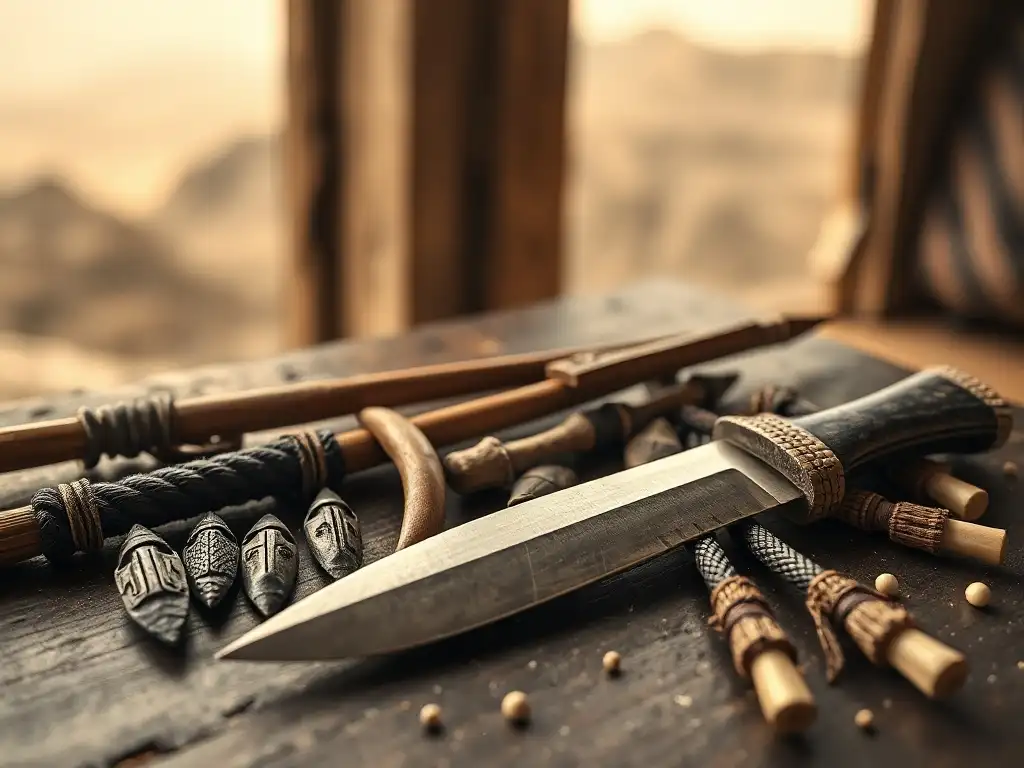
The legacy of Andean hunting tools extends far beyond their practical application; they represent a crucial element in understanding the complex relationship between Andean societies and their environment. These tools weren't merely instruments for survival; they were deeply embedded within the cultural fabric, reflecting technological advancements, spiritual beliefs, and social structures. Their design, materials, and craftsmanship speak volumes about the ingenuity and resourcefulness of Andean peoples.
For example, the intricate detail found on some projectile points suggests not only a high level of skill but also a potential symbolic or ritualistic significance. The careful selection of materials – obsidian, bone, wood, and copper – showcases an intimate knowledge of available resources and their properties. Studying these tools provides invaluable insights into the evolution of hunting techniques, the organization of hunting parties, and the overall societal adaptation to varied ecological niches across the Andes.
The enduring impact of these tools is evident in the continued use of certain techniques and the preservation of traditional hunting knowledge in some Andean communities today. Understanding this legacy allows us to appreciate the sophisticated artistry and technological prowess of past Andean civilizations.
The Influence of Andean Hunting Tools on Later Cultures
The sophisticated hunting techniques and tools developed in the Andes had a significant influence on subsequent cultures, both within the region and beyond. The effectiveness of the atlatl, for instance, a spear-throwing device, spread widely across South America, demonstrating the adoption and adaptation of Andean technologies. The techniques for crafting obsidian blades, known for their sharpness and durability, were likely shared and refined through trade networks, impacting the hunting practices of neighboring groups.
Evidence suggests that certain design elements and manufacturing processes of Andean hunting tools were adopted and modified by later Incan and post-Incan societies, highlighting the continuity and evolution of hunting traditions. This cultural exchange wasn't a one-way street; innovations from other cultures likely also influenced Andean hunting practices, enriching the existing toolkit and strategies.
Further research is needed to fully map the extent of this cross-cultural exchange and its impact on the development of hunting technologies throughout the Americas. The dissemination of Andean knowledge and technology underscores the interconnectedness of ancient societies and the dynamic nature of cultural transmission.
Modern Relevance of Traditional Andean Hunting Practices
While modern hunting practices in the Andes have evolved, elements of traditional techniques and knowledge remain relevant and valuable. Understanding the effectiveness of past hunting strategies, such as the use of traps, snares, and communal hunting drives, can inform contemporary conservation efforts and sustainable resource management. Traditional knowledge of animal behavior, seasonal migrations, and optimal hunting locations, passed down through generations, is crucial for maintaining biodiversity and ensuring the responsible use of wildlife resources.
Moreover, the preservation of traditional Andean hunting tools holds significance in cultural heritage and tourism. These artifacts serve as tangible links to the past, offering insights into the lives and beliefs of ancient Andean peoples.
Their continued study allows for a deeper appreciation of the rich cultural heritage of the Andes and supports efforts to preserve traditional knowledge and practices for future generations. The integration of traditional knowledge with modern scientific techniques offers a powerful approach to wildlife management and conservation in the Andes.
Andean Hunting Tools in Archaeological Studies
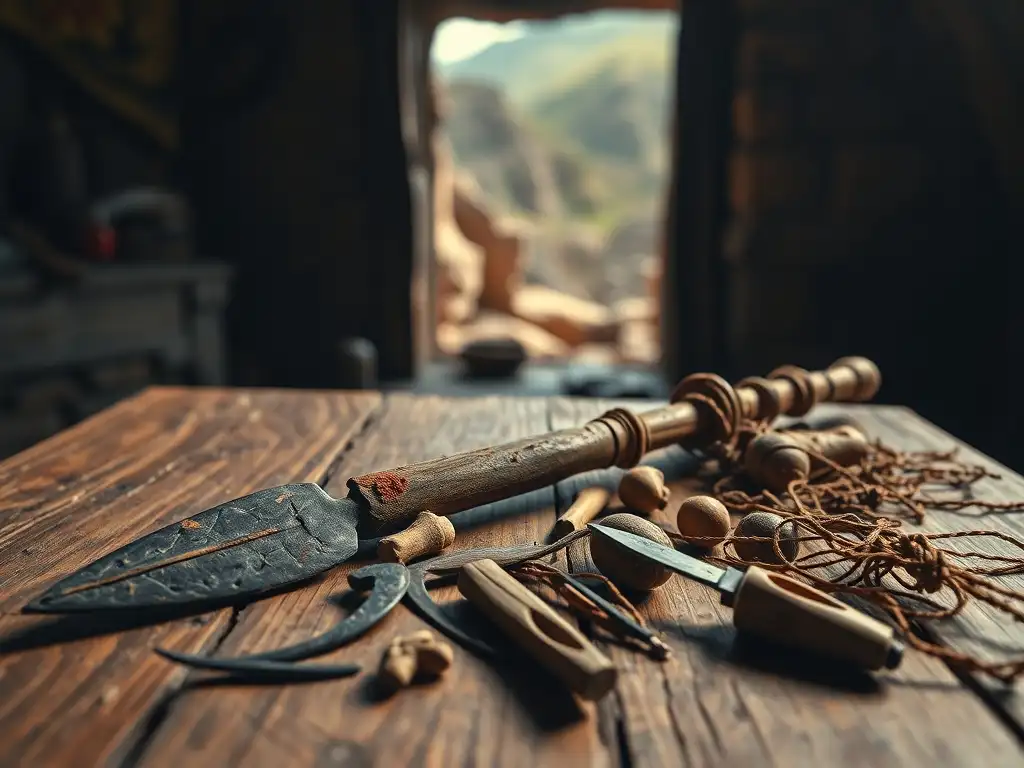
Andean hunting tools are invaluable sources of information for archaeologists studying past societies. Their analysis provides crucial insights into various aspects of Andean life, including subsistence strategies, technological innovation, and social organization. The types of tools found at a particular site can reveal information about the environment, the available resources, and the hunting techniques employed by the inhabitants. For instance, the presence of numerous obsidian projectile points might suggest a focus on hunting large game, while a predominance of smaller tools could indicate a reliance on smaller animals or birds.
The study of wear patterns on tools can provide further insights into their use and the types of materials they were used to process. Analysis of the manufacturing techniques employed, including the sourcing of raw materials, can shed light on trade networks and the exchange of goods and knowledge between different Andean groups. Isotopic analysis of animal bones found in association with hunting tools can confirm dietary patterns and offer further data on hunting practices.
Detailed analysis of Andean hunting tools is fundamental to reconstructing the complex history and culture of these fascinating civilizations. This meticulous research helps us understand not only how people hunted, but also why and what it meant within their cultural context. The careful excavation and analysis of these artifacts continue to illuminate the richness and complexity of Andean history.
Conclusion: Appreciating the Ingenuity of Andean Hunters
The study of Andean hunting tools reveals not just a practical approach to sustenance, but a deep understanding of the natural world and an impressive level of technological innovation. The diverse array of tools, crafted from readily available materials yet demonstrating remarkable ingenuity, speaks volumes about the resourcefulness and adaptability of Andean cultures.
From the delicately crafted atlatls of the Moche to the robust bolas of the Inca, each implement reflects a specific hunting strategy tailored to the unique environments and prey of the Andes. Understanding the history of these tools provides a crucial lens through which to appreciate the complex interplay between human ingenuity and the challenges of survival in a demanding landscape.
The Andean hunting tradition, reflected in the sophistication of its implements, stands as a testament to human resilience and the power of adaptation. Further research into the specific metallurgical techniques and the evolving designs of these tools could uncover even more fascinating insights into the lives and cultures of these remarkable civilizations.
The Enduring Impact of Andean Hunting Technology
The legacy of Andean hunting technology extends far beyond its practical application. The artistry and skill demonstrated in the creation of these tools are undeniable. Many examples display intricate carvings, symbolic designs, and evidence of careful craftsmanship, suggesting a deeper cultural significance beyond mere functionality.
These tools weren't simply instruments of survival; they were also likely imbued with spiritual meaning, reflecting beliefs about hunting, nature, and the relationship between humans and the animal world. Moreover, the technological advancements represented in the development of these tools – such as the sophisticated metallurgy used in some implements – had a ripple effect, influencing other aspects of Andean life, including agriculture, warfare, and even religious practices.
The ingenuity displayed in Andean hunting tools serves as a powerful reminder of the interconnectedness of technology, culture, and spirituality in shaping the development of Andean civilizations. The study of these tools continues to provide valuable insights into the resourcefulness, creativity, and adaptability of these ancient cultures, enriching our understanding of "Andean hunting tools history" and their enduring impact.
The impact of these hunting techniques and tools continues to be studied today. Archaeologists and anthropologists are continually uncovering new examples and refining our understanding of their use and significance. Future research promises to reveal even more about the sophisticated hunting strategies employed by Andean cultures and the profound impact of these tools on their societies.
The enduring legacy of these hunting implements underscores the importance of preserving and studying these artifacts to fully appreciate the rich tapestry of Andean history and technological achievement. The story of Andean hunting tools is, ultimately, a testament to human ingenuity and our enduring connection to the natural world.
| Tool Type | Culture | Material(s) Used | Hunting Technique | Significance |
|---|---|---|---|---|
| Atlatl | Moche | Wood, bone, sometimes decorated with paint | Increased throwing range and accuracy | Represents advanced projectile technology |
| Bolas | Inca | Stone, leather, fiber | Entangling prey | Effective for hunting birds and smaller animals |
| Spears/Darts | Various | Wood, bone, obsidian, metal | Direct hunting; often tipped with sharp points | Widely used across different Andean cultures |
| Hunting Knives/Blades | Various | Obsidian, chert, metal | Skinning and butchering prey | Essential for processing game after the hunt |
The meticulous craftsmanship evident in many examples suggests a level of skill and artistry that goes beyond mere functionality. The use of different materials, such as obsidian for its sharpness, bone for its strength, and metal for its durability, reflects a deep understanding of the properties of these materials and their suitability for specific hunting tasks. This sophisticated approach to toolmaking is a hallmark of Andean ingenuity and highlights the close relationship between these cultures and their environment.
The continued study of these remarkable artifacts promises to unveil even more about the rich history and technological prowess of Andean hunters. 🏹
Frequently Asked Questions
What types of hunting tools did Andean civilizations use?
Andean civilizations employed a diverse range of hunting tools, including atlatls for throwing spears, bows and arrows, nets, and various traps. The specific tools varied based on the environment and the game hunted.
How did the environment influence Andean hunting tools?
The geography and climate of the Andes significantly impacted tool design. High-altitude hunters might favor different tools than those living in coastal regions, reflecting the availability of materials and the types of animals hunted. Adaptation to the terrain was crucial.
What materials were used to create Andean hunting tools?
Andean hunters utilized readily available materials, including wood, bone, stone, and obsidian. The choice of material often depended on the tool's purpose and the desired level of durability and sharpness. Metal tools became more common later in Andean history.
How did Andean hunting techniques evolve over time?
Andean hunting techniques evolved alongside technological advancements. Early reliance on simple tools gradually gave way to more sophisticated strategies and weaponry, with improved projectile technology playing a crucial role. Collective hunting practices were also common.
Where can I learn more about the history of Andean hunting tools?
You can explore museums featuring Andean artifacts, academic journals, and books specializing in Andean archaeology and anthropology to delve deeper into the history of Andean hunting tools. Many online resources also provide valuable information.
Final Reflection: Echoes of the Hunt in the Andes
The intricate artistry of Andean hunting implements isn't merely a relic of the past; it's a powerful testament to human ingenuity and our enduring relationship with the natural world. These tools, meticulously crafted from stone, bone, and wood, speak volumes about the resourcefulness and deep understanding of their creators, a legacy that continues to resonate today. Their survival, often in remarkably preserved condition, offers a tangible link to a vibrant culture and its sophisticated hunting practices.
The impact of Andean hunting techniques and the tools that facilitated them extends far beyond the practical. They shaped social structures, religious beliefs, and artistic expression, leaving an indelible mark on the cultural landscape. The very act of hunting, as a means of survival and a source of spiritual connection, permeates Andean art, mythology, and even modern-day traditions. The hunt is not merely a pursuit of sustenance, but a dance between humanity and nature, a testament to our interconnectedness.
This quote, though not directly from an Andean source, captures the essence of the profound relationship between the people of the Andes and their environment, a relationship reflected in the artistry and sophistication of their hunting implements.
Consider the ingenuity of these tools, the skill required to create them, and the profound understanding of animal behavior necessary to successfully utilize them. You, the reader, are now privy to a glimpse into this rich history. Reflect on the enduring power of human creativity and adaptation, and consider how we, too, can draw inspiration from the resourcefulness and deep connection with nature demonstrated by the Andean hunters. Let the echoes of their hunt inspire you to appreciate the delicate balance between humanity and the environment, a balance that remains as crucial today as it was centuries ago.
Embrace the Adventure: Explore the World of Andean Hunting!
Thank you for exploring the fascinating world of Andean hunting implements with us! We hope you've gained a deeper appreciation for these ancient techniques. Now, let's put your newfound knowledge into practice!
Here are some exciting ways to continue your journey:
- Attend a hands-on workshop: Many cultural and historical organizations offer workshops that provide practical experience with traditional hunting methods. Look for opportunities in your local area.
- Explore the natural world: Take a hike in a nearby natural area and consider how Andean hunters used their environment for both survival and adventure. Imagine the challenges and triumphs they faced.
- Share your discoveries: Discuss this topic with friends, family, or online communities. What aspects of Andean hunting culture resonated most with you?
What intrigues you most about Andean culture, and how does it inspire your own sense of adventure?