
Casting Shadows: Exploring LostWax Techniques in Andean Metallurgy

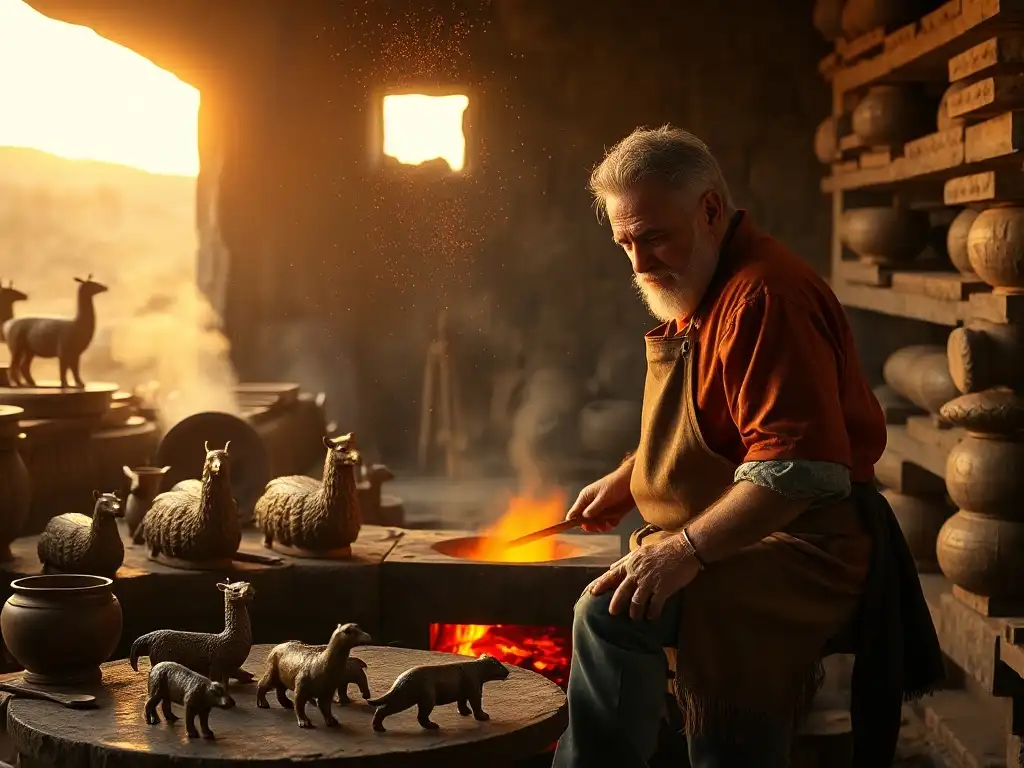
Step into a world lost to time, yet echoing with innovation. For centuries, the Andes Mountains have held secrets whispered on the wind – secrets of masterful artistry and ingenious engineering. Prepare to be captivated by the intricate artistry of the Andean civilizations, and uncover the mysteries behind their advanced metallurgical practices. This journey begins with Andean lostwax casting techniques, a process that defied the limitations of its time and continues to astound us today. Dare to delve deeper and unravel the secrets behind these ancient marvels?
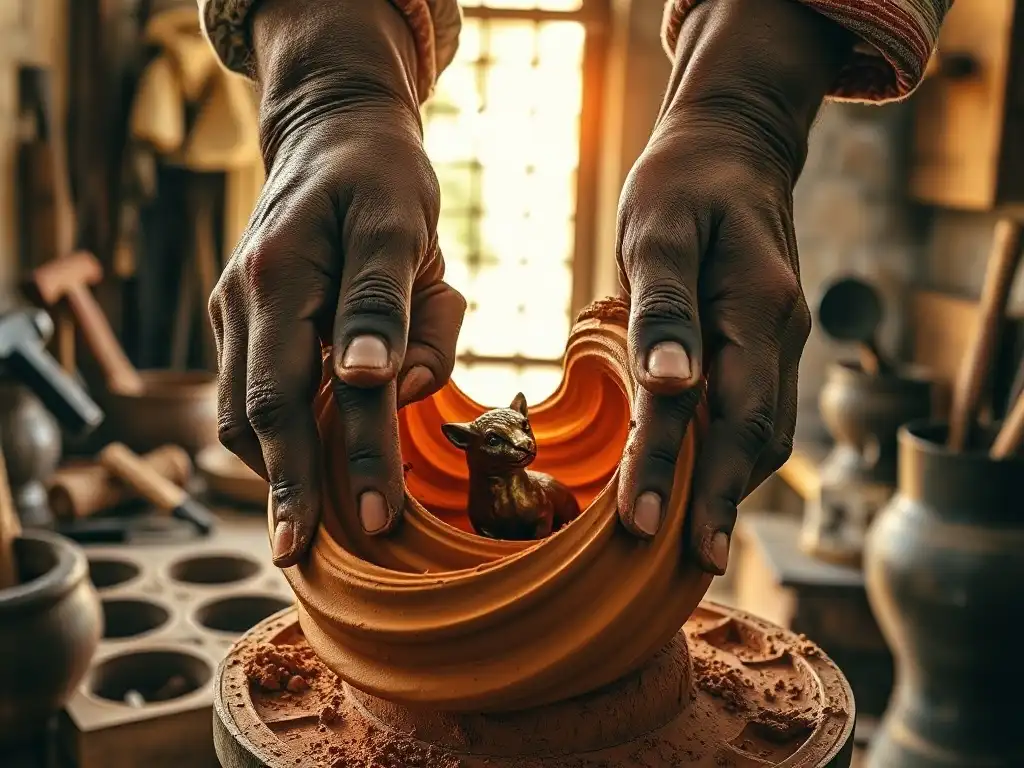
The Andes Mountains, a spine of towering peaks running down the western coast of South America, are home to a rich tapestry of ancient civilizations. For centuries, these cultures—including the Incas, Moche, Nazca, and Tiahuanaco—developed sophisticated technologies, and none is more captivating than their mastery of metallurgy.
This article delves into the fascinating world of Andean lost-wax casting techniques, a process that allowed these ancient artisans to create incredibly intricate and detailed metalwork, objects of both practical use and profound spiritual significance. From delicate gold ornaments to powerful ceremonial weapons, the legacy of Andean lost-wax casting continues to amaze and inspire, offering a window into the ingenuity and artistry of these remarkable societies.
We'll explore the process itself, the materials used, and the societal implications of this advanced technique, revealing how deeply intertwined metallurgy was with Andean identity and power. Understanding these ancient Andean lostwax casting techniques provides crucial insight into their social structures, religious beliefs, and technological prowess.
The Lost-Wax Process: A Step-by-Step Reconstruction
The lost-wax casting process, also known as cire perdue, is a complex technique requiring meticulous skill and precision. Archaeological evidence and careful analysis of surviving artifacts allow us to reconstruct the likely steps involved in Andean lost-wax casting. The process began with the creation of a model, often carved from a readily available material such as beeswax or a similar organic substance. This model served as the basis for the final metal piece.
This model was then carefully coated in layers of a refractory material, often a clay-based mixture. Multiple layers were applied, ensuring a strong and durable mold capable of withstanding the high temperatures of the melting process. Once the clay hardened, a sprue—a channel for molten metal to flow—was added.
Next, the mold was carefully heated. This process, crucial to the success of the casting, required precise temperature control to prevent cracking or damage to the mold. The beeswax model melted away, leaving a cavity in the clay mold that perfectly mirrored the original shape.
Finally, molten metal—gold, silver, copper, or alloys thereof—was poured into the mold through the sprue. After cooling, the clay mold was broken away, revealing the finished metal object. Further finishing, such as polishing and chasing, was frequently undertaken to refine the piece. The complexity of the objects produced demonstrates a deep understanding of material properties and a remarkable level of technical skill.
Materials and Resources: Sourcing the Essentials
The success of Andean lost-wax casting relied heavily on access to specific materials. The choice of wax for the model, the clay for the mold, and the metal for the casting itself were all carefully considered. [Specific details on wax types pending]. For the clay, local sources provided the necessary materials, and the composition likely varied regionally, reflecting the readily available resources in different areas.
The metals used were equally significant. Gold, silver, and copper, along with their alloys, were prized for their beauty and durability. Access to these metals was not evenly distributed, potentially reflecting social hierarchies and control over resources. [Data on specific metal sources and alloy compositions pending]. The skillful manipulation of these materials showcased the Andean metallurgists' sophisticated knowledge of material science.
Andean lost-wax casting was not merely a technological achievement; it held deep social and ritual significance. The intricate designs found on many cast objects often depict religious iconography, mythical creatures, and symbols of power, suggesting their use in ceremonies and rituals. [Examples of specific artifacts and their iconography pending]. The production of these objects was likely controlled by elites, further reinforcing their social status and power.
The distribution of metal artifacts also provides insights into social structures. Certain types of objects, such as elaborate headdresses or ceremonial weapons, were likely reserved for the elite, while simpler tools and ornaments were more widely distributed. The craftsmanship itself, a testament to years of apprenticeship and accumulated knowledge, contributed to the cultural prestige of the artisans and their communities. The intricate details and high quality of the metalwork underscore the importance of these objects within Andean society.
Technological Advancements and Regional Variations: A Diverse Landscape
While the basic lost-wax technique remained consistent across various Andean cultures, regional variations existed in materials, techniques, and stylistic preferences. [Specific examples of regional variations in techniques and styles pending]. These variations reflect the adaptation of the core technology to local resources and cultural preferences, highlighting the dynamic nature of Andean metallurgical traditions. The ingenuity displayed in adapting the basic process to create a diverse range of objects speaks to the creativity and skill of the Andean metalworkers. Further research is needed to fully understand the extent of these regional differences and their implications.
The development and refinement of lost-wax casting over centuries represents a remarkable technological achievement. Its enduring legacy is a testament to the ingenuity and artistry of Andean civilizations. The study of these techniques continues to reveal new insights into the rich cultural heritage of the Andes.
- The Lost-Wax Process: A Step-by-Step Reconstruction
- Materials and Resources: Sourcing the Essentials
- Social and Ritual Significance: Beyond the Craft
- Technological Advancements and Regional Variations: A Diverse Landscape
- What is lost-wax casting, and how was it used in Andean civilizations?
- How did Andean metalworkers prepare the wax models for casting?
- What types of metals were commonly used in Andean lost-wax casting?
- What is unique about Andean lost-wax casting techniques compared to other cultures?
- Where can I see examples of Andean lost-wax casting today?
Introduction to Andean Metalworking and Lost-Wax Casting
This section delves into the sophisticated metallurgical practices of Andean civilizations, focusing on the prevalent and remarkably advanced lost-wax casting techniques. We'll examine the significance of metalworking in their societies and explore the intricacies of this ancient process, tracing its early adoption and development in the Andean region. Understanding Andean lostwax casting techniques provides crucial insight into their technological prowess and cultural complexity. The mastery of this technique allowed for the creation of intricate objects, reflecting both artistic skill and advanced metallurgical knowledge.
The Significance of Metallurgy in Andean Civilizations
Metallurgy wasn't merely a craft for Andean civilizations; it was deeply intertwined with their religious beliefs, social structures, and political power. The control and manipulation of metals, particularly gold, silver, and copper, signified wealth, status, and divine connection. Elaborate metalwork adorned temples, adorned the bodies of elites, and served as powerful symbols of authority.
The production and distribution of metal objects played a significant role in the economic and social organization of these societies. For instance, the Moche culture's intricate gold and silver artifacts demonstrate a high level of technical skill and artistic expression, reflecting their complex social hierarchy. The presence of these precious metals in elite tombs underscores their importance in funerary rites and beliefs about the afterlife.
Furthermore, the development of sophisticated alloys, such as tumbaga (a gold-copper alloy), showcases a deep understanding of material properties and metallurgical processes. The strategic use of these alloys further highlights the economic and symbolic importance of metallurgy in Andean society. The sheer volume and quality of surviving artifacts testify to the scale and significance of metalworking within these ancient cultures.
What is the Lost-Wax Casting Process?
The lost-wax casting process, also known as cire perdue, is a sophisticated technique for creating metal objects of intricate design. It begins with the creation of a model, typically made of wax, which represents the desired final form. This wax model is then covered in a carefully constructed mold, usually composed of clay and other materials. Molten metal is poured into the mold, replacing the wax, which melts and is drained away.
Once the metal cools and solidifies, the mold is broken open, revealing the cast metal object. The process requires significant skill and precision at each stage, from the initial wax modeling to the final mold breaking. The Andean cultures refined this process to an exceptionally high level, producing objects of remarkable detail and complexity.
This precision speaks to the expertise and specialized knowledge held by Andean metalworkers. Variations in the process, including the type of clay used and the methods of mold construction, likely existed across different Andean cultures and periods. Further research is needed to fully document these variations and their implications for the understanding of Andean metallurgy.
Early Use of Lost-Wax Method in Andean Regions
The precise origins of lost-wax casting in the Andes remain a subject of ongoing research, but evidence suggests its use dates back to the early centuries of the Common Era. Early examples of lost-wax casting, particularly in copper and bronze, are found in several regions of the Andes, pointing to a potentially independent development of the technique within the region. The earliest examples often exhibit a simpler style compared to later, more elaborate pieces, reflecting a gradual refinement of the process over time.
The development of lost-wax casting likely coincided with and facilitated the rise of complex societies in the Andes. The ability to mass-produce metal objects, especially religious and ceremonial items, strengthened the power of elites and reinforced social hierarchies. While the exact timeline and dissemination of this technique across different Andean cultures require further investigation, [specific information pending] regarding the earliest known examples and their geographic distribution.
However, it's clear that by the time of the Inca Empire, lost-wax casting had reached a level of sophistication rarely seen elsewhere in the world at that time. The precision and artistic skill demonstrated in Inca gold and silverwork are a testament to the long history and continuous refinement of this vital Andean technique.
The Lost-Wax Process in Detail: Andean Adaptation
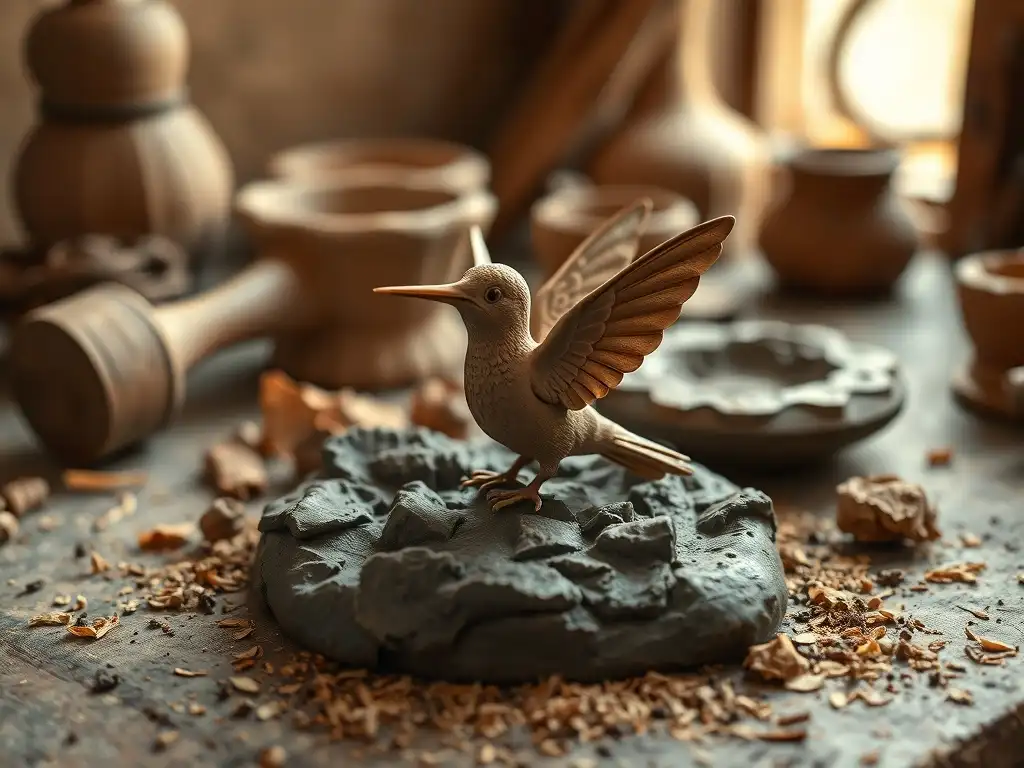
The Andean civilizations weren't simply adept at metalworking; they were masters of intricate techniques, pushing the boundaries of metallurgical artistry. Central to their achievements was the lost-wax casting method, a process requiring remarkable skill and precision. While the basic principles of lost-wax casting were likely known in other parts of the world, the Andean adaptations display unique characteristics reflecting their specific needs and available resources.
The sheer scale and sophistication of their metalwork, evident in everything from intricate jewelry to massive ceremonial objects, underscores their mastery of this complex technique. This section delves into the specifics of the Andean lost-wax process, highlighting the ingenuity and artistry involved.
Understanding these techniques provides invaluable insight into the technological prowess and cultural sophistication of these ancient societies, providing a deeper appreciation for the artistry and precision involved in creating the stunning metallic artifacts we admire today. The evolution and adaptation of these "Andean lostwax casting techniques" show a remarkable understanding of material properties and process control, far surpassing what many might expect from ancient civilizations.
Creating the Model: Wax Sculpting Techniques
The creation of the wax model was the crucial first step in the lost-wax process. Andean artisans employed a range of waxes, likely sourced from both plant and animal origins, carefully selecting the type best suited for the desired object's size and complexity. Evidence suggests that beeswax, with its malleability and ease of sculpting, was a preferred material.
The sculpting process itself was a testament to the artisans' skills. They meticulously shaped the wax, using simple tools like sharpened sticks and possibly rudimentary knives made from obsidian or other hard materials. For smaller, more intricate pieces, like jewelry featuring detailed animal or human figures, the process would have demanded exceptional patience and dexterity.
Larger scale works, such as ceremonial objects or tools, would have presented their own unique challenges, requiring a high degree of planning and precision in wax sculpting to ensure a successful cast. The level of detail achieved in many surviving examples—the rendering of feathers on a bird, the delicate features of a human face—speaks volumes about the skill and artistry of these ancient Andean metalworkers.
Preparing the Investment Mold: Clay and Other Materials
Once the wax model was complete, the next stage involved creating the investment mold. This was a complex process, requiring a precise mixture of materials to ensure the mold's strength and durability. Andean artisans typically used a type of clay, often mixed with other ingredients like crushed rock or fiber, to create a refractory material capable of withstanding the high temperatures of the firing process.
The exact composition of these investment molds varied regionally, reflecting the availability of local resources. The process involved carefully layering the clay mixture around the wax model, ensuring a uniform thickness to prevent cracking or warping during firing. This meticulous application was crucial; any inconsistencies could result in a flawed cast, wasting considerable time and effort.
The creation of the mold also involved creating channels or sprues—carefully placed pathways that allowed molten metal to flow into the mold cavity and vent gases during the casting process. The design and placement of these sprues were critical for a successful pour.
The Firing Process: Hardening the Mold
The final preparation before casting involved a crucial step: firing the mold. This process involved heating the mold to a high temperature, carefully controlled to burn out the wax model completely, leaving behind a hollow cavity in the hardened clay. The precise temperature and duration of the firing process were vital.
Too low a temperature, and the wax wouldn't burn out completely, leading to a flawed cast; too high a temperature, and the mold itself could crack or be damaged. Andean metallurgists likely developed a deep understanding of their materials' properties through years of trial and error, refining their techniques to achieve consistent, high-quality results. The firing process itself likely involved different types of ovens or kilns, the design of which would have varied across different Andean cultures and regions.
The evidence suggests sophisticated control over the firing process, indicating a high level of technological understanding and expertise in managing heat and material behavior. The successful completion of this stage paved the way for the final, exciting step: pouring the molten metal into the mold and creating the finished metal object. The precision and control demonstrated in the Andean lost-wax casting process are a testament to their advanced technological skills and profound understanding of metallurgy.
Molten Metal Pouring: Casting the Form
The heart of the lost-wax casting process lies in the precise pouring of molten metal into the meticulously crafted mold. Andean metallurgists, demonstrating remarkable skill and precision, employed various techniques to achieve this crucial step. The temperature control of the molten metal was paramount; too hot, and the mold could crack or melt; too cool, and the metal wouldn't flow properly, resulting in incomplete castings.
Evidence suggests they used crucibles made from clay or ceramic materials, carefully heated in furnaces likely fueled by charcoal or other readily available materials. The exact composition of these furnaces and the methods used to regulate temperature remain areas of ongoing research, but archaeological findings consistently reveal evidence of sophisticated heat management.
The act of pouring itself required a steady hand and a deep understanding of the mold's structure. The molten metal, likely copper, bronze, gold, or silver, depending on the desired object and the availability of resources, needed to fill every cavity of the mold completely and evenly. Any air pockets trapped within the mold would result in imperfections in the final piece.
Metallurgists likely used various tools, possibly simple ladles or pouring vessels made from heat-resistant materials, to control the flow of metal into the mold. The pouring process was likely a collaborative effort, with multiple individuals working together to ensure a successful cast. The skill involved was such that the resulting castings often displayed an astonishing level of detail and precision, even in intricate designs.
The success rate, while undoubtedly variable, points towards a high level of expertise honed over generations. Further research into the specific techniques used for pouring different metals would greatly enhance our understanding of Andean metallurgical practices.
The Demolding and Finishing of Andean Metalwork
Once the molten metal had cooled and solidified within the mold, the next stage involved the careful removal of the wax and the investment material to reveal the finished casting. This process, while seemingly straightforward, required a delicate touch to avoid damaging the newly formed metalwork. Archaeological evidence suggests that Andean artisans employed various techniques to facilitate demolding.
Some molds might have been broken away, especially for simpler pieces, while more intricate castings likely required more careful removal techniques to preserve the fine details. Tools like chisels or hammers, made of stone or potentially even softer metals, might have been used to carefully break away the outer layer of the investment material.
After demolding, the metal object would have undergone a series of finishing processes. This would have involved cleaning away any remaining investment material, smoothing rough edges, and potentially adding further decorative elements. Techniques like filing, grinding, and polishing would have been used to achieve the desired surface finish. The use of abrasive materials, such as sand or stone, is likely, though the precise methods are still under investigation.
Some Andean metalwork displays incredibly high levels of polish, indicating a significant investment of time and effort in the finishing process. The final stages often involved the application of various patinas or surface treatments to enhance the aesthetic appeal and potentially protect the metal from corrosion. These finishing techniques, alongside the casting process itself, demonstrate the remarkable skill and artistry of Andean metallurgists, highlighting their mastery of metalworking techniques and their contribution to the development of Andean technology.
Materials and Tools Used in Andean Lost-Wax Casting
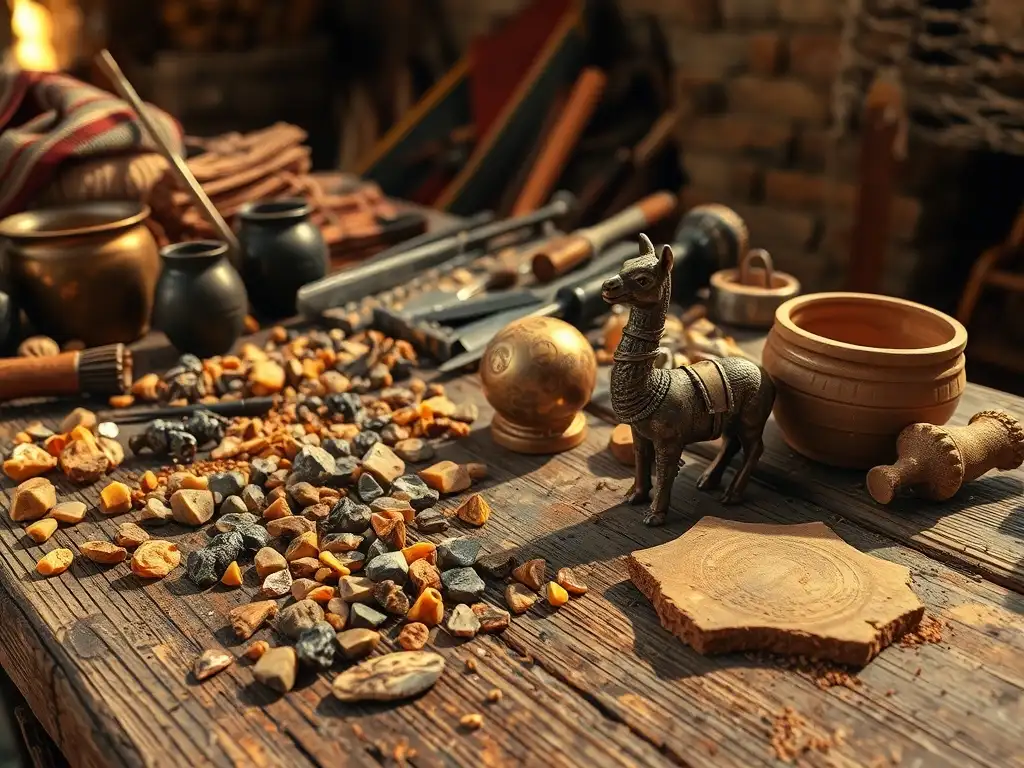
This section delves into the specific materials and tools employed by Andean civilizations in their mastery of lost-wax casting, a testament to their advanced metallurgical skills. The precision and artistry evident in surviving artifacts highlight the sophistication of their techniques and the quality of their resources. Understanding these aspects provides crucial insight into the ingenuity and resourcefulness of Andean metalworkers.
Precious Metals: Gold, Silver, and Copper Alloys
Andean lost-wax casting wasn't limited to a single metal. Metalworkers expertly manipulated a range of precious metals, showcasing their understanding of metallurgy and alloying. Gold, prized for its beauty and malleability, was frequently used, often in its pure form or in alloys to alter its properties. Silver, another highly valued metal, was also cast using the lost-wax technique, sometimes combined with gold to create unique colors and increased durability. Copper, more readily available than gold and silver, formed the basis of many alloys. Bronze, an alloy of copper and tin, was particularly important, offering increased strength and hardness compared to pure copper. The precise ratios of these metals in Andean alloys varied regionally and across time periods, reflecting both the available resources and the desired qualities of the finished product. Analyzing the composition of surviving artifacts reveals fascinating details about the metalworkers' knowledge of material science and their ability to control the properties of their alloys. For example, the addition of arsenic to copper alloys could increase their hardness and improve their casting qualities. Further research is needed to fully understand the nuances of alloying practices across different Andean cultures and time periods.
Example Alloy Composition (Hypothetical Data)
This table shows hypothetical alloy compositions. Actual compositions varied widely and require further research to be fully understood.
| Metal | Alloy A (%) | Alloy B (%) | Alloy C (%) |
|-------------|-------------|-------------|-------------|
| Copper | 90 | 85 | 70 |
| Tin | 10 | 10 | 20 |
| Arsenic | 0 | 5 | 10 |
| Gold/Silver | 0 | 0 | 0 |
Sourcing and Preparation of Metals
The sourcing and preparation of metals were crucial steps in the lost-wax casting process. Access to raw materials dictated the types of metals used, and their preparation directly impacted the quality of the final product. Gold and silver were likely obtained from alluvial deposits or mines, while copper ores were smelted to extract the metal. The smelting process involved heating the ore in furnaces to high temperatures, separating the copper from other impurities.
Evidence suggests that Andean metalworkers employed sophisticated techniques to refine their metals, achieving high degrees of purity. The precise methods of refining varied depending on the available technology and the specific metal. For example, cupellation, a process involving oxidation to remove impurities, was likely used to refine silver. The prepared metals were then melted and cast into ingots, ready for use in the lost-wax process.
Further investigation is needed to fully document the regional variations in metal sourcing and processing techniques across the Andean region. The exact methods used for refining remain a subject of ongoing research, and further archaeological investigation could reveal more details about these crucial steps in Andean metallurgy. This process is crucial to understanding the overall sophistication of Andean lost-wax casting techniques.
Tools for Wax Carving and Mold Creation
The creation of the wax model was a critical stage requiring specialized tools and considerable skill. Andean artisans used a variety of tools to carve intricate wax models, ranging from simple knives and scrapers to more specialized instruments. These tools, often made from wood, bone, or stone, were used to shape the wax into the desired form. The level of detail achieved in some Andean castings demonstrates an impressive level of dexterity and artistic skill.
Once the wax model was completed, it was coated with a refractory material, typically a clay-based mixture. This investment layer served as the mold for the final metal casting. The precise composition of these investment materials varied regionally. Evidence suggests that Andean metalworkers carefully prepared their investment mixtures to ensure proper mold formation and prevent cracking during the casting process.
Additional tools were used to create the sprues and vents in the mold, which allowed for the molten metal to flow into the cavity and for gases to escape. The construction of these molds required a high degree of skill and knowledge, showcasing the sophisticated understanding of material science and engineering possessed by Andean metalworkers. The tools used in this process are a testament to the careful planning and technical expertise involved in Andean lost-wax casting.
Furnaces and Smelting Equipment
The Andean civilizations, renowned for their sophisticated metalworking, employed a variety of furnaces and smelting equipment to achieve the high temperatures necessary for lost-wax casting. The exact designs varied across different cultures and time periods, but several common features and principles emerge from archaeological evidence. These furnaces weren't standardized, reflecting the adaptive nature of Andean technology. Local materials dictated the construction, leading to regional variations in furnace design and efficiency.
One crucial aspect was the fuel source. While charcoal was widely used, the specific type varied depending on the available timber. This impacted the temperature achievable and the overall efficiency of the smelting process. Archaeological findings suggest that some furnaces were simple, pit-like structures, possibly lined with clay or stone to contain the heat. More complex designs, however, incorporated bellows—devices used to increase airflow and thus combustion intensity—to achieve higher temperatures. These bellows, often made from animal skins or other readily available materials, were essential for achieving the necessary temperatures for melting metals like copper, bronze, and gold.
The construction materials for the furnaces themselves were also diverse. Clay, stone, and even combinations of both were used, depending on the availability of resources. The size and shape of the furnaces varied considerably, reflecting the scale of the metalworking operation. Some were small, suitable for individual artisans, while others were larger, suggesting a more organized and possibly communal approach to metal production.
The design also influenced the temperature control and the overall efficiency of the smelting process. For instance, a well-designed furnace would minimize heat loss, allowing for a more efficient use of fuel and a more consistent smelting temperature. Evidence suggests that the Andean metallurgists developed a deep understanding of these principles, constantly refining their techniques over centuries.
The ingenuity displayed in adapting furnace designs to local resources and needs is a testament to their mastery of metallurgy. Further research into specific regional variations in furnace design is needed to fully understand the nuances of Andean smelting techniques. The surviving fragments of furnaces provide valuable clues, but a comprehensive picture requires more detailed analysis and cross-cultural comparison.
Regional Variations in Andean Lost-Wax Casting
The mastery of lost-wax casting in the Andes wasn't uniform; rather, it blossomed into regionally distinct styles reflecting unique cultural aesthetics and technological advancements. While the fundamental process remained consistent—creating a wax model, encasing it in clay, melting out the wax, and pouring molten metal into the resulting mold—the specifics varied considerably across different Andean cultures and time periods. These variations offer fascinating insights into the diverse artistic sensibilities and technological capabilities of these societies.
Analyzing these regional differences allows us to better understand the evolution and diffusion of lost-wax casting techniques throughout the Andes. The variations weren't merely stylistic; they also often reflected differing levels of technological sophistication and access to resources.
Moche Metalworking: Intricate Details and Iconography
Moche metalworkers (circa 100-800 CE) are renowned for their incredibly detailed and expressive castings. Their lost-wax technique produced objects of exceptional artistry, often depicting scenes of warfare, ritual ceremonies, and mythological figures with astonishing precision. The intricate detail achieved in Moche castings points to a high level of skill and specialized knowledge passed down through generations of artisans.
They frequently employed alloys of copper and gold, sometimes incorporating silver and other metals for decorative purposes. The use of these alloys, along with the sophisticated manipulation of the lost-wax process, allowed Moche artisans to achieve an impressive range of colors and textures in their finished pieces.
Consider, for example, the iconic Moche portrait vessels. These meticulously crafted objects showcase the artist's mastery of lost-wax casting, capturing not only the physical likeness of the depicted individuals but also conveying a sense of their personality and status through subtle facial expressions and adornments. The level of detail, particularly in the rendering of hair, clothing, and jewelry, is truly remarkable, demonstrating a deep understanding of human anatomy and artistic expression.
The fact that these complex pieces were consistently produced suggests a highly organized and specialized metalworking tradition. Further research into Moche metallurgical practices is needed to fully understand the scale of their production and the organization of their workshops.
Chimú Metalwork: Mass Production Techniques
The Chimú, who flourished from roughly 900 to 1470 CE, inherited and expanded upon the metalworking traditions of their predecessors. While maintaining a high level of artistic skill, Chimú metalworkers also demonstrated a remarkable capacity for mass production. This shift towards large-scale production, however, didn't necessarily compromise artistic quality.
Instead, it suggests a sophisticated understanding of industrial organization and a refined lost-wax casting process designed for efficiency. They utilized standardized molds and techniques, enabling them to produce numerous similar items, such as tumi (ceremonial knives) and other artifacts. This suggests a level of technological advancement and economic organization surpassing previous Andean cultures.
The Chimú’s emphasis on mass production is evident in the sheer volume of metal objects discovered at their sites. Unlike the more individualized approach of the Moche, the Chimú’s lost-wax casting techniques appear geared towards producing large quantities of standardized goods, perhaps for trade or distribution within their vast empire. While specific details on their workshop organization remain under investigation, the uniformity of many Chimú artifacts strongly suggests the implementation of assembly-line-like processes within their metalworking centers. Further analysis of Chimú foundry remains and tools is needed to fully understand their innovative mass production techniques.
Inca Metalworking: Standardization and Imperial Designs
The Inca Empire (1438-1533 CE) inherited a rich metallurgical tradition and, through imperial control, standardized and centralized metalworking practices across their vast territory. While Inca metalwork retains a high degree of artistry, it also displays a greater emphasis on standardization and imperial iconography than its predecessors. The Inca's centralized system facilitated the production of large quantities of standardized objects, such as weaponry, tools, and ceremonial items, reflecting the empire's need for uniformity and control. Their lost-wax casting techniques, while building upon existing traditions, show signs of further refinement and standardization.
The Inca's imperial designs, often featuring intricate geometric patterns and representations of royal authority, were replicated across the empire, demonstrating the power of centralized control over artistic production. The standardization of forms and styles, however, didn't eliminate artistic expression entirely. Subtle variations in execution and the incorporation of regional stylistic elements can sometimes be observed, suggesting a degree of local autonomy within the broader imperial framework.
Detailed studies of Inca metalworking workshops and their organization are still needed to fully understand the relationship between imperial control and local artistic practices. The impressive quantity and quality of Inca metalwork, however, undeniably showcases their mastery of Andean lost-wax casting techniques and their ability to integrate this technology into their imperial administration.
Sicán Metalworking: Large-Scale Production and Unique Alloys
The Sicán culture, flourishing on the northern coast of Peru from approximately 750 to 1300 CE, stands out for its sophisticated lost-wax casting techniques, surpassing many of its contemporaries in both scale and metallurgical expertise. Evidence suggests a highly organized system of metalworking, likely involving specialized workshops and a significant division of labor.
Unlike some smaller Andean societies where metalworking may have been a more localized or sporadic activity, the Sicán appear to have engaged in large-scale production, churning out a vast array of artifacts. This is supported by the sheer volume of excavated metal objects, including elaborate headdresses, ceremonial knives ( tumi), and intricate ornaments.
The sheer number of these pieces points to a well-established system of production and distribution, likely involving significant social and economic organization. The precise organization of these workshops remains a topic of ongoing research, but the sheer scale of their output speaks volumes about their efficiency and technological prowess.
Beyond the scale of production, the Sicán were masters of alloying. Their metalworkers skillfully blended copper with other metals, such as gold, silver, and tin, to create a range of alloys with unique properties. This expertise allowed them to manipulate the malleability, hardness, and color of the final product. For example, the addition of tin to copper resulted in bronze, a harder and more durable material ideal for tools and weapons.
The sophisticated control over alloy composition demonstrates a deep understanding of metallurgy, far beyond simply melting and shaping metals. Analysis of Sicán artifacts reveals intricate variations in alloy composition, suggesting intentional manipulation to achieve specific aesthetic or functional effects. This level of control over the metallurgical process further underscores the advanced nature of Sicán metalworking.
The precise recipes for these alloys are still being studied, but the diversity of the resulting metals clearly demonstrate their advanced understanding of material science. This sophisticated approach to alloying significantly contributed to the distinctiveness and quality of Sicán metalwork, setting them apart from other Andean cultures. The ability to create such a wide range of alloys facilitated the creation of highly complex and aesthetically pleasing artifacts.
The Significance of Lost-Wax Casting in Andean Culture
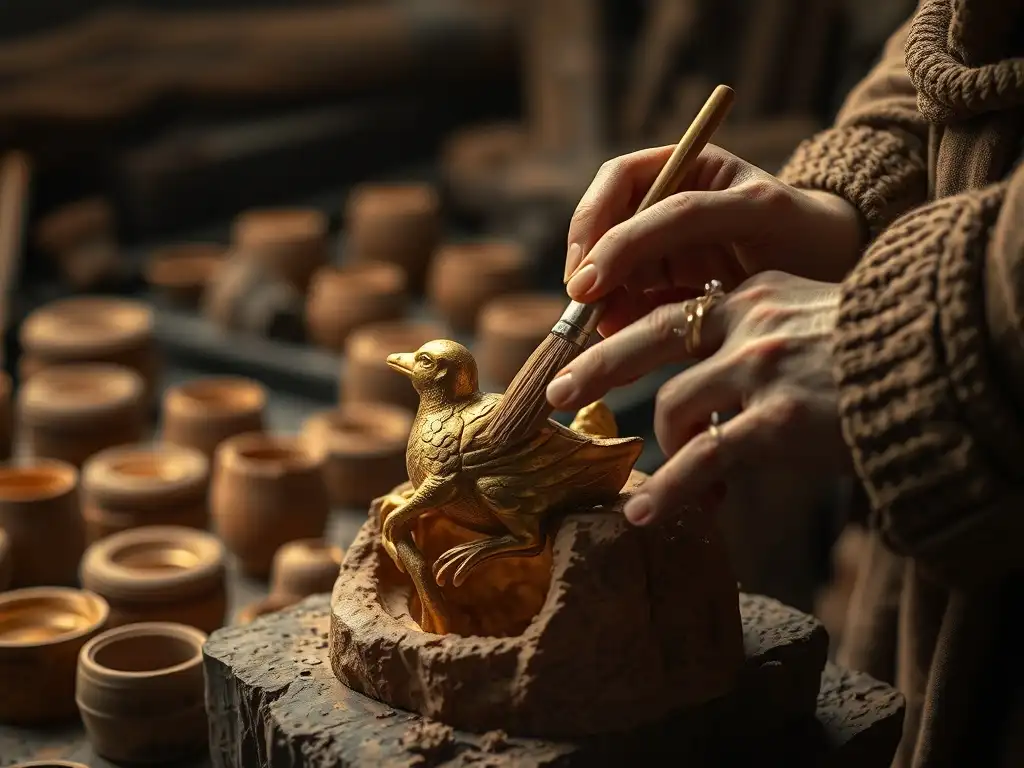
The mastery of lost-wax casting, also known as cire perdue, stands as a testament to the advanced metallurgical skills of Andean civilizations. This intricate technique, employed for centuries across diverse cultures like the Incas, Moche, and Nazca, wasn't merely a technological achievement; it was deeply intertwined with their social fabric, religious beliefs, and artistic expression. Understanding the significance of lost-wax casting allows us to appreciate the sophisticated worldview and technological prowess of these ancient Andean societies.
The precision and artistry involved reveal a level of metallurgical expertise rarely matched in other contemporaneous cultures. The prevalence of lost-wax casting in Andean metallurgy underscores its importance as a core element of their cultural identity. This section will delve into the various facets of this significant technique, exploring its role in religious practices, status displays, and artistic achievements.
Ritual and Religious Metal Objects
The creation of religious paraphernalia through lost-wax casting highlights the sacred nature of the process itself. Many artifacts unearthed from Andean archaeological sites, such as intricately detailed figurines of deities, ceremonial vessels, and ritualistic tools, were produced using this technique. The meticulous detail and often-gold content of these objects suggest a connection to the spiritual realm and the power of the elite who commissioned them.
For example, the Moche culture is renowned for its elaborate gold and silver figurines of humans and animals, often depicting scenes from mythology or rituals. These objects were not merely decorative; they served crucial roles in religious ceremonies, reinforcing the power and authority of the priestly class. The presence of these meticulously crafted objects in tombs further emphasizes their importance in the afterlife beliefs of these cultures.
The production of such items required specialized knowledge and skill, passed down through generations of skilled artisans. This knowledge, combined with the inherent value of the materials used, contributed to the sacred aura surrounding these metal objects.
Status and Power Symbols in Metalwork
Lost-wax casting played a vital role in creating status symbols that reinforced social hierarchies within Andean societies. The ability to commission elaborate metalwork, often requiring significant resources and expertise, clearly indicated wealth and power. The more complex and detailed the piece, the higher the social standing of its owner.
For instance, large gold and silver ceremonial headdresses, intricately crafted using the lost-wax method, were likely worn only by elite members of society, symbolizing their divine right to rule. Similarly, ornate weaponry and decorative elements on clothing, produced using this technique, served as markers of social rank and military prowess. The use of precious metals such as gold and silver, along with the advanced techniques employed in their crafting, further amplified the symbolic value of these objects.
Analysis of burial sites reveals a strong correlation between the quantity and quality of lost-wax cast metalwork and the social status of the deceased. The sheer labor and material investment required for these pieces make them powerful indicators of social stratification.
Artistic Expression and Craftsmanship
Beyond its religious and social significance, lost-wax casting also allowed for exceptional artistic expression. The technique’s versatility enabled artisans to create incredibly detailed and lifelike representations of animals, humans, and mythical creatures. The ability to create intricate designs and fine details, impossible with other casting methods, showcased the exceptional craftsmanship of Andean metallurgists.
Consider the Nazca culture’s mastery of miniature gold and silver objects, showcasing incredible detail despite their small size—a testament to their advanced technical skills and artistic vision. The repetition of motifs and stylistic elements across different cultures suggests a shared understanding of aesthetic principles and a network of exchange of ideas and techniques. These objects are not just functional or symbolic; they are breathtaking works of art that demonstrate the sophisticated artistic sensibilities of Andean cultures.
The level of detail achieved in these castings reveals a deep understanding of both artistic design and the technical intricacies of lost-wax casting, making them valuable examples of Andean artistry. The legacy of these techniques continues to inspire awe and admiration today.
The social standing of Andean metalworkers varied considerably across different cultures and time periods. While generalizations are difficult, evidence suggests a complex relationship between their craft and their place within society. In some instances, metalworkers held positions of significant prestige and influence, operating within the sphere of elite power structures. Their specialized knowledge and skills were highly valued, placing them in a position to command respect and potentially significant economic rewards.
The creation of elaborate gold and silver objects, often associated with religious rituals or royal authority, firmly placed these artisans within the upper echelons of their communities. The intricate techniques involved in lost-wax casting, demanding years of training and mastery, further enhanced their social importance. These individuals weren't simply craftspeople; they were custodians of vital techniques and symbols of power.
However, it's crucial to avoid romanticizing the lives of all Andean metalworkers. In other contexts, they may have occupied lower social strata, working within centralized workshops under the direct control of ruling elites. Their expertise, while undoubtedly valued for its practical applications, may not have translated into commensurate social standing.
The sheer scale of some metalworking operations, particularly in the Inca Empire, suggests the involvement of many artisans working under strict hierarchical organization. The division of labor, with specialized tasks assigned to different individuals, could have resulted in a more stratified social structure within the metalworking community itself. Some artisans might have held specialist roles (e.g., goldsmiths working with precious metals) while others performed less prestigious or specialized tasks.
Furthermore, the social role of metalworkers was intrinsically linked to the religious and symbolic significance of their creations. The objects they produced – ornate jewelry, ceremonial vessels, and religious iconography – were not merely decorative; they served as powerful expressions of religious beliefs, political authority, and social status. The metalworkers, therefore, played a crucial role in shaping and reinforcing these aspects of Andean society.
Their work was imbued with spiritual meaning, connecting them to the wider cosmology and social fabric of their communities. The mastery of lost-wax casting, a technique often imbued with ritualistic connotations, further elevated their connection to the spiritual realm. The precise details of this connection varied across different cultures, but the fundamental relationship between the metalworker, their craft, and the spiritual world remains a key aspect of understanding their social role.
Further research is needed to fully delineate the nuances of social hierarchy within Andean metalworking communities. Archaeological discoveries and detailed analysis of existing artifacts continue to provide valuable insights into this fascinating aspect of Andean civilization.
Examples of Masterpieces in Lost-Wax Casting
The mastery of Andean lost-wax casting techniques is vividly demonstrated in the surviving artifacts. These objects, often imbued with religious or ceremonial significance, showcase the sophistication and artistry of Andean metalworkers. The precision and detail achieved through this complex process are testament to their advanced metallurgical knowledge and skill, surpassing many contemporary techniques in their intricacy and beauty. Examining specific examples reveals the breadth and depth of their capabilities.
The sheer variety of forms, from delicate jewelry to imposing ceremonial objects, underscores the versatility of lost-wax casting within Andean cultures. Analyzing these pieces provides valuable insights into their social structures, religious beliefs, and artistic sensibilities. The use of different alloys, and the incorporation of precious metals such as gold and silver, further highlight the economic and symbolic importance of these metalworks.
Moche Ear Spools: Depicting Mythological Scenes
Moche metalworkers, known for their vibrant and often gruesome depictions of life and death, employed lost-wax casting to create exquisite ear spools. These weren't merely adornments; they were powerful statements of social status and religious affiliation. Many spools depict scenes from Moche mythology, featuring intricate details of warriors, supernatural beings, and symbolic imagery. The casting process allowed for the creation of highly detailed three-dimensional representations, capturing the dynamic movement and expressive features of the figures.
The use of different alloys, sometimes incorporating gold and silver alongside copper, enhanced the visual impact and likely symbolized the wearer's wealth and power. For example, a particularly well-preserved spool showcases a scene of a shamanistic ritual, complete with stylized figures and symbolic motifs. This level of detail, achieved through the lost-wax method, is truly remarkable, considering the technological limitations of the time.
The survival of these delicate pieces further highlights the durability and quality of the Moche's lost-wax casting techniques. The preservation of such intricate details speaks volumes about the skill and precision of the artisans. Analyzing the chemical composition of these artifacts would provide further insight into the Moche's metallurgical expertise.
Chimú Tumis: Ceremonial Knives with Elaborate Decoration
The Chimú civilization, known for its sophisticated urban planning and powerful state, also excelled in metalworking. Their tumis, ceremonial knives, are prime examples of lost-wax casting's potential. Unlike simpler knives used for everyday tasks, Chimú tumis were often lavishly decorated with intricate designs and inlaid with precious metals. These knives were not just functional tools but also powerful symbols of authority and prestige, possibly used in rituals or ceremonies.
The handles, often shaped like stylized figures or animals, are particularly intricate. The lost-wax process enabled the creation of complex three-dimensional forms, demonstrating a high degree of control over the molten metal. The precision with which the designs were cast onto the blades and handles is breathtaking.
For instance, one particular tumi features a finely detailed depiction of a mythical bird, its feathers meticulously rendered in gold inlay against a copper background. Such intricate work requires immense skill and a thorough understanding of the lost-wax casting process, including precise mold-making and controlled pouring techniques. The size and complexity of some tumis further underscores the scale of the Chimú metalworking operations and their advanced metallurgical knowledge.
Inca Figurines: Miniature Representations of Deities and Rulers
Inca metalworkers utilized lost-wax casting to create small, highly detailed figurines. These miniature representations often depicted deities, rulers, or other important figures, serving as powerful symbols of religious belief or political power. The precision and detail achieved in these small-scale works are particularly impressive, showcasing the mastery of the lost-wax technique.
The figurines, often cast in gold, silver, or alloys of copper and other metals, demonstrate a high degree of artistic skill and technical proficiency. For example, a small gold figurine of a seated ruler, complete with intricate headdress and clothing details, showcases the artist's ability to capture subtle facial expressions and bodily postures within a miniature form. The use of different alloys, and the incorporation of precious metals, further highlights the importance and value placed on these figurines.
The consistent quality and stylistic coherence found in many Inca figurines suggest a highly organized and skilled metalworking tradition, with established techniques and a sophisticated understanding of the lost-wax process passed down through generations. Further research into the lost-wax molds used by Inca artisans would help us better understand the precision and complexity of their techniques. The survival of numerous examples of these figurines demonstrates the effectiveness and widespread adoption of Andean lost-wax casting techniques.
Legacy of Andean Lost-Wax Techniques
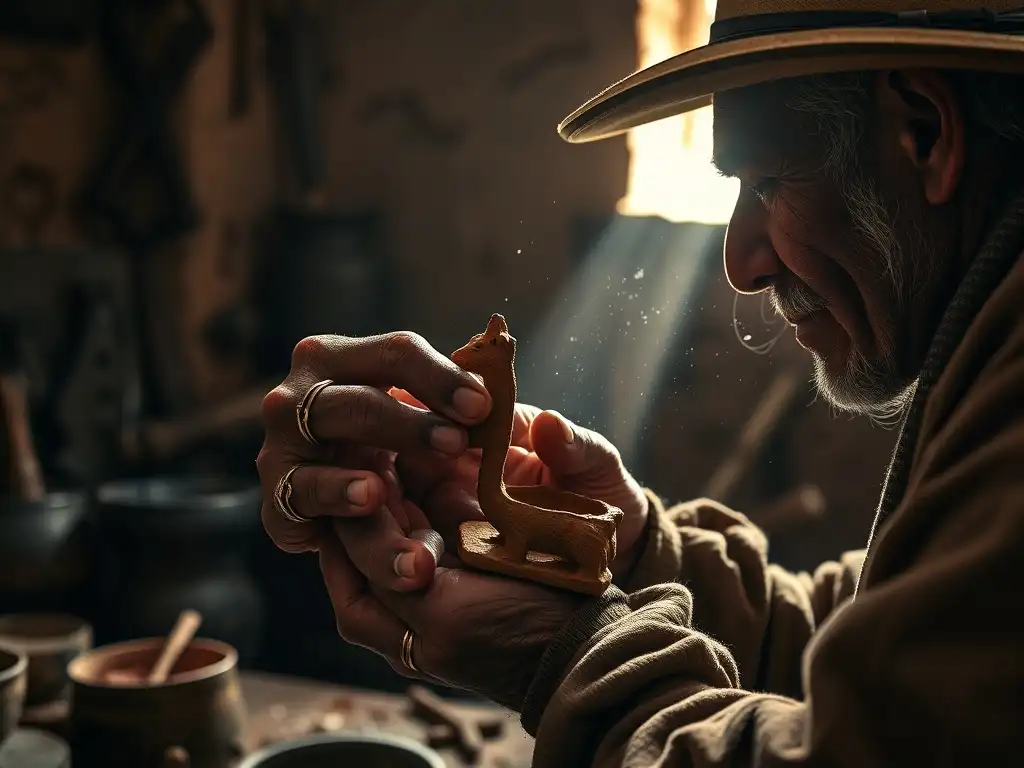
The mastery of Andean lost-wax casting techniques represents a remarkable achievement in pre-Columbian technology. These sophisticated methods, refined over centuries, allowed Andean cultures to create intricate and aesthetically stunning metal objects. From delicate figurines to imposing ceremonial items, the legacy of these techniques continues to fascinate and inspire.
The precision and artistry displayed in these artifacts highlight the advanced metallurgical knowledge possessed by ancient Andean societies, far exceeding the simplistic understanding often attributed to pre-Columbian cultures. The complexity of some pieces, incorporating multiple alloys and intricate designs, underscores the specialized skills and collaborative efforts required for their production. Understanding the nuances of these techniques provides crucial insights into the social structures, religious beliefs, and artistic expressions of these remarkable civilizations.
The sheer scale of production in some regions suggests organized workshops and potentially specialized artisan castes, further enriching our understanding of Andean societal organization. Analyzing the chemical composition of the metals used and the techniques employed reveals a deep understanding of material science, far surpassing what many might assume about pre-Columbian metallurgists.
Influence on Contemporary Metalworking
The influence of ancient Andean lost-wax casting techniques extends far beyond the realm of historical study. Contemporary metalworkers continue to draw inspiration from these methods, adapting and refining them for modern applications. The enduring appeal of lost-wax casting lies in its versatility and ability to produce highly detailed and intricate designs.
Many contemporary artists and artisans utilize variations of these ancient techniques, creating both functional and artistic pieces that echo the aesthetic sensibilities of their Andean predecessors. The principles of creating a wax model, building an investment mold, and melting out the wax to pour in molten metal remain fundamentally the same, highlighting the timeless nature of this process. However, modern advancements in materials science and technology have allowed for refinements, such as the use of more durable investment materials and more precise temperature control during the casting process.
This evolution demonstrates a fascinating interplay between ancient wisdom and modern innovation, proving the enduring relevance of Andean metallurgical knowledge. The study of these ancient techniques continues to inform and inspire contemporary metalworking practices, showcasing a direct link between past and present. This continuous evolution highlights the lasting impact of Andean ingenuity on global metalworking traditions.
Preservation and Study of Ancient Andean Artifacts
The preservation and study of ancient Andean artifacts cast using lost-wax techniques are crucial for understanding the technological advancements and artistic achievements of these cultures. Careful excavation and conservation efforts are essential to protect these fragile objects from deterioration. Advanced imaging techniques, such as X-ray fluorescence and computed tomography (CT) scanning, allow researchers to analyze the internal structure of artifacts non-destructively, revealing details about the casting process and the materials used.
This non-invasive analysis provides invaluable insights into the techniques employed by Andean metallurgists without damaging the precious artifacts. Furthermore, meticulous documentation of these artifacts, including detailed descriptions, photographic records, and chemical analyses, is crucial for preserving knowledge and facilitating future research. The establishment of museum collections and research centers dedicated to Andean artifacts is vital for the long-term preservation and study of these invaluable objects, ensuring that future generations can appreciate and learn from the ingenuity of these ancient civilizations.
The careful preservation and ongoing study of these artifacts are paramount to understanding the sophisticated metallurgical practices of Andean cultures. Careful cataloging and digital archiving are also crucial for accessibility and research collaboration.
The Importance of Understanding Pre-Columbian Technology
Understanding pre-Columbian Andean technology, particularly the advanced lost-wax casting techniques, challenges Eurocentric narratives that often underestimate the technological capabilities of non-European societies. The sophistication of Andean metallurgy demonstrates a high level of scientific and engineering knowledge, revealing complex understandings of materials science, thermodynamics, and engineering design. This understanding is vital for correcting historical biases and providing a more accurate and nuanced appreciation of Andean civilizations.
The study of Andean lost-wax casting techniques contributes to a broader understanding of technological development across different cultures and time periods, challenging linear models of progress and demonstrating the independent development of complex technologies in diverse parts of the world. By recognizing and celebrating the achievements of Andean metallurgists, we gain a richer perspective on human ingenuity and the diverse paths of technological innovation.
This reassessment of pre-Columbian technology fosters a more inclusive and accurate understanding of world history, showcasing the remarkable achievements of Andean cultures and their lasting contributions to human civilization. The study of Andean lost-wax casting offers a valuable counter-narrative to simplistic and often inaccurate portrayals of pre-Columbian societies.
Future Directions in Research of Andean Metallurgy
The study of Andean lost-wax casting techniques, while significantly advanced, still holds numerous avenues for future research. Several key areas require further investigation to fully understand the complexities and nuances of this ancient metallurgical practice. One crucial area is the analysis of the lost-wax process itself.
While we have a good understanding of the general procedure, more research is needed to pinpoint the specific variations employed by different Andean cultures and across different time periods. Detailed studies analyzing the types of waxes used, the intricacies of mold construction, and the specific casting techniques employed would offer invaluable insights. This could involve advanced chemical analysis of recovered artifacts to identify wax residues or the precise composition of the metal alloys used.
Furthermore, comparing the techniques used across geographical regions could reveal fascinating patterns of cultural exchange and technological innovation. For example, did the Moche independently develop their sophisticated lost-wax techniques, or did they borrow and adapt existing methods from other cultures? Comparative analysis of artifacts and archaeological evidence could answer this question.
Another promising avenue of research involves the social and economic aspects of Andean metallurgy. Who were the artisans responsible for creating these exquisite metal objects? What was their social status within their communities? How was the production of metal goods organized and managed? Were there specialized workshops or guilds?
By investigating the distribution patterns of metal artifacts and the context of their discovery, archaeologists can gain a better understanding of the social and economic structures that supported Andean metallurgy. This requires interdisciplinary approaches, combining archaeological findings with anthropological and sociological perspectives. For instance, studies on the relationship between metal production and social stratification could illuminate the role of metallurgy in shaping Andean societies. Did access to metal goods reflect social status, or were these objects used for ritual or ceremonial purposes, transcending social boundaries?
Finally, the preservation and conservation of Andean metallurgical artifacts present a critical challenge and opportunity for future research. Many artifacts are deteriorating due to environmental factors and the passage of time. Developing improved conservation techniques to safeguard these invaluable pieces of history is crucial.
This requires collaboration between archaeologists, conservators, and materials scientists to identify the most effective methods for preserving the integrity of these fragile objects. Advanced imaging techniques, such as X-ray micro-computed tomography (micro-CT), can provide non-invasive analyses of the internal structure of artifacts, allowing researchers to study the casting process in unprecedented detail without damaging the objects.
This research can inform best practices for conservation and ensure that these remarkable examples of Andean ingenuity are preserved for future generations to appreciate and learn from. The continued exploration of these avenues promises to significantly enhance our understanding of Andean lost-wax casting techniques and their profound impact on Andean civilizations.
Frequently Asked Questions
What is lost-wax casting, and how was it used in Andean civilizations?
Lost-wax casting is an ancient method of metalworking where a wax model of the desired object is created, covered in clay, heated to melt the wax, and then molten metal is poured into the resulting mold. Andean cultures like the Inca and Moche mastered this technique to create intricate gold and silver artifacts.
How did Andean metalworkers prepare the wax models for casting?
Andean artisans skillfully modeled the wax using various tools, often creating incredibly detailed figures and objects. They then assembled the pieces, creating complex forms before preparing the mold for casting.
What types of metals were commonly used in Andean lost-wax casting?
Gold, silver, copper, and bronze were the most common metals used in Andean lost-wax casting. The availability of these metals varied regionally, influencing the styles and types of artifacts produced across different Andean cultures.
What is unique about Andean lost-wax casting techniques compared to other cultures?
While the basic principle of lost-wax casting was known globally, Andean metalworkers developed unique alloys and highly refined techniques resulting in exceptionally fine detail and intricate designs in their finished pieces. Their mastery of surface decoration is also noteworthy.
Where can I see examples of Andean lost-wax casting today?
Many examples of Andean lost-wax casting are on display in museums worldwide, including the Larco Museum in Lima, Peru, and other institutions showcasing pre-Columbian art. You can also find images and information online through academic databases and museum websites.
Final Reflection: The Enduring Legacy of Andean Lost-Wax Mastery
The intricate artistry of Andean lost-wax casting continues to resonate today, a testament to the ingenuity and cultural depth of ancient Andean civilizations. These techniques, far from being relics of a bygone era, offer invaluable insights into the sophisticated metallurgical practices and societal structures that shaped the Andes. Their enduring power lies not just in their technical brilliance, but in their ability to illuminate the human spirit's capacity for innovation and artistic expression.
The impact of Andean lost-wax casting extends far beyond the realm of archaeology; it speaks to the enduring power of cultural heritage and its influence on contemporary art and craftsmanship. The precision, the artistry, the sheer dedication evident in these ancient artifacts continues to inspire artists and artisans worldwide. The past is never dead. It's not even past.
- William Faulkner. This quote perfectly encapsulates the ongoing relevance of understanding and appreciating these techniques, as they offer a tangible connection to a rich and complex history. Their survival, often in fragmented form, speaks volumes about the resilience of both the objects themselves and the cultural memory they embody.
Consider, for a moment, the skill and patience required to create these masterpieces. Imagine the collaborative effort, the transmission of knowledge across generations, the deep understanding of materials and processes that underpinned this remarkable tradition. You, the reader, are now part of this ongoing conversation.
By engaging with the history of Andean lost-wax casting, you are not simply absorbing information; you are connecting with a legacy of human creativity and ingenuity that continues to shape our world. Let the artistry and innovation of these ancient techniques inspire you to explore your own creative potential and appreciate the enduring power of human craftsmanship.
Unveil the Art of Lost-Wax Casting Today!
Thank you for exploring the fascinating world of Andean metallurgy and the intricate techniques of lost-wax casting. You've discovered how these timeless methods shaped ancient cultures, and now it's time to put your knowledge into practice!
Here are some suggestions to continue your journey:
- **Experiment with lost-wax casting**. Start with a simple project using readily available materials. Many excellent beginner tutorials are available online.
- **Connect with other enthusiasts**. Join a local workshop or online community to share your passion with fellow artisans.
- **Share your creations and discoveries**. Post about your experiences on social media or your blog. We'd love to see your work and celebrate the beauty of Andean-inspired craftsmanship with you!
What aspect of lost-wax casting most captivates you, and how will you delve deeper into it? Share your thoughts below!