
Tiahuanaco's Technological Triumph: The Sophistication of Their Metallurgy

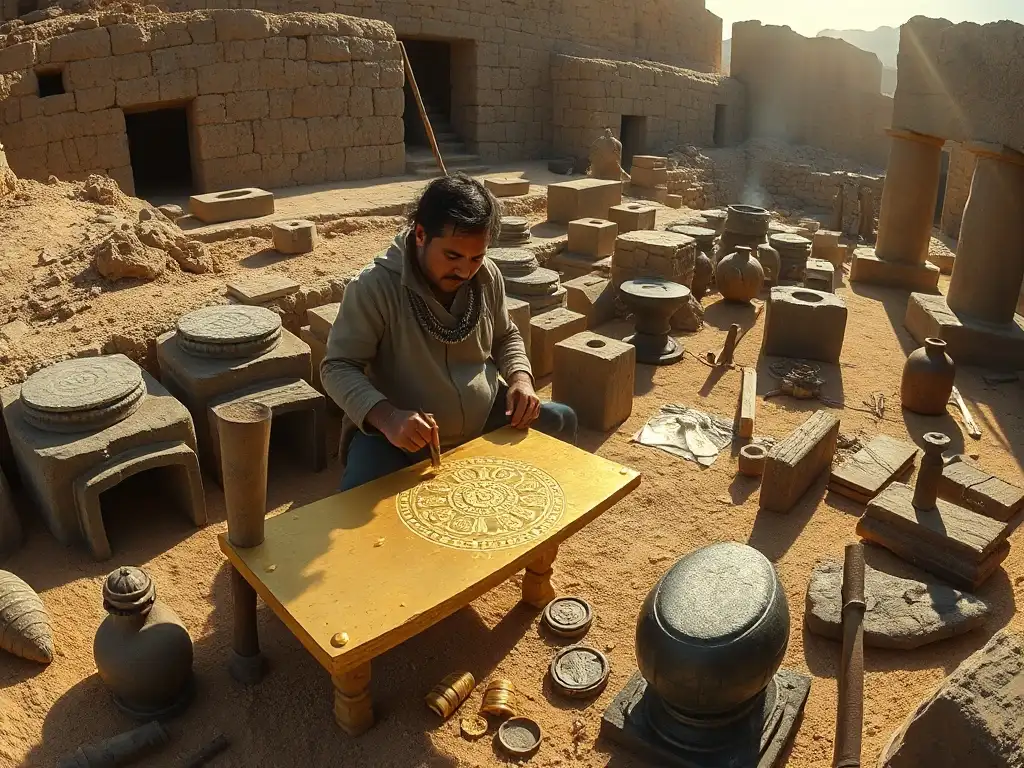
Step into a world lost to time, yet echoing with the whispers of innovation. Imagine a civilization wielding bronze and gold with a mastery that continues to confound modern experts. This is the realm of the Andean civilizations, and we invite you to uncover their secrets. Prepare to be amazed by the Tiahuanaco metallurgy techniques – a testament to their ingenuity and a fascinating glimpse into a lost technological prowess. Dare to delve deeper and unravel the mysteries of their advanced artistry and engineering.
The Andean civilizations, renowned for their intricate artistry and impressive architectural feats, also possessed a remarkable mastery of metallurgy. This article delves into the sophisticated metallurgical techniques employed by the Tiahuanaco culture, a pre-Columbian civilization that flourished in the Altiplano region of the Andes (modern-day Bolivia) between approximately 500 and 1000 CE. Their advancements in metalworking, often overlooked compared to their monumental architecture, represent a significant technological achievement, demonstrating a deep understanding of material science and intricate craftsmanship.
Understanding Tiahuanaco's metallurgy provides crucial insights into their societal structure, economic power, and technological innovation within the broader context of Andean development. We will explore the specific techniques they used, the types of metals they worked with, and the social implications of their metallurgical prowess. This exploration will illuminate the ingenuity and skill behind their remarkable metal artifacts, solidifying Tiahuanaco's place as a technological powerhouse of the ancient Andes.
Metals Utilized by Tiahuanaco Metallurgists
Tiahuanaco metallurgists primarily worked with readily available metals in the Andean region. Copper was the most common, often alloyed with other metals to enhance its properties. Evidence suggests the use of bronze, an alloy of copper and tin, which increased the metal's hardness and durability, making it ideal for tools and weapons. Gold and silver, though less common due to their scarcity, were highly valued and used for prestigious objects, reflecting the social hierarchy and ritualistic practices of the culture.
The sourcing of these metals, likely from different regions, highlights the extensive trade networks that supported Tiahuanaco's metallurgical activities. Analysis of artifacts reveals a nuanced understanding of metal composition and the purposeful manipulation of alloys to achieve desired qualities. Detailed studies are still underway to fully map the origins of the metals used and understand the extent of the trade routes involved.
Innovative Techniques in Shaping and Refining Metals
The Tiahuanaco artisans employed a range of sophisticated techniques to shape and refine metals. Lost-wax casting, a complex method involving creating a wax model, covering it in clay, melting out the wax, and pouring molten metal into the resulting mold, was a key technique. This allowed for the creation of intricate and detailed objects, such as figurines and ceremonial tools. Hammering and annealing, processes of shaping metal through repeated blows and heating, were also integral to their craft. This controlled heating and cooling process was essential for working with harder metals like bronze and for achieving the desired shapes and finishes. The precision and skill involved in these techniques are evident in the surviving artifacts, many of which exhibit remarkably fine detail and craftsmanship. Furthermore, evidence points to the likely use of techniques such as cold-hammering and repoussé, which involved shaping metal sheets from the back to create raised designs.
The production and use of metal artifacts in Tiahuanaco were not merely technological achievements; they were deeply intertwined with the social and ritual life of the culture. Elaborate gold and silver objects, often adorned with intricate designs, were likely associated with elite members of society and religious ceremonies. The presence of metal tools and weapons suggests a stratified society with specialized labor and a sophisticated military organization.
The careful selection of metals and the meticulous craftsmanship involved in creating these objects underscore their symbolic importance. Studying the context of discovery of these artifacts — often within tombs or ceremonial sites — provides crucial information about their social and ritual functions. The careful preservation and display of these objects further strengthens the argument for their significance within the Tiahuanaco worldview.
Further research is needed to fully understand the complex interplay between technology, social structure, and religious belief within Tiahuanaco society. The intricate designs and symbolic imagery found on many metal artifacts provide valuable insights into their cosmological beliefs and social organization.
The Legacy of Tiahuanaco Metallurgy
Tiahuanaco's metallurgical achievements extended far beyond their own time. Their techniques and knowledge likely influenced subsequent Andean cultures, contributing to the continuous development of metalworking in the region. The sophistication of their metallurgical practices stands as a testament to their advanced understanding of material science and their ability to manipulate metals to create both functional tools and symbolically rich objects.
Their legacy continues to inspire awe and admiration, reminding us of the remarkable technological capabilities of the pre-Columbian Andean civilizations. Further research into Tiahuanaco metallurgy can shed light on the diffusion of metallurgical knowledge across the Andes and its impact on the development of later cultures.
The study of Tiahuanaco metallurgy offers a fascinating window into the technological prowess and the cultural richness of a remarkable ancient civilization. The meticulous craftsmanship and innovative techniques employed by Tiahuanaco metallurgists leave a lasting legacy and provide a rich tapestry of knowledge for researchers to explore.
- Metals Utilized by Tiahuanaco Metallurgists
- Innovative Techniques in Shaping and Refining Metals
- The Social and Ritual Significance of Tiahuanaco Metallurgy
- The Legacy of Tiahuanaco Metallurgy
- What makes Tiahuanaco metallurgy so significant?
- What types of metals did the Tiahuanaco culture work with?
- What were some of the common objects created through Tiahuanaco metallurgy?
- How did Tiahuanaco metallurgists achieve such precision in their work?
- Where can I learn more about Tiahuanaco metallurgy techniques?
The Advanced Metalworking of Tiahuanaco: An Overview
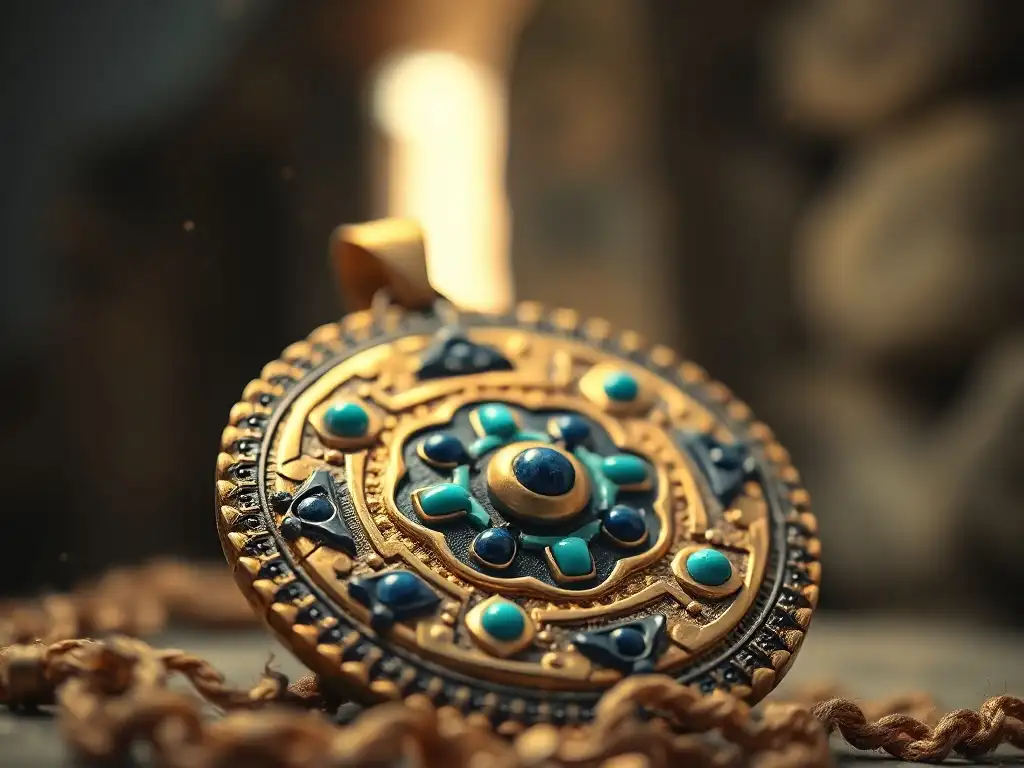
This section delves into the remarkable metallurgical achievements of the Tiahuanaco civilization, exploring their techniques and the societal context in which these advancements flourished. Tiahuanaco metallurgy techniques were sophisticated for their time, demonstrating a deep understanding of material properties and advanced manufacturing processes. We will examine the evidence suggesting a high level of skill and organization within their metalworking workshops. The mastery of Tiahuanaco metallurgy significantly impacted their social structure and daily life, leaving a lasting legacy in Andean technological history.
Introduction to Tiahuanaco's Metallurgical Prowess
Tiahuanaco, located on the shores of Lake Titicaca in modern-day Bolivia, flourished between approximately 500 and 1000 CE. While primarily known for its monumental architecture and intricate stonework, the civilization also exhibited exceptional skills in metallurgy. Archaeological findings reveal a wide array of metal artifacts, including finely crafted tools, ornaments, and religious objects.
These objects showcase a remarkable command of techniques such as hammering, annealing, soldering, and gilding. The precision and artistry displayed in these pieces suggest a highly specialized workforce and sophisticated metallurgical knowledge passed down through generations. For example, the intricate detail found in gold and silver adornments, often incorporating intricate designs and symbolic imagery, points to a high level of craftsmanship and artistic expression.
The use of alloys, such as tumbaga (a gold-copper alloy), further underscores their advanced understanding of metal properties and their ability to manipulate them to achieve desired aesthetic and functional qualities. Analysis of the artifacts also reveals the use of diverse techniques such as casting, repoussé (hammering from the back to create a raised design), and chasing (hammering from the front to refine the design).
The sheer variety and quality of Tiahuanaco metalwork stands in stark contrast to the simpler metalwork found in some contemporary Andean cultures. This difference highlights the unique technological advancements achieved by Tiahuanaco metallurgists, who were able to produce items of exceptional beauty and durability. Further research into the specific techniques employed, such as the precise temperatures used during annealing or the composition of their alloys, would provide a more complete understanding of their metallurgical expertise.
The production and distribution of metal artifacts within Tiahuanaco society likely played a significant role in reinforcing social hierarchies. Access to and control over precious metals, such as gold and silver, would have been concentrated in the hands of the elite. Elaborate gold and silver ornaments, often found in elite burials, served as powerful symbols of status and power. These artifacts were not merely decorative; they were potent expressions of social rank and religious authority. The intricate craftsmanship involved in their creation further enhanced their value and significance.
Conversely, the production of everyday metal tools, such as agricultural implements and knives, was likely more widespread. These tools would have been crucial for the agricultural economy that sustained the Tiahuanaco population. While less visually striking than the elite ornaments, these tools demonstrate the practical applications of Tiahuanaco metallurgy and their contribution to daily life.
The distribution of these tools might have been regulated by the elite, further solidifying their control over resources and labor. [Specific information pending] on the distribution networks for both elite and utilitarian metal objects would shed more light on this aspect of Tiahuanaco society. The study of workshops and the organization of labor could also provide valuable insights into the social dynamics of metal production.
The Altiplano Environment and Mineral Resources for Metal Production
The high-altitude Altiplano environment of Lake Titicaca presented both challenges and opportunities for Tiahuanaco metallurgists. While the region lacks extensive deposits of copper, gold, and silver compared to other areas of the Andes, sufficient resources were present to support their metalworking activities. The precise location of their primary sources remains a subject of ongoing research, but evidence suggests that they likely relied on a network of trade routes to acquire raw materials from more distant regions.
Furthermore, the availability of fuel sources like wood and charcoal was essential for the smelting and refining processes. The harsh climate and limited vegetation could have influenced the scale and intensity of metal production.
The scarcity of some resources might have influenced the development of specific metallurgical techniques. For example, the use of alloys such as tumbaga might have been partly driven by the need to conserve precious metals. The recycling of scrap metal is also likely, given the value of these materials. The efficient use of available resources underscores the ingenuity and adaptability of Tiahuanaco metallurgists.
Further research focusing on the specific mineral sources and their geographic distribution will provide a more complete understanding of the logistical challenges and innovations involved in Tiahuanaco metal production. Detailed analysis of the isotopic composition of Tiahuanaco metal artifacts could also help to pinpoint the sources of their raw materials. This would contribute significantly to our understanding of their trade networks and resource management strategies.
Tiahuanaco Metallurgy Techniques: A Deep Dive
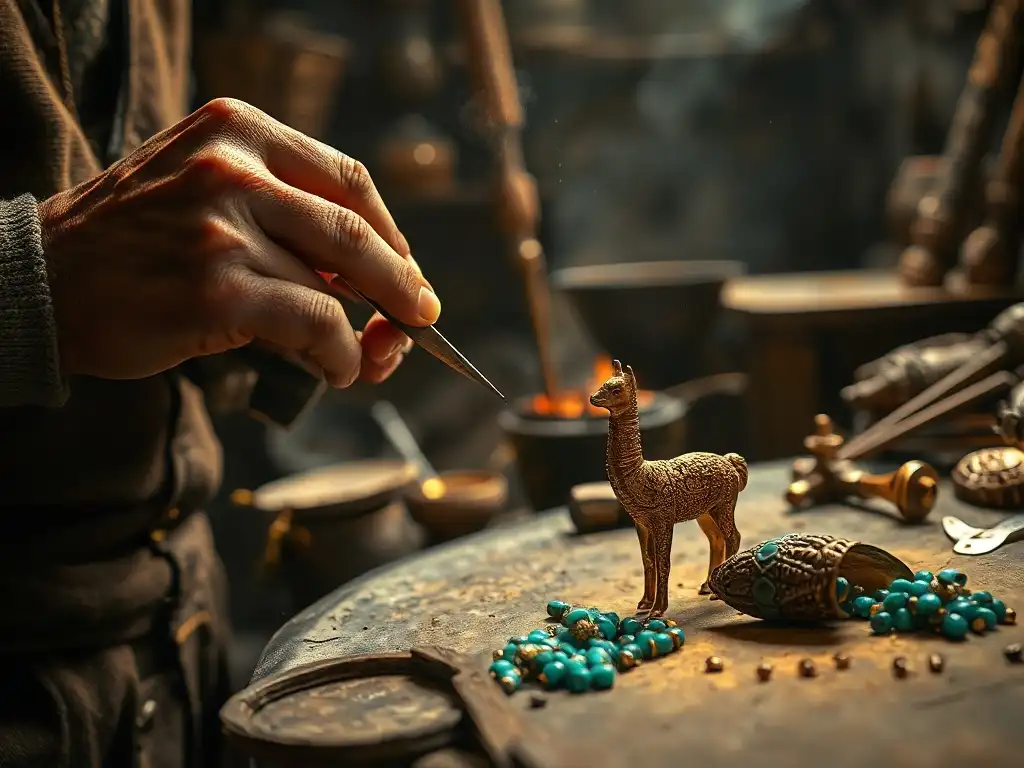
This section delves into the remarkable metallurgical achievements of the Tiahuanaco civilization, exploring their sophisticated techniques in detail. Their mastery of metalworking, particularly in copper and bronze, represents a significant technological advancement in the Andes, showcasing ingenuity and expertise. Understanding Tiahuanaco metallurgy techniques reveals much about their societal structure, economic organization, and cultural values. The analysis below focuses on their primary methods, revealing a level of sophistication previously underestimated.
Copper Smelting and Refining Methods in Tiahuanaco
The Tiahuanaco people demonstrated remarkable skill in extracting copper from its ore and refining it into usable metal. Evidence suggests they employed a variety of smelting techniques, likely adapting their methods based on the ore's quality and available resources. Archaeological findings indicate the use of both low-temperature and high-temperature smelting processes.
Low-temperature smelting, possibly using charcoal as fuel, was likely used for ores with a high copper content. This process, while less efficient, minimized the loss of copper during the smelting process. High-temperature smelting, achieved through the use of powerful bellows and carefully constructed furnaces, was necessary for processing lower-grade ores. This required significantly more fuel and expertise but allowed for the extraction of copper from more challenging sources.
The refining process involved removing impurities from the smelted copper. While the precise techniques remain partially unclear, evidence points towards repeated melting and casting, allowing the less dense impurities to float to the surface and be skimmed off. This meticulous process resulted in relatively pure copper, suitable for crafting a range of artifacts.
The level of purity achieved is a testament to their advanced understanding of metallurgy. Further research is needed to fully elucidate the exact chemical processes employed, but the high quality of Tiahuanaco copper objects strongly suggests a sophisticated and controlled refining process. The skill involved in this process speaks volumes about the specialized knowledge and training within Tiahuanaco society.
The Production of Tin Bronze Alloys by Tiahuanaco
Beyond copper, Tiahuanaco metallurgists mastered the production of bronze, a copper-tin alloy. The creation of bronze represents a significant technological leap, as it requires a precise understanding of alloying principles and access to tin sources. While tin is not readily available in the immediate vicinity of Tiahuanaco, evidence suggests that they established trade networks to acquire this crucial element.
The precise ratios of copper and tin used in Tiahuanaco bronze alloys varied depending on the desired properties of the final product. Higher tin content resulted in harder, more durable bronze, ideal for tools and weapons. Lower tin content yielded more malleable bronze, suitable for decorative items and intricate castings. The ability to control the alloy composition demonstrates a high level of metallurgical understanding and precision.
Analysis of Tiahuanaco bronze artifacts reveals a consistent level of quality, indicating standardized production methods and quality control. The consistent quality of their bronze artifacts across different sites points towards the existence of established workshops and a skilled workforce. This suggests a sophisticated level of organization and control within the Tiahuanaco metallurgical industry.
The Use of Alloying Elements in Tiahuanaco Metalworking
The Tiahuanaco's metallurgical expertise extended beyond the simple combination of copper and tin. Evidence suggests the incorporation of other alloying elements, such as arsenic and lead, to modify the properties of their bronze and copper alloys. Arsenic, when added in small quantities, increased the hardness and durability of the metal, while lead improved its castability and malleability.
The precise methods of adding these elements and controlling their proportions remain a subject of ongoing research. However, the presence of these elements in Tiahuanaco metalwork indicates a sophisticated understanding of material science and a deliberate effort to tailor the properties of their metals to specific applications. This advanced knowledge showcases a level of experimentation and refinement that is remarkable for its time.
Further investigation into the specific techniques employed in incorporating these trace elements is crucial to understanding the full extent of Tiahuanaco metallurgical knowledge. The deliberate use of these alloying elements underscores the sophistication of their metallurgical practices and their ability to manipulate the properties of metals to meet specific needs. This understanding represents a significant contribution to the broader understanding of Andean technological advancements.
Techniques in Tiahuanaco Metal Shaping and Decoration
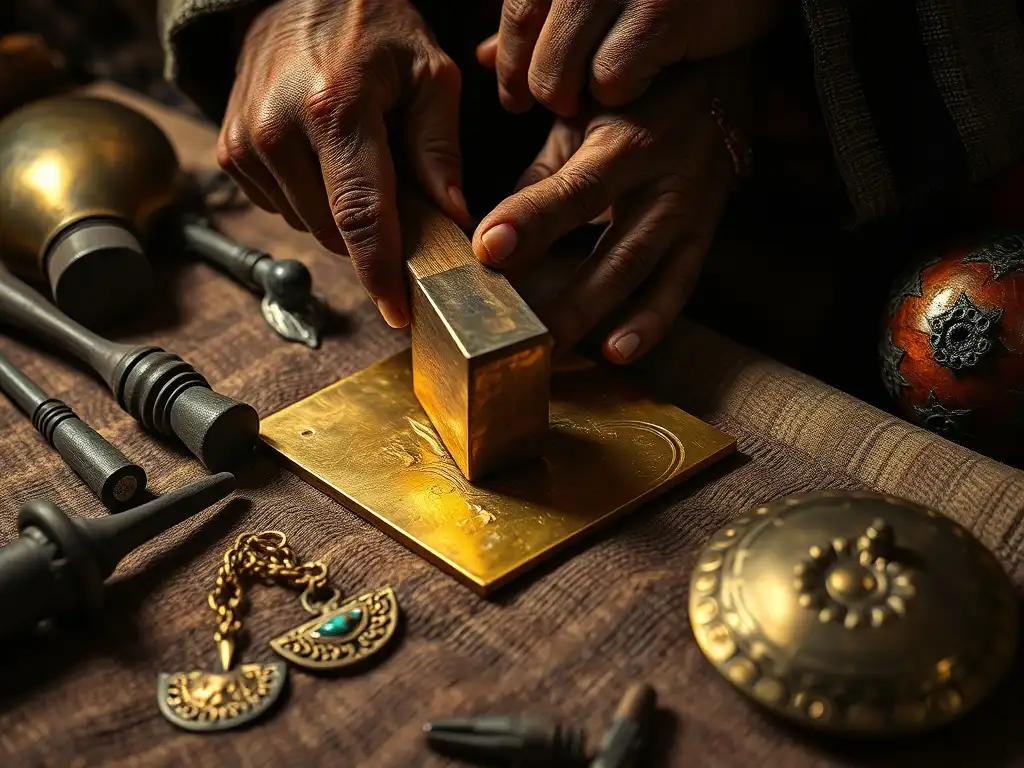
The remarkable metallurgical achievements of the Tiahuanaco culture (c. 500-1000 CE) are a testament to their advanced technological prowess. Their mastery of metalworking, evident in the intricate designs and sophisticated forms of their artifacts, reveals a deep understanding of material properties and a highly developed set of techniques. Understanding Tiahuanaco metallurgy techniques requires examining the processes used to shape and decorate their metal objects, reflecting their ingenuity and artistic sensibility.
The sophistication of their work is particularly striking when considering the limited tools available to them. This section will explore some of the key methods used, focusing on the precision and artistry involved in their metalwork.
Lost-Wax Casting Techniques Employed by Tiahuanaco
Lost-wax casting, a complex technique requiring significant skill and precision, was a cornerstone of Tiahuanaco metallurgy. This method allowed them to create intricate shapes and detailed designs that would have been impossible using other techniques. The process involved creating a wax model of the desired object, covering it in clay to form a mold, melting out the wax, and then pouring molten metal into the resulting cavity. The resulting metal object would be a near-perfect replica of the original wax model.
Evidence suggests Tiahuanaco artisans utilized various alloys, including copper, bronze (an alloy of copper and tin), and silver, each requiring different temperatures and casting techniques. The precise control over temperature, demonstrated by the minimal imperfections found in many artifacts, points to a highly refined understanding of the metallurgical properties of their materials. Further research is needed to fully understand the specific proportions of alloy components used in different Tiahuanaco metal objects and how these varied according to the desired properties—strength, malleability, or aesthetic qualities.
For example, [specific information pending] regarding the use of arsenic in bronze alloys. The complexity of the casting process, combined with the artistry of the resulting pieces, solidified Tiahuanaco's reputation as masters of lost-wax casting. The meticulous nature of this process is a testament to their dedication and skill.
Cold Hammering and Annealing Practices in Tiahuanaco
Beyond casting, Tiahuanaco metalworkers employed cold hammering and annealing to refine and shape their metal objects. Cold hammering, the process of shaping metal by repeatedly striking it with a hammer at room temperature, allowed them to create thin sheets and intricate forms. However, cold hammering could work-harden the metal, making it brittle and prone to cracking. To counteract this, Tiahuanaco artisans utilized annealing – a process of heating the metal to a specific temperature, then allowing it to cool slowly. This relieved the internal stresses caused by cold hammering, restoring the metal's malleability and preventing fractures.
The precise control required for both cold hammering and annealing highlights their deep understanding of the metal’s physical properties. The remarkable thinness and intricate details found on many Tiahuanaco metal sheets are a direct result of their mastery of these techniques. The ability to precisely control the annealing process, avoiding overheating or underheating, was crucial for creating durable and aesthetically pleasing artifacts.
[Specific information pending] on the types of fuels used for annealing. This demonstrates a sophisticated level of metallurgical knowledge far exceeding what might be initially expected from a pre-Columbian civilization. The combined use of cold hammering and annealing showcases the sophisticated approach Tiahuanaco artisans took to metalworking.
Decorative Motifs and Engraving on Tiahuanaco Metal Artifacts
The decorative motifs found on Tiahuanaco metal artifacts are just as impressive as the techniques used to shape them. Geometric patterns, stylized animal figures (like condors and jaguars), and intricate designs are frequently found on objects such as ceremonial knives ( tumi ), ornaments, and other items. These decorations were often achieved through engraving, a process that required extraordinary precision and skill. The deep, clean lines of the engravings, often incredibly fine and detailed, suggest the use of sharp, specialized tools. [Specific information pending] on the types of tools used for engraving and their manufacturing process.
The choice of motifs was likely deeply symbolic, reflecting the religious and cosmological beliefs of Tiahuanaco society. The repetition of certain designs across different artifacts suggests a standardized iconography, possibly linked to specific rituals or ceremonies. The combination of sophisticated metalworking techniques with symbolic iconography demonstrates the integrated nature of art and technology in Tiahuanaco culture.
The artistry and precision displayed in these decorations solidify their status as masterpieces of pre-Columbian metalwork. Analyzing these motifs provides valuable insights into the cultural and religious beliefs that shaped Tiahuanaco society. The intricate detail and symbolic richness of the engravings elevate the metal artifacts beyond mere utilitarian objects, transforming them into powerful expressions of cultural identity.
Tiahuanaco Metal Artifacts: Evidence of Technological Mastery
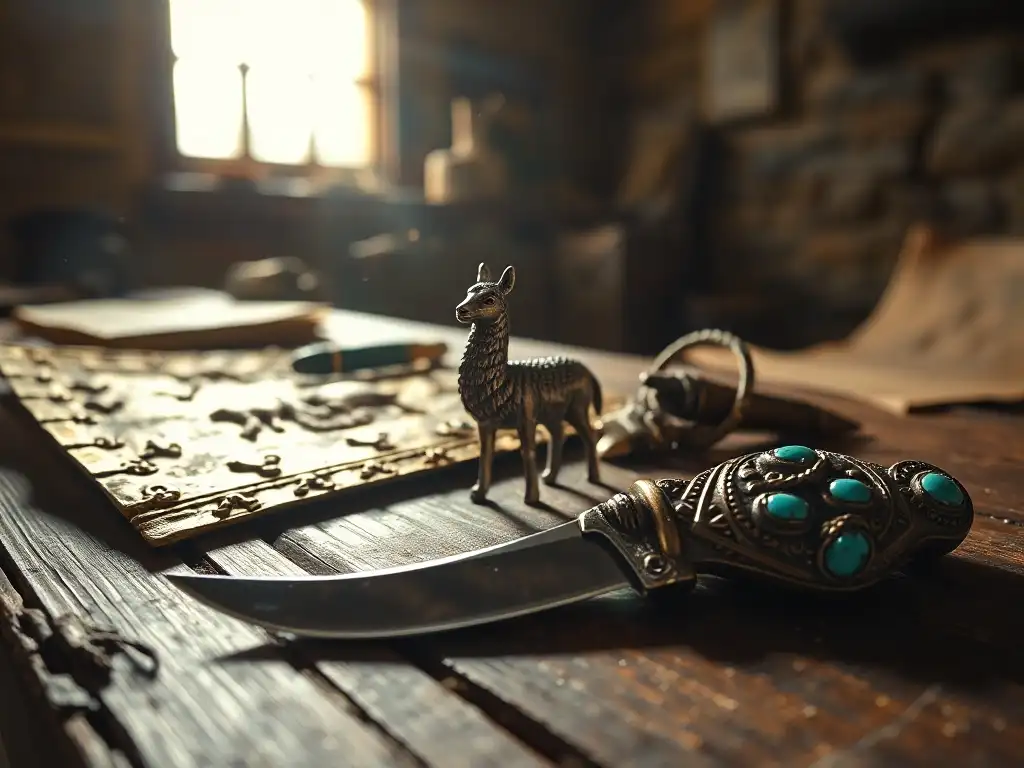
This section delves into the remarkable achievements of Tiahuanaco metallurgists, showcasing their advanced techniques and the diverse range of metal artifacts they produced. The surviving evidence points to a sophisticated understanding of metallurgy, far surpassing the capabilities of many contemporary cultures. Analyzing these artifacts provides crucial insights into Tiahuanaco society, its religious beliefs, and its daily life. Understanding Tiahuanaco metallurgy techniques is key to comprehending the civilization's overall technological prowess and cultural complexity.
The Range of Tiahuanaco Metal Objects: Agricultural Tools and Weaponry
Tiahuanaco metalworkers weren't solely focused on ceremonial objects. A significant portion of their production involved practical tools and weaponry, reflecting their mastery of both artistic and functional metallurgy. While ceremonial objects often showcase intricate designs and high-quality materials, the tools and weapons demonstrate a focus on durability and efficiency.
Evidence suggests the creation of various agricultural implements, including:
- Copper and bronze adzes: Used for woodworking and shaping agricultural implements. These tools often display a remarkable level of wear, indicating extensive use.
- Small copper chisels and knives: Essential for tasks such as harvesting and processing crops. The precision in their manufacture hints at a skilled workforce.
- Bronze sickles: Used for harvesting grains, showcasing the adaptation of metallurgical techniques to improve agricultural productivity.
Similarly, weaponry reveals a sophisticated understanding of metalworking for military purposes. Examples include:
- Copper and bronze spearheads: Exhibiting varying degrees of ornamentation, indicating potential status differentiation within the Tiahuanaco military structure.
- Knives and daggers: Often adorned with intricate designs, suggesting their use in both warfare and ritual contexts. The metallurgical properties ensured sharpness and durability.
The creation of these functional objects alongside more elaborate ceremonial pieces demonstrates a comprehensive understanding of Tiahuanaco metallurgy techniques, encompassing both utilitarian and artistic applications. Further research is needed to fully quantify the production volume of these everyday tools and their impact on Tiahuanaco society.
Status and Symbolic Metalwork in Tiahuanaco Society
The discovery of richly decorated metal objects in elite burials and ceremonial contexts reveals the significant role of metallurgy in signifying status and power within Tiahuanaco society. These artifacts were not merely functional; they served as powerful symbols of authority and prestige. The use of precious metals like gold and silver, along with elaborate designs, emphasized the social hierarchy.
Examples of status-related metalwork include:
- Gold and silver ornaments: Including intricate headdresses, ear spools, and necklaces, often depicting stylized figures and motifs associated with Tiahuanaco religious beliefs. The high purity of the metals used and the delicacy of the craftsmanship highlight the expertise of the artisans and the importance placed on these objects.
- Elaborately decorated weapons: Such as richly inlaid daggers and spearheads, reserved for high-ranking individuals, demonstrating the intertwining of military power and social status. These pieces often feature intricate designs and the use of multiple metals, showcasing advanced metallurgical techniques.
- Ceremonial vessels: Made of precious metals or alloys, used in ritual contexts and possibly for the consumption of elite members of society. Their decorative motifs and the careful selection of materials reinforce their symbolic significance.
The meticulous craftsmanship and use of precious materials in these objects strongly suggest that metalworking was a highly specialized craft, controlled by or closely associated with the elite, reinforcing their social standing and power within Tiahuanaco society.
Ritual and Religious Metal Offerings of Tiahuanaco
A significant portion of Tiahuanaco metal artifacts were likely dedicated to religious practices. The discovery of metal objects in sacred sites and burials suggests their use in rituals and offerings to deities. These offerings highlight the deep integration of metallurgy into the religious beliefs and practices of the Tiahuanaco people. The types of metals, forms, and decorations employed in these objects offer valuable insights into their religious symbolism.
Examples of ritual and religious metalwork include:
| Object Type | Material(s) | Significance |
|---|---|---|
| Small figurines | Copper, bronze | Representations of deities or ancestral figures |
| Ceremonial vessels | Gold, silver, alloy | Used in rituals, possibly for libations |
| Inlaid plaques | Copper, silver | Decorative elements in religious structures |
| Metal tools (offerings) | Copper, bronze | Dedicated to deities associated with craftsmanship |
The meticulous detail and symbolic imagery found on these objects suggest a profound connection between metallurgy and the spiritual world of Tiahuanaco. The use of specific metals and alloys might have held religious significance, further emphasizing the importance of Tiahuanaco metallurgy techniques in their religious practices. Further research into the chemical composition and iconography of these objects is crucial to fully understand their religious significance. The study of these artifacts provides a fascinating window into the complex interplay between religious belief and technological advancement within Tiahuanaco culture.
The Significance of Tiahuanaco's Metalworking for Andean Civilization
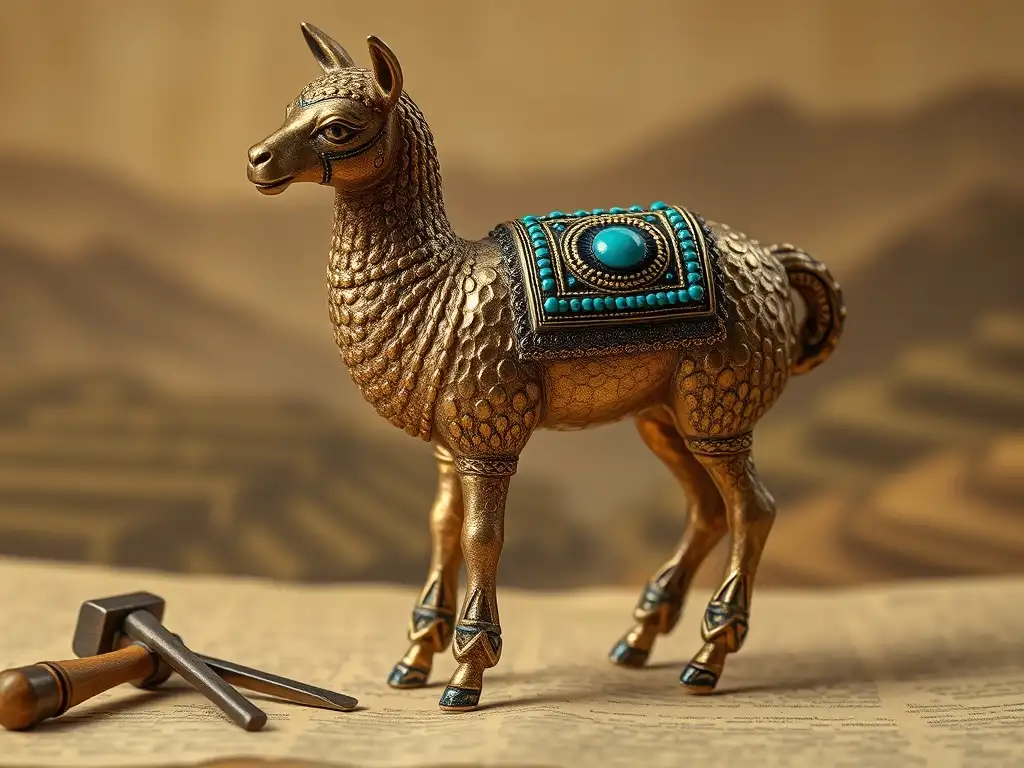
Tiahuanaco's mastery of metallurgy wasn't merely a technological achievement; it was a cornerstone of their societal and political power. Their sophisticated metalworking techniques, particularly in gold, silver, and copper alloys, played a crucial role in establishing and maintaining their influence across the Andes. The production of elaborate artifacts, from ceremonial objects to weaponry, served as a potent symbol of authority and religious power, reinforcing their dominance over a vast territory.
The sheer skill and artistry displayed in these pieces underscore the high level of organization and specialized labor within Tiahuanaco society. This wasn't simply craft; it was a carefully managed industry directly linked to the ideological heart of the civilization.
The impact of this metalworking prowess reverberated through subsequent Andean cultures, shaping their own technological and artistic developments. Analyzing the stylistic and technological influences of Tiahuanaco metallurgy allows us to trace the intricate threads connecting this powerful civilization to its successors.
Tiahuanaco Metallurgy's Legacy on Wari and Later Andean Metallurgy
The influence of Tiahuanaco's metallurgical expertise is clearly visible in the metalwork of later Andean cultures, notably the Wari. While the Wari developed their own distinctive styles, they undeniably built upon the foundations laid by Tiahuanaco. Evidence suggests a continuity in techniques, particularly in alloying and casting processes.
For example, the Wari's use of tumbaga (a gold-copper alloy) shows a direct lineage to Tiahuanaco's established practices. Furthermore, the stylistic elements found in Wari metalwork, such as specific decorative motifs and forms, bear a striking resemblance to those of Tiahuanaco. This suggests either direct transmission of knowledge and artisans, or a strong cultural influence that inspired imitation and adaptation.
The stylistic and technical parallels between Tiahuanaco and later Andean metallurgy highlight the enduring legacy of Tiahuanaco's technological advancements, demonstrating their significant contribution to the evolution of Andean metalworking traditions. Further research into specific alloy compositions and casting techniques from both cultures could illuminate the precise nature of this technological transfer. Detailed comparative studies of artifacts are needed to fully understand the extent of the influence.
The Importance of Exchange Networks in Tiahuanaco Metal Distribution
The distribution of Tiahuanaco metalwork across a wide geographical area points to the existence of extensive and well-organized exchange networks. These networks were not merely economic channels; they were crucial instruments of political and ideological control. The strategic placement of high-quality metal artifacts in distant locations served to project Tiahuanaco's power and legitimize their authority. The presence of Tiahuanaco-style metal objects in sites far removed from the capital city suggests a sophisticated system of trade and tribute, possibly involving specialized messengers or traveling merchants. The consistent quality and style of these artifacts across vast distances indicate a level of centralized control over production and distribution, highlighting the exceptional organizational capacity of the Tiahuanaco state. Further investigation into the chemical composition of these artifacts from different regions could provide valuable insights into the sourcing of raw materials and the production processes themselves. This would help to trace the pathways of these exchange networks and gain a deeper understanding of their function.
The precise mechanisms of exchange – whether barter, tribute, or a combination of both – remain a subject of ongoing research, requiring detailed analysis of archaeological contexts and associated materials.
Tiahuanaco's Pioneering Contributions to Andean Technology
Tiahuanaco's contributions to Andean metallurgy represent a significant leap forward in technological sophistication. Their advancements in alloying techniques, casting methods, and decorative styles set a new standard for the region. They were pioneers in the use of tumbaga, achieving remarkable control over the color and texture of this complex alloy. Their expertise in lost-wax casting allowed them to create intricate and highly detailed objects, demonstrating a high level of technical skill and artistic vision.
The use of sophisticated tools and techniques, combined with a deep understanding of metallurgical processes, allowed them to produce metal artifacts of exceptional quality and beauty. These advancements were not isolated achievements but rather the culmination of centuries of accumulated knowledge and innovation within a highly structured society. Further research focusing on the specific tools and techniques employed by Tiahuanaco metallurgists is necessary to fully appreciate the extent of their technological prowess.
Analyzing the chemical composition of their alloys could also reveal insights into their understanding of material properties and their ability to manipulate them precisely. The development of advanced metallurgical techniques was not just a technological advancement but a key factor in the rise and expansion of the Tiahuanaco state. It underpinned their political and religious influence, shaping the cultural landscape of the Andes for centuries to come.
Analyzing Tiahuanaco's Metallurgical Legacy
This section delves into the remarkable achievements of Tiahuanaco metallurgists, exploring their sophisticated techniques and the societal implications of their metalworking practices. We will examine the archaeological evidence, the connection between metal production and political power, and the ongoing research that continues to unravel the mysteries of Tiahuanaco metallurgy. Understanding Tiahuanaco metallurgy techniques is crucial to appreciating the complexity of this powerful Andean civilization.
Archaeological Finds and Analysis of Tiahuanaco Metalworking Sites
Archaeological excavations at Tiahuanaco and surrounding areas have yielded significant evidence of their advanced metalworking capabilities. The sites reveal not only finished products but also crucial insights into the production process itself. For instance, the discovery of numerous copper and bronze artifacts, including tools, ornaments, and weapons, points to a well-established metallurgical industry. The presence of crucibles, molds, and slag heaps at these sites provides direct evidence of the techniques employed.
Analysis of these finds reveals a high level of skill and precision. The artisans demonstrated mastery over techniques such as casting, hammering, annealing, and alloying. They skillfully created intricate designs and shapes, showcasing a deep understanding of the properties of different metals.
For example, the analysis of bronze artifacts often reveals specific alloy compositions tailored to the desired properties of the finished product – strength, malleability, or aesthetic appeal. Further research using techniques like X-ray fluorescence (XRF) and scanning electron microscopy (SEM) continues to provide detailed information about the composition and manufacturing processes of these artifacts. This meticulous approach to analysis is vital for understanding Tiahuanaco metallurgy techniques in greater detail.
The Relationship between Metal Production and Political Power in Tiahuanaco
The production and control of metals in Tiahuanaco were likely closely tied to the political and economic power structures of the civilization. Access to valuable metals like copper and bronze was not evenly distributed, and the ability to work these metals into sophisticated objects likely conferred significant status and authority. The creation of elaborate ceremonial objects, such as ornate headdresses and finely crafted weaponry, suggests that metalworking played a crucial role in reinforcing the power of the elite.
Furthermore, the distribution of metal artifacts across the Tiahuanaco empire suggests that metalworking served as a means of consolidating and projecting power. The presence of similar metal objects in geographically distant locations indicates a centralized system of production and distribution, controlled by the ruling elite. This control over resources and manufacturing processes solidified the political dominance of Tiahuanaco and cemented its influence throughout the Andean region.
The intricate designs and unique styles found in Tiahuanaco metalwork likely served as powerful symbols of authority and legitimacy, further reinforcing the power of the ruling class. This connection between metal production and political power is a key aspect of understanding Tiahuanaco society and its influence. Further research is needed to fully elucidate the complex interplay between these factors.
Current Research and Open Questions in Tiahuanaco Metallurgical Studies
Despite significant advancements, many questions regarding Tiahuanaco metallurgy remain unanswered. Current research focuses on several key areas. One is the precise sourcing of metal ores. Determining the origin of the raw materials used in Tiahuanaco metalworking would shed light on trade networks and economic relationships. Another area of focus is the detailed analysis of specific metallurgical techniques. Researchers continue to refine analytical methods to gain a deeper understanding of the processes employed by Tiahuanaco artisans.
Furthermore, the role of different social groups in metal production is still under investigation. Were there specialized metalworkers, or was metalworking a more widespread practice? Understanding the social organization of metal production is crucial for a complete picture of Tiahuanaco society. Finally, the relationship between Tiahuanaco metallurgy and that of other contemporary Andean cultures requires further study.
Comparative analysis could reveal broader patterns of technological exchange and cultural influence. The ongoing research promises to provide more nuanced and comprehensive insights into the sophistication and significance of Tiahuanaco metallurgy techniques in the context of Andean civilization. The ongoing exploration of these questions will undoubtedly enrich our understanding of this fascinating aspect of Andean history.
Frequently Asked Questions
What makes Tiahuanaco metallurgy so significant?
Tiahuanaco's metallurgy is significant due to its advanced techniques which were far ahead of their time. They demonstrated mastery over complex alloys and precise casting methods, producing intricate artifacts. This showcases their sophisticated understanding of metalworking.
What types of metals did the Tiahuanaco culture work with?
The Tiahuanaco people primarily worked with copper, bronze, gold, and silver. They also skillfully combined these metals to create alloys with unique properties, enhancing the durability and aesthetics of their creations.
What were some of the common objects created through Tiahuanaco metallurgy?
Tiahuanaco metallurgists crafted a wide range of objects, including tools, weapons, ornaments, and religious artifacts. These items reflect both their practical skills and their advanced artistic capabilities. Ceremonial objects were particularly elaborate.
How did Tiahuanaco metallurgists achieve such precision in their work?
The precise casting techniques employed by Tiahuanaco artisans involved the use of sophisticated molds and lost-wax casting. Their understanding of heat treatment and metal properties allowed them to create incredibly detailed and durable pieces.
Where can I learn more about Tiahuanaco metallurgy techniques?
Further research into Tiahuanaco metallurgy can be found in academic journals, museum exhibits focusing on Andean civilizations, and books specializing in pre-Columbian art and technology. Many online resources are also available.
Final Reflection: The Enduring Legacy of Tiahuanaco's Metallurgical Mastery
The sophisticated metallurgical techniques of Tiahuanaco remain a testament to the ingenuity of pre-Columbian civilizations, a legacy that continues to challenge our understanding of ancient technological advancements and inspire modern innovation. Their mastery over alloys, casting, and intricate designs surpasses many contemporary expectations for a society of that era, highlighting the depth of their scientific and artistic understanding. This isn't just a historical curiosity; it's a powerful reminder of human potential across time and cultures.
The impact of Tiahuanaco's metallurgical achievements ripples through time, influencing subsequent Andean cultures and even informing our modern appreciation for ancient craftsmanship. Their ability to create such intricate and durable artifacts speaks to a deep understanding of material science and a dedication to artistic expression. The past is never dead. It's not even past.
– William Faulkner. This quote perfectly encapsulates the enduring relevance of Tiahuanaco's metallurgy; its influence is not confined to the past, but actively shapes our present understanding and future explorations. We continue to learn from their innovations, pushing the boundaries of our own technological capabilities.
Consider the ingenuity and dedication required to master these techniques, the collaborative efforts and shared knowledge that must have been necessary. Now, consider your own skills and passions. What intricate craft or complex problem are you striving to master? Let the story of Tiahuanaco's metallurgical triumph inspire you to pursue your own goals with the same dedication, creativity, and unwavering belief in the power of human potential. Embrace the challenge, and let the legacy of these ancient masters fuel your own journey of discovery and creation.
Uncover the Secrets of Ancient Innovation!
Thank you for exploring the fascinating world of Tiahuanaco's metallurgy! You've discovered how this ancient civilization demonstrated remarkable technological skills that continue to amaze us. Now, let's put that knowledge to use!
Here are some **exciting ways** to delve deeper:
- **Visit a local museum** or online exhibit to see how ancient metallurgical techniques have influenced modern practices. Let the ingenuity of our ancestors inspire you!
- **Share your discoveries** on social media using the hashtag #TiahuanacoTech and connect with others interested in ancient innovations.
- Join an online forum or discussion group focused on archaeology or Andean civilizations to connect with fellow enthusiasts and exchange ideas.
What aspect of Tiahuanaco's metallurgical achievements most impresses you? Share your thoughts and let's begin a discussion!