The Environment and Andean Civilizations

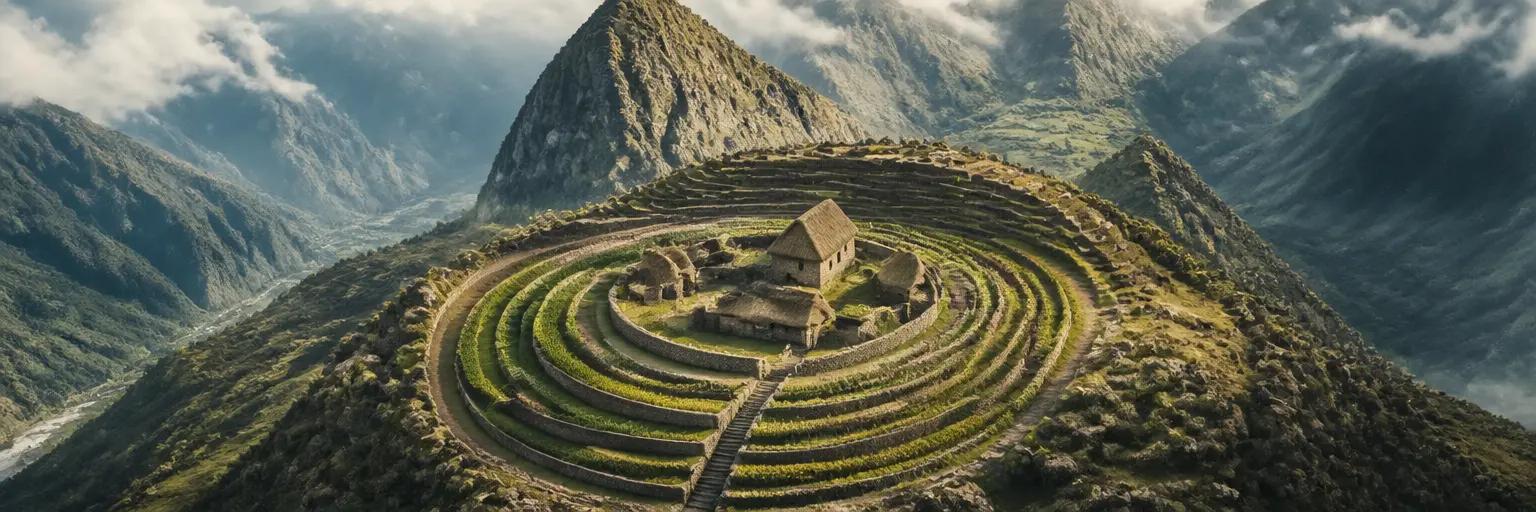
Discover how ancient Andean civilizations adapted to dramatic mountains, arid deserts, fertile valleys, and high-altitude climates. Explore ingenious farming terraces, water-management systems, climate-resilient architecture, and sustainable technologies that enabled the Incas, Moche, Nazca, and Tiahuanaco to thrive in challenging environments. ⛰️🌾 Learn how landscape, ecology, and innovation shaped Andean culture, society, and enduring heritage.
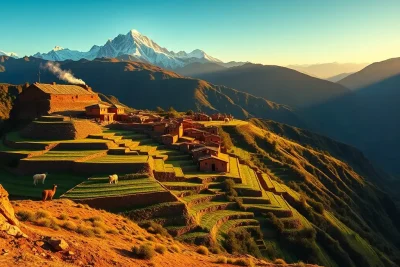
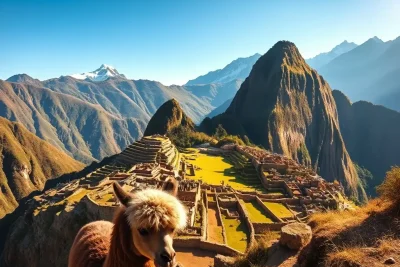
Discover how ancient Andean civilizations adapted to one of the world’s most diverse and challenging environments. This subcategory explores the relationship between people, mountains, valleys, deserts, forests, lakes, and high-altitude plateaus across the Andes. Learn how the Incas, Moche, Nazca, Tiahuanaco, and other Andean societies developed innovative strategies for agriculture, water management, settlement, transportation, architecture, and cultural life. Through archaeology, history, geography, and environmental studies, readers can understand how human ingenuity transformed the Andean landscape while responding to climate variability, limited resources, and dramatic changes in elevation.
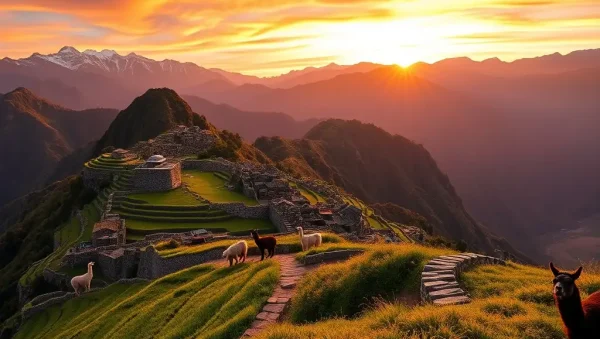
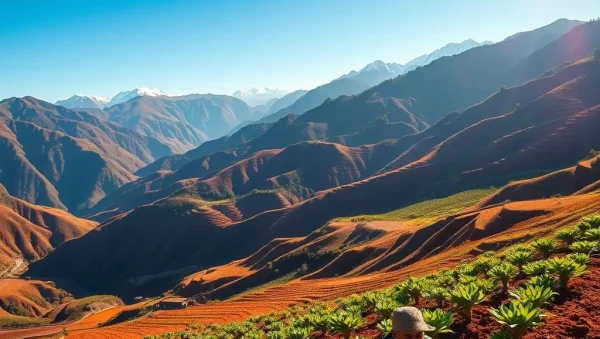
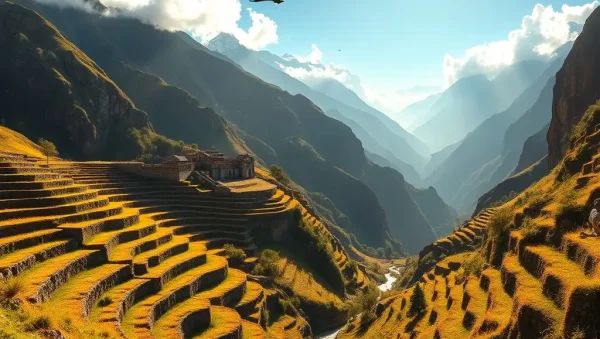
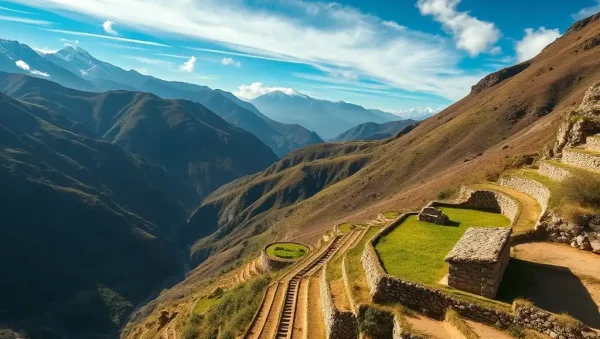
Explore how Andean communities established settlements in high-altitude regions where steep slopes, thin air, cold temperatures, and seasonal weather created significant challenges. Ancient peoples used terraces, stone construction, sheltered settlements, and carefully planned agricultural zones to make mountain environments more productive and habitable. These adaptations reveal the close connection between Andean geography, architecture, agriculture, and social organization.
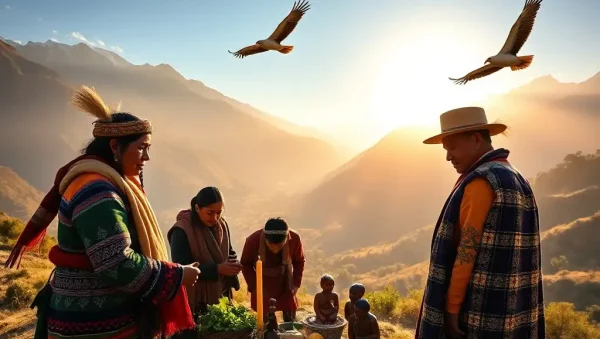
Readers will learn how altitude influenced diet, clothing, transportation, trade, and religious beliefs. From Inca mountain settlements to earlier highland traditions associated with Tiahuanaco, this section examines how communities understood and managed the mountains as sources of water, fertile soil, minerals, spiritual power, and natural protection.
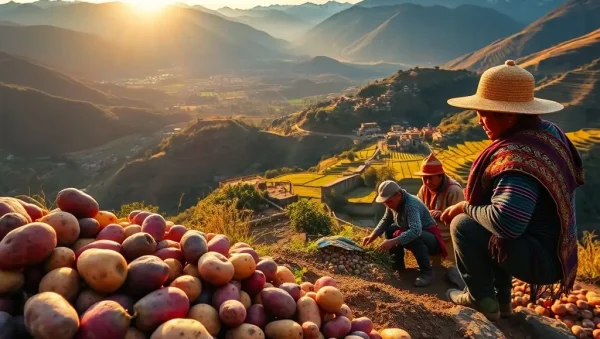
Ancient Andean civilizations developed sophisticated farming techniques to overcome steep terrain, unpredictable rainfall, frost, and differences in temperature. Agricultural terraces, raised fields, irrigation canals, and carefully selected crops allowed communities to cultivate potatoes, maize, quinoa, beans, and other essential foods across varied ecological zones. These systems demonstrate advanced environmental adaptation and sustainable agriculture in the Andes.
This section explains how farming knowledge was preserved and shared through generations. It also explores the importance of crop diversity, microclimates, soil conservation, and vertical ecological organization. Discover how Andean farmers adapted their production to highlands, valleys, coastal plains, and tropical slopes while supporting growing populations and complex civilizations.
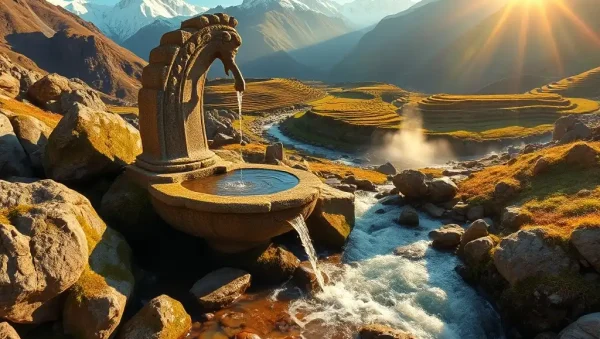
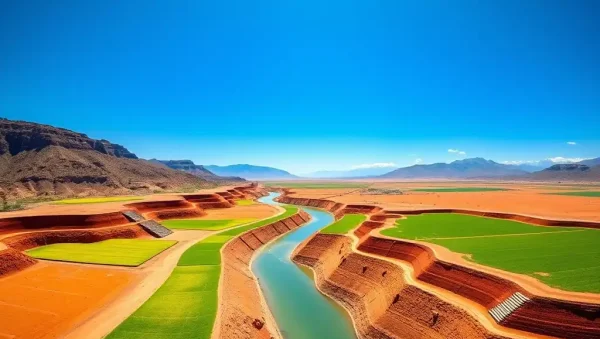
Water was central to survival and civilization in the Andes. Communities built canals, reservoirs, aqueducts, wells, terraces, and drainage systems to collect, transport, store, and distribute water. These technologies were especially important in arid coastal regions, where societies such as the Moche and Nazca created impressive irrigation networks to support agriculture and urban development.
Readers can expect to learn how water management shaped political authority, community cooperation, and religious traditions. The section also considers how Andean societies responded to droughts, floods, glacier melt, and seasonal changes. Water engineering in ancient Peru and the wider Andes offers valuable insight into the technological achievements and environmental knowledge of pre-Columbian civilizations.
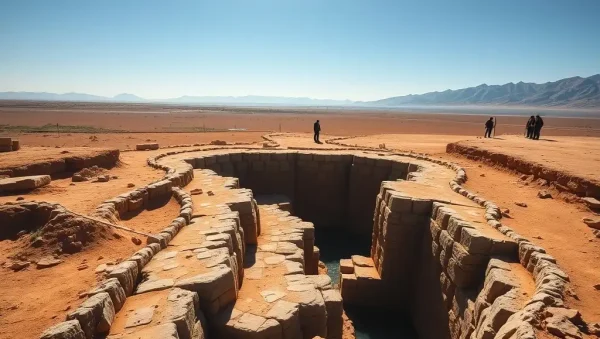
The Andean coast combines extremely dry deserts with fertile river valleys, creating a landscape of sharp environmental contrasts. Ancient coastal cultures developed irrigation systems, fishing economies, agricultural settlements, and distinctive forms of architecture to thrive in this demanding region. The Moche and Nazca civilizations provide important examples of how people transformed desert environments without eliminating their dependence on rivers, marine resources, and seasonal cycles.
This section examines the relationship between coastal geography and the development of cities, temples, cemeteries, artistic traditions, and trade routes. Learn how desert societies used local resources such as adobe, cotton, shell, fish, and fertile alluvial soil. Their achievements demonstrate the importance of rivers, ocean resources, and irrigation in Andean civilization.
Andean adaptation extended beyond mountains and deserts to include lakes, wetlands, cloud forests, and eastern slopes. Around Lake Titicaca, communities developed specialized farming systems and relied on aquatic resources, while populations in the eastern Andes adapted to humid forests, changing elevations, and abundant biodiversity. These environments supported trade, migration, and cultural exchange between different ecological regions.
Readers will discover how ancient societies organized access to multiple habitats and exchanged products across the Andes. This approach, often associated with verticality and complementary ecological zones, helped communities obtain foods, fibers, medicines, feathers, metals, and other resources unavailable in their immediate surroundings.
Domesticated camelids, especially llamas and alpacas, played a fundamental role in Andean adaptation. Llamas provided transportation across difficult mountain routes, while alpacas supplied valuable fiber for textiles. Camelids also contributed meat, dung for fuel and fertilizer, and materials for ritual and economic activities.
This section explores how animal domestication supported trade networks, military expansion, religious ceremonies, and food security. It also highlights the importance of caravan routes in connecting highland communities with coastal and lowland regions. Andean transportation and camelid husbandry were essential components of regional integration before and during the Inca Empire.
Ancient Andean builders designed roads, bridges, terraces, storage facilities, temples, and settlements that responded directly to local geography. The Inca road system is one of the best-known examples, but its foundations were developed through earlier Andean traditions. Stone walls, elevated foundations, drainage channels, and earthquake-resistant construction helped structures endure difficult terrain and seismic activity.
Readers will learn how architecture reflected environmental knowledge as well as political and religious organization. Settlement planning often considered access to water, fertile land, transportation routes, defensive positions, and sacred landscapes. These subjects reveal why Andean engineering and urban planning remain important examples of adaptation to challenging environments.
Andean civilizations faced recurring droughts, floods, landslides, earthquakes, volcanic activity, and climate fluctuations associated with events such as El Niño. Their responses included food storage, crop diversification, flexible settlement strategies, improved drainage, and the development of regional exchange networks.
This section considers how environmental pressures influenced migration, conflict, political change, and cultural transformation. By studying archaeological evidence and traditional knowledge, readers can better understand the resilience of ancient Andean societies and the lessons their long-term strategies offer for modern climate adaptation and sustainable development.
Adaptation to the Andean landscape refers to the ways ancient communities adjusted their technology, agriculture, architecture, economy, and culture to diverse environments such as high mountains, deserts, valleys, lakes, and tropical forests. It includes strategies for managing water, growing crops, traveling, building settlements, and responding to climate challenges.
The Incas used agricultural terraces, irrigation systems, storehouses, roads, bridges, and carefully planned settlements. They also managed different ecological zones through organized labor, trade, and political administration. These methods helped the Inca Empire support large populations across varied elevations and climates.
They constructed terraces that reduced erosion, conserved water, and created warmer microclimates. Farmers also practiced crop diversification and cultivated different plants at different elevations. Potatoes, quinoa, maize, and other crops were selected according to local conditions and seasonal patterns.
Water management was essential because many Andean regions experienced seasonal rainfall, long dry periods, or desert conditions. Canals, reservoirs, aqueducts, and irrigation networks supported agriculture, settlements, public health, and political power. Control of water often required cooperation and complex social organization.
Ancient Andean societies offer valuable lessons in water conservation, terraced agriculture, crop diversity, local resource management, disaster preparedness, and community cooperation. Their experience shows how sustainable technologies and detailed environmental knowledge can help communities respond to climate variability and difficult landscapes.