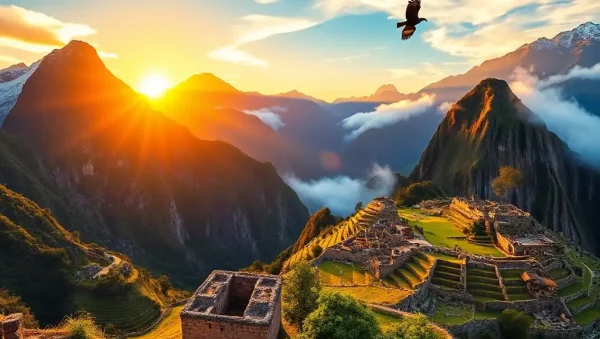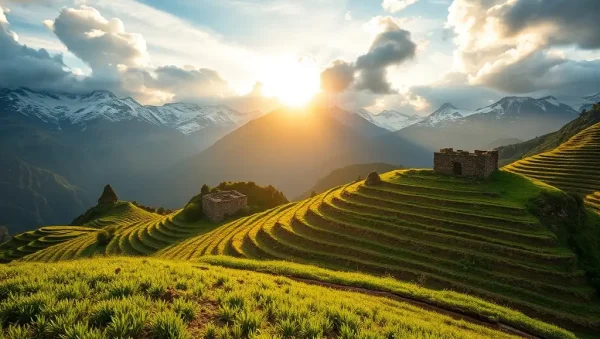
The Environment and Andean Civilizations

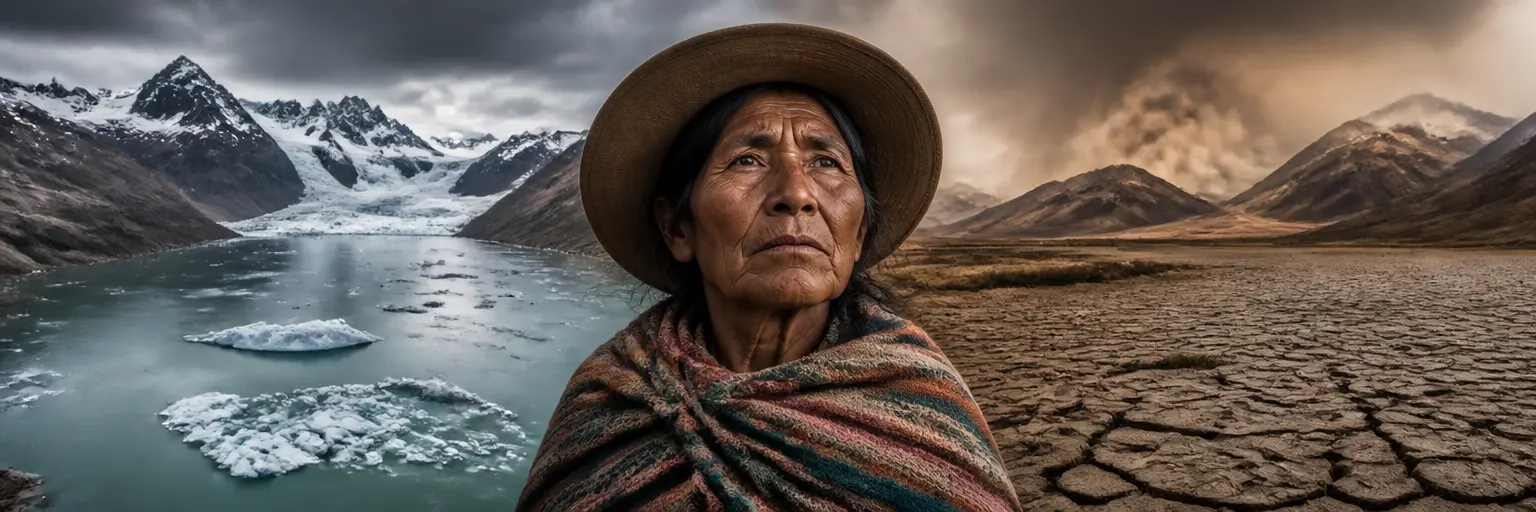
🌎 Explore how climate change has shaped Andean societies, from shifting rainfall and melting glaciers to droughts, floods, and changing agricultural patterns. Discover how ancient communities adapted through innovative farming, water management, terrace cultivation, and resilient cultural traditions. Learn how environmental challenges influenced the history, technology, and daily life of the Incas, Moche, Nazca, and Tiahuanaco—and why their knowledge remains relevant for climate resilience today.
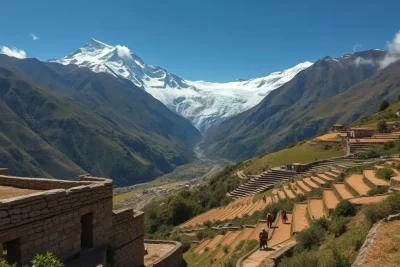
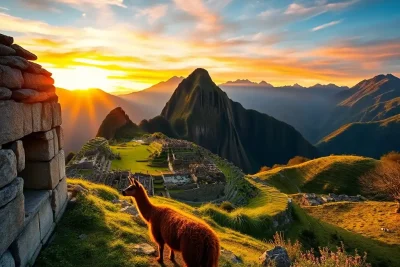
Explore how climate change affects Andean societies, ecosystems, heritage, and traditional livelihoods across the Andes. This subcategory examines the environmental history of the Inca, Moche, Nazca, and Tiahuanaco civilizations while connecting ancient climate adaptation strategies with modern challenges such as glacier retreat, water scarcity, drought, flooding, soil degradation, and changing agricultural conditions. Discover how communities in Peru, Bolivia, Ecuador, Chile, Colombia, and Argentina have responded to climatic variability through innovation, cooperation, sustainable resource management, and deep ecological knowledge.
Learn how rising temperatures, altered rainfall patterns, melting glaciers, and extreme weather events are transforming the Andes. Articles in this section explore the relationship between high-altitude environments, páramo ecosystems, puna grasslands, mountain forests, rivers, wetlands, and biodiversity. Readers can expect accessible explanations of how climate change influences water cycles, wildlife habitats, native plants, and the ecological balance that has supported Andean communities for thousands of years.
This section also considers the environmental history of the Andes, showing how past societies experienced droughts, floods, volcanic events, and long-term climate fluctuations. By comparing archaeological evidence with modern climate research, readers can better understand both the resilience and vulnerability of Andean ecosystems.
Discover why glaciers are essential to water security in the Andes. Glacial meltwater supports drinking supplies, irrigation, livestock, hydropower, and urban populations, particularly during dry seasons. This subcategory explains the consequences of glacier retreat in the Cordillera Blanca, the Bolivian Andes, and other mountain regions, while highlighting the effects on farming communities and downstream cities.
Readers will also learn about traditional water-management systems, including canals, reservoirs, wetlands, and communal irrigation practices. These examples demonstrate how ancient Andean societies developed adaptive technologies that remain relevant as modern communities address water scarcity, unpredictable precipitation, and competition for limited freshwater resources.
Examine how climate change is influencing Andean agriculture, crop diversity, food security, and rural livelihoods. Changing temperatures and rainfall can affect potatoes, quinoa, maize, coca, beans, and other crops central to Andean diets and economies. Articles explore how droughts, frost, pests, erosion, and shifting growing seasons create new challenges for farmers across highland valleys and mountain plateaus.
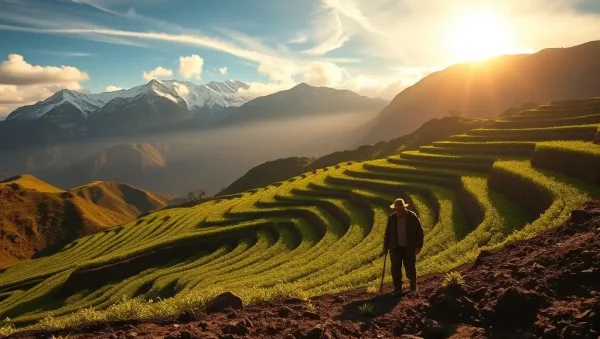
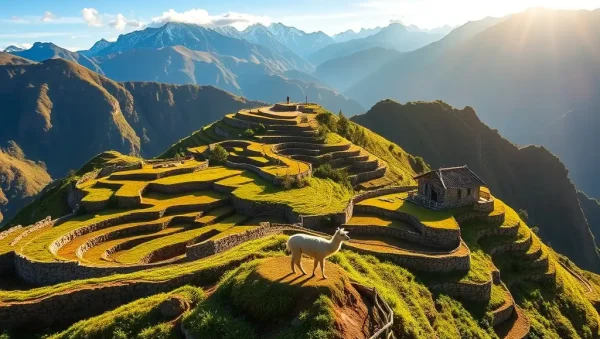
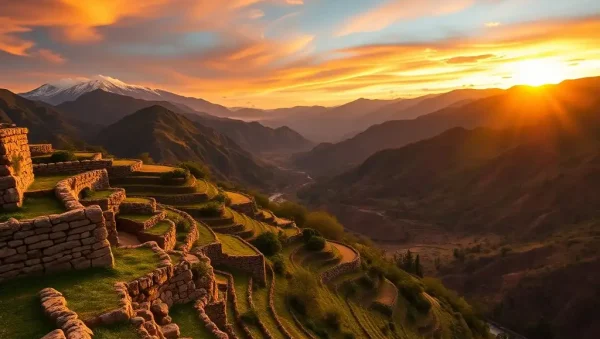
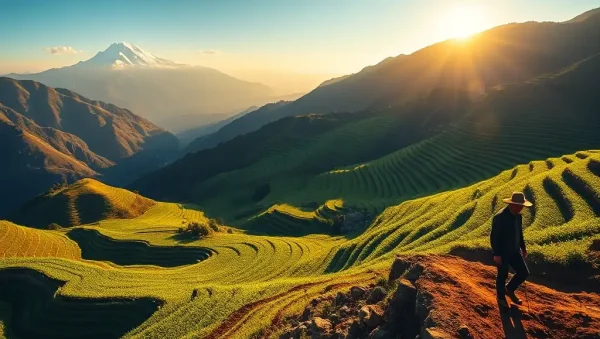
Special attention is given to Indigenous agricultural knowledge, including terrace farming, vertical ecological zones, seed conservation, crop rotation, and the use of native varieties. These practices, associated with civilizations such as the Inca and Tiahuanaco, reveal how biodiversity and careful landscape management can strengthen resilience in a changing climate.
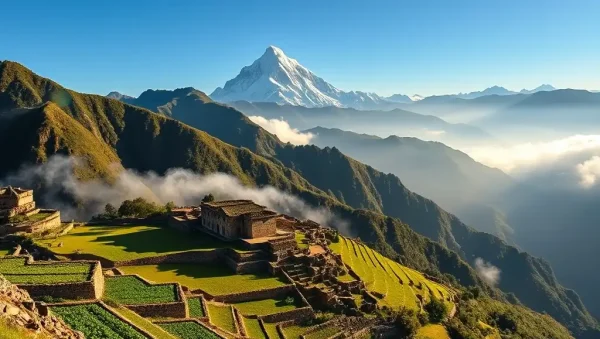
Investigate how the Inca, Moche, Nazca, and Tiahuanaco responded to environmental pressures. Their achievements in terracing, irrigation, water storage, architecture, road construction, and settlement planning offer valuable insight into climate adaptation in ancient civilizations. Readers can explore how societies used engineering and collective organization to manage drought, flooding, unstable slopes, and limited agricultural land.
This section places archaeological discoveries within a wider environmental context. Evidence from ancient canals, reservoirs, terraces, geoglyphs, settlement patterns, and agricultural fields helps explain how climate variability shaped political power, trade networks, migration, ritual practices, and social organization throughout the Andes.
Understand the most visible effects of contemporary climate change in the Andean region. Glacier retreat, prolonged droughts, intense rainfall, landslides, floods, heat waves, and unexpected frosts are affecting communities and infrastructure. This section provides clear information about the causes and consequences of these events, using relevant examples from Peru, Bolivia, Ecuador, Chile, Colombia, and Argentina.
Readers can also discover how scientists, local governments, and Indigenous organizations monitor environmental change and prepare for climate-related risks. Topics may include early-warning systems, water conservation, disaster preparedness, ecosystem restoration, and community-based adaptation strategies designed to protect people, agriculture, and cultural heritage.
Explore the experiences of Indigenous peoples and rural communities living in the Andes. Climate change affects not only natural resources but also health, housing, migration, employment, cultural traditions, and access to ancestral territories. Articles in this section emphasize the importance of community participation and recognize Indigenous communities as knowledge holders and environmental stewards.
Readers will learn how local organizations combine ancestral practices with modern science to address environmental change. Examples may include communal water governance, native seed exchanges, reforestation, wetland protection, sustainable grazing, and the revitalization of traditional ecological knowledge.
Discover practical and historical approaches to protecting Andean environments. Conservation initiatives may focus on restoring wetlands, safeguarding glaciers, protecting biodiversity, improving soil health, and preserving high-altitude forests. This section connects sustainable development with the cultural landscapes created by ancient Andean civilizations.
Readers can expect discussions of climate policy, renewable energy, sustainable tourism, environmental education, ecosystem restoration, and heritage preservation. The goal is to show how the past can inform responsible solutions for the future while supporting resilient communities and healthy mountain ecosystems.
The main impacts include glacier retreat, water scarcity, drought, flooding, crop losses, soil erosion, biodiversity decline, and increased risks to homes and infrastructure. Climate change can also affect Indigenous livelihoods, cultural traditions, food security, and migration patterns.
Andean glaciers store freshwater and release meltwater during dry seasons. This water supports drinking supplies, irrigation, livestock, hydropower, ecosystems, and major cities. As glaciers shrink, communities may face reduced water availability and greater seasonal uncertainty.
The Inca, Moche, Nazca, and Tiahuanaco used terraces, canals, reservoirs, raised fields, crop diversification, water-storage systems, and detailed knowledge of local environments. These technologies helped manage drought, flooding, frost, erosion, and differences in altitude.
Changing temperatures and rainfall patterns can alter planting seasons, increase frost and drought damage, encourage pests, and reduce harvests. Farmers are responding through native seed conservation, terrace restoration, crop diversification, improved irrigation, and the protection of traditional ecological knowledge.
Effective solutions include reducing greenhouse gas emissions, protecting glaciers and wetlands, restoring native ecosystems, improving water management, supporting Indigenous-led conservation, strengthening disaster preparedness, and investing in climate-resilient agriculture. Combining modern research with ancestral Andean knowledge can create more sustainable and equitable responses.