
The Art of Andean Weaving: Discovering Traditional Crafts Near Ancient Sites

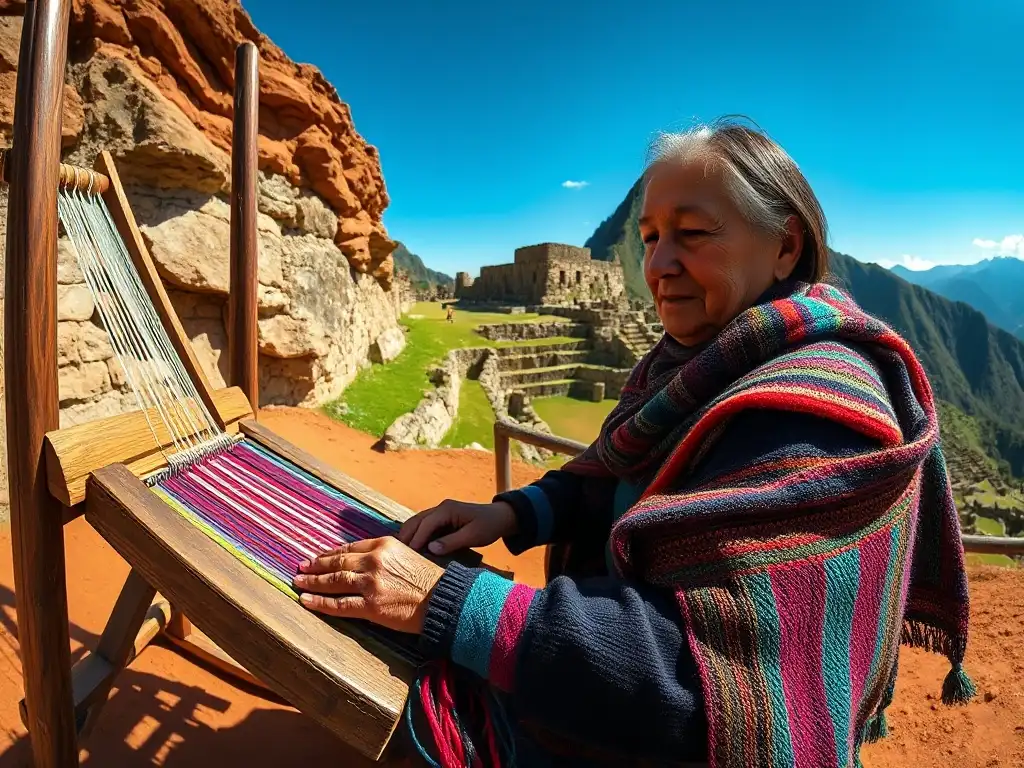
Unravel the mysteries of a lost world. For centuries, the Andes Mountains have echoed with the whispers of ancient civilizations. Now, you can journey through their breathtaking legacy, exploring the intricate artistry and innovative technology that defined them. Discover the secrets behind the Andean weaving techniques near ancient sites, a testament to the enduring spirit of these remarkable cultures. Prepare to be captivated by the vibrant threads of history, waiting to be explored in "Exploring the Andes Today."
The Andes Mountains, a breathtaking tapestry of towering peaks and fertile valleys, are not only home to awe-inspiring ancient ruins but also to a vibrant tradition of textile artistry. For centuries, Andean communities have perfected intricate weaving techniques, creating textiles that are as stunning as they are historically significant. This article delves into the captivating world of Andean weaving, guiding you on a journey to discover authentic crafts near iconic historical sites.
We'll explore how to plan your trip to experience these unique traditions firsthand, connecting you with skilled artisans and providing insights into the rich cultural heritage embedded within each thread. From the vibrant colors of Chinchero to the intricate designs of Cusco, discovering Andean weaving techniques near ancient sites offers an unparalleled opportunity to immerse yourself in the heart of Andean culture. This exploration will not only enhance your understanding of Andean history but will also provide a unique and enriching travel experience.
Prepare to be captivated by the artistry and the stories woven into every piece. 🧶
Unveiling the Secrets: Experiencing Authentic Andean Textile Techniques
Andean weaving is more than just a craft; it's a living legacy. The techniques employed have been passed down through generations, evolving alongside the cultures that created them. These methods often involve natural dyes derived from plants, insects, and minerals, resulting in a rich palette of colors that reflect the Andean landscape. The intricate designs themselves often tell stories, depicting mythical creatures, agricultural cycles, or significant historical events.
Witnessing these techniques firsthand—watching artisans skillfully manipulate their looms and transform raw materials into breathtaking textiles—is an unforgettable experience. You'll find that the process itself is as captivating as the final product. The rhythmic motion of the loom, the precision of the weaver's hands, and the quiet concentration all contribute to a truly immersive experience. Understanding the techniques reveals the depth of knowledge and skill involved, creating a profound appreciation for the artistry.
Planning Your Journey: Finding Andean Weaving Workshops Close to Historical Ruins
Planning a trip to experience Andean weaving near ancient sites requires some research, but the rewards are immense. Many communities near famous historical locations offer workshops and demonstrations, allowing you to participate directly in the creation of these stunning textiles. This section will guide you through the process, offering practical advice and suggestions to make your journey both rewarding and enriching. Remember, responsible tourism is key; be respectful of local customs and traditions, and always support artisans fairly. The experience of learning alongside these skilled craftspeople will undoubtedly leave a lasting impression.
Researching Local Artisans: How to Locate Authentic Weaving Communities Near Chinchero
Chinchero, a charming village near Cusco, is renowned for its vibrant textiles. To find authentic weaving communities there, research is crucial. Look for recommendations from reputable travel guides or tourism boards. Engage with local communities directly, perhaps by contacting their tourism offices or reaching out to artisan cooperatives. Remember to support ethical and sustainable tourism practices. By doing your research, you can ensure you're supporting artisans who are fairly compensated for their work and preserving traditional techniques. This direct engagement will allow you to experience the true heart of Andean weaving.
Guided Tours & Cultural Exchanges: Connecting with Weaving Experts on Your Andean Trip
Consider joining guided tours specifically focused on Andean weaving. These tours often provide valuable insights into the history, techniques, and cultural significance of the craft, while connecting you directly with skilled artisans. Many tours offer hands-on experiences, allowing you to participate in the weaving process under the guidance of experts. These cultural exchanges provide a deeper understanding and appreciation of the art form and its place within Andean society. Look for tour operators with a commitment to sustainable tourism and fair compensation for local communities.
Essential Travel Gear: Packing for a Hands-On Andean Weaving Experience
If you plan on participating in a hands-on weaving workshop, packing appropriately is essential. Comfortable clothing that allows for movement is crucial. Consider bringing a small notebook and pen to record your observations and any notes from the artisans. A small, lightweight camera will help you capture the process and the beautiful textiles you encounter. And don't forget sunscreen, a hat, and comfortable walking shoes, as you'll likely be spending time outdoors exploring the stunning Andean landscapes. Remember to pack light, respecting the carrying capacity of the local communities and transportation options.
Hands-On with Andean Weaving: Learning Traditional Techniques
Learning about Andean weaving techniques near ancient sites isn't just about passive observation; it's about active participation. Immerse yourself in the craft by taking a hands-on weaving workshop. These workshops offer a unique opportunity to understand the intricate processes involved in creating these stunning textiles. You'll move beyond simply admiring the finished products and gain a deep appreciation for the skill, patience, and artistry required.
Many workshops are led by experienced artisans who have inherited their knowledge through generations, ensuring authenticity and a connection to the rich cultural heritage. The experience goes beyond the technical aspects; it's a journey into the heart of Andean culture, offering insights into the symbolism embedded within the patterns and designs. The tactile experience of working with the materials – feeling the texture of the alpaca wool, the smoothness of the natural dyes – adds another layer to your understanding and appreciation.
Introduction to Andean Textile Materials: Understanding Alpaca Wool, Natural Dyes, and Local Fibers
Andean weaving relies on exceptional materials. Alpaca wool, renowned for its softness, warmth, and hypoallergenic properties, is a staple. Its unique qualities, ranging from the fine, luxurious fiber of the Suri alpaca to the stronger, coarser fiber of the Huacaya, contribute significantly to the durability and beauty of the textiles.
Understanding the different alpaca breeds and their respective fiber characteristics is crucial to appreciating the nuances of Andean textiles. Beyond alpaca, other local fibers such as llama and vicuña wool, each with its own unique properties, are also used. The natural dyes used are another key element.
Derived from plants, minerals, and insects found in the Andean region, these dyes produce a vibrant and lasting color palette, often reflecting the colors of the surrounding landscape. Cochineal, a vibrant red dye derived from an insect, is a prime example of the natural pigments used, adding a layer of both beauty and cultural significance. Learning about these materials is fundamental to appreciating the artistry and sustainability of Andean weaving.
Basic Weaving Techniques: A Practical Guide to Warp Preparation and Weft Insertion
The process of Andean weaving is far more complex than it might initially seem. Understanding the basic techniques, such as warp preparation and weft insertion, is essential to fully grasp the skill involved. Warp preparation involves carefully stretching and preparing the lengthwise threads, a process that requires precision and patience. The quality of the warp preparation directly impacts the final product's evenness and strength.
Weft insertion, the process of interweaving the crosswise threads (weft) through the warp, is equally crucial. Different techniques, such as plain weave, twill weave, and tapestry weave, create a variety of textures and patterns. These techniques, passed down through generations, require careful hand-eye coordination and a deep understanding of tension and balance. Observing and even practicing these techniques, even on a small scale, offers a profound appreciation for the skill and dedication involved in creating these intricate textiles.
Learning from Masters: Participating in a Weaving Workshop Led by Local Experts
The best way to truly understand Andean weaving techniques near ancient sites is to learn from the masters themselves. Participating in a weaving workshop led by local experts provides an unparalleled opportunity to gain firsthand experience. These workshops are often held in small villages near archaeological sites, offering a rich cultural immersion alongside the weaving instruction. The artisans share not only their technical skills but also their knowledge of the cultural significance of the designs and patterns.
You'll learn about the symbolism embedded in the colors and motifs, gaining a deeper understanding of the rich history and traditions behind the craft. This interaction with local experts fosters a sense of cultural exchange and supports the preservation of these valuable traditions. The opportunity to ask questions, observe their techniques closely, and even attempt basic weaving yourself contributes to a truly enriching experience.
Purchasing Authentic Andean Textiles: Supporting Local Artisans
Purchasing authentic Andean textiles is a wonderful way to support local artisans and bring home a piece of this rich cultural heritage. However, it's crucial to be informed to ensure you're buying genuine handcrafted items and not mass-produced imitations. Supporting local artisans directly contributes to the preservation of traditional weaving techniques and helps sustain their communities. Buying these textiles is not merely a purchase; it's an investment in cultural preservation and the livelihoods of skilled artisans. The economic impact of supporting these artisans is significant, helping them to continue their craft and pass their knowledge down to future generations.
Identifying Genuine Andean Weavings: Avoiding Mass-Produced Imitations
Distinguishing authentic Andean weavings from mass-produced imitations requires careful observation. Look for intricate details, inconsistencies (which are often a sign of handcraftsmanship), and the use of natural dyes. Mass-produced items tend to have a uniformity and perfection that handcrafted pieces lack. Authentic textiles often show slight variations in color and weave, reflecting the hand-made nature of the process. The quality of the materials used is another key indicator.
Genuine Andean textiles typically use high-quality alpaca, llama, or vicuña wool, which feels luxurious and durable. Pay close attention to the details of the patterns and designs. Many traditional designs hold significant cultural meaning and are rarely replicated exactly in mass-produced items. If unsure, seek advice from reputable sellers or local experts.
Negotiating Prices Respectfully: Understanding the Value of Handmade Andean Crafts
Negotiating prices when purchasing handmade Andean crafts is common, but it's essential to do so respectfully. Remember that these textiles represent hours of skilled labor and the preservation of a valuable cultural heritage. Approach negotiations with an understanding of the time and effort involved in creating these pieces. A fair price reflects the artisan's skill and the value of their work.
Research average prices beforehand to get a sense of the market value. Be polite and appreciative of the artisan's time and expertise. A respectful negotiation demonstrates appreciation for both the craft and the artisan's livelihood. Remember that a fair price ensures the sustainability of the craft and the preservation of Andean cultural heritage for future generations.
Where to Buy: Recommended Markets and Artisan Cooperatives Near Cusco
Cusco and the surrounding areas offer numerous opportunities to purchase authentic Andean textiles. Local markets, such as the San Blas artisan market in Cusco, provide a vibrant atmosphere where you can interact with artisans and browse a wide selection of textiles. Artisan cooperatives offer another avenue for supporting local communities directly.
These cooperatives often showcase a wider range of products and provide a more structured shopping experience. Researching specific markets and cooperatives beforehand can help you plan your shopping itinerary effectively. Remember to support ethical and sustainable practices by choosing to purchase directly from artisans or reputable cooperatives, ensuring that your purchase benefits the local communities and helps preserve their rich cultural heritage.
Beyond the Loom: The Cultural Significance of Andean Weaving
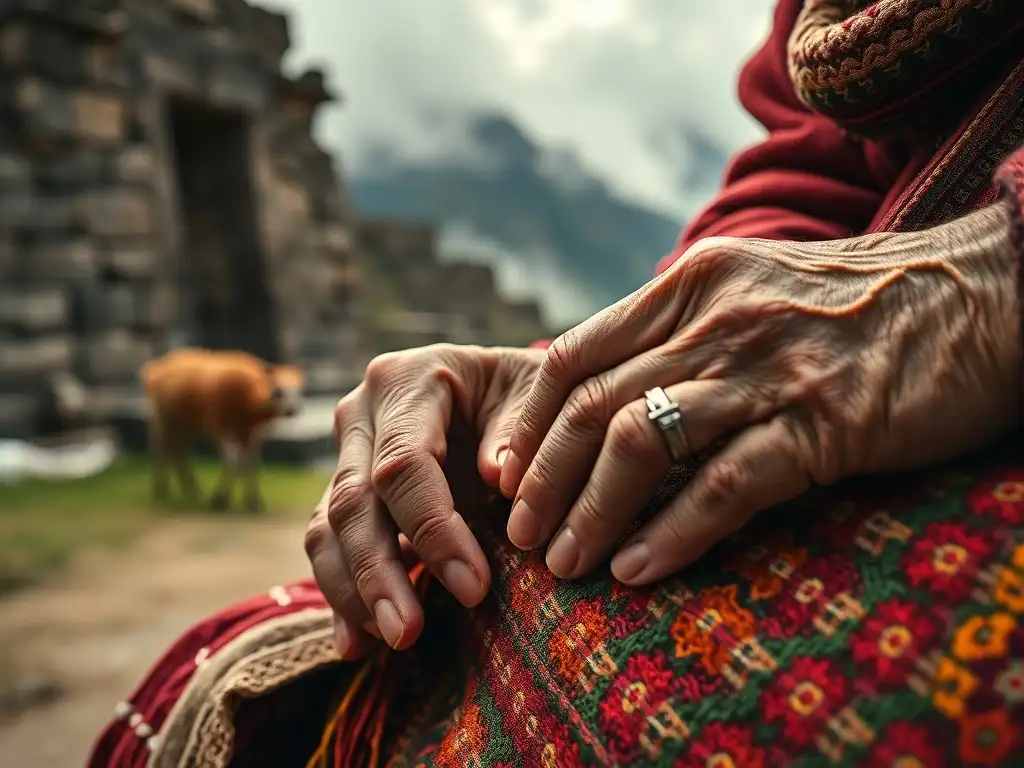
Andean weaving is far more than a craft; it's a deeply ingrained cultural expression reflecting the Andean worldview and cosmology. For centuries, textiles have served as powerful mediums for communication, storytelling, and social organization. The intricate designs, vibrant colors, and unique techniques employed aren't merely aesthetic choices; they carry profound symbolic meaning, often linked to Andean beliefs about the cosmos, nature, and social hierarchy. The use of specific fibers, like alpaca or llama wool, also holds significance, reflecting the relationship between humans and their environment.
The quality of the wool, the color, and even the way it's spun all contribute to the overall symbolic weight of the textile. This intricate relationship between the material, the process, and the meaning makes studying Andean weaving a truly captivating endeavor. Understanding this cultural context enhances appreciation for the artistry and the enduring legacy of these traditions.
Andean Weaving as a Form of Storytelling: Deciphering Symbols and Patterns
Many Andean textiles are veritable tapestries of narratives. Geometric patterns, zoomorphic motifs (animals), and anthropomorphic figures (humans) are not randomly arranged but meticulously placed to convey specific stories, beliefs, or historical events. For example, the representation of a particular bird might symbolize a deity or a specific clan. Similarly, geometric patterns could represent celestial bodies, agricultural cycles, or even social structures.
Decoding these symbols requires specialized knowledge and often involves collaborating with local artisans and experts who possess generational understanding of these intricate visual languages. Researchers have dedicated years to deciphering these codes, revealing fascinating insights into Andean history, mythology, and social organization. The ability to interpret these visual stories adds another layer of depth and appreciation to the already stunning artistry of Andean weaving.
The Role of Weaving in Andean Communities: Traditions and Social Practices
Weaving in Andean communities isn't just an individual pursuit; it's a deeply social activity often passed down through generations within families. It plays a vital role in community life, shaping social structures and reinforcing cultural identities. For example, in some communities, women gather together to weave collaboratively, sharing stories and knowledge while creating beautiful textiles. These shared weaving experiences strengthen social bonds and ensure the continuity of traditional techniques.
The textiles themselves often serve as important markers of social status, identity, and ritual participation. The intricate designs and quality of the materials can signify a person's social standing or their role within the community. Furthermore, the production and exchange of textiles often play a crucial role in economic activities and trade networks within and between Andean communities.
Preserving Andean Weaving Heritage: Supporting Sustainable Tourism and Artisan Initiatives
The preservation of Andean weaving traditions requires a concerted effort to support sustainable tourism and artisan initiatives. This involves promoting fair trade practices that ensure artisans receive fair compensation for their work, while simultaneously protecting their traditional knowledge and skills from exploitation. Supporting local cooperatives and artisan workshops allows for the continuation of these vital traditions, empowering communities and preserving cultural heritage.
Sustainable tourism initiatives can help to connect visitors with artisans, fostering cultural exchange and appreciation. By choosing to purchase authentic Andean textiles directly from artisans, tourists contribute to the economic sustainability of these communities and help preserve this invaluable cultural heritage for future generations. This responsible approach ensures that the beauty and cultural significance of Andean weaving continue to flourish.
Post-Trip: Sharing Your Andean Weaving Experience
Returning from a trip enriched by experiencing Andean weaving techniques near ancient sites warrants sharing the incredible journey. The experience deserves to be documented and shared, allowing others to appreciate the cultural richness and artistry you encountered.
Creating a Travel Blog Post about your weaving experience
A travel blog post offers an excellent platform to detail your Andean weaving adventure. Include captivating descriptions of the workshops you visited, the artisans you met, and the techniques you observed. Use vivid language to portray the vibrant colors, intricate patterns, and the palpable sense of history interwoven into the textiles.
Share anecdotes about the artisans' stories, their passion, and their dedication to preserving their ancestral craft. Remember to include high-quality photos and videos to showcase the beauty of the textiles and the process of creation. A well-written blog post can inspire others to seek out similar experiences and support the preservation of Andean weaving traditions.
Sharing your photos and videos on social media
Social media provides an immediate and effective way to share your Andean weaving experience with a wider audience. Post high-quality photos and short videos showcasing the beauty of the textiles, the artisans' skills, and the cultural context of their work. Use relevant hashtags (e.g., #AndeanWeaving, #PeruvianTextiles, #SustainableTourism) to increase visibility and connect with others interested in Andean culture and travel.
Engage with comments and answer questions, fostering a sense of community and sharing your knowledge. Consider creating a visually appealing carousel post on Instagram or a short, engaging video for TikTok, highlighting different aspects of your experience. Remember to always respect the privacy and wishes of the artisans you met.
Adobe Lightroom for photo editing
Adobe Lightroom is a powerful tool for enhancing the visual appeal of your photos and videos. Its intuitive interface and array of editing features allow you to adjust brightness, contrast, color balance, and sharpness, making your images truly stand out. Use Lightroom's tools to optimize the colors of your Andean textiles, emphasizing the richness and vibrancy of the dyes and patterns.
Experiment with different presets and editing styles to achieve the desired look and feel for your social media posts and blog. Remember to maintain the authenticity of the images, avoiding over-editing that could distort the original beauty of the textiles. Mastering even the basic features of Lightroom can significantly improve the quality and impact of your visual storytelling.
Continuing Your Andean Textile Journey
After immersing yourself in the vibrant world of Andean weaving near ancient sites, you'll likely want to extend your exploration. The experience of seeing these intricate textiles firsthand, perhaps even witnessing a weaver at work, can be profoundly inspiring. This section offers avenues to continue your journey, deepening your appreciation for this ancient craft. The techniques, the stories woven into the fabric, and the enduring legacy of Andean weaving deserve further investigation.
Consider visiting other sites known for their textile traditions, perhaps exploring different regions of the Andes to discover variations in style and technique. Each community holds unique knowledge and practices, adding another layer to the rich tapestry of Andean weaving. You might find that the designs, colors, and materials used vary significantly depending on the specific region and its available resources.
For example, the use of alpaca wool in the high Andes is distinct from the cotton textiles found in warmer coastal areas. This diversity in Andean weaving is a testament to the adaptability and ingenuity of the Andean people. Remember to always be respectful of local customs and traditions when visiting communities.
Books and resources to learn more about Andean Weaving
Numerous books delve into the fascinating history and techniques of Andean weaving. These resources offer invaluable insights into the symbolism embedded within the designs, the evolution of weaving techniques across different eras, and the cultural significance of textiles in Andean societies. Look for books that feature high-quality images showcasing the intricate details of the textiles, as well as those that provide detailed explanations of the weaving processes.
Academic publications and scholarly articles offer more in-depth analyses of specific aspects of Andean weaving, such as the use of particular dyes or the social contexts in which textiles were produced. Additionally, many museums and cultural institutions have online resources and databases that provide access to information about their collections of Andean textiles. These resources often include detailed descriptions of individual pieces, high-resolution images, and scholarly articles.
Exploring these resources will further enrich your understanding of this captivating craft. Don't forget to check local libraries and bookstores in Andean regions; you might discover hidden gems of local authorship that provide unique perspectives on the subject.
Online communities of Andean textile enthusiasts
The digital age has fostered vibrant online communities dedicated to Andean textiles. These platforms provide opportunities to connect with other enthusiasts, share knowledge, and discover new resources. Many online forums and social media groups are dedicated to discussing Andean weaving techniques, identifying different styles, and sharing information about upcoming exhibitions and events. These communities often include experts and collectors who are willing to share their knowledge and answer questions.
You can find stunning images of textiles, learn about rare techniques, and participate in discussions about the cultural significance of Andean weaving. Joining these online communities is a fantastic way to extend your learning beyond books and museums. You can exchange information with other enthusiasts, potentially finding collaborators for future research or even making valuable connections with artisans. The sense of shared passion and collective learning within these communities is truly enriching.
"Weaving in the Peruvian Highlands: Dreaming Patterns, Weaving Memories"
This hypothetical book title 1 represents the type of immersive experience one can have when studying Andean weaving. The title itself evokes the connection between the dreams and memories of the Andean people and the intricate patterns woven into their textiles. Such a book would likely explore the symbolic meanings woven into the textiles, detailing how specific colors, motifs, and techniques convey stories, beliefs, and social structures. It could examine the role of women in the transmission of weaving techniques across generations, highlighting the oral traditions and knowledge passed down within families and communities. The book might also discuss the impact of globalization and modern influences on traditional Andean weaving, exploring the challenges and opportunities faced by contemporary weavers. It could profile individual artisans, sharing their stories and perspectives on the significance of their craft. A comprehensive study of this kind would offer a nuanced understanding of the cultural and historical context surrounding Andean weaving, demonstrating the artistry and resilience of Andean communities. It would be a valuable resource for anyone seeking to deepen their appreciation of this rich and complex tradition.
1 This is a hypothetical book title used for illustrative purposes. The existence of a book with this exact title is not confirmed.
- Unveiling the Secrets: Experiencing Authentic Andean Textile Techniques
- Planning Your Journey: Finding Andean Weaving Workshops Close to Historical Ruins
- Hands-On with Andean Weaving: Learning Traditional Techniques
- Purchasing Authentic Andean Textiles: Supporting Local Artisans
- Beyond the Loom: The Cultural Significance of Andean Weaving
- Post-Trip: Sharing Your Andean Weaving Experience
- Continuing Your Andean Textile Journey
- What makes Andean weaving unique?
- Where can I find examples of Andean weaving near ancient sites?
- Are there specific weaving techniques associated with particular Andean cultures?
- What kind of materials were traditionally used in Andean weaving?
- How can I learn more about Andean weaving techniques near ancient sites?
Frequently Asked Questions
What makes Andean weaving unique?
Andean weaving is renowned for its exceptional craftsmanship, utilizing complex techniques passed down through generations. The use of vibrant natural dyes and intricate patterns is also a defining characteristic.
Where can I find examples of Andean weaving near ancient sites?
Many communities near ancient Inca, Nazca, and Moche sites still practice traditional weaving. Visiting local markets and artisan workshops offers opportunities to see and purchase these authentic textiles.
Are there specific weaving techniques associated with particular Andean cultures?
Yes, each culture had its own distinctive techniques. For example, the Incas were known for their intricate tapestry weaving, while the Nazca are famous for their fine textiles with intricate designs.
What kind of materials were traditionally used in Andean weaving?
Alpaca and llama wool were the primary materials, prized for their softness and warmth. Cotton was also used, particularly in warmer coastal regions. Natural dyes derived from plants and minerals provided the vibrant colors.
How can I learn more about Andean weaving techniques near ancient sites?
Consider joining a weaving workshop offered near archaeological sites. Many local guides and museums also provide information on traditional Andean textile arts and their historical significance.
Final Reflection: Threads of Time, Echoes of Culture
The enduring legacy of Andean weaving techniques, intricately linked to the ancient sites where they originated, continues to resonate today, a powerful testament to human creativity and resilience. These vibrant threads not only adorn textiles but also narrate stories of ancestral knowledge, cultural identity, and the enduring connection between humanity and the land. The intricate patterns, the vibrant dyes derived from natural sources, and the meticulous craftsmanship all speak to a profound understanding of both artistic expression and practical necessity.
The impact of Andean weaving extends far beyond the realm of textiles; it is a living embodiment of cultural heritage, a dynamic force shaping identity and community. The techniques, passed down through generations, represent a continuous dialogue between past and present. The threads themselves are a record, a living archive of history, culture, and the human spirit.
This quote encapsulates the profound significance of these ancient crafts, highlighting their ability to transcend time and connect us to our shared human experience. Witnessing the creation of these pieces, the dedication and skill involved, is a deeply moving experience, reinforcing the importance of preserving these traditions for future generations.
Consider, for a moment, the stories woven into each piece – the intricate designs reflecting cosmology, mythology, and daily life. You too can become a part of this enduring narrative. By supporting artisans, learning about the techniques, and appreciating the artistry, you contribute to the preservation of a rich cultural heritage. Let the vibrant colors and intricate patterns inspire you, reminding you of the power of human creativity and the enduring strength of cultural traditions. Embrace the opportunity to connect with this ancient art form and carry its legacy forward.
Embrace the Craft: Weave Your Connection to Tradition!
Thank you for exploring the rich world of Andean weaving and its vibrant cultural and historical tapestry. Learning about these traditions offers a deeper understanding of the art that connects us to ancient civilizations.
Now, let's take the next step! Here's how you can further your journey into the world of Andean crafts:
- Participate in a Local Weaving Workshop: Find a class near you and experience the joy of traditional techniques firsthand.
- Share Your Passion: Inspire others by sharing your newfound knowledge on social media. Encourage friends and family to appreciate and help preserve these beautiful traditions.
- Support Local Artisans: Visit local markets to discover unique, handcrafted textiles and support the craftspeople who keep this heritage alive.
What most inspires you about Andean weaving—its intricate designs or the strong sense of community it fosters? Let's discuss in the comments below!