
Safety Tips for Exploring Andean Ruins: A Guide to Staying Protected

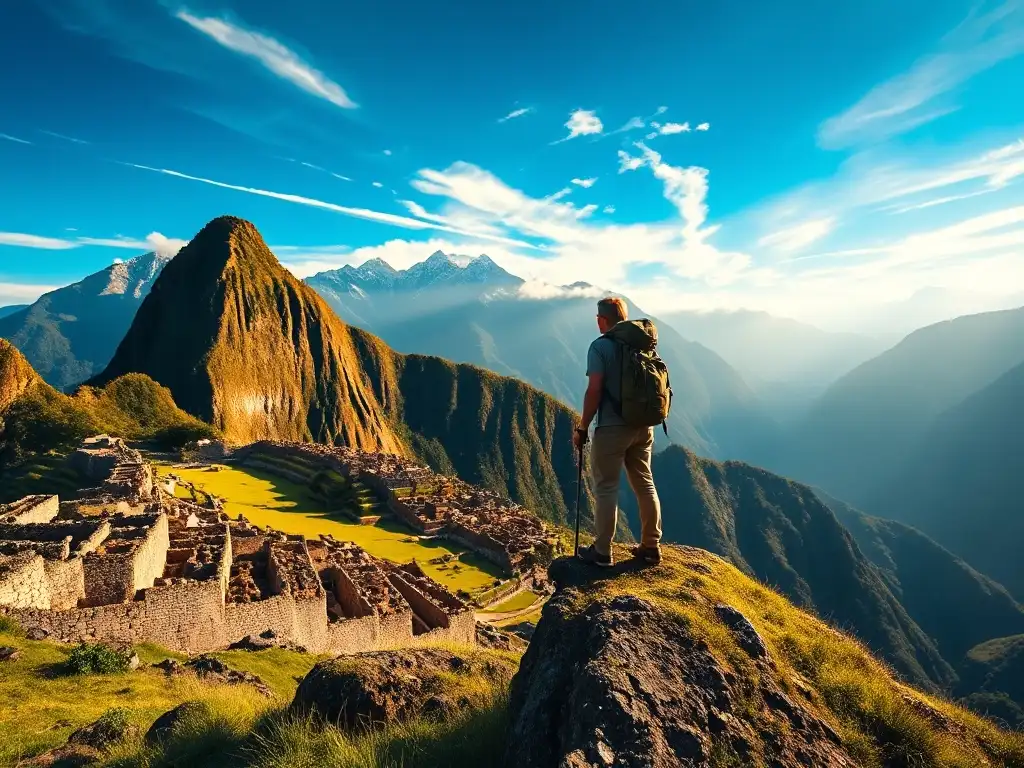
Uncover the secrets of the Andes—a land sculpted by time and teeming with the echoes of lost empires. From the breathtaking heights of Machu Picchu to the enigmatic Nazca Lines, the Andean civilizations left behind a legacy as awe-inspiring as it is fragile. But before you embark on your own adventure to these incredible Andean ruins, discover essential safety tips to ensure a journey filled with wonder, not worry. Read on to learn how to navigate these ancient sites responsibly and safely, making your exploration unforgettable.
- Andean Ruins Safety Tips: A Comprehensive Guide to Protected Exploration
-
Frequently Asked Questions
- What are the biggest safety concerns when visiting Andean ruins?
- How can I prepare for the altitude when visiting Andean ruins?
- What should I do about the weather in the Andes?
- What are some tips for navigating the terrain at Andean ruins?
- What should I do if I get lost or injured at an Andean ruin?
- Final Reflection: Echoes of the Ancients: Protecting Our Shared Heritage
- **Embark on Your Andean Adventure Safely! **
Andean Ruins Safety Tips: A Comprehensive Guide to Protected Exploration
Exploring the breathtaking Andean ruins—from the majestic Machu Picchu to the enigmatic Nazca Lines—is an unforgettable experience. However, the high altitudes, unpredictable weather, and sometimes challenging terrain demand careful planning and preparation to ensure a safe and enjoyable journey. This comprehensive guide provides essential safety tips for exploring Andean archaeological sites, empowering you to navigate these incredible locations responsibly and confidently.
We’ll cover everything from packing the right gear to understanding potential hazards and knowing how to respond to emergencies, helping you make the most of your Andean adventure while prioritizing your well-being. This guide focuses specifically on practical advice to help you navigate the unique challenges presented by exploring these ancient wonders, ensuring your trip is both enriching and safe. Remember, respecting the sites and the environment is paramount to preserving these invaluable historical treasures for future generations.
Introduction to Safe Exploration of Andean Archaeological Sites
Before embarking on your Andean adventure, thorough preparation is key. Understanding the specific challenges of each site is crucial. Altitude sickness is a real concern at many locations; acclimatizing gradually is essential. Research the weather conditions specific to the time of year you plan to visit, as sudden changes are common. Additionally, familiarize yourself with the local customs and regulations surrounding the archaeological sites.
Some sites may require guided tours, while others have specific rules regarding photography or touching artifacts. Always respect the local culture and the historical significance of the sites you visit. Remember, responsible exploration ensures that these incredible places remain preserved for years to come. Plan your itinerary carefully, considering travel times and potential delays, and always inform someone of your plans, including your route and estimated return time. A well-planned trip minimizes risks and maximizes enjoyment.
Essential Gear and Equipment for Andean Ruins Exploration
Packing the right gear is paramount for a safe and comfortable exploration of Andean ruins. Neglecting even a single essential item can significantly impact your experience and safety. The following sections detail the crucial elements of your Andean packing list.
Choosing the Right Hiking Boots for Rugged Terrain
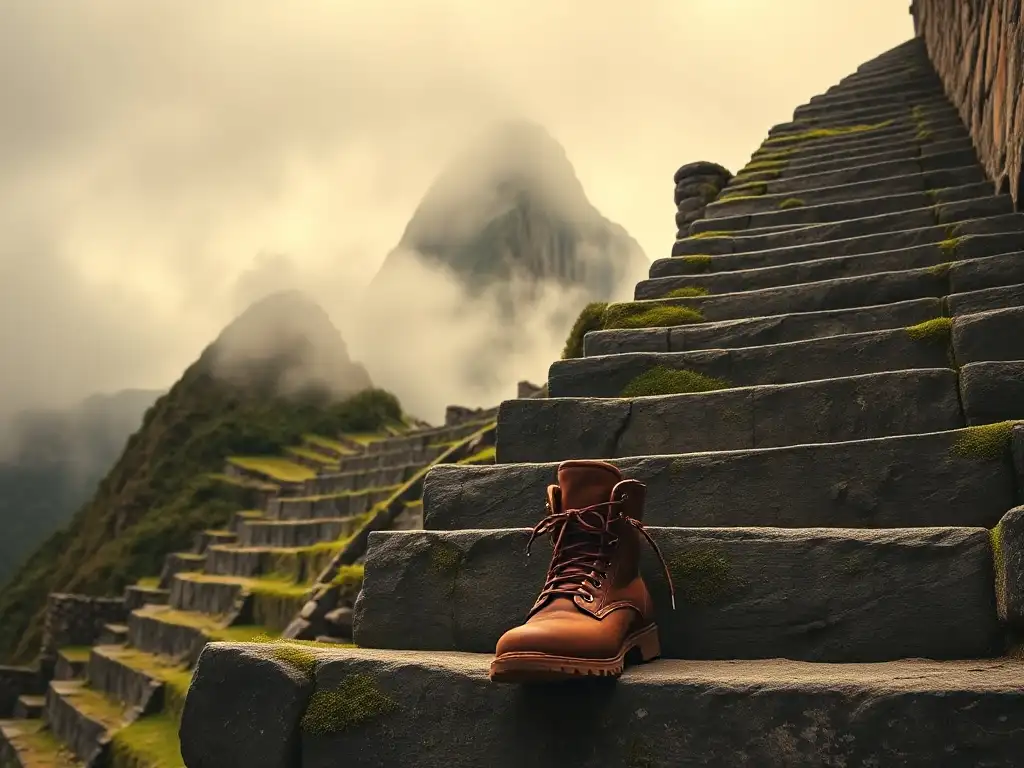
Choosing appropriate footwear is crucial. Andean trails can range from well-maintained paths to rugged, uneven terrain. Invest in sturdy, waterproof hiking boots with good ankle support. Break them in well before your trip to avoid blisters. Consider the type of terrain you'll be encountering; some trails might require boots with aggressive treads for better grip on steep inclines and rocky surfaces. Remember, comfortable and supportive footwear is essential for preventing injuries and ensuring a pleasant hiking experience. 🥾
The Importance of Proper Clothing: Layering for Andean Weather
Andean weather is notoriously unpredictable. Layering is essential to adapt to fluctuating temperatures throughout the day. Pack lightweight, moisture-wicking base layers, insulating mid-layers (fleece or down jacket), and a waterproof outer shell. A hat, gloves, and a scarf are also crucial for protection against sun, wind, and cold. Consider packing quick-drying clothing to ensure comfort even if you encounter unexpected rain showers. Remember to choose breathable fabrics to prevent overheating during strenuous activity. 🌦️
Water Purification and Hydration: Staying Healthy at High Altitudes
Dehydration is a significant risk at high altitudes. Carry plenty of water and consider using a water purification system (like a filter or purification tablets) to ensure safe drinking water, especially if you are venturing off the beaten path. Staying hydrated helps prevent altitude sickness and maintains your energy levels throughout your exploration. Remember, water is essential for your body's proper functioning, especially in challenging environments. 💧
First-Aid Kit Essentials for Andean Treks
A comprehensive first-aid kit is indispensable for any Andean trek. Include bandages, antiseptic wipes, pain relievers, blister treatment, anti-diarrheal medication, and any personal medications you require. Consider including altitude sickness medication if you are prone to it. Familiarize yourself with basic first-aid procedures before your trip. A well-stocked and readily accessible first-aid kit can be the difference between a minor inconvenience and a serious emergency. 🩹
Frequently Asked Questions
What are the biggest safety concerns when visiting Andean ruins?
The biggest concerns are altitude sickness, weather changes, and the terrain itself, which can be uneven and dangerous. Always be prepared for these factors.
How can I prepare for the altitude when visiting Andean ruins?
Acclimatize gradually to the altitude before undertaking strenuous activities. Drink plenty of water, avoid alcohol, and take it easy on your first day. Consider consulting your doctor about altitude sickness medication.
What should I do about the weather in the Andes?
Andean weather is notoriously unpredictable. Pack layers of clothing to adjust to changing conditions, including rain gear and sun protection. Check the forecast before you go.
Wear appropriate footwear – sturdy hiking boots are recommended. Stay on marked trails, be aware of your footing, and don't attempt to climb unstable structures. Consider hiring a guide.
What should I do if I get lost or injured at an Andean ruin?
Always let someone know your itinerary and expected return time. Carry a fully charged mobile phone (though service may be unreliable), a first-aid kit, and plenty of water. If injured, stay put and try to contact emergency services.
The allure of the Andean ruins remains potent, drawing adventurers and history buffs alike to explore these breathtaking sites. However, the responsibility of preserving these invaluable pieces of our shared human history necessitates a commitment to safe and respectful exploration. Ignoring the potential dangers – from altitude sickness to unforeseen weather – not only jeopardizes individual well-being but also diminishes the very heritage we seek to experience.
The impact of responsible tourism on the preservation of Andean ruins is profound and ongoing. It's not just about avoiding physical harm; it's about respecting the cultural significance of these places, acknowledging the indigenous communities whose history is interwoven with these sites. The past is never dead. It's not even past.
– William Faulkner. This quote resonates deeply, reminding us that our actions today directly impact the future of these ancient wonders and the communities who call them home. We must strive to be mindful stewards, ensuring that future generations can also marvel at their beauty and learn from their stories.
Consider the impact of your choices. Will you choose to heed the safety advice outlined in this guide, ensuring both your personal well-being and the preservation of these irreplaceable sites? Will you share this knowledge with fellow travelers, fostering a culture of responsible exploration? The future of the Andean ruins rests, in part, on the choices we make today. Let us choose wisely, ensuring that the echoes of the ancients continue to resonate for centuries to come.
**Embark on Your Andean Adventure Safely! **
Thank you for reviewing these vital safety tips for exploring the magnificent Andean ruins! This information will help you stay safe while immersing yourself in the rich history and breathtaking landscapes of this incredible region.
Now, let's put that knowledge into practice! Here's how to make the most of your upcoming adventure:
- **Plan your trip carefully:** Thoroughly research your destination, consider hiring a local guide, and ensure you have all the necessary permits and equipment.
- **Connect with other travelers:** Join online forums or social media groups to share experiences and learn from others about safe travel practices.
- **Share your experiences:** After your trip, consider writing a blog post or sharing photos on social media to inspire others and solidify your own understanding of safe adventure travel.
As you prepare for your expedition, consider what specific precautions you will take to ensure a memorable and safe experience in the Andes. We'd love to hear your thoughts!