
The Hidden Power of the Inca Queen: Beyond the Royal Court

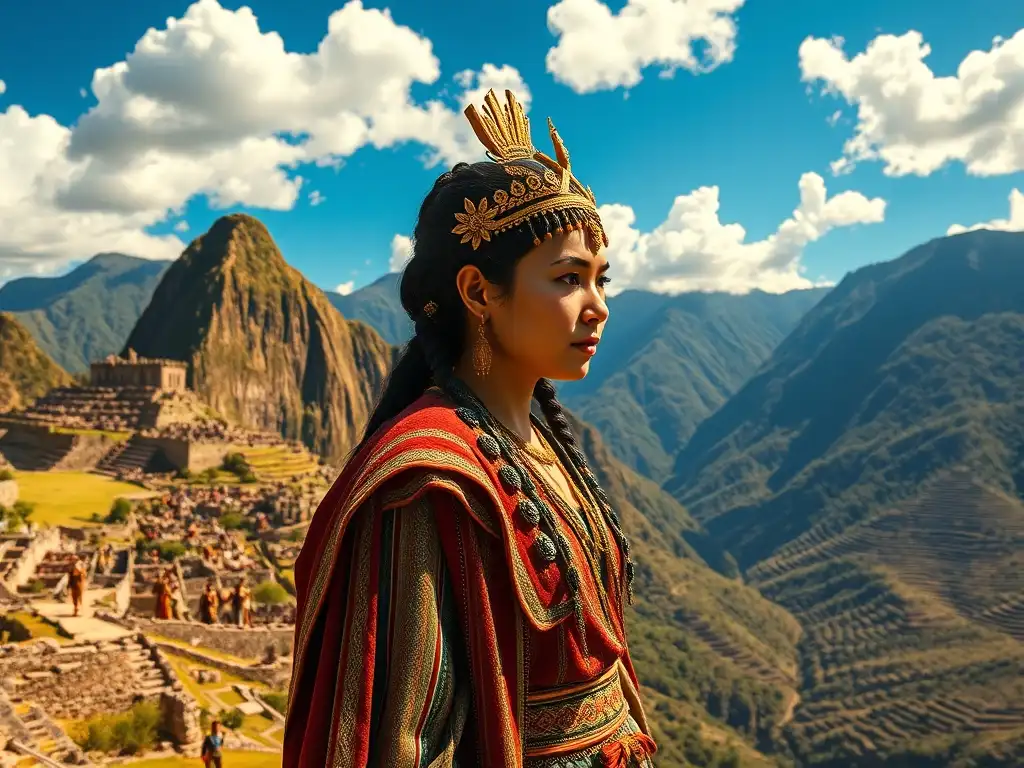
Step into a world shrouded in mystery and marvel at the untold stories of the Andean civilizations. For centuries, their achievements have captivated the world, but some secrets remain hidden... like the true extent of the Inca queen's power and influence. Dare to uncover the fascinating reality behind the royal court and discover the hidden levers of authority wielded by these remarkable women. Journey with us as we delve into the legacy of the Inca queen – a story far richer and more complex than you ever imagined.
The Inca Empire, a civilization that flourished in the Andes Mountains for centuries, is often remembered for its impressive feats of engineering, its intricate social structure, and its powerful emperors. However, a crucial element often overlooked in the narrative of Inca power is the significant role played by the Coya, the Inca queen. This article delves into the hidden power and influence wielded by the Coya, moving beyond the often-romanticized image of a royal consort to reveal her crucial contributions to Inca politics, society, and religious life.
We will explore how the Coya's influence extended far beyond the confines of the royal court, impacting everything from economic policies to religious practices, and shaping the very fabric of Inca society. Understanding the Coya's power is key to a complete understanding of the Inca Empire's success and longevity. This exploration will shed light on the multifaceted nature of Inca power dynamics and the crucial role women played in maintaining and shaping the empire.
We will examine specific examples of Coyas who exerted significant influence, demonstrating the extent of their agency and impact on Inca history. The keyword "Inca queen power and influence" will be explored through a detailed analysis of their roles and actions.
The Role of the Coya: Understanding the Inca Queen's Position
The Coya wasn't merely a decorative figurehead; her position held significant political and religious weight. She was chosen carefully, often from a noble family, ensuring alliances and maintaining social stability. Unlike many other ancient societies, the Inca queen’s role wasn't solely confined to bearing heirs.
While producing an heir to the throne was undoubtedly important, the Coya's responsibilities extended far beyond motherhood. She held significant religious authority, often acting as a high priestess, participating in important ceremonies and rituals. Her influence in religious matters solidified her position as a powerful figure within the empire, shaping religious beliefs and practices.
This influence wasn't solely symbolic; the Coya's approval could significantly impact religious decisions and the allocation of resources for religious institutions. Furthermore, the Coya often managed significant parts of the royal household, overseeing vast estates and controlling significant economic resources. This economic power translated into political influence, allowing her to advocate for specific policies and influence the distribution of wealth and resources throughout the empire.
The Coya's Influence on Inca Politics and Society
The Coya's influence extended beyond the religious and economic spheres. She often served as an advisor to the Sapa Inca (emperor), offering counsel on matters of state. Her opinions were valued, and her involvement in political decision-making was significant. Evidence suggests that Coyas played a crucial role in mediating conflicts, negotiating treaties, and even influencing military strategies.
This participation in the political arena wasn't passive; many Coyas actively shaped policies, advocated for their people, and exerted considerable influence on the course of the empire. The Coya also played a critical role in the social fabric of Inca society. She was a powerful symbol of Inca womanhood, and her actions set an example for other women in the empire. She was often involved in charitable works, supporting the poor and needy, and promoting social justice.
Through her patronage and influence, she helped shape social norms and values, contributing to the stability and cohesion of Inca society. The extent of her influence is still being researched, with new archeological discoveries and historical interpretations constantly adding layers to our understanding of this fascinating figure. The impact of the Coya on Inca society remains a significant area of study, emphasizing the importance of considering women's roles in shaping empires and civilizations. Analyzing the lives and actions of specific Coyas will further illuminate their remarkable power and enduring legacy.
Beyond the Throne: The Coya's Economic and Religious Power
The Coya, the Inca queen, wielded significant power extending far beyond the confines of the royal court. Her influence permeated the economic and religious spheres of Inca society, shaping its very fabric. As the wife of the Sapa Inca, the emperor, the Coya held considerable control over the vast Inca empire's resources. She oversaw the production of textiles, a crucial aspect of Inca economy and social status.
The finest textiles, often adorned with intricate designs and precious metals, were produced under her direct supervision, signifying her authority and the importance of her role in the empire's material wealth. These textiles weren't simply commodities; they served as gifts for diplomacy, religious ceremonies, and markers of social hierarchy, solidifying the Coya’s influence on the empire's political and social landscapes. Furthermore, the Coya played a vital role in religious ceremonies and rituals. She was considered a sacred figure, a conduit between the earthly and spiritual realms.
Her participation in religious festivals and her influence over the acllas (chosen women dedicated to the sun god) cemented her position as a powerful religious figure, further enhancing her overall authority within the Inca state. The Coya's economic control and religious influence were intertwined, reinforcing her power and solidifying her position as a significant player in Inca governance. Her actions resonated throughout the empire, impacting both the material and spiritual lives of the Inca people.
The authority of an Inca queen, or Coya, stemmed not only from her marriage to the Sapa Inca but also from her own illustrious lineage. Her noble bloodline often connected her to powerful curacas (local chiefs) and other influential families, creating a web of alliances and loyalties that reinforced her power. The Coya's family background provided her with a pre-existing network of supporters and influence within the empire. This network was crucial in navigating the complex political landscape of the Inca court and securing her position.
This inherent authority was further amplified by her role as the mother of potential future emperors. The heirs to the Inca throne were critical to the empire's stability and continuity. The Coya's influence extended to the upbringing and education of these heirs, giving her considerable sway over the future direction of the Inca empire.
This influence wasn't just about personal preference; it was about shaping the next generation of Inca rulers to maintain the empire's power and traditions. Therefore, the Coya's authority was a complex interplay of marital status, lineage, and the potential influence over succession, ensuring her significant role in the Inca political system. Her position was not merely symbolic; it was a position of real power, deeply rooted in the social and political structures of the Inca civilization.
Examples of Powerful Inca Queens Throughout History
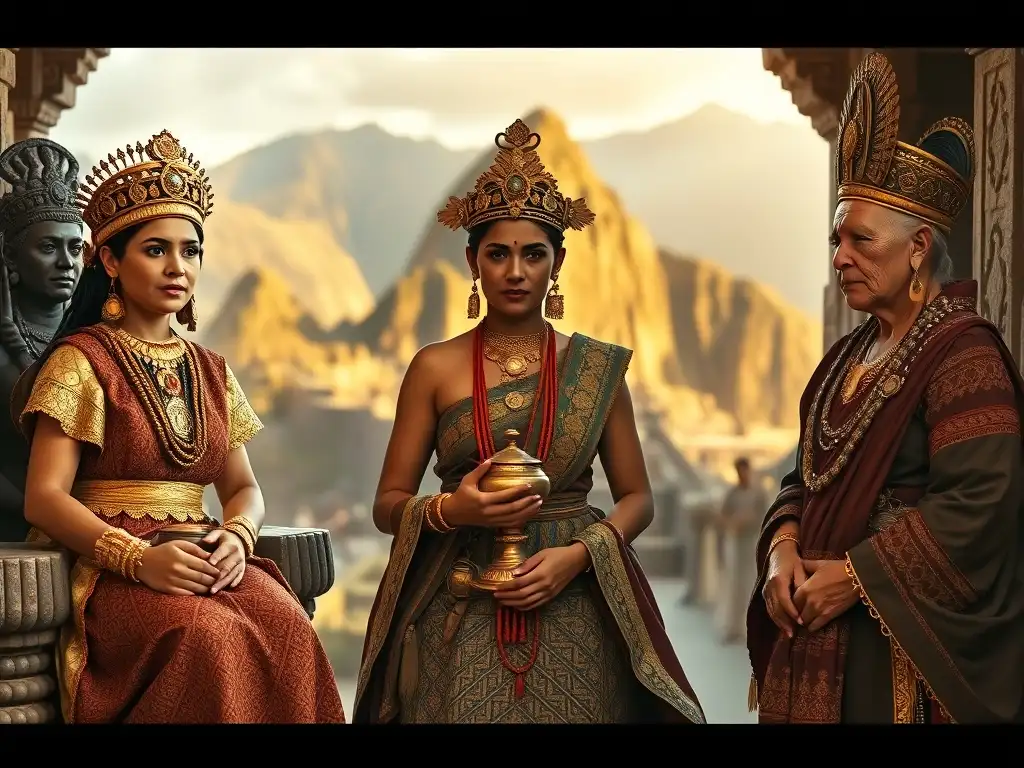
While detailed historical records about Inca queens are scarce, several figures stand out as examples of their significant influence. The limited accounts highlight the impactful roles these women played beyond their ceremonial duties.
Mama Ocllo and Her Impact
Mama Ocllo, often cited as the wife of the legendary Inca founder Manco Capac, is a figure shrouded in myth and legend. While historical accuracy is debated, her story underscores the symbolic importance ascribed to Inca queens.
Traditional accounts portray Mama Ocllo as not merely a consort but a co-founder of the Inca civilization, actively participating in the empire's establishment and the dissemination of Inca culture and traditions. She is frequently associated with the introduction of textile arts and agricultural practices, highlighting the role of Inca queens in shaping social and economic structures.
Although the extent of her actual historical influence remains uncertain, the enduring narratives surrounding Mama Ocllo illustrate the powerful image of the Inca queen as a figure of cultural and societal significance. Her legacy continues to inspire interpretations of the role of women in the early Inca empire, even if the specific details of her life are lost to time.
Mama Anahuarque and Her Legacy
Mama Anahuarque, the wife of Huayna Capac, stands out as a significant figure in the late Inca empire. While specific details about her political maneuvering are limited, her position as the mother of Huáscar and Atahualpa, the two brothers who would later engage in a devastating civil war for the Inca throne, places her directly within the heart of the empire's political turmoil.
Her influence likely extended to court affairs and the education of her sons, potentially shaping their perspectives and actions. The ensuing conflict, which ultimately weakened the Inca empire and contributed to its conquest by the Spanish, underscores the potential for Inca queens to significantly impact the empire's trajectory, even indirectly.
Although the extent of her direct political influence remains a topic of scholarly debate, Mama Anahuarque's story highlights the profound consequences of the choices and actions of Inca queens, especially when their sons became central figures in the empire's fate. Her legacy serves as a reminder of the far-reaching implications of the Inca queen's role, even amidst the uncertainties of historical record-keeping.
The Inca Queen's Role in Succession and Dynastic Stability
The Inca queen, known as the Coya, held a position of significant power and influence, extending far beyond the confines of a purely ceremonial role. Her involvement in succession and dynastic stability was crucial to the empire's longevity. While the Sapa Inca, the emperor, held ultimate authority, the Coya's influence on the selection of heirs was considerable. She often acted as an advisor, guiding the Sapa Inca in choosing a successor from among his sons or other eligible relatives.
This influence stemmed not only from her proximity to the ruler but also from her own family connections and political acumen. A Coya from a powerful lineage could significantly bolster the legitimacy and stability of the empire, ensuring the smooth transition of power and minimizing the risk of internal conflict. The selection process itself was often shrouded in secrecy, but historical accounts suggest that the Coya's counsel weighed heavily in these critical decisions. Her ability to navigate the complex web of royal relationships and alliances was essential in maintaining peace and order within the imperial family, thus contributing directly to the empire's overall stability.
The Coya's role wasn't merely passive; she actively participated in shaping the future leadership of the Inca Empire. Failure to secure a suitable heir could lead to civil war and fragmentation of the empire, therefore, the Coya's influence in this crucial area was paramount to the empire's long-term survival. Careful consideration was given to the lineage and character of potential heirs, and the Coya's judgement played a vital part in this process, ensuring the continuation of Inca power and the avoidance of debilitating succession crises.
The Coya's Ritual and Spiritual Significance in Inca Culture
The Coya's position extended beyond political influence; she held immense ritual and spiritual significance within Inca culture. As the wife of the Sapa Inca, the supreme religious authority, she was considered a sacred figure herself. Her participation in important religious ceremonies and festivals was essential. She was believed to possess a connection to the divine realm, acting as an intermediary between the Inca people and the gods.
This spiritual role manifested in various ways. For instance, the Coya was often involved in the capacocha sacrifices, a ritual where selected individuals were offered to the gods. While the Sapa Inca presided over the ceremony, the Coya's presence added a layer of spiritual weight and legitimacy. Her involvement in these ceremonies wasn't simply symbolic; she likely played a role in selecting the individuals to be sacrificed, demonstrating her power and influence even within the deeply religious aspects of Inca life.
Furthermore, the Coya was often associated with fertility rites and agricultural practices, reflecting the importance of agriculture in Inca society. Her role in these ceremonies highlighted her connection to the earth's bounty and the well-being of the empire. The Coya’s presence in these rituals solidified her position as more than just a queen; she was a vital part of the religious and spiritual fabric of the Inca Empire, reinforcing the legitimacy of the ruling dynasty and maintaining social harmony. Her importance transcended the political sphere, connecting directly to the spiritual beliefs that underpinned Inca society.
The Coya's Impact on Inca Art and Symbolism
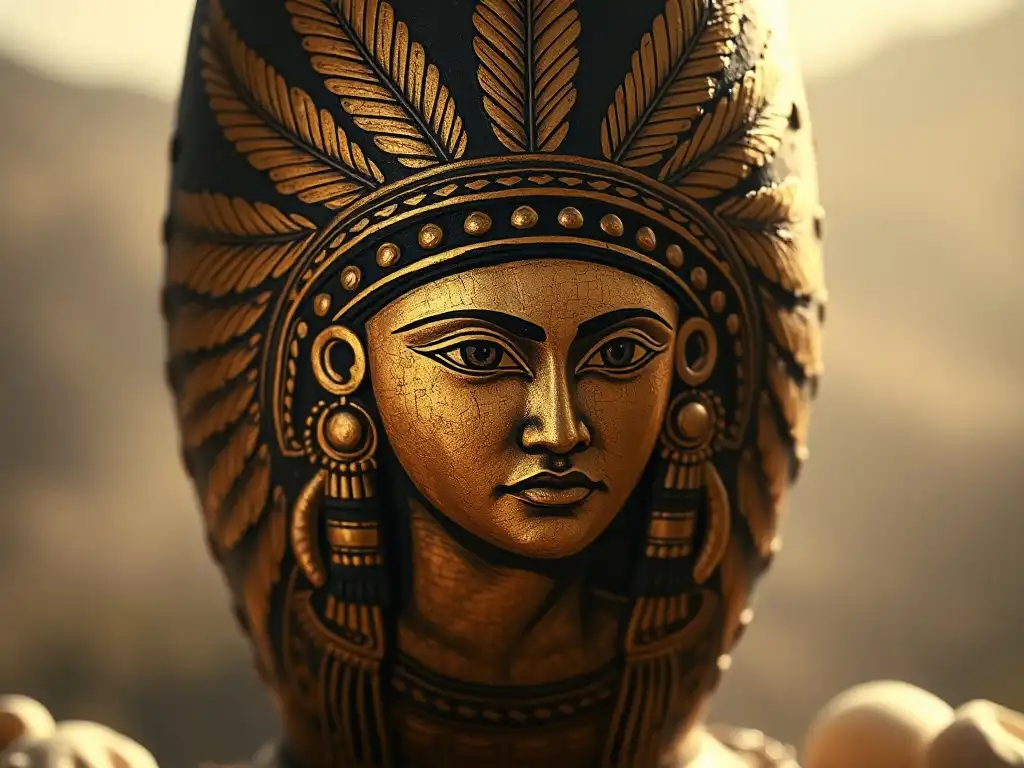
The Coya's influence is also evident in Inca art and symbolism. Her image frequently appeared in textiles, ceramics, and other art forms, often depicted alongside the Sapa Inca. However, the representation was not always simply a reflection of her status; the imagery often conveyed her power and spiritual significance. For example, the Coya was sometimes depicted wearing specific garments or holding symbolic objects, reflecting her roles in religious ceremonies or her connection to the divine.
These visual representations weren't merely decorative; they served to reinforce her authority and the importance of her role within Inca society. The choice of colors, materials, and motifs used in depicting the Coya also carried meaning, often reflecting her connection to fertility, prosperity, and the spiritual world. Furthermore, the style and quality of the art dedicated to the Coya often reflected the wealth and power of the Inca Empire at the time. Highly skilled artisans would have been employed to create these works, further emphasizing the Coya’s importance.
The meticulous detail and craftsmanship of these artifacts serve as a testament to the respect and reverence she commanded. The enduring presence of the Coya in Inca art and iconography demonstrates her lasting legacy and the profound impact she had on the cultural landscape of the empire. Studying these artistic representations provides valuable insights into the multifaceted role of the Inca queen and her influence on Inca society's worldview.
Challenging Misconceptions About Inca Women's Power
The popular image of Inca women often portrays them as subservient figures, confined to domestic roles within the patriarchal structure of Inca society. However, this simplistic view significantly underestimates the complexity of gender roles and the actual power wielded by Inca women, particularly those of royal lineage. Archaeological evidence, coupled with surviving accounts from Spanish chroniclers (though often biased), reveals a more nuanced reality. While men certainly held dominant positions in the formal political hierarchy, women, especially the Coya, the Inca queen, held significant influence behind the scenes.
Their power wasn't necessarily overt, expressed through direct political office-holding, but rather subtle, operating through kinship networks, religious authority, and control over resources. The acllas, or chosen women, dedicated to the Sun God, held considerable power in religious ceremonies and textile production, influencing both religious and economic spheres. Their influence extended beyond the immediate royal court, reaching into local communities through their religious roles and economic contributions.
The common misconception stems from a Eurocentric interpretation of gender roles, projecting a patriarchal model onto a society with a more complex system of power dynamics. Careful analysis of the available evidence reveals a far more intricate picture, where women, especially the Inca queen, exerted substantial influence, albeit in ways that differed from the formal political power structures dominated by men. This subtle, but very real, power deserves recognition and further study.
The Lasting Legacy of the Inca Queen's Influence
The Inca queen's influence extended far beyond her lifetime. Her role as a symbol of fertility, prosperity, and the continuity of the Inca lineage cemented her position as a powerful figure in the collective memory of the Inca people. The Coya's influence on religious practices, particularly those surrounding fertility and agricultural cycles, ensured her enduring legacy. Her patronage of artisans and control over resources meant that her influence permeated various aspects of Inca life, from textile production to agricultural practices.
Even after the Spanish conquest, the memory of the Inca queens, imbued with myths and legends, persisted within Andean communities. This enduring legacy is reflected in the continued reverence for female figures in Andean folklore and religious practices. The blending of Inca traditions with colonial Catholicism often incorporated elements of the Inca queens' power and influence, transforming them into powerful symbols of resilience and cultural continuity in the face of colonization.
The study of Inca textiles, for instance, reveals intricate designs and techniques that likely reflect the artistic patronage and preferences of the Coya, offering tangible evidence of her lasting impact. Furthermore, the surviving accounts, though filtered through the lens of colonial narratives, still hint at the profound respect and even awe with which the Inca queen was regarded, demonstrating the enduring significance of her influence across generations. The Inca queen's legacy is a testament to the lasting impact of powerful women in shaping not only the political landscape but also the cultural and religious fabric of a civilization.
- The Role of the Coya: Understanding the Inca Queen's Position
- The Coya's Influence on Inca Politics and Society
- Beyond the Throne: The Coya's Economic and Religious Power
- Inca Queen's Authority and Royal Lineage
- Examples of Powerful Inca Queens Throughout History
- The Inca Queen's Role in Succession and Dynastic Stability
- The Coya's Ritual and Spiritual Significance in Inca Culture
- The Coya's Impact on Inca Art and Symbolism
- Challenging Misconceptions About Inca Women's Power
- The Lasting Legacy of the Inca Queen's Influence
Frequently Asked Questions
What role did Inca queens actually play in the empire?
Inca queens, while not holding formal political power like the Sapa Inca, wielded significant influence behind the scenes. They controlled resources, advised the emperor, and played crucial roles in religious ceremonies and social affairs.
How did Inca queens exert their influence?
Their influence stemmed from their royal lineage, access to the emperor, and control over the acllahuasi (women's estates). They acted as powerful intermediaries, advocating for their families and communities. Their religious authority also gave them considerable sway.
Were Inca queens involved in politics directly?
While not holding official political offices, Inca queens were deeply involved in political life. They often influenced the emperor's decisions through their advice and by mediating disputes. Their social standing allowed for significant political leverage.
What was the significance of the acllahuasi?
The acllahuasi, or "Houses of the Chosen Women," were vital to the Inca empire. Queens oversaw these estates, where women were trained in textiles, brewing, and religious practices. They produced valuable goods and held spiritual importance.
How did the power of Inca queens compare to women in other Andean cultures?
The power and influence of Inca queens were relatively significant compared to women in other Andean societies. However, their power was indirect and dependent on their relationship with the Sapa Inca, unlike some matriarchal societies.
Final Reflection: Unveiling the Enduring Legacy of Inca Queens
The enduring power of Inca queens extends far beyond the gilded cages of Cusco's royal court; their influence resonates even today, shaping our understanding of gender, leadership, and societal structures in pre-Columbian America. Their stories, often obscured by patriarchal narratives, offer a vital counterpoint to traditional historical accounts, reminding us of the crucial roles women played in shaping empires.
The subtle yet pervasive influence of these women continues to challenge our assumptions about power dynamics in ancient societies. Their roles as spiritual leaders, economic managers, and political advisors were not merely supportive; they were integral to the very fabric of Inca society. Power is not merely a matter of brute force or military might; it is the ability to shape events and influence the course of history.
This quote, though not directly from the Inca era, perfectly encapsulates the quiet yet profound power wielded by these remarkable women. Their legacies challenge us to reconsider the traditional narratives of power, urging us to seek out and amplify the voices of those often silenced by history.
Consider the impact of these women's lives. Their stories are not just historical footnotes; they are potent reminders of the strength and resilience of the human spirit. You, too, possess the power to challenge assumptions and shape your own narrative. Seek out the untold stories in your own life and in the world around you. Embrace the potential within yourself to influence positive change, just as the Inca queens did centuries ago. Let their legacy inspire you to find your own voice and to use it to build a more equitable and just future.
Unleash the Legacy: Embrace the Power of Inca Queens!
Thank you for exploring the fascinating world of Inca queens! Your interest in these powerful historical figures enriches your understanding and connects you to a vibrant legacy. Now that you've discovered their strength and influence, let's consider how you can build upon this knowledge.
Here are some ways to engage further:
- Explore Andean Heritage: Visit a local museum or cultural center to see artifacts and learn more about the Inca civilization. Many institutions offer fascinating exhibits on Andean history and culture.
- Share Your Discoveries: Discuss your insights about Inca queens on social media or in online forums dedicated to Andean history. Your perspectives can spark engaging conversations and inspire others.
- Delve Deeper: Read biographies or historical novels about Inca queens to uncover the complexities of their lives and their impact on history. There are many excellent resources available to further your understanding.
How has your understanding of women's roles in ancient civilizations evolved? How do you believe their stories shape our modern perspectives on leadership?