
Atahualpa's Gamble: A Fatal Decision in the Face of Conquest

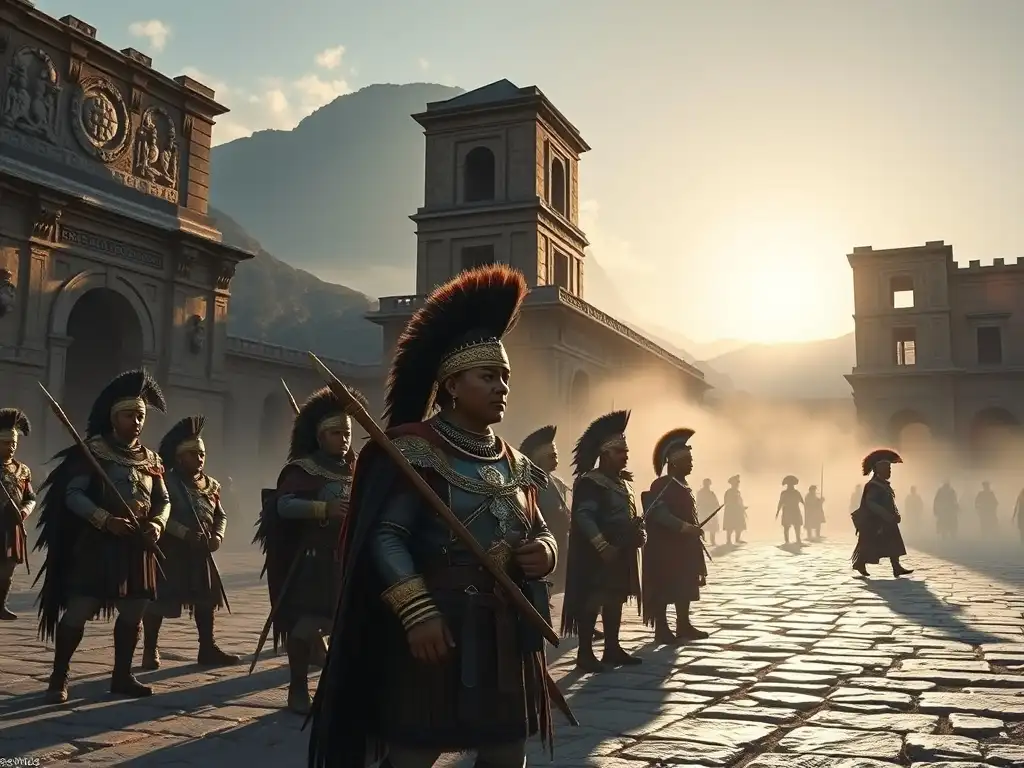
Step into a world lost to time, yet echoing with the grandeur of the Andes. Discover the captivating stories of ancient empires, their breathtaking artistry, and the ingenious technologies that shaped a continent. But what truly sealed the fate of one of the most powerful Andean rulers? Uncover the mystery behind Atahualpa Inca's fatal mistake – a gamble that changed the course of history forever. Journey with us to explore the intricacies of this pivotal moment and delve deeper into the fascinating world of Andean civilizations.
The Inca Empire, a marvel of engineering and political organization stretching along the Andes Mountains, met its abrupt end in the 16th century with the arrival of the Spanish conquistadors. While various factors contributed to the Inca downfall, the decisions made by Emperor Atahualpa in the face of this unprecedented threat played a pivotal role.
This article delves into the crucial choices Atahualpa made, analyzing his strategic gambles and ultimately exploring how these decisions, born from a complex interplay of political maneuvering and cultural misunderstandings, sealed his fate and significantly weakened the Inca Empire's resistance against the Spanish. We will examine Atahualpa Inca's fatal mistake through the lens of historical accounts and contemporary analysis, exploring the context surrounding his decisions and their far-reaching consequences.
Understanding this critical juncture helps us appreciate the complexities of the Inca conquest and the lasting impact it had on Andean history. This exploration will shed light on not just Atahualpa's personal failings, but also the broader systemic vulnerabilities within the Inca Empire that were exploited by the Spanish.
The Civil War and its Weakening Effect
The Inca Empire was already weakened by a recent civil war between Atahualpa and his half-brother Huáscar. This brutal conflict, lasting several years, depleted the empire's resources, manpower, and importantly, its unity. The war left a deep scar on the Inca society, dividing loyalties and creating internal strife that the Spanish cunningly exploited.
The protracted nature of the conflict meant that crucial military resources were diverted away from potential external threats, leaving the empire vulnerable to invasion. Furthermore, the destruction of infrastructure and the loss of life severely hampered the Inca's ability to mount an effective defense against the relatively small Spanish force.
The societal fracture caused by the civil war created a fertile ground for the Spanish to sow discord and gain allies among those who felt wronged or marginalized during the conflict. This internal division proved to be a far more significant obstacle than the numerical superiority of the Spanish army.
Atahualpa's Capture: A Turning Point
Atahualpa's capture at the Battle of Cajamarca in 1532 marked a catastrophic turning point. While the exact details remain debated by historians, the event showcases a stark contrast between Inca military tactics and the Spanish use of advanced weaponry and psychological warfare. Atahualpa's initial decision to meet Pizarro without adequate military preparation, potentially driven by underestimation of the Spanish capabilities or a desire for diplomatic resolution, proved disastrous.
The element of surprise, coupled with the devastating effect of firearms and cavalry, led to the swift capture of the Inca Emperor and the decimation of his army. This single event effectively crippled the Inca's ability to coordinate a unified resistance. The capture of Atahualpa was not merely the capture of a ruler, but the symbolic seizure of the Inca Empire itself.
The Ransom and its Ultimately Futile Attempt
Following his capture, Atahualpa offered an immense ransom of gold and silver, a testament to the Inca's wealth and Atahualpa's initial belief in the possibility of negotiation. The sheer volume of precious metals amassed underscores the scale of Inca power and resources. However, this seemingly shrewd move proved to be a double-edged sword. While it temporarily delayed his execution, the ransom ultimately served to further weaken the Inca Empire.
The collection of the ransom involved stripping the empire of its precious metals, depleting its economic strength and undermining its prestige. Furthermore, the Spanish, despite their agreement, ultimately executed Atahualpa, demonstrating the inherent lack of trust and the brutal nature of the conquest. The act of collecting the ransom exposed the empire's vulnerabilities, revealing its weaknesses to the Spanish and providing them with the wealth to strengthen their position and further their conquest.
The Legacy of Atahualpa's Decisions
Atahualpa's decisions, viewed retrospectively, appear as a series of miscalculations that facilitated the Spanish conquest. His involvement in the civil war, his underestimation of the Spanish, and his reliance on negotiation rather than immediate military action all contributed to the downfall of the Inca Empire. However, it is crucial to recognize that his actions were not solely driven by individual error.
The existing societal tensions, the cultural differences in warfare strategies, and the sheer technological disparity between the two civilizations all played significant roles. Atahualpa's legacy remains a complex and contested one, serving as a cautionary tale of leadership in the face of overwhelming odds and a testament to the devastating consequences of colonial conquest. The story of Atahualpa's gamble continues to resonate, reminding us of the delicate balance between diplomacy and force, and the enduring impact of historical decisions on the trajectory of civilizations.
- The Civil War and its Weakening Effect
- Atahualpa's Capture: A Turning Point
- The Ransom and its Ultimately Futile Attempt
- The Legacy of Atahualpa's Decisions
The Inca Empire on the Brink: Context of Atahualpa's Reign
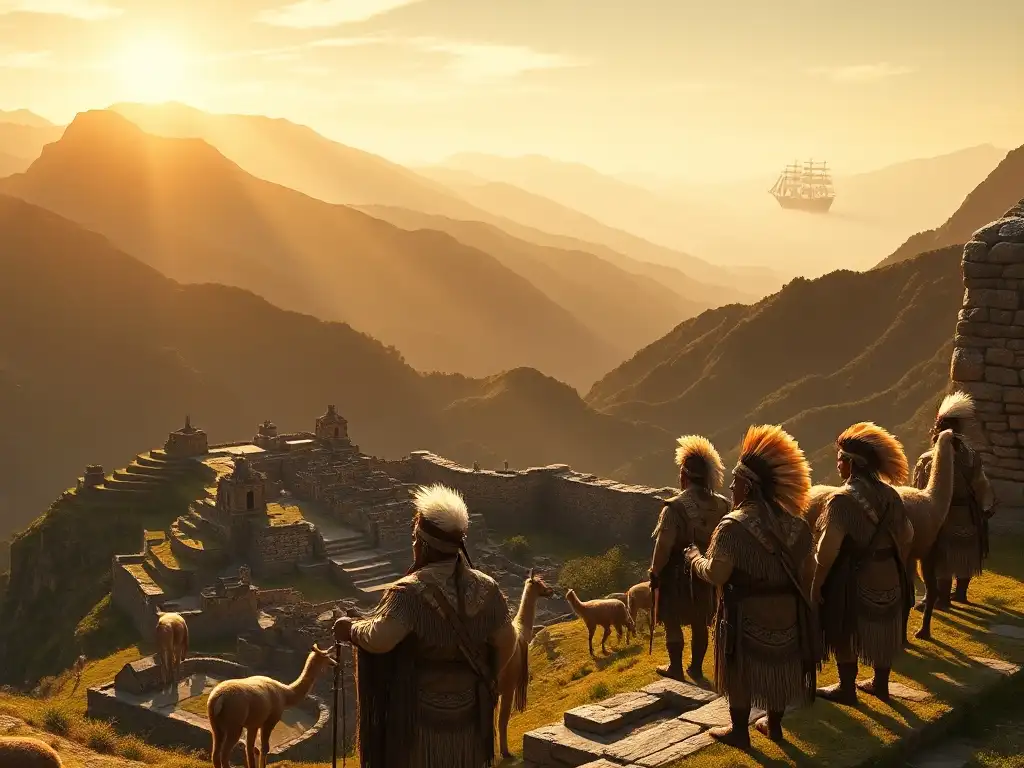
The reign of Atahualpa, the last Sapa Inca to rule a fully independent Inca Empire, unfolded against a backdrop of profound internal instability. Atahualpa's fatal mistake wasn't solely his decision-making during the Spanish encounter; it was inextricably linked to the precarious state of the Inca world he inherited. Years of internal strife, weakened infrastructure, and simmering resentment among conquered populations significantly hampered his ability to effectively respond to the Spanish invasion. Understanding this context is crucial to appreciating the full weight of Atahualpa Inca's fatal mistake. The empire, far from being a monolithic powerhouse, was fractured and vulnerable.
The Inca Civil War: A Divided Empire
The Inca Civil War (1527-1533), a brutal conflict between Huáscar and Atahualpa, sons of Huayna Capac, ripped the empire apart. This fratricidal struggle wasn't merely a power struggle; it exposed deep-seated tensions within the Inca political system. The war shattered the carefully constructed administrative structure, leaving key provinces depleted, communications disrupted, and loyalties fractured. Military resources were squandered in internecine conflict, leaving the empire ill-prepared to defend against external threats.
The sheer scale of destruction is evident in the archaeological record, with many significant sites bearing the scars of this devastating conflict. Estimates suggest that tens of thousands perished, weakening the military capacity and the overall morale of the empire. The civil war effectively dismantled the empire's centralized command structure, leaving a power vacuum that Pizarro ruthlessly exploited. It was a pivotal moment that fundamentally altered the landscape of the Inca Empire, paving the way for its swift collapse.
Atahualpa's Rise to Power Amidst Conflict
Atahualpa's victory in the civil war was pyrrhic. While he emerged as Sapa Inca, his triumph came at a tremendous cost. The empire was exhausted, its resources depleted, and its population traumatized. His claim to the throne was contested, with many nobles remaining loyal to Huáscar or harboring resentment towards Atahualpa.
This created an environment of distrust and instability, making it difficult for Atahualpa to consolidate his power and effectively govern. The political landscape was fraught with rivalries and conspiracies, leaving him vulnerable to internal opposition and external threats. His swift rise to power, achieved through military prowess, was not matched by a corresponding ability to heal the divisions within the empire, a critical failure that contributed to Atahualpa Inca's fatal mistake.
The lack of a unified and loyal leadership structure proved disastrous when confronted with the Spanish conquistadors. The internal weaknesses, exacerbated by the civil war, essentially paved the way for the Spanish conquest. The cost of victory in the civil war proved too high a price for the Inca Empire to pay.
The Arrival of the Spanish Conquistadors: A Clash of Worlds
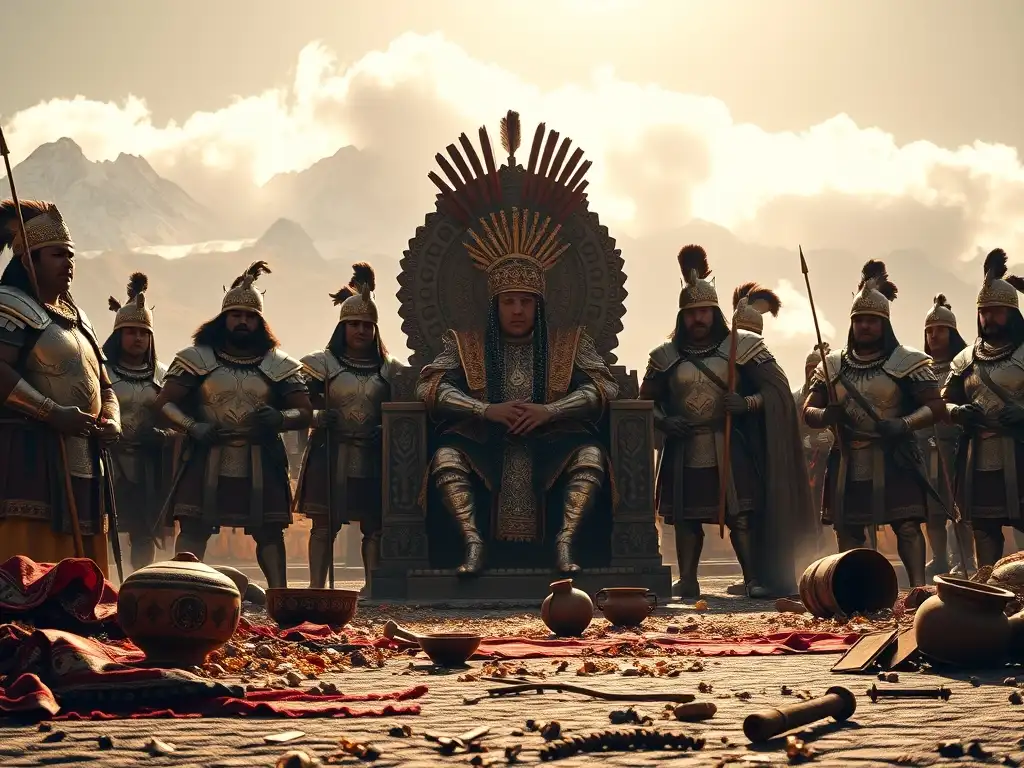
This section analyzes the initial contact between the Inca Empire and the Spanish conquistadors, focusing on the factors that contributed to the Inca's ultimate vulnerability. The arrival of Francisco Pizarro and his relatively small band of men marked a turning point not only for the Inca Empire but for the entire Andean region. This was a clash of worlds – a technologically advanced, centralized empire facing a seemingly insignificant force with vastly superior weaponry and a ruthless ambition for conquest.
The Inca, while possessing a sophisticated societal structure and impressive engineering feats, lacked the understanding of gunpowder weaponry and the devastating impact it would have on their military capabilities. This crucial technological gap, combined with internal strife and a lack of immunity to European diseases, significantly weakened the Inca's ability to defend their vast empire. The consequences of this initial encounter would irrevocably alter the course of Andean history.
Pizarro's Expedition and Initial Encounters
Pizarro's expedition, though small in number, was meticulously planned and executed. He leveraged existing tensions within the Inca Empire, exploiting the power struggle following the death of Huayna Capac. The ensuing civil war between Huáscar and Atahualpa significantly weakened the empire, leaving it vulnerable to external threats. Pizarro cleverly used this internal conflict to his advantage, forming alliances and exploiting divisions within the Inca ranks.
Initial encounters were marked by a mixture of awe and apprehension on both sides. The Incas, accustomed to their own military might, initially underestimated the Spanish, perhaps failing to grasp the full potential of their unfamiliar weaponry. The accounts of these early interactions paint a picture of both cultural exchange and escalating tension, hinting at the impending disaster.
Detailed records from Spanish chroniclers, while biased, provide valuable insights into the strategies employed by Pizarro and the reactions of the Inca leadership. The initial exchanges, often presented as peaceful, laid the groundwork for the later betrayal and capture of Atahualpa. The Spanish demonstrated their superior firepower in small skirmishes, subtly showcasing the imbalance of power that would soon become overwhelmingly apparent.
Atahualpa's Misjudgment of the Spanish Threat
Atahualpa's actions following his victory in the Inca civil war are crucial to understanding his later downfall. While he emerged victorious, the internal conflict had left the empire fractured and depleted. His decision to ignore or downplay the threat posed by the relatively small Spanish force can be considered a critical misjudgment, arguably Atahualpa Inca's fatal mistake.
He may have underestimated the Spanish due to their small numbers and the apparent lack of a strong supporting army. This assessment, however, overlooked the devastating impact of Spanish weaponry and tactics, the crucial element of surprise, and the strategic advantage gained by exploiting existing Inca divisions. Several factors likely contributed to this miscalculation: overconfidence born from his recent military success, a lack of detailed intelligence regarding Spanish capabilities, and potentially a cultural bias that prevented him from fully comprehending the nature of the threat.
The consequences of this underestimation proved catastrophic, leading directly to his capture at Cajamarca and the subsequent downfall of the Inca Empire. Analyzing this crucial decision through the lens of available historical accounts reveals a complex interplay of political machinations, cultural misunderstandings, and ultimately, a fatal underestimation of the Spanish capabilities, solidifying its place as a pivotal moment in Andean history.
Cajamarca: The Trap Set for Atahualpa
Cajamarca, a seemingly innocuous city nestled in the Andes, became the stage for one of history's most pivotal events: the capture of Atahualpa, the last Sapa Inca of the unified Inca Empire. The city's strategic location, situated in a valley surrounded by towering mountains, allowed Francisco Pizarro and his small band of conquistadors to create a deadly trap. Pizarro, understanding the Inca's respect for their emperor and their inherent trust in diplomacy, cleverly orchestrated a meeting that ultimately sealed Atahualpa's fate and irrevocably altered the course of Andean history.
The seemingly simple act of inviting Atahualpa to a meeting masked a brutal plan designed to exploit the Inca's cultural norms and military vulnerabilities. The meticulous planning, the calculated deception, and the overwhelming disparity in weaponry all contributed to the stunning success of the Spanish ambush. This strategic choice by Pizarro, while appearing audacious, showcased a keen understanding of Inca societal structures and a ruthless willingness to exploit them.
The consequences of this calculated risk would reverberate through generations, shaping the future of the Inca Empire and the very fabric of Andean society. The events at Cajamarca serve as a stark reminder of the devastating impact of cultural misunderstanding and the devastating power of superior weaponry in the context of conquest.
The Inca Emperor's Decision to Meet the Spanish
Atahualpa's decision to meet Pizarro in Cajamarca remains a subject of ongoing debate among historians. Was it a naive error of judgment, a calculated risk, or perhaps a combination of both? Some argue that Atahualpa, accustomed to the deference and obedience shown to him within his vast empire, underestimated the Spanish. He likely viewed the relatively small number of conquistadors as insignificant compared to his own powerful army. Furthermore, the Inca had a strong tradition of diplomacy and negotiation, and it is plausible that Atahualpa believed a peaceful resolution could be achieved.
His initial interactions with the Spanish, involving the exchange of gifts and seemingly amicable conversations, may have reinforced this belief. However, others contend that Atahualpa's decision was a strategic gamble. He may have intended to use the meeting as an opportunity to assess the Spanish strength and capabilities before launching a full-scale attack. The fact that he brought a large, albeit unarmed, retinue suggests a level of confidence, perhaps even a degree of arrogance, that ultimately proved fatal.
Regardless of his motivations, Atahualpa's decision to attend the meeting in Cajamarca, without sufficient military precautions, proved to be a catastrophic error, a fatal mistake that cost him his empire and his life. The lack of thorough reconnaissance and intelligence gathering before the meeting highlights a crucial weakness in Atahualpa's leadership, a failure to fully appreciate the nature of the threat posed by the Spanish conquistadors. This underestimation of the Spanish, fueled perhaps by cultural arrogance and a lack of experience dealing with such a technologically advanced adversary, sealed Atahualpa's fate and became a pivotal moment in the conquest of the Inca Empire. The consequences of this fateful decision continue to shape our understanding of the Inca's downfall and the complexities of intercultural encounters.
The Spanish Ambush and Capture of Atahualpa
The Spanish ambush at Cajamarca was a masterpiece of military strategy, meticulously planned and flawlessly executed. Pizarro's forces, vastly outnumbered by Atahualpa's entourage, strategically positioned themselves within the confines of the city, utilizing the natural terrain to their advantage. Hidden behind buildings and in concealed positions, they waited patiently for the Inca emperor and his retinue to arrive. The unsuspecting Inca, accustomed to displays of power and grandeur, entered the plaza with a large, unarmed group, including nobles, officials, and priests. The Spanish, at a pre-determined signal, unleashed a devastating assault.
The sound of cannons, the flashing of steel, and the chaos that ensued were completely unexpected by the Incans, resulting in absolute panic and disarray. The superior weaponry of the Spanish, including firearms, cannons, and steel armor, proved utterly devastating against the Inca's traditional weapons such as clubs, slings, and spears. The element of surprise, coupled with the overwhelming firepower of the Spanish, quickly overwhelmed the Inca forces. Atahualpa, despite his attempts to resist, was captured, marking the effective end of the Inca Empire's independence. The speed and efficiency of the capture highlight the devastating effectiveness of the Spanish strategy and the technological disparity between the two forces.
The battle was less a clash of armies and more a brutal demonstration of superior firepower and strategic planning. The capture of Atahualpa at Cajamarca remains a chilling illustration of the devastating consequences of encountering a technologically superior force unprepared. The event serves as a stark reminder of the vulnerabilities of even the most powerful empires in the face of unforeseen technological advancements and cunning military tactics. The aftermath of this ambush would lead to the systematic dismantling of the Inca Empire, marking a pivotal moment in Andean history and forever shaping the narrative of Atahualpa Inca's fatal mistake.
Atahualpa's Fatal Mistake: Misunderstanding the Conquistadors
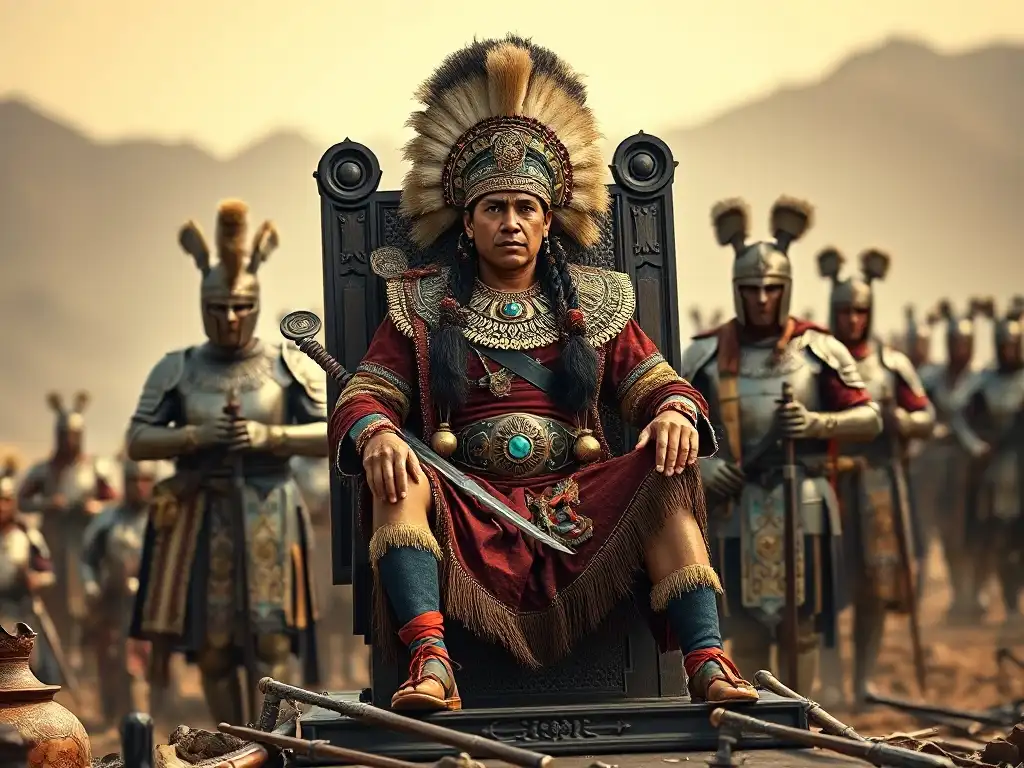
Atahualpa Inca's fatal mistake wasn't simply a single action, but rather a series of strategic miscalculations stemming from a profound misunderstanding of the Spanish conquistadors and their capabilities. His reign, though brief, was marked by internal strife and ultimately ended with his execution, a pivotal moment shaping the fate of the Inca Empire. Analyzing Atahualpa's actions in Cajamarca reveals a critical failure to grasp the nature of the Spanish threat, a misjudgment that proved catastrophic.
The common phrase "Atahualpa Inca's fatal mistake" encapsulates this critical error in judgment. Understanding this requires examining his strategic errors both before and during the fateful encounter with Pizarro.
Atahualpa's Strategic Errors in Cajamarca
Atahualpa's decision to attend the meeting in Cajamarca without sufficient military precaution was a colossal error. While accounts vary, the consensus points to a significant lack of awareness regarding the Spaniards' true intentions and military prowess. He likely underestimated their numbers and capabilities, believing his own superior force could easily overpower them. This underestimation stemmed from several factors:
- Intelligence Failures: The Inca intelligence network, usually effective, seems to have failed to provide accurate information about the Spanish weaponry, tactics, and overall strength. Reports might have downplayed the threat, focusing on the small number of initial conquistadors rather than their devastating potential. This lack of crucial intelligence directly contributed to Atahualpa's fatal underestimation.
- Cultural Misunderstandings: The Inca worldview, deeply rooted in their own power and the perceived inferiority of other cultures, likely played a role. The Spanish arrival might have been initially interpreted through the lens of existing power dynamics, failing to recognize the revolutionary nature of gunpowder weaponry and the conquistadors' ruthless ambition. The Incas lacked experience with firearms, rendering them unprepared for the devastating impact of the Spanish artillery.
- Political Intrigue: The ongoing civil war between Atahualpa and his half-brother Huáscar had weakened the Inca Empire, diverting resources and attention away from the Spanish threat. This internal conflict created vulnerabilities that Pizarro exploited masterfully. The focus on consolidating power after the civil war likely overshadowed the need for thorough preparation against the foreign invaders.
The Inca's Underestimation of Spanish Power
The Inca army, while vastly larger than the Spanish force at Cajamarca, was ill-equipped to counter the Spanish advantage in weaponry and tactics. The Spanish conquistadors possessed superior weaponry, including firearms, steel armor, and horses, which the Inca had never encountered before. This technological disparity proved decisive.
| Inca Weaponry | Spanish Weaponry | Impact |
|---|---|---|
| Clubs, spears, slings | Muskets, cannons, swords, crossbows | Overwhelming firepower advantage for the Spanish |
| Limited defensive armor | Steel armor, helmets | Superior protection for Spanish soldiers; Incas suffered significantly higher casualties |
| No experience with horses | Cavalry | Psychological impact and tactical advantage for the Spanish |
The devastating impact of the Spanish cavalry and firearms is well documented. The psychological effect of the horses alone was enough to cause considerable disruption and fear amongst the Inca soldiers. The Inca's reliance on close-quarters combat proved ineffective against the Spanish ranged attacks and superior defensive capabilities.
The combination of superior weaponry and tactical surprise led to a swift and decisive Spanish victory, highlighting the gravity of Atahualpa's underestimation of the Spanish capabilities. The consequences of this underestimation are still felt today, shaping our understanding of the conquest of the Inca Empire and the lasting impact of colonialism in the Andes. The phrase "Atahualpa Inca's fatal mistake" serves as a poignant reminder of the devastating consequences of misjudging an opponent's strength.
The Aftermath of Atahualpa's Capture: A Turning Point
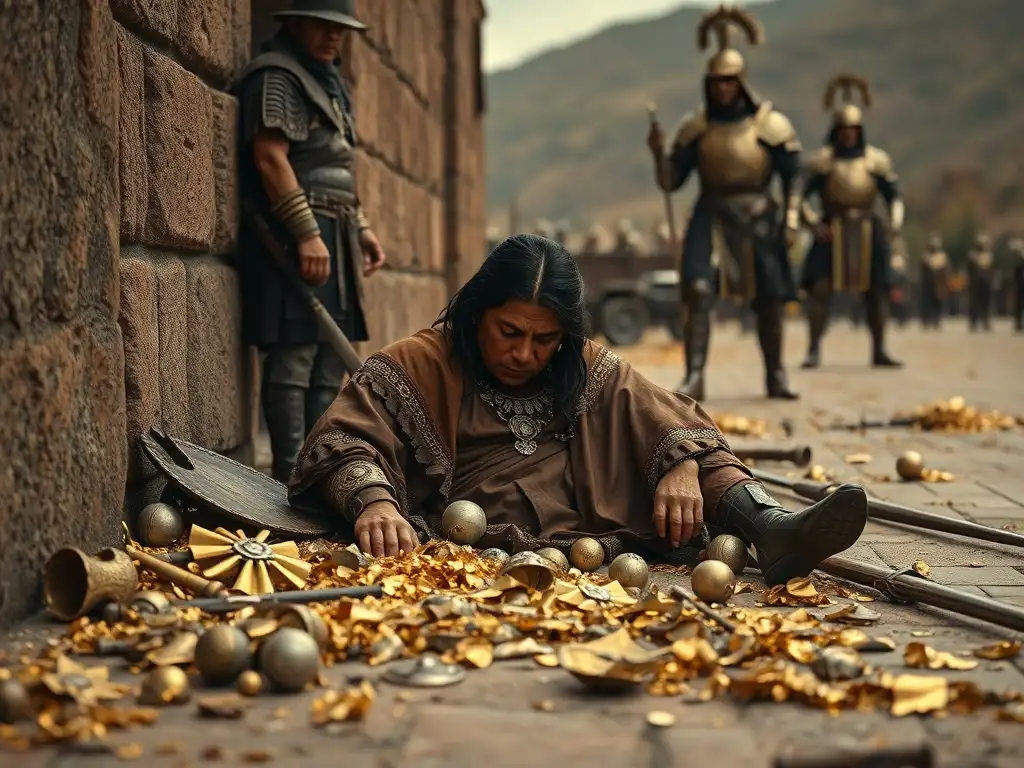
Atahualpa Inca's capture at Cajamarca marked not just the end of his reign, but a profound turning point in the history of the Inca Empire. The carefully orchestrated ambush by Francisco Pizarro and his conquistadors shattered the illusion of Inca invincibility and unleashed a cascade of events that irrevocably altered the course of Andean civilization. The immediate aftermath was characterized by chaos and uncertainty, with the Inca leadership fractured and vulnerable. The carefully constructed power structure, built on centuries of meticulous administration and sophisticated social organization, began to crumble under the weight of Spanish brutality and internal strife. This period witnessed the disintegration of the Inca's meticulously organized state, paving the way for Spanish domination. The sheer scale of the empire, previously a source of strength, now became a liability, as communication lines were severed and regional governors struggled to maintain order in the face of widespread confusion and fear.
The Ransom of Atahualpa: A False Promise
Following his capture, Atahualpa, in a desperate attempt to secure his freedom, offered an enormous ransom—a room filled with gold and twice as much in silver. This colossal sum, representing a significant portion of the Inca Empire's wealth, was meant to demonstrate his power and influence, and to appeal to the Spanish greed. The promise of such unimaginable riches temporarily stalled the immediate violence, and the Inca leadership, desperate for their ruler's release, worked tirelessly to fulfill this impossible demand.
However, the ransom, despite its staggering value, proved to be a false promise. The Spanish, fueled by insatiable avarice and a thirst for conquest that went beyond mere material gain, ultimately betrayed their agreement. The fulfillment of Atahualpa's ransom did not lead to his freedom, but rather served as a catalyst for further Spanish aggression and the consolidation of their control over the Inca Empire.
The event highlighted the vast difference in cultural values and ethical codes between the Inca and the Spanish, demonstrating the inherent power imbalance that ultimately determined the outcome of the conquest. The sheer magnitude of the gold and silver collected speaks volumes about the Inca's economic prowess, but also underscores the futility of their desperate attempt to appease their captors. The betrayal underscores the crucial "Atahualpa Inca's fatal mistake" in trusting the conquistadors.
Despite the fulfillment of the ransom, Atahualpa's fate was sealed. Accused of various crimes, including plotting against the Spanish and ordering the killing of his brother Huáscar (a claim that is still debated by historians), he was ultimately executed in July 1533. His death marked a symbolic and practical collapse of the Inca Empire's central authority. The vacuum of leadership created by Atahualpa's execution plunged the empire into a period of intense internal conflict and instability.
Rival factions vied for power, weakening the empire from within and making it easier prey for the Spanish. The well-oiled machinery of Inca governance faltered, unable to cope with the loss of its supreme leader and the onslaught of the Spanish. The execution of Atahualpa, a pivotal moment in the conquest, effectively removed the single unifying force that could have potentially rallied the Inca people against the invaders. This strategic error by the Spanish, however, was only possible because of Atahualpa's initial gamble, his trust in the Spanish, and the subsequent failure of the ransom negotiations.
The consequences of this event reverberated throughout the Andean region for centuries, shaping the political and social landscape of what would become colonial Peru. The execution solidified the Spanish conquest and marked the beginning of a new era, one defined by the subjugation of the indigenous population and the imposition of European culture and systems of governance. The legacy of Atahualpa's execution continues to be debated today, a testament to the enduring significance of this pivotal moment in Andean history and a key aspect of "Atahualpa Inca's fatal mistake".
Analyzing Atahualpa's Downfall: Lessons from History
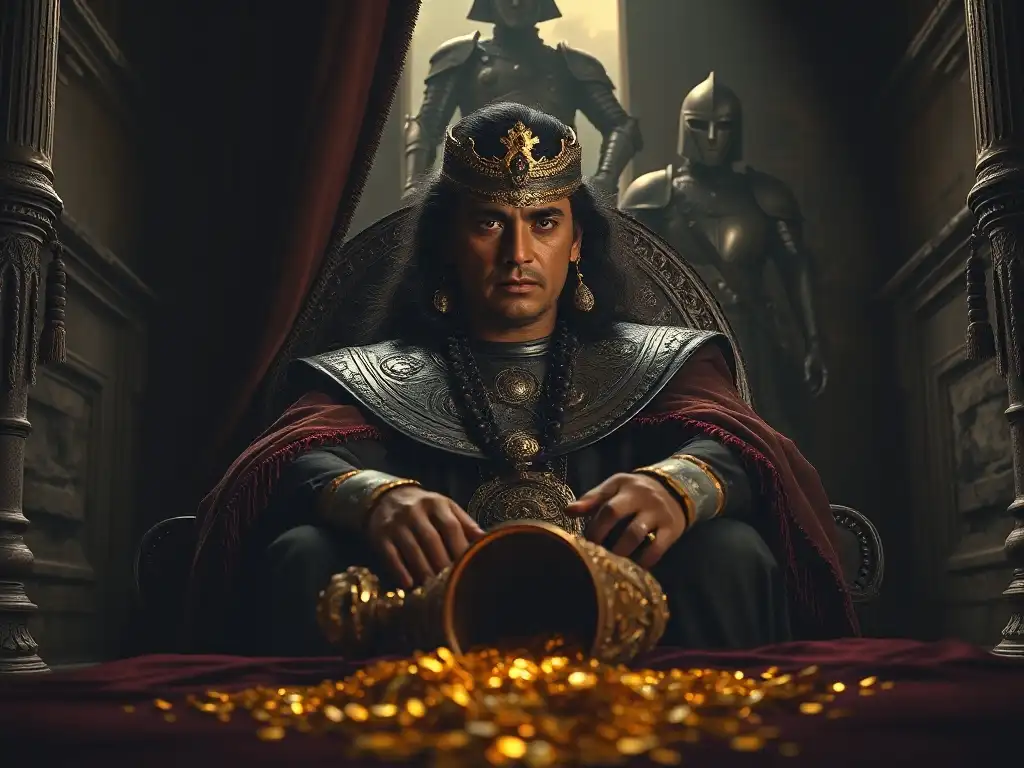
This section delves into the critical analysis of Atahualpa Inca's decisions leading to his capture and the subsequent collapse of the Inca Empire. We will examine not only the immediate consequences of his actions but also their lasting impact on Andean civilizations. Understanding Atahualpa's downfall offers valuable insights into the complexities of power, leadership, and the vulnerability of even the most powerful empires in the face of unexpected challenges. Atahualpa Inca's fatal mistake wasn't a single event, but rather a confluence of factors and judgments that ultimately sealed his fate and altered the course of Andean history.
The Impact of Atahualpa's Errors on the Inca Empire
Atahualpa's reign, though short, was marked by internal conflict and ultimately, catastrophic failure. His decision to engage in a civil war with his brother Huáscar significantly weakened the Inca Empire, fracturing its military strength and political unity just as the Spanish conquistadors arrived. This internal strife, fueled by Atahualpa's ambition and ruthlessness, created a power vacuum and a climate of instability that the Spanish readily exploited.
The empire's resources, which would have been crucial in resisting the Spanish advance, were instead diverted to the bloody civil war. The Inca army, once a formidable force, was depleted and demoralized, lacking the cohesion and strength needed to face a technologically superior, albeit smaller, enemy. The consequences were devastating: the rapid collapse of the Inca administration, the loss of life on an unimaginable scale, and the brutal subjugation of a once-proud and advanced civilization.
The Inca Empire, at the peak of its power just a few years prior, crumbled under the weight of internal division and the opportunistic onslaught of the Spanish. This highlights the critical importance of strong, unified leadership, especially in times of external threat. Atahualpa Inca's fatal mistake was not simply his capture, but the chain of events he set in motion before the arrival of Pizarro.
The subsequent Spanish conquest wasn't solely a military victory; it was a triumph born from exploiting existing fractures within the Inca Empire. Atahualpa's actions directly contributed to this vulnerability. The sheer scale of the devastation inflicted upon the Inca Empire serves as a stark reminder of the profound consequences of poor leadership and the importance of maintaining internal stability, particularly when facing external threats. The legacy of Atahualpa's reign remains a cautionary tale for leaders throughout history.
The Consequences of Atahualpa's Fatal Decision for Andean Civilizations
Atahualpa's capture and execution marked a pivotal moment in Andean history, ushering in an era of profound transformation and upheaval. The Spanish conquest, facilitated by the pre-existing internal conflicts within the Inca Empire, led to the destruction of traditional social structures, religious practices, and economic systems. The introduction of European diseases decimated the indigenous population, causing a demographic catastrophe that profoundly reshaped the social fabric of Andean societies.
The Inca's sophisticated agricultural techniques, intricate road systems, and advanced knowledge of astronomy and engineering were largely disrupted or lost, replaced by the colonial system. This represents a significant loss to Andean civilization and indeed, to the world’s cultural heritage.
The consequences extended far beyond the immediate fall of the Inca Empire, shaping the social, political, and economic landscape of the Andean region for centuries to come. The legacy of Atahualpa's actions continues to resonate even today, reminding us of the enduring impact of historical events on the trajectory of civilizations.
The long-term effects of Atahualpa's decisions are still felt in the cultural landscape of the Andes. The imposition of Spanish rule fundamentally altered the social hierarchy, leading to the marginalization and oppression of indigenous populations. The ensuing centuries witnessed a struggle for survival and cultural preservation, a struggle that continues to this day.
Understanding the consequences of Atahualpa Inca's fatal mistake requires acknowledging the profound and lasting effects of colonialism, a legacy deeply intertwined with his actions and the internal fragility he inadvertently exposed within the Inca Empire. The story serves as a powerful reminder of the interconnectedness of internal politics and external threats, demonstrating how internal divisions can weaken even the mightiest of empires, making them susceptible to conquest and long-lasting societal transformation.
The Legacy of Atahualpa: A Symbol of Resistance and Tragedy
Atahualpa Inca's reign, though tragically short, left an indelible mark on Andean history. His legacy is complex, a potent blend of military prowess, political maneuvering, and ultimately, catastrophic misjudgment. While his name is forever linked to the Spanish conquest, understanding his actions requires moving beyond the simplistic narrative of a single fatal mistake.
Atahualpa's story is one of both profound success and heartbreaking failure, a testament to the fragility of power in the face of overwhelming force, and a crucial piece of the puzzle in understanding the fall of the Inca Empire. Analyzing his decisions, particularly those leading up to his capture by Francisco Pizarro, allows us to appreciate the intricacies of Inca politics and the devastating impact of the Spanish conquest. The consequences of his choices reverberate even today, shaping how we perceive this pivotal moment in Andean history and the enduring influence of the Inca civilization.
His story serves as a cautionary tale, a reminder of the high stakes of political ambition and the unpredictable nature of historical events. The weight of his legacy continues to fuel debate and scholarly research, demonstrating the enduring fascination with Atahualpa Inca's dramatic life and untimely death.
Atahualpa's Place in Andean History
Atahualpa's position within the broader narrative of Andean history is multifaceted. He inherited a vast and complex empire, grappling with internal tensions and regional rebellions even before the arrival of the Spanish. His ascension to power itself was marked by a civil war against his half-brother Huáscar, a conflict that significantly weakened the Inca state.
This internal strife, a consequence of the Inca succession system, created a vulnerability that Pizarro ruthlessly exploited. Atahualpa's military successes in defeating Huáscar demonstrated considerable strategic skill and military might, yet this victory proved pyrrhic in the long run. The empire, fractured by the civil war, lacked the unity and strength needed to effectively resist the technologically superior Spanish conquistadors.
It's crucial to remember that Atahualpa wasn't simply a passive victim; he was a powerful ruler actively engaged in the political landscape of his time. He inherited a system already under strain, a system that ultimately crumbled under the combined weight of internal conflict and external invasion. Understanding Atahualpa's place in Andean history requires acknowledging the complexities of Inca governance, succession practices, and the devastating effects of European colonization.
Contemporary Perspectives on Atahualpa's Fate
Modern interpretations of Atahualpa's "fatal mistake" are far more nuanced than the traditional portrayal of a naïve ruler easily outmaneuvered by Pizarro. Historians now recognize the limitations imposed by the cultural and technological disparities between the Inca and the Spanish. The Inca, unfamiliar with cavalry, firearms, and the devastating impact of European diseases, were at a severe disadvantage. Furthermore, Atahualpa's decision-making was likely influenced by factors we can only speculate about today – incomplete intelligence regarding the Spanish capabilities, the intricacies of Inca diplomacy and political alliances, and perhaps even miscalculations regarding the Spanish intentions.
Some scholars argue that Atahualpa's initial approach towards the Spanish was a calculated risk, a strategy that tragically backfired. Others focus on the inherent power imbalance, highlighting the systematic dismantling of the Inca empire through a combination of military conquest, disease, and cultural disruption. The perception of Atahualpa's "mistake" has evolved from a simple narrative of individual failure to a more complex understanding of the systemic factors that contributed to the fall of the Inca Empire.
This shift reflects a broader movement in historical scholarship towards more nuanced and critical analyses of colonial encounters. The ongoing debate surrounding Atahualpa's legacy underscores the enduring relevance of his story in understanding the complexities of conquest and the lasting impact of colonialism on Andean societies. The label of "Atahualpa Inca's fatal mistake" is thus viewed today with a greater appreciation of the context and pressures surrounding his choices.
Frequently Asked Questions
What was Atahualpa's biggest mistake?
Atahualpa's biggest mistake was underestimating the Spanish conquistadors' military power and technology. He also underestimated their ruthlessness and willingness to exploit internal divisions within the Inca Empire. This led to his capture and ultimately, his death.
Why did Atahualpa refuse to acknowledge Pizarro's god?
Atahualpa's refusal to acknowledge the Christian God stemmed from his deep-seated belief in the Inca religion and the power of the Inca gods. This religious clash proved insurmountable and fueled the Spanish's justification for conquest.
How did Atahualpa's capture lead to the fall of the Inca Empire?
Atahualpa's capture created a power vacuum within the Inca Empire, leading to civil war and widespread chaos. This internal strife severely weakened the Inca, making them vulnerable to Spanish conquest.
What was the significance of the ransom offered by Atahualpa?
The enormous ransom of gold and silver offered by Atahualpa demonstrated the Inca Empire's wealth and resources. However, even this vast wealth couldn't prevent the Spaniards from executing him and conquering the empire.
What role did internal conflict play in Atahualpa's downfall?
Internal conflict within the Inca Empire, including the struggle for power between Atahualpa and his brother Huáscar, severely weakened the empire's defenses. This internal division made the Incas vulnerable to Spanish exploitation and conquest.
Final Reflection: The Enduring Legacy of Atahualpa's Choice
The naive trust Atahualpa placed in Pizarro's promises remains a chilling reminder of the dangers of underestimating an enemy, a lesson tragically relevant in today's world. The consequences of misjudging power dynamics, whether in international relations or personal interactions, continue to shape global events and individual destinies. Atahualpa's story serves as a potent cautionary tale, highlighting the devastating impact of misplaced faith and the crucial importance of strategic foresight.
The story of Atahualpa's encounter with Pizarro resonates deeply, not only as a historical event but as a powerful metaphor for the vulnerability inherent in moments of cultural clash. His story continues to shape our understanding of colonialism and its lasting impact on indigenous populations. History is not just what happened, but what is remembered, and how it is remembered.
This quote underscores the importance of critically examining historical narratives, particularly those that often marginalize the perspectives of the conquered. The enduring legacy of Atahualpa’s gamble forces us to confront the complexities of power, deception, and the enduring consequences of historical trauma.
Consider the choices you make, the risks you take, and the trust you place in others. Atahualpa's story is not just a historical account; it's a mirror reflecting our own capacity for both brilliance and devastating misjudgment. Let his fate serve as a catalyst for critical self-reflection, urging you to approach every decision with careful consideration, a keen awareness of potential consequences, and a healthy dose of skepticism when faced with seemingly irresistible offers. Learn from the past, and shape a more informed and empowered future.
Unleash the Lessons of Atahualpa's Fate!
Thank you for exploring the compelling story of Atahualpa and the pivotal moment that shaped his destiny and the Inca Empire. You've uncovered profound insights into decision-making under pressure, the complexities of leadership, and the far-reaching consequences of choices. Now, let's apply these lessons to your own life.
Here's how you can continue to explore this rich historical period and its enduring relevance:
- Reflect on Your Choices: Consider a significant decision you've faced. What parallels can you draw between your situation and Atahualpa's? What would he have done, and how does that compare to your own approach?
- Share Your Perspectives: Discuss the themes of leadership, decision-making under duress, and the impact of cultural clashes with friends, colleagues, or online using the hashtag #AtahualpaLegacy.
- Deepen Your Understanding: Visit a local museum or library to learn more about Inca civilization, the Spanish conquest, and the broader historical context surrounding Atahualpa's reign. Consider reading biographies of Atahualpa or exploring works that examine the Inca's sophisticated social and political structures.
Which aspect of Atahualpa's story resonates most strongly with you, and how will this understanding inform your future decisions?