
The Chimu Administrators: Managing the Largest Coastal Kingdom

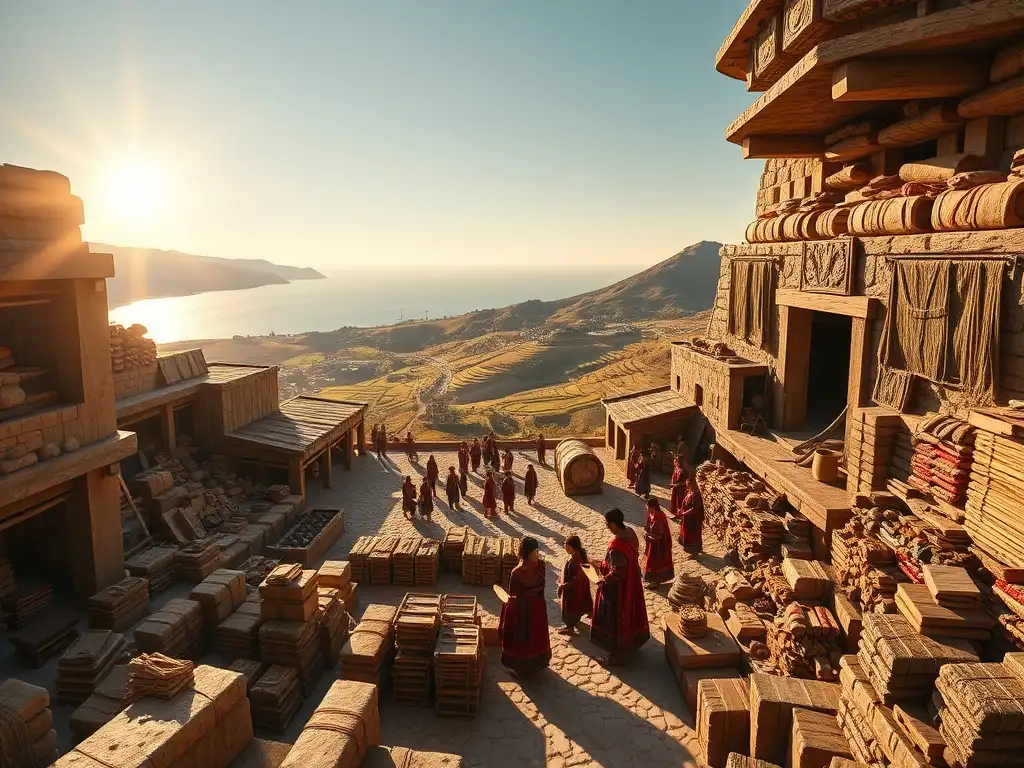
Uncover the secrets of a lost world! Step into the heart of the Andes and witness the breathtaking ingenuity of ancient civilizations. From the towering heights of Machu Picchu to the intricate artistry of the Nazca Lines, Andean Civilizations reveals the fascinating tapestry of their history and culture. But did you know that the Chimu, masters of coastal Peru, boasted a remarkably sophisticated Chimu administrative system? Discover how this intricate network maintained control over one of the largest pre-Columbian coastal kingdoms—a story of power, innovation, and enduring legacy waiting to be explored.
The Chimu Empire, flourishing along the arid northern coast of Peru from approximately 1300 to 1470 CE, stands as a testament to sophisticated urban planning and remarkably efficient administration. This coastal kingdom, arguably the largest pre-Columbian state in the region, wasn't built on military might alone; its success hinged on a complex and highly organized administrative system. This article delves into the intricacies of Chimu governance, exploring the roles of its administrators, their strategies for managing resources, and the lasting impact of their system on the Andean world. Understanding the Chimu administrative system provides crucial insight into the factors that enabled the empire's remarkable growth and longevity, before its eventual conquest by the Inca. We will examine the evidence unearthed by archaeologists, revealing a society meticulously organized to support a vast population and a powerful ruling elite. The keyword "Chimu administrative system" will be explored in detail throughout this investigation.
The Hierarchical Structure of Chimu Administration
The Chimu administrative system was deeply hierarchical, reflecting the empire's centralized power structure. At its apex stood the Sapa Inca, the supreme ruler, whose authority was absolute. Below him, a complex network of officials managed different aspects of the empire. These administrators, often drawn from the nobility, oversaw crucial sectors such as agriculture, fishing, crafts, and trade. Evidence suggests a clear chain of command, with regional governors reporting to higher-ranking officials in the capital, Chan Chan.
The system relied heavily on a complex bureaucracy, with scribes meticulously recording taxes, tributes, and other vital information. Archaeological discoveries of administrative centers and storage facilities highlight the scale of this organizational effort. The precision of the system is remarkable, indicating a sophisticated understanding of logistics and resource management. This intricate network was essential for the efficient functioning of the vast empire.
Resource Management and Control in the Chimu Empire
The Chimu's success was intrinsically linked to their mastery of resource management. The arid coastal environment presented significant challenges, requiring ingenious solutions for water management, agriculture, and the distribution of goods. The Chimu developed extensive irrigation systems, channeling water from rivers and streams to irrigate fertile valleys. These systems, often involving complex canals and reservoirs, were meticulously maintained by specialized work crews under the supervision of administrators.
Furthermore, the Chimu controlled fishing resources, a vital part of their diet, through a system of quotas and regulations. The efficient management of these resources, coupled with sophisticated storage techniques, ensured the stability and prosperity of the empire, even in times of drought. [Specific data on canal lengths and reservoir capacities pending].
The Role of Scribes and Record-Keeping in Chimu Administration
The Chimu administrative system relied heavily on record-keeping. Scribes, highly skilled individuals trained in the use of quipu (a system of knotted strings used for recording numerical data) and possibly other forms of writing, played a crucial role in managing information. They meticulously recorded taxes, tributes, population numbers, and other vital data. This record-keeping was essential for monitoring the empire's resources, tracking production, and ensuring the efficient distribution of goods.
The quipu, while not fully understood, provides a fascinating glimpse into the complexity of Chimu administration. The precision and scale of their record-keeping highlight the sophisticated nature of their bureaucratic system, enabling them to manage a vast and diverse population effectively. The surviving quipu fragments, though incomplete, reveal a highly organized system of accounting and administration.
The Legacy of the Chimu Administrative System
The Chimu administrative system, despite its eventual demise at the hands of the Inca, left a lasting legacy on the Andean region. Its sophisticated approach to resource management, its hierarchical structure, and its reliance on record-keeping influenced subsequent Andean civilizations. The Inca, for example, adopted and adapted many aspects of Chimu administrative practices, incorporating them into their own imperial system.
The Chimu's success in managing a large and complex state served as a model for later Andean empires, highlighting the importance of efficient administration in achieving political and economic stability. The study of the Chimu administrative system therefore offers valuable insights into the broader dynamics of Andean state formation and governance. The legacy of their administrative prowess continues to resonate even today.
- The Hierarchical Structure of Chimu Administration
- Resource Management and Control in the Chimu Empire
- The Role of Scribes and Record-Keeping in Chimu Administration
- The Legacy of the Chimu Administrative System
Introduction to the Chimu Kingdom and its Administrative Needs
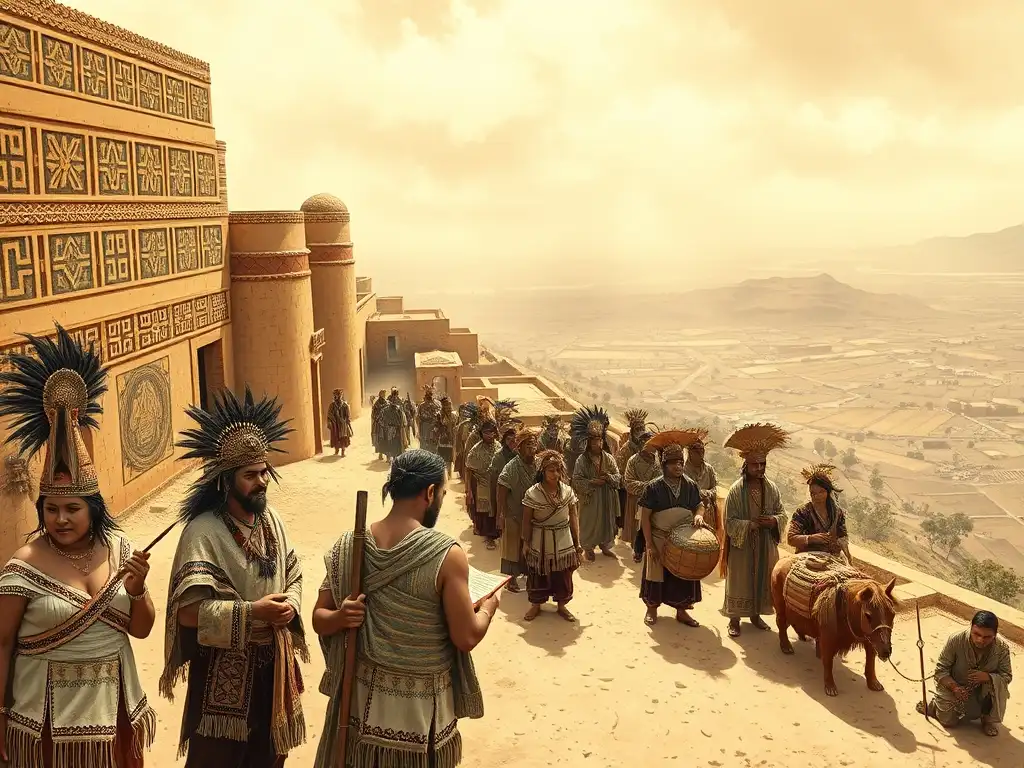
The Chimu administrative system, a marvel of pre-Columbian engineering and social organization, was crucial to the success and longevity of the Chimu Empire (c. 1300-1470 CE). This coastal kingdom, stretching along the arid northern coast of Peru, presented unique challenges for its rulers. Unlike the Inca, who controlled a vast and varied highland and lowland empire, the Chimu faced the specific problems inherent to a narrow, resource-scarce coastal strip.
Efficient administration wasn't merely a desirable trait; it was a necessity for survival and growth. The Chimu's sophisticated approach to governance, involving intricate networks of officials, specialized labor, and effective resource management, allowed them to build a remarkably powerful and enduring civilization. Their system served as a testament to their ingenuity and understanding of the complexities of managing a large and densely populated kingdom.
Understanding their administrative structure offers valuable insights into the workings of this fascinating Andean civilization and provides a compelling case study in ancient bureaucratic effectiveness. The scale and complexity of their achievements are a testament to their ability to overcome the limitations of their environment and create a thriving society.
The Rise of the Chimu Empire on the Peruvian Coast
The Chimu Empire's rise from a small fishing village to a dominant coastal power was a gradual process, fueled by strategic alliances, military conquests, and shrewd administrative practices. Starting in the Moche Valley around 1300 CE, the Chimu, initially known as the Chimor, consolidated power through a series of carefully planned military campaigns. These conquests were not simply acts of brute force; they were meticulously orchestrated operations aimed at securing crucial resources and strategic locations along the coast.
The acquisition of new territories, however, brought new administrative challenges. Integrating diverse populations, managing complex irrigation systems, and ensuring the efficient distribution of resources required a sophisticated and adaptable administrative apparatus. The Chimu's success lay in their ability to not only conquer but also effectively govern their expanding empire.
Their administrative system evolved in response to these challenges, becoming increasingly complex and centralized as the kingdom grew. This organic growth of the administrative system, driven by the needs of a rapidly expanding empire, showcases its resilience and adaptability. Archaeological evidence, such as the elaborate urban planning of Chan Chan, the Chimu capital, and the intricate network of roads and canals, supports this narrative of planned expansion and efficient governance.
Challenges of Governing a Large Coastal Territory
Governing a large coastal territory like the Chimu Empire presented numerous unique obstacles. The arid climate, limited arable land, and dependence on irrigation systems created a precarious balance. The Chimu faced the constant threat of drought and famine, necessitating rigorous resource management. Their administrative system addressed this challenge through a complex network of officials responsible for overseeing irrigation canals, regulating water distribution, and managing agricultural production.
Furthermore, maintaining control over a long and fragmented coastline required an effective communication and transportation network. The Chimu employed a system of relay runners and strategically placed administrative centers to ensure swift communication between different regions of the empire. [Specific details on the network of relay runners and administrative centers pending]. Maintaining social order and preventing rebellion in a diverse population also posed significant challenges.
The Chimu's solution involved a hierarchical system of governance with specialized officials responsible for collecting taxes, enforcing laws, and resolving disputes. This system, while hierarchical, incorporated elements of local governance to manage the diverse populations under Chimu control. The balance between centralized control and local autonomy was a crucial aspect of the Chimu administrative system, contributing to its relative stability and longevity. The evidence suggests a complex interplay of control and accommodation, reflecting the practical realities of governing a vast and heterogeneous empire.
The Chimu Administrative System: Key Components
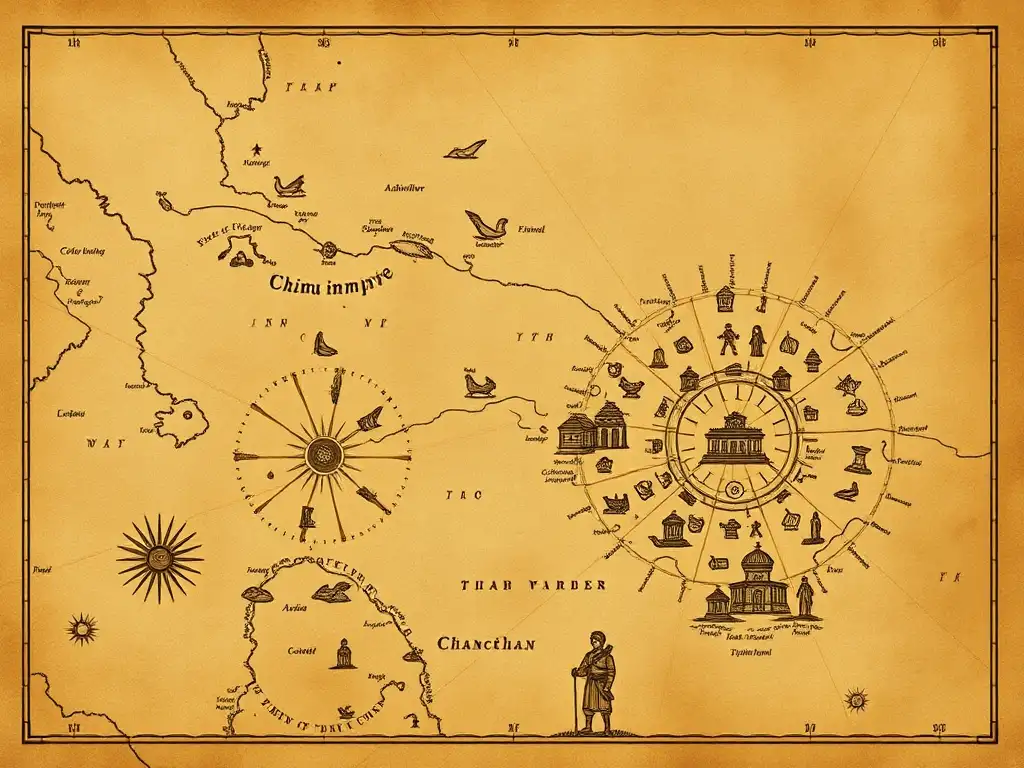
The Chimu administrative system, a marvel of pre-Columbian engineering and social organization, stands as a testament to the ingenuity of the Chimu people. Their ability to govern such a vast and diverse coastal kingdom, stretching hundreds of kilometers along the arid Peruvian coast, relied on a sophisticated, hierarchical structure that effectively managed resources, labor, and communication. This system, while exhibiting some similarities to other Andean societies, possessed unique characteristics that allowed for its remarkable success.
Understanding the Chimu administrative system provides crucial insight into the power and complexity of this influential civilization. The keyword "Chimu administrative system" is central to this analysis.
At the apex of the Chimu administrative system sat the Cie-quich, or king. The Cie-quich wasn't merely a figurehead; he was the absolute authority, wielding unparalleled power over all aspects of Chimu life. His authority was considered divine, reinforcing his position as the supreme ruler and ensuring obedience throughout the kingdom.
This centralized power allowed for efficient decision-making and the swift implementation of policies across the vast territory. The Cie-quich's control was facilitated by a complex network of loyal officials and regional governors, ensuring that his decrees were carried out effectively. Archaeological evidence, such as lavish royal tombs filled with artifacts representing power and wealth, underlines the extent of the Cie-quich's authority and the reverence he commanded within Chimu society.
Furthermore, the construction of monumental architecture, such as the Chan Chan citadel, served not only as a symbol of the king’s power but also as a testament to the effective organization of labor and resources under his centralized rule. The system was designed to maintain this supreme power, ensuring the continued prosperity and stability of the Chimu kingdom.
The Function of Chimu Governors and Provincial Administrators
Below the Cie-quich, a complex hierarchy of governors and administrators managed different regions and provinces within the Chimu empire. These officials were responsible for overseeing the collection of taxes, the organization of labor for public works projects, and the maintenance of order within their respective territories. The effectiveness of this system relied on the loyalty and competence of these regional administrators.
While the exact structure and titles of these positions remain partially unclear due to limited surviving documentation, archaeological evidence suggests a highly organized system of regional control. The distribution of resources, such as irrigation canals and storage facilities, suggests a planned approach to resource management orchestrated by these provincial administrators.
Furthermore, the standardization of certain architectural features and pottery styles across different regions implies a degree of centralized control and communication, highlighting the effectiveness of the Chimu administrative system in maintaining uniformity and stability across their extensive domain. The success of the Chimu state depended heavily on the ability of these regional officials to effectively govern their assigned areas and transmit information and resources to the capital.
The Importance of Quipu Record Keeping and Bureaucracy in Chimu Society
The Chimu administrative system’s efficiency was significantly enhanced by their sophisticated record-keeping system based on quipus. These knotted strings served as a complex form of data storage, recording information related to population counts, tax collection, agricultural yields, and other essential administrative details. The quipu system was far from rudimentary; it represented a highly developed form of pre-Columbian numerical notation and data management.
While the precise methods of interpreting quipu data remain a subject of ongoing research, the sheer volume of quipus discovered in Chimu sites underscores their importance in the kingdom's administration. The intricate knotting patterns and color-coding suggest a highly organized and standardized system for recording and interpreting information, allowing for efficient management of resources and the tracking of key economic indicators. The presence of dedicated scribes and administrators specializing in quipu interpretation highlights the essential role of this technology in the Chimu bureaucratic system, facilitating effective governance and contributing to the kingdom's long-term stability and prosperity.
The Chimu's mastery of quipu technology is a key element of their advanced administrative system, demonstrating their sophisticated understanding of data management and its crucial role in governing a large and complex society. This intricate system enabled the effective management of resources, population, and trade, solidifying the Chimu's position as a powerful and influential coastal kingdom.
Infrastructure and Resource Management in the Chimu State
The Chimu administrative system was a marvel of its time, effectively managing a vast coastal kingdom through sophisticated infrastructure and resource management. Their success hinged on a complex interplay of engineering prowess, logistical planning, and centralized control, all contributing to the empire's remarkable longevity and prosperity. Understanding their approach to infrastructure and resource allocation offers crucial insights into the inner workings of this powerful pre-Columbian civilization.
The Chimu, unlike some of their Andean contemporaries, lacked readily available high-altitude resources, relying instead on intensive coastal agriculture and specialized craft production. This necessitated a robust and efficient administrative system to oversee these vital activities. The Chimu administrative system's efficiency is evident in its meticulous organization of these key aspects of its economy.
The Chimu Road Network: Facilitating Communication and Control
The Chimu road network played a critical role in their administrative system, acting as the arteries of their empire. These roads, constructed primarily from compacted earth and stone, weren't just pathways; they were instruments of control, enabling rapid communication and efficient movement of goods and personnel across the expansive coastal territory. Archaeological evidence suggests a hierarchical system of roads, with major thoroughfares connecting key urban centers and smaller, secondary routes branching out to reach more remote settlements.
This allowed for swift mobilization of troops in response to threats or rebellions, and facilitated the efficient collection of tribute and taxes. The system’s effectiveness stemmed not only from its physical construction but also from the sophisticated logistical organization that accompanied it. Relay stations, strategically positioned along the routes, likely provided resting places for messengers and soldiers, ensuring consistent communication and supply lines.
The precise layout and extent of the Chimu road network remain areas of ongoing research, but existing evidence points to a level of engineering and administrative sophistication far exceeding that of many contemporary societies. This intricate network, directly reflecting the Chimu's administrative capabilities, facilitated trade, ensured internal security, and ultimately contributed to the consolidation and stability of their power.
Irrigation Canals and Agricultural Terracing
The Chimu's success was intrinsically linked to their mastery of irrigation. Their arid coastal environment demanded innovative solutions to ensure agricultural productivity, and the Chimu responded with an impressive network of canals and terraces. These sophisticated irrigation systems, some stretching for kilometers, channeled water from rivers and streams to irrigate vast expanses of farmland.
The canals were carefully engineered, often incorporating ingenious techniques to overcome obstacles like undulating terrain and shifting sand dunes. The Chimu's understanding of hydraulic engineering was exceptional, allowing them to create a sustainable agricultural system that supported a large population. Furthermore, they employed agricultural terracing on hillsides to maximize arable land, further enhancing their agricultural output.
The construction and maintenance of these extensive irrigation systems required significant labor and meticulous planning, highlighting the crucial role of the Chimu administrative system in coordinating these large-scale projects. The precise management of water resources was paramount to their economic success, demonstrating the intricate connection between their infrastructure and their overall administrative structure. The system's effectiveness is evidenced by the scale of agricultural production that sustained their large urban centers and supported the activities of their specialized craftspeople.
Specialized Ceramic and Metal Production and Distribution
The Chimu administrative system also played a pivotal role in managing the production and distribution of specialized goods. Chimu artisans were renowned for their highly skilled craftsmanship in ceramics and metalwork, producing a wide array of items ranging from everyday pottery to elaborate gold and silver artifacts. The production of these goods was not haphazard; evidence suggests centralized workshops and specialized labor forces operating under the direction of the Chimu state. The administrative system oversaw the procurement of raw materials, the organization of production, and the distribution of finished goods throughout the empire.
This centralized control ensured consistency in quality and quantity, while also allowing the state to control the flow of valuable resources and prestigious items. The distribution system likely involved a complex network of warehouses and storage facilities, ensuring the efficient delivery of goods to different regions and social classes. The standardization of ceramic styles and the widespread dissemination of metalwork throughout the Chimu territories further underscores the effectiveness of their administrative control over production and distribution.
The Chimu's ability to manage these complex processes showcases their advanced organizational skills and the sophisticated nature of their administrative system. This centralized control over production and distribution was a key factor in maintaining the empire's economic strength and social stability. Analysis of ceramic shards and metal artifacts reveals a degree of standardization and control indicative of a highly organized and centralized production system.
Chimu Economic Strategies and Taxation
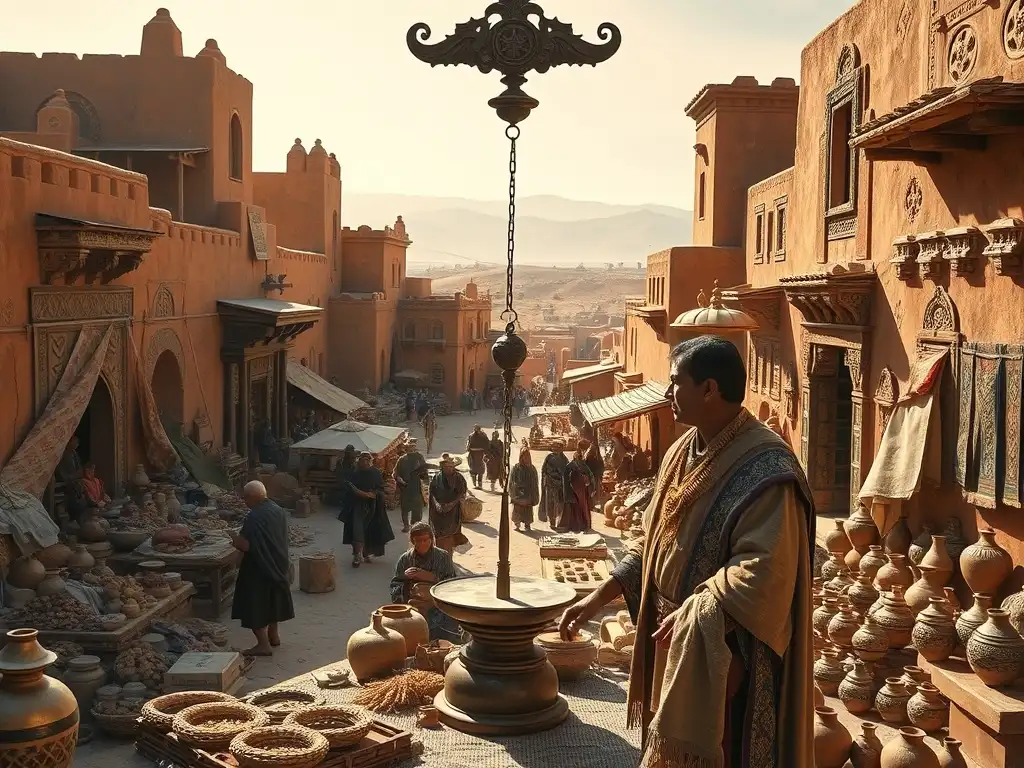
The Chimu administrative system, a cornerstone of their vast coastal kingdom, relied heavily on sophisticated economic strategies and a robust taxation system to maintain control and fund expansive infrastructure projects. Understanding their economic policies is crucial to grasping the scale and longevity of Chimu power. The empire's success wasn't solely due to military might; it was fundamentally rooted in efficient resource management and a finely-tuned system of tribute and trade. This section will delve into the key components of the Chimu economy, focusing on tribute collection, long-distance trade, and the unique role of barter and shell currency.
Tribute Collection of Agricultural Goods and Labor
The Chimu state demanded significant tribute from its conquered provinces. This wasn't simply a matter of extracting wealth; it was a crucial mechanism for consolidating power and ensuring the empire's continued growth. The tribute system functioned as a complex network, efficiently channeling resources from diverse regions to the capital at Chan Chan.
Agricultural goods formed a significant portion of this tribute. Farmers were obligated to deliver a substantial percentage of their harvest—maize, beans, squash, cotton, and other crops vital to the empire's sustenance—to designated storage facilities. This ensured food security for the urban centers and the elite, and provided surplus for potential emergencies or large-scale public works projects.
Beyond agricultural produce, the Chimu also demanded labor tribute. Skilled artisans, builders, and laborers were conscripted to work on royal projects, including the construction and maintenance of irrigation canals, monumental architecture at Chan Chan, and the production of textiles and ceramics. The scale of these projects, evidenced by the extensive remains of Chan Chan, suggests a massive mobilization of labor, efficiently managed through the tribute system.
Detailed records of labor contributions, while not directly surviving, are implied by the sheer magnitude of Chimu achievements. Further research could reveal more precise data on the organization and quotas of this labor tribute, offering a more complete picture of the Chimu administrative system's efficiency.
Long-Distance Trade and Resource Acquisition
The Chimu economy wasn't solely reliant on internal tribute; it actively engaged in extensive long-distance trade networks. The kingdom's coastal location provided unparalleled access to maritime trade routes, connecting them to distant regions and facilitating the acquisition of valuable resources unavailable within their immediate territory. This trade extended both north and south along the Peruvian coast, and potentially even included connections with inland regions.
These trade routes brought in essential resources like precious metals (gold, silver), obsidian (used for tools and ceremonial objects), and exotic feathers and shells, highly valued for ornamentation and religious ceremonies. The Chimu controlled strategic points along the coast, effectively managing trade and collecting taxes or tribute on goods passing through their territory. The administration's role in facilitating and regulating this trade further solidified their power and enriched the kingdom's coffers.
The precise nature of these trade relationships—whether they were primarily based on barter, tribute, or a combination thereof—remains an area of ongoing research. Archaeological discoveries continue to shed light on the extent and complexity of Chimu trade networks.
The Role of Barter and Shell Currency
While the Chimu didn't possess a standardized monetary system in the same way as later societies, barter played a significant role in their economy, supplemented by the use of shell currency, primarily Spondylus shells. Barter involved the direct exchange of goods and services, facilitating trade within local communities and across longer distances. The use of Spondylus shells, sourced from Ecuadorian waters, suggests complex trade networks reaching beyond the immediate Chimu territory.
These shells, highly prized for their beauty and perceived spiritual significance, functioned as a form of currency, albeit a limited one. Their value was likely determined by size, quality, and the effort required to obtain them, making them a valuable commodity in trade and a symbol of prestige. The use of Spondylus shells in ceremonial contexts further underscores their importance within Chimu society.
The interplay between barter and shell currency provided flexibility within the Chimu economy, complementing the more structured system of tribute and long-distance trade. Further research into the specific exchange rates and the geographical distribution of Spondylus shells could provide a clearer understanding of their economic role within the Chimu administrative system.
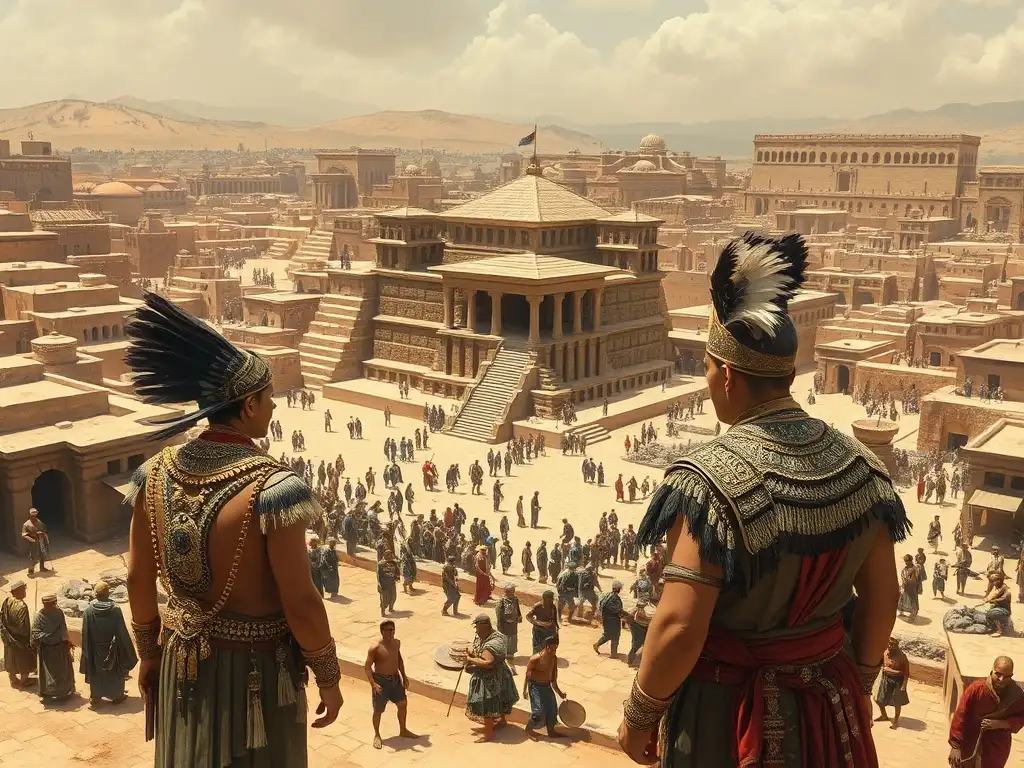
The Chimu administrative system, a cornerstone of their vast coastal kingdom, was intricately linked to a rigid social hierarchy. Understanding this hierarchy is crucial to grasping the mechanics of their governance. The system wasn't simply a matter of power distribution; it was a deeply ingrained societal structure that dictated roles, responsibilities, and access to resources. This hierarchical structure ensured the efficient mobilization of labor, the collection of tribute, and the maintenance of order across a geographically extensive and densely populated realm.
The effectiveness of the Chimu administrative system rested on the clear delineation of social strata and the corresponding duties assigned to each. This wasn't a static system, however; it evolved and adapted over time to meet the challenges of expansion and internal pressures. The interplay between social standing and administrative function is a key to understanding the Chimu's success.
The Elite Class and Their Administrative Roles
The apex of the Chimu social pyramid comprised the elite class – the curacas, royal family members, and high-ranking priests. These individuals held significant administrative power, controlling vast estates, overseeing large-scale projects, and managing the flow of resources. Their roles were often hereditary, ensuring continuity and stability within the administrative structure.
Evidence suggests a complex system of regional governors, appointed by the Sapa Inca (in the case of Inca influence) or the Chimu ruler, who were responsible for the day-to-day governance of specific provinces. These governors oversaw the collection of taxes (often in the form of agricultural goods, textiles, or labor), the maintenance of infrastructure (irrigation canals, roads, storage facilities), and the mobilization of manpower for public works. The elite's administrative influence extended to all aspects of life, from religious ceremonies to economic production.
Archaeological findings, such as lavishly decorated tombs and monumental architecture, testify to the wealth and power concentrated within this class. The intricate organization of their administrative roles showcases a sophisticated understanding of governance and resource management.
Below the elite resided a stratified population, organized into various social groups based on occupation and lineage. The mit'a system, a form of mandatory labor service, played a vital role in the Chimu administrative system. This system ensured a readily available workforce for large-scale public works projects, such as the construction and maintenance of extensive irrigation canals that were essential for their agricultural success. The mit'a wasn't solely about forced labor; it also served as a mechanism for social control and resource redistribution.
Individuals were assigned tasks based on their skills and social standing, reflecting a degree of specialization within the Chimu workforce. While the elite were largely exempt from direct mit'a obligations, their administrative roles involved overseeing and coordinating the labor of others. The effectiveness of the mit'a system depended on a robust administrative network capable of organizing, mobilizing, and supervising a vast workforce across the kingdom.
The system's success highlights the Chimu's ability to leverage human resources for the benefit of the state. Further research is needed to fully understand the regional variations and potential abuses within the mit'a system. [Specific information pending: details on regional variations in the mit'a system].
The Influence of Ancestor Veneration on Chimu Governance
Ancestor veneration was deeply ingrained in Chimu culture and significantly impacted their administrative system. The worship of ancestors provided legitimacy to the ruling elite and reinforced the hierarchical social structure. Elaborate funerary practices and the construction of monumental tombs served not only as expressions of religious belief but also as powerful symbols of authority and continuity. The elite's connection to their ancestors was strategically used to consolidate power and maintain social order. The administrative system was often intertwined with religious institutions, with priests holding important administrative positions. This fusion of religious and secular authority served to reinforce the legitimacy of the rulers and the authority of the administrative structure. The influence of ancestor veneration can be seen in the careful preservation of lineage and the hereditary nature of many administrative positions. The meticulous record-keeping and the symbolic representation of ancestors in official contexts highlight the importance of this belief system in shaping the Chimu administrative system. The enduring legacy of ancestor veneration underscores the complex interplay between religion, politics, and administration in the Chimu kingdom.
The Chimu administrative system, therefore, was not merely a bureaucratic apparatus; it was a complex and dynamic system deeply rooted in the social fabric of their society, shaped by religious beliefs, and instrumental in the management and expansion of their powerful kingdom.
The Legacy of the Chimu Administrative System
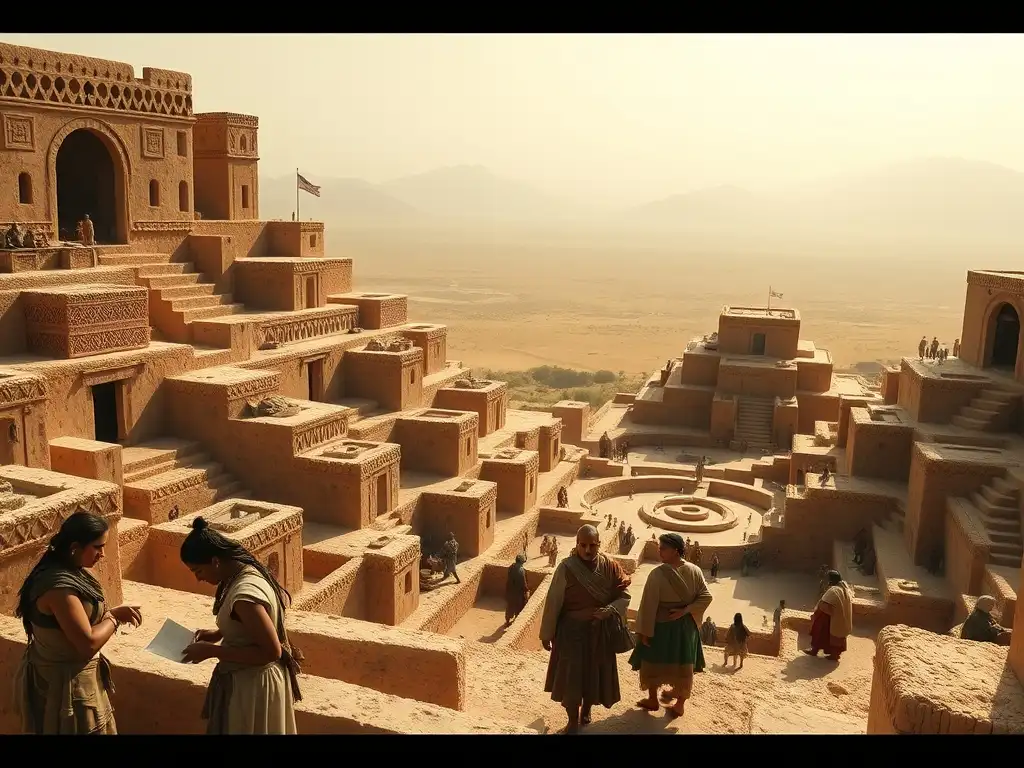
The Chimu administrative system, a marvel of pre-Columbian engineering and social organization, left an indelible mark on the history of the Andes. Its sophisticated structure, encompassing intricate networks of governance, resource management, and infrastructure development, significantly influenced subsequent Andean empires, most notably the Inca. Understanding the Chimu's approach to administration offers invaluable insights into the complexities of managing large-scale, pre-industrial societies and provides a compelling case study for modern organizational analysis.
The Chimu's success in consolidating and governing a vast coastal territory for centuries speaks volumes about their effective strategies for maintaining order, collecting taxes, and distributing resources across a diverse population. This section will delve into the specific aspects of the Chimu administrative system, exploring its lasting legacy and the lessons we can glean from its remarkable achievements.
The system's effectiveness stemmed from a combination of centralized authority, efficient communication networks, and innovative techniques for resource management, all of which contributed to the kingdom's remarkable longevity and prosperity. The intricacies of this system are still being uncovered, offering ongoing opportunities for research and a deeper comprehension of Andean civilization.
Influence on the Inca Empire's Administration
The Inca Empire, rising to prominence after the Chimu's fall, undoubtedly inherited and adapted elements of the Chimu administrative system. While the Incas developed their own unique structures, evidence suggests a clear continuity in certain administrative practices. For example, the Chimu's use of standardized weights and measures for taxation likely influenced the Inca's own meticulous record-keeping and tribute system.
The Inca's mit'a system, a form of labor taxation, shares similarities with the Chimu's likely reliance on conscripted labor for public works projects like irrigation canals and monumental architecture. Furthermore, the Chimu's established network of roads and communication routes along the coast might have served as a blueprint for the Inca's extensive road network that connected their vast empire. Archaeological evidence, such as the similarities in administrative centers and storage facilities between Chimu and Inca sites, further strengthens the argument for a direct link.
The sophisticated organization of the Chimu state, with its specialized officials and hierarchical structure, likely provided a model for the Inca's own centralized bureaucracy. The Inca’s success in building a larger and more enduring empire may have, in part, been due to their ability to learn from and adapt the successes of preceding Andean societies, such as the Chimu. This adaptation highlights the enduring impact of the Chimu administrative system on the trajectory of Andean history.
Lessons from Chimu Governance for Understanding Complex Societies
Studying the Chimu administrative system offers crucial lessons for understanding how complex, pre-industrial societies functioned. Their success in managing a large population and extensive territory without modern technologies provides insights into effective governance strategies. The Chimu’s ability to maintain social order and economic stability over several centuries demonstrates the importance of efficient resource management, effective communication networks, and a well-defined hierarchical structure.
Their system of standardized weights and measures facilitated fair taxation and equitable resource distribution, minimizing potential conflicts. The Chimu’s use of specialized officials and administrators, each with specific responsibilities, points to the importance of division of labor in managing a complex state. Analyzing their methods reveals how a centralized authority could effectively govern a geographically dispersed population without relying on advanced technologies.
The Chimu's approach to infrastructure development, particularly their sophisticated irrigation systems, highlights the crucial role of public works in ensuring economic prosperity and social stability. By understanding the Chimu's achievements, we gain valuable insights into the dynamics of power, social organization, and resource management in pre-industrial societies, providing a framework for comparative analysis with other ancient civilizations. This comparative approach enriches our understanding of the common challenges and successful strategies employed by complex societies across different geographical and historical contexts.
The Use of Standardized Pottery for Resource Control
The Chimu's sophisticated administrative system extended to even the seemingly mundane aspects of daily life. The widespread use of standardized pottery played a crucial role in their resource control and economic management. Archaeological discoveries reveal a remarkable consistency in the size, shape, and type of pottery produced throughout the Chimu empire. This standardization wasn't merely aesthetic; it served a practical administrative purpose.
Uniform pottery vessels facilitated efficient storage, transportation, and measurement of goods, crucial for taxation and resource distribution. The standardized containers allowed for accurate assessment of tribute payments and ensured fair allocation of resources across different regions. Furthermore, the use of specific pottery types for different goods helped to regulate trade and prevent illicit activities. The consistent production of standardized pottery demonstrates a high level of centralized control over production and distribution, highlighting the effectiveness of the Chimu administrative system in controlling even the smallest details of the economy.
This level of control ensured a steady flow of resources to the capital and other administrative centers, contributing to the kingdom's overall stability and prosperity. The meticulous attention to detail in pottery standardization underscores the Chimu's commitment to efficient and equitable resource management, a crucial element of their enduring power. The analysis of Chimu pottery offers a fascinating glimpse into the intricate mechanisms of their administrative system and provides a powerful example of how seemingly small details can contribute to the overall success of a large and complex state.
Conclusion: The Efficiency of the Chimu Administrative System
The Chimu administrative system, a marvel of pre-Columbian engineering and social organization, stands as a testament to the ingenuity and adaptability of the Chimu people. Its success in governing such a vast and diverse coastal kingdom hinged on a complex interplay of factors, including a highly centralized bureaucracy, sophisticated infrastructure, and a robust system of resource management. While the details of their governance remain a subject of ongoing scholarly investigation, the evidence clearly points to a remarkably effective system, allowing the Chimu to flourish for centuries.
Understanding the intricacies of this system provides invaluable insight into the complexities of pre-Columbian Andean societies and challenges our preconceived notions of "primitive" administration. The Chimu administrative system was not simply a matter of control; it was a sophisticated mechanism for coordinating labor, distributing resources, and maintaining social stability across a large and diverse population.
Summarizing the Key Aspects of Chimu Administration
The Chimu administrative system can be summarized by several key elements. Firstly, the centralized nature of the government, with power concentrated in the hands of the Sapa Inca (although the Chimu didn't use that exact title), allowed for efficient decision-making and resource allocation. Secondly, the extensive network of roads and irrigation canals facilitated trade, communication, and agricultural production across the kingdom.
This infrastructure was crucial for the movement of goods, people, and information, binding the disparate parts of the empire together. Thirdly, the specialized labor system, with artisans, farmers, and builders assigned specific roles, maximized productivity and efficiency. This division of labor allowed for the construction of monumental architecture and the production of exquisite crafts, both indicative of a highly organized and productive society.
Finally, the effective system of taxation and tribute ensured a steady flow of resources to the capital, Chan Chan, enabling the rulers to maintain their power and fund ambitious public works projects. This system, while demanding, also provided a level of social security and stability for the population. The intricate balance between centralized control and local autonomy remains a fascinating aspect of Chimu governance, requiring further investigation.
The Enduring Impact of the Chimu Kingdom
The legacy of the Chimu kingdom extends far beyond its territorial boundaries and the period of its existence. The sophisticated irrigation techniques developed by the Chimu continue to influence agricultural practices in the region today. The impressive architecture of Chan Chan, a vast city of adobe pyramids and palaces, serves as a poignant reminder of the Chimu's advanced architectural skills and urban planning.
Furthermore, the Chimu's artistic achievements, particularly in metalwork and pottery, continue to inspire awe and admiration. The intricate designs and high-quality craftsmanship reflect the skill and creativity of Chimu artisans. The Chimu's influence on subsequent Andean cultures is also undeniable, with elements of their administrative and technological innovations adopted and adapted by later empires, such as the Inca.
The impact of their administrative system can be seen in the organizational structures and resource management strategies employed by later Andean societies. Their story serves as a powerful reminder of the achievements and resilience of Andean civilizations.
Future Research Directions in Chimu Provincial Administration
Future research on the Chimu administrative system should focus on several key areas. Firstly, a more detailed understanding of the provincial administration is needed. While much is known about the central government in Chan Chan, the mechanisms of governance in the outlying provinces remain relatively obscure. Further archaeological excavations and analysis of surviving administrative records (if any can be found and deciphered) are crucial for illuminating this aspect of Chimu governance.
Secondly, a more nuanced understanding of the relationship between the central government and local communities is necessary. The degree of autonomy enjoyed by provincial governors and the mechanisms of conflict resolution between the center and the periphery remain important questions to address. Finally, further research on the role of religion and ideology in maintaining social order is warranted.
The religious beliefs and practices of the Chimu undoubtedly played a significant role in legitimizing the authority of the rulers and maintaining social cohesion. By exploring these areas, researchers can gain a deeper and more comprehensive understanding of one of the most impressive administrative systems in pre-Columbian South America. This will not only shed light on the Chimu but also contribute to a broader understanding of Andean civilization and its lasting impact.
Frequently Asked Questions
What was the Chimu administrative system like?
The Chimu administrative system was highly centralized, with power concentrated in the hands of the Sapa Inca. It relied on a complex bureaucracy to manage irrigation, taxation, and labor across its vast territory. This system ensured efficient resource allocation and control.
How did the Chimu control such a large empire?
The Chimu maintained control through a highly organized military and a sophisticated bureaucratic system. They used a network of roads and relay stations for communication and the swift movement of troops and resources. Effective governance and the efficient management of resources were crucial.
What role did religion play in the Chimu administrative system?
Religion played a significant role, with the elite using religious authority to legitimize their power. Temples and religious practices were integrated into the administrative structure, reinforcing social hierarchy and control. Religious ideology helped maintain social order.
How did the Chimu manage their water resources?
The Chimu were masters of water management, utilizing extensive irrigation systems to support their agriculture. This involved canals, reservoirs, and sophisticated techniques to harness water from rivers and streams. Efficient water management was essential for their survival and prosperity.
What evidence exists to support our understanding of the Chimu administrative system?
Archaeological evidence, such as administrative records, storage facilities, and the layout of urban centers, reveals the complexity of the Chimu system. Architectural remains and the distribution of artifacts also provide valuable insights into the structure and function of their administration.
Final Reflection: The Enduring Legacy of Chimu Administration
The sophisticated administrative system of the Chimu remains a powerful testament to human ingenuity and organizational capacity, a model that continues to resonate in modern discussions of resource management and societal organization. Its intricate network of canals, storehouses, and specialized labor forces offers valuable lessons for contemporary challenges related to sustainable development and efficient governance, particularly in arid and coastal regions facing similar resource constraints. The Chimu's success, despite its eventual fall, highlights the enduring power of effective planning and centralized control.
The Chimu's ability to create and maintain such a complex system for centuries underscores the importance of strong leadership, clear communication, and a shared vision within a society. Their achievements continue to inspire researchers and policymakers alike, prompting ongoing study and analysis of their techniques. The Chimu state was a remarkable achievement, demonstrating the potential of human organization to overcome environmental challenges and create a flourishing society.
This quote, while simple, encapsulates the profound impact of their administrative prowess and its continuing relevance in a world grappling with similar issues of resource scarcity and population management.
Consider the implications of the Chimu's achievements for your own life. How can we, in our own communities and spheres of influence, learn from their strategies for efficient resource allocation and collaborative problem-solving? What innovative solutions can we develop, inspired by their ingenuity, to address the challenges facing our world today? Let the legacy of the Chimu administrators inspire you to seek creative and sustainable solutions for a better future. Embrace the challenge of building strong, resilient, and equitable systems, just as they did centuries ago.
Unveil the Secrets of the Chimu Kingdom!
Thank you for exploring the fascinating world of the Chimu and their remarkable influence on the largest coastal kingdom of pre-Columbian Peru. Your interest in Andean civilizations enriches our understanding of history and culture. Let's delve deeper!
Here are some ways to engage further with this incredible topic:
- Explore our in-depth articles and resources on the website to learn more about Chimu culture.
- Join our community! Share your thoughts on ancient civilizations in the comments below or connect with fellow enthusiasts on social media.
- Visit local museums or exhibitions featuring Andean artifacts for a firsthand experience of this rich history.
What aspect of Chimu society intrigues you most, and how do you think their innovations can inform our understanding of governance today?