
The Nazca Water Engineers: Harnessing Resources in the Desert

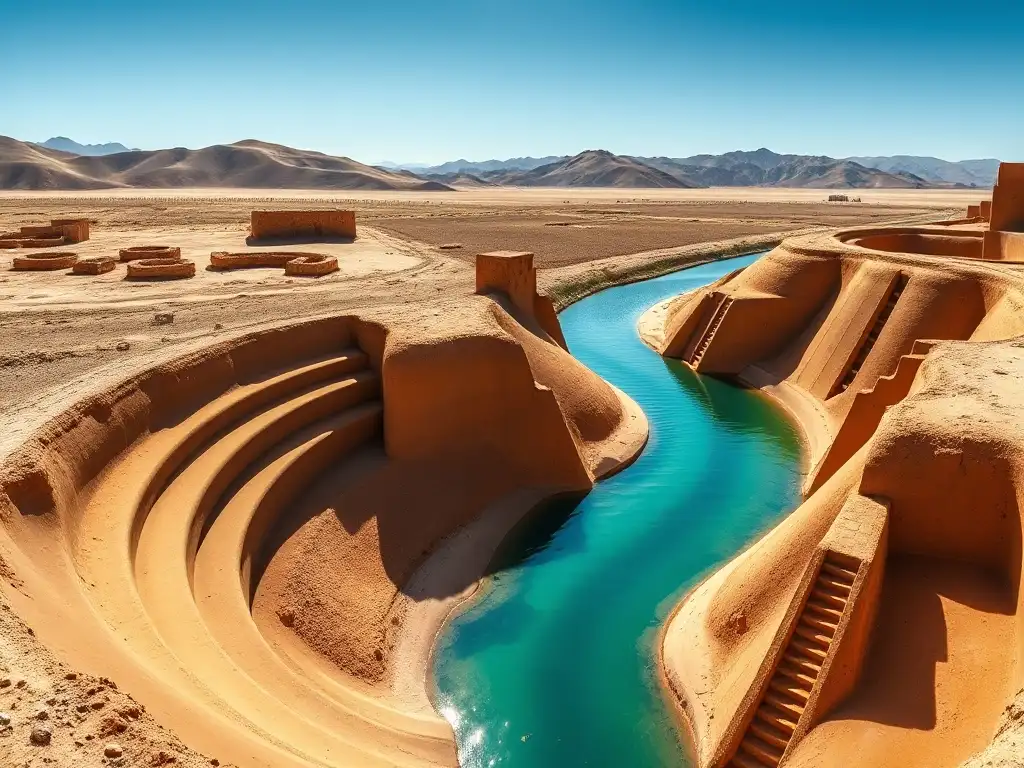
Dive into the enigmatic world of the Andean civilizations! Journey through millennia of breathtaking artistry, sophisticated engineering, and captivating cultures, from the Incas to the Moche. But prepare to be amazed by the ingenuity of the Nazca, whose mastery of the desert is a testament to human resilience. How did they cultivate a thriving society in such an arid landscape? Uncover the secrets behind their remarkable Nazca irrigation techniques and discover the story of a civilization that defied the odds – a story waiting to be explored.
The Nazca civilization, famed for its enigmatic geoglyphs etched into the Peruvian desert, was also a master of water management. Flourishing in a seemingly inhospitable environment between 100 BCE and 800 CE, their survival hinged on ingenious irrigation techniques that allowed them to cultivate crops in one of the driest regions on Earth.
This article delves into the remarkable engineering feats of the Nazca people, exploring their strategies for harnessing scarce water resources and the lasting impact of their innovative solutions on the development of their society. We'll uncover the secrets behind their success in transforming the arid landscape into a productive agricultural zone, showcasing their profound understanding of hydrology and their ability to adapt to the challenges of their environment.
This exploration of Nazca irrigation techniques reveals not only their technological prowess but also their deep connection to and respect for their environment, a testament to their resilience and ingenuity.
Introduction to Nazca Ingenuity and Water Management
The Nazca's success wasn't solely reliant on their artistic prowess; their ability to thrive in the arid coastal plains of southern Peru was a testament to their advanced understanding of water management. Unlike many other ancient civilizations that relied on rivers for irrigation, the Nazca faced a unique challenge: a lack of readily available surface water.
They overcame this obstacle through a sophisticated system of canals, aqueducts, and underground channels, demonstrating a remarkable level of engineering skill and resourcefulness. Their system wasn't merely a collection of independent structures; it was a carefully planned and integrated network designed to capture, store, and distribute water efficiently across their agricultural lands.
This intricate network allowed them to cultivate a variety of crops, supporting a relatively large and densely populated society in a region where survival seemed improbable. The Nazca's ingenuity in water management serves as a powerful example of human adaptability and the ability to overcome seemingly insurmountable environmental obstacles.
The Arid Landscape of the Nazca Civilization
The Nazca lived in a harsh, hyper-arid environment characterized by extremely low rainfall and limited surface water sources. The annual rainfall in the Nazca region is typically less than 200 millimeters, making agriculture incredibly challenging. The landscape is dominated by vast expanses of desert, punctuated by occasional rocky outcrops and valleys. The scarcity of water posed a significant threat to the Nazca's survival, demanding innovative solutions to secure a reliable water supply for their crops and their communities.
The very survival of the Nazca depended on their ability to overcome these environmental limitations. Their ingenuity in navigating this harsh landscape is a testament to their resilience and adaptability, making them a fascinating case study in human interaction with arid environments. The understanding of this challenging environment is key to appreciating the sophistication of their water management systems.
Understanding the Environmental Challenges Faced by the Nazca
The Nazca were not simply faced with a lack of rainfall; they also had to contend with highly permeable soils and significant evaporation rates. The porous nature of the desert sands meant that any surface water quickly seeped into the ground, making surface canals inefficient. Furthermore, the intense sun and high temperatures led to significant water loss through evaporation.
These factors necessitated the development of ingenious solutions to minimize water loss and maximize its effective use. The Nazca's response involved a combination of strategies, including the construction of underground canals (puquios) to minimize evaporation, the creation of intricate networks of surface canals to direct water flow, and the development of sophisticated techniques for water storage.
These challenges, and the solutions the Nazca devised, underscore the complexity and sophistication of their water management practices and their deep understanding of their environment. Their success in overcoming these obstacles highlights their remarkable engineering capabilities and their profound knowledge of hydrology in a desert setting.
- Introduction to Nazca Ingenuity and Water Management
- The Arid Landscape of the Nazca Civilization
- Understanding the Environmental Challenges Faced by the Nazca
- What were the most significant challenges faced by the Nazca people in terms of water management?
- How did the Nazca people overcome the water scarcity in their environment?
- What is the significance of the Nazca's puquios in their irrigation system?
- How did the Nazca irrigation systems contribute to their societal development?
- What makes the Nazca irrigation techniques unique and remarkable?
Nazca Irrigation Techniques: A Deep Dive
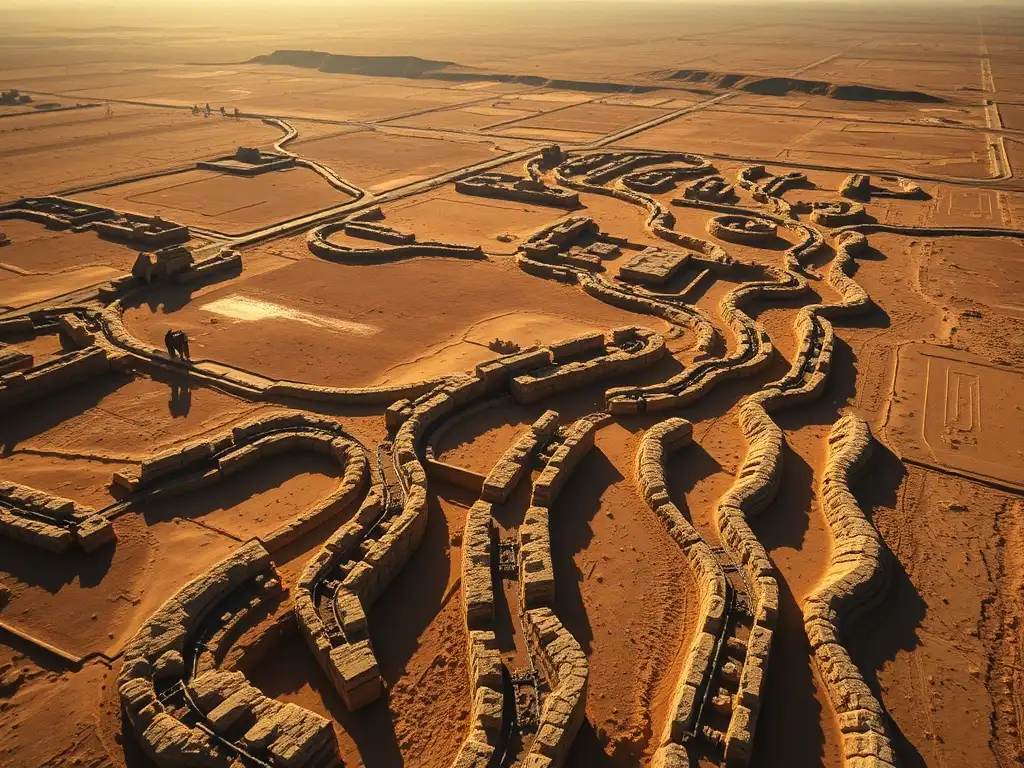
The Nazca civilization, renowned for its enigmatic geoglyphs, also possessed sophisticated Nazca irrigation techniques that allowed them to thrive in one of the world's most arid environments. Their ingenuity in harnessing scarce water resources is a testament to their advanced understanding of hydrology and engineering. This section delves into the remarkable achievements of Nazca water management, focusing on their intricate network of underground aqueducts known as puquios.
Understanding these techniques provides crucial insight into the social organization, technological prowess, and resilience of this fascinating ancient culture. The mastery of Nazca irrigation techniques was essential for their survival and the development of their complex society.
Puquios: The Marvel of Nazca Underground Aqueducts
Puquios are the cornerstone of Nazca's water management system. These ingenious underground channels, often extending for kilometers, tapped into subterranean water sources, bringing life-giving moisture to the otherwise barren desert. Unlike surface canals vulnerable to evaporation and siltation, puquios provided a reliable and sustainable source of water. Their construction was a monumental undertaking, requiring precise surveying, careful excavation, and a deep understanding of the region's geology and hydrology.
The remarkable efficiency of the puquios is evidenced by their continued use in some areas even today, showcasing the enduring legacy of Nazca engineering. The strategic placement of these aqueducts, often following natural water gradients, demonstrates a sophisticated understanding of water flow and resource management. This efficient and sustainable system of Nazca irrigation techniques played a crucial role in the agricultural prosperity of the region.
How Puquios Function: Capturing Subterranean Water
The functioning of a puquio is a marvel of simple yet effective engineering. Water, accumulating in underground aquifers, is intercepted by carefully constructed shafts and tunnels. These shafts, often built from stone and other locally sourced materials, are strategically placed to access the water table at its highest point.
The water then flows through a network of carefully graded tunnels, often lined with stones or clay to prevent collapse and water loss. These tunnels gradually lead the water to surface outlets, providing a steady flow for irrigation and domestic use. The design incorporated ingenious features such as ventilation shafts and cleaning access points, highlighting the Nazca’s meticulous attention to detail and long-term planning.
The success of this system relied on an intimate understanding of the local aquifer's characteristics, demonstrating advanced knowledge of groundwater hydrology. The Nazca irrigation techniques employed in the puquio system are a testament to the civilization's advanced understanding of hydraulics and engineering.
Construction and Maintenance of Nazca Aqueducts
The construction of puquios required significant labor and organizational skills. Evidence suggests that their construction involved community participation, reflecting a highly organized and collaborative society. The precision of the stonework and the alignment of the tunnels indicate a high level of technical expertise. Archaeological findings reveal the use of simple tools, including stone picks and shovels, yet the results were remarkably sophisticated.
Maintaining these intricate systems also required ongoing effort. Regular cleaning of the tunnels was necessary to prevent blockages and ensure a continuous flow of water. This suggests the existence of dedicated personnel responsible for the upkeep of the puquios, highlighting the importance of water management within the Nazca social structure.
The long-term sustainability of the Nazca irrigation techniques demonstrates not only their technical capabilities but also their strong social organization and commitment to resource management. The ongoing maintenance of these vital water sources underlines the crucial role of water in the Nazca civilization's success and longevity. The continued study of these techniques promises further insights into the advanced capabilities of the Nazca people.
Nazca Irrigation Canals: Surface Water Distribution
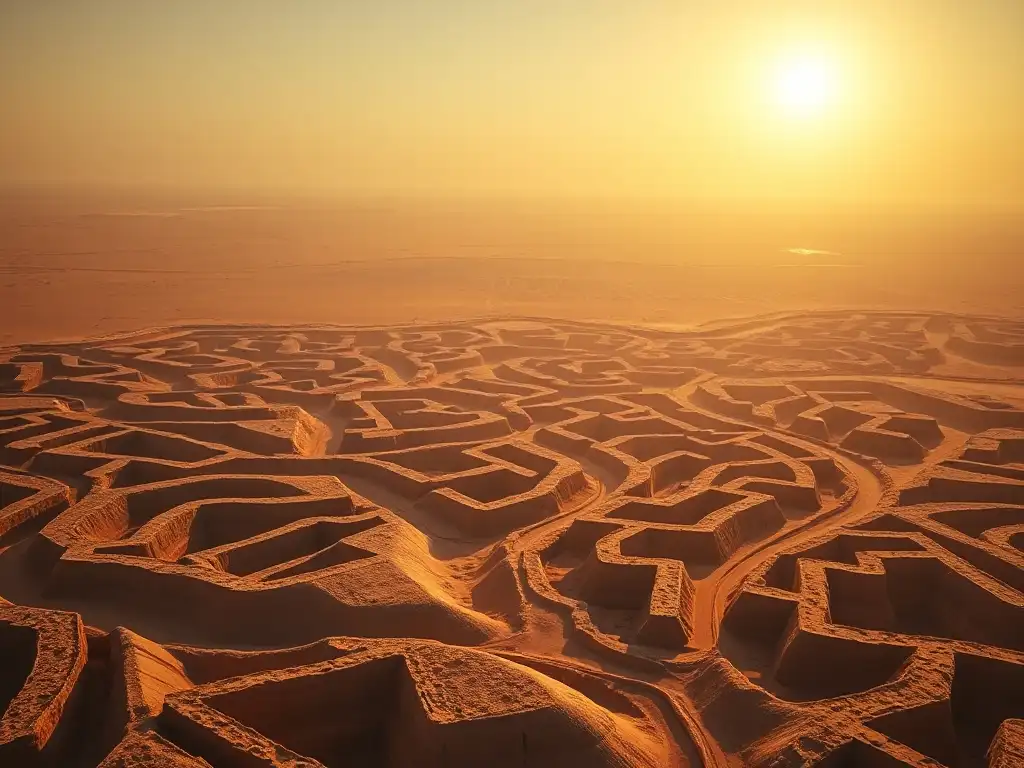
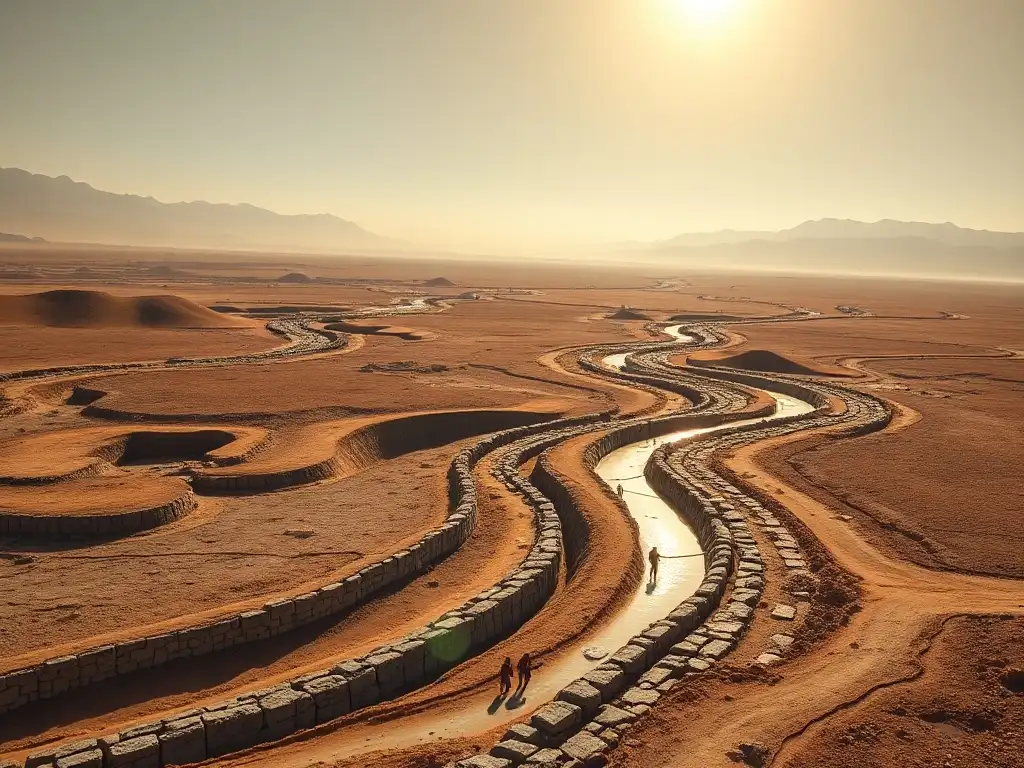
The Nazca people, renowned for their enigmatic geoglyphs, were equally masterful in their management of scarce water resources. Their success in cultivating a thriving civilization in the arid coastal plains of southern Peru hinged on a sophisticated system of surface water distribution, primarily achieved through a network of canals. These weren't simply ditches; they were carefully engineered structures, demonstrating an advanced understanding of hydrology and civil engineering. The canals varied in size and complexity, adapting to the terrain and the availability of water sources. Some were relatively small, diverting runoff from ephemeral streams and directing it towards agricultural fields.
Others were larger, more ambitious projects that channeled water over considerable distances, sometimes across valleys and even over hillsides. The construction involved meticulous surveying and planning, ensuring a consistent gradient to facilitate efficient water flow. Evidence suggests the use of simple tools like stone spades and digging sticks, but the sheer scale of some canals points to a highly organized and coordinated labor force, likely involving community participation. The maintenance of these canals was an ongoing process, requiring regular cleaning and repair to prevent silting and blockages.
This constant upkeep underscores the importance of water to the Nazca society and their deep understanding of the delicate balance between water availability and agricultural productivity. The precision and ingenuity evident in the Nazca canal system highlight their remarkable adaptation to a challenging environment, and their advanced knowledge of water management techniques far surpassing those of many contemporary societies. The legacy of these canals, though partially obscured by time and erosion, remains a testament to the Nazca people's resourcefulness and engineering prowess. Furthermore, the strategic placement of canals also suggests a deep understanding of the local rainfall patterns and seasonal variations in water availability.
The Role of Reservoirs in Nazca Water Management
While canals formed the backbone of the Nazca irrigation system, reservoirs played a crucial supporting role in their water management strategy. These reservoirs, often constructed in natural depressions or strategically excavated into the landscape, served as vital storage facilities, accumulating water during periods of higher rainfall or runoff. This allowed the Nazca to buffer against the variability of water supply inherent to their arid environment. The size and capacity of these reservoirs varied depending on the local topography and the water catchment area. Some were relatively small, serving individual farms or small communities, while others were larger, regional reservoirs capable of storing significant volumes of water.
The construction techniques employed were ingenious, often utilizing natural materials like clay, stones, and possibly even compacted earth to create watertight structures. The management of these reservoirs required careful planning and monitoring. The inflow and outflow of water needed to be regulated to ensure an adequate supply for irrigation throughout the growing season. Evidence suggests the use of simple control structures, such as weirs and spillways, to manage the water levels effectively.
The reservoirs not only provided a reliable source of irrigation water but also helped to reduce the risk of water shortages during dry periods. Their strategic incorporation into the overall Nazca irrigation system demonstrates a sophisticated understanding of water resource management, reflecting a profound connection between the Nazca people and their environment. The integration of reservoirs into the canal network allowed for a more controlled and sustainable distribution of water, maximizing agricultural yields in a region characterized by scarcity. This highlights the Nazca's ability to not just harness but also carefully regulate their precious water resources.
Impact of Nazca Water Technologies on Agriculture
The Nazca's ingenuity in developing sophisticated irrigation systems profoundly impacted their agricultural practices and the overall sustainability of their civilization in the arid coastal plains of southern Peru. Their success wasn't merely about survival; it allowed for population growth, societal complexity, and the flourishing of a unique culture, all fueled by their ability to wrest sustenance from a seemingly unforgiving landscape.
Understanding their water management strategies provides crucial insight into their societal organization, technological prowess, and the remarkable resilience of their civilization. The keyword "Nazca irrigation techniques" highlights the core of their achievement: transforming a desert into a productive agricultural region.
Sustaining Nazca Agriculture with Advanced Water Systems
The Nazca people didn't rely on simple, haphazard methods for water collection. Instead, they constructed elaborate systems, demonstrating a deep understanding of hydrology and engineering. These systems were not only efficient but also remarkably resilient, capable of withstanding the harsh desert conditions for centuries. Evidence suggests the use of several key techniques:
- Canals and Aqueducts: These channeled water from rivers and underground sources, often over considerable distances, to irrigate fields located far from natural water bodies. The precision of their construction, sometimes involving intricate tunneling through rock, is astonishing. The canals were often lined with stones and clay to minimize water loss through seepage.
- Subterranean Canals (Puquios): These ingenious systems tapped into underground aquifers, drawing water up to the surface using a network of shafts and tunnels. This provided a relatively constant and reliable water supply, even during periods of drought. The puquios represent a particularly advanced understanding of groundwater hydrology.
- Reservoirs and Storage Systems: While less prevalent than canals, the Nazca also built reservoirs to store water during the rainy season for use during drier periods. These structures, though often smaller than those of later civilizations, played a vital role in ensuring a consistent water supply.
The effectiveness of these combined systems is evident in the extensive agricultural terraces and fields that still bear witness to the Nazca's mastery over water resources. Their ability to manage water sustainably allowed them to cultivate crops in an environment that would otherwise be largely unproductive.
Crop Cultivation Techniques Enabled by Irrigation
The Nazca irrigation systems weren't simply about getting water to the fields; they enabled specific crop cultivation techniques crucial to their survival. The consistent water supply allowed for:
- Intensive Agriculture: The reliable access to water allowed the Nazca to cultivate crops intensively, maximizing yields from relatively small areas. This was essential in a desert environment where arable land was a precious resource. They likely practiced crop rotation and other techniques to maintain soil fertility.
- Diversified Crops: The availability of water allowed for a diversified range of crops. While specific crops are still under investigation, evidence suggests the cultivation of cotton, beans, squash, maize, and possibly other crops. This diversification provided a crucial buffer against crop failure and ensured nutritional diversity.
- Year-Round Agriculture: The combined use of canals, puquios, and reservoirs allowed for year-round agriculture, minimizing the impact of seasonal variations in rainfall. This ensured a more stable food supply and contributed to the stability of Nazca society.
The sophistication of their agricultural practices, directly linked to their water management techniques, stands as a testament to their organizational abilities and their profound understanding of the natural world. Their agricultural success is a key element in understanding their societal development and cultural achievements.
Agricultural Productivity in the Nazca Region
The success of Nazca irrigation techniques is measurable in the scale and intensity of their agricultural production. While precise quantitative data is limited due to the age and nature of the archaeological evidence, several factors suggest high agricultural productivity:
| Factor | Evidence | Impact |
|---|---|---|
| Extensive Agricultural Terraces | Extensive remains of terraced fields across the Nazca landscape. | Maximized arable land in a mountainous, uneven terrain. |
| Diverse Crop Remains | Archaeological findings of diverse crop remains in various Nazca settlements. | Indicates a varied and relatively abundant food supply. |
| Large Population Centers | The existence of large population centers suggests a sufficient food surplus. | Supports the idea of a successful and productive agricultural system. |
| Long-Term Sustainability | The longevity of the Nazca civilization (hundreds of years) is a testament to their ability to sustain agriculture. | Demonstrates the resilience and effectiveness of their irrigation methods. |
Further research, particularly detailed analysis of pollen and other organic materials from Nazca sites, could provide more precise quantitative data on crop yields and overall agricultural productivity. However, even with current evidence, it's clear that the Nazca's mastery of "Nazca irrigation techniques" was pivotal to their societal success. Their legacy is not just in their remarkable art but also in their remarkable engineering and agricultural achievements. The impact of their water management strategies continues to fascinate and inspire researchers and engineers today.
The ingenuity of Nazca irrigation techniques extended far beyond mere technological prowess; it profoundly shaped the social fabric and political landscape of Nazca society. Control over water, a life-giving resource in the arid coastal plains, translated directly into social power and political influence. Understanding the intricate relationship between water management and Nazca civilization requires examining its impact on social organization, leadership roles, and power structures.
This section will explore these crucial aspects, highlighting how access to and control of water resources defined the Nazca experience. The effective implementation of Nazca irrigation techniques was not simply an engineering feat; it was a crucial element in the maintenance of social order and political stability.
Nazca society, despite its impressive achievements in engineering and art, was structured around the fundamental need for water. Evidence suggests a hierarchical social organization, with those closest to the control of water resources holding significant power and prestige. The construction and maintenance of the extensive canal systems required coordinated labor, implying a degree of centralized organization and social control.
This likely involved a system of community participation, possibly with specialized labor groups responsible for different aspects of canal building and maintenance. The successful implementation of Nazca irrigation techniques fostered a sense of shared responsibility and communal identity, vital for survival in the harsh desert environment. However, disparities in access to water likely created social stratification, with those controlling the flow of water enjoying a privileged position.
Further research is needed to fully understand the nuances of social organization within Nazca communities and the degree of inequality that may have existed. [Specific information pending: Detailed analysis of Nazca social stratification based on archaeological evidence].
The Role of Nazca Leaders in Water Resource Allocation
The role of Nazca leaders in water resource allocation was paramount. While the exact nature of their authority remains a subject of ongoing debate, it is clear that they played a vital role in overseeing the construction and maintenance of the irrigation systems. These leaders, likely a combination of religious and political figures, were responsible for ensuring the equitable distribution of water, or at least the appearance of such equity, to maintain social stability.
Decisions regarding the construction of new canals, the repair of existing ones, and the allocation of water during periods of scarcity would have rested heavily on their shoulders. This control over a crucial resource solidified their power and influence within the society. The successful management of water resources directly correlated with the leader's legitimacy and ability to maintain social order.
Failure to manage water effectively could lead to social unrest and potentially threaten their authority. [Specific information pending: Further analysis of Nazca iconography depicting leaders and water control]. The careful management of these precious resources was likely a key factor in the Nazca civilization's longevity.
Nazca Water Systems and Power Dynamics
The intricate network of canals and aqueducts in the Nazca region wasn't just a technological marvel; it was a powerful symbol of political authority. Control over water resources directly translated into political power. The ability to divert water, to allocate it to specific communities or individuals, and to ensure its equitable (or inequitable) distribution, was a source of immense influence. This power dynamic is evident in the scale and complexity of the irrigation systems.
The sheer effort required to construct and maintain them demonstrates a highly organized and centralized system of governance. The location and design of canals could also reflect political alliances and power struggles between different communities. The construction of major canals might have been undertaken as collaborative projects, but their control and distribution likely reinforced existing power structures. Moreover, the maintenance of these complex systems necessitated a strong leadership structure capable of organizing and directing labor.
The Nazca irrigation techniques, therefore, weren't just about engineering; they were fundamentally about power, control, and the maintenance of social order in a challenging environment. The intricate interplay between technology and politics shaped the very core of Nazca society. 🤯
Nazca Hydraulic Engineering: A Legacy of Innovation
The Nazca civilization, flourishing along Peru's southern coast from roughly 100 BCE to 800 CE, achieved remarkable feats of engineering, particularly in water management. Their ingenuity in developing sophisticated irrigation systems allowed them to thrive in one of the world's most arid regions. This wasn't merely survival; it was a testament to their profound understanding of hydrology, their advanced construction techniques, and their ability to organize large-scale labor projects.
The Nazca's success wasn't solely about finding water; it was about meticulously managing and distributing it across a vast and challenging landscape, a feat that continues to inspire awe and study today. Their mastery of "Nazca irrigation techniques" allowed them to cultivate fertile lands, supporting a complex society with significant artistic and architectural achievements. Understanding their methods provides crucial insights into their societal structure and technological prowess.
Nazca Engineering Principles: Application of Knowledge
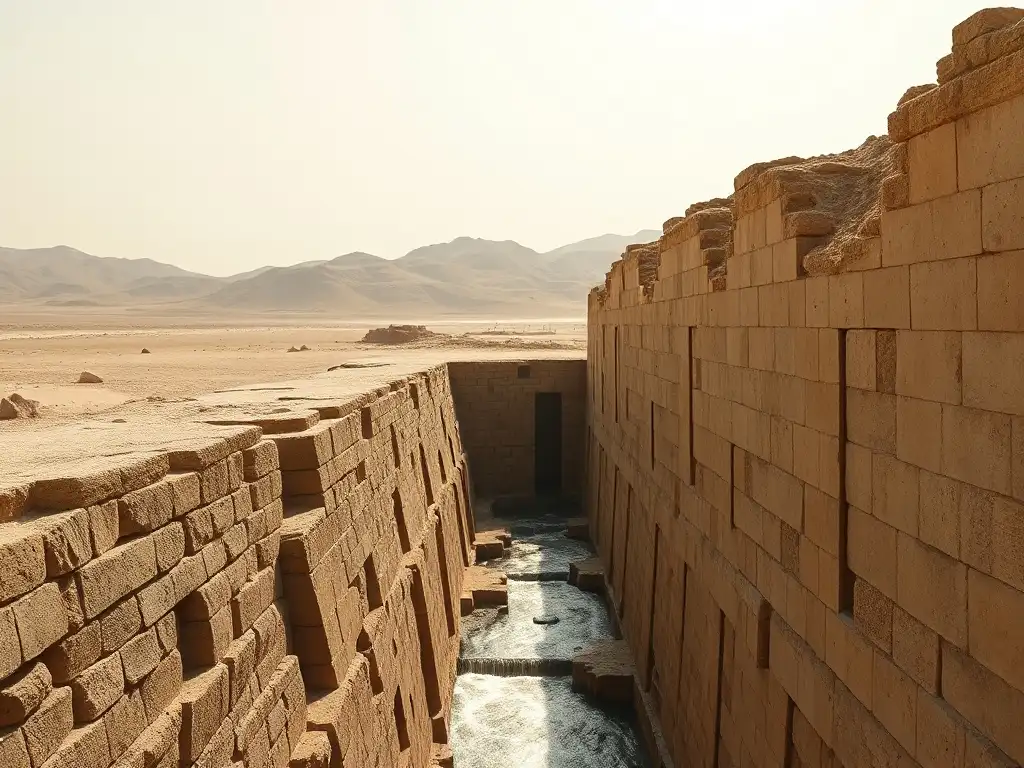
The Nazca's success in irrigation stemmed from a deep understanding of their environment and the application of several key engineering principles. They expertly harnessed subsurface water resources, utilizing a network of canals, aqueducts, and underground channels known as puquios. These puquios, often built with intricately carved stones, channeled water from underground aquifers to the surface, providing a reliable source of irrigation even during periods of drought. Their construction involved careful planning and execution, requiring a precise understanding of topography and water flow. The Nazca weren't simply digging trenches; they were building complex hydraulic systems.
Furthermore, their understanding extended beyond simply accessing water. They implemented sophisticated techniques for water distribution, including the construction of reservoirs and strategically placed canals to maximize efficiency and minimize water loss. This involved careful surveying of the land, determining the optimal gradient for water flow, and constructing channels that could withstand the harsh desert conditions.
Evidence suggests they employed sophisticated techniques to seal their canals, reducing leakage and maximizing water delivery. The Nazca understood the importance of maintaining their irrigation infrastructure, regularly inspecting and repairing their canals to ensure the continued flow of water to their fields. This required a high degree of cooperation and organization within their society, reflecting a well-developed social structure capable of undertaking and maintaining large-scale public works.
The Enduring Impact of Nazca Water Engineering
The legacy of Nazca water engineering is profound and multifaceted. Their innovative techniques not only enabled the flourishing of their own civilization but also influenced subsequent cultures in the region. The sophisticated understanding of water management demonstrated by the Nazca left an indelible mark on the landscape and continues to inspire modern-day irrigation practices. Their mastery of puquios and other water management techniques remains a testament to their ingenuity and adaptability in the face of environmental challenges.
The remnants of their irrigation systems, still visible in parts of the Nazca region, serve as a powerful reminder of their engineering prowess and the enduring impact of their civilization. Studies of these ancient systems continue to provide valuable lessons for contemporary water resource management, especially in arid and semi-arid regions facing water scarcity. The Nazca’s approach to sustainable water use offers valuable insights for modern societies grappling with similar challenges.
Comparison with Mesopotamian Irrigation Systems
While geographically distant, a comparison between Nazca and Mesopotamian irrigation systems reveals both similarities and striking differences. Both civilizations developed sophisticated irrigation techniques to cultivate crops in arid environments. Mesopotamian systems, relying heavily on large-scale river diversions and canals, were characterized by their extensive networks and the management of massive water volumes from major rivers like the Tigris and Euphrates.
In contrast, the Nazca focused on harnessing subsurface water resources using puquios and a more localized approach, adapted to the unique challenges of the coastal desert. The scale of the projects differed significantly, reflecting the contrasting geographical contexts and available water resources. While Mesopotamian systems were monumental in their scope, the Nazca's were more intricate and focused on efficiency in a resource-scarce environment.
Both, however, demonstrate the crucial role of irrigation in supporting complex, technologically advanced societies and highlight the remarkable adaptability of human ingenuity in overcoming environmental constraints. Further research comparing these two distinct systems could reveal valuable insights into the broader evolution of irrigation technologies across different cultures and environments.
Future Research Directions in Nazca Hydraulic Engineering
Further research into Nazca irrigation techniques is crucial to fully understand the ingenuity of this ancient civilization. Several avenues of inquiry promise significant advancements in our knowledge. One key area involves more detailed analysis of the existing aqueducts and canals.
High-resolution aerial photography, coupled with ground-penetrating radar, could reveal previously unknown features of the system, such as the precise routes of underground channels or the presence of maintenance structures. This would provide crucial data on the overall scale and complexity of the Nazca irrigation network, potentially uncovering previously unknown design elements or expansion phases. This detailed mapping could also illuminate the relationship between the location of aqueducts and agricultural fields, providing insights into the efficiency and management of water distribution.
Another promising area of research focuses on the materials and construction techniques employed by the Nazca. Detailed chemical analysis of the materials used in aqueduct construction could reveal the sources of these materials and the specific processes used to create the durable structures. This analysis might even shed light on the sophisticated understanding of hydraulics and materials science possessed by the Nazca engineers.
Furthermore, studying the preservation techniques used – how they maintained the integrity of the canals and aqueducts over time – would offer valuable lessons for modern-day water management strategies, especially in arid and semi-arid regions. Understanding the long-term sustainability of their methods is a key aspect of studying Nazca irrigation techniques.
Finally, interdisciplinary research incorporating archaeology, anthropology, and hydrology is essential. By combining archaeological evidence with hydrological modeling, we can better understand the relationship between the Nazca irrigation system and the fluctuating water resources of the region. This integrated approach might reveal how the Nazca adapted their irrigation strategies to cope with periods of drought or abundance, showcasing the resilience of their water management system.
Such models could also help predict the impact of climate change on similar systems in the future, offering valuable lessons for contemporary water resource management. Understanding the complex interplay of environmental factors and human ingenuity is paramount to appreciating the true significance of Nazca irrigation techniques and their enduring legacy. The combination of advanced technology and interdisciplinary collaboration will undoubtedly reveal further secrets of this remarkable civilization's mastery of water engineering.
Conclusion: The Nazca Legacy of Water Mastery
The Nazca's ingenuity in water management stands as a testament to their profound understanding of their environment and their remarkable ability to adapt and thrive in one of the world's most arid regions. Their sophisticated irrigation systems, far from being simple solutions, represent a complex interplay of engineering, social organization, and a deep-seated respect for water as a vital resource.
The Nazca didn't just survive the desert; they flourished, creating a vibrant civilization fueled by their mastery of water. This achievement wasn't a singular event but the culmination of centuries of trial, error, and adaptation, reflecting a continuous process of innovation in response to the challenges of their environment.
Their legacy extends beyond the impressive aqueducts and canals; it's a story of human resilience, ingenuity, and the enduring power of collaboration in the face of adversity. The detailed study of Nazca irrigation techniques continues to unveil new insights into their remarkable civilization, reinforcing their place as pioneers of desert survival and sophisticated water management.
The Significance of Nazca Water Management in Andean History
The Nazca irrigation systems hold a crucial place in the broader context of Andean history. Their techniques, while unique to their environment, offer valuable insights into the evolution of water management across various Andean cultures. The sophisticated understanding of hydrology demonstrated by the Nazca likely influenced later civilizations, providing a foundation for subsequent advancements in irrigation technology.
Analyzing the Nazca's approach allows us to understand the crucial role of water management in shaping the trajectory of Andean societies. The success of their systems, which supported a dense population and complex social structures in a challenging environment, highlights the critical relationship between technological innovation and societal development. Their achievements serve as a powerful example of human adaptation and resourcefulness in the face of environmental constraints, a theme that resonates strongly with contemporary challenges related to water scarcity and sustainable resource management.
Moreover, the Nazca's emphasis on communal effort in constructing and maintaining their irrigation networks underscores the importance of social cooperation in achieving large-scale engineering projects, a lesson relevant to modern-day collaborative endeavors. The study of Nazca water management offers a valuable lens through which to examine the broader themes of innovation, adaptation, and social organization within Andean history.
Lessons from the Nazca for Modern Water Resource Management
The ingenuity of the Nazca in harnessing scarce water resources provides valuable lessons for contemporary water resource management. Their techniques, many of which relied on sustainable practices, offer insights into efficient and environmentally responsible water use. The Nazca's understanding of water collection, storage, and distribution, achieved without the benefit of modern technology, serves as a compelling example of sustainable water management. Their methods, often involving minimal environmental disruption, could inform modern approaches to water conservation and efficient irrigation practices.
The Nazca's experience highlights the importance of long-term planning and community participation in water resource management. Their success depended on a collective understanding of the importance of water and a shared commitment to maintaining the complex irrigation systems. This collaborative approach contrasts sharply with some modern approaches to water management that prioritize individual gain over collective well-being. Furthermore, the Nazca's ability to adapt their techniques to changing environmental conditions underscores the need for flexibility and innovation in the face of climate change and population growth.
The study of Nazca irrigation techniques provides a rich source of inspiration and practical solutions for addressing contemporary water challenges. By learning from their successes and understanding the challenges they overcame, we can develop more sustainable and effective strategies for managing water resources in the 21st century. The legacy of Nazca irrigation techniques offers not just historical insight, but also a practical roadmap for a more water-secure future. The careful study of their methods, including their use of underground channels and efficient distribution networks, offer valuable lessons for optimizing water use in arid and semi-arid regions worldwide.
Frequently Asked Questions
What were the most significant challenges faced by the Nazca people in terms of water management?
The Nazca lived in an extremely arid desert environment, facing constant challenges of scarcity of water. Their survival depended entirely on innovative and efficient water management strategies.
How did the Nazca people overcome the water scarcity in their environment?
The Nazca developed sophisticated irrigation techniques, including canals, aqueducts, and underground galleries (puquios) to capture and distribute precious water resources from underground sources and infrequent rainfall.
What is the significance of the Nazca's puquios in their irrigation system?
The puquios were a remarkable feat of ingenious engineering. These underground water channels brought water to the surface from deep aquifers, providing a reliable water source for agriculture and daily life.
How did the Nazca irrigation systems contribute to their societal development?
The successful irrigation systems allowed the Nazca to develop a complex and thriving society, supporting a large population through intensive agriculture and the production of surplus food.
What makes the Nazca irrigation techniques unique and remarkable?
The Nazca's ability to build and maintain such complex water systems in an extremely harsh desert environment is remarkable. Their understanding of hydrology and engineering was far ahead of its time.
Final Reflection: The Enduring Legacy of Nazca Ingenuity
The Nazca's mastery of water management in one of the world's driest environments remains a potent lesson in resourcefulness and sustainable living, a testament to human adaptability in the face of extreme challenges. Their innovative techniques, far from being relics of the past, offer invaluable insights for contemporary societies grappling with water scarcity and the urgent need for sustainable practices. The ingenuity displayed by the Nazca people continues to inspire awe and wonder, reminding us of the remarkable achievements possible through careful observation, collaborative effort, and a deep understanding of the natural world.
The impact of the Nazca's sophisticated irrigation systems extends far beyond their immediate geographical context. Their ability to thrive in such a harsh environment serves as a powerful example of human resilience and ingenuity, a story that resonates deeply with our current concerns about climate change and resource depletion. The desert, once thought to be barren, reveals itself as a landscape of potential, waiting to be unlocked by human understanding and cooperation.
This quote encapsulates the spirit of the Nazca's achievement and the enduring relevance of their legacy. Their story challenges us to reconsider our relationship with the environment and to seek innovative solutions to the challenges we face today.
Consider the ingenuity of the Nazca for a moment. Imagine the collaborative effort, the meticulous planning, and the unwavering dedication required to construct such a complex and effective system. Now, apply that same spirit of innovation and collaboration to your own life. What challenges are you facing? How can you approach them with the same resourcefulness and determination that characterized the Nazca water engineers? Let their story inspire you to find creative solutions, to work together towards common goals, and to build a more sustainable future for all.
Unveil the Secrets of Ancient Engineering!
Thank you for exploring the incredible ingenuity of the Nazca people in managing water resources within their harsh desert environment. You've discovered how their masterful techniques allowed them to thrive. Now, let's put that inspiration into practice!
Here are some ways to further engage with this fascinating topic:
- Dive Deeper: Explore local history museums and online resources showcasing ancient engineering marvels. Consider how these innovative approaches can inform modern sustainable practices.
- Share the Knowledge: Discuss the remarkable water management strategies of the Nazca with friends, family, and colleagues, or share your insights on social media. Spark conversations about how ancient wisdom can shape our present and future.
- Get Involved: Seek out local community projects focused on water conservation or sustainable engineering. Participate and apply the ingenious principles of the Nazca to your own community.
Reflecting on the ingenuity of the Nazca civilization, consider how we can integrate their time-tested wisdom into our modern pursuit of sustainability. Share your thoughts below!