
The Nazca Musicians: Sound and Ritual in the Andean World

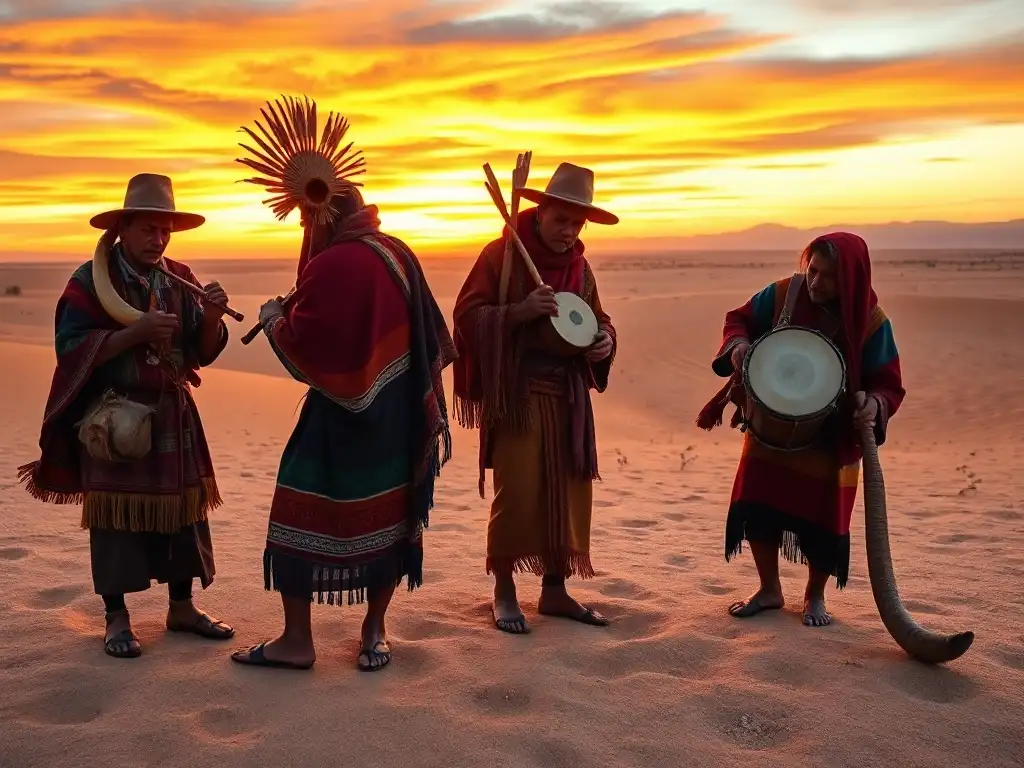
Uncover the mysteries of a lost world, where soaring mountains echoed with the rhythms of ancient civilizations. Journey with us into the heart of the Andes, exploring the captivating legacy of the Incas, Moche, Nazca, and Tiahuanaco. But first, prepare to be enthralled by the enigmatic sounds of the Nazca musicians – their music, a powerful thread weaving through the fabric of Andean ritual and daily life.
Discover how their instruments and melodies shaped a culture, and unlock the secrets behind the Nazca musicians' Andean music in this exploration of a truly remarkable civilization. Dive in and experience the magic for yourself!
-
Nazca Musicians: Sound and Ritual in the Andean World
- Unveiling the Musical Landscape of the Nazca Culture
- The Role of Music in Ancient Nazca Society
- Nazca Musical Instruments: A Glimpse into their Soundscapes
- Nazca Panpipes: Melodies of the Desert
- Nazca Drums and Percussion: Rhythms of Ritual
- Nazca Trumpets and Whistles: Signaling and Ceremony
- The Significance of Music in Nazca Ceremonies
- Music and Nazca Religious Practices
- Musical Performance in Nazca Funerary Rites
- The Nazca Lines and the Auditory Experience
- Connecting the Visual with the Sonic
- Nazca Artistic Representations of Musicians
- Nazca Pottery Depicting Musical Scenes
- Analyzing Nazca Iconography: Musicians and their Instruments
- Nazca Music: A Legacy of Andean Sound
- The Influence of Nazca Music on Later Andean Cultures
- Understanding the Nazca Musical Tradition through Archaeology
- Archaeological Evidence: Recovered Instruments and Iconography
- Analysis of Panpipe Tuning and Construction Techniques
- The Enduring Resonance of Nazca Musicians in Andean History
- Frequently Asked Questions
- Final Reflection: Echoes of the Nazca: A Legacy of Sound and Spirit
- **Unveil the Sounds of the Andes! **
Nazca Musicians: Sound and Ritual in the Andean World
The arid plains of southern Peru hold secrets whispered on the wind – the enigmatic Nazca Lines. But beyond the geometric patterns etched into the desert floor lies a vibrant culture rich in artistry, ingenuity, and a profound connection to the spiritual world.
This article delves into the fascinating world of Nazca musicians, exploring their role in society, the instruments they played, and the crucial part music played in their daily lives and religious rituals. Understanding Nazca music provides a crucial window into the beliefs, social structures, and daily lives of this remarkable Andean civilization, enriching our understanding of their complex society and its place within the broader tapestry of Andean history.
We will explore the evidence suggesting the importance of music in their society, examining archaeological findings and interpreting their cultural significance within the context of other Andean cultures. This exploration of Nazca musicians and Andean music aims to reveal the power of sound in shaping their world.
Unveiling the Musical Landscape of the Nazca Culture
The Nazca culture (c. 100 BCE – 800 CE) flourished in a challenging environment, developing sophisticated irrigation systems and a unique artistic style evident in their pottery, textiles, and, of course, the iconic Nazca Lines. While direct evidence of their music is scarce due to the organic nature of many musical instruments, archaeological findings offer tantalizing clues. Analysis of iconography on pottery shards reveals depictions of individuals playing instruments, providing visual representations of their musical practices.
These depictions often feature musicians participating in ceremonies or rituals, suggesting the important role music played in religious contexts. Furthermore, the discovery of fragmented instruments themselves, though often incomplete, offers valuable insights into the types of sounds that may have filled the Nazca landscape.
The surviving fragments hint at a diverse range of instruments, highlighting the sophistication of their musical traditions. Unfortunately, the exact sounds these instruments produced remains a mystery, but ongoing research and analysis of similar instruments from contemporaneous cultures offer valuable comparative data.
The Role of Music in Ancient Nazca Society
Music in Nazca society likely served multiple functions, extending beyond mere entertainment. It was likely integral to religious ceremonies and rituals, possibly used to invoke deities, communicate with the spirit world, or accompany shamanistic practices. Evidence suggests that music may have been incorporated into agricultural cycles, marking important seasonal events and ensuring a successful harvest.
The social hierarchy may also have influenced musical practices, with certain instruments or musical styles associated with specific social classes or elite groups. Further research is needed to fully understand the social stratification within Nazca musical traditions. However, the available evidence strongly suggests that music was not a peripheral activity, but a central aspect of Nazca life, deeply interwoven with their spiritual beliefs and social structures.
The limited evidence makes it hard to determine the exact extent of musical influence, but its importance is undeniable. We can hypothesize that music played a significant role in social cohesion, reinforcing community bonds through shared musical experiences.
Nazca Musical Instruments: A Glimpse into their Soundscapes
Although the organic nature of many musical instruments means few have survived intact, archaeological discoveries provide glimpses into the Nazca soundscape. Pottery fragments frequently depict instruments like flutes, panpipes, and possibly drums. These depictions, while not providing a full understanding of their construction or sound, suggest a range of musical possibilities.
The presence of flutes and panpipes indicates a melodic tradition, while drums likely provided rhythmic accompaniment. The materials used in their construction – possibly wood, bone, or reeds – would have influenced the instruments' tone and timbre. Unfortunately, the exact materials used and construction techniques remain largely unknown.
Future discoveries and advanced analytical techniques may shed more light on the specifics of Nazca musical instruments and the sounds they produced, allowing for a more accurate reconstruction of their musical heritage. The limited physical evidence does, however, strongly suggest a rich and varied musical tradition. The surviving fragments offer a tantalizing hint of the vibrant sounds that once filled the Nazca world.
Nazca Panpipes: Melodies of the Desert
The Nazca people, renowned for their enigmatic geoglyphs, also possessed a sophisticated musical tradition. Panpipes, crafted from reeds and other readily available materials, were central to their musical landscape. Archaeological evidence suggests a variety of panpipes were used, differing in size, the number of pipes, and the range of notes they produced.
These instruments weren't merely for entertainment; their melodies likely played a crucial role in religious ceremonies, weaving sound into the fabric of Nazca rituals. The haunting sounds of the panpipes, echoing across the desert landscape, might have been used to invoke deities, accompany dances, or even communicate with the spirit world. The construction of these panpipes, often showing remarkable craftsmanship, indicates a high level of musical skill and understanding among Nazca artisans.
Studies of surviving fragments reveal intricate techniques of reed selection and joining, suggesting a complex process passed down through generations of musicians. Furthermore, the different sizes and configurations of the panpipes might have been associated with different deities or rituals, reflecting a nuanced relationship between music and religious practice within Nazca society. The discovery of panpipes in burial sites further supports their significance in the afterlife beliefs of the Nazca people.
Nazca Drums and Percussion: Rhythms of Ritual
Beyond the melodic sounds of panpipes, percussion instruments provided the rhythmic heartbeat of Nazca musical life. Drums, made from various materials like animal hides stretched over wooden frames, provided a powerful, resonant pulse. The size and type of drum likely varied, influencing the pitch and intensity of the sound produced.
These drums weren't just simple instruments; they were integral to rituals and ceremonies, providing a driving force for dances and processions. The rhythmic pounding of drums could have been used to create a sense of urgency, excitement, or even trance-like states during religious events. We can imagine the powerful sounds of these drums echoing across the Nazca plains, accompanying elaborate ceremonies and contributing to the overall atmosphere of these important events.
The evidence suggests that different types of drums might have been used for different purposes, creating a complex and varied soundscape. The size and material of the drums, along with the techniques employed to play them, would have contributed to the diverse range of rhythmic patterns and intensities achievable by Nazca musicians. The integration of drums within broader rituals and ceremonies highlights the significance of rhythm and percussion in Nazca culture.
Nazca Trumpets and Whistles: Signaling and Ceremony
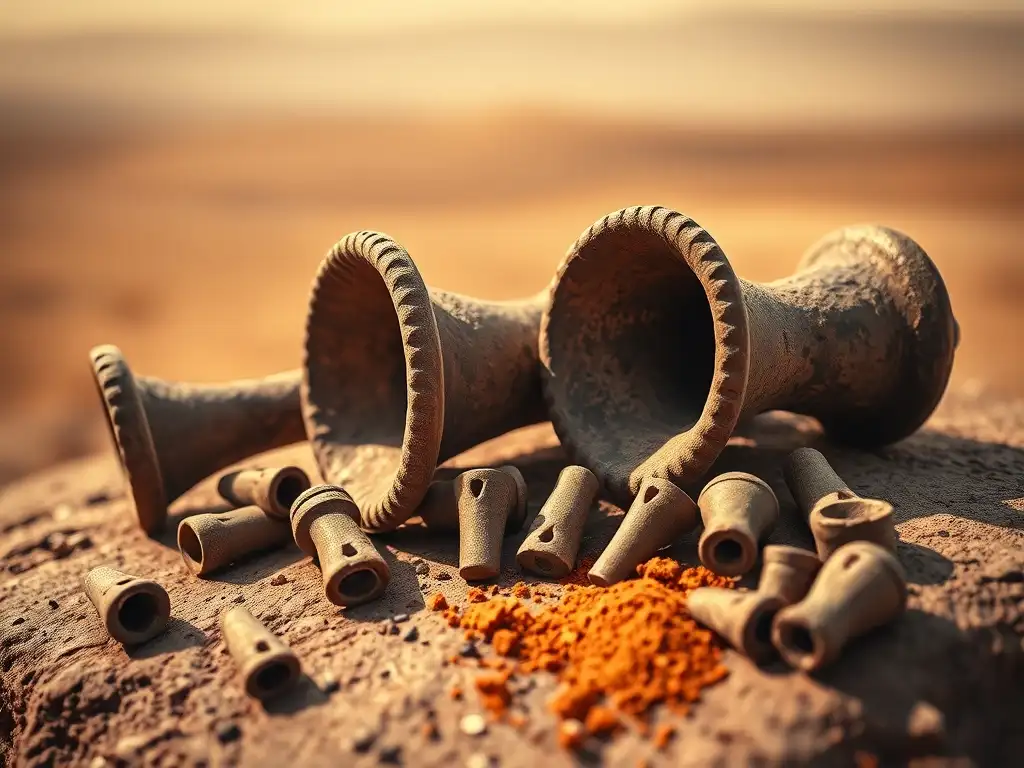
Completing the Nazca musical ensemble were trumpets and whistles, used for a variety of purposes beyond purely musical expression. These instruments, often made from ceramic or shell, could have served as signaling devices, conveying messages across distances in the vast Nazca landscape. The piercing sounds of trumpets could have announced important events or signaled the approach of caravans or dignitaries.
Whistles, with their higher-pitched sounds, may have been used for more subtle communication or to accompany specific rituals. The use of these instruments, therefore, extended beyond artistic expression to encompass practical applications in communication and social organization. Moreover, trumpets and whistles likely played a significant role in ceremonies, adding another layer to the already rich sonic tapestry of Nazca rituals.
Their incorporation into religious contexts suggests they held symbolic meaning and were not merely functional tools. The varied materials used in their construction indicate a level of artistry and attention to detail, further supporting the idea that these instruments were valued and carefully crafted objects. The precise sounds produced by these instruments, unfortunately, remains a subject of ongoing research and speculation, awaiting further archaeological discoveries to paint a more complete picture of their use.
The Significance of Music in Nazca Ceremonies
Music played a vital, interwoven role in Nazca society, permeating nearly every aspect of their lives, from daily routines to elaborate religious ceremonies. The soundscapes of Nazca likely vibrated with the rhythms of life, shaping their spiritual understanding and social interactions. Archaeological evidence, though limited compared to other Andean cultures, suggests the use of various instruments, including panpipes, drums, and possibly wind instruments.
The precise construction and sounds of these instruments remain a subject of ongoing research, with scholars piecing together clues from fragmented remains found in tombs and ceremonial sites. The vibrant colors and intricate designs adorning many Nazca artifacts, such as pottery and textiles, hint at a rich visual culture that likely mirrored the complexity of their auditory experiences.
The sheer effort and skill involved in creating these artifacts suggest that music, and the instruments used to create it, held a position of significant cultural value. The lack of extensive written records necessitates relying on careful interpretation of visual cues and comparative analysis with other Andean cultures to fully comprehend the significance of music in Nazca life.
Music and Nazca Religious Practices
The connection between music and religious practices in Nazca culture is deeply intertwined. Many scholars believe that music served as a crucial element in facilitating communication with the supernatural world. Ceremonies, likely held in specially designated areas or within elaborate structures, might have involved musical performances aimed at appeasing deities, ensuring successful harvests, or invoking favorable conditions for various aspects of Nazca life.
The rhythmic pulsations of drums and the melodic strains of panpipes could have been used to induce altered states of consciousness or to create an atmosphere conducive to spiritual experiences. Furthermore, the use of specific instruments or musical motifs in different rituals would have added layers of meaning and symbolism, reflecting the hierarchical structure of Nazca religious beliefs and practices.
Unfortunately, the specific details of these rituals and their musical accompaniments remain largely unknown, awaiting further archaeological discoveries and interpretations. The study of iconography on Nazca pottery and textiles offers tantalizing glimpses into these practices, but much work remains to be done to fully decode their symbolic language.
Musical Performance in Nazca Funerary Rites
Music played a significant role in Nazca funerary rites, marking the transition from life to the afterlife. The presence of musical instruments in some Nazca tombs suggests that music was part of the burial ceremonies, perhaps intended to guide the deceased on their journey or to honor their memory. The type of instruments included in the burial might have varied according to the social status of the deceased, indicating the importance of music within Nazca social hierarchy.
The arrangement of the instruments within the tomb, alongside other grave goods, could provide further insights into the beliefs and practices surrounding death and the afterlife. While the exact nature of the musical performances remains speculative, the inclusion of instruments in the burial strongly suggests a significant role for music in the transition to the afterlife.
Further analysis of the contexts in which instruments were found within these tombs is critical to unlock more precise understandings of their funerary significance within Nazca culture. The careful study of these artifacts, in conjunction with comparative studies of Andean burial practices, holds the key to understanding the role of music in the Nazca worldview.
The Nazca Lines and the Auditory Experience
The Nazca Lines, those enigmatic geoglyphs etched into the Peruvian desert, have captivated researchers and the public alike for decades. While their primary purpose remains a subject of debate, a compelling theory suggests a connection between the lines and the auditory experience of the Nazca people. Some researchers propose that the lines themselves might have acted as a kind of acoustic landscape, influencing the sound of wind and other natural phenomena.
The lines' placement, orientation, and shapes could have created unique sound effects, perhaps amplifying certain frequencies or creating echoes. Imagine the wind whistling through these gigantic figures, creating a soundscape integral to Nazca rituals and ceremonies. This auditory component, often overlooked in discussions of the lines, adds a new layer of complexity to their interpretation and highlights the importance of sound in Nazca culture.
Further research, particularly through acoustic modeling and on-site sound recordings, is needed to fully explore this fascinating possibility. The interplay between the visual impact of the lines and the soundscape they may have created opens avenues for a deeper understanding of Nazca spirituality and social life. The sheer scale of the lines themselves suggests an intentionality that extends beyond the purely visual, hinting at a multi-sensory experience central to Nazca society.
Connecting the Visual with the Sonic
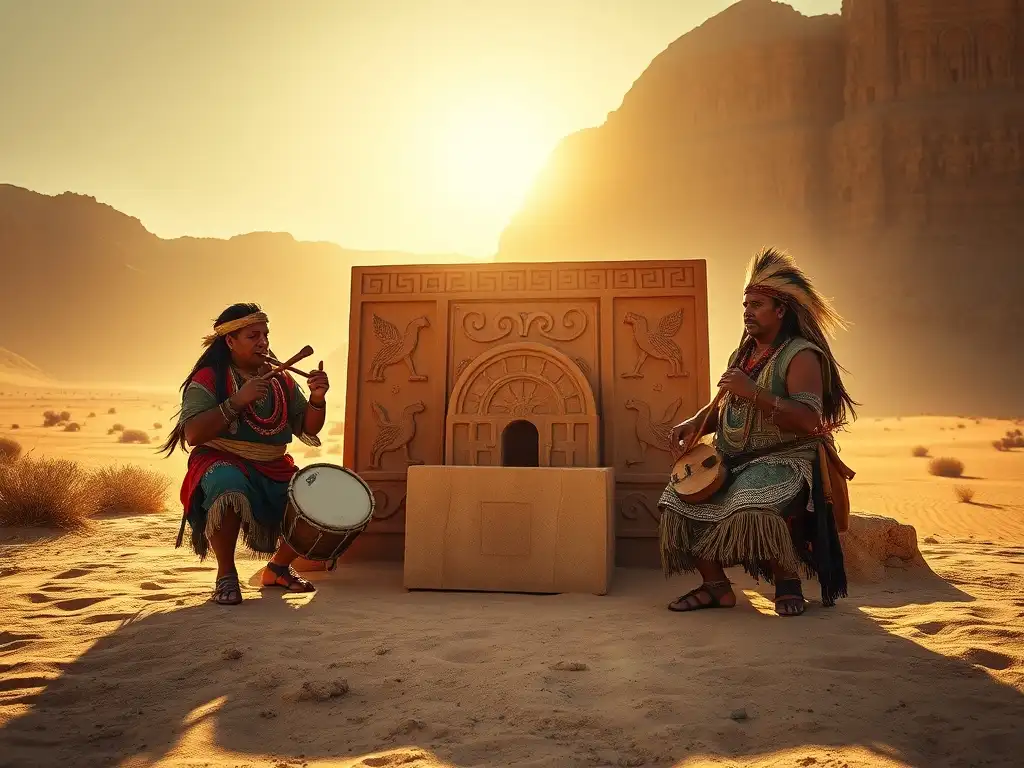
The Nazca civilization, renowned for its stunning visual artistry, didn't limit its artistic expression to the geoglyphs alone. Their pottery, textiles, and other artifacts often depict scenes of ritual and daily life, offering valuable insights into their worldview and societal structures. Many of these representations include musical instruments and musicians, suggesting that music played a significant role in both religious ceremonies and secular activities.
The connection between the visual and the sonic within Nazca culture is particularly evident in their ceremonial contexts. It's likely that the visual spectacle of a ritual, perhaps accompanied by elaborate costumes and dances, was interwoven with the auditory experience of music, creating a holistic and immersive sensory experience. Think of a ceremonial procession along a section of the Nazca Lines, the visual grandeur of the geoglyphs combined with the rhythmic sounds of flutes and drums—a powerful and unforgettable event.
This interconnectedness of sight and sound challenges a purely visual interpretation of Nazca art and emphasizes the crucial role of music in shaping their cultural identity. The analysis of these artistic representations, combined with ethnomusicological studies of contemporary Andean music, can illuminate the soundscapes of the past.
Nazca Artistic Representations of Musicians
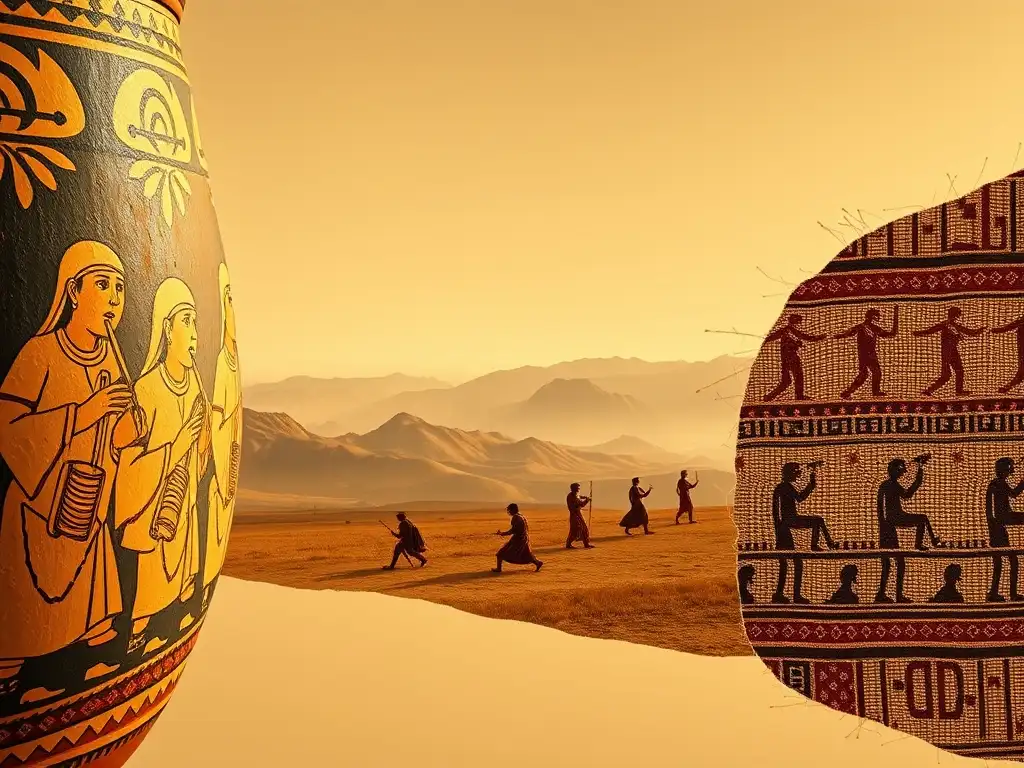
Nazca pottery provides some of the most compelling evidence of the importance of music in their society. Numerous examples depict musicians playing various instruments, such as panpipes, flutes, drums, and possibly trumpets. These depictions are not merely decorative; they offer valuable clues about the types of instruments used, the social status of musicians, and the role of music in different contexts. The detail in these representations is remarkable; one can often discern the specific type of instrument played, the posture of the musician, and even the style of their clothing.
Some pots depict musicians in ceremonial settings, suggesting that music was an integral part of religious rituals. Others show musicians in more casual settings, indicating that music was also a part of everyday life. Analyzing the frequency and context of these depictions in Nazca pottery sheds light on the social significance of music within their culture.
The careful study of these artistic representations, coupled with archaeological findings of actual musical instruments, allows us to reconstruct a more complete picture of Nazca musical practices and their role in shaping Nazca society. The combination of visual evidence and scholarly interpretation allows for a more nuanced understanding of "Nazca musicians Andean music," going beyond mere descriptions to reveal the deeper cultural significance of their musical traditions. 🎶
Nazca Pottery Depicting Musical Scenes
The Nazca culture, renowned for its enigmatic geoglyphs, also left behind a rich legacy in pottery. Many examples of Nazca ceramics showcase vibrant depictions of musical performances, offering invaluable insights into their musical practices. These aren't simply decorative elements; the meticulous detail and recurring motifs suggest a deep cultural significance attached to music.
We see scenes of individuals playing panpipes ( antara), drums (possibly similar to the modern tinku), and possibly other instruments whose precise forms are still debated by scholars. The musicians are often portrayed in elaborate costumes, further emphasizing the ritualistic context of their performances. The postures and expressions of the figures suggest a lively, energetic atmosphere, possibly indicating celebratory or ritualistic occasions.
Careful study of these scenes reveals not just the instruments used, but also clues to social hierarchies and the roles musicians played within Nazca society. The prevalence of these musical scenes on pottery highlights the importance of music in their daily life and religious ceremonies. Further research into the specific types of clay, pigments, and firing techniques used in these pieces could provide even more nuanced understandings of the cultural context surrounding Nazca music.
Analyzing Nazca Iconography: Musicians and their Instruments
Examining the iconography of Nazca musicians requires a multi-faceted approach, combining art historical analysis with ethnomusicological perspectives. The instruments depicted, while sometimes stylized, often bear striking resemblance to instruments found in later Andean cultures. The panpipes, for example, are readily identifiable, and their depiction in various sizes and configurations suggests a range of musical possibilities. The drums, however, are less clear-cut.
While some appear to be simple, cylindrical drums, others show more complex designs, possibly indicating variations in construction or playing techniques. The size and shape of the instruments, combined with the musicians' postures and the surrounding imagery, provide clues about the specific musical contexts. For instance, scenes involving multiple musicians playing different instruments might represent ensemble performances, while solitary figures could indicate more intimate, perhaps ritualistic, settings.
The use of color and patterns in the depictions also carries symbolic meaning, potentially reflecting the social status of the musicians or the nature of the event. Detailed analysis of these visual cues is crucial for understanding the social and cultural significance of Nazca music within their broader worldview. The comparison of Nazca iconography with that of neighboring cultures can also shed light on the potential exchange of musical ideas and instruments throughout the Andean region.
Nazca Music: A Legacy of Andean Sound
The music of the Nazca people, though lost to time, continues to resonate through the echoes of its iconography and the enduring traditions of Andean music. While we cannot hear the actual sounds produced by their instruments, the visual evidence provides a strong foundation for understanding its role within their culture. The vibrant depictions of musicians on pottery, textiles, and possibly other art forms, showcase a musical tradition deeply intertwined with ritual, celebration, and possibly even shamanistic practices.
The prevalence of panpipes suggests a melodic tradition, possibly with harmonies and polyphonic elements, characteristic of Andean musical styles. The presence of drums hints at rhythmic complexity, contributing to the overall dynamism of their music. The legacy of Nazca music is not merely an academic pursuit; it is a vital link to the broader tapestry of Andean musical heritage.
Understanding their musical practices helps us appreciate the continuity and evolution of Andean musical traditions, from the pre-Columbian era to the present day. Further research, combining archaeological findings with ethnomusicological studies of contemporary Andean music, promises to reveal even more profound insights into the soundscapes of the Nazca civilization and its lasting impact on Andean culture. The study of Nazca music represents a key to understanding the cultural richness and complexity of this fascinating civilization.
The Influence of Nazca Music on Later Andean Cultures
The Nazca musical tradition, while possessing unique characteristics, undeniably contributed to the broader tapestry of Andean musical development. Its influence can be traced through stylistic similarities and shared instrumentation in later cultures, particularly the Wari and Tiwanaku. While direct lines of influence are difficult to definitively prove due to the limitations of the archaeological record, several common threads suggest a clear connection.
For example, the use of panpipes, a prominent instrument in Nazca iconography, continued to be a staple in Andean music for centuries afterward. The rhythmic complexities and melodic structures evident in surviving Nazca artifacts also find echoes in later Andean musical styles, hinting at a shared cultural heritage. The persistence of certain musical motifs and instruments across these different cultures suggests a process of cultural exchange and adaptation, where the Nazca contribution served as a foundation upon which subsequent Andean musical traditions were built.
Further research into comparative musicology could illuminate these connections more precisely, potentially revealing the precise mechanisms through which Nazca musical ideas were transmitted and transformed. This ongoing investigation promises to further enhance our understanding of the evolution of Andean music and its deep historical roots.
Understanding the Nazca Musical Tradition through Archaeology
Archaeology provides a crucial, albeit indirect, window into the Nazca musical tradition. Direct evidence such as preserved musical scores is exceptionally rare, if not entirely absent, from this period. However, the careful excavation and analysis of Nazca sites offer valuable insights into their musical practices.
The discovery of musical instruments, both complete and fragmented, offers tangible clues about the types of instruments used and the potential range of sounds produced. Moreover, the rich iconography found on ceramics, textiles, and other artifacts provides visual representations of musical performances, offering glimpses into social contexts and the role of music in Nazca society.
By studying the depictions of musicians, their instruments, and the settings in which they perform, archaeologists can reconstruct aspects of their musical culture, though interpretations are always subject to scholarly debate and the inherent limitations of interpreting visual representations. The careful contextualization of these findings within the broader social and religious landscape of Nazca civilization is essential for a nuanced understanding of the significance of music in their lives.
Archaeological Evidence: Recovered Instruments and Iconography
The archaeological record offers compelling evidence for Nazca musical practices. Excavations have unearthed various instruments, including fragments of panpipes made from reeds or bone, and evidence suggesting the use of percussion instruments, although complete examples are scarce. The fragility of many organic materials used in instrument construction contributes to the incomplete nature of the surviving archaeological evidence. However, the recovered fragments, along with their stylistic analysis, allow researchers to make informed inferences about the construction techniques and potential sounds of these instruments.
Furthermore, Nazca iconography provides abundant visual representations of musical activity. Ceramics often depict musicians playing instruments in various settings, including ritual ceremonies and social gatherings. These depictions, while stylized, reveal information about the types of instruments used, the attire of musicians, and the social context of musical performances.
The careful study of these images, combined with the analysis of recovered instruments, offers a multifaceted approach to understanding Nazca music, illustrating its importance within their culture. Careful analysis of the iconography, including the specific types of instruments depicted and the accompanying imagery, can shed light on the social and religious significance of music within Nazca society. This combined approach – the study of both material culture and visual representations – provides the most comprehensive understanding of this fascinating aspect of Nazca civilization.
Analysis of Panpipe Tuning and Construction Techniques
The intricate craftsmanship evident in Nazca panpipes reveals a sophisticated understanding of acoustics and musical theory. Archaeological findings show a remarkable consistency in the tuning systems employed, suggesting a standardized approach to musical instrument production. The panpipes weren't simply haphazardly assembled; rather, meticulous care was taken in selecting reeds of specific lengths and densities to achieve the desired pitches.
This precision is further highlighted by the careful arrangement of the pipes within the instrument itself, demonstrating a deep understanding of harmonic relationships and the creation of pleasing musical intervals. Analysis of surviving instruments reveals the use of diverse materials, including reeds from various plant species, each selected for its unique sonic properties. The choice of material likely played a significant role in shaping the overall timbre and character of the instrument, contributing to the unique soundscape of Nazca music.
Further research is needed to fully understand the nuances of the tuning systems, but preliminary analysis indicates a strong correlation between the length of the pipes and the resulting pitch, consistent with known principles of acoustics. The meticulous construction techniques, coupled with the advanced understanding of musical theory, point to a highly developed musical tradition within Nazca society. The precision of these instruments suggests a level of specialization among Nazca artisans, perhaps indicating the existence of dedicated instrument makers within the community.
The Enduring Resonance of Nazca Musicians in Andean History
The legacy of Nazca musicians extends far beyond the confines of their own civilization. While much of their musical practice remains shrouded in mystery, the echoes of their sounds and rituals continue to resonate in the musical traditions of later Andean cultures. The panpipes, in particular, have endured as a central instrument across diverse Andean societies, from the Inca Empire to contemporary Andean communities. The stylistic similarities between Nazca panpipes and later instruments suggest a direct lineage and a continuous evolution of musical practices.
This continuity is not only evident in the instruments themselves but also in the musical forms and styles, with certain melodic patterns and rhythmic structures potentially tracing their origins back to the Nazca period. The enduring presence of the panpipe in Andean music underscores its cultural significance and the lasting impact of Nazca musicians on the region's musical heritage. The study of Nazca musical instruments provides valuable insights into the broader evolution of Andean music and offers a glimpse into the complex interplay between musical practices and cultural identity across centuries.
While the precise nature of their musical performances remains largely unknown, the enduring presence of their instruments and the echoes of their musical styles in subsequent Andean cultures serve as a testament to their lasting contribution to the rich tapestry of Andean musical history. The enduring legacy of Nazca musicians highlights the importance of considering the long-term impact of ancient civilizations on the cultural landscape of their successors. Further research, combining archaeological findings with ethnomusicological studies, can shed more light on the specific connections between Nazca musical traditions and later developments in Andean music.
Frequently Asked Questions
What role did music play in Nazca society?
Music played a vital role in Nazca rituals and ceremonies. It was likely used to honor deities, accompany dances, and mark important events. Evidence suggests a significant connection between music and their spiritual beliefs.
What types of instruments did Nazca musicians use?
While few instruments survive, depictions in Nazca art suggest the use of wind instruments like flutes and panpipes, as well as percussion instruments. The precise materials and construction techniques remain a subject of ongoing research.
How did Nazca music differ from that of other Andean cultures?
While sharing some features with other Andean cultures, Nazca music likely had its own unique stylistic characteristics. Further research is needed to fully understand these distinctions, as the surviving evidence is limited.
What is the evidence for Nazca music?
Evidence comes primarily from artistic representations on ceramics and textiles. These depict musicians playing various instruments, providing valuable insights into their musical practices and the importance of music in their society.
Where can I learn more about Nazca musicians and their music?
You can explore further by researching academic articles and books on Nazca culture and Andean music. Museums with collections of Nazca artifacts often provide information about their music and musical instruments.
Final Reflection: Echoes of the Nazca: A Legacy of Sound and Spirit
The haunting melodies of the Nazca musicians, though silent for millennia, continue to resonate in the vibrant tapestry of Andean culture. Their music, a powerful expression of ritual and spirituality, offers a profound glimpse into a civilization that understood the intrinsic link between sound, the cosmos, and the human experience. This connection, far from being relegated to the past, remains a vital thread in the ongoing narrative of Andean identity.
The enduring power of Nazca music lies not just in its archaeological significance, but in its capacity to evoke a sense of timeless connection. It speaks to the enduring human need to express ourselves through sound, to create meaning through ritual, and to find solace in the shared experience of music. Music is the universal language of mankind,
said Henry Wadsworth Longfellow, and the Nazca, in their unique way, profoundly demonstrated this truth. Their instruments, their melodies—fragments of a lost world—speak across the chasm of time, reminding us of our shared humanity and the enduring power of artistic expression.
Consider the echoes of Nazca musical traditions in contemporary Andean music. Reflect on the ways in which sound continues to shape community, ritual, and spiritual practice. You, the reader, are invited to explore the legacy of the Nazca musicians not just as a historical curiosity, but as a living testament to the enduring power of music to connect us to our past, our present, and our future. Let the sounds of the Andes inspire you to seek out the music that resonates with your own soul, and to appreciate the profound ways in which sound shapes our lives.
**Unveil the Sounds of the Andes! **
Thank you for exploring the fascinating world of Nazca musicians and their captivating rituals. Your journey into the rich cultural tapestry of Andean civilizations has deepened your understanding of the profound connection between sound, tradition, and identity. What's next on your adventure?
Here are a few suggestions to further immerse yourself in this enchanting culture:
- **Listen to traditional Andean music:** Discover playlists featuring the unique sounds of Nazca and other Andean cultures, or attend a live performance. Let the music transport you to their vibrant world!
- **Explore local Andean art:** Visit galleries or craft fairs showcasing artwork inspired by Nazca culture. You might even try creating your own piece inspired by their rich heritage.
- **Connect with other enthusiasts:** Join online forums or social media groups dedicated to Andean history and music to share your insights and discoveries.
What aspects of Andean music and rituals intrigue you most, and how do you believe they influence modern culture? We'd love to hear your thoughts!