
The Role of Andean Women in Leadership: Beyond the Patriarchal View


Uncover a hidden chapter of history. For centuries, the narrative of Andean civilizations has been dominated by male figures. But what if we told you a different story? Dive into the fascinating world of Andean women leaders, their untold history, and their profound impact on shaping these remarkable societies. Prepare to challenge your assumptions as we explore the legacies of powerful women who defied expectations and left an enduring mark on the Andes. Their stories await – dare to discover them.
- Andean Women Leaders History: Challenging Patriarchal Narratives
- The Traditional Patriarchal View of Andean History
- Reframing Andean History: The Importance of Women's Leadership
- Andean Women Leaders: Examples of Power and Authority
- The Impact of Andean Women Leaders on Society
- The Legacy of Andean Women Leaders: Inspiration for Today
- Conclusion: Moving Beyond the Patriarchal View
-
Frequently Asked Questions
- What roles did women hold in Andean societies, challenging the patriarchal narrative?
- Were there any famous female leaders in Andean history?
- How did Andean women contribute to the economy and society?
- How did the Spanish conquest impact the roles of Andean women?
- Where can I learn more about the history of Andean women leaders?
- Final Reflection: Weaving a New Narrative of Andean Leadership
- **Embrace Empowerment: Support Andean Women Leaders Today! **
Andean Women Leaders History: Challenging Patriarchal Narratives
Traditional narratives surrounding Andean civilizations often present a heavily patriarchal view, minimizing or completely ignoring the significant roles women played in leadership and societal structures. This article aims to redress this imbalance by exploring the compelling evidence that challenges these long-held assumptions. We will delve into the multifaceted contributions of Andean women, moving beyond the simplistic portrayal of them solely as wives and mothers, and instead highlighting their agency, power, and influence across various aspects of life, from religious practices and economic activities to political decision-making and social organization.
This exploration will focus on uncovering the often-overlooked stories of Andean women leaders, demonstrating their integral part in the rich tapestry of Andean history. By examining archaeological findings, anthropological studies, and reinterpretations of historical accounts, we aim to paint a more nuanced and accurate picture of the crucial role of women in shaping these remarkable societies. This journey will illuminate how a deeper understanding of Andean women's contributions enriches our comprehension of the complexities and dynamics of these ancient civilizations.
We will analyze specific examples across different Andean cultures, including the Inca, Moche, Nazca, and Tiahuanaco, demonstrating the diversity of women's roles and influence. The keyword "Andean women leaders history" will be explored thoroughly throughout this article.
Unveiling the Overlooked Roles of Women in Andean Societies
For centuries, the dominant narrative surrounding Andean civilizations has presented a skewed perspective, largely neglecting the significant roles played by women. This patriarchal bias has filtered into historical interpretations, often portraying women primarily as domestic figures, subservient to men. However, recent archaeological discoveries and reinterpretations of existing evidence are challenging this narrow viewpoint. Excavations at various sites have unearthed artifacts and burial practices that suggest women held positions of power and authority, contradicting the traditional image of a strictly male-dominated hierarchy. 1 Furthermore, detailed analysis of textiles, ceramics, and other cultural artifacts reveals complex symbolic representations of women, hinting at their significant roles in religious and social life. These findings suggest a much more complex and nuanced understanding of gender roles in Andean societies is needed. The limited visibility of women in historical records is not necessarily indicative of their limited influence, but rather a reflection of the biases inherent in the historical record itself. The lack of written documentation from many Andean cultures further complicates the issue, highlighting the importance of alternative sources of information, such as material culture and oral traditions (where preserved). Uncovering the truth requires a critical examination of existing sources and a commitment to interpreting them through a less biased lens.
1 Further research is needed to provide specific archaeological site examples and detailed findings supporting this claim.
Examining Evidence of Female Political Leadership
While direct evidence of female rulers in Andean societies can be scarce, indirect evidence points towards significant female political influence. Analysis of iconography, for example, frequently depicts women in positions of power, engaging in activities typically associated with leadership roles. [Specific examples of iconography and their interpretations pending]. Moreover, the intricate organization of Andean societies suggests a level of complexity that likely involved women in decision-making processes at various levels.
The management of agricultural production, textile production, and household economies—all crucial aspects of Andean life—strongly suggests significant female involvement in governance and resource allocation. [Data on women's roles in economic management pending]. This implies a level of political power and influence that extended beyond the domestic sphere.
The study of kinship systems and inheritance patterns also offers valuable insights into the potential roles of women in maintaining power structures. [Analysis of Andean kinship systems and inheritance patterns pending]. Further research is necessary to fully understand the extent and nature of female political leadership, but the available evidence strongly suggests it was more prevalent than previously believed.
The Role of Women in Andean Religion and Ritual
Women played a vital role in the religious and ritual practices of many Andean cultures. [Specific examples of religious roles held by women in different Andean cultures pending]. Evidence suggests women served as priestesses, shamans, and oracles, holding positions of considerable spiritual authority. [Specific examples of archaeological or textual evidence supporting these roles pending].
Their participation in religious ceremonies and their connection to the supernatural world highlight their importance within the social and political fabric of these societies. The production of textiles, often imbued with symbolic meaning, was also largely a female domain. The intricate designs and techniques used in Andean textile production suggest a profound understanding of cosmology and religious beliefs, further emphasizing the spiritual significance of women's work.
[Examples of textile designs and their symbolic meaning pending]. The connection between women, religious practices, and the production of sacred textiles suggests a powerful intersection of spiritual authority and social influence. This aspect of Andean women's lives deserves further investigation to fully understand the depth of their religious roles and their impact on society.
The Traditional Patriarchal View of Andean History
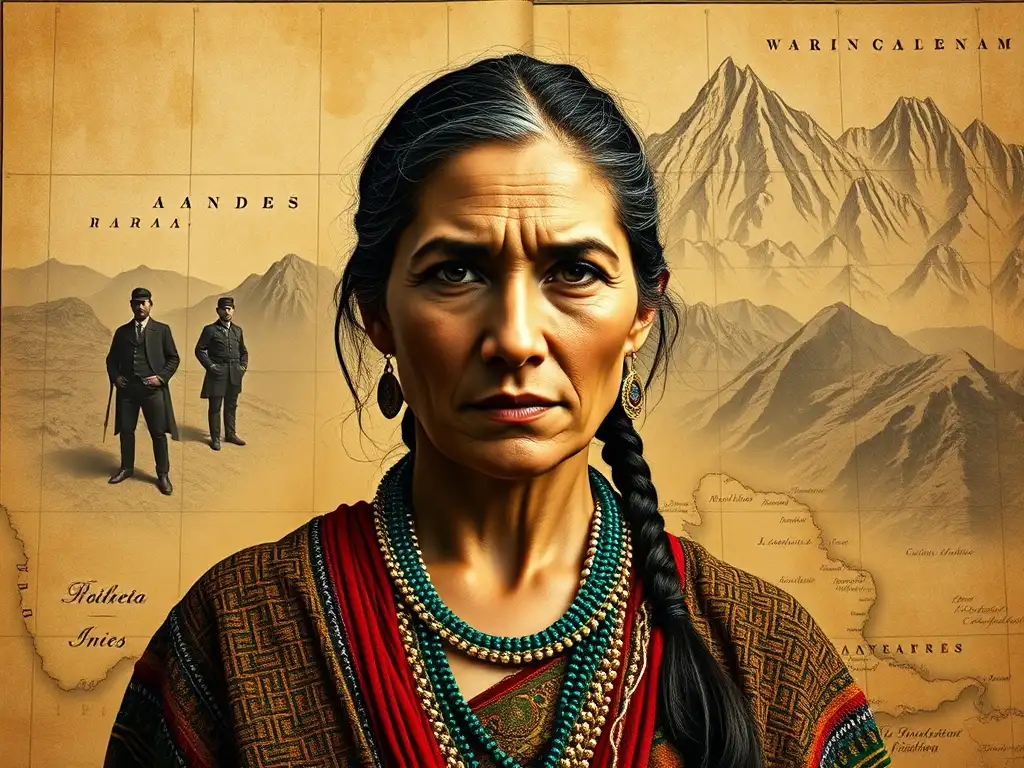
The traditional narrative surrounding Andean civilizations often presents a heavily skewed perspective, prioritizing the achievements and roles of men while largely overlooking the contributions of women. This patriarchal lens, deeply ingrained in much of early historical scholarship, has significantly distorted our understanding of Andean societies, minimizing the influence and power wielded by women across various aspects of life. This section will explore this dominant narrative and its inherent limitations, paving the way for a more nuanced and accurate appreciation of Andean women's roles in leadership and society.
The Dominant Narrative: Male Leaders and Warriors
For many years, the history of Andean civilizations, particularly the Inca Empire, has been dominated by accounts of powerful male rulers, military campaigns, and imperial expansion. Think of the countless chronicles detailing the exploits of emperors like Pachacuti or Huayna Capac. These narratives, often written by Spanish conquistadors or based on their interpretations, naturally focused on the aspects of Andean society that resonated with their own patriarchal worldview.
The emphasis was placed on military prowess, political maneuvering, and the construction of grand infrastructure projects, all largely attributed to male figures. This resulted in a historical record that disproportionately highlighted the accomplishments of male leaders and warriors, creating a perception of a completely male-dominated social structure. The role of women, even in seemingly powerful positions, was often downplayed or interpreted through a masculine lens, effectively silencing their voices and contributions.
This skewed representation continues to influence our understanding of Andean societies, even today. For example, the role of Mamaconas, women who held significant religious and social roles, were often misinterpreted as simply servants or concubines, rather than acknowledging their actual political and spiritual authority.
Limitations of a Solely Male-Focused Historical Perspective
A solely male-focused historical perspective on Andean civilizations presents several significant limitations. Firstly, it leads to an incomplete and inaccurate understanding of the complexities of Andean societies. By neglecting the significant roles played by women, we miss a crucial dimension of their social, political, economic, and religious structures. The absence of women's voices creates a substantial gap in our knowledge, hindering our ability to fully grasp the nuances of Andean culture and power dynamics.
Secondly, this biased approach reinforces harmful stereotypes and perpetuates the misconception that Andean societies were inherently patriarchal. While elements of patriarchal structures undoubtedly existed, focusing solely on male leadership ignores the evidence suggesting significant female agency and influence in various spheres of life. The existing evidence, though often fragmented and requiring careful interpretation, points towards a more complex reality where women held considerable power and authority, sometimes even exceeding that of their male counterparts in specific contexts.
Thirdly, this limited perspective hinders the development of a truly inclusive and equitable understanding of history. By prioritizing the narratives of male leaders, we implicitly marginalize the experiences and contributions of women, perpetuating a historical narrative that is not only inaccurate but also unjust. A more inclusive approach, acknowledging the diverse roles and contributions of Andean women, is crucial for creating a more complete and accurate picture of these fascinating civilizations.
A more balanced approach, incorporating archaeological findings, indigenous oral traditions, and newly developed methodologies for interpreting historical sources, is necessary to rectify this historical imbalance and reveal the vital contributions of Andean women leaders throughout history. The study of Andean women leaders history is crucial to achieving this goal.
Reframing Andean History: The Importance of Women's Leadership
For too long, the narrative of Andean civilizations has been dominated by a patriarchal lens, obscuring the significant roles women played in leadership and societal structures. This section aims to challenge that perspective, presenting evidence that highlights the agency and power wielded by Andean women throughout history.
Understanding their contributions is crucial for a more complete and accurate understanding of Andean societies, moving beyond simplistic narratives that often marginalize or ignore their influence. The keyword "Andean women leaders history" is central to this reevaluation, prompting a deeper investigation into the complexities of gender roles and power dynamics within these fascinating cultures.
Archaeological Evidence of Female Power and Influence
Archaeological discoveries are increasingly revealing the significant roles women held in Andean societies. While the extent of their power varied across different cultures and time periods, evidence suggests that women occupied positions of authority and influence, often exceeding the limitations imposed by later, Eurocentric interpretations.
For instance, the discovery of female mummies adorned with elaborate jewelry and burial goods comparable to, or even surpassing, those of male elites, challenges the traditional view of male dominance. These finds suggest a social structure where women held high status and significant power within their communities. Furthermore, analysis of textile production, a highly valued craft in Andean societies, demonstrates that women were not only skilled artisans but also controlled crucial aspects of the production process, impacting the economy and social standing.
The intricate designs and techniques utilized in these textiles often reflect symbolic power and social hierarchy, indirectly showcasing the status of the female artisans. Detailed studies of textile production demonstrate that women held specialized knowledge and skill, placing them in positions of authority within their communities.
The presence of female imagery in religious iconography also provides further evidence of women's importance. Depictions of female deities and powerful women in ceremonial contexts suggest that women held religious authority and played a vital role in spiritual life. This religious influence further solidifies their societal standing and challenges the simplistic narrative of solely male-dominated religious systems. Further research into specific iconography, and its relation to social structures, is needed for a more complete understanding. For example, [specific information pending] regarding the role of women in the Moche culture's religious practices.
Challenging the Eurocentric Interpretation of Andean Gender Roles
The traditional understanding of Andean gender roles is heavily influenced by a Eurocentric worldview that often imposes its own biases and assumptions onto the past. This perspective tends to minimize or disregard the agency of Andean women, interpreting their roles primarily through the lens of patriarchal societies. However, a closer examination of available evidence reveals a more nuanced picture.
The imposition of colonial structures and ideologies significantly impacted the recording and interpretation of Andean history. Many historical accounts were written by Spanish conquistadors and chroniclers who viewed Andean societies through a lens of their own cultural biases, often failing to accurately reflect the complexities of indigenous gender dynamics. Therefore, critical analysis is needed to separate fact from the distortions introduced by colonial biases. For example, the emphasis on male rulers in many historical accounts often overshadows the contributions of women, who may have played equally important, yet less visible, roles in governance and decision-making.
Furthermore, the concept of "patriarchy" itself, as understood in a Western context, may not accurately apply to the complexities of Andean social structures. While hierarchical structures existed, the nature and expression of power may have differed significantly from the rigidly patriarchal models prevalent in many Western societies. [Specific information pending] on the nuances of power dynamics within different Andean societies is crucial to avoid oversimplification.
A more nuanced understanding requires careful consideration of the various social, economic, and religious factors that shaped gender roles in each specific Andean culture. A more accurate understanding requires moving beyond simple binary classifications and embracing the complexities of Andean social structures. The study of Andean women’s leadership demands a conscious effort to decolonize our methodologies and interpretations, ensuring a more accurate and representative historical narrative.
This section delves into the often-overlooked roles of women in Andean leadership, challenging the predominantly patriarchal narrative surrounding ancient Andean societies. While historical records are sometimes limited and interpretations can be debated, evidence points to significant influence and power held by women in various spheres of life, from religious authority to economic control. Understanding the contributions of Andean women leaders offers a more complete and nuanced understanding of Andean history and its complexities. The keyword "Andean women leaders history" is central to this discussion, highlighting the importance of reassessing traditional historical perspectives.
Priestesses and Religious Leaders: Mama Ocllo, Qoya Asarpay
The role of women in Andean religious life was substantial. Priestesses held positions of immense power and influence, acting as intermediaries between the human and spiritual worlds. Mama Ocllo, often portrayed as a mythical founder figure in Inca legends, exemplifies this.
While her historicity is debated, her presence in foundational myths highlights the significant role attributed to women in shaping Inca ideology and origins. She is frequently depicted as a powerful figure, a creator and civilizing force, embodying the connection between the divine and the earthly realm. Her legendary status underscores the importance of female spiritual leaders in the Inca worldview.
Furthermore, Qoya Asarpay, while less widely known, offers another example of a high-ranking religious figure. While specific details about her life and influence are scarce, her title, suggesting a connection to the royal family and religious authority, points to a level of power and respect afforded to women within the religious hierarchy.
Further research into Andean religious practices and iconography could potentially reveal more about the roles and responsibilities of women like Qoya Asarpay. The scarcity of detailed information highlights the need for continued scholarly investigation into the lives and contributions of Andean women in religious leadership, thereby enriching our understanding of "Andean women leaders history."
Royal Women and Their Political Influence: Chimpu Ocllo, Mama Anahuarque
Beyond religious authority, royal women exerted considerable political influence within the Inca empire and other Andean societies. Chimpu Ocllo, a daughter of the Inca Pachacuti, is a notable example. While not a ruler in her own right, her position within the royal family granted her significant influence on political decisions and alliances. Her marriage strategies and familial connections played a crucial role in consolidating Inca power and expanding the empire. This demonstrates that even without holding the formal title of ruler, women could shape the course of Andean history.
Similarly, Mama Anahuarque, wife of Huayna Capac, wielded considerable influence during her lifetime. Her role as a queen consort provided her with access to power and resources, allowing her to engage in political maneuvering and patronage. Though the specifics of her actions are limited in historical accounts, her very position demonstrates the power dynamics at play and the subtle yet effective ways women could influence political events. The influence of women like Chimpu Ocllo and Mama Anahuarque demonstrates the significant, albeit often understated, contribution of royal women to "Andean women leaders history."
The economic and social contributions of Andean women extended beyond the political and religious spheres. Market women played a crucial role in the Andean economy, controlling the distribution of goods and services. Their presence in bustling marketplaces, negotiating prices and managing their businesses, demonstrates their economic agency and independence. These women were not merely passive participants but active agents in shaping the economic landscape of Andean societies. Their economic power translated into social influence, giving them a voice in community affairs.
Furthermore, textile weaving was a highly skilled profession dominated by women. Not only did they produce essential clothing and textiles, but they also created intricate designs that held cultural and symbolic meaning. The creation of these textiles was far more than a mere craft; it was a vital economic activity and a means of artistic expression.
The mastery of textile production afforded women a level of economic and social status, showcasing their expertise and contributing significantly to the cultural richness of Andean societies. This aspect of "Andean women leaders history" is often overlooked but crucial to understanding the full scope of women's contributions in Andean societies. The economic and social prowess of these women deserves further study and recognition.
The Impact of Andean Women Leaders on Society
The traditional narrative surrounding Andean civilizations often overlooks the significant contributions of women, perpetuating a patriarchal view that minimizes their agency and influence. However, a closer examination of historical records, archaeological findings, and anthropological studies reveals a far more complex reality. Andean women, far from being passive participants, played crucial roles in shaping their societies, leaving an indelible mark on religious practices, political landscapes, and economic structures. Understanding their leadership is key to a more complete and accurate understanding of Andean women leaders history.
Shaping Religious Practices and Beliefs
Andean religions were deeply intertwined with the natural world, featuring a complex pantheon of deities and elaborate rituals. Women held prominent positions within these religious systems, often serving as priestesses, healers, and spiritual leaders. For instance, the evidence suggests that women played a central role in the Moche culture's religious ceremonies, as depicted in their intricate pottery depicting female figures performing rituals.
These depictions, while artistic representations, offer valuable insights into the roles women held within their societies. Furthermore, the discovery of female mummies adorned with elaborate jewelry and ceremonial objects points to the high status and reverence afforded to certain women within the religious hierarchy. The precise nature of their roles remains a subject of ongoing research, but it's clear that Andean women were not merely passive observers but active participants in shaping religious beliefs and practices.
Their influence extended beyond mere ritual participation; they likely interpreted prophecies, advised rulers, and mediated between the human and divine realms, effectively wielding considerable spiritual power. This influence is reflected in myths and legends that frequently feature powerful female deities and heroines, demonstrating the cultural significance attributed to women within the spiritual landscape.
Influencing Political Alliances and Decisions
While male rulers often dominated the formal political structures, evidence suggests that Andean women wielded significant influence behind the scenes. Their roles as wives, mothers, and advisors to powerful men placed them in positions to shape political alliances and decisions. In some cases, women even held positions of formal power.
While definitive evidence of female Sapa Incas (emperors) is scarce, the presence of powerful female Qoya (Empresses) within the Inca empire demonstrates the potential for women to exercise considerable political influence. These women often controlled substantial resources and wielded significant influence over their husbands and sons. Moreover, women's roles in managing households and local communities provided them with valuable networks and access to information that could be leveraged for political maneuvering.
The intricate system of ayllu (kinship groups) further empowered women, as their influence within these family structures translated into broader political influence. Indeed, political stability and alliances often depended on the intricate web of familial and kinship ties, with women playing a crucial role in maintaining and negotiating these relationships. Their insights into social dynamics and community needs proved invaluable in making informed political decisions.
Contributing to Economic Development and Stability
Andean women were not confined to domestic spheres; they played active roles in the economy, contributing significantly to agricultural production, textile manufacturing, and trade. Their expertise in agriculture, particularly in cultivating crops adapted to the challenging Andean terrain, was essential for the survival and prosperity of their communities. Women's mastery of textile production, evidenced by the exquisite textiles discovered in archaeological sites, provided a vital source of income and contributed to the economic strength of Andean societies.
Furthermore, their involvement in trade networks, both locally and regionally, suggests a level of economic autonomy and influence rarely acknowledged in traditional historical accounts. The production and exchange of textiles, often adorned with intricate designs reflecting their cultural beliefs, served as a powerful medium for communication and social interaction. This complex interplay of economic activity and cultural expression underscores the multifaceted role women played in shaping Andean societies.
Their economic contributions were crucial not only for household sustenance but also for broader economic stability and development. Their roles as producers, traders, and managers of resources significantly shaped the economic landscape of the Andean world. The often-overlooked economic contributions of Andean women are vital to understanding their overall impact on their societies and revising the patriarchal historical narrative.
The Legacy of Andean Women Leaders: Inspiration for Today
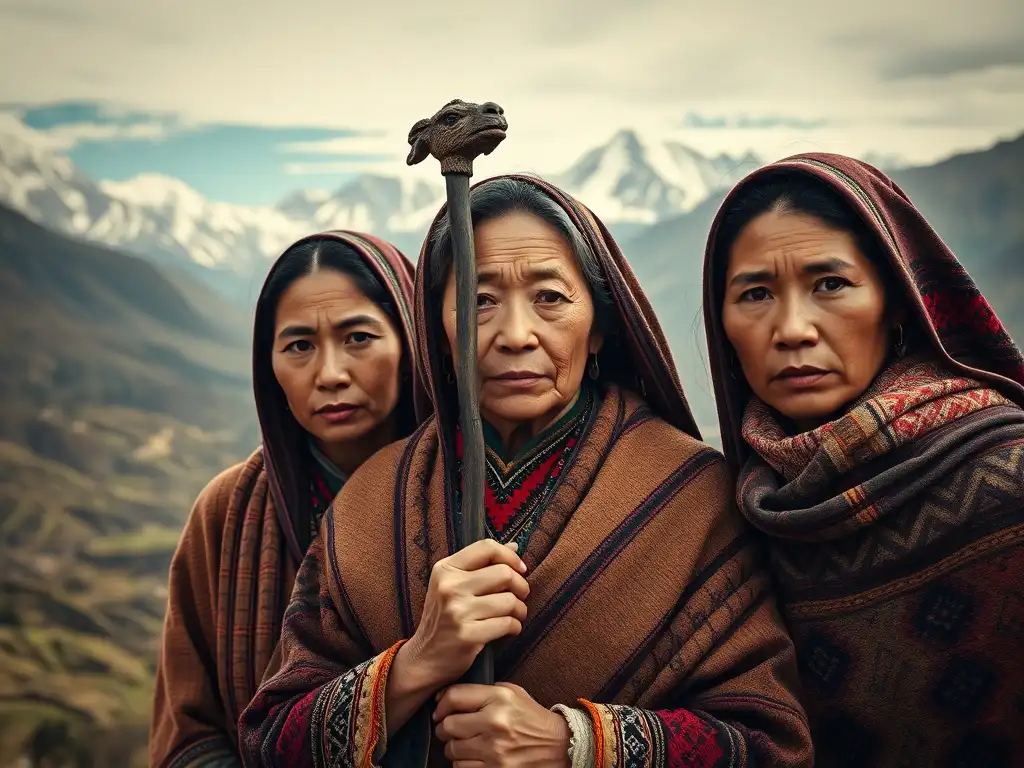
The conventional narrative surrounding Andean civilizations often overshadows the significant contributions of women, perpetuating a patriarchal view that minimizes their roles in leadership and societal structures. However, a deeper dive into archaeological findings, anthropological studies, and surviving historical accounts reveals a more nuanced reality. The legacy of Andean women leaders extends far beyond the limited portrayals often presented, offering compelling examples of strength, resilience, and political acumen that continue to inspire today.
Understanding their roles requires actively challenging biased interpretations and embracing a more inclusive historical perspective. This involves acknowledging the diverse ways women exerted influence, from religious authority to economic power, and recognizing that their leadership often manifested differently than the male-dominated models typically highlighted. This section will explore the multifaceted roles of Andean women, demonstrating their enduring impact on Andean societies and their continued relevance in contemporary discussions of gender equality and indigenous rights.
Recovering and Reinterpreting Andean Women's History
Recovering the true history of Andean women requires a critical examination of existing historical sources. Many accounts were written by Spanish conquistadors, whose biases and colonial perspectives often marginalized or completely omitted women's roles. For instance, the chronicles frequently focus on the actions of Inca emperors and their male advisors, neglecting the contributions of women in the royal court or in local communities.
However, recent archaeological discoveries and reinterpretations of existing texts are beginning to shed light on the hidden histories of Andean women. For example, the discovery of female mummies adorned with elaborate jewelry and positioned in prominent burial sites challenges the notion that leadership roles were exclusively male. Furthermore, the analysis of textile production, a traditionally female domain in many Andean cultures, reveals intricate patterns and designs that may encode social status and political power.
This analysis requires careful attention to detail and interdisciplinary collaboration between archaeologists, anthropologists, and historians to ensure a comprehensive and accurate understanding. The challenge lies in moving beyond simplistic interpretations and embracing a more complex understanding of power dynamics and social structures in Andean societies. This includes acknowledging the diverse ways in which women exercised influence, whether through religious authority, economic control, or political negotiation.
Empowering Indigenous Women in Contemporary Andean Communities
The legacy of Andean women leaders continues to resonate in contemporary Andean communities. Many indigenous women are actively working to reclaim their ancestral heritage and challenge persistent inequalities. They are organizing themselves politically, economically, and socially, drawing inspiration from the strength and resilience of their foremothers.
This empowerment is manifested in various ways, including the revitalization of traditional textile arts, the promotion of indigenous languages and cultural practices, and the advocacy for land rights and environmental protection. For example, numerous women's cooperatives in the Andes focus on sustainable agriculture and fair trade practices, generating economic independence and strengthening community ties. These initiatives not only contribute to economic development but also serve to preserve cultural heritage and promote gender equality.
Moreover, indigenous women are increasingly taking on leadership roles in local governance and national politics, advocating for policies that address the unique challenges faced by their communities. Their active participation in contemporary society demonstrates the enduring power and influence of Andean women, building upon the legacies of their ancestors. Their work serves as a powerful testament to the ongoing struggle for social justice and the importance of recognizing the contributions of indigenous women in shaping their communities.
The Importance of Recognizing Diverse Leadership Models
It's crucial to understand that Andean women's leadership wasn't always expressed in the same ways as male leadership. The concept of leadership itself varied across different Andean cultures and time periods. While some women held formal positions of power, like the Mamacona priestesses in the Inca Empire, others exercised influence through less visible but equally important roles. For example, women played crucial roles in managing household economies, controlling agricultural production, and transmitting cultural knowledge through storytelling and textile arts.
These seemingly domestic roles were integral to the social fabric of Andean communities and represented significant forms of power and influence. Recognizing these diverse models of leadership challenges the Eurocentric notion of power that is often associated with formal political offices and military might. It allows us to appreciate the complexity and diversity of Andean social structures and to recognize the multifaceted contributions of women in shaping their societies.
Understanding these nuances is vital for a more complete and accurate understanding of Andean women's history and their enduring legacy. The diverse ways in which Andean women exercised leadership underscore the need for a more inclusive and nuanced understanding of power, influence, and social organization in the Andes. This understanding is critical for fostering equitable and just societies in the present day.
Conclusion: Moving Beyond the Patriarchal View
The traditional narrative surrounding Andean civilizations often overlooks the significant contributions of women, perpetuating a patriarchal view that minimizes their roles in leadership and societal structures. This limited perspective obscures a richer, more complex reality. By actively seeking out and analyzing evidence that challenges established norms, we can begin to reconstruct a more inclusive and accurate understanding of Andean history.
This requires moving beyond simplistic interpretations of power dynamics and acknowledging the diverse ways in which women exercised influence and authority. The existing historical record, though fragmented, offers glimpses into the multifaceted roles of Andean women, suggesting a need for further investigation and a reassessment of existing scholarly interpretations. The keyword "Andean women leaders history" highlights the crucial need for this reassessment, emphasizing the importance of uncovering and celebrating their often-hidden legacies.
A Call for a More Inclusive and Nuanced Understanding of Andean History
The study of Andean women leaders necessitates a paradigm shift. We must move beyond the limitations of focusing solely on formal political positions and embrace a broader understanding of leadership that encompasses influence, authority, and social impact. This means considering women's roles in religious practices, economic activities, community organization, and kinship networks.
For instance, while official records might not always document women's political power explicitly, archaeological evidence, oral traditions, and ethnographic studies can reveal their significant influence within their communities. Analyzing textile production, for example, reveals intricate designs and complex techniques that suggest specialized knowledge and potentially significant economic power held by women artisans. Similarly, the role of women in religious ceremonies, as priestesses or shamans, points towards spiritual authority that wielded significant social influence.
By incorporating these diverse perspectives, we can construct a more nuanced and complete picture of Andean societies and their leadership structures. The term "Andean women leaders history" itself necessitates a more inclusive and less biased approach.
Recognizing the Enduring Contributions of Andean Women Leaders
Despite the challenges of reconstructing a complete history from limited sources, there's undeniable evidence of significant female leaders in Andean civilizations. While specific names and details may be scarce, the influence of women in various roles is undeniable. Consider the roles of women in maintaining social cohesion through kinship ties, managing household economies, and preserving cultural traditions.
These roles, though often unseen in traditional historical accounts, were critical to the stability and prosperity of Andean societies. Moreover, the legacy of Andean women extends beyond their immediate communities. Their contributions to textile arts, agricultural practices, and religious beliefs continue to inspire and influence contemporary Andean cultures.
Recognizing these enduring contributions is crucial for understanding the continuity of Andean traditions and for fostering a more accurate and respectful representation of Andean history. The phrase "Andean women leaders history" should not only reflect the past but also serve as a bridge to understanding the present and future.
Future Research Directions in Andean Women's Leadership Studies
Future research on Andean women's leadership requires interdisciplinary collaboration. Archaeologists, anthropologists, historians, and linguists must work together to analyze diverse sources and develop innovative methodologies. This includes focusing on:
- Expanding the scope of sources: Moving beyond elite-centric records to include oral histories, folklore, and material culture.
- Applying gender studies methodologies: Utilizing feminist perspectives to analyze power dynamics and social structures.
- Developing new interpretations of existing data: Re-examining archaeological findings and historical documents with a focus on women's roles.
- Utilizing digital technologies: Employing digital humanities tools to analyze large datasets and create more accessible archives.
By adopting these approaches, researchers can contribute to a more complete and accurate understanding of the significant roles played by Andean women in shaping their societies. The ongoing exploration of "Andean women leaders history" is essential for creating a truly inclusive and representative historical narrative. The pursuit of this keyword should be a catalyst for further research and critical engagement with the subject.
Frequently Asked Questions
What roles did women hold in Andean societies, challenging the patriarchal narrative?
While often overlooked, Andean societies featured women in significant leadership roles. They served as religious figures, political advisors, and community organizers, holding power beyond the common patriarchal depiction. Their influence extended across various aspects of life.
Were there any famous female leaders in Andean history?
Yes! While records are incomplete, evidence points to powerful women like Mama Ocllo, considered a founding mother in Inca mythology, and various female religious leaders and political figures within different Andean cultures. Their stories, though often fragmented, reveal their importance.
How did Andean women contribute to the economy and society?
Andean women were vital to the economic and social fabric of their communities. They were responsible for textile production, agriculture, and trade, contributing significantly to their societies’ wealth and sustainability. Their roles were far from limited to domesticity.
How did the Spanish conquest impact the roles of Andean women?
The Spanish conquest significantly disrupted the existing social structures, diminishing the power and influence of Andean women. The imposition of colonial systems often relegated them to subordinate roles, obscuring their previous contributions.
Where can I learn more about the history of Andean women leaders?
Further research can be found in academic journals, books, and museum exhibits focusing on Andean archaeology and anthropology. Seeking out sources that actively challenge Eurocentric narratives is crucial for a more accurate understanding.
Final Reflection: Weaving a New Narrative of Andean Leadership
The historical marginalization of Andean women in leadership roles is not merely a historical footnote; it's a persistent challenge that continues to shape power dynamics in the region today. Understanding this past is crucial to dismantling systemic inequalities and building a more equitable future for Andean communities. The stories of resilience and strength uncovered throughout this article demonstrate the vital need for a more inclusive and representative understanding of Andean history.
The legacy of Andean women leaders, often erased from official narratives, profoundly impacts the cultural and social landscape of the region. Their contributions, from economic management to spiritual guidance and political influence, have been consistently underestimated. Their stories, when finally brought to light, offer powerful counter-narratives to the dominant patriarchal view. The past is never dead. It's not even past.
- William Faulkner. This quote rings true when considering the enduring influence of historical biases on present-day realities. We must actively work to reclaim and celebrate the contributions of these remarkable women.
You, the reader, now hold a piece of this reclaimed history. Consider how the narratives presented here challenge your own preconceived notions about leadership and power. What steps can you take, in your own sphere of influence, to promote gender equality and amplify the voices of marginalized communities? Let the stories of these courageous Andean women inspire you to become an active participant in creating a more just and equitable world, one where leadership truly reflects the rich diversity of human experience.
**Embrace Empowerment: Support Andean Women Leaders Today! **
Thank you for learning about the incredible contributions of Andean women in leadership. Your interest in this vital topic demonstrates a commitment to gender equality, and we encourage you to translate that understanding into action.
Here are a few ways you can make a difference:
- **Participate in a workshop** focused on women's empowerment in leadership, either in person or online. These events offer valuable skill-building and networking opportunities.
- **Share this article** with your network to raise awareness and encourage conversations about the importance of women in leadership roles.
- **Support Andean women-led initiatives** in your community or online. Your involvement can significantly amplify their voices and impact.
Consider how you can actively foster an inclusive environment that empowers women leaders. Every contribution, no matter how small, makes a difference.