
The Colla Kings: Rulers of the Altiplano Before the Inca Ascendancy

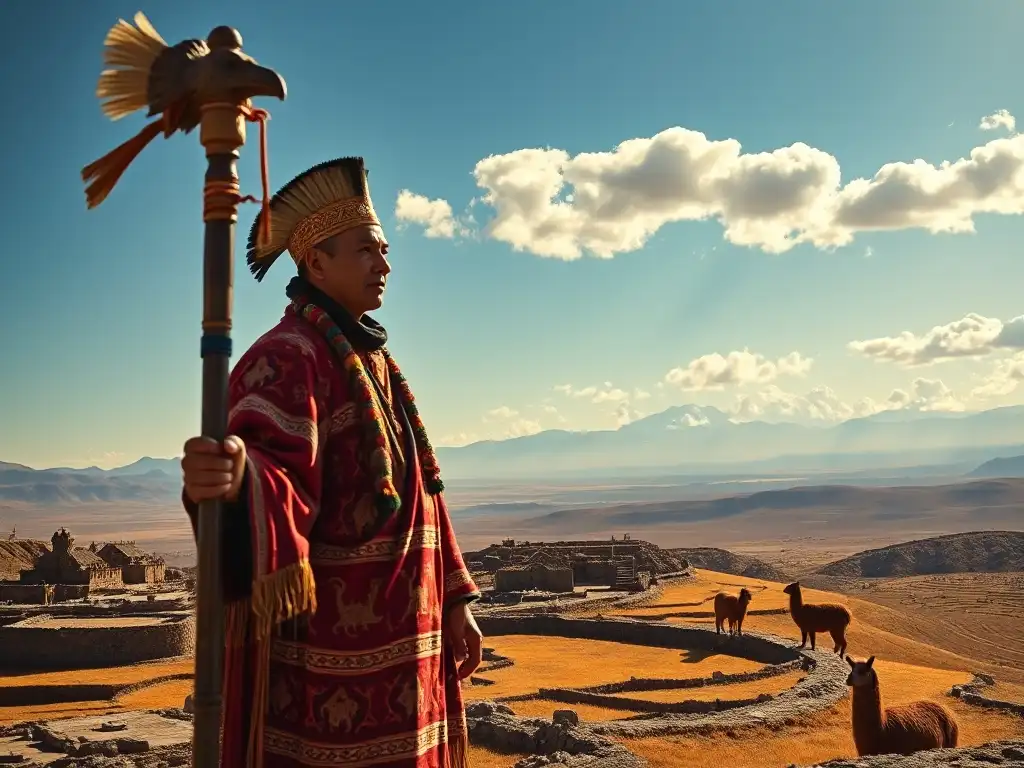
Step into a world lost to time, where colossal empires rose and fell amidst the breathtaking Andes Mountains. Discover the untold stories of the ancient Andean civilizations, from the intricate artistry of the Nazca to the sophisticated engineering of the Inca. But before the Inca's reign, another power held sway – the Colla kings of the Altiplano. Their rise and influence remain shrouded in mystery, challenging our understanding of Andean history. Dare to unravel their legacy and uncover the secrets of these powerful rulers in our exploration of the Colla Kings of the Altiplano. Their story awaits…
- The Colla Kings of the Altiplano: Pre-Inca Power in the Andes
- Colla Society: Organization and Hierarchy
- The Colla Kings: Power and Influence on the Altiplano
- The Colla Legacy Before the Inca Empire
-
The Colla-Inca Relationship: Conquest and Integration
- Conflicts Between the Colla and the Incas: Resistance and Alliances
- The Colla's Incorporation into the Inca Empire: Administrative Changes and Cultural Adaptation
- Colla Influence on Inca Society: Agricultural Practices and Regional Administration
- The Enduring Influence of the Colla Kings of the Altiplano: Modern Aymara Communities and Cultural Revival
- Frequently Asked Questions
- Final Reflection: Echoes of the Colla Kings on the Altiplano
- Unlock the Secrets of the Colla Kings!
The Colla Kings of the Altiplano: Pre-Inca Power in the Andes
The high-altitude plains of the Altiplano, a vast expanse stretching across modern-day Bolivia, Peru, and Chile, were home to a powerful and sophisticated civilization long before the Inca Empire rose to prominence. This article delves into the fascinating history of the Colla kings, focusing on their political organization, territorial control, and cultural legacy in the Andes. We will examine their origins, exploring archaeological evidence and historical accounts to understand their rise to power and their significant influence on the region before the Inca conquest.
Understanding the Colla kingdom provides crucial context to the broader narrative of Andean history, illuminating a complex tapestry of pre-Columbian societies and their interactions. This exploration of the Colla kings of the Altiplano will shed light on a pivotal period often overshadowed by the later Inca dominance, revealing a rich and vibrant culture that shaped the destiny of the Andean region.
Introduction to the Colla Civilization
The Colla, also known as the Collagua, were a powerful indigenous group inhabiting the southern Altiplano region. Unlike the more centralized Inca state, the Colla political structure was characterized by a complex network of alliances and rivalries between various chiefdoms and smaller political entities, often united under powerful Colla kings. Their society was deeply intertwined with the harsh yet productive environment of the Altiplano, developing sophisticated agricultural techniques and intricate social hierarchies to thrive in this challenging landscape.
Their cultural achievements, though less extensively documented than those of the Inca, showcase a remarkable adaptation to the high-altitude conditions and a rich artistic and spiritual life. Archaeological evidence suggests a significant level of social stratification, with elite burials containing elaborate artifacts reflecting their power and prestige. Unfortunately, much of their history remains shrouded in mystery, due to the limited written records and the challenges of archaeological investigation in the harsh Altiplano environment.
However, recent research is gradually unveiling a more comprehensive picture of this fascinating civilization, challenging previously held assumptions and revealing the complexity of pre-Inca Andean societies. The Colla kings were instrumental in shaping the political landscape of the southern Altiplano, leaving a lasting impact on the region's history.
The Geographic Domain of the Colla Kingdom
The Colla kingdom's geographic extent is a subject of ongoing scholarly debate, with estimates varying based on the interpretation of archaeological findings and historical accounts. At its height, the Colla controlled a significant portion of the southern Altiplano, encompassing territories that today fall within southern Peru and northern Chile. Their domain likely included the shores of Lake Titicaca, a vital source of water and resources.
The exact boundaries, however, remain uncertain, particularly given the fluid nature of political alliances and rivalries among the various Colla groups. The kingdom's strategic location allowed for control over crucial trade routes, connecting the Altiplano with coastal regions and other Andean communities. This control over trade networks contributed significantly to the Colla's economic prosperity and political influence.
The mountainous terrain and high altitude presented both challenges and advantages, shaping the Colla's military strategies and economic practices. Further research, including detailed analysis of archaeological sites and a more thorough examination of colonial-era documents, is needed to precisely define the boundaries of the Colla kingdom and fully understand its geographical reach.
Origins of the Colla People: Archaeological and Historical Accounts
The origins of the Colla people are still being investigated. Archaeological evidence suggests a long history of human occupation in the southern Altiplano, with various cultural groups preceding the emergence of the Colla as a dominant force. Limited written records from the pre-Columbian era complicate the task of piecing together a clear narrative of their origins.
Early accounts from Spanish chroniclers offer valuable—though often biased—insights into Colla society and history. These accounts, however, must be carefully analyzed and cross-referenced with archaeological findings to avoid perpetuating inaccuracies or misinterpretations. Genetic studies may also contribute to a better understanding of their ancestral connections and migrations.
The Colla's cultural traits, including their distinctive styles of pottery and textile production, offer additional clues to their origins and their interactions with neighboring groups. Uncovering the complete story of the Colla’s origins requires a multidisciplinary approach, combining archaeological excavation, analysis of historical documents, and genetic research to paint a more accurate picture of this influential pre-Inca civilization. The ongoing research promises to further illuminate the complex history of the Colla people and their place within the broader context of Andean civilization.
Colla Society: Organization and Hierarchy
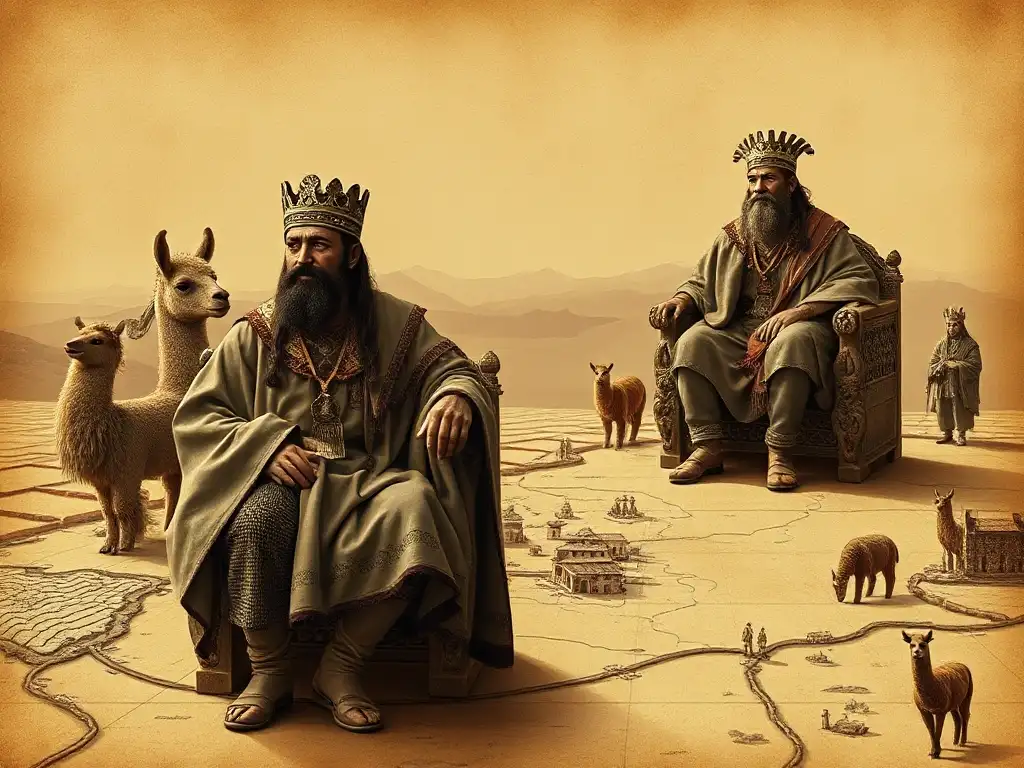
The Colla, inhabiting the high-altitude Altiplano before the Inca expansion, were far from a monolithic society. Their social structure, while less rigidly defined than later Inca society, displayed a clear hierarchy reflecting both lineage and specialized skills. Understanding this social organization is crucial to grasping the power dynamics of the Colla kings and their ability to mobilize resources and manpower.
The efficient organization of Colla society facilitated their control over a vast and challenging territory, laying the foundation for their significant influence in the pre-Columbian Andes. Analyzing their social structure reveals a sophisticated system that played a vital role in their success as a powerful pre-Inca kingdom.
Colla society was broadly stratified into three main groups: the elite, the commoners, and those with specialized labor. The elite, naturally, held significant political and economic power, directly linked to the ruling lineage and the Apu Mallku. Their wealth stemmed from control over land, livestock (primarily llamas and alpacas), and access to valuable resources. Archaeological evidence suggests this elite group enjoyed a higher standard of living, reflected in their elaborate burial practices and the quality of their artifacts.
Commoners constituted the majority of the population, engaged in agricultural activities, pastoralism, and other essential tasks necessary for the survival of the Colla community. They likely paid tribute to the elite in the form of goods, labor, or services, a system that sustained the power structure. The precise nature of this tribute system remains partially unclear, requiring further research and analysis of archaeological findings. However, evidence suggests a system of reciprocal obligations, where the elite provided protection and leadership in exchange for the labor and goods provided by commoners.
Finally, specialized labor existed within Colla society. This included skilled artisans – weavers, potters, metalworkers – who produced high-quality goods, some of which served as tribute to the elite or were used in religious ceremonies. These specialized groups likely held a higher social standing than average commoners due to their valuable skills.
This division of labor, while not as complex as that seen in later Inca society, allowed for greater efficiency in production and resource management. The Colla clearly understood the importance of specialized skills in maintaining their complex social and political system. Further investigation into the organization of these specialized groups could greatly enhance our understanding of Colla social dynamics.
Colla Political System: The Role of the Apu Mallku
The apex of Colla power resided in the Apu Mallku, a title indicating a powerful ruler, whose authority extended throughout the Colla territory. The Apu Mallku wasn't merely a figurehead; they were the central figure in the Colla political system, wielding significant influence over religious practices, economic production, and military organization. They controlled the distribution of resources, managed conflicts, and led military campaigns. Their power was likely legitimized through a combination of inherited lineage and demonstrated leadership.
The precise mechanisms of power transfer within the Colla royal line are still being studied. However, evidence suggests a hereditary system, although succession disputes likely occurred from time to time. The ability of an Apu Mallku to maintain control likely depended on their skill in managing alliances, negotiating with neighboring groups, and effectively mobilizing resources.
Their role was essential to the Colla's ability to maintain their independence and exert influence in the Altiplano for an extended period before the Inca's rise. Understanding the Apu Mallku's role is key to understanding the Colla's success in establishing and maintaining a powerful kingdom in a challenging environment. Further research into the iconography and archaeological evidence associated with the Apu Mallku is needed to fully elucidate the details of their power and authority.
The Colla Kings: Power and Influence on the Altiplano
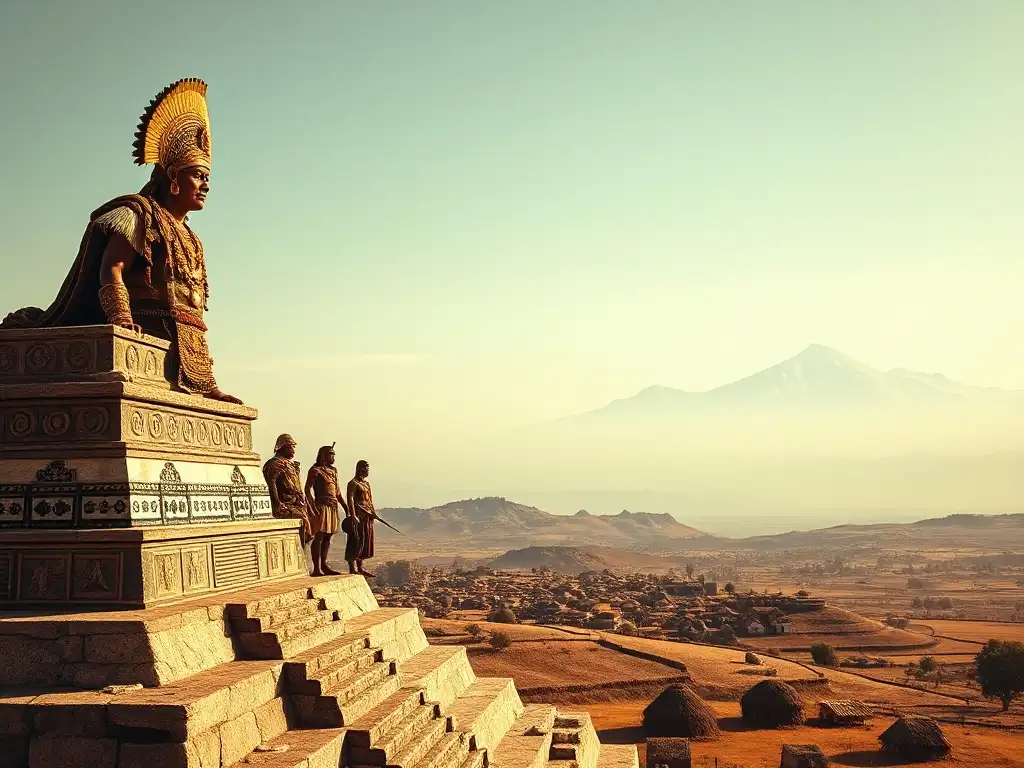
The Colla kings, often overlooked in narratives focused solely on the Inca Empire, exerted significant power and influence over the Altiplano region for centuries before the Inca expansion. Their kingdom, centered around Lake Titicaca, controlled vital resources and strategic trade routes, shaping the political and economic landscape of the Andes long before the arrival of the Inca. Understanding the Colla's dominance is crucial to a complete understanding of pre-Columbian Andean history and the complex tapestry of power dynamics that existed in the region.
The rise and fall of the Colla kingdom offers a fascinating case study in Andean political organization, resource management, and military strategy. Their legacy continues to resonate in the cultural heritage and traditions of the Altiplano communities today. Understanding their societal structures, economic practices, and military prowess sheds light on the sophisticated levels of organization achieved by Andean societies prior to the Inca.
Notable Colla Rulers: Zapana, Cari, and Their Successors
The Colla kingdom wasn't ruled by a single, monolithic dynasty. Instead, a succession of powerful leaders, including figures like Zapana and Cari, consolidated and expanded their control over the Altiplano. While precise dates and details remain scarce due to limited written records, archaeological evidence and oral traditions suggest a complex system of succession, possibly involving both hereditary and elective elements.
Zapana is frequently cited in oral histories as a key figure in consolidating Colla power, expanding their territory, and establishing key alliances. Cari, often portrayed as a powerful warrior-king, is credited with further expanding the kingdom's military reach and economic control. Their successors continued the legacy, adapting to changing circumstances and maintaining a substantial level of influence, even facing the increasing pressure from the expanding Inca Empire.
Further research is needed to definitively establish a complete lineage of Colla rulers and their individual contributions to the kingdom's development. The lack of comprehensive written records necessitates a more nuanced approach, combining archaeological findings with careful analysis of oral traditions and ethnohistorical accounts to construct a more complete picture of Colla leadership. This interdisciplinary approach is vital for a more accurate portrayal of these influential figures and their roles in shaping the history of the Altiplano.
The Colla Kings' Economic Power: Llama Herding, Agriculture, and Trade
The economic strength of the Colla kingdom rested on a diversified base encompassing llama herding, intensive agriculture, and strategically positioned trade networks. Llama herding provided essential resources such as wool, meat, and transportation. The Altiplano's unique environment, however, necessitated sophisticated agricultural techniques to overcome the challenges of high altitude and limited rainfall.
Terracing, irrigation systems, and the cultivation of frost-resistant crops like potatoes were crucial to supporting a large population. The Colla kings controlled access to fertile lands and water resources, ensuring the economic well-being of their subjects and generating surplus for elite consumption and tribute. Furthermore, their strategic location near Lake Titicaca placed them at the crossroads of important trade routes connecting the Altiplano with coastal regions and other Andean societies.
Control over these routes generated significant wealth through the exchange of goods such as textiles, metals, and agricultural products. This economic control was a cornerstone of their political power, allowing them to maintain a strong and stable kingdom. Analyzing the archaeological evidence of agricultural practices, settlement patterns, and trade goods offers a glimpse into the sophisticated economic strategies employed by the Colla kings to consolidate their power and prosperity.
Military Might of the Colla Kingdom: Control of Trade Routes and Regional Power
The Colla kings' military might was instrumental in maintaining control over their vast territory and strategic trade routes. Their armies, likely composed of both professional warriors and citizen-soldiers, were capable of effectively defending their kingdom and expanding their influence. Control of the trade routes connecting the Altiplano to coastal regions was not only economically advantageous but also strategically crucial, enabling the Colla to exert influence over neighboring communities and potentially levy tribute.
The kingdom's military success likely relied on a combination of factors, including superior organization, knowledge of the terrain, and potentially advanced weaponry for the time period. While specific details about their military tactics and organization are limited, the extent of their territorial control and their ability to withstand pressure from neighboring groups, including the early Inca, speaks volumes about their military capabilities. The Colla kingdom's military success highlights the strategic importance of controlling the Altiplano and its trade networks in the broader Andean context.
Further research into the material culture associated with Colla warfare could provide insights into their military organization, weaponry, and tactics. The strategic location of the Colla kingdom, its control over resources, and its effective military organization all contributed to its lasting influence on the Altiplano before the Inca conquest.
The Colla Legacy Before the Inca Empire
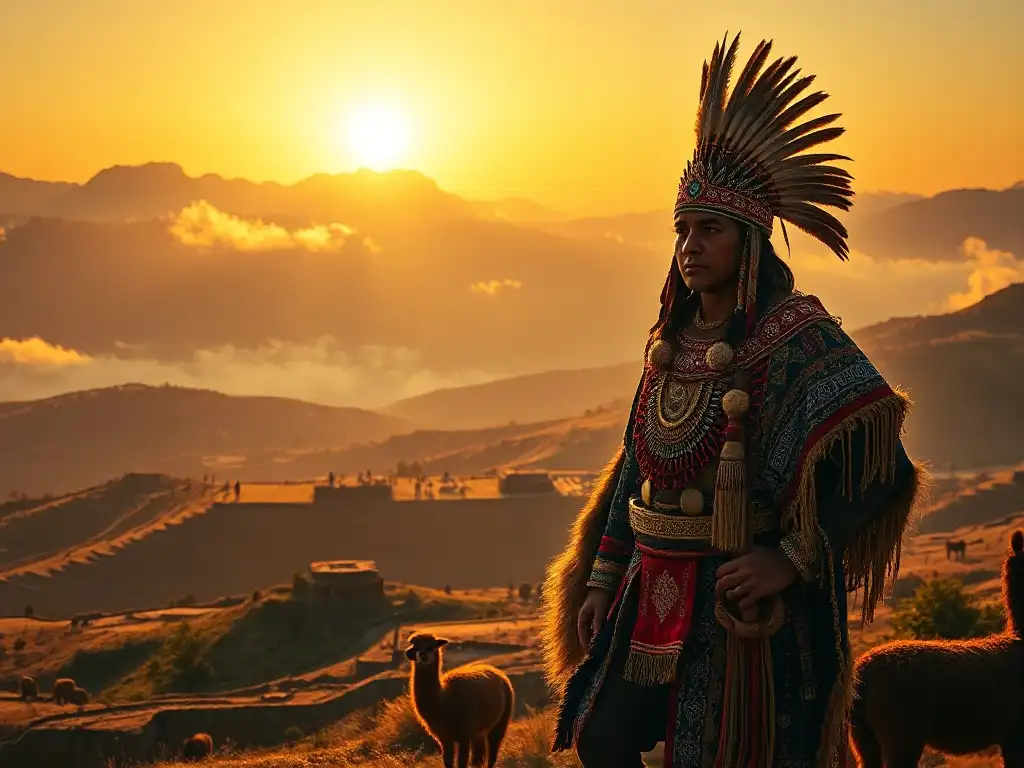
The Colla, a powerful pre-Inca civilization inhabiting the Altiplano region of the Andes, left an indelible mark on the history and culture of the region. Their influence, predating the Inca expansion, is evident in their sophisticated engineering projects, unique artistic expressions, and enduring cultural traditions.
Understanding the Colla kings of the Altiplano provides crucial context to the later Inca dominance, revealing a complex tapestry of Andean history often overshadowed by the Inca narrative. This section delves into the remarkable achievements of the Colla, highlighting their architectural prowess, artistic innovations, and the linguistic and cultural heritage that continues to resonate today.
Colla Architecture and Engineering: Chullpas and Raised Fields
The Colla demonstrated remarkable engineering skills, particularly in their construction of chullpas and the implementation of sophisticated agricultural techniques. Chullpas, distinctive tower-like structures, served as funerary monuments, reflecting the Colla's complex beliefs about the afterlife. These structures, often built from carefully cut and fitted stones, vary in size and complexity, suggesting different social hierarchies and ritual significance. Some chullpas are simple, single-chamber structures, while others are multi-chambered complexes with intricate internal layouts. The precision in their construction underscores the Colla's mastery of stonework, a skill that would later be adopted and adapted by the Inca.
Beyond funerary architecture, the Colla also developed innovative agricultural practices to thrive in the challenging high-altitude environment of the Altiplano. They constructed extensive systems of raised fields, known as suka kollus, to improve soil drainage, increase arable land, and optimize crop yields. These fields, often built along the shores of lakes and wetlands, involved carefully terracing slopes and creating elevated plots to mitigate waterlogging and frost.
The construction of suka kollus required significant labor and planning, showcasing the Colla’s organizational capacity and their deep understanding of Andean ecology. The ingenuity of their agricultural techniques ensured food security and sustained their population for centuries. The legacy of these raised fields can still be observed in various parts of the Altiplano, a testament to the Colla’s enduring impact on the landscape.
Colla Art and Culture: Ceramics, Textiles, and Ritual Practices
Colla art and culture reflect a unique aesthetic sensibility, distinct from that of neighboring Andean cultures. Their ceramics, for example, often feature simple forms and geometric designs, contrasting with the more elaborate styles of the Moche or Nazca. Common motifs include stylized animals, geometric patterns, and representations of ritual objects. The use of earthy tones, such as browns, reds, and blacks, further emphasizes the Colla’s connection to the Altiplano landscape. Unfortunately, the exact methods of ceramic production and the specific significance of the various decorative motifs remain partially unknown, requiring further research to fully illuminate Colla artistic practices.
Colla textiles, though less extensively documented than their ceramics, also offer valuable insights into their cultural world. Surviving fragments suggest a focus on practical textiles, used for clothing and household items. The use of natural dyes and traditional weaving techniques demonstrates a continuity of Andean textile traditions. Further investigation into Colla textile production and design would reveal a more complete picture of their artistic achievements.
Ritual practices formed an integral part of Colla society. While specific details about their religious beliefs remain incomplete, archaeological evidence suggests the importance of ancestor veneration and the performance of elaborate ceremonies. The construction of chullpas, the careful placement of grave goods, and the evidence of ritual offerings all point to a complex system of beliefs and practices that shaped Colla society. Further research is needed to fully understand the nuances of Colla religious life and its influence on their social structure.
The Colla Language and Traditions: Aymara and Cultural Continuity
The Colla language, Aymara, continues to be spoken by millions of people in the Andes today, serving as a powerful testament to the enduring legacy of the Colla civilization. While the precise relationship between the Colla and the Aymara language requires further study, linguistic evidence suggests a strong connection. Aymara's survival through centuries of cultural interaction and colonization highlights its resilience and the deep-seated cultural identity of the Aymara-speaking communities. The persistence of the Aymara language is a vital aspect of understanding the Colla's lasting influence on the region.
Beyond language, numerous cultural traditions in the Altiplano can be traced back to Colla origins. Many agricultural practices, social structures, and artistic techniques reflect a continuity of Andean traditions that pre-date the Inca Empire. These traditions, passed down through generations, embody the Colla’s enduring contribution to the rich cultural tapestry of the Andes.
The study of these traditions offers valuable insights into the Colla worldview and their adaptation to the challenging environment of the Altiplano. The enduring legacy of the Colla kings of the Altiplano is not just confined to historical records, but it is vibrantly alive in the cultural practices and linguistic heritage of the Andes today.
The Colla-Inca Relationship: Conquest and Integration
The rise of the Inca Empire irrevocably altered the political landscape of the Andes, and the Colla, a powerful pre-Inca civilization inhabiting the Altiplano, were not immune to this seismic shift. Understanding the Colla-Inca relationship requires examining both the conflict and the subsequent integration that defined their interaction. This wasn't a simple tale of conquest and subjugation; it was a complex process involving resistance, negotiation, and ultimately, a degree of cultural exchange.
The Colla kings of the Altiplano, while initially challenging Inca dominance, eventually found themselves incorporated into the vast Inca administrative system. This section delves into the nuanced dynamics of this crucial historical period. The legacy of the Colla's strength and resilience is etched into the fabric of the Inca Empire itself, demonstrating a fascinating case study of cultural adaptation and political maneuvering in the face of imperial expansion.
Conflicts Between the Colla and the Incas: Resistance and Alliances
The Inca expansion into the Altiplano wasn't met with passive acceptance. The Colla, known for their strong military organization and control over vital resources, initially resisted Inca encroachment. Archaeological evidence suggests several significant battles and skirmishes, though the precise details remain somewhat obscured by the passage of time and the limited surviving written records.
However, oral traditions passed down through generations of Colla descendants, alongside Inca accounts, paint a picture of fierce resistance. These conflicts were not merely sporadic clashes; they represented a concerted effort by the Colla kings of the Altiplano to defend their sovereignty and prevent the Inca from consolidating their power in the region. Some Colla groups formed strategic alliances with other Andean communities, attempting to create a united front against the Inca advance.
This resistance, while ultimately unsuccessful in preventing Inca domination, significantly delayed the process and shaped the terms of eventual integration. The tenacity of the Colla warriors is evident in the protracted nature of the conflict, highlighting their determination to maintain their autonomy.
The Colla's Incorporation into the Inca Empire: Administrative Changes and Cultural Adaptation
Despite their initial resistance, the Colla were eventually incorporated into the Inca Empire. This incorporation was not a simple imposition of Inca rule but a gradual process of adaptation and integration. The Inca implemented significant administrative changes, establishing new administrative centers and integrating Colla leaders into the Inca bureaucracy.
This strategy, while designed to solidify Inca control, also allowed for a degree of autonomy to persist within the Colla communities. The Inca recognized the value of Colla expertise in areas such as high-altitude agriculture and local governance. This resulted in a complex interplay between Inca policies and Colla traditions, leading to a unique form of cultural adaptation.
The Colla were not simply assimilated; rather, they contributed significantly to the administrative and cultural fabric of the Inca Empire in the Altiplano region. This nuanced approach to integration is a key factor in understanding the lasting legacy of the Colla people within the broader Inca context.
Colla Influence on Inca Society: Agricultural Practices and Regional Administration
The Colla's incorporation into the Inca Empire was not a one-way street. The Colla, with their extensive knowledge of high-altitude agriculture and their sophisticated systems of regional administration, significantly influenced Inca society. Their advanced agricultural techniques, adapted to the challenging conditions of the Altiplano, were adopted and spread by the Inca throughout their empire.
This exchange is evident in the Inca’s improved agricultural practices in similar high-altitude regions. Furthermore, Colla administrative structures and practices informed the Inca's approach to governing diverse populations within their vast empire. The Inca learned from the Colla's experience in managing a geographically diverse and culturally complex region.
This cross-cultural exchange demonstrates the dynamic nature of power relations in the Andes and highlights the contributions of the Colla to the development of the Inca Empire. The enduring legacy of the Colla kings of the Altiplano is not simply one of resistance but also of meaningful contribution to the sophisticated administrative and agricultural systems of the Inca. Their influence shaped the Inca Empire, highlighting a fascinating interplay between conquest and cultural exchange.
The Enduring Influence of the Colla Kings of the Altiplano: Modern Aymara Communities and Cultural Revival
The legacy of the Colla kings extends far beyond the chronicles of their conquests and alliances. Their influence resonates powerfully in the modern-day Aymara communities inhabiting the Altiplano region. While the Inca Empire ultimately absorbed Colla territories, the Aymara people, the descendants of the Colla, have maintained a distinct cultural identity, a testament to the enduring strength of their ancestral heritage.
This enduring cultural legacy is evident in various aspects of Aymara life, from their language and traditions to their social structures and spiritual beliefs. The intricate weaving techniques, for example, often reflect ancient Colla designs and motifs, passed down through generations. Similarly, many Aymara rituals and ceremonies retain elements of Colla religious practices, highlighting the continuity of cultural traditions across centuries.
The late 20th and early 21st centuries have witnessed a significant cultural revival among Aymara communities. This resurgence is fueled by a renewed pride in their heritage and a growing awareness of their historical significance. There’s been a concerted effort to revitalize the Aymara language, which was suppressed during periods of colonial rule and later overshadowed by Spanish.
Efforts to document and preserve Aymara oral traditions, including stories and songs about the Colla kings, are also underway. These initiatives, often led by community members themselves, are instrumental in ensuring that the memory of the Colla kings and their contributions to Aymara culture are not lost to time. Furthermore, the increasing visibility of Aymara art, music, and literature in the wider world contributes to a growing appreciation for their rich cultural heritage.
The Colla kings, therefore, remain potent symbols of Aymara identity and resilience, inspiring contemporary efforts to preserve and celebrate their unique cultural heritage. This cultural revival is not merely a nostalgic pursuit; it's a dynamic process of reclaiming and reinterpreting the past to shape a vibrant and self-determined future. The legacy of the Colla kings serves as a powerful foundation for this ongoing cultural renaissance.
Frequently Asked Questions
Who were the Colla?
The Colla were a powerful indigenous group inhabiting the Altiplano region of South America, primarily around Lake Titicaca, before the Inca expansion. They were known for their skilled warriors and complex social structures.
What was the extent of Colla territory?
Colla territory encompassed a significant portion of the southern Altiplano, including parts of modern-day Bolivia, Peru, and potentially Argentina and Chile. Their influence extended through strategic control of vital resources and trade routes.
How did the Colla interact with other Andean cultures?
The Colla engaged in both conflict and cooperation with neighboring cultures like the Inca, Aymara, and other groups. Their relationships were often shaped by competition for resources and political dominance.
What is known about Colla political organization?
The Colla were organized under powerful kings who controlled extensive territories. Hierarchical systems and a strong military were crucial components of their political organization.
How did the Inca conquest impact the Colla?
The Inca conquest marked the end of Colla independence. While some Colla elites integrated into the Inca system, many resisted, leading to conflict and cultural adaptation under Inca rule.
Final Reflection: Echoes of the Colla Kings on the Altiplano
The legacy of the Colla kings continues to resonate across the Altiplano, a testament to their sophisticated political organization and enduring cultural impact. Their story, often overshadowed by the Inca conquest, offers a crucial counter-narrative to a simplified understanding of Andean history, reminding us of the rich tapestry of pre-Columbian civilizations that shaped the region. Understanding their achievements allows us to appreciate the complexity and diversity of Andean societies before the arrival of the Europeans.
The Colla's sophisticated irrigation systems, intricate social structures, and impressive ceremonial centers are a powerful reminder of the ingenuity and resilience of Andean peoples. Their story challenges the often-Eurocentric narratives that dominate historical accounts. History is not merely a chronicle of events; it is a reflection of the human spirit, its triumphs and its struggles.
This quote perfectly encapsulates the importance of understanding the Colla, not just as a historical footnote, but as vibrant actors in their own right, shaping the destiny of the Altiplano.
The echoes of the Colla kings still reverberate today. Consider their influence on the landscape, the enduring cultural practices that bear their mark, and the ongoing archaeological discoveries that continue to unveil their story. You, the reader, are now part of this ongoing conversation. Take a moment to reflect on the power of untold stories, the importance of diverse perspectives, and the enduring legacy of those who came before. Let the story of the Colla kings inspire you to seek out the hidden narratives and celebrate the rich tapestry of human history.
Unlock the Secrets of the Colla Kings!
Thank you for exploring the fascinating world of the Colla Kings and their significant role on the Altiplano before the Inca Empire. Your journey into this captivating history deepens your understanding of Andean civilizations and their enduring legacies. Now, let's take your curiosity even further!
Here are some ways to connect more deeply with this incredible story:
- Deepen your knowledge: Research a specific Colla King, focusing on their contributions to society and their impact on the Altiplano. Share your discoveries with friends, family, or fellow history enthusiasts!
- Join the conversation: Participate in online forums or social media groups dedicated to Andean history. Share your insights and connect with others who share your passion for this rich and complex past.
- Explore local resources: Visit a local museum or cultural site related to the Andes. Discover how these institutions preserve and celebrate the rich history of the Colla people and other Andean civilizations.
What aspect of the Colla Kings' lives and reign most intrigues you, and why do you believe their legacy remains relevant today?