
The Moche Storytellers: Preserving Myths and Legends

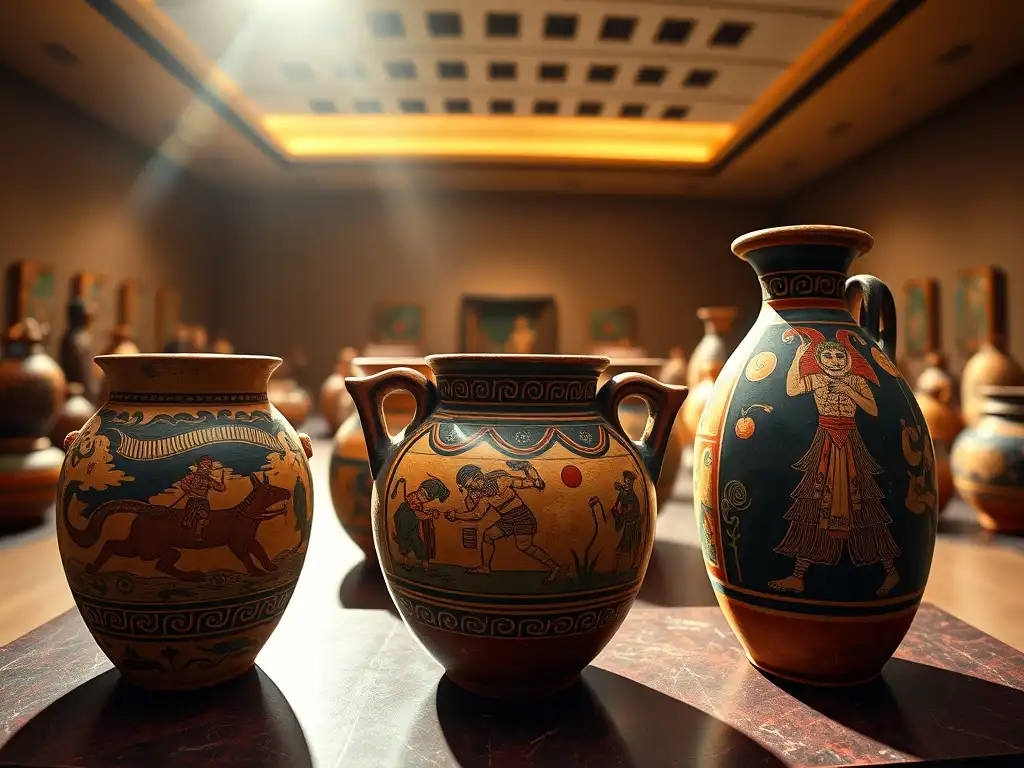
Dive into the captivating world of the Andean civilizations! For centuries, these ingenious societies shaped the landscape of South America, leaving behind a legacy of breathtaking artistry and complex social structures. But what secrets do their intricate creations hold? Our exploration begins with a deep dive into Moche pottery narrative analysis, revealing the myths and legends preserved in their stunning ceramics. Uncover the stories etched in clay—prepare to be amazed by the Moche Storytellers and their enduring power.
- The Moche Storytellers: Preserving Myths and Legends Through Pottery
- Understanding the Moche Civilization and Their Artistic Legacy
- Decoding Moche Pottery: A Narrative Analysis
- Exploring Key Moche Myths and Legends Through Ceramic Art
- The Role of Moche Artists as Visual Storytellers
- Moche Pottery Narrative: A Window into Their Beliefs and Values
- The Lasting Legacy of Moche Narrative Pottery
-
Frequently Asked Questions
- What is the significance of Moche pottery?
- How does Moche pottery contribute to narrative analysis?
- What kinds of narratives are commonly depicted on Moche pottery?
- What techniques did the Moche use to create their narrative pottery?
- Why is "Moche pottery narrative analysis" important for understanding Andean civilizations?
- Final Reflection: Echoes of the Moche: A Legacy in Clay
- Unveil the Legacy of Moche Storytelling!
The Moche Storytellers: Preserving Myths and Legends Through Pottery
The Moche civilization, flourishing along the northern coast of Peru from approximately 100 CE to 800 CE, left behind a remarkable legacy. Beyond their impressive irrigation systems and sophisticated metalworking, the Moche are renowned for their exquisite pottery, which serves as a captivating window into their worldview, beliefs, and societal structures. This article delves into the narrative power of Moche pottery, exploring how these intricately decorated vessels preserved myths, legends, and daily life for future generations.
We will analyze the techniques employed by Moche artisans to convey complex stories and the significance of their iconography in understanding Moche culture. This detailed examination of Moche pottery narrative analysis will illuminate the sophisticated storytelling abilities of this ancient civilization and its lasting impact on our understanding of Andean history.
The analysis of Moche pottery provides invaluable insights into their social hierarchy, religious practices, and the rich tapestry of their cultural beliefs. This exploration directly contributes to our understanding of Important Rulers and Leaders within the broader context of Key Figures in Andean History.
The Artistic Techniques of Moche Narrative Pottery
Moche potters were masters of their craft, employing a variety of techniques to create visually stunning and narratively rich vessels. They utilized a distinctive style of modeling and sculpting, often depicting scenes in vivid detail. The use of slip, a liquid clay mixture, allowed for a wide range of colors, enhancing the storytelling potential.
Furthermore, the precision and skill evident in the rendering of human figures, animals, and mythical creatures demonstrate a high level of artistic sophistication. Consider, for example, the intricate details of facial expressions and body postures, which often convey emotion and narrative context. The use of different colors to differentiate characters or elements further strengthens the storytelling aspect.
These technical achievements were not merely decorative; they were crucial in communicating complex narratives across generations. Detailed analysis of these techniques—from the preparation of the clay to the application of pigments—reveals the immense skill and knowledge involved in creating these masterpieces. The precision of these techniques is a testament to the dedication and artistic mastery of the Moche artisans.
Deciphering the Iconography: Gods, Myths, and Rituals
The iconography found on Moche pottery is rich in symbolism, offering valuable clues to understanding their religious beliefs and rituals. Many vessels depict scenes of mythological figures, often engaging in ceremonies or battles. The identification of these figures requires careful study and comparison across numerous pieces, revealing recurring motifs and patterns.
For instance, the repeated depiction of specific deities, such as the Ai Apaec, provides insights into the hierarchy of their pantheon. Furthermore, representations of rituals, such as sacrifices or feasts, help us understand the social and religious dynamics of Moche society. The analysis of these iconographic elements is crucial for Moche pottery narrative analysis, allowing us to reconstruct a more complete picture of their worldviews.
The recurring themes and symbolic elements woven into the narratives offer a glimpse into the beliefs, values, and rituals that shaped Moche life. Careful consideration of posture, gesture, and the relationship between figures provides a deeper understanding of the narrative being presented.
The depiction of individuals and their activities on Moche pottery also reveals much about their social structures and power dynamics. Elaborately adorned figures, often depicted in positions of authority, likely represent members of the elite class, possibly rulers or priests. Conversely, representations of commoners engaged in everyday activities, such as fishing or agriculture, provide a contrasting perspective. The size and prominence given to certain figures within the narrative scenes further emphasizes their social standing.
The careful study of clothing, adornments, and the context in which figures are depicted is essential for understanding the complex social hierarchy of Moche society. By carefully examining these details, we can gain a deeper understanding of the social structures and power dynamics that characterized this fascinating civilization, adding another layer to our Moche pottery narrative analysis. The subtle differences in representation highlight the stratification within Moche society, illustrating the power imbalances present.
Moche Pottery: A Legacy of Storytelling
The Moche pottery offers a unique and invaluable source of information about this remarkable civilization. The intricate narratives depicted on these vessels provide a window into their myths, legends, religious practices, and social structures. Through careful Moche pottery narrative analysis, we can decipher the symbolic language of the Moche, gaining a deeper appreciation for their artistic skill and cultural achievements. The legacy of the Moche storytellers continues to resonate today, reminding us of the enduring power of art to preserve and transmit cultural knowledge across generations. Future research promises to uncover even more of the secrets hidden within these captivating ceramic narratives, further enriching our understanding of Andean history and culture. The enduring appeal of Moche pottery lies not only in its aesthetic beauty but also in the rich tapestry of stories it reveals, offering a powerful testament to the creativity and ingenuity of the Moche people.
Understanding the Moche Civilization and Their Artistic Legacy
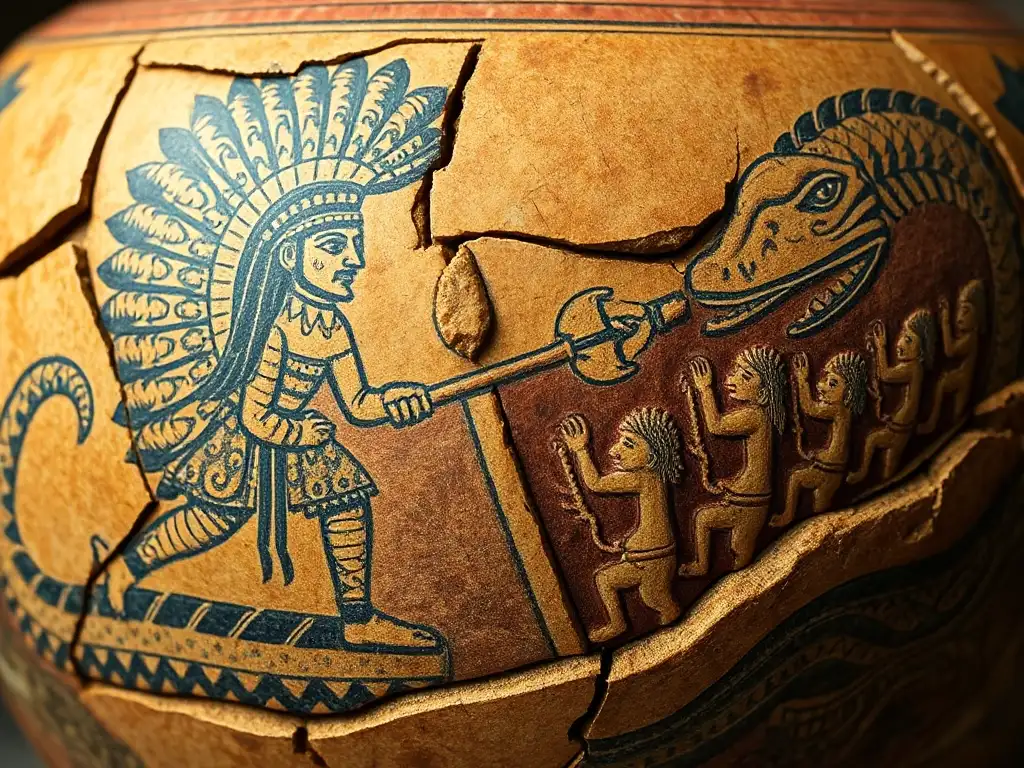
The Moche civilization, flourishing along the northern coast of Peru from approximately 100 CE to 800 CE, remains a captivating enigma for archaeologists and historians alike. Their sophisticated irrigation systems, impressive architectural feats, and intricate artistic expressions paint a vivid picture of a complex and highly organized society. But what truly sets the Moche apart is their remarkable mastery of pottery, a medium they used not merely for utilitarian purposes, but as a powerful tool for preserving their myths, legends, and societal values.
This detailed Moche pottery narrative analysis reveals layers of meaning embedded within their seemingly simple ceramic forms. Understanding their artistic legacy provides crucial insights into their worldview, social structures, and daily life. Their advanced understanding of metallurgy, evidenced by their finely crafted gold and silver artifacts, further underscores their technological prowess and artistic sophistication.
The precision and detail seen in both their pottery and metalwork demonstrate a level of artistic skill rarely seen in other contemporaneous cultures. This section will delve deeper into specific aspects of their artistic achievements, focusing on how their pottery served as a narrative archive.
The Moche Culture: A Pre-Inca Society of Coastal Peru
The Moche were not a unified empire in the same way as the Inca, but rather a series of independent, yet interconnected, regional polities. They were master engineers, developing extensive irrigation systems to support their intensive agriculture in the arid coastal desert. These sophisticated water management techniques allowed them to cultivate fertile valleys, sustaining a large and complex population. Archaeological evidence suggests a hierarchical social structure, with elite rulers at the apex, followed by priests, warriors, artisans, and farmers.
The Moche elite, often depicted in their impressive pottery, controlled resources and religious practices, wielding significant power and influence. Their religious beliefs centered around powerful deities, often represented in anthropomorphic and zoomorphic forms in their art, including depictions of powerful feline deities, often associated with warfare and hunting. The presence of lavish tombs filled with exquisite artifacts further highlights the importance of ritual and the power of their ruling class.
Understanding the Moche social hierarchy is crucial for interpreting the narratives embedded within their pottery, as different scenes and styles may reflect the perspectives and experiences of various social groups. Further research is needed to fully understand the intricacies of Moche social dynamics and their impact on artistic expression. [Specific information pending on inter-regional Moche interactions and trade networks].
Moche Art: More Than Decoration, A Medium for Storytelling
Moche pottery isn't simply aesthetically pleasing; it's a rich tapestry of narratives. The artisans didn't merely decorate vessels; they created detailed scenes depicting religious rituals, warfare, daily life, and mythology. These scenes are often vibrant and dynamic, capturing moments of action and emotion with remarkable precision. For example, many vessels depict scenes of human sacrifice, highlighting the importance of ritual violence in their culture.
Other pieces show elaborate depictions of feasts and ceremonies, offering glimpses into their social interactions and religious practices. The use of color, particularly the vibrant reds, oranges, and yellows, adds another layer of meaning. The analysis of the pigments used in the pottery provides further insight into the materials available to the Moche and their technological capabilities.
Analyzing the composition and the manufacturing techniques used in the creation of the pottery provides further insights into the production process and the role of the artisans. Furthermore, the iconography present within the artwork provides crucial information regarding the religious beliefs and the spiritual world of the Moche. Detailed stylistic analysis helps to date the pottery and to identify specific regional variations, enriching our understanding of the Moche’s artistic development and its connection to their social and political organization.
The level of detail in Moche pottery is astonishing. Individual figures are often depicted with remarkable anatomical accuracy, their expressions capturing a wide range of emotions. The narratives are not always explicit; they often require careful observation and interpretation to uncover their hidden meanings.
This is where Moche pottery narrative analysis becomes crucial. By carefully studying the composition, iconography, and context of these ceramic pieces, researchers can unravel the complex stories that the Moche sought to preserve for posterity. The study of Moche pottery has greatly advanced our understanding of Pre-Columbian Andean societies, moving beyond a purely descriptive approach to a more nuanced interpretation of their culture and beliefs.
The use of advanced imaging techniques and scientific analysis continues to reveal new details and insights into these remarkable works of art, enriching our understanding of the Moche and their enduring legacy. The ongoing research on Moche pottery promises to further enhance our comprehension of this fascinating civilization and its artistic achievements.
Decoding Moche Pottery: A Narrative Analysis
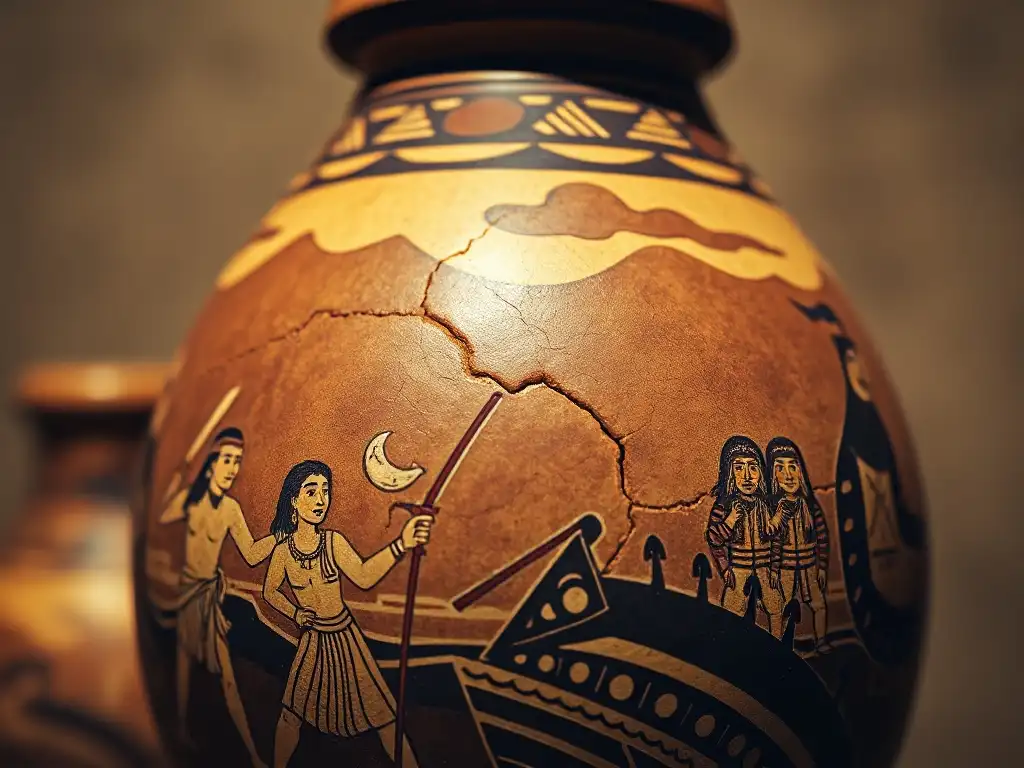
The Moche civilization, flourishing along the northern coast of Peru from approximately 100 to 800 CE, left behind a remarkable legacy: intricately crafted pottery that serves as a vibrant window into their worldview, social structures, and daily lives. Moche pottery narrative analysis offers a unique lens through which to understand their complex society, revealing narratives previously hidden beneath the surface of these stunning artifacts.
Unlike many other ancient cultures, the Moche didn't rely on written texts to record their history; instead, they meticulously documented their myths, rituals, and beliefs through detailed scenes depicted on their ceramic vessels. This section delves into the techniques and insights gained from analyzing these captivating narratives.
The sheer volume and diversity of Moche pottery, with its incredibly detailed depictions, provides a rich source for understanding their culture, surpassing many other archaeological findings in its depth of information. Analyzing the narratives inscribed on these vessels allows us to reconstruct aspects of their society that would otherwise be lost to time.
The Significance of Iconography in Moche Ceramics
Moche iconography is not arbitrary; it's a carefully constructed system of symbols and representations that convey meaning. Each element, from the depiction of specific individuals to the choice of colors and composition, contributes to the overall narrative. For instance, the recurring motif of a powerful warrior-priest, often depicted in elaborate headdresses and ceremonial attire, suggests a strong connection between religious authority and military power within Moche society.
The meticulous detail in these representations—facial expressions, body language, even the intricate patterns on clothing—allows researchers to infer social hierarchies, ritual practices, and the dynamics of power within the civilization. Furthermore, the use of specific colors holds significance. For example, red often represents blood, sacrifice, or warfare, while yellow might symbolize the sun or divinity.
By systematically analyzing the iconography, researchers can piece together the narratives embedded within each ceramic piece, revealing intricate details about Moche beliefs and practices. The presence of certain symbols, repeated consistently across various vessels, suggests the importance of specific deities, myths, or rituals in their culture. Careful study of these repeated symbols provides a key to understanding the core tenets of Moche religion and cosmology.
Identifying Recurring Themes and Characters in Moche Pottery
A key aspect of Moche pottery narrative analysis involves identifying recurring themes and characters. Certain narrative motifs appear repeatedly across different vessels, indicating their importance in Moche mythology and social life. For example, scenes depicting elaborate rituals, often involving human sacrifice, appear frequently, suggesting the central role of these practices in their religious worldview.
Similarly, recurring characters, such as the aforementioned warrior-priests, appear in various contexts, highlighting their significant position within the Moche social hierarchy. Analysis of these recurring themes and characters reveals a complex interplay of religious beliefs, social structures, and political power. One can trace the evolution of these themes and characters across different periods of Moche history, providing valuable insights into the changing dynamics of their society.
For example, changes in the depiction of warrior-priests over time might reflect shifts in power structures or religious beliefs. The systematic cataloging and comparison of these recurring elements is crucial for a comprehensive understanding of the Moche narratives. Detailed analysis of individual vessels, coupled with cross-referencing across various collections, offers a robust methodology for this type of research.
Moche Pottery Narrative Analysis: Unveiling the Stories
Moche pottery narrative analysis is not simply about identifying individual elements; it's about piecing together the complete narrative embedded within each vessel and across the corpus of Moche ceramics as a whole. This involves carefully considering the context of the scene, the relationships between different characters, and the overall message conveyed. Consider, for example, a pot depicting a warrior-priest overseeing a ritual sacrifice. The analysis wouldn't stop at identifying the individual elements (the priest, the sacrifice, the setting), but would go further to interpret the scene's meaning within the broader context of Moche religious beliefs.
Was this sacrifice meant to appease a deity? To ensure a successful harvest? To celebrate a military victory? The answers to these questions lie not in the individual elements, but in their careful integration into a cohesive narrative.
This holistic approach, considering both individual pieces and the larger collection, allows researchers to reconstruct a more complete and nuanced understanding of Moche mythology, social structures, and worldview. It's a process of meticulous detective work, where each shard of pottery contributes to a larger, more comprehensive story of this fascinating ancient civilization. The ongoing research and refinement of Moche pottery narrative analysis techniques continuously enhance our understanding of this remarkable culture and its artistic legacy. The meticulous attention to detail and the rich symbolism embedded in the pottery ensures that the Moche story continues to be told, even centuries later.
Exploring Key Moche Myths and Legends Through Ceramic Art
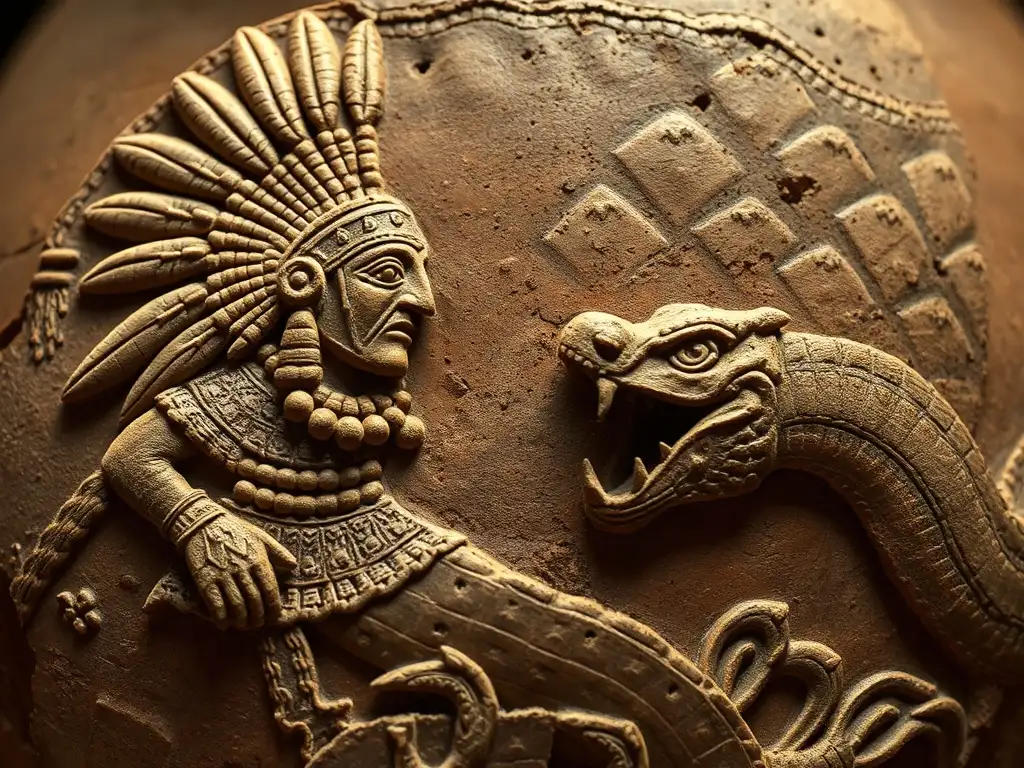
The Moche civilization, flourishing along the northern coast of Peru from approximately 100 to 800 CE, left behind a remarkable legacy – a vast corpus of ceramic art that serves as a powerful window into their worldview, beliefs, and societal structures. Moche pottery narrative analysis reveals a rich tapestry of myths, legends, and daily life, meticulously depicted on intricately crafted vessels. These aren't simply decorative objects; they are visual narratives, offering invaluable insights into a lost culture.
The high level of detail and the consistent iconography across numerous pieces allow for a robust interpretation of their complex beliefs. Studying these artistic representations allows us to reconstruct a fascinating picture of Moche cosmology, rituals, and social hierarchy.
The vibrant colors, dynamic compositions, and expressive figures all contribute to the storytelling power of these artifacts, making Moche pottery a unique and essential source for understanding their civilization. This section delves into some key themes frequently found in Moche ceramic art, revealing the stories they tell about their gods, rituals, and society.
The Myth of Ai Apaec: The Moche Creator God
The formidable figure of Ai Apaec, the Moche creator god, is a recurring motif in Moche pottery. Depicted as a fierce, often monstrous deity, Ai Apaec's portrayal varies, but consistently emphasizes his power and supernatural abilities. Some depictions show him with fangs, claws, and a fearsome expression, embodying both creation and destruction. Other representations show him in more benevolent aspects, associated with fertility and abundance.
The iconography surrounding Ai Apaec often includes stylized representations of nature, such as serpents, jaguars, and birds of prey, emphasizing his dominion over the natural world. Moche pottery narrative analysis shows a clear connection between Ai Apaec and the Moche worldview; he is not simply a creator but a powerful force shaping their lives, their environment, and their destinies. The detailed depictions, including his attire, weaponry, and the creatures surrounding him, offer clues to understanding the complexity of this deity and his role in the Moche pantheon.
Analyzing the variations in his portrayal across different vessels provides further insights into the evolution of Moche religious beliefs and the diverse interpretations of their creator god. For example, some vessels emphasize his destructive power, while others focus on his role as a provider. This nuanced approach to a single deity highlights the rich complexity of Moche religious thought.
Depictions of Moche Rituals and Ceremonies in Pottery
Moche pottery frequently depicts elaborate rituals and ceremonies, providing invaluable insights into their religious practices. These scenes often involve processions, sacrifices, and interactions with deities. Many vessels show individuals in ceremonial attire, performing specific actions or gestures, offering clues to the sequence and purpose of the rituals. The meticulous detail in these scenes, from the clothing and ornaments worn by the participants to the offerings presented, demonstrates the importance of these ceremonies in Moche society.
For instance, some vessels depict scenes of human sacrifice, a practice believed to have been integral to their religious system. Other vessels illustrate elaborate feasts and celebrations, suggesting a connection between religious practices and communal bonding. The combination of human figures, stylized iconography, and symbolic elements allows for a detailed reconstruction of these significant events.
Moche pottery narrative analysis, therefore, allows us to decipher the complex symbolism and understand the social and religious significance of these rituals within the broader context of Moche culture. The consistency of these depictions across multiple vessels reinforces the importance of these ceremonies, highlighting their centrality within the daily life and worldview of the Moche people. These visual narratives offer a unique perspective on the interaction between the Moche people and their gods, illuminating the spiritual fabric of their society.
Moche Warfare and Combat Narratives on Vessels
Moche pottery also provides compelling evidence of their involvement in warfare and conflict. Many vessels depict scenes of battle, showcasing warriors in combat, the use of weapons, and the aftermath of conflict. These depictions are not merely illustrations of violence; they offer valuable insights into Moche military organization, weaponry, and tactics. The level of detail in these scenes is remarkable, with individual warriors depicted with distinct features and weaponry.
Moche pottery narrative analysis reveals a complex understanding of military strategy, with depictions of organized formations, the use of different types of weapons, and even scenes suggesting the capture and subjugation of enemies. The portrayal of captives and trophies also provides information about Moche interactions with neighboring groups and their power dynamics. Some vessels show warriors adorned with elaborate headdresses and body paint, suggesting a connection between warfare and ritual practices. The presence of both victorious and defeated warriors allows for a multifaceted interpretation of Moche warfare, transcending a simplistic narrative of mere aggression.
The careful study of these scenes allows for a more nuanced understanding of the role of warfare in Moche society, its social implications, and its connection to their broader worldview. The detailed and expressive nature of these depictions provides a powerful testament to the importance of warfare in shaping Moche history and identity. 💅
The Role of Moche Artists as Visual Storytellers
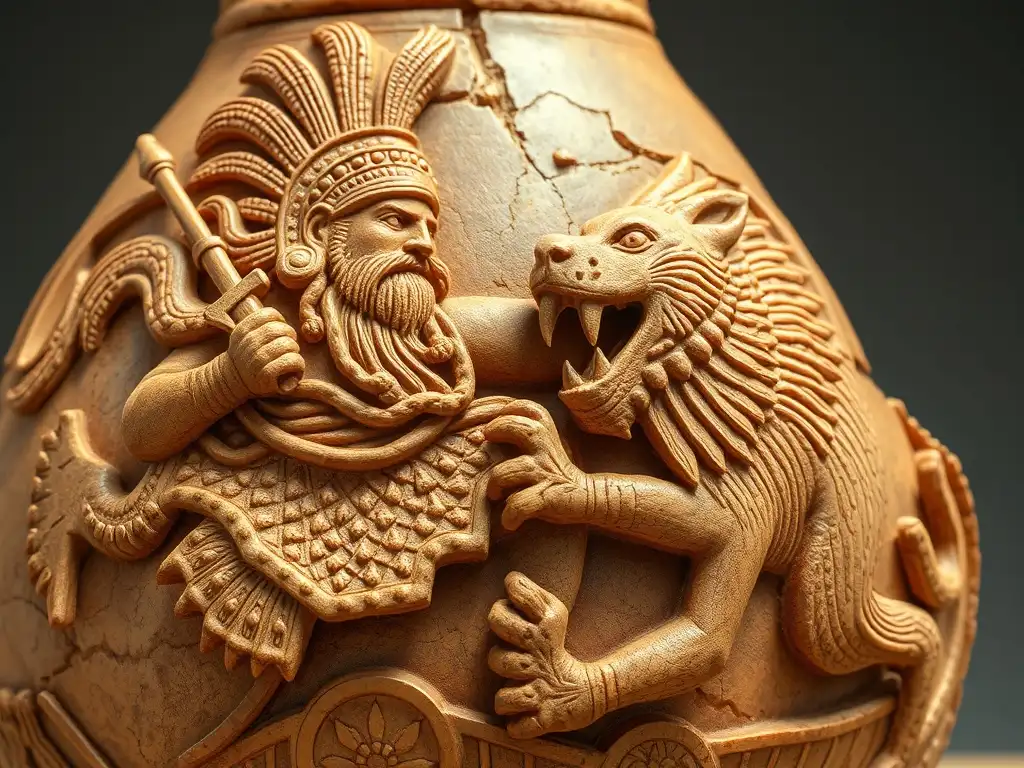
The Moche civilization, flourishing along the northern coast of Peru from approximately 100 to 800 CE, left behind a remarkable legacy: intricately crafted pottery that serves as a window into their complex society. Moche pottery narrative analysis reveals not just artistic skill, but also a sophisticated system of visual storytelling, used to transmit myths, legends, and historical events across generations. Unlike written texts, these ceramic narratives provide a unique perspective on Moche worldview, social structures, and daily life.
The artists weren't simply decorators; they were chroniclers, preserving and disseminating vital cultural information through their artistry. Their work offers a compelling glimpse into the beliefs, rituals, and power structures that defined Moche society, making Moche pottery invaluable for understanding this fascinating civilization. This analysis moves beyond simple aesthetics, delving into the symbolic language embedded within the imagery to uncover the deeper meanings conveyed by these remarkable artifacts.
The Craftsmanship of Moche Potters: Techniques and Skills
Moche potters possessed exceptional technical skills, mastering a range of techniques to create their detailed narratives. They utilized a variety of clays, carefully selecting and preparing them to achieve the desired texture and color. The Moche pottery making process involved meticulous hand-building techniques, often using molds to create consistent shapes.
Intricate details were then added by hand, demonstrating an astonishing level of precision and patience. Evidence suggests the use of different firing techniques, leading to variations in color and surface finish. The application of pigments, often derived from natural sources, showcases a deep understanding of color theory and application methods.
This mastery of technical skills is essential to understanding the artistic achievements of the Moche, as the intricate details and vibrant colors were crucial in conveying the complex narratives depicted on their pottery. The precision involved in creating these pieces underscores the high social standing and specialized training likely involved in Moche pottery production.
Moche Artists: Preservers of Culture and History
Moche artists acted as vital links between past, present, and future generations. Their pottery didn't just depict scenes of daily life; they conveyed complex narratives that served as a form of cultural memory. By meticulously portraying religious ceremonies, mythical beings, and historical events, they ensured the continuity of Moche traditions and beliefs. The detailed depictions of rulers, warriors, and everyday people offer insights into social hierarchies and power dynamics.
The portrayal of specific rituals and ceremonies provides crucial information about Moche religious practices and beliefs. This preservation of cultural knowledge through visual storytelling was particularly important in a society lacking a written language. The Moche pottery narrative analysis demonstrates that these artists were not simply artisans; they were active participants in the cultural transmission and preservation of their civilization's heritage. Their work stands as a testament to the power of art as a vehicle for cultural memory.
The Impact of Moche Pottery on Our Understanding of Their Worldview
The analysis of Moche pottery has profoundly impacted our understanding of their worldview. The recurring themes and motifs depicted on the vessels reveal a cosmology rich in symbolism and mythology. For instance, the frequent depictions of supernatural beings, such as feline deities and anthropomorphic figures, suggest a complex religious system.
The representation of warfare and human sacrifice provides insights into Moche social structures and their views on conflict and power. Furthermore, depictions of agricultural practices and the abundance of marine life illustrate the importance of these resources in their daily lives and economy. By carefully studying the iconography and narrative structure of the Moche pottery, researchers gain a deeper understanding of Moche beliefs about the natural world, the afterlife, and their place within the cosmos.
This visual record significantly enriches our knowledge of this remarkable civilization, offering a unique and invaluable perspective on their culture, beliefs, and history. The detailed representations found in Moche pottery provide a far richer understanding of their society than would be possible otherwise.
Moche Pottery Narrative: A Window into Their Beliefs and Values
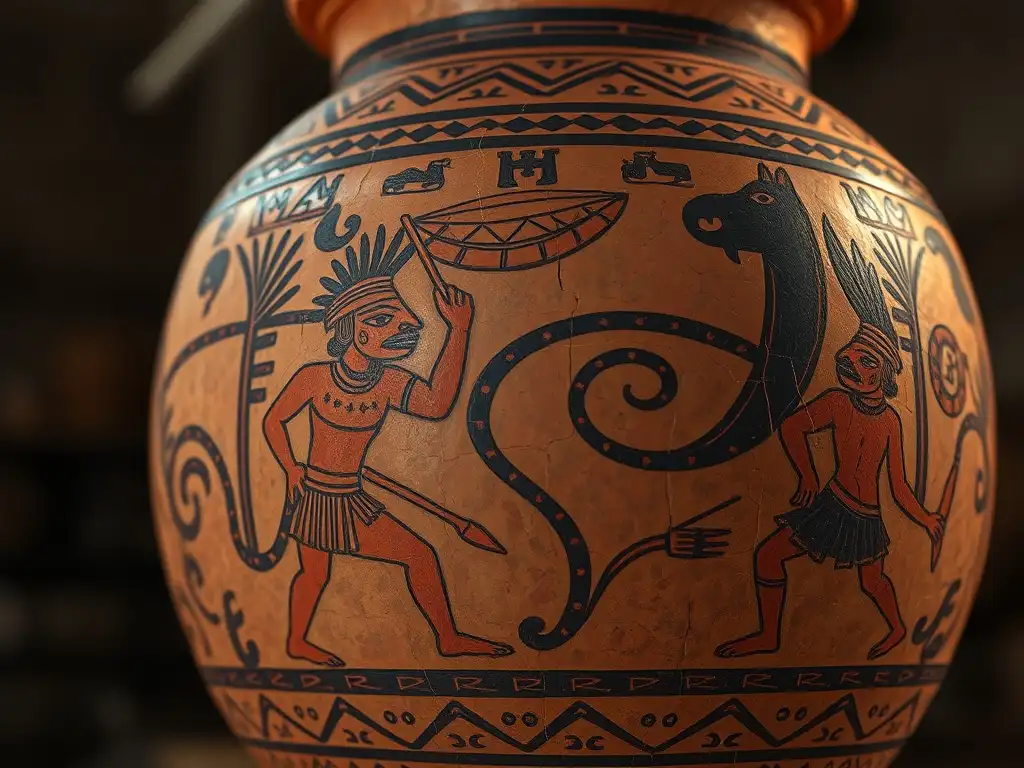
The intricate narratives depicted on Moche pottery offer invaluable insights into the worldview and spiritual beliefs of this fascinating pre-Columbian civilization. Unlike many other ancient cultures, the Moche didn't leave behind extensive written records. Their pottery, however, acts as a vibrant, visually rich chronicle, allowing for a unique form of Moche pottery narrative analysis.
This analysis reveals a complex society with sophisticated religious practices, intricate social structures, and a deep connection to the natural world. The detailed scenes, often depicting powerful figures, mythical creatures, and dramatic events, provide a compelling glimpse into their cosmology and beliefs. By carefully studying these ceramic narratives, we can begin to understand the Moche perspective on life, death, and the afterlife, as well as their social hierarchies and the mechanisms they used to transmit their cultural heritage.
The Moche Perspective on Life, Death, and the Afterlife
Moche pottery frequently portrays scenes of both life and death, suggesting a nuanced understanding of the cyclical nature of existence. Representations of lavish feasts, elaborate rituals, and powerful rulers in full regalia highlight the importance of earthly power and the celebration of life. However, equally prominent are depictions of death and the afterlife. Skeletal figures, often engaged in ritualistic activities or interacting with supernatural beings, are commonly found. These portrayals don't necessarily depict death as an ending, but rather as a transition, a passage into another realm.
For example, many vessels depict scenes of shamanistic rituals, where individuals appear to interact with otherworldly forces. These scenes often involve the consumption of hallucinogenic substances, suggesting the use of altered states of consciousness to communicate with the spirit world. The careful detail and emotional intensity of these depictions underscore the significance of these rituals in Moche belief systems.
Further Moche pottery narrative analysis reveals potential connections between these ritualistic practices and agricultural cycles, suggesting a deep intertwining of spiritual and practical aspects of Moche life. The meticulous rendering of these scenes—from the expressions on the faces of the figures to the intricate details of their clothing and regalia—indicates a highly developed artistic skill and a strong belief in the power of visual representation to convey spiritual meaning. The prevalence of such imagery in Moche pottery strongly suggests that the afterlife held significant importance in their cosmology.
The social hierarchy of the Moche civilization is vividly reflected in their pottery. Moche pottery narrative analysis reveals a society with a clear power structure, with rulers and elites occupying the highest positions. Depictions of these individuals often showcase their power and authority through elaborate headdresses, ornate clothing, and symbols of military prowess. These figures are frequently shown surrounded by attendants, highlighting their privileged status and the deference afforded to them.
| Social Rank | Pottery Depiction | Symbolic Elements |
|---|---|---|
| Ruling Elite | Large-scale figures, ornate clothing, regalia | Scepters, staffs, elaborate headdresses |
| Priests/Shamans | Engaged in rituals, interacting with spirits | Ritual objects, hallucinogens |
| Warriors | Depicted in battle scenes, weaponry | Weapons, armor, captives |
| Commoners | Smaller figures, simpler clothing | Everyday activities, agricultural scenes |
This stratification is not limited to the depiction of individuals. The size and complexity of the vessels themselves often reflect the social status of their owners. Large, elaborately decorated vessels were likely owned by the elite, while smaller, simpler vessels were used by commoners. This careful attention to detail in the representation of social hierarchy underscores the importance of social order and the power dynamics within Moche society, further enriching our understanding through Moche pottery narrative analysis.
Moche Pottery as a Tool for Cultural Transmission and Memory
Beyond their religious and social significance, Moche pottery also served as a crucial tool for cultural transmission and the preservation of collective memory. The narratives depicted on these vessels conveyed stories, myths, and legends from one generation to the next, reinforcing cultural values and maintaining a shared sense of identity. The repetitive nature of certain motifs and scenes across different vessels suggests the existence of established narratives and shared cultural knowledge.
The craftsmanship involved in creating these vessels was highly specialized, requiring years of training and expertise. The production of pottery was likely controlled by the elite, ensuring the consistent reproduction and dissemination of culturally significant narratives. The detailed nature of these narratives, combined with their widespread distribution, ensured that the Moche worldview and cultural values were transmitted effectively across generations.
This process of cultural transmission through pottery is a testament to the Moche's ability to utilize art as a powerful tool for social cohesion and cultural continuity. This aspect of Moche pottery narrative analysis unveils a sophisticated strategy for preserving and transmitting cultural knowledge, a testament to the resilience and ingenuity of this remarkable civilization.
The Lasting Legacy of Moche Narrative Pottery
The Moche civilization, flourishing along the northern coast of Peru from approximately 100 CE to 800 CE, left behind a remarkable legacy: intricately decorated pottery that serves as a vibrant window into their complex society, beliefs, and daily life. Moche pottery narrative analysis reveals a wealth of information, far beyond mere aesthetic appreciation. These aren't simply decorative vessels; they are meticulously crafted narratives, frozen moments in time that tell stories of rituals, warfare, mythology, and the lives of both ordinary people and their elite.
The enduring impact of this artistic tradition is undeniable, influencing subsequent Andean cultures and continuing to fascinate scholars and enthusiasts today. Understanding the narratives etched onto these ceramic surfaces offers a unique perspective on Moche culture, enriching our understanding of their worldview and societal structures.
The detailed depictions, often depicting scenes of human sacrifice, elaborate feasts, and mythical creatures, provide invaluable insights into their religious beliefs and social hierarchy. This detailed level of narrative representation is a hallmark of Moche artistry and a key element in Moche pottery narrative analysis.
The Influence of Moche Art on Later Andean Cultures
The stylistic innovations and narrative techniques pioneered by the Moche potters had a profound and lasting influence on subsequent Andean cultures. Elements of Moche artistic conventions—particularly the expressive rendering of figures and the dynamic composition of scenes—can be observed in the pottery and textiles of later cultures, such as the Chimú and Inca.
For example, the vibrant colors and detailed depictions of human figures found in Moche pottery find echoes in the intricate metalwork and textiles of the Chimú, suggesting a direct lineage or at least a shared artistic sensibility. The narrative impulse itself—the desire to use art as a means of storytelling and record-keeping—was clearly inherited and further developed.
Analyzing the evolution of these narrative styles across different Andean cultures provides crucial insights into cultural exchange, artistic innovation, and the continuity of artistic traditions across centuries. The legacy of Moche Moche pottery narrative analysis extends far beyond the geographical confines of their own territory.
Moche Pottery: A Valuable Resource for Archaeological Research
Moche pottery represents an unparalleled source of information for archaeologists and historians seeking to reconstruct the daily lives, beliefs, and social structures of this fascinating civilization. The detailed depictions on the vessels provide a wealth of data that would otherwise be unavailable. For instance, the frequent portrayal of agricultural scenes, fishing expeditions, and various crafts provide direct evidence of Moche economic activities and their relationship with the environment.
Similarly, depictions of warfare, human sacrifice, and elite ceremonies offer invaluable insights into their political organization, religious practices, and social hierarchies. Furthermore, Moche pottery narrative analysis allows researchers to track changes in artistic styles and iconography over time, providing insights into the evolution of Moche culture and the potential causes of its eventual decline.
This multi-faceted approach to archaeological investigation, using pottery as a primary source, allows for a more nuanced and comprehensive understanding of the Moche civilization. The sheer volume of surviving pottery, combined with the detail in its decoration, makes it an exceptional resource for reconstructing this complex culture.
Preserving and Interpreting Moche Ceramic Narratives for Future Generations
The preservation and interpretation of Moche ceramic narratives are crucial for ensuring that this invaluable cultural heritage remains accessible to future generations. This requires a multi-pronged approach, encompassing careful excavation and conservation techniques, rigorous scholarly analysis, and effective public engagement. Advanced imaging technologies, such as 3D scanning and digital modeling, are being increasingly employed to create high-resolution digital archives of these fragile artifacts, ensuring their long-term preservation and accessibility.
Furthermore, collaborative projects involving archaeologists, art historians, and indigenous communities are vital for ensuring that interpretations of these narratives are both accurate and culturally sensitive. The ethical considerations surrounding the study and display of ancient artifacts must always be paramount. By combining scientific rigor with a respectful and inclusive approach, we can ensure that the stories told by Moche pottery continue to resonate and inform for many years to come.
The future of Moche pottery narrative analysis depends on a commitment to both preservation and accessible interpretation. The challenge is to make these fascinating narratives available to a wide audience, fostering a deeper appreciation for the rich cultural legacy of the Moche civilization.
Frequently Asked Questions
What is the significance of Moche pottery?
Moche pottery is incredibly significant because it provides invaluable insight into their culture. The narrative scenes depicted on the vessels offer a rare glimpse into their daily life, mythology, and beliefs. This visual record is crucial for understanding their society.
How does Moche pottery contribute to narrative analysis?
The highly detailed and often complex scenes on Moche pottery provide rich primary source material for narrative analysis. Scholars can interpret these images to reconstruct their stories, rituals, and social structures. This allows for a deeper understanding of their worldview.
What kinds of narratives are commonly depicted on Moche pottery?
Moche pottery frequently depicts narratives related to mythological figures, ritual ceremonies, daily life scenes, and warfare. These scenes often feature detailed depictions of individuals, animals, and supernatural beings, all contributing to a rich tapestry of stories.
What techniques did the Moche use to create their narrative pottery?
The Moche employed sophisticated techniques, including mold-making and hand-painting, to create their detailed pottery. They used a variety of colors and pigments to achieve vibrant and lasting images, ensuring the preservation of their narratives for centuries.
Why is "Moche pottery narrative analysis" important for understanding Andean civilizations?
Analyzing Moche pottery narratives offers crucial insights into the belief systems, social structures, and daily lives of the Moche civilization. It provides a unique perspective on the Andean world and contributes significantly to our understanding of their place within the broader context of pre-Columbian cultures.
Final Reflection: Echoes of the Moche: A Legacy in Clay
The intricate narratives etched onto Moche pottery aren't just relics of a bygone era; they are vibrant echoes resonating in our contemporary understanding of storytelling and cultural preservation. These ancient vessels, painstakingly crafted and decorated, offer a unique window into a complex society, revealing their beliefs, rituals, and daily lives with astonishing clarity. Their enduring power lies not only in their artistic merit but also in their ability to connect us across millennia to a shared human experience of myth-making and legacy.
The Moche's masterful use of narrative in their pottery continues to inspire artists, historians, and anthropologists alike. Their legacy transcends the physical artifacts; it's a testament to the enduring power of storytelling to shape cultural identity and transmit knowledge across generations. The past is never dead. It's not even past.
– William Faulkner. This quote perfectly encapsulates the enduring relevance of the Moche's artistic and cultural contributions. Their stories, preserved in clay, continue to speak to us, challenging our perspectives and enriching our understanding of the human condition.
Consider the intricate details, the vibrant colors, the powerful imagery – each piece a testament to the Moche's artistic skill and their profound connection to their myths and legends. You, the reader, are now part of this ongoing conversation.
Take a moment to reflect on the power of storytelling in your own life, and how the narratives you encounter shape your understanding of the world and your place within it. Let the Moche storytellers inspire you to find your own voice, to share your own stories, and to contribute to the rich tapestry of human experience that continues to unfold.
Unveil the Legacy of Moche Storytelling!
Thank you for exploring the fascinating world of Moche storytelling! You've gained valuable insights into how these ancient artists brought myths and legends to life, preserving their culture and wisdom for generations. Now, you can help keep their stories alive and share your passion for storytelling.
Here are some ways you can participate:
- Explore the myths: Research Moche mythology and legends using libraries, online archives, and academic resources. Delve into the rich narratives that shaped Andean culture.
- Share your inspiration: Share your favorite Moche story with friends and family, perhaps even creating a modern retelling. Host a storytelling evening to celebrate and perpetuate this vibrant tradition.
- Engage with the community: Join online forums or social media groups dedicated to Andean cultures. Exchange ideas, learn from others, and inspire a wider appreciation for the art of storytelling.
Which Moche legend resonates most with you, and how will you share it with the world?