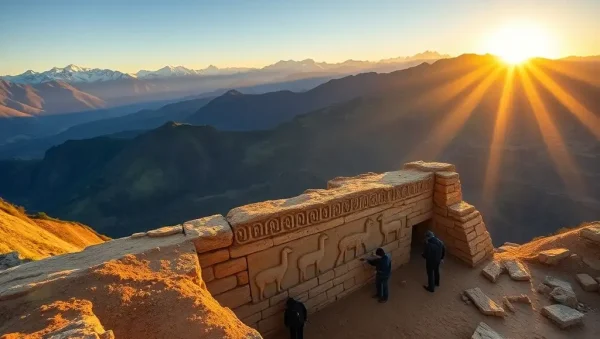
Key Figures in Andean History

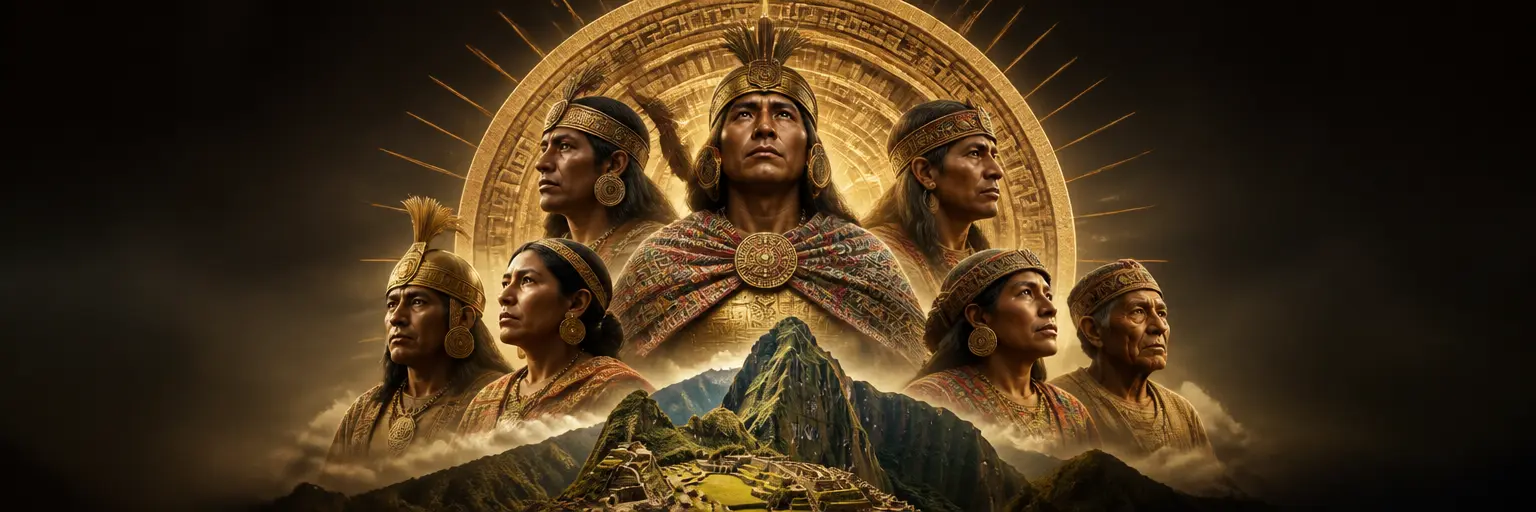
Discover the key figures in Andean history who shaped the region’s civilizations, leadership, scholarship, and cultural legacy. Explore influential Inca rulers, Moche and Nazca leaders, Tiahuanaco authorities, women of distinction, scholars, and chroniclers whose lives and achievements illuminate the ancient Andes. 🏔️📜 Gain deeper insight into the people behind Andean power, knowledge, tradition, and innovation.
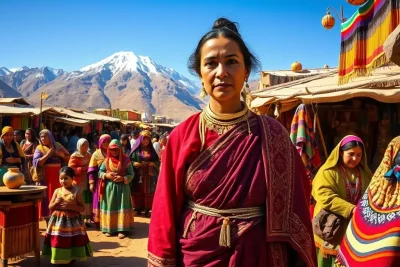
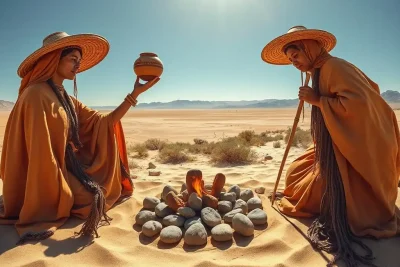
Discover the key figures in Andean history who shaped the political, cultural, religious, and intellectual development of the Andes. From powerful rulers and visionary leaders to influential women, scholars, and chroniclers, these individuals offer essential insights into the civilizations of the Incas, Moche, Nazca, and Tiahuanaco.
This category explores the lives, achievements, beliefs, and historical legacies of important Andean personalities. Learn how leaders organized vast territories, how women influenced royal courts and communities, and how chroniclers preserved knowledge about Andean traditions, architecture, technology, art, and society. Whether you are researching Inca history, ancient Peru, Andean archaeology, or Indigenous perspectives, these resources provide a clear path to understanding the people behind one of the world’s most remarkable cultural regions.
Explore the historians, Indigenous intellectuals, missionaries, explorers, and researchers who documented the civilizations of the Andes. This section examines how written accounts, oral traditions, archaeological evidence, and colonial records have shaped modern knowledge of the Inca Empire and earlier Andean cultures.
Readers can expect discussions of major chroniclers, including their backgrounds, viewpoints, and historical methods. You will also learn how to evaluate colonial narratives, compare conflicting accounts, and recognize the importance of Indigenous knowledge and oral history when studying Andean religion, government, language, and daily life.
Discover the influential women who helped shape Andean communities, royal lineages, religious life, economic networks, and political relationships. This subcategory highlights queens, priestesses, noblewomen, community leaders, artisans, and other women whose roles reveal the complexity of gender and power in Andean civilizations.
Articles will explore women’s contributions to agriculture, textile production, diplomacy, ritual practice, family alliances, and administration. Readers will gain a broader understanding of how women influenced the Inca state and earlier cultures, while also learning why archaeological discoveries and historical sources are essential for recovering often-overlooked female perspectives.
Learn about the rulers and political leaders who expanded territories, managed resources, built monumental centers, and guided Andean societies through periods of growth and conflict. This section features prominent figures connected with the Inca Empire, as well as leadership traditions associated with the Moche, Nazca, Tiahuanaco, and other Andean cultures.
Expect clear explanations of succession, conquest, diplomacy, military strategy, religious authority, and state administration. These profiles show how major leaders used roads, taxation, labor systems, architecture, ceremony, and alliances to govern diverse populations across the Andes, while also examining the challenges that contributed to political change and imperial decline.
Important figures include Inca rulers such as Pachacuti and Huayna Capac, influential women such as royal leaders and priestesses, and chroniclers who recorded Andean traditions. The category also considers leaders and cultural figures connected with the Moche, Nazca, and Tiahuanaco civilizations.
Andean rulers influenced territorial expansion, agriculture, trade, religion, architecture, and public administration. Studying them helps explain how societies governed large and diverse populations without relying on the same writing systems used by many other ancient civilizations.
Women participated in agriculture, textile production, religious ceremonies, diplomacy, household organization, and political alliances. Elite women could hold significant social authority, while community networks of women supported the economic and cultural foundations of Andean life.
Knowledge comes from archaeology, architecture, ceramics, textiles, burials, inscriptions and symbols, oral traditions, and colonial-era chronicles. Because each source has limitations, historians compare multiple forms of evidence to create a more accurate interpretation of Andean history.
Chroniclers preserved valuable information about languages, customs, religious beliefs, political structures, and historical events. However, many wrote during or after the Spanish conquest, so their accounts must be assessed carefully and compared with archaeological evidence and Indigenous perspectives.