
The Moche Scribes: Documenting Rituals and Daily Life

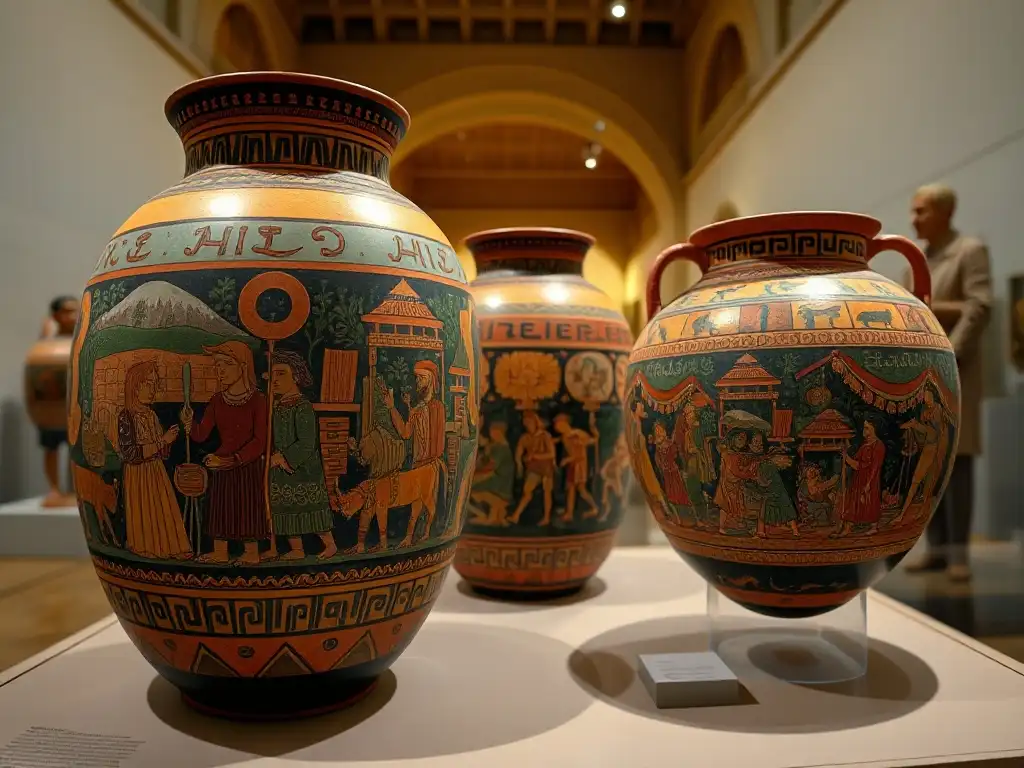
Unravel the mysteries of a lost world. For centuries, the Andes Mountains have guarded secrets of incredible civilizations. Step into the fascinating realm of the ancient Andean cultures, where ingenuity flourished and artistry blossomed. But what if we told you that the vibrant Moche pottery held more than just aesthetic beauty? Prepare to be captivated as we delve into the enigmatic Moche pottery writing system, a window into the rituals and daily lives of this remarkable civilization. Discover the stories etched in clay and unlock the secrets of their scribes – the story awaits you.
-
The Moche Scribes: Unveiling the Secrets of Moche Pottery Writing System
- Deciphering the Moche Pottery Writing System: Challenges and Progress
- The Role of Moche Scribes in Society: Status and Training
- Themes and Motifs in Moche Pottery Inscriptions: Insights into Moche Culture
- The Future of Moche Pottery Writing System Research: Technological Advancements and Collaboration
- The Enigmatic Moche Civilization and Its Visual Language
- Decoding Moche Iconography: More Than Just Decoration
- The Moche Pottery Writing System: An Examination of its Pictorial Nature
- Moche Artisans: The Creators of Visual Storytelling
- Documenting Rituals: Depictions of Moche Religious Practices
- Daily Life Through Moche Eyes: Insights from Pottery Depictions
- The Legacy of Moche Artisans and Their Contribution to Andean History
- Conclusion: The Moche Artisans and Their Enduring Impact on Andean Civilizations
- Frequently Asked Questions
- Final Reflection: Unlocking the Whispers of the Moche
- Unveil the Secrets of Moche Life Today!
The Moche Scribes: Unveiling the Secrets of Moche Pottery Writing System
The Moche civilization, flourishing along the northern coast of Peru from approximately 100 CE to 800 CE, left behind a remarkable legacy. Beyond their impressive architecture, intricate metalwork, and stunning gold artifacts, the Moche are renowned for their sophisticated pottery. But it's not just the artistry of their ceramics that captivates researchers; it's the presence of a unique writing system, painstakingly inscribed onto many of these vessels, that continues to unlock secrets about their daily lives, religious beliefs, and social structures.
This article delves into the world of the Moche scribes, exploring their role in documenting rituals, societal hierarchies, and the everyday realities of this fascinating ancient culture. Understanding their "Moche pottery writing system" provides invaluable insight into the complexity and sophistication of this pre-Columbian society.
We will examine the characteristics of this writing system, the techniques employed by the scribes, and the implications of their work for our understanding of Moche history. Prepare to be transported back in time as we unravel the mysteries encoded within the clay.
Deciphering the Moche Pottery Writing System: Challenges and Progress
The Moche pottery writing system presents significant challenges to modern researchers. Unlike many other ancient writing systems, it is not alphabetic or syllabic in the traditional sense. Instead, it seems to utilize a complex system of symbols, often depicted as glyphs, that represent a combination of ideograms and pictographs.
These symbols are intricately painted or incised onto the surface of the pottery, often alongside elaborate scenes depicting Moche rituals, warfare, or daily life. The lack of a Rosetta Stone-like artifact, containing a parallel text in a known language, has severely hampered efforts at decipherment. However, significant progress has been made through careful analysis of stylistic patterns, contextual clues gleaned from the accompanying imagery, and comparative studies with other Andean writing systems.
Scholars are gradually piecing together the meaning of individual symbols and their possible combinations, revealing tantalizing glimpses into the Moche worldview. The complexity of the system, with its apparent use of both representational and abstract symbols, suggests a highly developed cognitive capacity and a sophisticated system of communication within the Moche society.
The Role of Moche Scribes in Society: Status and Training
The individuals responsible for creating this intricate Moche pottery writing system were likely highly skilled and respected members of Moche society. The precision and artistry required to execute these inscriptions suggest a level of specialized training and expertise. The scribes were probably part of the elite class, possibly associated with religious institutions or the ruling power. Their role was not merely decorative; they served as chroniclers, preserving vital information about Moche history, mythology, and societal norms.
The location of inscribed pottery, often found in elite contexts such as tombs or ceremonial sites, further supports the notion of the scribe's elevated social standing. Further research is needed to fully understand the extent of their training, their social organization, and the methods of knowledge transmission within this specialized group. Were they hereditary scribes?
Was there a formal school for scribes? These are questions that continue to fuel ongoing research. The discovery of more inscribed pottery, along with careful analysis of existing artifacts, is crucial to addressing these questions and gaining a more complete understanding of the Moche scribes' role.
Themes and Motifs in Moche Pottery Inscriptions: Insights into Moche Culture
The themes and motifs depicted in Moche pottery inscriptions offer invaluable insights into the culture and beliefs of this ancient civilization. Common motifs include depictions of deities, ritual scenes, warfare, agriculture, and daily life activities. These inscriptions not only provide visual narratives but also seem to incorporate symbolic elements that convey deeper meaning.
For example, certain glyphs might represent specific deities, while others may symbolize power, fertility, or social status. The careful study of these symbols, in conjunction with the accompanying imagery, allows researchers to reconstruct aspects of Moche mythology, religious practices, and social structures. The presence of certain glyphs on specific types of pottery might indicate their intended use or the social context in which they were employed.
By understanding these contextual clues, we can gain a more nuanced understanding of the function and significance of the Moche writing system within their broader cultural framework. The intricate details within the inscriptions reveal a society rich in symbolism and deeply connected to its environment and its beliefs.
The Future of Moche Pottery Writing System Research: Technological Advancements and Collaboration
The study of the Moche pottery writing system is a dynamic and evolving field. Technological advancements, such as advanced imaging techniques and digital analysis tools, are providing new opportunities for researchers to examine the inscriptions with greater precision. These technologies allow for the identification of subtle details that might be missed with the naked eye, enhancing our understanding of the complexity of the Moche script. International collaboration among scholars from different disciplines—archaeology, anthropology, linguistics, and computer science—is also crucial for making further progress. By combining expertise and resources, researchers can approach the challenge of deciphering this enigmatic writing system more effectively. The future of Moche pottery writing system research holds immense potential for uncovering new insights into this remarkable civilization and enriching our understanding of ancient Andean history. The continued exploration of this fascinating subject promises to reveal even more about the ingenuity, creativity, and complexity of the Moche people.
The Enigmatic Moche Civilization and Its Visual Language
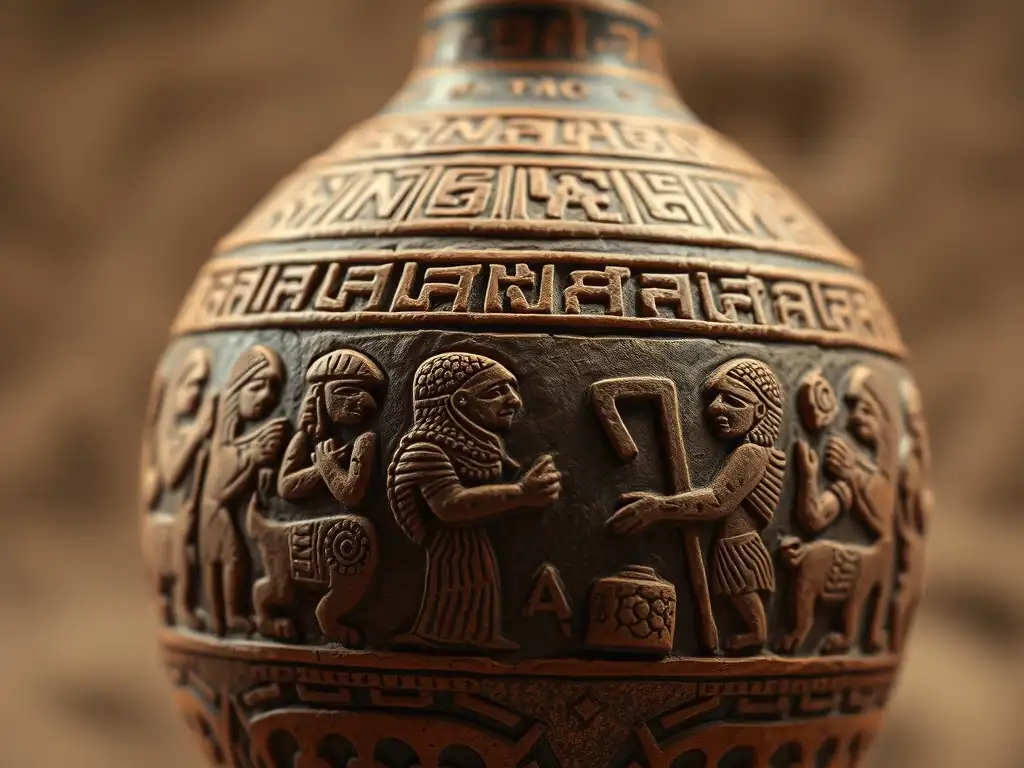
The Moche civilization (c. 100 – 800 CE), flourishing along the northern coast of Peru, remains a captivating enigma in Andean history. Their sophisticated irrigation systems, impressive monumental architecture, and remarkably detailed artistry continue to fascinate archaeologists and historians alike. While a written language in the traditional sense is absent, the Moche developed a sophisticated visual language primarily expressed through their exquisite pottery.
This "Moche pottery writing system," as it's often referred to, isn't a system of phonetic symbols like the alphabet, but rather a complex system of iconography conveying narratives, rituals, and aspects of daily life. Understanding this visual language is crucial to unlocking the secrets of this powerful and influential culture. The complexity of the Moche visual system is evident in the sheer variety of motifs, the intricate detail of execution, and the clear intentionality of their placement within the artwork itself.
Unlike many other ancient cultures, the Moche didn't rely solely on monumental architecture to communicate their history; their pottery served as a vibrant and accessible record. The sheer volume of surviving pottery, depicting scenes of warfare, religious ceremonies, daily life, and even portraits of rulers, provides an unparalleled insight into Moche society.
Understanding Moche Culture Through Art and Artifacts
Moche pottery isn't merely decorative; it's a rich source of information about their beliefs, social structures, and daily activities. The intricate scenes depicted on the vessels provide invaluable insights into various aspects of their culture. For example, depictions of elaborate religious ceremonies, often featuring priests, sacrificial offerings, and supernatural beings, reveal the importance of religion in Moche society.
These depictions often involve highly stylized figures and symbolic elements, requiring careful analysis and interpretation by specialists in Moche iconography. The Moche pottery writing system, then, is not simply a collection of pictures; it's a carefully constructed narrative, communicating complex ideas through carefully chosen imagery and compositional techniques.
Furthermore, representations of daily life, showing scenes of fishing, agriculture, warfare, and even domestic activities, offer a glimpse into the daily routines of Moche people. These depictions often include realistic portrayals of individuals, animals, and plants, providing valuable information about their environment, technology, and social structures. The level of detail is astonishing; one can often discern individual facial features, clothing styles, and even tools used in daily activities.
The combination of these detailed scenes with the often-present symbolic elements allows for a deeper understanding of the underlying cultural beliefs and values. The Moche weren't just recording events; they were creating a visual encyclopedia of their world. Analyzing the frequency of specific motifs and their context within different pottery pieces allows researchers to construct a more complete picture of Moche society and beliefs.
The Role of Moche Artisans in Society
The creation of this detailed and expressive pottery wasn't a casual undertaking. The Moche artisans held a significant position within their society, reflecting the high value placed on their craft. The skill and precision required to create such intricate and lifelike depictions suggest a high level of specialization and training. These weren't simply potters; they were skilled artists who meticulously crafted their works, imbuing them with symbolic meaning and narrative power.
Evidence suggests that Moche artisans likely worked within specialized workshops or organized groups, suggesting a level of social organization and potentially even apprenticeship systems. The consistency in style and technique across numerous pottery pieces points to a structured approach to production, with established artistic conventions and perhaps even specialized roles within the workshops. This organized approach to art production indicates a significant investment of resources and societal support for the craft, highlighting its importance within the Moche social structure. The artisans weren't merely producing utilitarian objects; they were actively participating in the creation and dissemination of cultural knowledge and narratives through the Moche pottery writing system. Their role extended beyond mere craftsmanship; they were integral to the preservation and transmission of Moche cultural heritage. Further research into the organization and social standing of these artisans is crucial to a more complete understanding of Moche society and its complex visual language.
Decoding Moche Iconography: More Than Just Decoration
The Moche pottery writing system, while not a fully developed alphabet in the traditional sense, relied heavily on iconography to convey complex information. These weren't simply decorative flourishes; the intricate scenes depicted on Moche ceramics served as a powerful form of visual communication, recording rituals, narrating myths, and documenting aspects of daily life. Scholars have dedicated decades to deciphering these visual narratives, painstakingly piecing together the meaning of recurring motifs and symbolic representations.
The level of detail and consistency in the iconography suggests a sophisticated understanding of visual language, far beyond simple aesthetic concerns. Understanding the Moche's visual language requires careful consideration of context, including the type of vessel, the specific scene depicted, and its placement within a larger archaeological context.
For instance, a scene depicting a warrior on a ceremonial vessel might signify a specific ritual or a historical event, while a similar image on a domestic pot could represent a different meaning entirely. The complexity of this visual language underscores the advanced cognitive abilities and social structures of the Moche civilization.
Interpreting Moche Pottery Scenes: Rituals, Myths, and Daily Life
Moche pottery frequently depicts scenes of elaborate rituals, often involving sacrifices, religious leaders, and supernatural beings. These depictions offer invaluable insights into the Moche religious beliefs and practices. For example, scenes showing the sacrifice of individuals, often depicted with elaborate headdresses and adornments, provide evidence of human sacrifice as a significant ritual practice.
The meticulous detail in these depictions, such as the expressions on the faces of the sacrificial victims and the ceremonial attire of the priests, allows researchers to reconstruct the ritualistic context with remarkable accuracy. Moreover, the recurring presence of specific motifs, such as feline deities or supernatural beings, helps to identify key figures in the Moche pantheon and understand their roles in the society's religious beliefs.
Beyond ritualistic scenes, Moche pottery also provides a window into daily life. Depictions of fishing, agriculture, and crafting activities offer a glimpse into the economic activities and social structures of the Moche. These scenes, often depicted on simpler vessels used for everyday purposes, show individuals engaged in various tasks, providing valuable information about their tools, techniques, and social organization.
For example, detailed depictions of agricultural practices, including irrigation systems and harvesting techniques, reveal the sophistication of Moche agriculture and its importance to their economy. The careful observation of these everyday scenes allows for a richer understanding of the Moche people's daily routines and social interactions.
The Significance of Moche Ceramic Vessels as a Medium of Communication
The widespread use of ceramic vessels as a medium of communication highlights the importance of visual literacy in Moche society. The sheer volume of surviving pottery, decorated with intricate scenes, underscores the pervasiveness of this visual language. Unlike written languages using alphabets or syllabaries, the Moche system was uniquely visual, relying on the careful arrangement of figures and symbols to convey meaning. This system was not limited to elite contexts; pottery decorated with narrative scenes was found in both elite tombs and everyday domestic settings, suggesting a broad understanding and appreciation of this visual language across social strata.
The diversity of forms and styles of Moche pottery further emphasizes its role as a powerful communication tool. Different vessel types, from large stirrup-spout bottles to smaller bowls, often featured distinct iconographic styles and narrative themes, suggesting a complex system of visual codes tied to the function and intended audience of the vessel. The standardization of certain motifs and narrative elements across different vessels and regions indicates a degree of cultural cohesion and a shared understanding of the visual language.
This sophisticated communication system, expressed through the Moche pottery writing system, continues to fascinate and challenge researchers, revealing ever more insights into this remarkable civilization. Further research, particularly focusing on contextual analysis and cross-referencing with other archaeological finds, is crucial to fully unlock the secrets encoded within these remarkable artifacts.
The Moche Pottery Writing System: An Examination of its Pictorial Nature
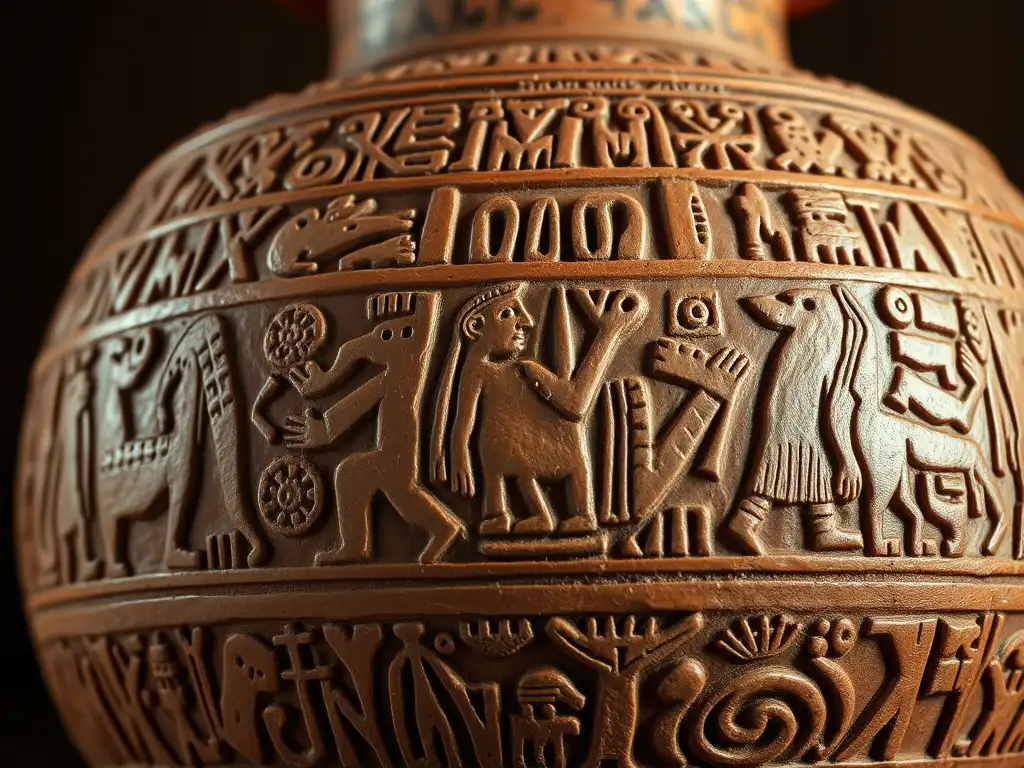
The Moche civilization, flourishing along the northern coast of Peru from approximately 100 CE to 800 CE, left behind a remarkable legacy, including a sophisticated artistic tradition expressed most notably in their elaborate pottery. While not possessing a writing system in the traditional alphabetic or syllabic sense, the Moche developed a highly complex and evocative system of visual communication, often described as a "proto-writing" system. This pictorial language, intricately painted on their ceramic vessels, provides invaluable insights into their beliefs, rituals, and daily life.
Understanding the Moche pottery writing system requires appreciating its fundamentally pictorial nature, its reliance on visual storytelling, and its subtle nuances of representation. The absence of phonetic elements doesn't diminish its significance; instead, it highlights the unique artistic and communicative strategies employed by the Moche scribes. The system's complexity is evident in the careful arrangement of figures, symbols, and scenes, which, when examined closely, reveal a wealth of information about Moche society.
This visual narrative, far from being simplistic, often conveys intricate details about social hierarchy, religious practices, and political power dynamics. The enduring nature of the pottery itself has ensured the preservation of this visual record, giving us a unique window into the past.
Exploring the Characteristics of Moche Visual Narrative
Moche pottery writing system narratives are characterized by their highly detailed and dynamic compositions. Scenes are often depicted with a remarkable level of realism, portraying human figures, animals, and mythical creatures with anatomical accuracy and expressive gestures. The use of color is significant, with vibrant hues employed to differentiate characters, objects, and backgrounds. Red, black, white, and yellow were frequently used, often in combinations that enhance the visual impact of the narrative.
The arrangement of elements within a scene also plays a crucial role in conveying meaning. For example, the size and placement of figures can indicate social status, with larger figures often representing rulers or elite members of society. Furthermore, the direction of gaze and body posture can suggest interactions and relationships between characters. Consider, for instance, the frequent depictions of ritual sacrifices or processions, where the arrangement of figures clearly defines the roles and actions of participants.
This precise control over visual elements suggests a high degree of artistic skill and a sophisticated understanding of visual communication among the Moche scribes. The consistency in style and iconography across various pottery pieces also points to a formalized system of representation, further supporting the notion of a developed visual language. Analysis of multiple pots reveals recurring themes and stylistic conventions, indicating a shared understanding of the visual language across different regions and time periods.
Identifying Recurring Motifs and Their Potential Meanings
Many recurring motifs appear throughout the Moche pottery writing system. These motifs are not arbitrary; rather, they are carefully selected and strategically placed to enhance the narrative's meaning. Some of the most common motifs include:
- Warriors: Often depicted in elaborate headdresses and armor, warriors frequently appear in scenes of battle or ritual sacrifice, highlighting the importance of warfare and military power in Moche society.
- Elite Figures: These individuals are typically portrayed with larger size, finer details in clothing, and special regalia, indicating their high social status and power. They are often associated with ritual contexts.
- Mythical Creatures: The presence of supernatural beings, such as jaguars, birds of prey, and anthropomorphic figures, suggests a complex cosmology and the importance of religious beliefs in Moche culture. The depiction of these figures frequently accompanies scenes of ritual or sacrifice.
- Agricultural Scenes: The portrayal of agricultural activities, such as planting and harvesting, underscores the importance of agriculture to the Moche economy and way of life. These scenes often feature detailed representations of crops and irrigation techniques.
- Marine Life: Given their coastal location, the Moche frequently depicted marine life, reflecting their reliance on the ocean for sustenance and resources. Fish, shellfish, and marine mammals are often featured prominently.
The interpretation of these motifs requires careful consideration of their context within the overall narrative. For example, the presence of a warrior alongside an elite figure might suggest a relationship of military service or protection. Similarly, the combination of mythical creatures with agricultural scenes could indicate a belief in supernatural forces influencing agricultural productivity. Further research and careful analysis of a wider range of pottery pieces are needed to refine our understanding of the specific meanings associated with these recurring motifs. The complexity and subtlety of the Moche pottery writing system continues to challenge researchers, making it a rich area for ongoing study and discovery. The meticulous detail and consistent stylistic choices within the Moche pottery writing system reveal a society with a highly developed visual language, far more complex than initially perceived. The continuing investigation into these intricate narratives promises further unraveling of the rich tapestry of Moche culture.
Moche Artisans: The Creators of Visual Storytelling
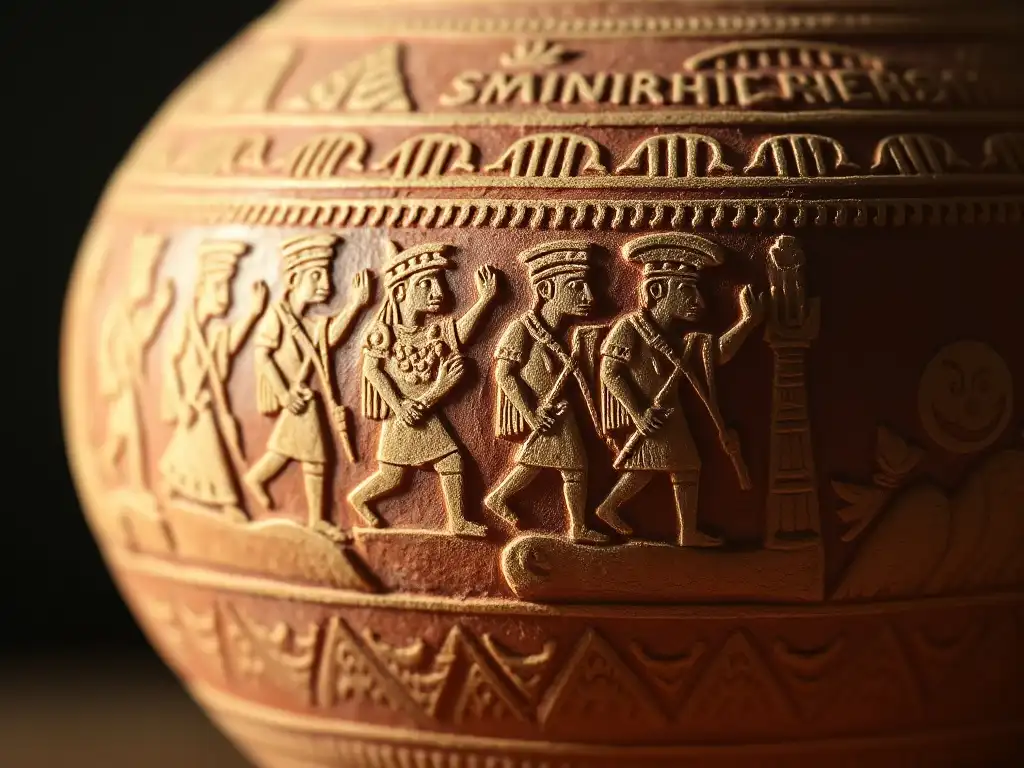
The Moche civilization, flourishing along the northern coast of Peru from approximately 100 to 800 CE, left behind a remarkable legacy: intricately crafted pottery that serves as a window into their complex society. While not strictly a "writing system" in the traditional sense, the Moche's sophisticated use of visual imagery on their pottery constitutes a powerful form of communication, meticulously documenting rituals, daily life, and the power structures of their world. Understanding the artisans responsible for this visual storytelling is crucial to interpreting the Moche's rich cultural tapestry.
The creation of these detailed ceramic narratives was not a casual undertaking; it was a specialized craft requiring significant skill, training, and likely a high social standing within Moche society. The Moche pottery writing system, while not alphabetic, conveyed a wealth of information through its highly developed iconography.
The Training and Status of Moche Artisans
The creation of Moche pottery, particularly the elaborately decorated pieces depicting scenes of ritual and daily life, demanded a high level of skill and precision. It's highly probable that Moche artisans underwent rigorous training, possibly within a specialized workshop or apprenticeship system. Evidence suggests a hierarchical structure within these artisan communities, with some individuals achieving master status and potentially enjoying elevated social positions.
The level of detail and consistency across numerous pieces points to a structured learning process, passed down through generations. Consider the intricate detail in depicting facial expressions, clothing, and even the texture of materials – this level of mastery couldn't have been achieved without dedicated training and practice. Furthermore, the sheer number of surviving pottery pieces indicates a significant workforce, possibly organized into guilds or specialized groups working under the patronage of the elite.
Unfortunately, [specific information on the social standing of Moche artisans pending], but the quality and quantity of their work strongly suggest a respected and potentially privileged role within Moche society. Further archaeological investigation is needed to fully elucidate the social structure and organization of Moche artisan workshops. The existence of standardized motifs and techniques further supports the idea of a formalized training system.
Techniques Used in Creating Moche Pottery and Their Depictions
Moche potters employed a range of sophisticated techniques to create their visually stunning ceramics. They primarily used a wheel-throwing method to shape the vessels, allowing for precise control and consistent forms. The clay itself was carefully selected and prepared, often incorporating various additives to improve its workability and durability. The artistry, however, lay in the painting and decoration.
Moche artisans used a variety of pigments, derived from natural sources like minerals and plants, to create a vibrant palette of colors. These pigments were applied with meticulous precision, often using fine brushes to render intricate details. The application of slip, a liquid clay mixture, provided a smooth surface for the pigments to adhere to. Many pieces demonstrate the use of negative space, carefully leaving areas unpainted to enhance the visual impact of the narrative.
The depictions themselves varied widely, ranging from scenes of daily life – such as fishing, agriculture, and feasting – to elaborate depictions of ritual ceremonies, warfare, and mythology. The consistent use of certain symbols and motifs, which can be considered a form of proto-writing within the Moche pottery writing system, allows scholars to interpret many of these scenes. For example, certain figures consistently represent deities, while others portray specific rituals or social roles.
The combination of these visual elements, meticulously rendered on the pottery surfaces, forms a rich and complex narrative that sheds light on the beliefs, practices, and social organization of the Moche civilization. The use of realistic anatomical details in the human and animal figures further enhances the power and impact of the visual storytelling.
The precision and artistry involved in creating these pieces underscore the sophisticated nature of Moche technology and artistic expression. The Moche pottery writing system, though non-alphabetic, effectively conveyed complex information through its highly developed visual language. Their legacy continues to fascinate and inspire researchers and art enthusiasts alike.
Documenting Rituals: Depictions of Moche Religious Practices
The Moche pottery writing system, while not a fully developed script in the same way as cuneiform or hieroglyphs, utilized intricate imagery to convey narratives, often focusing on religious rituals and beliefs. Analyzing these depictions provides invaluable insight into the complex spiritual world of the Moche civilization. The Moche people's religious practices were deeply intertwined with their daily lives, and their pottery serves as a powerful testament to this integration.
The level of detail in these ceramic representations, from the postures of figures to the specific offerings presented, suggests a highly ritualized society with carefully defined roles and beliefs. The Moche's artistic skill in depicting these scenes allows us to reconstruct their religious practices with a level of detail rarely seen in other ancient cultures.
The Importance of Sacrifice in Moche Beliefs
Sacrifice, both human and animal, played a central role in Moche religious beliefs. Pottery fragments frequently depict scenes of sacrifice, often showcasing elaborate ceremonies involving priests, victims, and specific ritual objects. These depictions aren't merely decorative; they're carefully staged representations of significant religious events. The meticulous detail, such as the expressions on the faces of the participants and the specific types of offerings presented (often including food, textiles, and precious metals), suggests that these ceremonies were highly structured and significant.
The frequency with which sacrifice is depicted in Moche pottery underscores its importance in their worldview. Analysis of these scenes reveals a complex interplay of power dynamics, religious authority, and community participation in these often gruesome rituals. Furthermore, the variations in the depiction of sacrifice across different Moche pottery pieces suggest a potential evolution or regional differences in their ritual practices.
For instance, some vessels depict seemingly voluntary sacrifices, while others show clear signs of coercion or violence. This variation indicates a nuanced understanding of Moche sacrificial practices, moving beyond simplistic interpretations of mere brutality. Further research into the specific iconography and contextual clues within these artistic representations is crucial to fully understand the multifaceted nature of Moche sacrifice.
Representations of Deities and Supernatural Beings in Moche Art
The Moche pantheon of deities and supernatural beings is vividly illustrated in their pottery. While a fully developed written language documenting their names and attributes is lacking, the iconography itself provides clues to their identities and roles within the Moche cosmology. Frequently depicted are anthropomorphic figures with distinct features, often associated with specific natural elements or phenomena.
For example, some deities are depicted with feline features, possibly representing a jaguar deity associated with power and the underworld. Others show avian attributes, suggesting a connection to the sky or celestial forces. The Moche skillfully conveyed power and status through artistic representation, with larger and more elaborately decorated vessels often portraying the most important deities.
The Moche pottery writing system, or rather, its visual storytelling, doesn't just depict individual deities; it also portrays interactions between them, suggesting a complex mythology with interwoven narratives. The relationships between these supernatural beings, as depicted in the pottery, likely reflected the social structures and power dynamics within Moche society. Furthermore, the contexts in which these deities appear—within scenes of sacrifice, feasts, or other rituals—provide valuable clues to their functions and roles in the Moche religious system.
Detailed studies of the visual language employed in depicting these figures are essential for a deeper understanding of Moche mythology and religious beliefs. The meticulous attention to detail in these representations suggests a deep-seated reverence for these supernatural beings, further highlighting the importance of religion in shaping Moche culture. The study of Moche pottery continues to reveal new insights into the rich tapestry of their beliefs and practices.
Daily Life Through Moche Eyes: Insights from Pottery Depictions
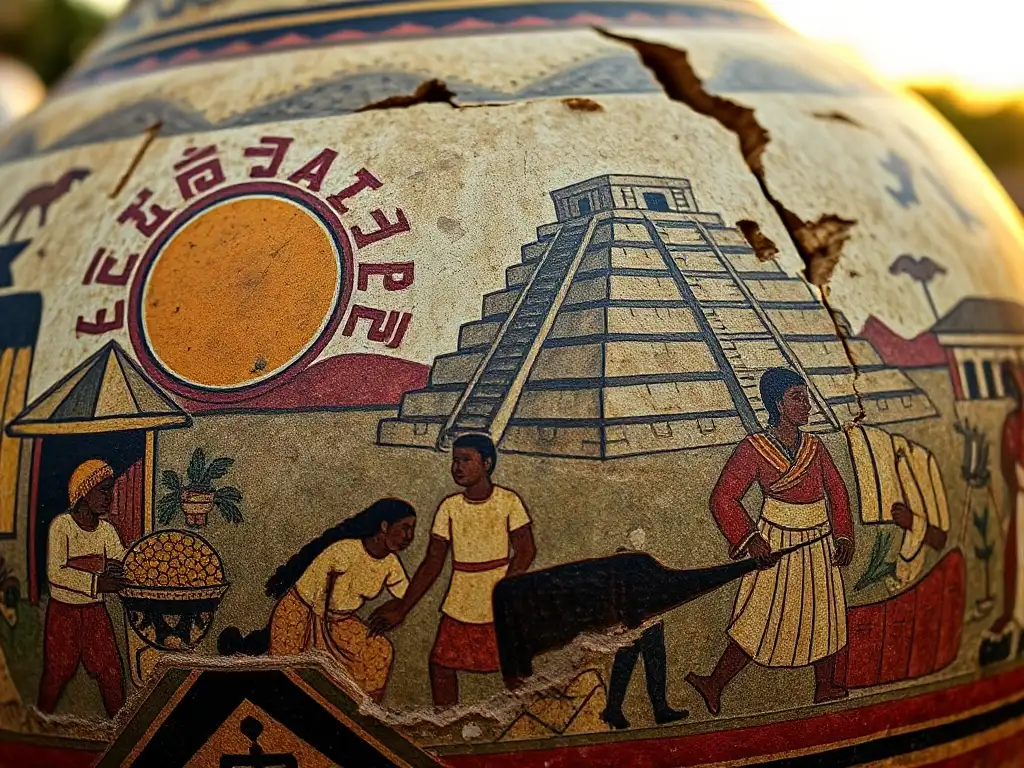
The Moche pottery writing system, while not a fully developed script like cuneiform or hieroglyphs, offers invaluable insights into the daily lives of this fascinating Andean civilization. Unlike purely narrative texts, the Moche utilized visual representations on their ceramics to convey a wealth of information about their society, beliefs, and everyday routines. Analyzing these intricate depictions provides a window into the social structures, economic activities, and religious practices of the Moche people.
The vibrant colors and detailed scenes on their pottery act as a visual chronicle, preserving aspects of their culture that might otherwise be lost to time. The artistry combined with the seemingly mundane details elevates these pieces beyond mere vessels; they become historical documents, conveying rich information about the Moche worldview. This section will explore some key aspects of daily Moche life as revealed through their stunning pottery.
Scenes of Agriculture, Fishing, and Hunting in Moche Visual Records
Moche pottery frequently showcases scenes depicting the vital economic activities of the time. Agriculture, fishing, and hunting were all crucial to Moche survival, and their importance is clearly reflected in the artistic representations found on their ceramics. Detailed depictions of agricultural practices, from the preparation of the land to the harvesting of crops, are common.
We see farmers using specialized tools, irrigation techniques, and even the careful cultivation of different crops, highlighting the sophisticated agricultural knowledge of the Moche. The precision of these depictions suggests a deep connection between the Moche and their environment, emphasizing the importance of agricultural success for the community's well-being.
Furthermore, the Moche's skill in fishing is evident in the many depictions of fishing boats, nets, and the various species of fish caught. These scenes are not merely decorative; they often show complex social interactions, with individuals working collaboratively in fishing expeditions. The presence of specific fish species in the artwork also provides valuable clues about the marine environment and the resources available to the Moche.
Hunting scenes are another recurring motif, illustrating the Moche's hunting techniques and the animals they hunted. These depictions offer insights into their hunting strategies, the tools they used, and the animals that formed part of their diet. The detail in these scenes, often showing the struggle between hunter and prey, underscores the importance of hunting in supplementing their food supply. The variety of animals represented also provides information on the biodiversity of the Moche region. Analyzing these visual records allows researchers to reconstruct a detailed picture of the Moche subsistence strategies and their relationship with the natural world.
Moche pottery doesn't shy away from depicting warfare, providing valuable insights into their military organization and social hierarchy. Elaborate scenes of battles, often featuring meticulously rendered warriors in elaborate headdresses and weaponry, are frequently found. The level of detail in these depictions, including weaponry, battle tactics, and even the emotional expressions of the warriors, is remarkable. These scenes suggest a well-organized military structure, with specialized units and sophisticated fighting techniques.
Moreover, the portrayal of warfare is not simply a display of military prowess; it is deeply intertwined with the Moche social hierarchy. The depiction of different types of warriors, their attire, and their positions within the battle scenes reveals a complex social structure, with clear distinctions between elites and common soldiers. Some pottery pieces show captured prisoners, suggesting the practice of human sacrifice, a practice deeply embedded in Moche religious beliefs.
The representation of rulers and elite figures on Moche pottery further illuminates the social hierarchy. These figures are often depicted in elaborate clothing, adorned with jewelry, and holding symbols of power. The size and prominence given to these figures in the compositions emphasize their elevated social status.
The contrast between the depictions of rulers and commoners provides valuable clues about the social stratification within Moche society. The careful observation of these details helps researchers understand the dynamics of power and the social structure within the Moche civilization, shedding light on the complex interplay between religion, politics, and daily life. The visual language of the Moche pottery serves as a powerful tool for uncovering their societal nuances.
The Legacy of Moche Artisans and Their Contribution to Andean History
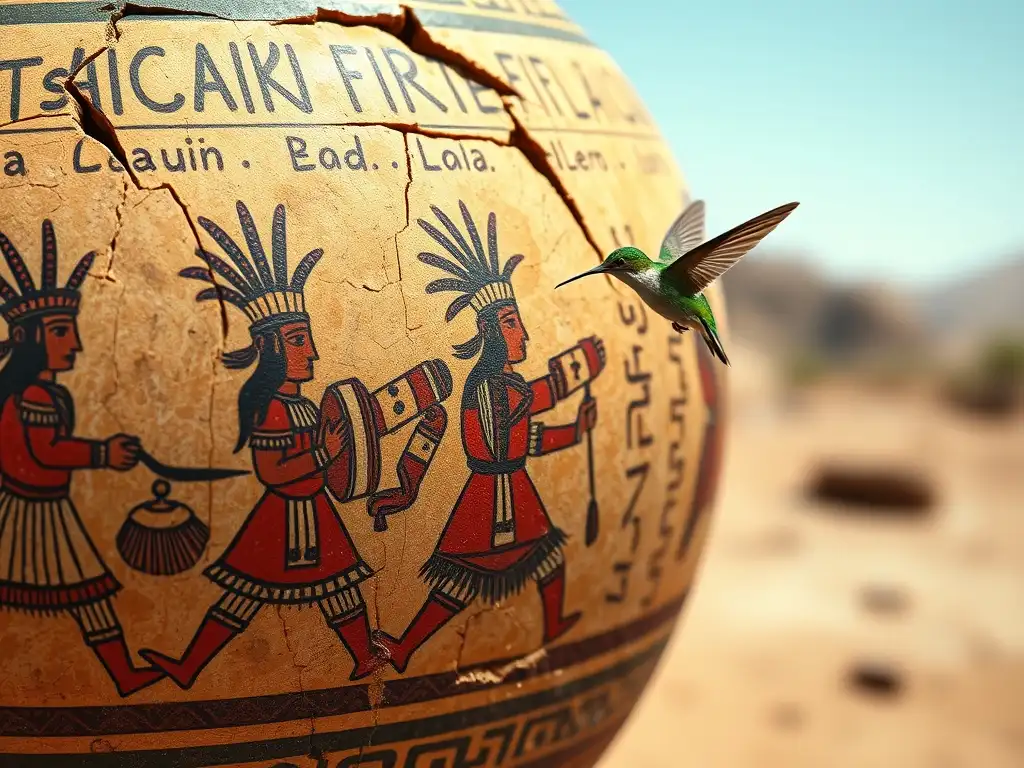
The Moche civilization (circa 100-800 CE), flourishing along the northern coast of Peru, left behind a remarkable legacy, significantly shaped by the skills and artistry of its artisans. Beyond their renowned metalwork and monumental architecture, the Moche are particularly celebrated for their sophisticated pottery, which serves as a primary source for understanding their complex society. This pottery, far from being merely decorative, incorporated a unique visual writing system, a crucial element of the Moche's sophisticated record-keeping system.
This Moche pottery writing system, though not fully deciphered, offers invaluable insights into their religious beliefs, social structures, and daily lives. The artisans' meticulous attention to detail, their mastery of diverse techniques (like modeling, painting, and the application of intricate designs), and their dedication to documenting their world through visual narratives cemented their role as vital contributors to Andean history. Their work provides a window into a vibrant culture that otherwise might have remained largely unknown.
The longevity and influence of their stylistic conventions are also evident in subsequent Andean cultures, demonstrating a lasting impact on the artistic and cultural landscape of the region. The sheer volume of surviving pottery, further emphasizes the importance placed on visual communication within Moche society.
The Importance of Moche Visual Record-Keeping for Understanding the Past
The Moche didn't possess a written language in the traditional sense, like the alphabet we use today. Instead, they relied heavily on visual representations, primarily through their intricate pottery, to chronicle their history, rituals, and daily activities. These weren't simple decorations; they were carefully crafted narratives. Depictions of rulers, ceremonies, warfare, agricultural practices, and even everyday scenes are all meticulously rendered on the vessels.
The level of detail is astonishing; some pieces showcase hundreds of individual figures engaged in various actions. This visual record-keeping provides invaluable information about Moche society that would otherwise be lost to time. For example, the depictions of elaborate ceremonies provide insights into their religious beliefs and practices. The portrayal of different social classes allows researchers to understand the hierarchical structure of Moche society.
The imagery relating to agriculture highlights the importance of this activity for their survival and prosperity. In essence, the Moche pottery writing system, with its incredibly detailed visual language, serves as a unique historical archive, profoundly enriching our understanding of this fascinating civilization. The careful study of this visual record allows us to piece together a more comprehensive picture of Moche life than would be possible from archaeological excavations alone.
Current Research and Interpretations of Moche Pottery
Current research on Moche pottery focuses on several key areas. Scholars are continually refining techniques for interpreting the visual narratives depicted on the vessels, seeking to understand the symbolism and meaning embedded within the imagery. This involves cross-referencing different pieces, comparing stylistic elements, and analyzing the context in which the pottery was found. Advanced imaging techniques are also being employed to analyze the pigments and materials used in the creation of the pottery, providing further insights into the artistic processes and the social organization of the artisans themselves.
The ongoing debate about the nature of the Moche pottery writing system remains central to this research. While some scholars argue for a more symbolic or iconic system, others suggest a higher degree of narrative complexity, potentially even approaching a form of proto-writing. The challenge lies in the lack of a Rosetta Stone equivalent—a text in a known language paired with its Moche equivalent—that could help decipher the visual language more definitively.
Nonetheless, painstaking analysis of recurring motifs, scenes, and stylistic elements continues to shed light on the Moche worldview and social structures, gradually unlocking the secrets embedded within these remarkable artifacts. The meticulous work of archaeologists and art historians continues to reveal new aspects of Moche culture, enriching our understanding of this vital period in Andean history. The ongoing research promises further exciting discoveries about the sophisticated visual language and the rich cultural heritage of the Moche people.
Conclusion: The Moche Artisans and Their Enduring Impact on Andean Civilizations
The Moche civilization, flourishing along the northern coast of Peru from approximately 100 to 800 CE, left behind a legacy far exceeding their impressive irrigation systems and monumental architecture. Their sophisticated understanding of the Moche pottery writing system, a complex pictorial language, provides invaluable insights into their worldview, social structures, and daily lives. The artisans who painstakingly crafted these ceramic vessels weren't merely potters; they were chroniclers, storytellers, and keepers of cultural memory.
Their skill in depicting scenes of ritual sacrifice, warfare, feasting, and everyday activities offers a uniquely intimate glimpse into a vanished society. The precision and detail evident in their work demonstrate a high level of artistic skill and a deep understanding of their own cultural significance. This meticulous documentation, preserved on fragile yet enduring ceramic surfaces, allows modern scholars to reconstruct aspects of Moche society that might otherwise remain forever lost to time.
The enduring impact of these artisans is undeniable; their pottery continues to captivate and inform, serving as a powerful testament to the creativity and ingenuity of the Moche people. The study of their Moche pottery writing system remains a vibrant field of research, constantly revealing new layers of understanding.
The Ongoing Study of Moche Pictorial Communication
The decipherment of the Moche pottery writing system is an ongoing process, fraught with challenges and complexities. Unlike the linear scripts of many other ancient civilizations, the Moche system relies heavily on pictorial representations, making interpretation nuanced and often open to multiple interpretations. Scholars meticulously analyze iconography, identifying recurring motifs and symbols, and comparing them across different vessels to establish patterns and potential meanings. Advances in digital imaging and analysis techniques have greatly assisted this research, allowing for high-resolution examination of even the smallest details on the pottery surfaces.
However, the lack of a Rosetta Stone-type artifact, a text with a known equivalent in another language, hinders the definitive cracking of the code. Nevertheless, significant progress has been made. Researchers have identified certain iconographic elements that appear consistently associated with specific activities, social classes, or mythological figures.
For example, the recurring depiction of specific types of headdresses can indicate social status, while scenes of elaborate rituals provide clues about religious beliefs and practices. The ongoing collaborative efforts of archaeologists, art historians, and linguists are gradually unveiling the secrets held within these intricate designs, enriching our understanding of the Moche's rich and complex culture. Further research, focusing on statistical analysis of iconographic frequency and distribution, promises to shed even more light on this fascinating communication system.
The Value of Moche Art as a Window Into a Lost World
The Moche's artistic achievements transcend their aesthetic value; they serve as a crucial window into a lost world. Their pottery doesn't just depict scenes; it narrates stories, revealing social hierarchies, religious beliefs, and daily routines. Unlike written historical accounts, often biased or incomplete, the Moche pottery writing system offers a more direct, albeit visual, record of their lives.
For instance, depictions of elaborate funeral ceremonies, featuring sacrifices and elaborate grave goods, provide detailed insights into their funerary rituals and beliefs about the afterlife. Similarly, scenes of warfare and conquest illuminate their military organization and strategies, while depictions of agricultural practices reveal their sophisticated understanding of irrigation and farming techniques. The detailed portrayal of everyday life—fishing, weaving, pottery making—gives us a tangible sense of the rhythms and activities that structured their society.
The sheer volume of surviving Moche pottery, coupled with the remarkable level of detail in the artistic representations, makes their art an unparalleled source of information about their culture. By studying their art, we gain a richer, more nuanced understanding of the Moche civilization than would be possible through textual sources alone. The Moche artisans, through their skillful hands and insightful artistic choices, have bequeathed us an invaluable legacy: a visual encyclopedia of a remarkable ancient civilization.
Frequently Asked Questions
Did the Moche have a writing system like the Inca?
No, the Moche did not have a writing system in the same way as the Inca. While they didn't use alphabetic script, they did convey information through elaborate iconography and imagery found on their pottery and textiles.
What kind of information is depicted on Moche pottery?
Moche pottery often depicts scenes of daily life, religious rituals, and mythological figures. These images provide valuable insights into their society and beliefs, acting as a visual record.
How does Moche pottery help us understand their culture?
The detailed imagery on Moche pottery offers a unique window into their social structures, religious practices, and artistic abilities. It's a primary source for understanding their worldview.
Is there a deciphered "Moche writing system"?
There is no deciphered written language associated with the Moche. The complex iconography on their pottery is still being studied and interpreted, but it hasn't yielded a system of written communication.
Why is Moche pottery considered so significant?
Moche pottery is exceptionally significant due to its remarkable artistry, detailed depictions of life, and its role as a primary historical source. It offers unparalleled insight into this fascinating civilization.
Final Reflection: Unlocking the Whispers of the Moche
The intricate artistry of Moche pottery, far from being mere decoration, serves as a vital window into a sophisticated civilization that thrived centuries ago. These painted narratives, meticulously preserved across millennia, continue to challenge and inspire our understanding of pre-Columbian societies, offering invaluable insights into their complex social structures, religious beliefs, and daily lives. The decipherment, or even partial understanding, of their writing system holds the key to unlocking even more profound secrets.
The enduring legacy of the Moche scribes is a testament to the power of visual communication to transcend time and cultural barriers. Their work continues to resonate with us today, prompting ongoing research and inspiring new interpretations. The past is never dead. It's not even past.
- William Faulkner. This quote perfectly encapsulates the ongoing relevance of the Moche's artistic and written legacy; their stories, though ancient, remain profoundly alive in the artifacts they left behind, demanding our attention and careful study. The ongoing efforts to understand their writing system are not merely academic exercises, but a vital act of cultural preservation and appreciation.
Consider the implications of fully understanding the Moche writing system. Imagine the wealth of knowledge we could gain about their worldview, their political systems, and the intricacies of their daily lives. You, the reader, are now part of this ongoing conversation.
Take a moment to reflect on the power of visual communication and its capacity to transmit knowledge across vast stretches of time. Engage with the surviving artifacts, support ongoing research, and consider how we can better preserve and interpret the rich cultural heritage of past civilizations for future generations. Let the whispers of the Moche scribes inspire you to seek out and appreciate the stories hidden within the world around you.
Unveil the Secrets of Moche Life Today!
Thank you for exploring the fascinating world of Moche scribes and their crucial role in documenting daily life and rituals. Your interest in this rich history highlights the incredible impact of these ancient records on our understanding of Andean civilizations. Let's delve even deeper!
Here's how you can actively engage with these remarkable insights:
- Dive deeper into Moche history by exploring related articles and resources on our website. Share your newfound knowledge and help spread awareness of their story!
- Join our community! Connect with fellow history enthusiasts through our forums and social media. Share your thoughts and discover new perspectives on Andean cultures.
- Document your own journey by creating a blog or social media series about your favorite ancient civilization. Share your passion and explore the wonders of the past with others!
What aspect of Moche life most captivates you, and how might you explore it further in your research or creative projects? Share your ideas below!