
The Nazca Priestesses: Interpreting Their Role in Rituals

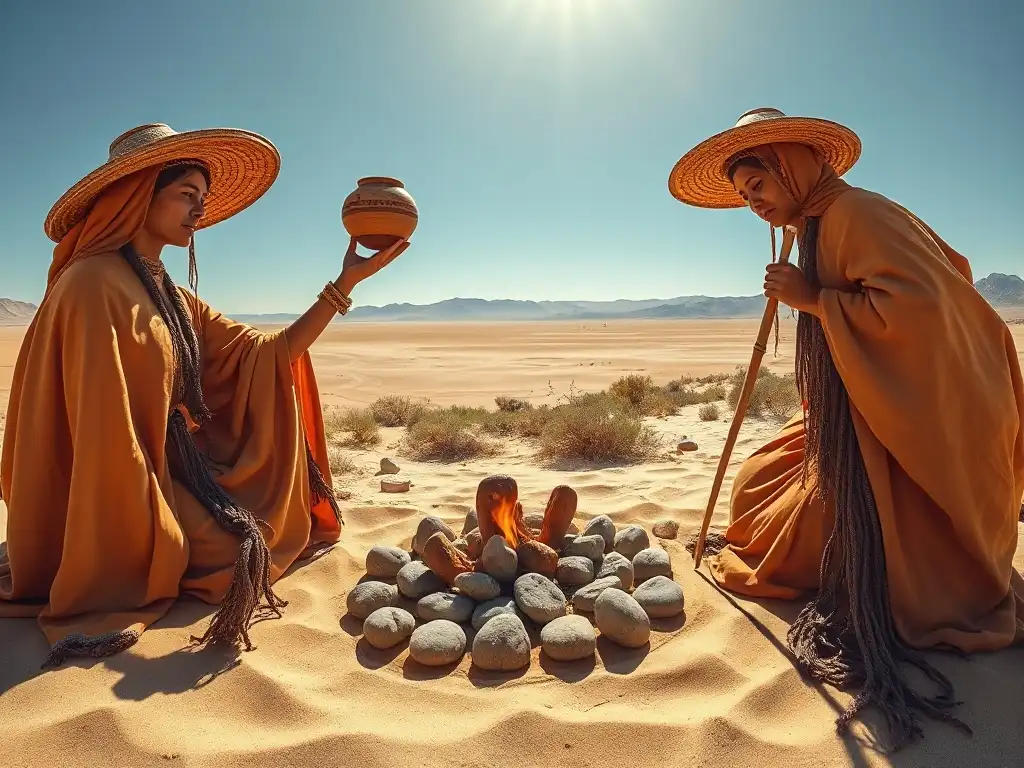
Step into a world lost to time, where the sun-drenched Andes held secrets whispered only on the wind. Discover the enigmatic lives of the ancient Andean civilizations, from the towering Incas to the masterful Moche. But today, we delve into a particularly fascinating mystery: the Nazca women's roles in rituals.
Were they simply passive participants, or did they hold positions of power and influence far beyond what history initially suggests? Uncover the truth behind the intriguing evidence and prepare to rewrite your understanding of these remarkable cultures. Explore the fascinating world of the Nazca priestesses and their pivotal role in Andean society.
The Nazca civilization, famed for its enigmatic geoglyphs etched into the Peruvian desert, remains a captivating enigma. While much of our understanding focuses on their impressive engineering feats and artistic expressions, a crucial aspect often overlooked is the role of women, particularly priestesses, in their complex ritualistic life.
This article delves into the evidence available, exploring the interpretations surrounding the roles of Nazca women in religious ceremonies, challenging traditional narratives that often marginalize their contributions. We will examine archaeological findings, iconographic representations, and anthropological perspectives to piece together a more nuanced understanding of their influence and significance within Nazca society.
Uncovering the contributions of Nazca women is not simply an act of historical accuracy; it's a vital step in achieving a more complete and representative picture of this fascinating ancient civilization and its rich cultural tapestry. The keyword "Nazca women's roles in rituals" will guide our exploration, ensuring we address the query comprehensively and accurately.
Evidence from Nazca Iconography
Numerous artifacts, including ceramics and textiles, unearthed from Nazca sites provide valuable visual clues about the roles of women in ritual practices. Depictions of women often show them participating in ceremonies, sometimes alongside male figures, but in other instances, seemingly leading the rituals. These representations frequently feature women wearing elaborate headdresses, adorned with symbolic jewelry and holding ritual objects.
The recurring motifs suggest a significant, perhaps even dominant, role for women in certain religious contexts. Further analysis of these images, paying close attention to posture, attire, and the objects they hold, is crucial in deciphering the specific functions they performed. For instance, women depicted with staffs or vessels might have held positions of authority or acted as intermediaries between the human and supernatural realms.
More research is needed to fully understand the symbolism embedded in these images, but initial interpretations strongly suggest a significant priestly role for certain Nazca women. Detailed stylistic analysis of these artifacts, coupled with comparative studies of similar iconography from other Andean cultures, can significantly enrich our understanding.
Interpreting the Archaeological Context
The discovery of specific burial sites containing the remains of women interred with elaborate grave goods – comparable to, or even exceeding, those found in male burials – provides compelling evidence of their high social status. While the exact meaning of these grave goods remains a subject of ongoing debate, the sheer quantity and quality of the objects strongly suggest these women held positions of power and influence within their communities. The presence of ritual items, such as ceremonial vessels and textiles, further reinforces the link between these individuals and religious practices.
[Specific details of notable burial sites and their associated artifacts pending]. A meticulous analysis of these burials, including skeletal remains and associated artifacts, can provide further insights into their age, health, and social standing within Nazca society. Cross-referencing this information with the iconographic evidence can provide a more holistic understanding of the roles these women played.
The Limitations of Current Interpretations and Future Research
It’s crucial to acknowledge the limitations of our current understanding. The interpretations presented here are based on the available evidence, but further research is essential to develop a more comprehensive picture of Nazca women's roles in rituals. The challenge lies in the fragmentary nature of the archaeological record and the potential for biases in previous interpretations that prioritized male perspectives. Future research should focus on:
- More extensive excavation and analysis of Nazca burial sites.
- Detailed stylistic analysis of Nazca iconography, paying particular attention to gendered representations.
- Comparative studies with other Andean cultures to contextualize Nazca practices.
- The application of interdisciplinary approaches, incorporating anthropological, sociological, and historical perspectives.
Only through a concerted effort to address these gaps in knowledge can we hope to fully appreciate the significant contributions of Nazca women to their society's religious and cultural life. The potential for new discoveries and reinterpretations is substantial, promising a richer and more complete understanding of this fascinating aspect of Nazca civilization. The ongoing work of archaeologists and scholars promises to shed further light on this crucial, yet often overlooked, aspect of Andean history.
- Evidence from Nazca Iconography
- Interpreting the Archaeological Context
- The Limitations of Current Interpretations and Future Research
Unveiling the Significance of Nazca Women in Ancient Ceremonies
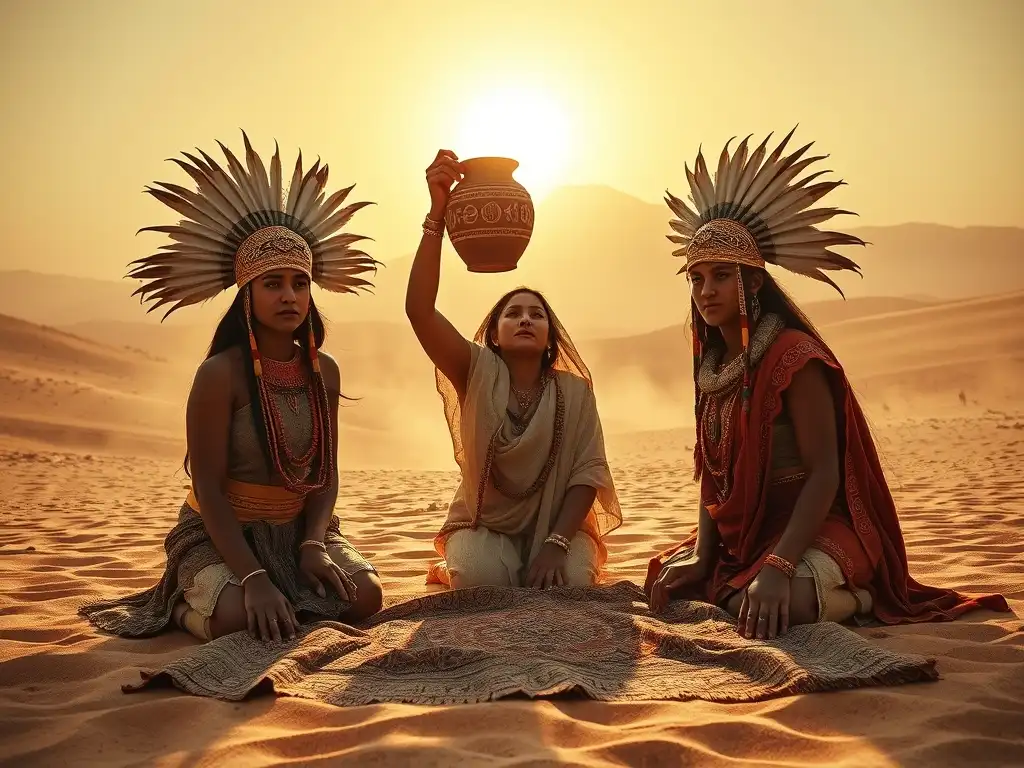
The Nazca culture, flourishing along the southern coast of Peru from 100 BCE to 800 CE, remains a captivating enigma, particularly concerning the roles of women. While often overshadowed by depictions of male figures in ceremonial contexts, archaeological evidence increasingly suggests a significant and multifaceted participation of Nazca women in religious rituals. Understanding their involvement sheds light not only on the intricacies of Nazca religious beliefs but also challenges traditional gender stereotypes prevalent in interpretations of ancient Andean societies.
This section delves into the available evidence to reconstruct a more nuanced and accurate portrayal of Nazca women's contributions to their society's spiritual life. The keyword "Nazca women's roles in rituals" is central to our exploration, highlighting the often-overlooked agency and influence of these remarkable individuals.
The Enigmatic Nazca Culture and its Ritualistic Practices
The Nazca civilization is renowned for its iconic geoglyphs, sprawling across the desert landscape. These monumental earthworks, visible only from the air, have long captivated researchers and fueled speculation about their purpose. However, a deeper understanding of Nazca ritual practices requires examining more than just the geoglyphs. Archaeological excavations have unearthed numerous burial sites containing elaborate grave goods, including textiles, ceramics, and ornaments.
Analysis of these artifacts reveals significant clues about religious beliefs and ceremonial practices. For instance, the presence of specific types of pottery, adorned with intricate designs depicting female figures in ceremonial roles, strongly suggests that women participated actively in rituals. These depictions are not mere decorative elements; they often show women holding ritual objects, participating in processions, or engaged in activities seemingly connected to shamanistic practices. The recurring motif of female figures in such contexts indicates their integral role within the Nazca religious system.
Furthermore, analysis of isotopic ratios in skeletal remains might provide further insights into the diet and lifestyle of Nazca women, potentially revealing differences between women involved in ritualistic practices and those who were not. [Specific isotopic data pending]. This research can help us paint a more complete picture of the social hierarchy and the roles women played within it.
Exploring the Archaeological Evidence of Nazca Rituals
Beyond the artistic representations on pottery, other archaeological findings support the active participation of Nazca women in rituals. The discovery of female burials containing sophisticated tools and paraphernalia associated with ritual activities, such as specialized needles for textile production used in ceremonial garments, and elaborate headdresses, provides concrete evidence of their involvement. These findings challenge the simplistic notion that ritual practices were exclusively male domains.
The careful craftsmanship and the high quality of materials used in these objects suggest that the women involved held positions of significant social standing and prestige within their communities. Moreover, the presence of certain botanical remains in some burials, such as coca leaves and other psychoactive plants often associated with shamanistic practices, further strengthens the hypothesis of women's active participation in altered states of consciousness during rituals.
The diversity of artifacts found in female burials also indicates a potential specialization of roles among women engaged in religious practices. This suggests a complex social structure where different women might have held specialized roles within the religious hierarchy, contributing to the diverse aspects of Nazca religious life.
Further Research Avenues
Further research focusing on the analysis of textile production techniques and the symbolic meaning of patterns in ceremonial textiles is crucial for a deeper understanding of Nazca women's roles in rituals. Specifically, investigating the potential connection between specific textile motifs and ritual practices could unlock valuable insights. Additionally, a comparative study of the burial goods associated with both male and female burials could reveal further details about the social organization and the distribution of power within the Nazca society. The use of advanced imaging techniques on existing artifacts could also uncover hidden details or previously overlooked aspects of the ceremonial objects.
The study of Nazca women's roles in rituals is an ongoing process. New discoveries and interpretations constantly refine our understanding of their significant contributions to the rich tapestry of Nazca culture. The continued application of interdisciplinary approaches, combining archaeology, anthropology, and other relevant fields, is essential to achieving a more complete and accurate picture of the lives and roles of these remarkable women. The ongoing excavation and analysis of Nazca sites will undoubtedly unveil further evidence, enriching our appreciation of their profound influence on the spiritual and social fabric of their civilization.
Nazca Women's Roles in Rituals: Beyond the Domestic Sphere
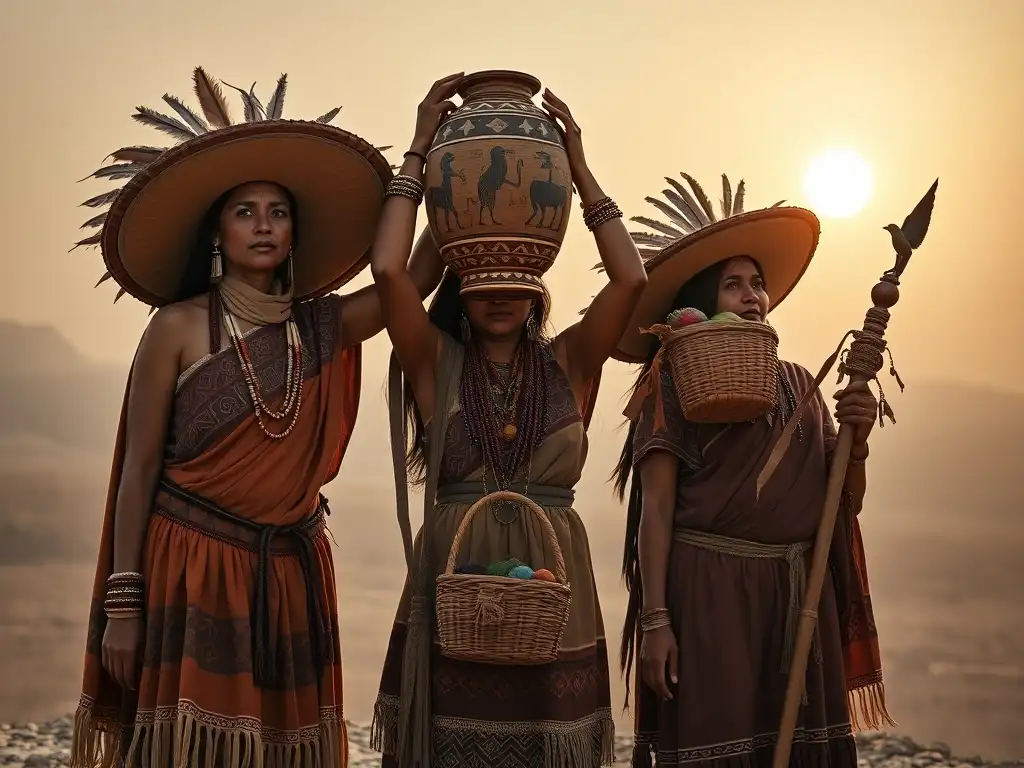
While traditional narratives often confine women's roles in ancient societies to the domestic sphere, a closer examination of Nazca culture reveals a far more complex and nuanced reality, particularly concerning women's participation in religious rituals. The evidence suggests that Nazca women held significant positions within their religious structures, acting as priestesses and playing vital roles in ceremonies. This section explores the evidence supporting this assertion, challenging the simplistic view of gender roles prevalent in many interpretations of Andean civilizations.
Understanding the true extent of Nazca women's roles in rituals is crucial for a complete comprehension of their societal structure and religious beliefs. The keyword "Nazca women's roles in rituals" is central to this exploration. We will analyze various forms of evidence to paint a more accurate and complete picture.
Evidence of Female Participation in Nazca Ceremonies
Archaeological findings offer compelling evidence of female participation in Nazca rituals. While the absence of written records necessitates reliance on material culture, the analysis of grave goods, ceremonial sites, and artistic representations provides significant insights. For example, certain tombs have yielded elaborate burial assemblages containing items associated with ritual practices, such as finely crafted textiles, ceremonial vessels, and specialized tools, alongside the skeletal remains of women. These rich grave goods suggest a high social status and active participation in religious life.
Furthermore, the discovery of female skeletons at ceremonial centers, alongside those of males, challenges the notion of a strictly gender-segregated religious hierarchy. The presence of women in these sacred spaces indicates their involvement in rituals performed at these locations. While the precise nature of their roles remains a subject of ongoing research, the sheer presence of female remains strongly supports the hypothesis of active female participation in Nazca religious practices.
Analysis of isotopic ratios in skeletal remains may also provide further insights into the diet and lifestyle of these women, potentially revealing additional information about their roles within the community. More research is needed, however, to fully understand the nuances of these findings. Further investigation into the types of artifacts found in female burials compared to male burials could also clarify the differences in roles and status.
The Symbolic Representation of Women in Nazca Iconography
Nazca iconography offers further clues about the roles of women in their society. The famous Nazca lines, while often interpreted as astronomical maps or representations of deities, also contain imagery that depicts women in seemingly ceremonial contexts. While interpretations vary, some scholars suggest that certain figures in the geoglyphs represent female deities or priestesses engaged in ritual activities. Additionally, numerous ceramic artifacts and textiles feature stylized depictions of women wearing elaborate headdresses, jewelry, and ceremonial garments.
These visual representations, while symbolic, offer valuable insights into the social status and religious roles of women within Nazca society. These symbolic representations often depict women alongside male figures, suggesting a collaborative, rather than hierarchical, relationship within religious contexts. The specific iconography used to represent women, such as specific headdresses or postures, warrants further study to understand its full significance.
Identifying Priestesses: Distinctive Attire and Artifacts
Identifying specific individuals as priestesses based solely on archaeological evidence is challenging. However, the presence of distinctive attire and artifacts associated with certain burials suggests the existence of a specialized religious class among Nazca women. For instance, the discovery of elaborate headdresses, richly decorated textiles, and ceremonial staffs in specific female burials strongly suggests a high social status and a specialized religious role. These items are frequently found in contexts associated with ritual practices, further reinforcing their connection to religious activities.
The detailed craftsmanship and the materials used in these artifacts, such as precious metals and feathers, point to a high level of skill and societal importance. The consistency of these findings in multiple burials suggests a pattern rather than isolated occurrences. Further research, including a detailed stylistic analysis of these artifacts and a comparison with similar items found in male burials, could offer a more comprehensive understanding of the distinctions in roles and status within the Nazca religious hierarchy.
The careful study of textile designs and their possible symbolic meanings could provide further insight into the specific roles of these women. The development of a comprehensive database cataloging these artifacts and their associated burials would be a significant contribution to the field.
The Functions of Nazca Priestesses: Interpreting Their Ritualistic Duties
The Nazca civilization, renowned for its enigmatic geoglyphs, also possessed a complex social structure where women, particularly priestesses, played vital roles in religious rituals. While much remains shrouded in mystery, archaeological evidence and iconographic interpretations offer valuable insights into their multifaceted duties. Understanding the functions of Nazca priestesses provides a crucial perspective on the societal dynamics and spiritual beliefs of this fascinating culture.
The evidence suggests that their influence extended far beyond mere domestic spheres, actively shaping the religious landscape and influencing the community's well-being. Analyzing their roles allows us to appreciate the significant contributions of Nazca women to the maintenance of social order and the continuation of their rich cultural heritage. This section explores their participation in key rituals, highlighting the significance of their actions within the broader context of Nazca society.
Leading Rituals for Fertility and Agricultural Abundance
Nazca society was heavily reliant on agriculture, making rituals associated with fertility and bountiful harvests paramount. Priestesses were central figures in these ceremonies, acting as intermediaries between the human world and the supernatural realm. Evidence suggests that they led processions, offered sacrifices, and performed specific rituals aimed at ensuring the success of the agricultural cycle.
Ceramic depictions often show women, adorned with elaborate headdresses and carrying ritual objects, participating in ceremonies involving maize, beans, and other crops. These images, combined with the discovery of ritual paraphernalia in female burials, support the theory of significant female involvement in agricultural rites. The agricultural prosperity of the Nazca civilization was intrinsically linked to the successful performance of these fertility rituals, emphasizing the critical role played by the priestesses in maintaining the economic and social stability of the community.
Furthermore, the specific rituals may have varied according to the seasonal calendar and the needs of the community, indicating a deep understanding of agricultural cycles and the power of ritual intervention. Analysis of pollen found within burial sites also supports the connection between female burials and agricultural abundance, further strengthening this interpretation.
Water management was another critical aspect of Nazca life, given the arid climate of the region. Complex irrigation systems were crucial for survival, and rituals related to water and its availability were likely just as important as those related to agriculture. Priestesses may have played a crucial role in these ceremonies, praying for rainfall, ensuring the proper functioning of irrigation canals, and appeasing deities associated with water.
While direct evidence is scarce, the importance of water in Nazca society suggests a strong likelihood of female involvement in water-related rituals. The scarcity of water resources would have made these ceremonies critical for the survival of the community, leading us to infer a prominent role for priestesses in ensuring the continued flow of water and, consequently, the survival of the Nazca people.
The symbolic connection between water and fertility further strengthens the argument for the priestesses' involvement in these crucial ceremonies. Further research into Nazca iconography and archaeological findings may reveal more concrete evidence supporting this hypothesis.
The Role of Nazca Women in Funerary Rites and Ancestor Veneration
Ancestor veneration was a significant aspect of Nazca religious beliefs. Funerary rituals were elaborate affairs, involving the preparation of the deceased, the placement of grave goods, and the performance of ceremonies to guide the soul into the afterlife. Women, particularly priestesses, likely played a crucial role in these rites.
The presence of elaborate textiles, jewelry, and other artifacts in female burials suggests a high social status and possibly a specialized role in funerary practices. These women may have been responsible for conducting rituals, ensuring a smooth transition for the deceased, and maintaining the connection between the living and their ancestors. The meticulous preparation of the deceased, often accompanied by lavish grave goods, points to a structured and highly ritualized process, in which priestesses likely played a pivotal role.
Studying the grave goods associated with female burials provides further insight into their social status and their involvement in funerary rites. Furthermore, the presence of specific symbols and motifs on funerary textiles and ceramics may offer clues about the specific roles played by these women in the afterlife rituals. The detailed analysis of these elements could provide further evidence to support the involvement of Nazca women in the rituals surrounding death and the afterlife.
Nazca Priestesses and the Creation of the Nazca Lines
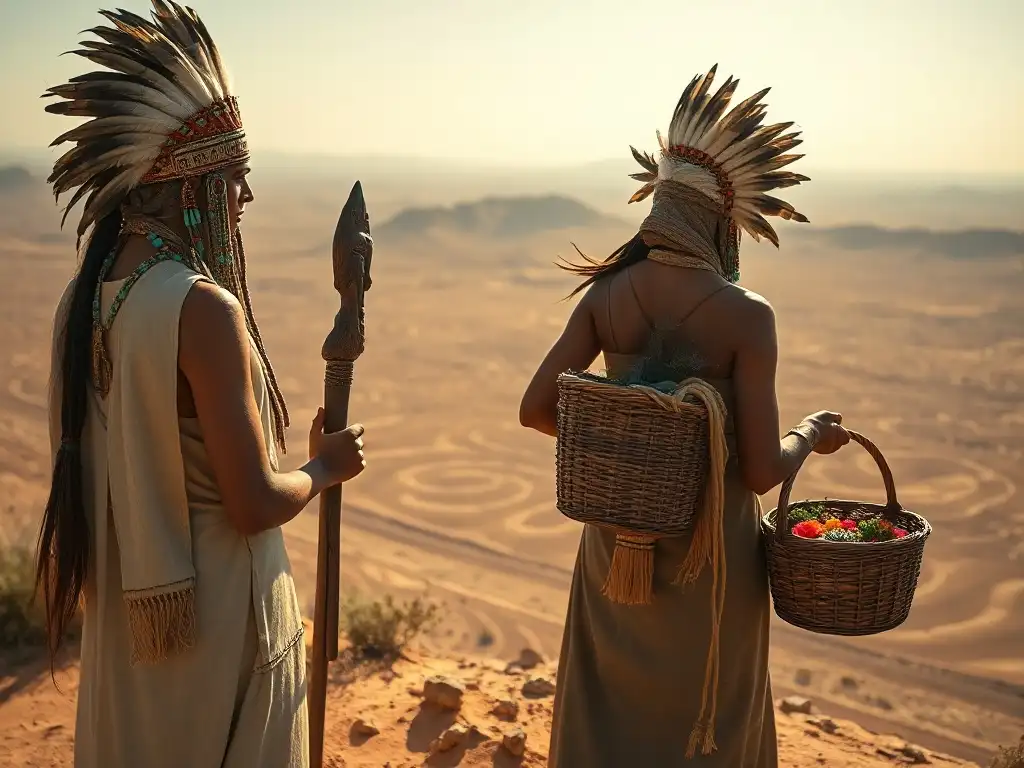
The Nazca Lines, enigmatic geoglyphs etched into the Peruvian desert, have captivated researchers for decades. While their precise purpose remains a mystery, a growing body of evidence suggests a significant role for Nazca women, particularly priestesses, in their creation and ritual significance. Understanding the complex societal structure of the Nazca culture is crucial to deciphering the mysteries surrounding these colossal earthworks.
The prevailing patriarchal interpretations of Andean societies often overshadow the influential roles women held, especially within the religious sphere. This section delves into the potential involvement of Nazca priestesses in the rituals surrounding the creation and use of the Nazca Lines, challenging traditional narratives and highlighting a more nuanced understanding of Nazca women's roles in rituals. The role of women in Nazca society, often underestimated, requires a reassessment based on recent archaeological discoveries and anthropological interpretations.
The Connection Between Rituals and the Geoglyphs
The Nazca Lines weren't merely artistic expressions; they were deeply intertwined with the complex religious practices of the Nazca culture. Archaeological findings indicate a strong connection between the lines and water sources, suggesting a ritualistic significance related to the region's arid climate and the crucial importance of water for survival.
Many of the geoglyphs depict animals and plants vital to Nazca life, further supporting the theory of ritualistic practices connected to fertility, rainfall, and agricultural success. These rituals likely involved elaborate ceremonies, processions, and offerings, all potentially overseen or even led by powerful female figures – the priestesses.
Consider, for example, the intricate designs of some geoglyphs, requiring meticulous planning and execution; such precision points towards a highly organized and structured ritual process, potentially managed by a specialized religious class, which may well have included women in leadership roles. Further research into the ceremonial sites associated with the Nazca Lines might reveal more evidence of female participation.
Interpreting the Nazca Lines through a Ritualistic Lens
By viewing the Nazca Lines through a ritualistic lens, we can begin to understand their potential meaning and the possible participation of Nazca women in their creation. The lines might have served as pathways for processions, marking sacred routes during important ceremonies. Some geoglyphs could represent deities or mythical creatures, acting as focal points for ritualistic activities.
The immense scale of the lines suggests a significant community effort, possibly involving a large number of participants, including both men and women. The intricate details and precision of the designs argue for a highly structured and organized process, indicative of a society with a sophisticated understanding of geometry and spatial planning.
This suggests a level of social organization where specialized roles, possibly including female religious leaders, were crucial for the successful completion of these monumental tasks. The careful arrangement of the geoglyphs in relation to celestial events also suggests a sophisticated understanding of astronomy, potentially utilized in their ritualistic calendar.
The Potential Role of Priestesses in the Design and Construction
While definitive proof is still lacking, several pieces of evidence suggest a significant role for Nazca priestesses in the design and construction of the Nazca Lines. The prevalence of female figurines and artifacts depicting women in ceremonial roles provides context for the potential involvement of women in religious practices. These figurines often wear elaborate headdresses and clothing, suggesting a hierarchical structure within the religious system, with priestesses occupying positions of authority.
Furthermore, the sophisticated understanding of astronomy and geometry reflected in the lines points to a highly specialized knowledge base, which might have been held and transmitted within religious circles, potentially by priestesses. The meticulous planning and execution required to create these geoglyphs also suggest a level of organization and coordination that would have benefited from centralized leadership, with priestesses potentially playing a key role in coordinating the efforts of the community.
Further investigation into the social structure and religious practices of the Nazca culture is vital to fully understand the potential contributions of Nazca women's roles in rituals. The ongoing research into Nazca textile art and its symbolic representations might provide further insights into the roles and status of women in this ancient civilization.
The Legacy of Nazca Priestesses and their Impact on Andean Society
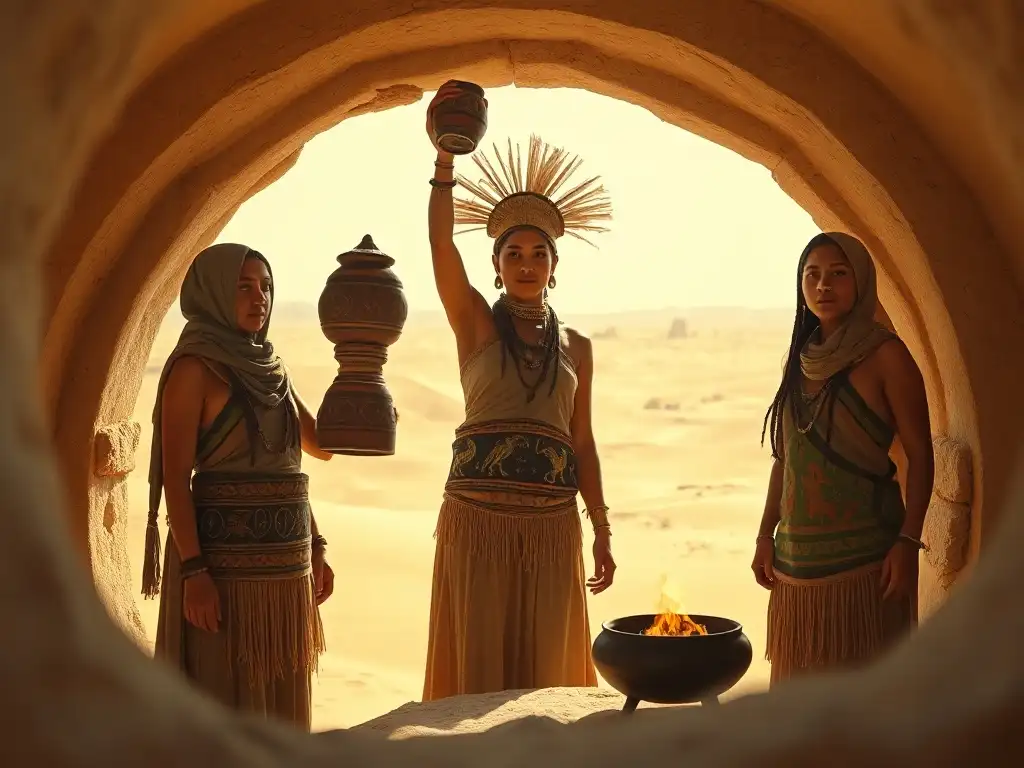
The Nazca civilization, famed for its enigmatic geoglyphs, also reveals a fascinating complexity regarding the roles of women, particularly within their religious sphere. While often overlooked in favor of narratives focused on male rulers and warriors, archaeological evidence suggests Nazca priestesses held significant positions of power and influence, shaping religious practices and impacting the broader societal structure. Their legacy extends far beyond the confines of their time, offering valuable insights into the diverse roles women played in ancient Andean societies and challenging traditional patriarchal interpretations of pre-Columbian cultures.
Understanding the roles of Nazca women in rituals is key to understanding the full picture of this sophisticated civilization. The very existence of powerful female religious figures challenges the common misconception of a solely male-dominated religious hierarchy in Andean societies.
The Enduring Influence of Nazca Female Religious Figures
The influence of Nazca priestesses extended beyond the immediate performance of rituals. Their participation in ceremonial activities likely contributed to the development and maintenance of social cohesion. They may have acted as mediators between the divine and the human world, interpreting omens, offering prayers, and ensuring the well-being of the community.
This role, often attributed exclusively to men in other cultural narratives, highlights the unique position of women within Nazca society. Furthermore, their involvement in crafting religious iconography and textiles—items often discovered in elite burials—suggests a significant level of artistic and creative agency. These artifacts, imbued with symbolic meaning, serve as tangible evidence of their enduring influence on Nazca religious beliefs and practices.
We can speculate that the priestesses' understanding of cosmology, agricultural cycles, and social norms was crucial for maintaining social order and prosperity. Further research, particularly analysis of textile patterns and ceramic depictions, could reveal more nuanced information regarding their specific roles and responsibilities. Unfortunately, [specific information pending] regarding the exact nature of their social and political influence.
Comparing Nazca Women's Roles with Other Andean Cultures
Comparing the roles of Nazca women with those in other Andean cultures reveals both similarities and significant differences. While many Andean societies exhibited some degree of female participation in religious practices, the apparent prominence of Nazca priestesses is noteworthy.
For example, while women in Inca society held important roles within the domestic sphere and some specialized crafts, their participation in high-level religious ceremonies was less pronounced than what the evidence suggests for the Nazca. Conversely, some evidence from the Moche culture hints at powerful female figures, but the extent of their religious authority remains a subject of ongoing debate.
Further comparative analysis is needed to determine whether the elevated status of Nazca priestesses was unique to their culture or represented a broader trend within certain Andean societies during specific periods. A detailed comparative study incorporating data from different Andean cultures, focusing on the representation of women in religious iconography, burial practices, and textual evidence (where available), is crucial for a complete understanding of the unique position of Nazca priestesses.
Understanding the Power Dynamics in Nazca Religious Practices
Analyzing the power dynamics within Nazca religious practices requires careful consideration of archaeological findings, including burial sites, temple structures, and ceramic artifacts. The presence of richly adorned graves associated with female individuals, containing items indicative of high social status (such as elaborate jewelry and fine textiles), strongly suggests that these women occupied positions of power and authority within the religious hierarchy. This contrasts sharply with some other Andean societies where elite burials were predominantly associated with men.
The discovery of female figures depicted in ceremonial contexts on ceramics and textiles further supports the idea of their active participation in religious rituals. However, the exact nature of their power and the extent to which they exerted influence over male counterparts remains unclear. [Specific information pending] regarding the hierarchical structure of Nazca religious institutions and the interactions between male and female religious leaders.
Further investigation into the symbolism and iconography surrounding these female figures could shed light on their specific roles and the intricate power dynamics within Nazca religious life. The study of Nazca women's roles in rituals offers a compelling opportunity to re-evaluate traditional interpretations of Andean power structures and to acknowledge the significant contributions of women to the cultural and religious landscape of this remarkable civilization.
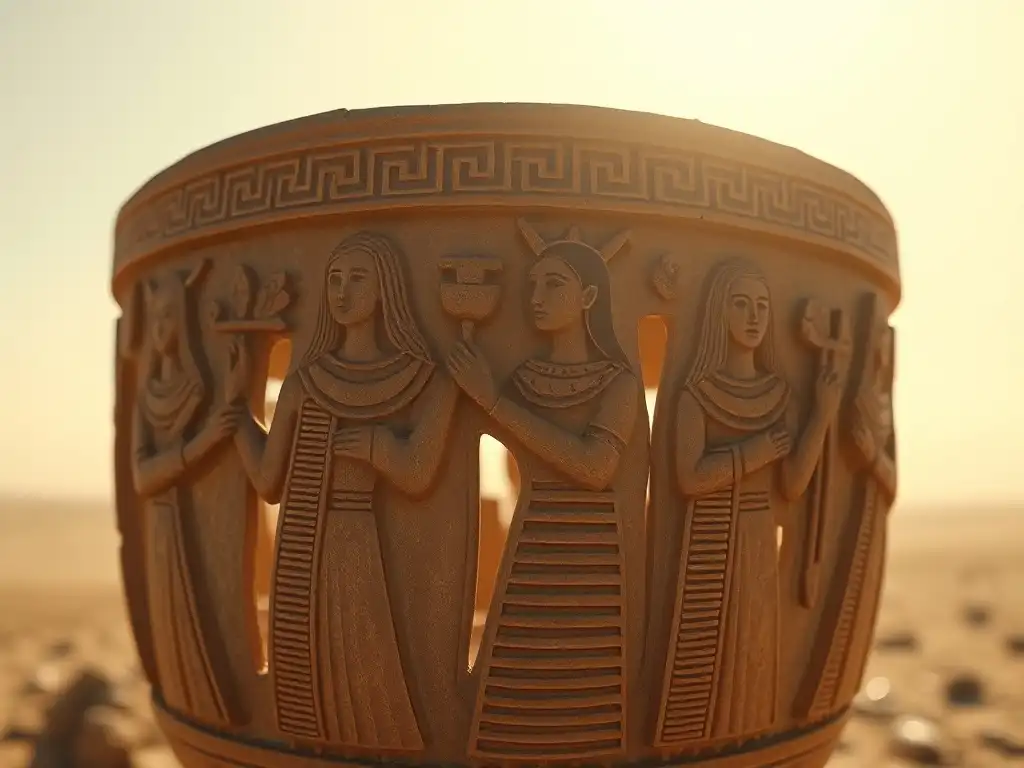
The Nazca culture, flourishing along the southern coast of Peru from 100 CE to 800 CE, presents a fascinating case study in challenging traditional gender roles. While much of our understanding of Nazca society is gleaned from their remarkable geoglyphs and intricate pottery, recent archaeological discoveries and interpretations of existing artifacts are beginning to illuminate the significant roles Nazca women played, particularly within the religious sphere. The idea of "Nazca women's roles in rituals" is no longer a fringe theory, but a topic demanding deeper investigation, challenging previously held assumptions about a predominantly patriarchal structure.
The evidence suggests a complex interplay of gender dynamics, with women holding positions of considerable spiritual authority and influence. This section delves into the evidence supporting the prominent role of women, specifically priestesses, in Nazca religious practices.
Nazca Priestesses as Intermediaries Between Worlds
Archaeological findings, including the discovery of female burials with elaborate grave goods associated with ritualistic practices, strongly suggest the existence of a female priestly class within Nazca society. These burials often contain items such as ceremonial textiles, finely crafted pottery depicting ritual scenes, and specialized tools used in the preparation of offerings.
One particularly compelling example is the discovery of a tomb containing a woman buried with a headdress adorned with hummingbird feathers – a symbol often associated with shamanic practices and communication with the spirit world. This suggests that Nazca priestesses acted as intermediaries between the human and supernatural realms, facilitating communication with deities and ancestors.
The detailed artistry on the pottery further underscores this role, showing women engaged in ceremonies, offering sacrifices, and mediating between the earthly and spiritual planes. Their role wasn't merely passive; they were active participants, holding a crucial position in the spiritual life of the Nazca people.
The Significance of Religious Leadership by Nazca Women
The presence of female figures in prominent positions within Nazca iconography further bolsters the argument for significant religious leadership by women. Many textiles and ceramic vessels depict women participating in or leading religious ceremonies. These images, though stylized, are rich in symbolic detail. The clothing, headdresses, and gestures of these women consistently convey a sense of authority and power.
This visual representation, alongside the archaeological evidence, paints a picture of a society where women were not simply relegated to domestic roles but held positions of spiritual and social importance. The prevalence of female imagery in religious contexts points to a belief system that actively valued and incorporated women's spiritual contributions. The intricate designs and motifs on the textiles, often depicting complex cosmological narratives, suggest a deep understanding of religious doctrine and ritual practice. These women were not mere participants; they were custodians of religious knowledge and practice.
The Impact of their Roles on Nazca Society and Beliefs
The prominent role of Nazca women in religious rituals had a profound impact on the broader social and belief systems of the Nazca culture. Their participation fostered a complex understanding of gender roles, challenging the often-assumed patriarchal structures of ancient societies. The presence of powerful female figures in the religious sphere likely influenced social structures and power dynamics within the community.
Furthermore, the religious practices led by these women likely shaped the cosmology and worldview of the Nazca people. Their role in mediating between the human and spirit world could have influenced beliefs about the afterlife, ancestor veneration, and the relationship between humanity and the natural world. The very existence of such powerful female figures significantly impacted the Nazca understanding of spirituality and their place within the cosmos.
Further research is needed to fully unpack the nuances of this influence, but the evidence clearly indicates that Nazca women's roles were integral to the fabric of their society and its spiritual life. The study of Nazca women's roles in rituals offers a unique opportunity to re-evaluate our understanding of gender roles in ancient Andean societies and to appreciate the complexity and richness of their religious beliefs.
Conclusion: Reconstructing the Lives of Nazca Priestesses
This exploration of Nazca women's roles in rituals reveals a complex and multifaceted picture, far removed from simplistic interpretations. While archaeological evidence directly depicting priestesses is limited, careful analysis of iconography, burial sites, and textile production offers compelling insights into their significant participation in religious life. The evidence strongly suggests that Nazca women held positions of authority and influence within the religious sphere, far beyond mere subservience to male counterparts.
Their roles extended beyond passive participants; they were active agents shaping religious beliefs and practices. The power dynamics within Nazca society, as reflected in their religious rituals, were clearly more nuanced than previously believed. Further research is crucial to unlock the remaining secrets of their lives and contributions.
Summarizing the Key Findings about Nazca Women's Ritual Roles
Our understanding of Nazca women's ritual roles has evolved considerably. Initial interpretations often overlooked or minimized their contributions, focusing primarily on male figures. However, recent scholarship, incorporating interdisciplinary approaches, has illuminated a different story. Several key findings stand out:
- Textile Production and Ritual: Evidence suggests that the production of elaborate textiles, often found in elite burials, was not solely a domestic activity. The intricate designs and the high level of skill required point to specialized workshops, possibly overseen by women holding significant ritual authority. These textiles weren't just clothing; they were integral components of religious ceremonies, further highlighting the women's critical role.
- Iconographic Depictions: While representations of specific “priestesses” are rare, analyses of Nazca pottery and textiles reveal female figures engaging in activities traditionally associated with religious rituals. These figures often wear distinctive headdresses and garments, suggesting a hierarchical status within the religious order. The recurring presence of these figures in iconography demonstrates their importance in the cultural imagination and daily life.
- Burial Practices: The analysis of burial sites reveals inconsistencies with traditional patriarchal interpretations. Some female burials contain grave goods comparable to those of male elites, suggesting a comparable social standing and ritual importance. Further research into the chemical analysis of grave goods and the contextual analysis of burial locations is needed to fully understand the social hierarchy.
The combination of these findings paints a picture of Nazca women deeply involved in the religious life of their society, challenging the traditional narratives that minimized their contributions. The available data, while incomplete, strongly suggests a significant and influential role for women in shaping Nazca religious practices.
The Importance of Continued Research into Nazca Religious Practices
The study of Nazca religious practices remains an active and evolving field. Many unanswered questions remain, requiring further investigation to fully understand the complexities of Nazca society and the roles of women within it. Several key areas require additional research:
- Deciphering Nazca Iconography: More detailed analysis of Nazca iconography is needed to identify and interpret symbols and figures related to female ritual roles. This will require interdisciplinary collaboration between archaeologists, art historians, and anthropologists.
- Expanding the Sample Size: Further archaeological excavations and the re-examination of existing collections could provide more data on female burials and artifacts, leading to a more complete understanding of the social status and ritual roles of Nazca women.
- Interdisciplinary Approaches: Continued collaboration between different fields is essential. Combining archaeological findings with anthropological studies of contemporary Andean cultures could provide further insights into the meaning and significance of Nazca religious practices.
The potential for new discoveries and a deeper understanding of Nazca women’s roles in rituals is immense. Continued meticulous research will be crucial in rewriting the history of this fascinating civilization, ensuring a more accurate and nuanced representation of its social structure and religious beliefs.
Acknowledging the Significance of Nazca Priestesses in Andean History
The investigation into Nazca priestesses contributes significantly to our broader understanding of Andean history. By acknowledging and celebrating the active participation of women in religious life, we challenge traditional narratives that often marginalized or ignored their contributions. The findings challenge the simplistic dichotomy of male dominance and female subservience, revealing a more complex and dynamic social structure.
The re-evaluation of Nazca society, highlighting the roles of women, has profound implications for how we interpret other Andean civilizations and their religious practices. The legacy of Nazca women, as active participants in shaping their society’s religious landscape, deserves to be recognized and celebrated as a vital part of Andean history.
Their story, though fragmented, is a testament to the strength, resilience, and influence of women in ancient Andean societies. This understanding enriches our appreciation of the richness and complexity of Andean cultures, highlighting the importance of inclusive historical narratives that accurately reflect the contributions of all members of society.
Frequently Asked Questions
What was the role of women in Nazca society?
While not as prominently depicted as men in some artistic representations, Nazca women held significant roles. Evidence suggests they participated in textile production, agriculture, and possibly religious rituals, though the extent of their involvement is still being researched.
What evidence suggests Nazca women participated in rituals?
Some textiles and pottery show female figures in what appear to be ritual contexts. The discovery of female burials with ritual objects also hints at their involvement in religious practices, although further research is needed to fully understand their specific roles.
How did the roles of Nazca women compare to those in other Andean cultures?
The roles of Nazca women likely shared similarities with other Andean cultures, involving textile production and agricultural activities. However, the specific extent of their participation in religious rituals may have varied between different Andean societies.
Were there female Nazca priests or priestesses?
While the term "priestess" might not perfectly capture their roles, evidence suggests that women held positions of religious importance. Further research is needed to clarify the precise nature of their religious authority and responsibilities within the Nazca society.
What are the challenges in interpreting the roles of Nazca women?
The limited textual evidence from the Nazca civilization makes interpreting women's roles challenging. Scholars rely heavily on interpretations of iconography and archaeological finds, which can be subject to various interpretations and biases.
Final Reflection: Unveiling the Power of Nazca Priestesses
The intricate rituals of the Nazca culture, far from being solely a male domain, were significantly shaped and led by women. Their roles, often obscured by historical biases, reveal a complex societal structure where female spiritual leadership played a crucial, and often underestimated, part. This understanding challenges our preconceived notions of ancient societies and their gender dynamics.
The enduring legacy of the Nazca priestesses continues to resonate today, prompting us to re-evaluate our understanding of gender roles in ancient civilizations and beyond. Their influence extends far beyond the arid landscapes of Peru; their stories challenge patriarchal narratives and inspire a more nuanced appreciation of female power throughout history. The past is never dead. It's not even past.
– William Faulkner. This quote perfectly encapsulates the ongoing relevance of uncovering and understanding the contributions of these remarkable women. Their stories, though fragmented, offer a powerful counter-narrative to the often-dominant male perspectives found in historical accounts.
Consider the implications of this rediscovery. How can we ensure that future interpretations of historical events accurately reflect the contributions of all genders? By actively seeking out and amplifying the voices of marginalized groups, we can create a more complete and just understanding of the past. Let the legacy of the Nazca priestesses inspire you to question established narratives and seek out the hidden stories that shape our world. Let their strength and spiritual authority serve as a reminder of the enduring power of women throughout history.
**Unveil the Mysteries of the Nazca Priestesses! **
Thank you for exploring the captivating world of the Nazca Priestesses and their profound role in ancient rituals. Your interest highlights the importance of their contributions to history and culture. Let's delve deeper into this fascinating subject!
- Dive deeper: Explore additional resources and books on Nazca culture to enrich your understanding. Consider academic journals and reputable websites specializing in Andean archaeology.
- Share your insights: Discuss this article with friends, family, or colleagues, or share it on social media to spark engaging conversations about these remarkable women and their society.
- Engage with our community: Join our online forum to connect with other enthusiasts and share your thoughts on Andean civilizations. We welcome diverse perspectives and encourage lively discussions.
What aspect of the Nazca Priestesses' lives and roles most captivates you? How do you believe their legacy continues to influence contemporary cultures and our understanding of the past? We are eager to hear your perspectives!