
The Wari Empire's Commanders: Architects of Andean Expansion

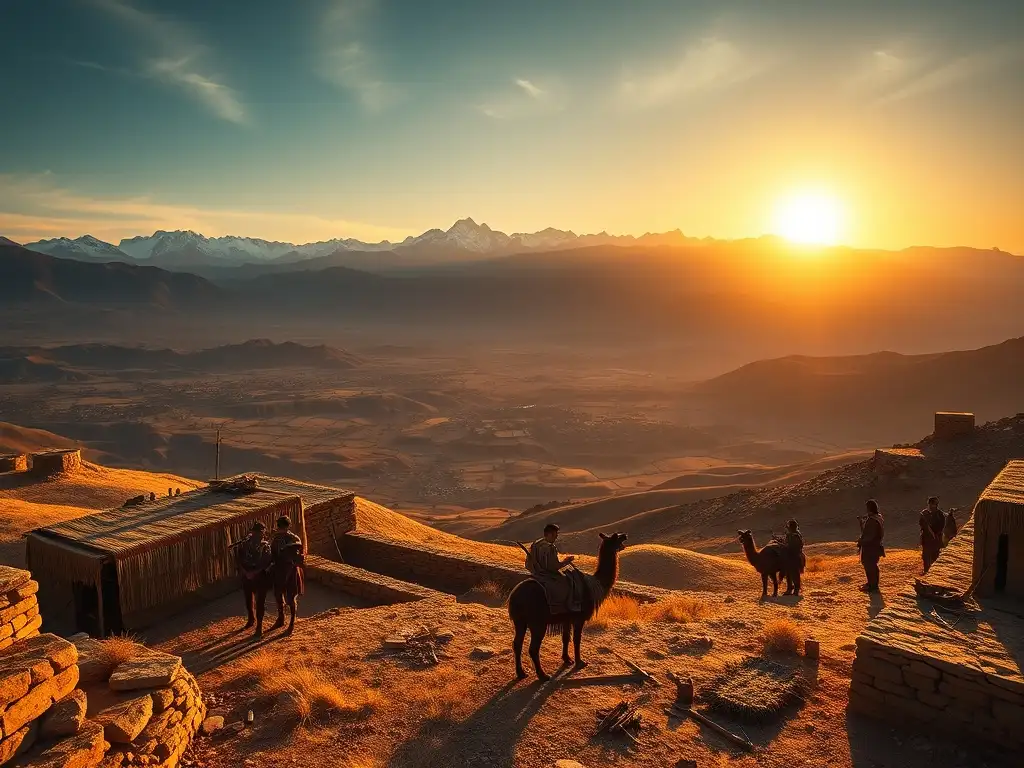
Unravel the mysteries of the Andes! Journey back in time to a world of towering empires and breathtaking ingenuity. For centuries, the Andean civilizations shaped the landscape – but how did they conquer such vast territories? Discover the secrets behind the Wari Empire's military strategies, a pivotal element in their remarkable expansion, and delve into the lives of the masterminds who orchestrated their dominance in our "Key Figures in Andean History" section. Prepare to be amazed.
The Wari Empire, a powerful pre-Columbian civilization that flourished in the Andes from approximately 600 to 1000 CE, left an indelible mark on the region's history. Its vast influence, stretching across a geographically challenging landscape, was not solely a product of sophisticated urban planning and agricultural techniques, but also a testament to its highly organized and effective military. This article delves into the crucial role of the Wari Empire's commanders – the architects of this Andean expansion – exploring their societal standing, strategic prowess, and the impact of their military strategies on the shaping of the Wari state.
We will examine how their leadership contributed to the empire's remarkable growth and enduring legacy, shedding light on the sophisticated military organization that underpinned Wari power and influence. Understanding Wari Empire military strategies is key to comprehending the rise and fall of this influential Andean civilization.
Introduction to Wari Military Leadership
The Wari military was not simply a fighting force; it was a complex, hierarchical structure integral to the empire's administration and social fabric. Commanders occupied prominent positions within Wari society, wielding considerable authority and influence beyond the battlefield. Evidence suggests a sophisticated system of command, with specialized units and officers responsible for different aspects of warfare, from logistics and reconnaissance to combat tactics.
Unlike some contemporary societies where military power was solely concentrated in the hands of a single ruler, the Wari system likely involved a network of commanders, each responsible for specific regions or campaigns. Archaeological finds, such as the discovery of elite burials containing weaponry and ceremonial objects, point to a highly respected and rewarded military elite. Further research is needed to fully understand the intricacies of Wari military ranks and titles, but it is clear that successful commanders played a pivotal role in the empire's expansion and consolidation of power.
The strategic deployment of these commanders, along with effective communication and logistical support, were vital components of Wari military success. Analyzing the material culture associated with these commanders, including weaponry and personal adornments, can offer valuable insights into their roles and status within Wari society.
The Role of Commanders in Wari Society
Wari commanders were not simply warriors; they were key players in the socio-political landscape. Their influence extended beyond military matters, impacting areas like resource allocation, infrastructure development, and even religious practices.
The construction and maintenance of the extensive road network that facilitated Wari expansion, for instance, likely fell under the purview of military commanders responsible for securing and managing these vital communication and supply routes. Furthermore, the presence of military garrisons in conquered territories indicates a strategy of integrating conquered populations through a combination of force and administrative control, a process heavily reliant on the competence and authority of local commanders.
The precise nature of the relationship between Wari commanders and the central authority remains a subject of ongoing debate among scholars, with some suggesting a decentralized system where regional commanders enjoyed considerable autonomy, while others propose a more centralized structure with tight control from the capital. Regardless of the exact power dynamics, it's evident that Wari commanders held significant influence and played a critical role in shaping the empire’s social, economic, and political fabric.
The effectiveness of Wari Empire military strategies is a testament to the organizational capabilities and strategic thinking of its commanders. Further research into the administrative and logistical aspects of Wari military campaigns is necessary to fully appreciate the complexity and sophistication of their operations. The study of Wari military leadership provides crucial insights into the dynamics of power, social organization, and the factors that contributed to the rise and eventual decline of this remarkable Andean civilization.
Key Military Figures in the Wari Empire
The Wari Empire's military success wasn't solely due to innovative strategies; it was also a product of capable leadership. While precise names and details are scarce due to the limitations of surviving historical records, archaeological evidence suggests a complex hierarchy of military commanders. These individuals, likely drawn from the elite classes, played crucial roles in directing campaigns, organizing troops, and overseeing logistics.
Their influence extended beyond the battlefield, shaping the political landscape and securing the Empire's expansion. Unfortunately, much of the individual stories of these commanders remain shrouded in mystery, lost to time and the ravages of the centuries. Further research, particularly through meticulous analysis of archaeological findings and potentially undiscovered texts, is needed to fully illuminate the roles and accomplishments of these key figures.
The existing evidence, however, points to a system of skilled military leadership that was essential to the Wari Empire's impressive growth. We can infer their importance from the scale of the empire's infrastructure and the efficiency of its military operations, even if we lack the detailed biographies of individual commanders. The study of Wari iconography and monumental architecture may yet reveal further clues about the individuals who shaped this powerful empire.
General Pikimachay: A Case Study in Wari Generalship
While the name "Pikimachay" might be a hypothetical reconstruction based on archaeological findings—perhaps a name derived from a site associated with military activity—it serves to illustrate the type of individual who likely commanded Wari forces. A hypothetical "General Pikimachay" would have been responsible for leading troops in campaigns, managing resources, and coordinating with other commanders. His success would have hinged on his ability to effectively deploy troops, exploit enemy weaknesses, and maintain discipline within his ranks.
We can imagine him using a combination of established tactics and innovative strategies, adapting his approach depending on the terrain and the enemy's capabilities. The archaeological record might reveal traces of his campaigns in the form of military settlements, fortifications, or even weaponry bearing unique markings. Analysis of these artifacts could provide insights into his military style, the scale of his operations, and the resources at his disposal.
Understanding the role of such a figure is crucial to understanding the overall effectiveness of the Wari military machine. It's important to remember that this is a constructed example; however, it illuminates the likely qualities and responsibilities of a high-ranking Wari military commander.
Commander Huari: Shaping Wari Expansion
Similarly, "Commander Huari" – a name potentially linked to the capital city – represents the kind of influential military leader who played a key role in the empire's territorial expansion. This individual, possibly a member of the ruling elite, would have been instrumental in planning and executing campaigns that extended Wari control over vast swathes of the Andes. His strategic decisions would have shaped the empire's borders and influenced its political relationships with neighboring communities.
We can speculate that he may have employed a combination of diplomacy and military force to achieve his objectives, carefully balancing the need for conquest with the desire to maintain stability within the empire. The success of his campaigns would have depended on his ability to secure loyalties, manage resources, and maintain effective communication across long distances.
Further research into Wari administrative practices and the distribution of material culture could reveal more about the actions and impact of such a commander. Again, this is a hypothetical example, but it serves to highlight the critical role of individual commanders in the Wari Empire's expansionist policies.
Wari Empire Military Strategies: A Detailed Analysis
The Wari Empire's remarkable expansion across the Andes was not accidental; it was the result of carefully planned and executed military strategies. These strategies combined sophisticated organization, innovative tactics, and effective logistics to achieve military dominance and maintain control over a vast and diverse territory. Understanding these strategies provides crucial insights into the political, social, and economic dynamics of the Wari state.
The Wari military's success was not simply about brute force, but rather a blend of military prowess, political maneuvering, and logistical efficiency. This sophisticated approach allowed them to conquer and control a wide range of environments and populations, leaving a lasting impact on the Andean region.
Wari Military Organization and Structure
The Wari army was likely a highly organized and structured force. While specific details remain elusive, archaeological evidence suggests a hierarchical structure with specialized units and clearly defined roles. The military likely integrated seamlessly with the broader administrative system, reflecting the centralized nature of the Wari state. This organization may have involved conscription or a system of specialized warriors, possibly drawn from different regions or social groups.
The effective deployment and coordination of such a large and diverse force required sophisticated logistical planning and communication networks, highlighting the advanced administrative capabilities of the Wari Empire. The integration of military and civilian structures suggests a well-oiled machine capable of both military campaigns and the administration of conquered territories. Further investigation into Wari administrative records, if any survive, could illuminate the details of this organizational structure.
Wari Warfare Tactics and Innovations
Wari military tactics likely varied according to the specific circumstances of each campaign. However, we can hypothesize about some common strategies based on the empire's geographical extent and the challenges of controlling such a diverse territory. These tactics may have involved a combination of siege warfare, mobile warfare, and possibly even naval capabilities given the presence of Wari settlements along the coast. Innovations in weaponry, fortifications, and logistics likely played a key role in their military success.
The efficient movement of troops and supplies across vast distances, for example, speaks to a high degree of logistical sophistication. The construction of roads and other infrastructure may have been crucial in facilitating rapid troop deployments and the efficient supply of armies in the field. These logistical achievements are as significant as any tactical innovation in explaining the Wari's military effectiveness.
The Impact of Wari Logistics and Supply Lines
The success of the Wari military was inextricably linked to its logistical capabilities. The empire's vast size and diverse terrain presented significant logistical challenges. The effective movement of troops, supplies, and communications across long distances required an advanced infrastructure and sophisticated planning. Evidence suggests the construction of extensive road networks, storage facilities, and potentially even relay systems for rapid communication.
Maintaining these supply lines was crucial for sustaining long campaigns and ensuring the stability of the conquered territories. The logistical efficiency of the Wari army was a critical factor in its ability to control such a vast empire. The investment in infrastructure not only supported military operations but also facilitated trade, communication, and the overall integration of the empire. The breakdown of these logistical networks likely contributed to the eventual decline of the Wari Empire, highlighting their critical importance to its success.
The Wari Military’s Impact on Andean History
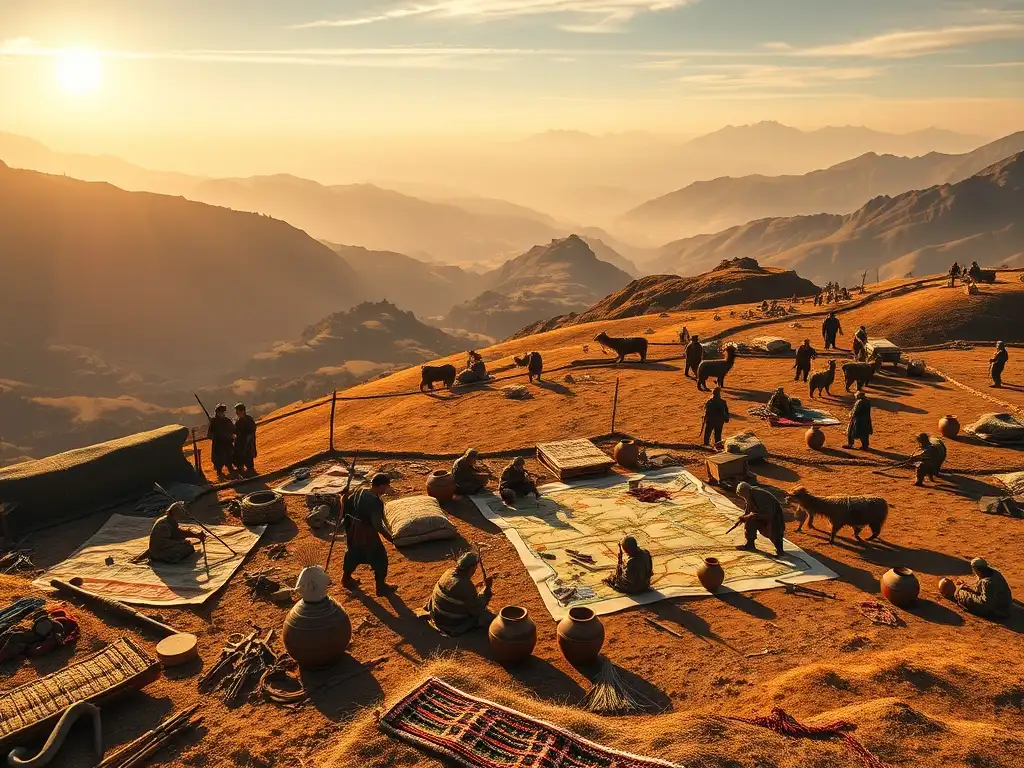
The Wari Empire, flourishing between roughly 600 and 1000 CE, left an undeniable mark on Andean history, largely due to its sophisticated military strategies and organizational prowess. Their extensive conquests and the subsequent integration of diverse populations under a single political entity fundamentally reshaped the social, economic, and political landscape of the central Andes. The Wari military wasn't just about conquest; it facilitated the spread of Wari culture, administrative systems, and technological innovations across a vast territory.
This process of cultural diffusion, though often accompanied by coercion, led to a degree of standardization and interconnectedness among previously independent communities. The impact extended beyond the immediate Wari sphere of influence, shaping the development of later Andean empires like the Inca, who demonstrably inherited and adapted certain aspects of Wari military organization and infrastructure. The Wari's legacy is not solely defined by violence; it's a complex tapestry woven from conquest, cultural exchange, and the enduring influence of their military power on the subsequent trajectory of Andean civilization.
The empire's collapse, while leaving behind unanswered questions, further impacted the region, triggering a period of readjustment and the rise of new power centers. Understanding the Wari military is crucial to grasping the broader dynamics of Andean history and the long-term consequences of their expansionist policies.
Wari Military influence on later Andean Cultures
The Wari military's influence reverberates through subsequent Andean cultures, notably the Inca. Archaeological evidence suggests a clear continuity in certain aspects of military organization and infrastructure. For example, the Inca's extensive road network, crucial for rapid troop movement and communication, bears resemblance to the earlier Wari road system, indicating a potential inheritance or adaptation of pre-existing infrastructure.
The Inca's centralized administration and control over vast territories also reflects the Wari's earlier success in establishing a far-reaching imperial structure. Moreover, similarities can be observed in military architecture, with both empires constructing strategically located fortifications and outposts to consolidate power and control peripheral regions. While the Inca undoubtedly developed their own unique military traditions, the foundation laid by the Wari, particularly in terms of logistical planning, administrative efficiency, and the construction of military infrastructure, cannot be overlooked.
This influence is not simply a matter of direct imitation; rather, it represents a complex interplay of adaptation, innovation, and the lasting legacy of Wari military strategies on the development of later Andean empires. Further research into comparing Wari and Inca military technologies and tactics could reveal even more intricate connections.
Legacy of Wari Empire's Commanders
The Wari Empire's commanders, while often anonymous figures in the historical record, played a pivotal role in shaping the empire's expansion and enduring legacy. Their strategic acumen, organizational skills, and leadership qualities were instrumental in uniting diverse Andean communities under Wari rule. While we lack detailed biographical accounts of individual commanders, their impact is evident in the vastness of the empire's territory and the sophistication of its military organization.
The success of Wari military campaigns speaks to the effectiveness of their leadership and the loyalty of their troops. The construction of monumental structures like Pikillacta and the strategic placement of military outposts underscore the planning and logistical capabilities of Wari commanders. Their legacy extends beyond mere conquest; it encompasses the long-term impact of their actions on the cultural, political, and economic development of the Andean region.
Future archaeological discoveries and more nuanced interpretations of existing evidence may shed further light on the identities and achievements of these important, yet largely unknown, figures. The study of Wari military strategies is intrinsically linked to understanding the role and influence of its commanders.
Understanding Wari Military Power Through Archaeological Evidence
Archaeological evidence offers invaluable insights into the Wari military's power and organization. Excavations at various Wari sites reveal a complex interplay of military architecture, weaponry, and logistical systems. The sheer scale of Wari settlements, often strategically located near important resources or trade routes, provides a glimpse into their control over vast territories.
The presence of fortifications, defensive structures, and military outposts highlights the emphasis on territorial security and control. These sites are not merely defensive structures; they reveal sophisticated planning and logistical capabilities. The discovery of weaponry, including projectile points, clubs, and possibly even early forms of metal weaponry, provides clues about Wari military technology and tactical strategies.
Analyzing the distribution of these artifacts across the empire helps to understand the movement of troops and the extent of Wari influence. Furthermore, the study of human remains from Wari sites can provide insights into the health, diet, and social status of soldiers and the overall impact of military campaigns on the population. The integration of diverse archaeological findings allows for a more comprehensive understanding of Wari military power, moving beyond simple narratives of conquest to reveal the complex interplay of strategy, logistics, and social organization.
The Site of Pikillacta: A Wari Military Outpost
Pikillacta, a significant Wari site located near Cusco, Peru, stands as a testament to the empire's military capabilities and strategic planning. This well-preserved site features a complex layout of residential structures, administrative buildings, and defensive features, suggesting a multifaceted role beyond simple military occupation. The strategic location of Pikillacta, near important agricultural lands and trade routes, highlights its importance in controlling resources and maintaining communication across the empire.
The presence of sophisticated irrigation systems and agricultural terraces suggests that Pikillacta also served as an important administrative and economic center, supporting the military presence and contributing to the empire's overall economic strength. The construction of the site itself demonstrates the Wari's advanced engineering and organizational skills, reflecting their ability to mobilize labor and resources on a large scale.
The analysis of architectural features, artifacts, and human remains at Pikillacta provides crucial insights into the daily life of the inhabitants, the social organization of the military, and the broader strategies of Wari imperial control. Pikillacta serves as a microcosm of the Wari Empire's military and administrative power, offering a unique window into the complexity of their imperial organization.
Analyzing Wari Weapons and Military Artifacts
Analyzing Wari weapons and military artifacts provides critical insights into their military technology and strategies. Archaeological discoveries reveal a range of weaponry, including projectile points made from obsidian and other materials, clubs, and possibly early forms of metal weaponry (although further research is needed to confirm the extent of metalworking in Wari military technology). The diversity of weaponry suggests adaptation to different combat situations and environments.
The quality and craftsmanship of these artifacts speak to the level of skill and technological sophistication within Wari society. The distribution of these artifacts across the empire, through both formal and informal channels, provides clues about the movement of troops and the extent of Wari control. Studying the manufacturing techniques, materials, and stylistic variations of these artifacts can help to identify regional differences in military production and organization.
By comparing Wari weaponry to that of contemporary and neighboring cultures, we can better understand their military innovations and their position within the broader Andean technological landscape. Moreover, the analysis of weapon damage and wear patterns can shed light on actual combat scenarios and tactical strategies employed by the Wari military. This multifaceted approach to analyzing Wari weapons and military artifacts provides a richer and more nuanced understanding of their military capabilities and the dynamics of warfare in the Andean region.
Conclusion: The Enduring Legacy of Wari Military Commanders
The Wari Empire's military successes weren't solely due to superior weaponry or brute force. Instead, the strategic brilliance of their commanders, coupled with sophisticated logistical planning and effective administrative control, formed the bedrock of their expansion across the Andes. Their ability to integrate conquered populations, rather than simply subjugate them, played a crucial role in the empire's longevity.
This wasn't merely a matter of military might; it was a complex interplay of military strategy, political acumen, and economic pragmatism. The Wari commanders understood the importance of maintaining control over vital resources, ensuring a steady flow of supplies to sustain their far-flung garrisons. This logistical expertise, often overlooked in discussions of ancient warfare, was instrumental in the empire's success.
The legacy of these commanders extends beyond the physical boundaries of the Wari Empire. Their innovative military tactics and administrative strategies influenced subsequent Andean civilizations, particularly the Inca. The Inca, inheriting much of the Andean cultural and political landscape, undoubtedly learned from the successes and failures of their Wari predecessors.
Studying the Wari military system provides invaluable insights into the complexities of Andean imperial expansion and the enduring impact of its leaders on the region's history. The sophisticated network of roads, administrative centers, and military outposts established by the Wari facilitated communication and control across a vast and challenging terrain, a testament to the foresight and organizational skills of their commanders. Understanding these achievements allows us to appreciate the immense organizational capacity of the Wari state and the critical role of its military leadership in shaping the Andean world.
Further research into specific commanders and their individual campaigns is crucial to building a more complete picture of Wari military strategies and their long-term consequences. The study of these figures offers a unique window into the complexities of power, administration, and warfare in the ancient Andes. Even today, the echoes of their influence resonate in the Andean region's political and cultural landscape.
- Introduction to Wari Military Leadership
- The Role of Commanders in Wari Society
- Key Military Figures in the Wari Empire
- Wari Empire Military Strategies: A Detailed Analysis
- The Wari Military’s Impact on Andean History
- Understanding Wari Military Power Through Archaeological Evidence
- Conclusion: The Enduring Legacy of Wari Military Commanders
- What were the key military strategies employed by the Wari Empire?
- How did the Wari Empire's military organization contribute to its expansion?
- What role did infrastructure play in the Wari military's success?
- How did the Wari Empire's military compare to those of other Andean civilizations?
- What evidence supports our understanding of Wari military strategies?
Frequently Asked Questions
What were the key military strategies employed by the Wari Empire?
The Wari utilized a combination of strategies, including superior military technology, such as advanced weaponry and fortifications, alongside effective logistical planning to support their expansive campaigns. They also employed psychological warfare to intimidate opponents.
How did the Wari Empire's military organization contribute to its expansion?
The Wari's centralized military structure, with professional soldiers and a hierarchical command system, enabled efficient mobilization and control of large armies across vast distances. This organizational strength was crucial for conquering and governing conquered territories.
What role did infrastructure play in the Wari military's success?
The Wari invested heavily in road networks and administrative centers, which facilitated the rapid movement of troops and supplies. This improved infrastructure was key to their ability to project power effectively across their empire.
How did the Wari Empire's military compare to those of other Andean civilizations?
While details are still emerging, the Wari military seems to have been more centralized and professional than those of preceding Andean cultures like the Moche. Their logistical prowess was arguably unparalleled in the Andes at the time.
What evidence supports our understanding of Wari military strategies?
Archaeological evidence, including fortifications, weaponry, and the layout of administrative centers, provides insights into Wari military capabilities and organization. Written records, though limited, further illuminate aspects of their military campaigns.
Final Reflection: Echoes of Andean Conquest: Legacy of the Wari Military
The strategic brilliance of the Wari Empire's commanders continues to resonate today, a testament to their innovative military tactics and enduring impact on Andean civilization. Their sophisticated logistical networks, adaptable fighting styles, and ability to integrate conquered populations into a vast, functioning empire offer valuable lessons in statecraft and military organization, even in our modern world. The echoes of their achievements still reverberate through the archaeological record, challenging our understanding of pre-Columbian warfare and societal development.
The Wari Empire's military success wasn't solely about brute force; it was a complex interplay of strategic planning, political maneuvering, and cultural assimilation. Their ability to maintain control over such a vast territory for centuries speaks volumes about their organizational prowess and the effectiveness of their strategies. The Wari were not simply conquerors; they were builders of a complex and integrated state.
This quote highlights the nuanced approach they took, recognizing that lasting power required more than just military might. Their legacy serves as a powerful reminder that true dominance requires a multifaceted approach, encompassing both military strength and socio-political acumen.
Consider the ingenuity of their logistical systems, the effectiveness of their integrated military-civilian infrastructure, and the lasting impact of their administrative innovations. These are not just historical curiosities; they are blueprints for understanding the dynamics of power, control, and societal organization. You, the reader, are now equipped with a deeper understanding of the Wari military.
Reflect on how these strategies, adapted to a different context, might inform your own approach to problem-solving, leadership, or even project management. The lessons learned from the Wari Empire's commanders are timeless, offering a powerful lens through which to view the complexities of power and the enduring legacy of human ambition.
Unveil the Secrets of the Wari Legacy!
Thank you for exploring the fascinating world of the Wari Empire and its commanders! Your insightful examination of their strategies and their impact on Andean expansion has highlighted the crucial role of strong leadership in shaping civilizations. Now, let's build on that understanding.
Here's how you can further explore the Wari legacy:
- Explore More: Delve deeper into the rich history of Andean civilizations by exploring related articles on our site.
- Share Your Insights: Discuss the Wari's influence on Andean society with friends and colleagues, or spark a conversation on social media about ancient leadership and its relevance to modern challenges.
- Join the Community: Connect with other history enthusiasts by subscribing to our newsletter. You'll receive updates on new features, discussions, and upcoming events.
What lessons can modern leaders learn from the Wari commanders' approach to expansion? Share your thoughts below!