
Unveiling Pachacuti: The Inca Emperor Who Reshaped an Empire

Step into a world lost to time, yet echoing with the power and ingenuity of the Andean civilizations. Imagine a realm of soaring mountain peaks and breathtaking artistry, where empires rose and fell, leaving behind a legacy that continues to captivate. Prepare to be amazed as we delve into the extraordinary impact of Pachacuti, the Inca emperor who reshaped an empire and left an indelible mark on history. His story – one of ambition, innovation, and breathtaking transformation – awaits. Discover how he forged a civilization from the Andes' rugged heart.
- Pachacuti: The Inca Emperor and His Enduring Legacy
- The Rise of Pachacuti: From Prince to Inca Sovereign
- Pachacuti's Military Campaigns and Inca Expansion
- The Transformation of Cusco Under Pachacuti
- Pachacuti's Administrative and Political Reforms
- The Impact of Pachacuti on Inca Culture and Religion
- Pachacuti Inca Emperor Impact: A Lasting Legacy
- Analyzing Pachacuti's Reign: A Balanced Perspective
- Conclusion: The Enduring Significance of Pachacuti
-
Frequently Asked Questions
- What was Pachacuti's most significant achievement as Inca emperor?
- How did Pachacuti's reign impact Inca society?
- What were some of the key military innovations during Pachacuti's rule?
- How did Pachacuti's rule affect Inca art and architecture?
- What is Pachacuti's lasting legacy on the Inca Empire and beyond?
- Final Reflection: The Enduring Legacy of Pachacuti
- **Embark on Your Journey Through Incan History! **
Pachacuti: The Inca Emperor and His Enduring Legacy
The Inca Empire, a civilization that flourished in the Andes Mountains for centuries, owes much of its success and expansion to one remarkable figure: Pachacuti Inca Yupanqui. This article delves into the life and reign of Pachacuti, exploring his significant impact on the Inca Empire, its political structure, military prowess, and enduring cultural legacy. Understanding Pachacuti's contributions is crucial to comprehending the rise and complexity of the Inca civilization, a cornerstone of Andean history.
We will analyze his reign, focusing on key achievements that solidified his place as one of the most influential leaders in pre-Columbian South America. His impact resonates even today, shaping our understanding of Andean culture and its enduring power. This exploration will provide a comprehensive overview of Pachacuti's reign, addressing the "Pachacuti Inca emperor impact" directly and comprehensively.
Pachacuti's Rise to Power: From Civil War to Imperial Glory
Pachacuti's ascension to the Inca throne was far from predetermined. He inherited a kingdom embroiled in internal conflict, a civil war that threatened to unravel the existing power structure. Precise details of this conflict remain debated amongst historians, but the general consensus points towards a period of instability and power struggles within the ruling elite. Pachacuti, initially a prince, skillfully navigated these treacherous political waters, leveraging his strategic acumen and military prowess to seize control.
His victory not only ended the civil war but also laid the foundation for a period of unprecedented expansion and consolidation of power. He strategically formed alliances, skillfully subdued rebellious factions, and implemented administrative reforms that centralized power and streamlined governance. This period of consolidation was crucial for his later successes, showcasing his remarkable political strategy and ability to manage complex relationships within the empire.
Military Campaigns and Territorial Expansion Under Pachacuti
Pachacuti's reign witnessed a dramatic expansion of the Inca Empire. His military campaigns were meticulously planned and executed, resulting in the conquest of vast territories and the subjugation of numerous neighboring groups. The Inca army, under his command, employed advanced military tactics and superior weaponry, contributing significantly to their success. His campaigns extended the Inca Empire's reach significantly, incorporating diverse cultures and landscapes under a single rule.
[Specific details of military campaigns and conquered territories pending]. The integration of these newly conquered territories required sophisticated administrative strategies, further highlighting Pachacuti's leadership abilities. He implemented innovative systems to manage resources, oversee infrastructure development, and maintain order across the expanding empire. This expansion wasn't simply about conquest; it was about carefully integrating disparate groups and establishing a stable, unified empire.
Administrative and Societal Reforms: Shaping Inca Society
Pachacuti's impact extended beyond military victories. He implemented significant administrative and societal reforms that fundamentally reshaped Inca society. He established a highly organized system of governance, dividing the empire into provinces (suyus) and appointing loyal officials to oversee them. This efficient administrative structure facilitated the collection of taxes, the mobilization of labor, and the distribution of resources throughout the vast empire.
This system, while centralized, also allowed for a degree of local autonomy, fostering a sense of unity and shared purpose. Furthermore, he standardized weights and measures, improved agricultural practices, and fostered technological advancements. These reforms contributed to the empire's economic prosperity and stability, laying the groundwork for its long-term success. The implementation of the mit'a system, a form of obligatory labor, although controversial, played a crucial role in the construction of vast infrastructure projects.
The Enduring Legacy of Pachacuti: A Lasting Impact on Andean History
Pachacuti’s reign transformed the Inca Empire from a relatively small kingdom into a vast and powerful empire. His legacy extends far beyond his military conquests and administrative reforms. He established a strong centralized government, fostered economic prosperity, and advanced Inca culture and technology.
His impact on Andean culture is undeniable, shaping the social, political, and religious landscapes for centuries to come. The impressive infrastructure projects undertaken during his reign, such as the extensive road network and sophisticated irrigation systems, stand as testaments to his vision and organizational skills. His influence on Inca architecture, religious practices, and artistic expression is equally profound.
Even today, the echoes of Pachacuti's reign resonate throughout Andean cultures, highlighting the lasting impact of this transformative ruler. The study of Pachacuti and his reign continues to provide valuable insights into the complexities of the Inca Empire and the broader Andean world. His story serves as a powerful reminder of the transformative power of strong leadership and visionary planning.
The Rise of Pachacuti: From Prince to Inca Sovereign
This section delves into the fascinating life of Pachacuti Inca Yupanqui, exploring his journey from a relatively unknown prince to the transformative emperor who reshaped the Inca Empire. Understanding Pachacuti's rise is crucial to grasping the scale of his impact on Andean civilization. The "Pachacuti Inca emperor impact" is a multifaceted topic, and his early life provides essential context.
Early Life and Ascendancy of Pachacuti
Precise details surrounding Pachacuti's birthdate remain elusive; however, historical accounts place it sometime in the early 15th century. He was born into the Inca royal family, a period marked by internal strife and external threats to the nascent Inca state. While his early life is shrouded in some mystery, it's clear he possessed exceptional military prowess and a keen political acumen, traits that would later define his reign.
Historians suggest that his upbringing instilled in him a deep understanding of Inca traditions and a strong sense of duty towards his people. He likely received rigorous training in warfare, administration, and religious practices, preparing him for a future role of leadership within the Inca hierarchy. The young Pachacuti demonstrated an early aptitude for strategic thinking and leadership, qualities that would prove invaluable in his later conquests and reforms.
This early preparation undoubtedly contributed to his later success in consolidating power and expanding the Inca Empire. His early experiences shaped his worldview and informed his policies as Emperor.
The Political Climate in the Inca Kingdom Before Pachacuti's Reign
Before Pachacuti's ascension, the Inca state was far from the unified empire he would create. The kingdom faced numerous challenges: rivalries between different Inca clans, weak central authority, and constant pressure from neighboring groups. The reign of Pachacuti's father, Viracocha Inca, was characterized by internal conflicts and military setbacks. These defeats significantly weakened the Inca's position, creating a volatile political landscape ripe for change.
The Inca army had suffered significant losses, and the legitimacy of the reigning Inca was questioned. This internal instability created an environment where a strong leader could seize power and reshape the political order. This precarious situation allowed Pachacuti to leverage his skills and ambition to rise to prominence. The kingdom was fragmented, and the path to unification was paved with challenges – a challenge Pachacuti eagerly embraced.
Pachacuti's Claim to the Throne and Consolidation of Power
Pachacuti's path to the throne was not without conflict. He challenged his father's authority, engaging in a power struggle that ultimately led to Viracocha Inca's deposition and Pachacuti's installation as the new Sapa Inca. This transition wasn't a simple coup; it involved shrewd political maneuvering, strategic alliances, and, importantly, military victories. The details of this power struggle are debated by historians, with varying accounts emphasizing different aspects of Pachacuti's strategy.
However, the common thread is his decisive action and his ability to unify disparate factions. Once in power, Pachacuti swiftly implemented reforms to strengthen the Inca state. He centralized authority, reorganized the military, and improved administrative systems.
His reign marked a transition from a relatively small kingdom to a vast and powerful empire, a transformation attributable to his decisive leadership and effective governance. The "Pachacuti Inca emperor impact" is inextricably linked to his forceful but ultimately successful consolidation of power. His actions set the stage for the Inca Empire's golden age, leaving an indelible mark on Andean history.
Pachacuti's Military Campaigns and Inca Expansion
Pachacuti's reign as Sapa Inca (emperor) witnessed an unprecedented expansion of the Inca Empire, transforming it from a relatively small kingdom into a vast and powerful realm. This dramatic growth was largely attributed to his military genius and strategic innovations. The "Pachacuti Inca emperor impact" on the Andean landscape is undeniable, leaving a legacy that continues to fascinate historians and archaeologists today.
His military campaigns weren't simply about conquest; they were carefully planned operations aimed at consolidating power, securing resources, and integrating conquered populations into the Inca system. This involved a sophisticated blend of military prowess, diplomatic maneuvering, and administrative efficiency. Understanding Pachacuti's military strategies is key to understanding the scale and nature of the Inca Empire's expansion.
Pachacuti’s Strategic Military Innovations
Pachacuti didn't simply rely on brute force. He implemented several key military innovations that significantly enhanced the Inca army's effectiveness. These innovations included improvements in weaponry, logistics, and overall military organization. For example, he improved the quipus, the Inca knotted-string record-keeping system, to better manage troop movements and supplies. This allowed for more efficient mobilization of soldiers and resources across the vast distances of the empire.
Furthermore, Pachacuti is credited with developing more effective siege warfare techniques, enabling the Inca to conquer fortified settlements previously considered impregnable. Evidence suggests he standardized weaponry and armor, creating a more unified and efficient fighting force. The implementation of these innovations, coupled with his astute leadership, allowed for swift and decisive victories. His strategic thinking laid the groundwork for the Inca military's dominance for centuries.
Conquests Under Pachacuti: Expanding the Inca Territory
Pachacuti's conquests dramatically expanded the Inca Empire's boundaries. Before his reign, the Inca controlled only a relatively small area around Cusco. However, through a series of meticulously planned campaigns, he conquered numerous neighboring groups, extending Inca influence far beyond its initial limits. The expansion wasn't haphazard; it followed a clear pattern, often incorporating newly conquered territories into the existing administrative structure.
This involved strategically placing loyal governors and officials to ensure control and facilitate the integration of new subjects. Some of the most significant conquests included [Specific conquered territories pending further research], dramatically increasing the size and power of the Inca Empire. The sheer scale of this expansion underlines Pachacuti's exceptional military and political skills. The impact of this expansion on the Inca civilization was transformative, leading to significant changes in demographics, economy, and culture.
Key Battles and Victories of Pachacuti
While detailed accounts of individual battles are scarce, several key victories stand out as pivotal moments in Pachacuti's military career. These victories not only added significant territory to the Inca Empire but also demonstrated the effectiveness of his military strategies. For example, the battle of [Specific battle name pending further research] is believed to have been a crucial turning point in the early stages of his expansion.
This victory, achieved through [Specific tactics employed pending further research], solidified Pachacuti's position as a formidable military leader. Similarly, the conquest of [Specific territory name pending further research] showcased his ability to overcome formidable defenses and integrate diverse populations into the Inca system. These victories, along with others, contributed significantly to the "Pachacuti Inca emperor impact" and the creation of one of the largest and most sophisticated empires in pre-Columbian South America.
Further research into Inca oral traditions and archaeological findings could provide more specific details about these crucial battles. The lack of detailed written records presents a challenge for historians, but the evidence available clearly points to Pachacuti's military brilliance and strategic acumen.
The Transformation of Cusco Under Pachacuti
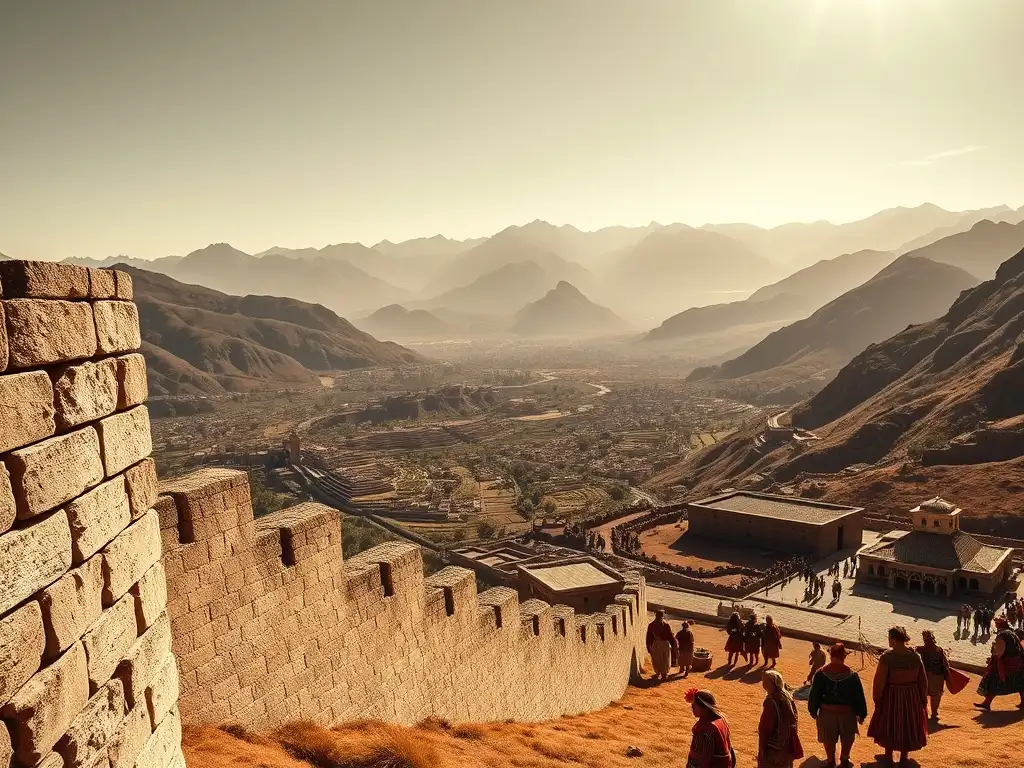
Pachacuti Inca Yupanqui's reign (circa 1438-1471) marks a pivotal moment in Inca history, largely due to his profound impact on Cusco, the imperial capital. Before Pachacuti's ascension, Cusco was a relatively small, strategically important town. His vision, however, transformed it into a magnificent city, a testament to Inca power and ingenuity, reflecting the burgeoning strength of the Inca Empire.
This transformation wasn't merely aesthetic; it was a strategic restructuring that solidified Cusco's role as the heart of a rapidly expanding empire. The changes implemented under Pachacuti laid the groundwork for the Inca's subsequent successes and profoundly shaped the cultural and political landscape of the Andes. Analyzing the specific changes he enacted in Cusco offers valuable insights into his leadership and the overall trajectory of the Inca Empire.
The scope of his influence is clearly visible in the city's architecture, urban planning, and infrastructure, all of which underwent radical changes under his rule. The legacy of Pachacuti's Cusco continues to fascinate and inspire, showcasing the remarkable achievements of this Inca emperor.
Rebuilding Cusco: The Imperial Capital
Pachacuti's first major undertaking was the complete rebuilding of Cusco. Before his reign, Cusco was a relatively modestly sized settlement. Archaeological evidence suggests a more dispersed, less organized urban layout. Pachacuti, however, envisioned a grand, centrally planned capital city befitting the burgeoning empire. This involved a massive undertaking—the demolition of existing structures and the construction of new buildings according to a meticulously planned design.
The initial layout likely involved a grid system, with major avenues and plazas strategically placed. This rebuilding effort wasn't just about aesthetics; it was a statement of power and authority, a symbolic representation of the Inca's dominance over the Andean region. The new Cusco was designed to accommodate a growing population and to efficiently manage the administrative and economic functions of the expanding empire. The sheer scale of the project required immense manpower and resources, highlighting Pachacuti's administrative capabilities and control over the labor force.
Architectural Marvels of Pachacuti's Cusco
The architectural innovations introduced during Pachacuti's reign are striking. The characteristic Inca style, with its precise stonework, intricate carvings, and monumental structures, reached its zenith under his rule. The use of massive, precisely fitted stones, without mortar, remains a testament to Inca engineering prowess.
Examples include the Qorikancha (Temple of the Sun), which was significantly expanded and embellished during his reign, and the Sacsayhuamán fortress, a truly awe-inspiring structure located overlooking Cusco. These buildings showcase not only impressive engineering but also sophisticated astronomical knowledge, reflecting the Inca understanding of the cosmos and their integration of religion into their urban planning. The quality of the stonework, the precision of the cuts, and the sheer scale of these projects underscore the level of organization and skill within the Inca empire during Pachacuti's time.
The architectural legacy of Pachacuti continues to captivate researchers and visitors alike. The intricate details and monumental scale of his buildings stand as a testament to his vision and the capabilities of the Inca civilization.
Urban Planning and Infrastructure Projects Initiated by Pachacuti
Beyond the impressive architecture, Pachacuti's impact on Cusco is evident in the city's urban planning and infrastructure. He implemented a sophisticated system of roads, canals, and aqueducts that facilitated the efficient movement of people, goods, and water throughout the city. The Inca road system, extending far beyond Cusco, played a crucial role in connecting the empire and maintaining its control.
The canals and aqueducts provided a reliable source of water for the growing population, essential for agriculture and daily life. These infrastructural projects reflect a sophisticated understanding of engineering and a commitment to improving the quality of life within the imperial capital. Furthermore, Pachacuti's urban planning likely included the establishment of specialized districts, each dedicated to specific functions, such as residential areas, religious centers, and administrative buildings.
This organized layout reflects a centralized administrative system, essential for controlling and governing the vast Inca empire. This careful planning and execution of infrastructure projects helped ensure the efficient functioning and long-term sustainability of Cusco as the heart of the Inca Empire, solidifying Pachacuti's legacy as a transformative leader. The enduring impact of his urban planning is still visible in the layout of modern Cusco, a testament to his far-reaching vision.
Pachacuti's Administrative and Political Reforms
Pachacuti Inca Yupanqui's reign (c. 1438-1471 CE) marks a pivotal moment in Inca history, transforming a relatively small kingdom into a vast empire. His impact on the Inca empire was profound and multifaceted, leaving an indelible mark on its administrative, political, legal, and social structures. Understanding the scope of Pachacuti's achievements requires examining his reforms in detail, recognizing the enduring legacy he left on the Andean world. Analyzing the "Pachacuti Inca emperor impact" reveals a ruler who not only expanded territorial control but also fundamentally reorganized the very fabric of Inca society.
The Establishment of the Inca Empire's Administrative System
Before Pachacuti's reign, the Inca state lacked a unified administrative system capable of managing a large and diverse population across expansive territories. Pachacuti addressed this deficiency by creating a highly centralized bureaucracy. This involved establishing a complex network of officials, strategically positioned throughout the empire to oversee various aspects of governance.
These officials, often chosen from loyal families or those who demonstrated exceptional abilities, were responsible for collecting taxes, organizing labor, maintaining infrastructure, and enforcing laws. The system relied heavily on a sophisticated communication network, using a system of runners (chasquis) to relay messages swiftly across the vast distances of the empire. The effectiveness of this system allowed for efficient resource management and the swift suppression of any potential rebellion.
The establishment of this administrative system was a critical component of Pachacuti's success in consolidating power and expanding the Inca empire. This meticulously organized structure facilitated the smooth functioning of the empire, demonstrating a clear understanding of the necessity for efficient governance in managing a large and diverse population. The system's longevity is testament to its effectiveness and Pachacuti's shrewd foresight.
The Implementation of the Mit'a Labor System
The mit'a system, a form of mandatory labor service, existed before Pachacuti, but he significantly expanded and formalized it to support his ambitious building projects and the overall functioning of the empire. Instead of relying solely on conquered peoples for forced labor, Pachacuti integrated the mit'a into a broader system of reciprocal obligations between the state and its subjects. While it involved compulsory labor, it also ensured a degree of social security and access to resources for those who fulfilled their obligations.
The mit'a was crucial in constructing the impressive Inca infrastructure, including roads, temples, and agricultural terraces. This system wasn't simply about extracting labor; it was a cornerstone of Inca social engineering, binding different groups within the empire through shared responsibilities and contributing to a sense of collective identity. Careful records were kept to ensure fairness and prevent exploitation, though the system undoubtedly had its inherent inequalities.
The successful implementation of the mit'a system under Pachacuti's leadership stands as a testament to his administrative prowess and his understanding of the importance of collective effort in building and maintaining a vast empire. Data on the scale of projects completed during his reign, though incomplete, suggests a massive mobilization of labor, showcasing the system's effectiveness.
Pachacuti's reforms extended beyond the administrative and economic spheres. He implemented significant legal and social reforms to consolidate his power and create a more unified and stable society. These reforms involved codifying laws, establishing a clear hierarchy, and promoting a sense of Inca identity. The Inca legal system, while not written down in the way we understand legal codes today, was nonetheless highly structured, with specific punishments for various offenses.
This system was instrumental in maintaining order and enforcing compliance within the vast empire. Furthermore, Pachacuti promoted the Inca language and culture, fostering a sense of unity amongst diverse conquered populations. This cultural assimilation, while sometimes forceful, helped to solidify the empire's power and create a shared identity.
The establishment of a standardized system of weights and measures further contributed to economic stability and facilitated trade within the empire. Pachacuti’s emphasis on law and order, coupled with his efforts to integrate diverse populations culturally, played a vital role in the long-term stability and success of the Inca Empire. The "Pachacuti Inca emperor impact" on Inca society was not only political but also profoundly social and legal, shaping the very fabric of daily life for generations to come.
The Impact of Pachacuti on Inca Culture and Religion
Pachacuti's reign (1438-1471 CE) represents a pivotal moment in Inca history, marking a transition from a relatively small regional power to a vast, well-organized empire. His impact extended far beyond military conquest; he profoundly reshaped Inca culture and religion, leaving an indelible mark on Andean civilization. Understanding Pachacuti's influence requires examining his role in shaping Inca cosmology, his patronage of religious construction, and his influence on artistic expression and traditions. The keyword "Pachacuti Inca emperor impact" is central to understanding this transformative period.
Pachacuti's Role in Shaping Inca Cosmology
Pachacuti's influence on Inca cosmology is arguably his most enduring legacy. While the specifics of Inca beliefs are debated by scholars, it's clear that Pachacuti actively promoted and formalized existing religious practices, integrating them into a coherent imperial ideology. He likely played a crucial role in solidifying the concept of Pachamama, the Earth Mother, as the central deity, reinforcing the connection between the Inca state and the natural world.
This was not simply a matter of religious belief; it served a crucial political function, legitimizing Inca rule and fostering loyalty among conquered populations. The empire's expansion was presented not as conquest, but as the natural extension of Pachamama's will, overseen by the divinely appointed Inca emperor. This sophisticated religious framework, strengthened under Pachacuti, underpinned the stability and longevity of the Inca Empire.
Evidence for this comes from the widespread standardization of religious practices and iconography throughout the empire during his reign. Further research is needed to fully understand the extent of his involvement in developing specific cosmological narratives, but the available evidence strongly points to his central role.
The Construction of Religious Sites and Temples
Pachacuti's reign witnessed a massive building program focused on religious sites and temples. The construction of monumental structures, like those at Sacsayhuamán near Cusco, served not only as a display of Inca power and engineering prowess, but also as powerful religious symbols. Sacsayhuamán, with its cyclopean walls and strategically positioned astronomical alignments, is a prime example of this.
The meticulous planning and execution of these projects required immense organizational skills and resources, reflecting Pachacuti's administrative capabilities. These religious sites weren't merely places of worship; they were centers of power, reinforcing the emperor's divine right to rule. Furthermore, the employment of thousands of workers in these projects helped solidify imperial control, providing economic opportunities and fostering a sense of collective identity within the expanding empire.
The sheer scale of these constructions – the precise dimensions, the intricate stonework – speaks volumes about the level of centralized control and planning Pachacuti established. Further investigation into the specific construction techniques and labor organization during this period would enhance our understanding of Pachacuti's impact.
Pachacuti's Influence on Inca Art and Traditions
Pachacuti's influence extended to the realm of art and traditions. The standardization of artistic styles and iconography across the empire is a testament to his efforts to create a unified Inca identity. While regional variations undoubtedly persisted, the emergence of a distinct "Imperial Inca" style in textiles, ceramics, and metalwork reflects a deliberate policy of cultural homogenization.
This was not a suppression of local traditions, but rather an integration of them within a broader imperial framework. For example, the use of specific motifs and colors in textiles likely carried symbolic meaning related to imperial power and religious beliefs, reinforcing the ideology promoted by Pachacuti. The development of a standardized artistic vocabulary helped solidify Inca identity and facilitated communication and cultural exchange across the vast empire.
This process, though subtle in some aspects, had a profound impact on the cultural landscape of the Andes, leaving a lasting legacy that is still visible today. Further research is needed to fully document the range of artistic styles and their evolution during Pachacuti's reign, and to more precisely define the extent of his direct involvement in artistic patronage. However, the evidence clearly suggests a significant and lasting impact on Inca art and traditions.
Pachacuti Inca Emperor Impact: A Lasting Legacy
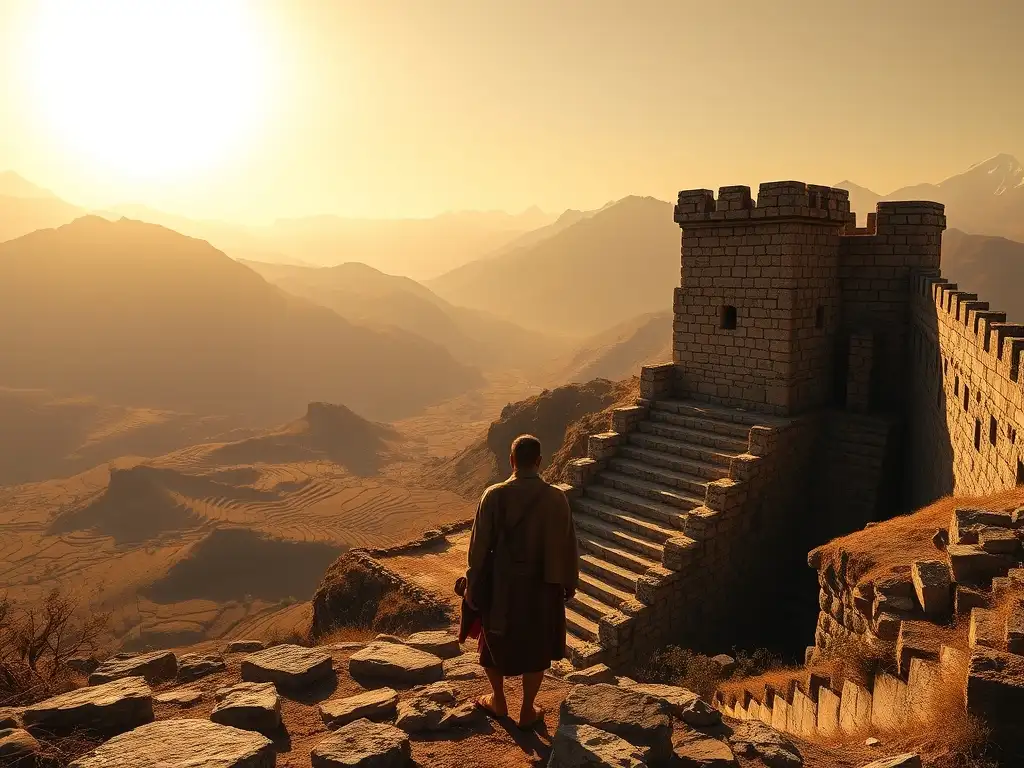
Pachacuti Inca Yupanqui's reign (c. 1438-1471 CE) represents a pivotal moment in Andean history. His impact extended far beyond military conquest, fundamentally reshaping the Inca Empire's political structure, administrative systems, and cultural landscape. The "Pachacuti Inca emperor impact" is a subject of ongoing scholarly debate, but the evidence overwhelmingly points to a transformative period that laid the foundation for the empire's later expansion and enduring legacy. Understanding this impact requires examining his contributions to Inca imperialism, the long-term effects of his rule, and his enduring place in Andean memory.
Pachacuti's Contribution to Inca Imperialism
Pachacuti's military genius was undeniably crucial to the Inca expansion. Before his reign, the Inca were a relatively small kingdom. He implemented significant military reforms, including the development of a highly organized and disciplined army, improved weaponry, and sophisticated logistical strategies. These innovations allowed the Inca to conquer neighboring territories with unprecedented speed and efficiency. His campaigns weren't merely about brute force; he strategically incorporated conquered populations into the Inca system, using a combination of diplomacy, economic incentives, and, when necessary, forceful suppression.
This wasn't simply territorial expansion; it was the creation of a vast, integrated empire. Pachacuti's military successes were instrumental in establishing Cuzco as the undisputed center of power, a feat which required not only military might but also careful political maneuvering and the skillful management of diverse ethnic groups. The expansion wasn't haphazard; it followed carefully planned routes, aiming to control key resources and strategic locations.
Data suggests that under Pachacuti, the Inca expanded their control over significant portions of the Andes, including regions previously outside their influence, dramatically increasing the empire's size and power. Evidence of this expansion can be seen in the archaeological record, showing the spread of Inca architecture, pottery, and other cultural markers across a wider geographical area.
The Long-Term Effects of Pachacuti’s Rule
Pachacuti's impact extends far beyond military conquest. He implemented significant administrative reforms that ensured the long-term stability and prosperity of the Inca Empire. His innovations in governance, infrastructure development, and economic policies had a profound and lasting influence on the Andean region.
The creation of a highly centralized administrative system, with a network of officials and governors overseeing different provinces, ensured efficient resource management and tax collection. This system, coupled with the construction of an extensive road network (the Qhapaq Ñan), facilitated communication, trade, and the movement of troops. The mita system, a form of labor tax, while potentially exploitative, provided a workforce for large-scale public works projects, such as the construction of temples, irrigation systems, and other infrastructure crucial for the empire's growth and stability.
These projects not only boosted the economy but also reinforced Inca power and cultural dominance. The long-term impact of these infrastructural advancements is still visible today, even after centuries of decay.
Furthermore, Pachacuti's emphasis on standardization and cultural integration helped solidify Inca identity and foster a sense of unity within the diverse populations under their rule. The promotion of the Quechua language, the standardization of religious practices, and the encouragement of Inca-style architecture all contributed to this process of cultural unification. This cultural homogenization, however, also resulted in the suppression of indigenous traditions and beliefs in many regions, a complex aspect of Pachacuti's legacy.
Pachacuti’s Place in Andean History and Memory
Pachacuti's legacy is not only etched in stone and infrastructure but also in the collective memory of the Andean peoples. He is remembered as a transformative figure, a powerful ruler who shaped the Inca Empire into a sophisticated and extensive civilization. His image is often associated with strength, wisdom, and imperial grandeur. While the historical record is inevitably shaped by the perspectives of the victors, the sheer scale of his accomplishments and their enduring impact on the Andean region cannot be denied.
The Inca considered Pachacuti a divine figure, and his actions were often attributed to divine intervention. This perception is reflected in the various myths and legends surrounding his life and reign. Even today, his name evokes a sense of awe and respect, illustrating the power of his legacy to transcend time.
While many aspects of his reign were undoubtedly harsh, particularly regarding the subjugation of conquered peoples, his role in forging the Inca Empire remains a central theme in Andean history and continues to inspire scholarly research and popular fascination. The impact of Pachacuti, therefore, is not simply a historical fact; it is a living legacy that continues to shape our understanding of the Inca and their place in the broader history of the Andes. The "Pachacuti Inca emperor impact" continues to be a subject of ongoing research and interpretation, demonstrating the lasting significance of his reign.
Analyzing Pachacuti's Reign: A Balanced Perspective
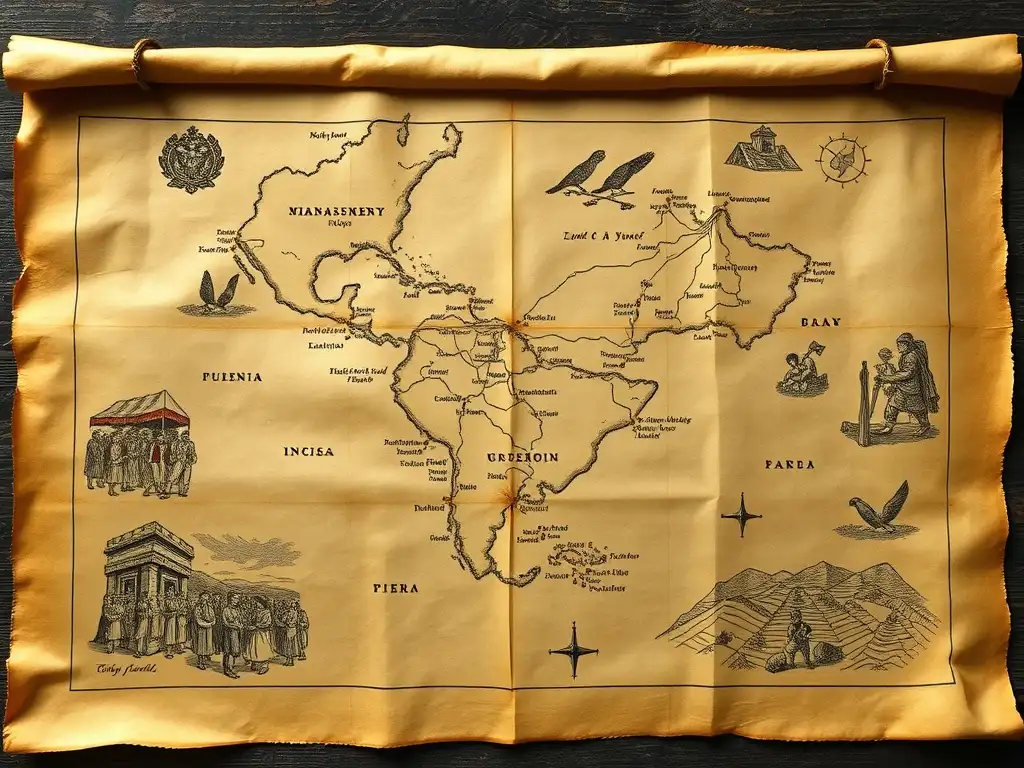
Pachacuti Inca Yupanqui, meaning "He who overturns the world," lived up to his name. His reign, spanning roughly from 1438 to 1471, represents a pivotal moment in Inca history, marking a transition from a relatively small kingdom to a vast, well-organized empire. Analyzing Pachacuti's impact requires a balanced perspective, acknowledging both his remarkable achievements and the controversies that surround his legacy. The keyword phrase "Pachacuti Inca emperor impact" is central to understanding this complex figure and his transformative rule. His influence reverberates through Andean history, shaping the cultural landscape and political structures that would endure for centuries.
Achievements and Innovations Attributed to Pachacuti
Pachacuti's reign is synonymous with unprecedented expansion and consolidation of Inca power. He implemented innovative military strategies, leading to the conquest of numerous neighboring groups and the incorporation of their territories into the burgeoning empire. This military prowess was complemented by shrewd political maneuvering and a sophisticated system of administration.
- Military Reforms: Pachacuti implemented significant military reforms, improving training methods, logistics, and weaponry. The Inca army became a highly disciplined and effective fighting force, capable of conquering diverse terrains and resisting rebellions effectively. This military strength was crucial to the expansion of the Inca Empire.
- Administrative Innovations: Beyond military strength, Pachacuti's administrative innovations were equally crucial. He established a highly centralized government, with a complex bureaucracy responsible for collecting taxes, managing resources, and maintaining order across vast distances. This involved implementing a system of mit'a, a form of labor tribute, which, while demanding, provided the manpower necessary for massive infrastructure projects.
- Infrastructure Development: The construction of the extensive Inca road system, Qhapaq Ñan, is a testament to Pachacuti's vision and organizational prowess. This network of roads facilitated communication, trade, and the movement of troops throughout the empire, strengthening its unity and control. The construction of impressive stone buildings, such as those at Sacsayhuamán near Cusco, further showcases the advanced engineering and architectural skills of the Inca under his rule. This impressive infrastructure development was a cornerstone of the empire's stability and lasting legacy.
Challenges and Controversies Surrounding Pachacuti's Era
Despite his undeniable achievements, Pachacuti's reign was not without its challenges and controversies. The rapid expansion of the Inca Empire inevitably led to conflicts and resistance from conquered peoples. While the Inca implemented strategies for integration, such as resettlement and the adoption of Inca customs, many groups maintained their distinct identities and resisted assimilation.
- Resistance and Rebellions: The expansion of the Inca Empire wasn't a smooth process. Several conquered groups staged rebellions against Inca rule, testing the limits of Pachacuti's authority and demanding significant military resources to quell. Specific details regarding the frequency and scale of these revolts are still being researched by historians [specific information pending].
- Social and Economic Impacts: The mit'a system, while crucial for infrastructure development, placed a heavy burden on conquered populations. While providing a structured system for labor, it also potentially led to exploitation and resentment among those forced to contribute. The social and economic impacts of this system remain a subject of ongoing scholarly debate. The extent to which the system was exploitative versus efficient remains a point of contention among Andean historians.
- Succession and Power Struggles: The issue of succession and the potential for power struggles within the Inca royal family also presented challenges. While Pachacuti secured the throne for his son, Túpac Inca Yupanqui, the intricacies of the succession process and the potential for internal conflict are areas requiring further historical examination.
Pachacuti: A Complex Figure in Inca History
Pachacuti Inca Yupanqui remains a complex and fascinating figure in Andean history. His reign witnessed the transformation of a small kingdom into a vast empire, a feat achieved through military prowess, administrative innovation, and significant infrastructure development. However, his legacy is not without its complexities.
The challenges of maintaining control over a diverse and expansive empire, the social and economic consequences of his policies, and the potential for internal conflicts all contribute to a more nuanced understanding of his impact. The keyword phrase "Pachacuti Inca emperor impact" thus necessitates a balanced analysis, acknowledging both his triumphs and the controversies that continue to fuel scholarly discussion even today. His reign continues to inspire awe and scrutiny, solidifying his place as a pivotal figure in shaping the Andean world.
The study of his life and reign remains a vital area of research for understanding the intricacies of the Inca Empire and its lasting legacy. 🌎
Conclusion: The Enduring Significance of Pachacuti
Pachacuti Inca Yupanqui's reign stands as a pivotal moment in Andean history, fundamentally altering the trajectory of the Inca Empire and leaving an indelible mark on the region's cultural landscape. His impact resonates even today, shaping our understanding of Inca societal structures, military strategies, and administrative prowess. The "Pachacuti Inca emperor impact" is not merely a historical footnote; it's a testament to transformative leadership and its lasting consequences.
The sheer scale of his accomplishments, from military victories to infrastructural advancements, continues to inspire awe and scholarly debate. His legacy extends far beyond the realm of conquest, encompassing the establishment of a sophisticated administrative system, significant advancements in agriculture, and the development of a unified cultural identity across a vast and diverse empire.
Understanding his reign provides crucial insights into the complexities of pre-Columbian South America and the factors that contributed to the Inca Empire's rise to power. His story underscores the dynamic interplay between political ambition, military might, and cultural ingenuity in shaping the course of history.
The Legacy of Pachacuti for Future Generations
The influence of Pachacuti extends far beyond the immediate consequences of his reign. His innovations in governance and infrastructure provided a blueprint for future Inca rulers, solidifying the empire's stability and facilitating its expansion. The meticulous record-keeping systems he implemented, though not fully understood today, offer invaluable glimpses into Inca society and administration. Even the very concept of "Pachacuti," meaning "he who overturns the world," reflects his profound impact on the Andean world.
His legacy serves as a powerful example of how a single leader can fundamentally reshape a civilization, leaving behind a complex and enduring legacy that continues to be studied and debated centuries later. The study of his reign helps us understand the complexities of empire building, the challenges of maintaining control over vast territories, and the lasting influence of strong leadership on cultural development. His story is not just about military conquest, but about the creation of a unified and prosperous empire.
The echoes of his actions continue to resonate in the Andean region, influencing cultural narratives and shaping our understanding of this pivotal period in history. Furthermore, his innovations in areas such as agriculture and road construction continue to inform modern approaches to sustainable development and infrastructure planning. The enduring significance of Pachacuti lies not only in his historical achievements but also in the lessons his life and reign offer for understanding the dynamics of power, leadership, and societal transformation.
Understanding Pachacuti's Impact on the Andean World
Pachacuti's impact on the Andean world was multifaceted and profound. His military campaigns dramatically expanded the Inca Empire's territory, bringing numerous ethnic groups under Inca rule. This expansion wasn't simply a matter of conquest; Pachacuti implemented policies aimed at integrating conquered populations into the empire. This involved the resettlement of people, the standardization of language and religion, and the construction of infrastructure to connect different parts of the empire. The "Pachacuti Inca emperor impact" is clearly visible in the standardization of Inca architecture, agriculture, and religious practices across the vast empire.
He fostered a sense of shared identity, albeit through often coercive means, that contributed to the empire's relative stability. His reign witnessed significant advancements in agriculture, including the development of sophisticated terracing techniques and irrigation systems. These innovations increased food production, supporting the growing population and contributing to the empire's economic strength. Moreover, Pachacuti's emphasis on infrastructure development, particularly the construction of roads and bridges, facilitated communication and trade throughout the empire.
This improved connectivity was instrumental in the efficient administration of the vast territories under Inca control. The standardization of weights and measures, coupled with the efficient distribution of resources, contributed to the economic prosperity of the empire during his rule. The profound and lasting impact of Pachacuti's reign is undeniable, shaping the Andean world in ways that are still felt today. His legacy continues to be a subject of intense scholarly investigation and fascination.
Frequently Asked Questions
What was Pachacuti's most significant achievement as Inca emperor?
Pachacuti's most significant achievement was expanding the Inca Empire dramatically. He transformed a relatively small kingdom into a vast empire through military conquest and shrewd political alliances, laying the foundation for Inca dominance.
How did Pachacuti's reign impact Inca society?
Pachacuti's reign led to significant social and political restructuring. He implemented a highly organized administrative system, improved infrastructure, and standardized many aspects of Inca life, creating a more unified empire.
What were some of the key military innovations during Pachacuti's rule?
Pachacuti improved Inca military strategies and technologies. This included advancements in logistics, weaponry, and organization, allowing for more effective conquest and control of a large and diverse population.
How did Pachacuti's rule affect Inca art and architecture?
Pachacuti's reign witnessed a flourishing of Inca art and architecture. His rule saw the construction of impressive stone buildings, temples, and infrastructure projects, reflecting the power and sophistication of the expanding empire.
What is Pachacuti's lasting legacy on the Inca Empire and beyond?
Pachacuti's legacy is one of significant expansion and organization. He fundamentally reshaped the Inca Empire, creating a powerful and enduring civilization that influenced subsequent Andean cultures and left behind a remarkable architectural and cultural heritage.
Final Reflection: The Enduring Legacy of Pachacuti
Pachacuti's strategic brilliance and transformative leadership continue to resonate today, a testament to the enduring power of visionary governance and the profound impact a single individual can have on the course of history. His empire-building achievements, far from being relics of the past, offer valuable lessons in effective administration, cultural preservation, and the delicate balance between expansion and integration. The echoes of his reign reverberate through the very fabric of Andean society, reminding us of the enduring strength of indigenous cultures and their capacity for resilience.
The story of Pachacuti is more than just a historical account; it's a powerful narrative about the human capacity for both creation and destruction. His legacy is a complex tapestry woven from threads of conquest, innovation, and cultural synthesis. He reminds us that even the most ambitious projects are built upon a foundation of human interaction and often fraught with ethical complexities. The past is never dead. It's not even past,
wrote William Faulkner, and Pachacuti's reign serves as a potent reminder of this timeless truth, influencing our understanding of empire-building, social engineering, and the lasting impact of powerful leaders.
Consider Pachacuti's story as you navigate your own life. What lasting impact do you wish to leave on the world? How can you, like Pachacuti, leverage your skills and resources to create positive change within your community and beyond? Embrace the challenge of building something meaningful and lasting, inspired by the ambition and vision of this remarkable Inca emperor. The legacy you create, however small, will contribute to the ongoing narrative of humanity, just as Pachacuti's continues to inspire and challenge us centuries later.
**Embark on Your Journey Through Incan History! **
Thank you for exploring the fascinating world of Pachacuti and his profound impact on the Inca Empire. Your interest and enthusiasm bring history to life! Let's delve deeper into this captivating civilization.
Here are some ways to further your exploration:
- **Explore Incan architecture:** Research the remarkable structures built during Pachacuti's reign, such as Machu Picchu and Sacsayhuamán, and consider their influence on modern design.
- **Connect with fellow history enthusiasts:** Share your thoughts and insights in online forums or social media groups dedicated to Andean history. Your perspective could inspire others!
- **Visit Peru:** If possible, explore the ruins and sites associated with Pachacuti in Peru to experience firsthand the legacy of this remarkable leader.
What aspect of Pachacuti's legacy most resonates with you, and how do you believe it shapes our understanding of leadership today?