
Pachacuti's Vision: Decoding the Strategic Genius of the Inca Emperor


Unravel the mysteries of the Andes! Journey through a world of breathtaking artistry, sophisticated engineering, and powerful empires. Here, we delve into the fascinating lives and legacies of the Andean civilizations, from the intricate artistry of the Nazca lines to the awe-inspiring architecture of Machu Picchu. But first, prepare to be captivated by Pachacuti Inca Yupanqui’s strategic vision—a masterstroke of political genius that reshaped the very fabric of the Inca Empire and left an enduring mark on history. Discover how his vision propelled the Incas to unprecedented heights... Read on to uncover the secrets of his reign.
Pachacuti Inca Yupanqui, the ninth Sapa Inca, remains a towering figure in Andean history, not merely for expanding the Inca Empire dramatically but for the strategic brilliance that underpinned his conquests. This article delves into the multifaceted genius of Pachacuti, examining his military prowess, his innovative administrative reforms, and his long-term vision that transformed a relatively small kingdom into a vast empire dominating the Andes. We will explore how his strategic thinking, encompassing military tactics, infrastructure development, and social engineering, cemented the Inca's power and shaped the cultural landscape of the region for centuries.
Understanding Pachacuti's vision offers invaluable insight into the complexities of Inca society and the enduring legacy of one of history's most remarkable leaders. His reign is a compelling case study in effective leadership, demonstrating how a combination of military strength, political acumen, and far-sighted planning can lead to the creation of a powerful and enduring empire.
Analyzing Pachacuti's strategic choices helps us to better appreciate the intricacies of Andean civilization and its lasting impact. The keyword "Pachacuti Inca strategic vision" is crucial in understanding his lasting influence.
The Rise of Pachacuti: Laying the Foundation for Inca Expansion
Pachacuti's ascension to power wasn't a simple inheritance. He inherited a relatively small kingdom, facing internal strife and external threats. However, his early life likely provided him with crucial experience in navigating political complexities and military challenges. His rise to power, often described as a coup, involved consolidating his authority within the Inca court and skillfully maneuvering against rivals.
This period of consolidation was critical; it allowed him to build the foundations for his ambitious expansionist policies. He implemented crucial administrative reforms, strengthening the bureaucracy and improving the efficiency of the Inca government. This included standardizing practices, improving communication networks, and creating a more centralized system of governance. These internal reforms were as vital to his success as his military strategies.
The improvements in governance, in conjunction with his military victories, allowed him to steadily expand Inca influence and power. This early phase, characterized by internal strengthening and strategic planning, proved to be the bedrock of his later successes. His reign serves as a testament to the importance of internal stability as a prerequisite for external expansion.
Pachacuti's Military Acumen: Strategies of Conquest and Control
Pachacuti's military campaigns were not merely acts of aggression; they were meticulously planned operations reflecting a deep understanding of military strategy and logistics. He didn't rely solely on brute force; instead, he employed a combination of innovative tactics, superior organization, and psychological warfare. His armies were highly disciplined and well-equipped, benefiting from advancements in Inca weaponry and logistical support.
The success of his campaigns wasn't solely down to military might; Pachacuti skillfully employed diplomacy and alliances, often incorporating conquered populations into the Inca empire through a combination of force and assimilation. This strategy of integration, combined with his military successes, allowed for the rapid and relatively peaceful expansion of the Inca Empire. He understood that sustainable conquest required more than just military dominance; it demanded effective administration and integration of the conquered territories.
Inca Military Tactics Under Pachacuti
Pachacuti’s military innovations significantly contributed to the Inca Empire's growth. His armies were known for their flexibility and adaptability, capable of operating effectively in diverse terrains. They employed strategies such as flanking maneuvers and the use of terrain to their advantage.
The Inca army also utilized a sophisticated system of communication, allowing for rapid deployment and coordinated actions across vast distances. Furthermore, the use of psychological warfare, such as showcasing the might of the Inca army before engaging in battle, often led to the surrender of enemy forces without significant bloodshed. [Specific examples of Inca military tactics and battles under Pachacuti pending] This combination of tactical flexibility, logistical prowess, and psychological warfare allowed Pachacuti to achieve remarkable military successes.
Strategic Fortifications and Infrastructure Projects
Beyond military victories, Pachacuti understood the importance of infrastructure in maintaining control over his expanding empire. He initiated a massive program of construction, including the building of strategically located fortresses, roads, and bridges. These infrastructural projects not only facilitated military movements but also improved communication, trade, and the overall integration of conquered territories.
The Inca road system, for example, was a marvel of engineering, enabling rapid communication and the efficient movement of troops and resources across the vast Andean landscape. The construction of these fortifications and infrastructure projects wasn't solely a military endeavor; it was a crucial component of Pachacuti's broader strategy for consolidating power and ensuring the long-term stability of his empire.
The scale and sophistication of these projects highlight the advanced engineering and organizational capabilities of the Inca civilization under Pachacuti's leadership. These projects serve as a lasting testament to his strategic vision and his understanding of the importance of infrastructure in empire building.
Pachacuti's Administrative Reforms: Consolidation of Power
Pachacuti's reign marked a pivotal moment in Inca history, transforming a relatively small kingdom into the vast Tawantinsuyu empire. His administrative reforms were crucial to this expansion and lasting power. He understood that effective governance was paramount for controlling such a geographically diverse and populous empire. This wasn't merely about conquering new territories; it was about seamlessly integrating them into the existing system and preventing future rebellions.
His approach involved a sophisticated system of control, communication, and resource management, far exceeding the capabilities of previous Inca rulers. He didn't simply rely on brute force; he implemented a system designed for long-term stability and prosperity. This involved careful planning, strategic alliances, and a keen understanding of the diverse populations he ruled. His administrative prowess is evident in the enduring legacy of the Inca empire, a testament to his far-sighted vision and practical implementation.
The Organization of the Tawantinsuyu
The organization of the Tawantinsuyu, or the "Four Regions," under Pachacuti was a masterpiece of logistical planning. The empire was divided into four quarters, each governed by a regional governor ( suyu ) appointed directly by the Sapa Inca. This division wasn't arbitrary; it reflected geographical realities and pre-existing ethnic groupings, allowing for a degree of local autonomy while maintaining tight central control.
A complex network of roads, qhapaq ñan, connected these regions, facilitating communication, trade, and the rapid movement of troops. This infrastructure wasn't simply a means of transportation; it was a symbol of Inca power, demonstrating their reach and capacity across the vast empire. The system also included a sophisticated postal service, using chasquis (runners) to relay messages across vast distances with remarkable speed.
This enabled swift responses to threats and ensured efficient governance across the entire empire. The organization of the Tawantinsuyu was a key factor in the empire's longevity and success.
Implementation of the Mit'a System
The mit'a system, a form of mandatory labor service, was a cornerstone of Pachacuti's administrative reforms. While existing before his reign, he refined and expanded it to become a vital instrument for construction projects, agricultural production, and military service. This wasn't simply forced labor; it was a system designed to integrate conquered populations into the Inca state, providing them with opportunities while ensuring their contribution to the empire's overall success.
Individuals were required to serve for a specific period, usually a few months each year, rotating between different tasks and locations. This system ensured a steady workforce for large-scale projects, such as the construction of impressive cities, temples, and irrigation systems. Moreover, it fostered a sense of shared responsibility and collective identity, contributing to the social cohesion of the empire.
The mit'a system, while demanding, played a crucial role in the construction and maintenance of the Inca empire. The system, however, was not without its criticisms and ultimately contributed to tensions within the empire.
Pachacuti's Economic Policies: Fueling the Inca Empire
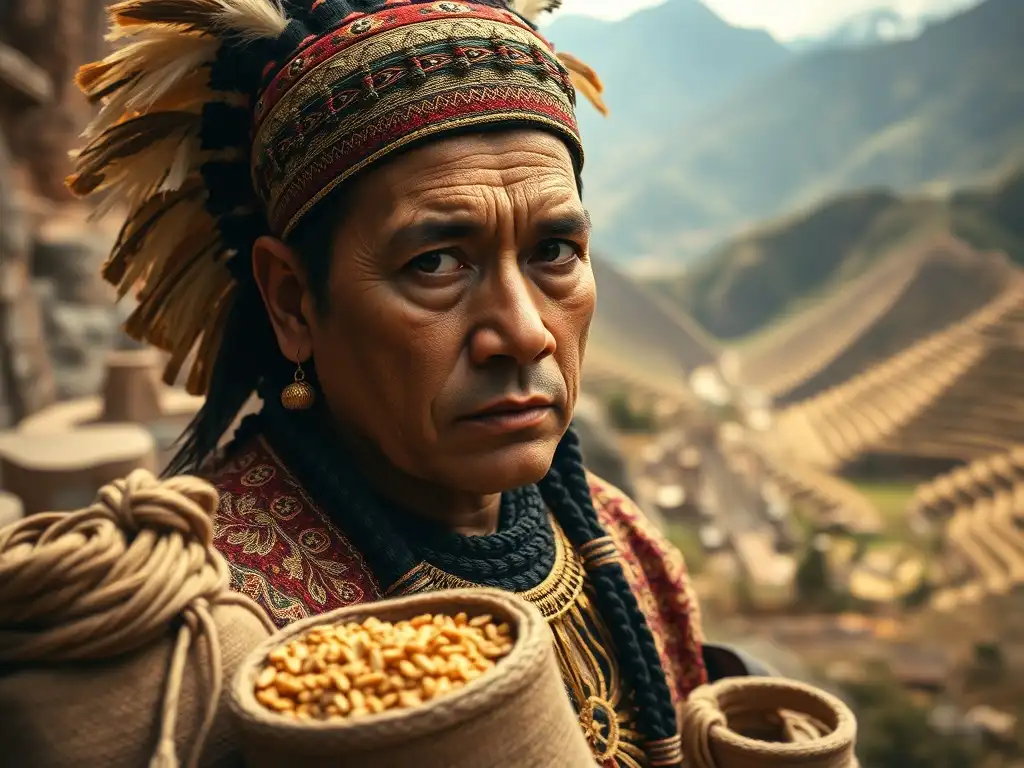
Pachacuti's economic policies were as strategically brilliant as his military and administrative reforms. He understood that a strong economy was essential for maintaining the empire's power and stability. This wasn't simply about accumulating wealth; it was about managing resources effectively and ensuring the prosperity of his subjects, recognizing that their well-being directly impacted the strength of the empire.
His policies focused on agricultural innovation, resource management, and a sophisticated system of redistribution. This ensured that even during periods of scarcity, the empire could function effectively and maintain social order. His economic strategies were a crucial component of the Inca Empire's remarkable success.
Agricultural Innovations and Resource Management
Pachacuti's reign witnessed significant advancements in Inca agriculture. Existing techniques were refined, and new ones were introduced to maximize productivity in diverse environments. Terracing on steep slopes, irrigation systems, and sophisticated farming techniques allowed the Incas to cultivate crops in areas previously unsuitable for agriculture. This increased food production was vital for sustaining a large population and supporting the empire's vast military and workforce.
Resource management was also crucial. The Incas implemented strict controls over the distribution of resources, ensuring that essential goods were available to all, preventing shortages and famine. This included the careful management of water resources, the efficient allocation of land, and the regulation of trade. These innovations and policies were crucial for the empire's economic stability and its ability to support a large and diverse population.
The Redistribution of Goods and Labor
The Inca economy operated on a system of redistribution, ensuring that resources were allocated fairly and efficiently across the empire. Surpluses from productive regions were channeled to areas experiencing shortages, preventing famine and maintaining social stability. This system wasn't simply charitable; it was a strategic tool for maintaining control and loyalty. By providing essential goods and services, Pachacuti reinforced the central authority of the Inca state and fostered loyalty among his subjects.
The redistribution of goods and labor was a key element of the Inca economic system, contributing significantly to the empire's stability and longevity. This system, while effective, also required a sophisticated bureaucratic apparatus to manage the flow of goods and services across the vast empire. The success of this system speaks to the organizational capabilities of the Inca government.
Pachacuti's Cultural Impact: Shaping the Inca Identity
Pachacuti's reign wasn't solely defined by military conquests; he profoundly impacted Inca culture, forging a unified identity across the vast empire. He standardized practices, beliefs, and artistic styles, creating a sense of shared heritage that strengthened the empire's cohesion. This wasn't a simple imposition of Cusco's culture; rather, Pachacuti cleverly integrated elements from conquered regions, creating a synthesis that fostered a sense of belonging amongst diverse populations. He understood that a strong, unified culture was crucial for maintaining control and stability within his expanding dominion.
The standardization of Quechua, the Inca language, across the empire facilitated communication and administration, further contributing to this cultural unification. This strategic move fostered a shared identity and eased the integration of newly incorporated territories. The careful integration of local traditions with Inca practices minimized resistance and encouraged assimilation.
The Construction of Machu Picchu and Other Monumental Works
Pachacuti's architectural vision is arguably as impressive as his military strategies. Machu Picchu, often cited as the pinnacle of Inca engineering, is a testament to his ambition and organizational prowess. While the exact construction date remains debated, its design and scale firmly place it within the context of Pachacuti's expansionist era.
The city's intricate network of terraces, meticulously crafted stonework, and strategic location showcase not just engineering skill but a deep understanding of the Andean landscape and its resources. Beyond Machu Picchu, numerous other monumental works across the empire, including impressive road networks, irrigation systems, and religious centers, bear the hallmark of Pachacuti's era.
These projects weren't merely feats of engineering; they served as powerful symbols of Inca power and authority, projecting an image of imperial strength and sophistication. The sheer scale of these undertakings required exceptional organization, resource management, and a sophisticated understanding of logistics – traits indicative of Pachacuti's strategic mind.
Promotion of the Inca Religion and Ideology
Pachacuti cleverly intertwined religious ideology with imperial power. He promoted the worship of Inti, the sun god, as the supreme deity, establishing a direct link between the Inca emperor and the divine. This divinely ordained authority legitimized his rule and strengthened his position as the supreme leader. The construction of grand temples and the standardization of religious practices across the empire cemented this religious unity.
The Inca religion, with its emphasis on ancestor worship and the importance of the emperor as a descendant of the sun god, provided a unifying framework for the diverse populations under his rule. This religious unification was a key element in Pachacuti’s strategy for consolidating power and maintaining the stability of his expanding empire. The consistent promotion of this ideology across the vast territory helped create a common cultural identity and fostered loyalty to the Inca state.
Pachacuti's Legacy: The Enduring Influence of the Inca Emperor
Pachacuti's influence resonates even today, shaping our understanding of the Inca Empire and its impact on Andean civilization. His strategic acumen, cultural vision, and administrative prowess laid the foundation for the Inca's remarkable expansion and enduring legacy. The empire he built, though ultimately conquered by the Spanish, left an indelible mark on the region's culture, language, and architecture.
His legacy transcends simple military conquest; it encompasses a profound cultural transformation that shaped the identity of the Andean region for centuries to come. The enduring influence of his reign is seen not only in the physical remains of his empire but also in the cultural practices and traditions that persist in the region today.
How Pachacuti Shaped the Inca Empire
Pachacuti's impact on the Inca Empire is multifaceted. His military campaigns dramatically expanded the empire's territory, bringing diverse populations under Inca rule. However, his strategic genius extended beyond military prowess. He implemented innovative administrative systems, creating a highly organized and efficient bureaucracy to manage the vast empire.
This included the development of a sophisticated system of roads, relay runners, and storehouses, enabling efficient communication and resource distribution across the empire. He also introduced standardized weights and measures, further facilitating trade and economic control. These administrative reforms were crucial for maintaining order and stability within the sprawling empire, ensuring the smooth functioning of its complex system.
Pachacuti's Impact on Andean Civilization
Pachacuti's reign marked a pivotal moment in Andean civilization. His actions not only reshaped the political landscape but also profoundly impacted the cultural and social fabric of the region. The standardization of language, religion, and administrative practices created a sense of unity and cultural cohesion that had not existed previously.
This unification, however, was not achieved through simple domination but involved a sophisticated integration of local traditions and practices with Inca customs, creating a unique synthesis of Andean cultures. His legacy is a complex blend of military expansion, administrative innovation, and cultural unification, which continues to shape our understanding of Andean history. The impact of his reign is still visible in the architecture, language, and cultural practices of the region.
The Lasting Legacy of Pachacuti's Reign
Pachacuti's reign remains a subject of intense scholarly interest, demonstrating his lasting impact on Andean civilization. His contributions extended beyond military conquest and included significant administrative, infrastructural, and cultural achievements. The meticulous organization of his empire, the standardization of practices, and the construction of monumental works continue to inspire awe and admiration.
His legacy is not only etched in stone in the magnificent structures that remain but also in the cultural traditions and practices that persist in the region. The study of Pachacuti's reign provides invaluable insights into the complexities of imperial power, cultural integration, and the enduring legacy of a truly remarkable ruler. His strategic vision transformed the Inca from a relatively small kingdom into a vast and powerful empire, a testament to his exceptional leadership and foresight.
- The Rise of Pachacuti: Laying the Foundation for Inca Expansion
- Pachacuti's Military Acumen: Strategies of Conquest and Control
- Pachacuti's Administrative Reforms: Consolidation of Power
- Pachacuti's Economic Policies: Fueling the Inca Empire
- Pachacuti's Cultural Impact: Shaping the Inca Identity
- Pachacuti's Legacy: The Enduring Influence of the Inca Emperor
- What was Pachacuti's most significant contribution to the Inca Empire?
- How did Pachacuti's strategic vision impact Inca infrastructure?
- What role did Pachacuti's religious beliefs play in his strategies?
- How did Pachacuti consolidate power and maintain control over the vast Inca Empire?
- What were the lasting impacts of Pachacuti's strategic vision on subsequent Inca rulers?
Frequently Asked Questions
What was Pachacuti's most significant contribution to the Inca Empire?
Pachacuti's most significant contribution was his military and political reforms, which transformed the Inca from a small kingdom into a vast empire. He implemented innovative strategies that allowed for rapid expansion and efficient administration.
How did Pachacuti's strategic vision impact Inca infrastructure?
His vision led to the construction of an extensive road system, connecting all parts of the empire and facilitating communication, trade, and military movement. He also oversaw the building of advanced irrigation systems and impressive stone architecture.
What role did Pachacuti's religious beliefs play in his strategies?
Pachacuti's deeply ingrained religious beliefs were instrumental in legitimizing his rule and unifying the empire. He emphasized the Inca sun god, Inti, fostering a sense of shared identity and purpose across diverse populations.
How did Pachacuti consolidate power and maintain control over the vast Inca Empire?
Pachacuti implemented a sophisticated system of provincial administration and mit'a labor, ensuring loyalty and extracting resources. He also skillfully integrated conquered peoples into the empire through political alliances and cultural assimilation.
What were the lasting impacts of Pachacuti's strategic vision on subsequent Inca rulers?
Pachacuti's centralized administration and efficient military system became models for future Inca emperors. His legacy of expansion and consolidation profoundly shaped the empire's trajectory for generations to come.
Final Reflection: The Enduring Legacy of Pachacuti's Strategic Vision
Pachacuti's innovative approach to empire-building remains strikingly relevant today, a testament to the enduring power of strategic foresight and adaptable leadership. His ability to unify disparate Andean communities, build a sophisticated infrastructure, and create a remarkably stable and prosperous empire offers invaluable lessons for leaders navigating complex challenges in the modern world. The Inca's success wasn't merely a matter of military might; it was a carefully crafted tapestry woven from political acumen, economic ingenuity, and a deep understanding of human nature.
The impact of Pachacuti's vision extends far beyond the geographical boundaries of the Inca Empire. His legacy continues to shape our understanding of state-building, infrastructure development, and the very nature of imperial power. The echoes of his achievements resonate in the ongoing discussions surrounding effective governance, sustainable development, and the challenges of managing diverse populations. The Inca Empire was not just a conquest, but a project of integration and cultural exchange, a testament to the power of inclusive governance.
This quote highlights the enduring relevance of Pachacuti's approach, reminding us that true strength lies not in domination, but in the ability to unite and build collaboratively.
Consider, for a moment, the challenges facing our world today – from climate change to global inequality. Pachacuti's strategic thinking, his ability to anticipate and adapt to changing circumstances, offers a powerful model for navigating these complex issues. You too can cultivate a vision as powerful as Pachacuti's. By embracing adaptability, fostering collaboration, and prioritizing long-term sustainability, you can contribute to building a more just and prosperous future, a future inspired by the enduring legacy of the Inca Emperor.
**Unleash Your Inner Strategist Today! **
Thank you for exploring the strategic brilliance of Pachacuti. His visionary leadership offers invaluable lessons in decision-making, resilience, and innovation, applicable to any challenge. Now, let's put this knowledge into practice!
- **Apply strategic thinking:** Consider a current problem. Develop a straightforward plan to address it, drawing on the principles you've learned from Pachacuti's approach.
- **Share your discoveries:** Discuss how Pachacuti's strategies can be adapted to everyday situations with a friend, colleague, or mentor.
- **Join the discussion:** Share your own problem-solving strategies in our community forums on Andean Civilizations .
How will you integrate these insights into your personal and professional life?