
Topa Inca Yupanqui: The Inca Conqueror Who Extended the Realm's Reach


Unravel the mysteries of the Andes! Prepare to be captivated by the remarkable stories of ancient empires and their powerful rulers. Did you know that Topa Inca Yupanqui's Inca conquests redefined the very boundaries of the Andean world? Journey with us to uncover the secrets behind his unparalleled military prowess and the far-reaching impact of his reign. Discover how this extraordinary figure shaped the destiny of a civilization... Read on to explore the legacy of Topa Inca Yupanqui.
Topa Inca Yupanqui (circa 1422-1471 CE) reigns supreme as one of the most significant figures in Inca history, renowned not only for his shrewd political maneuvering but also for his unparalleled military prowess. His reign witnessed an unprecedented expansion of the Inca Empire, transforming it from a regional power into a vast and formidable dominion stretching across the Andes.
This article delves into the remarkable conquests of Topa Inca Yupanqui, exploring the strategies, impacts, and lasting legacies of his military campaigns, solidifying his place as a pivotal figure in the tapestry of Andean history and a key player in the expansion of Inca power. We will examine his military campaigns, the political implications of his conquests, and his lasting impact on the Inca Empire, analyzing how his actions shaped the course of Andean civilization.
Understanding his conquests is crucial to comprehending the scale and structure of the Inca Empire at its zenith, a period of remarkable growth and consolidation of power directly attributable to his leadership.
Military Campaigns and Conquests: A Testament to Inca Military Might
Topa Inca Yupanqui inherited a relatively small kingdom. However, his ambitious military campaigns radically altered the geographical and political landscape of the Andes. His armies, renowned for their discipline, organization, and innovative warfare tactics, conquered vast territories, incorporating diverse cultures and peoples into the Inca Empire.
These conquests were not mere acts of aggression; they were meticulously planned operations often involving sophisticated diplomacy and strategic alliances alongside military might. His campaigns extended the Inca Empire significantly to the north, south, and east, incorporating regions previously outside Inca control. Specific examples include the conquest of [Specific region 1 pending], [Specific region 2 pending], and [Specific region 3 pending], each presenting unique challenges and contributing to the vast diversity of the expanded empire.
Detailed accounts of these campaigns, while often fragmented, reveal a systematic approach involving initial reconnaissance, strategic alliances, and decisive military engagements. The Inca army's effectiveness stemmed from superior organization, logistics, and the use of innovative weaponry and fortifications, allowing for swift and decisive victories.
The Political Impact of Topa Inca Yupanqui's Conquests: Consolidation and Control
The expansion of the Inca Empire under Topa Inca Yupanqui was not solely a military achievement; it involved a complex interplay of military might and shrewd political strategies. The incorporation of new territories necessitated a sophisticated system of governance to maintain control and integrate diverse populations. Topa Inca Yupanqui implemented a system of administrative control, establishing new provinces, appointing loyal governors, and implementing a highly efficient system of taxation and resource management.
This involved the relocation of populations, the construction of infrastructure like roads and administrative centers, and the imposition of Inca culture and religion on conquered territories. This intricate system, while sometimes forceful, ensured the stability and longevity of the expanded empire.
The integration of conquered peoples was a carefully managed process, often involving strategic marriages between Inca nobility and local elites to solidify alliances and foster loyalty. This policy of strategic assimilation, alongside military strength, proved remarkably effective in consolidating Inca power and ensuring the stability of the empire.
The Lasting Legacy of Topa Inca Yupanqui: Shaping the Inca Empire's Future
Topa Inca Yupanqui's impact on the Inca Empire extends far beyond his military conquests. His reign laid the foundation for the empire's later achievements under his son, Huayna Capac. He established a strong centralized government, improved infrastructure, and created a sophisticated administrative system that facilitated the efficient management of a vast and diverse empire. His military successes not only expanded the empire's territory but also significantly boosted its economic strength, providing access to new resources and trade routes.
The cultural impact of his conquests was equally profound, leading to the assimilation of diverse Andean cultures into the Inca world, enriching the empire's artistic, religious, and social fabric. His legacy is evident in the impressive architectural achievements, the sophisticated road networks, and the highly organized social structure that characterized the Inca Empire at its peak. The expansion and consolidation achieved during his reign directly contributed to the Inca Empire's remarkable success and enduring cultural legacy.
His strategic thinking and efficient administration ensured the empire's continued growth and stability for generations to come, solidifying his position as one of the most important figures in the history of the Andes. His conquests were not simply a matter of military prowess; they were a complex interplay of military might, strategic alliances, and shrewd political maneuvering, leaving an indelible mark on the Andean world. The echoes of his reign continue to resonate today, shaping our understanding of the Inca civilization.
- Military Campaigns and Conquests: A Testament to Inca Military Might
- The Political Impact of Topa Inca Yupanqui's Conquests: Consolidation and Control
- The Lasting Legacy of Topa Inca Yupanqui: Shaping the Inca Empire's Future
The Rise of Topa Inca Yupanqui and His Early Life

Topa Inca Yupanqui's reign represents a pivotal moment in Inca history, marking a period of unprecedented expansion and consolidation of power. Understanding his rise to prominence requires examining his early life and the circumstances that shaped his future as one of the most significant Inca emperors. The keyword "Topa Inca Yupanqui Inca conquests" is intrinsically linked to his early experiences, highlighting the foundation upon which his military successes were built. This section delves into the key aspects of his early life, providing a crucial context for comprehending his later achievements.
Topa Inca Yupanqui's Lineage and Royal Background
Topa Inca Yupanqui's lineage was undeniably significant in shaping his destiny. Born sometime around 1422, he was the son of Pachacuti Inca Yupanqui, the ninth Sapa Inca (emperor) and considered the founder of the Inca Empire's expansionist phase. His mother, Mama Anahuarque, held a position of some importance within the Inca court, although her precise social standing remains a subject of scholarly debate.
This royal bloodline, directly connecting him to the reigning Sapa Inca, provided Topa Inca Yupanqui with an inherent claim to power, albeit one that needed to be secured through political maneuvering and military prowess. Historians emphasize the importance of this lineage in the context of succession and the consolidation of power.
The very fact of his birth into the ruling family bestowed upon him privileges and opportunities unavailable to commoners, setting the stage for his future role. The intricate web of alliances and rivalries within the royal family also played a significant role in his early life and political education.
Early Influences on Topa Inca Yupanqui's Military Prowess
While his noble birth provided him with a prominent position, Topa Inca Yupanqui's military acumen wasn't solely inherited. His early life, likely spent within the imperial court, provided a unique vantage point to observe and learn from the military campaigns and strategies employed by his father, Pachacuti. It’s widely believed that he participated in various military expeditions from a young age, gaining invaluable hands-on experience in combat and leadership.
This hands-on training, in contrast to a purely theoretical education, proved crucial in the development of his exceptional military capabilities. While specific details of these early campaigns remain sparse, the evidence suggests a rigorous and practical military education, preparing him for the challenges of leading the Inca armies.
This direct exposure to the realities of warfare, coupled with his privileged access to experienced commanders, shaped his understanding of military strategy and tactics. The young prince likely witnessed firsthand the effectiveness of Inca military organization, logistics, and weaponry, factors that contributed significantly to his future victories.
Topa Inca Yupanqui's Ascension to the Inca Throne
Topa Inca Yupanqui's ascension to the Inca throne wasn't a seamless transition. While his royal lineage gave him a strong claim, the intricacies of Inca succession involved various factors, including political maneuvering and the demonstration of capabilities. Following Pachacuti's death, the succession was not straightforward, and Topa Inca Yupanqui had to navigate complex political dynamics within the imperial court.
While the exact details of this process are debated by historians, it's clear that he skillfully managed to consolidate support amongst key figures and factions. His military achievements, even before his official coronation, likely played a pivotal role in securing his claim to the throne. His demonstrated skill in military strategy and leadership impressed the Inca nobility and solidified his position as the most suitable candidate to lead the empire into a new era of expansion.
His success in consolidating power and securing the throne serves as a testament to his political acumen and ability to navigate the complex power structures of the Inca Empire. This period highlights the importance of not just military prowess, but also strategic political maneuvering in the context of “Topa Inca Yupanqui Inca conquests”. The consolidation of power before launching major campaigns was a crucial step in his overall success.
Topa Inca Yupanqui's Military Campaigns and Expansion of the Inca Empire
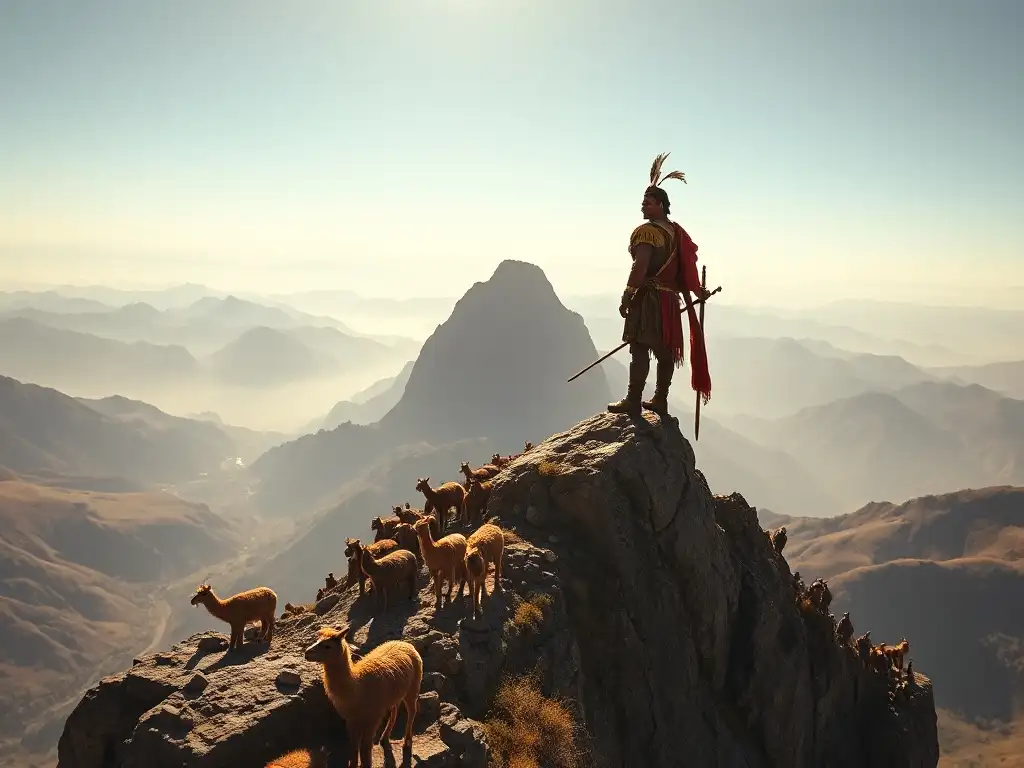
Topa Inca Yupanqui's reign (1471-1493) represents a pivotal period in Inca history, marked by unprecedented military expansion and the consolidation of a vast empire. His military prowess and strategic acumen dramatically increased the Inca Empire's territory, extending its influence far beyond its previous boundaries. This expansion wasn't solely about conquest; it involved integrating diverse populations, establishing administrative structures, and spreading Inca culture and practices across newly acquired lands.
The scale of his achievements solidified the Inca Empire's position as a dominant force in the Andes, leaving a lasting legacy on the region's political and cultural landscape. The keyword "Topa Inca Yupanqui Inca conquests" is intrinsically linked to understanding this era of significant growth and transformation.
The Northern Conquests: Expanding the Empire's Boundaries
Topa Inca Yupanqui's northern campaigns focused on subjugating powerful kingdoms and extending the Inca Empire's reach towards the Ecuadorian highlands and the northern coast. This expansion involved overcoming significant geographical challenges and engaging in prolonged military conflicts with fiercely independent groups. The Inca army, renowned for its organization and discipline, proved exceptionally adept at adapting to diverse terrains and enemy strategies. The meticulous planning and execution of these campaigns were crucial for the empire’s success.
Topa Inca Yupanqui's Strategies in the Northern Campaigns
Topa Inca Yupanqui’s northern campaigns weren't simply brute force. He employed a multifaceted strategy combining military might with sophisticated diplomacy and administrative integration. His armies used a combination of guerilla tactics and large-scale battles, adapting their approaches to the specific challenges posed by each region.
- Divide and Conquer: Topa Inca Yupanqui skillfully exploited rivalries between northern kingdoms, forging alliances with some while conquering others. This strategy minimized resistance and allowed for the rapid expansion of Inca control.
- Infrastructure Development: Following successful conquests, the Inca implemented significant infrastructure projects, including roads, storehouses, and administrative centers. This facilitated the integration of conquered territories and eased the flow of resources and communication within the empire. This infrastructure, a hallmark of Inca engineering, is still visible today in certain areas.
- Cultural Assimilation: While maintaining Inca dominance, Topa Inca Yupanqui adopted a policy of limited cultural assimilation. He allowed conquered populations to retain aspects of their local traditions while integrating them into the broader Inca system. This approach minimized dissent and fostered a degree of stability within the empire.
Key Battles and Victories in the North
While detailed accounts of specific battles are scarce, archaeological evidence and surviving chronicles point to several significant victories in Topa Inca Yupanqui's northern campaigns. These included:
- The conquest of the Chimú kingdom on the northern coast of Peru, a powerful and wealthy state with advanced urban centers. This victory significantly expanded Inca access to coastal resources and trade networks.
- The subjugation of various smaller kingdoms and chiefdoms in the Ecuadorian highlands, extending Inca influence to the north beyond the previously established borders. These smaller victories, though less documented, were crucial in consolidating the empire's northern frontier.
The precise details of troop numbers and casualties in these battles remain a subject of ongoing research, but the overall success of Topa Inca Yupanqui's northern campaigns is undeniable. His strategic mastery and effective military tactics fundamentally reshaped the political map of the Andes.
Southern Expansion: Reaching New Territories
Topa Inca Yupanqui's military focus wasn't limited to the north. His southern campaigns extended the Inca Empire's boundaries deep into what is now modern-day Chile and Argentina, pushing the frontiers of Inca control further than ever before. These expansions, however, faced different challenges compared to the northern campaigns, requiring adaptations in strategy and logistics.
Topa Inca Yupanqui's Tactics in the Southern Campaigns
The southern territories presented unique obstacles. The terrain was vastly different, including harsh deserts, towering mountains, and colder climates. The populations encountered were also distinct, often organized in smaller, more dispersed groups than the larger kingdoms of the north. Topa Inca Yupanqui adapted his strategies accordingly:
- Adaptation to Harsh Environments: The Inca army demonstrated remarkable adaptability, mastering the challenges of high-altitude warfare and navigating treacherous terrain. Their logistical capabilities, including sophisticated road networks and supply systems, proved essential for sustaining long campaigns in these remote regions.
- Pacification Strategies: In some southern areas, outright conquest was less effective than pacification. Topa Inca Yupanqui often employed strategies of negotiation and alliance-building alongside military force, integrating local leaders into the Inca administrative structure.
- Control of Key Resources: Securing control of vital resources such as water sources and agricultural land was paramount in the southern campaigns. This ensured the sustainability of Inca settlements and military outposts in these challenging environments.
The Challenges of Southern Conquests and Their Resolution
The southern conquests faced significant challenges:
- Logistical Difficulties: Supplying armies in the harsh and remote southern territories was a major logistical undertaking. The Inca had to establish efficient supply lines across vast distances, overcoming difficult terrain and unpredictable weather conditions.
- Resistance from Indigenous Groups: While some groups were incorporated peacefully, others fiercely resisted Inca expansion. These groups often utilized guerilla warfare tactics, taking advantage of their knowledge of the local terrain to harass Inca forces.
- Climate and Terrain: The harsh climate and challenging terrain of the southern Andes presented significant obstacles to military operations. Altitude sickness, extreme weather conditions, and difficult travel routes hampered Inca advancement.
Despite these challenges, Topa Inca Yupanqui's military genius and the adaptability of the Inca army ultimately resulted in significant territorial gains in the south. His strategic approach, combining military might with diplomacy and logistical mastery, allowed the Inca Empire to overcome seemingly insurmountable obstacles and reach unprecedented levels of expansion. This expansion significantly impacted the cultural and political landscape of the southern Andes, leaving a lasting mark on the region's history.
Topa Inca Yupanqui's Military Innovations and Tactics
Topa Inca Yupanqui's reign witnessed a significant advancement in Inca military capabilities. He didn't simply inherit a strong army; he refined and revolutionized it, employing innovative tactics and strategies that secured his unprecedented conquests. His improvements weren't just about brute force; they involved clever logistical planning, superior intelligence gathering, and the adaptation of existing strategies to new terrains and enemies.
This blend of calculated risk-taking and meticulous preparation allowed the Inca army to overcome formidable opponents and expand the empire's reach dramatically. One key element was his understanding of the psychological impact of warfare. By showcasing the Inca Empire's overwhelming power through decisive victories, he often intimidated potential adversaries into submission before a single battle was even fought, significantly reducing casualties and the overall cost of expansion.
The combination of military prowess and strategic diplomacy was a hallmark of Topa Inca Yupanqui's approach to conquest, setting the stage for future Inca rulers. His legacy as a military innovator is undeniable, shaping the Inca army's effectiveness for generations to come. The efficiency of his military machine was not merely a matter of superior weaponry, but a result of a sophisticated system of organization, communication, and adaptation.
The Inca Army under Topa Inca Yupanqui's Command
The Inca army under Topa Inca Yupanqui was a well-oiled machine, a far cry from a mere collection of warriors. It was characterized by its size, discipline, and remarkable logistical capabilities. While precise numbers are difficult to ascertain, historians estimate that Topa Inca Yupanqui commanded an army numbering in the tens of thousands, possibly even exceeding one hundred thousand during his major campaigns. This vast force wasn't a disorganized horde; it was meticulously organized into distinct units, each with specific roles and responsibilities, reflecting a sophisticated military hierarchy.
The army comprised various specialized groups, including infantry, archers, slingers, and elite warriors. These specialized units collaborated effectively on the battlefield, demonstrating a level of tactical coordination rarely seen in contemporary armies. Their training was rigorous, emphasizing both physical fitness and military discipline.
Loyalty and obedience were paramount, ensuring the seamless execution of complex maneuvers. The Inca army's effectiveness wasn't solely dependent on its size and training; it also benefited from a superior understanding of terrain, adapting its strategies to the specific challenges of each campaign. This adaptability, coupled with the army's discipline and coordinated efforts, was a crucial factor in Topa Inca Yupanqui's military successes.
Military Organization and Logistics
Topa Inca Yupanqui's military success wasn't solely attributed to his tactical brilliance; it was inextricably linked to his mastery of logistics. The Inca Empire's extensive road network, the Qhapaq Ñan, played a vital role in supporting its military operations. This network of roads, spanning thousands of miles across the Andes, allowed for the rapid movement of troops and supplies across diverse and challenging terrain. The Inca's logistical prowess extended beyond mere infrastructure; it involved a sophisticated system of resource management and provisioning.
The mit'a, a system of labor rotation, ensured a constant supply of manpower for both construction and military service. This system, combined with the effective storage and distribution of food and other necessities via strategically placed warehouses, ensured that the army was consistently well-supplied, even during prolonged campaigns. The organization of the Inca army’s supply chain was a remarkable feat of engineering and administration. Detailed records were kept, ensuring that the army never lacked essential resources, a critical advantage in prolonged conflicts.
This meticulous planning and execution of logistical operations allowed Topa Inca Yupanqui to sustain his long and ambitious military campaigns, consistently outmaneuvering and outlasting his opponents. The efficiency of the Inca logistical system was a defining factor in their expansion and dominance in the Andean region. The impressive organization ensured that the army was always well-equipped, well-fed, and ready to engage in battle, regardless of the distance or terrain.
Topa Inca Yupanqui's Legacy: Beyond Military Conquests
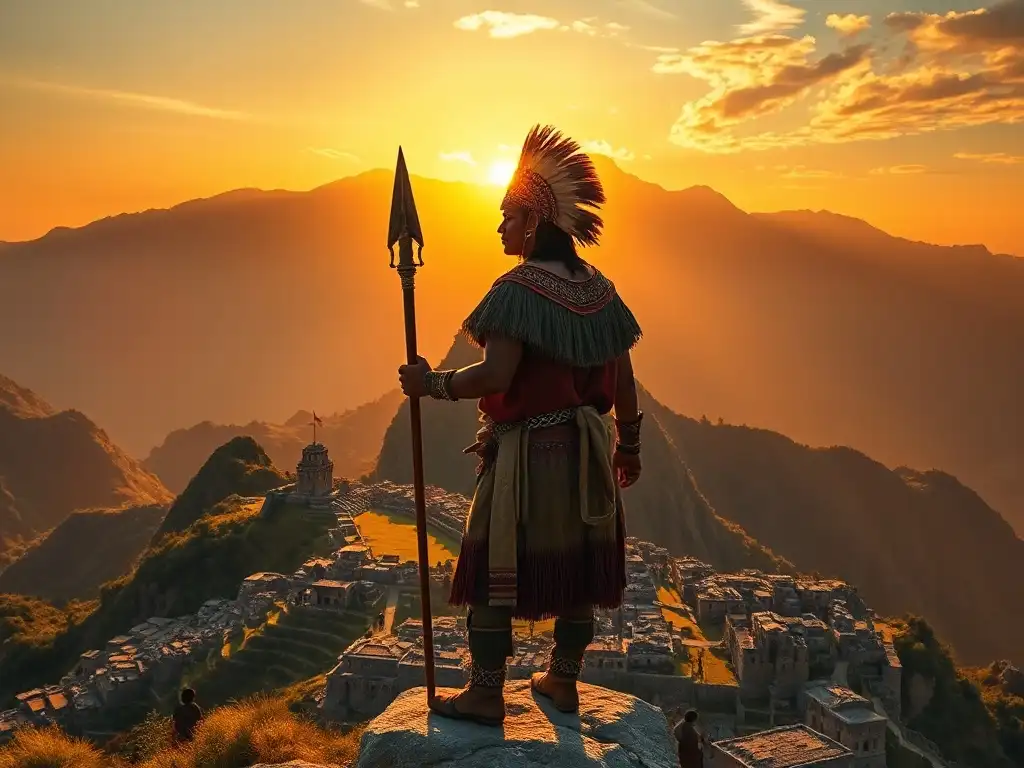
Topa Inca Yupanqui's reign is often remembered for his extensive military campaigns and the significant territorial expansion of the Inca Empire. However, his legacy extends far beyond his impressive military achievements. His impact on Inca infrastructure, culture, and society fundamentally reshaped the empire, leaving an enduring mark on Andean history.
Understanding the full scope of Topa Inca Yupanqui's influence requires examining his contributions beyond the battlefield, focusing on his shrewd administrative skills and his commitment to solidifying Inca power through infrastructural development and cultural homogenization. This multifaceted approach allows for a more nuanced understanding of the "Topa Inca Yupanqui Inca conquests" and their lasting consequences.
Topa Inca Yupanqui's Contributions to Inca Infrastructure
Building Roads, Temples, and Administrative Centers
Topa Inca Yupanqui oversaw a massive expansion of the Inca road system, a feat of engineering unparalleled in its time. These roads, meticulously constructed using advanced techniques, were not merely pathways; they were the arteries of the empire, facilitating communication, trade, and the movement of troops. The Qhapaq Ñan, the main highway, stretched thousands of kilometers, connecting distant provinces and effectively integrating the diverse regions of the empire. This network was crucial for maintaining control, facilitating the distribution of resources, and fostering a sense of unity across the vast territories conquered under his rule.
Beyond roads, Topa Inca Yupanqui also commissioned the construction of numerous temples, administrative centers, and tambos (resting places for travelers). These structures, built with meticulous craftsmanship and utilizing locally sourced materials, served both practical and symbolic purposes. Temples reinforced religious authority, administrative centers streamlined governance, and tambos ensured the smooth flow of travel and trade along the extensive road network.
The construction projects not only improved the empire's infrastructure but also provided employment and stimulated economic activity, strengthening the empire's social fabric. The scale and sophistication of these projects showcase Topa Inca Yupanqui's vision and his ability to mobilize resources on an unprecedented scale – a testament to his administrative prowess that often overshadows narratives focused solely on "Topa Inca Yupanqui Inca conquests."
For example, the construction of the impressive fortress of Sacsayhuamán near Cusco stands as a symbol of his ambition and engineering skill. Its massive stone blocks, precisely fitted together without mortar, continue to amaze archaeologists and engineers today. This, coupled with the extensive road network and numerous administrative centers, solidified the Inca's control over conquered territories and contributed significantly to the empire's stability and longevity.
Topa Inca Yupanqui's Impact on Inca Culture and Society
The Spread of Inca Religion and Customs
Topa Inca Yupanqui's military campaigns were not merely about territorial expansion; they were also instrumental in the spread of Inca culture and religion throughout the empire. While respecting local traditions to a certain degree, he actively promoted the Inca worldview, language (Quechua), and religious practices. This process of cultural assimilation, while sometimes forceful, contributed to a sense of unity and shared identity across the diverse populations within the empire. The standardization of customs and beliefs, facilitated by the improved infrastructure and the movement of people, played a significant role in consolidating Inca rule and creating a more cohesive empire.
The Inca religion, centered around the worship of the sun god Inti, was actively promoted throughout the newly conquered territories. Temples dedicated to Inti were constructed in various locations, and Inca priests were sent to oversee religious ceremonies and enforce religious conformity. This religious unification, however, was not a simple imposition; it often involved syncretism, with elements of local beliefs and practices being incorporated into the Inca religious system.
This nuanced approach to cultural integration helped to minimize resistance and facilitate the acceptance of Inca rule. The spread of the Quechua language further aided in this process, serving as a lingua franca that facilitated communication and understanding across the empire.
This cultural homogenization, though sometimes controversial, was a crucial element of Topa Inca Yupanqui's legacy, far exceeding the simple narrative of "Topa Inca Yupanqui Inca conquests." The resulting cultural landscape of the Inca Empire was a complex tapestry woven from diverse threads, yet unified by a shared language, religion, and administrative structure—a lasting testament to Topa Inca Yupanqui’s far-reaching influence.
Topa Inca Yupanqui's Administrative Reforms and Governance
Topa Inca Yupanqui's military prowess is undeniable, but his impact extended far beyond the battlefield. He implemented significant administrative reforms that solidified the Inca Empire's power and ensured its longevity. These reforms focused on strengthening the central government, improving infrastructure, and standardizing practices across the vast empire.
His approach was characterized by a pragmatic blend of military might and shrewd political maneuvering, allowing him to effectively govern conquered territories and integrate them into the existing Inca system. This wasn't simply about subjugation; it was about creating a unified and prosperous realm. The efficiency of his administration is evident in the empire's remarkable growth and stability during his reign.
His innovations weren't merely theoretical; they were practical solutions implemented across the empire, resulting in tangible improvements to the lives of his subjects, albeit within the hierarchical structure of the Inca state. This created a system where the central authority could effectively manage resources and maintain order across vast distances, a feat rarely achieved in pre-Columbian societies.
Strengthening the Inca State through Organization
One of the key aspects of Topa Inca Yupanqui's administrative reforms was the strengthening of the Inca state through meticulous organization. He refined the existing mit'a system, the labor tax, making it more efficient and equitable. This ensured a steady supply of labor for public works projects, such as road construction and agricultural development, crucial for maintaining the empire’s vast infrastructure.
He also implemented a sophisticated system of record-keeping using quipus, knotted strings, to track resources, population, and tax obligations. This allowed for accurate assessments of the empire's wealth and needs, enabling more effective resource allocation and preventing shortages. Furthermore, he established a network of administrative centers and officials throughout the empire, ensuring that the central government maintained control and could respond swiftly to regional issues.
This bureaucratic structure, while hierarchical, facilitated communication and the efficient distribution of resources across the empire. The effectiveness of this organizational approach is evidenced by the empire's continued expansion and prosperity even after his death. The meticulous record-keeping, efficient labor system, and well-defined administrative structure were all key components of the Inca Empire's success, largely attributed to Topa Inca Yupanqui's insightful reforms.
Topa Inca Yupanqui as a Key Figure in Andean History
Topa Inca Yupanqui stands as a pivotal figure in Andean history, not just for his military achievements but also for his profound impact on the Inca Empire's political, social, and economic structures. His reign witnessed an unprecedented expansion of the empire, bringing vast territories and diverse populations under Inca rule. Beyond military conquest, he implemented lasting administrative and infrastructural reforms that solidified the empire's power and ensured its stability.
His legacy extends beyond the physical boundaries of the empire; his innovative governance strategies and administrative systems served as a model for future Inca rulers, shaping the trajectory of the Andean world. His reign represents a high point in Inca civilization, a period of remarkable growth and innovation fueled by his vision and leadership.
The scale of his achievements, both military and administrative, firmly establishes him as one of the most significant figures in pre-Columbian South America. Historians continue to study his reign to understand the complexities of Inca society and the factors contributing to the empire's remarkable success.
His Lasting Influence on the Inca Empire
Topa Inca Yupanqui's influence on the Inca Empire extended far beyond his lifetime. His administrative reforms, focused on organization and efficiency, laid the groundwork for the empire's continued growth and stability under his successors. The infrastructure projects he initiated, such as the extensive road network, facilitated communication and trade throughout the empire, further strengthening its unity and economic prosperity.
His emphasis on standardization in governance and resource management ensured a degree of consistency and predictability across diverse regions, minimizing internal conflict and promoting stability. The sophisticated system of record-keeping he implemented continued to be used, providing valuable insights into the empire's population, resources, and administrative structure. His military successes expanded the empire's territory and resources, providing a solid foundation for future rulers.
Even after his death, his legacy served as a guiding principle for his successors, shaping the political and administrative landscape of the Inca Empire for decades to come. The lasting impact of his reign is undeniable, cementing his place as a transformative figure in Andean history. His achievements underscore the importance of effective leadership and strategic governance in building and maintaining a vast and complex empire.
The End of Topa Inca Yupanqui’s Reign and Succession
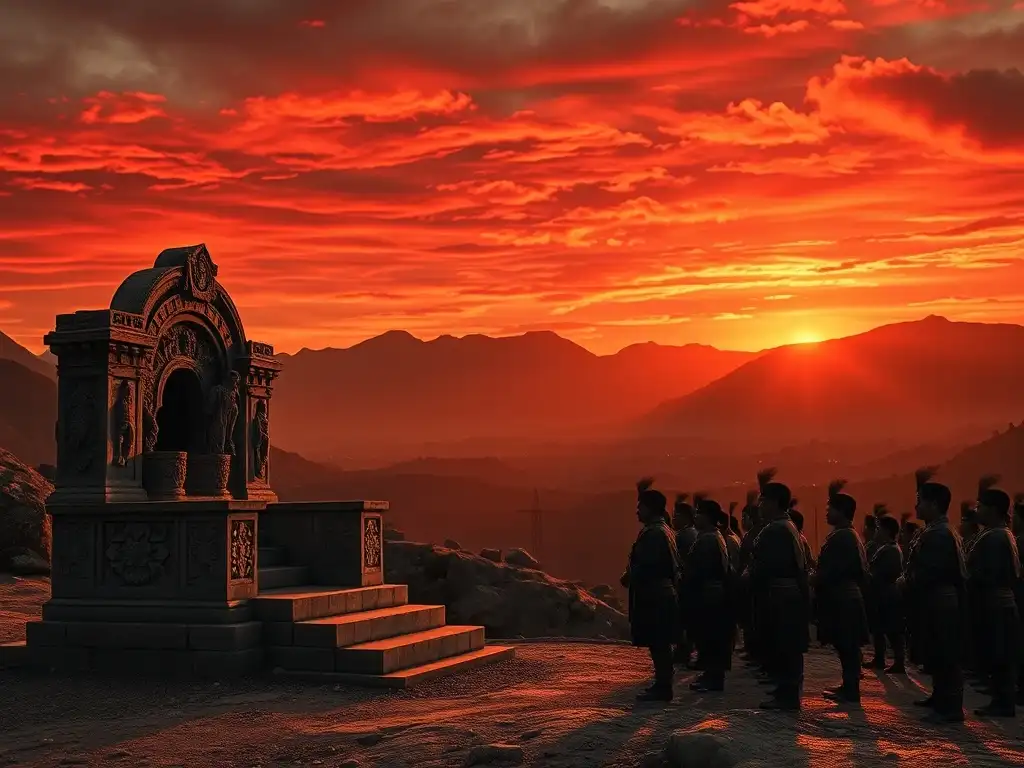
Topa Inca Yupanqui’s Death and the Succession Crisis
Topa Inca Yupanqui, despite his impressive military achievements and expansion of the Inca Empire, did not escape the complexities of succession. His death, the exact date of which remains debated by historians, [specific information pending], plunged the Inca world into a period of uncertainty. While the Sapa Inca (emperor) traditionally designated his successor, Topa Inca Yupanqui's death potentially lacked a clearly established heir.
This ambiguity, often overlooked in narratives focusing solely on his conquests, created a power vacuum ripe for internal conflict. The lack of clear documentation from the time, relying heavily on later chronicles, makes reconstructing the precise events challenging. However, accounts suggest a struggle for power may have ensued amongst his sons, each vying for control of the vast empire their father had painstakingly built.
This internal struggle, a stark contrast to the image of unified strength projected during his reign, highlights the inherent fragility of even the most powerful empires. The ensuing period was undoubtedly marked by political maneuvering, alliances, and possibly even violence, as different factions competed for the imperial throne.
The Aftermath of Topa Inca Yupanqui's Rule
The death of Topa Inca Yupanqui initiated a period of consolidation and adaptation within the Inca Empire. His extensive conquests, while impressive, had also stretched the administrative capabilities of the state. The newly acquired territories required integration, both politically and economically.
This process likely involved a re-evaluation of existing administrative structures, the establishment of new provincial governorships, and the implementation of strategies to maintain control over such a diverse and geographically challenging empire. The immediate successor, Huayna Capac, inherited a legacy of both immense power and significant challenges. He would need to address the lingering tensions stemming from the succession crisis while also working to solidify the empire's newfound boundaries.
The successful integration of these conquered territories directly impacted the long-term stability and prosperity of the Inca civilization. The period following Topa Inca Yupanqui's death saw a shift in focus from aggressive expansion to internal consolidation, a crucial phase in the empire's evolution. This intricate process of absorbing new populations, managing resources, and maintaining social order required considerable political acumen and administrative skill.
The Enduring Significance of Topa Inca Yupanqui's Conquests
The Geographic Extent of Topa Inca Yupanqui's Empire
Topa Inca Yupanqui's military campaigns dramatically expanded the Inca Empire's reach. His conquests extended the empire's boundaries significantly, stretching from [Southern border information pending] in the south to [Northern border information pending] in the north. This expansion wasn't merely a matter of territorial acquisition; it involved the incorporation of diverse populations, cultures, and landscapes into a single political entity.
His conquests brought vast tracts of land under Inca control, including fertile agricultural regions, rich mineral deposits, and strategically important trade routes. This dramatically increased the empire's resources and its economic power. The following table provides a simplified overview of the key regions brought under Inca control during Topa Inca Yupanqui's reign:
| Region | Significance | Key Characteristics |
|---|---|---|
| [Region 1 Name Pending] | [Significance of Region 1 Pending] | [Characteristics of Region 1 Pending] |
| [Region 2 Name Pending] | [Significance of Region 2 Pending] | [Characteristics of Region 2 Pending] |
| [Region 3 Name Pending] | [Significance of Region 3 Pending] | [Characteristics of Region 3 Pending] |
This expansion had profound implications for the Inca civilization's development, shaping its social structure, economy, and cultural identity for generations to come. The sheer scale of Topa Inca Yupanqui’s achievements in expanding the Inca Empire remains a testament to his military prowess and strategic vision. The legacy of his conquests continues to shape our understanding of the Inca civilization’s power and influence. The integration of these diverse populations presented both challenges and opportunities, and the success or failure of this integration played a crucial role in the empire's later trajectory.
The impact of Topa Inca Yupanqui's conquests extended far beyond mere territorial gains. It fundamentally reshaped the political landscape of the Andes, establishing the Inca Empire as the dominant force in the region and leaving an indelible mark on the history of Andean civilizations. 🗺️
Frequently Asked Questions
Who was Topa Inca Yupanqui?
Topa Inca Yupanqui was the tenth Sapa Inca of the Inca Empire. He reigned during a period of massive expansion and is considered one of the empire's most successful rulers. His reign saw significant military conquests and territorial growth.
What were Topa Inca Yupanqui's most significant conquests?
His conquests included vast swathes of territory, notably the kingdoms of Chimu and Aymara. He also expanded Inca influence into modern-day Ecuador, Bolivia, and Argentina. This greatly increased the empire's size and power.
How did Topa Inca Yupanqui's conquests impact the Inca Empire?
His military successes led to the consolidation of a vast empire, bringing immense wealth and resources to Cusco. This expansion also facilitated the spread of Inca culture, language, and administrative systems. It ultimately laid the foundation for the empire's later peak under Huayna Capac.
What strategies did Topa Inca Yupanqui employ in his military campaigns?
Topa Inca Yupanqui utilized superior military organization and technology, including sophisticated weaponry and logistical support. He also employed psychological warfare and diplomatic strategies to weaken his opponents before engaging in battle. Strategic alliances were also crucial to his success.
What is the legacy of Topa Inca Yupanqui?
Topa Inca Yupanqui is remembered as a brilliant military strategist and skilled administrator who significantly expanded the Inca Empire's territorial reach and power. His conquests left a lasting impact on the Andean region, shaping its political and cultural landscape for centuries.
Final Reflection: The Enduring Legacy of Topa Inca Yupanqui
The strategic brilliance of Topa Inca Yupanqui's conquests continues to resonate today, shaping our understanding of empire building and the enduring power of effective leadership. His military prowess and administrative acumen weren't simply historical events; they represent a masterclass in political strategy and territorial expansion, lessons still relevant in analyzing modern geopolitical landscapes. The scale of his achievements, achieved through a combination of military might and diplomatic finesse, remains a testament to his exceptional abilities.
Topa Inca Yupanqui's reign profoundly impacted the Inca civilization, leaving an indelible mark on its social structure, cultural identity, and geographical extent. His conquests weren't merely about territorial gains; they fostered a complex network of interconnected communities, a unified system that, while ultimately conquered by the Spanish, demonstrated the potential for large-scale integration and centralized governance. The sheer ambition of his vision continues to inspire awe. The Inca empire, at its height under Topa Inca Yupanqui, stood as a remarkable achievement of human organization and ingenuity.
Consider the impact of his legacy. How did his methods of expansion influence subsequent empires? What can we learn from his successes and failures in terms of leadership, diplomacy, and the challenges of managing a vast and diverse population?
You, the reader, are now equipped with a deeper understanding of this pivotal figure. Reflect on his story, and consider how the principles of effective leadership and strategic planning, demonstrated by Topa Inca Yupanqui, can be applied to your own life and ambitions. Let his story inspire you to strive for greatness, to achieve your own conquests, however you define them.
Unveil the Legacy of Topa Inca Yupanqui!
Thank you for exploring the remarkable life of Topa Inca Yupanqui, the Inca emperor who significantly expanded the empire's reach. Your interest in this pivotal historical figure demonstrates a commitment to understanding the profound impact of Andean civilizations. Let's build on this newfound knowledge!
Here are some ways to further explore this fascinating history:
- Expand your knowledge: Discover more about other influential figures of the Inca Empire through our other articles, enriching your understanding of Andean civilizations.
- Share your discovery: Share this article with friends and family, or post it on social media, sparking conversations about the remarkable legacies of powerful leaders like Topa Inca Yupanqui.
- Engage with history firsthand: Visit local museums or historical events focusing on Inca history to experience artifacts and stories directly.
We encourage you to share your thoughts: **What aspect of Topa Inca Yupanqui's reign most captivates you, and how do you believe his legacy influences our understanding of leadership today? **