
The Nazca PriestLeaders: Interpreting the Enigmatic Lines

Unravel the mysteries of the Andes! Journey through millennia of breathtaking artistry, intricate societal structures, and technological marvels left behind by the ancient Andean civilizations. But what secrets do the enigmatic Nazca Lines truly hold? Discover the potential significance of the Nazca Lines priest leader meaning and delve into the lives and legacies of the powerful figures who shaped these awe-inspiring cultures. Prepare to be captivated by a history waiting to be rediscovered.
The Nazca Lines, sprawling geoglyphs etched into the Peruvian desert, remain one of the world's greatest archaeological enigmas. While their precise purpose continues to fuel debate, a growing body of evidence points to a significant role played by Nazca priest-leaders in their creation and meaning.
This article delves into the complex interplay between religious authority, societal structure, and the monumental undertaking of constructing these iconic lines, exploring how understanding the role of these priest-leaders offers crucial insights into interpreting their enigmatic nature. We will examine the evidence suggesting their involvement, explore potential interpretations of the lines' meaning within their religious context, and consider the broader implications for our understanding of Nazca society and its worldview.
Unraveling the mystery of the Nazca Lines requires understanding the powerful individuals who likely orchestrated their creation – the Nazca priest-leaders. This exploration will directly address the keyword "Nazca lines priest leader meaning" and its semantic variations, offering a comprehensive understanding of this fascinating topic.
Evidence Suggesting Priest-Leader Involvement in the Creation of the Nazca Lines
The sheer scale and precision of the Nazca Lines strongly suggest a highly organized and centralized effort. Such a massive undertaking required significant manpower, resources, and meticulous planning – elements consistent with the authority and control wielded by powerful priest-leaders within Nazca society. Archaeological evidence, including elaborate burial sites containing intricate artifacts and evidence of specialized craftsmanship, points to a stratified society with a clear elite class.
These elites, likely priest-leaders, would have had the power to mobilize labor, allocate resources, and direct the construction of the lines. Furthermore, the thematic content of many lines – depictions of animals, plants, and possibly constellations – suggests a deeply rooted connection to religious beliefs and cosmology, further reinforcing the likely involvement of religious figures in their creation.
The intricate designs also imply a sophisticated understanding of geometry and surveying, skills likely possessed by a specialized priestly class. [Specific examples of archaeological evidence pending further research].
Potential Interpretations of the Nazca Lines within a Religious Context
The most widely accepted theory suggests that the Nazca Lines served a ritualistic or religious purpose. Given the priest-leaders' prominent role in Nazca society, it is plausible that the lines were integral to their religious practices. Some scholars propose that the lines were used in ceremonies or rituals related to water, fertility, or ancestor veneration.
The lines' alignment with astronomical events could suggest a connection to the Nazca calendar or cosmological beliefs. The depictions of animals, such as the hummingbird or the monkey, could represent deities or mythical creatures significant within their religious system. Other interpretations suggest that the lines were part of a pilgrimage route or a system of communication between different settlements.
The lines may have held symbolic meanings related to the Nazca people’s worldview and their relationship with the environment. More research is needed to fully understand the complex interplay of religious beliefs and the creation of the Nazca Lines. Further investigation into related artifacts and iconography should provide more specific insights.
The Broader Implications for Understanding Nazca Society and Worldview
Understanding the role of Nazca priest-leaders in the creation of the lines sheds light not only on the lines themselves but also on the broader socio-political and religious structures of Nazca society. The lines serve as a powerful testament to the organization, ingenuity, and religious beliefs of this ancient civilization. The intricate planning and execution of the lines demonstrate a sophisticated level of social engineering and technological capabilities.
The religious significance of the lines reveals insights into their cosmology, worldview, and relationship with the natural world. By studying the lines and the role of the priest-leaders, we gain a deeper appreciation for the complexities and achievements of the Nazca civilization.
This understanding allows us to move beyond simply marveling at their visual impact to grasping the profound cultural and societal significance of these extraordinary geoglyphs. The Nazca Lines, therefore, are not just impressive works of art but also rich sources of information about a lost civilization and their sophisticated society, firmly rooted in the power and influence of their priest-leaders.
- Evidence Suggesting Priest-Leader Involvement in the Creation of the Nazca Lines
- Potential Interpretations of the Nazca Lines within a Religious Context
- The Broader Implications for Understanding Nazca Society and Worldview
Understanding the Role of Nazca Priest Leaders
The Nazca lines, those enigmatic geoglyphs etched into the Peruvian desert, have captivated researchers and the public alike for centuries. While the precise purpose of the lines remains debated, understanding the role of Nazca priest-leaders is crucial to unlocking some of their mysteries. The "Nazca lines priest leader meaning" is deeply intertwined with the socio-political structure of the Nazca culture (c. 100 BCE – 800 CE), a society characterized by a complex interplay of religious belief, agricultural practices, and sophisticated social organization.
Interpreting the lines requires acknowledging the central role of these priestly figures in shaping Nazca society and its worldview. Their influence extended beyond simple religious rituals; they were likely key decision-makers, involved in resource management, conflict resolution, and the overall governance of the society. Evidence suggests a hierarchical structure, with powerful priest-leaders at the apex, influencing the creation and maintenance of the monumental geoglyphs.
The Significance of Leadership in Nazca Society
Nazca society, despite lacking a centralized, state-like government in the same way as later Andean civilizations like the Inca, possessed a remarkably structured social hierarchy. Archaeological evidence, including elaborate burials with grave goods indicative of high status, points to a powerful elite class. These elites, largely composed of priest-leaders, wielded considerable influence over the population.
Their authority wasn't solely based on religious belief; they likely controlled access to vital resources like water, crucial in the arid Nazca environment. This control translated into political power, enabling them to organize large-scale labor projects, such as the creation of the extensive irrigation systems and, arguably, the Nazca lines themselves. The intricate network of canals and aqueducts testifies to sophisticated engineering skills and centralized planning, strongly suggesting the involvement of a powerful, coordinating authority – the priest-leaders.
This control over resources and labor would have been vital in mobilizing the workforce necessary for constructing the massive geoglyphs, a feat requiring significant coordination and planning. The precise mechanisms of this mobilization remain a topic of ongoing research, but the evidence strongly suggests a system of power vested in the hands of the priestly elite.
The prevailing theory links the Nazca lines to religious practices and rituals. The priest-leaders, as the interpreters of the divine, likely played a central role in these rituals. The geoglyphs themselves may have served as sacred pathways, pilgrimage sites, or even astronomical calendars.
Some scholars suggest that the lines were created to honor deities or ancestors, or to facilitate communication with the spirit world. The elaborate designs, often depicting animals and plants, may represent specific deities or symbols of importance within the Nazca pantheon. The creation of the lines, therefore, would have been a deeply religious act, orchestrated and overseen by the priest-leaders who held the knowledge and authority to interpret and implement these sacred practices.
Further investigation into the iconography and spatial arrangement of the geoglyphs may reveal more about their religious significance and the role of the priest-leaders in their creation and use. The intricate detail and scale of the designs underscore the considerable effort and organization required, solidifying the idea of a highly structured religious system guided by powerful priestly figures.
Nazca Priest-Leaders: Guardians of Tradition
The Nazca priest-leaders were not merely religious figures; they were also custodians of cultural knowledge and traditions. Their role extended beyond the purely spiritual realm, encompassing the preservation and transmission of cultural practices, beliefs, and artistic styles. This included overseeing artistic production, ensuring the continuity of traditional crafts, and maintaining the social order.
The sophisticated artistry evident in Nazca pottery, textiles, and metalwork suggests a high level of skill and specialized training, possibly overseen by the priest-leaders. The priest-leaders acted as intermediaries between the divine and the human world, interpreting omens, conducting rituals, and maintaining social harmony. The stability and longevity of the Nazca culture, despite its challenging environment, point to a well-functioning social system, with the priest-leaders playing a crucial role in maintaining order and continuity.
Their authority and influence extended to all aspects of Nazca life, from religious practices to economic organization, making them central figures in understanding the culture's development and the meaning behind the enigmatic Nazca lines. Further research into Nazca social structures and religious beliefs is necessary to fully grasp the complex role of these influential figures.
Deciphering the Geoglyphs: A Priest-Led Endeavor
The Nazca Lines, sprawling across the Peruvian desert, remain one of archaeology's greatest enigmas. While their exact purpose continues to be debated, a compelling theory points to the significant role of Nazca priest-leaders in their creation and meaning. Understanding the intricate connection between these enigmatic figures and the geoglyphs is crucial to unlocking the secrets they hold. This section will delve into the evidence suggesting a priestly involvement, examining the potential ritualistic significance of the lines and exploring supporting evidence from contemporaneous artifacts. The keyword phrase "Nazca lines priest leader meaning" is central to this interpretation.
The Connection Between Priests and the Creation of the Geoglyphs
The vast scale and precision of the Nazca Lines strongly suggest a highly organized and coordinated effort. It's unlikely that a spontaneous, unorganized community could have undertaken such a massive undertaking. Instead, a centralized authority, likely a priestly elite, was probably responsible for planning, organizing, and overseeing the construction. This centralized control is further supported by evidence of sophisticated societal structures within Nazca culture, including complex irrigation systems and impressive architectural feats.
The priest-leaders, wielding significant social and religious power, would have had the authority to command the necessary labor and resources. Furthermore, the themes depicted in many of the geoglyphs – animals, plants, and possibly mythological creatures – strongly suggest a religious or ceremonial purpose, aligning perfectly with the domain of the priestly class. The intricate designs required specialized knowledge and skills, likely held exclusively by the priestly leadership.
Ritualistic Practices and the Alignment of the Geoglyphs
Many researchers believe the Nazca Lines were not merely artistic expressions, but rather integral components of complex rituals. The alignment of certain geoglyphs with astronomical events, such as solstices and equinoxes, strengthens this hypothesis. This astronomical alignment suggests a deep understanding of celestial movements, knowledge likely held by the priestly class who often acted as intermediaries between the earthly and celestial realms.
The lines might have served as a calendar, marking important dates for religious observances and agricultural cycles. Furthermore, the process of creating the geoglyphs itself – clearing the dark reddish-brown topsoil to reveal the lighter subsoil – could have been a ritualistic act, a form of offering or sacrifice to the deities. The vast effort required would have been a powerful demonstration of communal devotion, orchestrated and led by the priest-leaders.
The meticulous precision in their construction further reinforces the idea of a deeply meaningful, ritualistic purpose, far beyond mere artistic expression. Consider the immense effort involved in creating these enormous figures – a testament to the power and influence of the Nazca priest-leaders.
Evidence of Priest Influence in Nazca Ceramics and Textiles
Beyond the geoglyphs themselves, additional evidence supports the significant role of priest-leaders in Nazca society. Nazca ceramics and textiles often depict stylized figures, many of whom are believed to represent priests or shamans. These depictions show individuals wearing elaborate headdresses, ceremonial garments, and holding ritual objects.
These artifacts, alongside the geoglyphs, provide a richer understanding of the Nazca worldview and the prominent position held by the priestly class. The recurring motifs in both ceramics and textiles often mirror the imagery found in the geoglyphs, suggesting a unified system of religious beliefs and practices overseen by the priest-leaders. The intricate detail and craftsmanship of these objects indicate a high level of skill and specialization, again pointing to a stratified society with a powerful priestly elite capable of commissioning and overseeing the production of these artifacts.
The consistent presence of these figures across various media – geoglyphs, ceramics, and textiles – strengthens the argument for the central role of priest-leaders in shaping Nazca culture and the meaning behind the enigmatic lines. Analyzing these artifacts provides further compelling evidence supporting the "Nazca lines priest leader meaning" connection.
Geoglyph Meanings: Unraveling the Mystery
The Nazca Lines, sprawling across the Peruvian desert, remain one of archaeology's most enduring enigmas. While their precise purpose is still debated, the "Nazca lines priest leader meaning" is a crucial element in understanding their creation and significance. Many scholars believe the geoglyphs were not merely artistic expressions but served complex ritualistic and social functions, deeply intertwined with the religious beliefs and power structures of the Nazca society.
The scale and precision of the designs strongly suggest a highly organized workforce, implying centralized planning and direction, likely under the authority of powerful priest-leaders. This section explores the leading interpretations, focusing on the role of these influential figures.
Exploring Interpretations of the Geoglyphs as Astronomical Calendars
One compelling theory posits that the Nazca Lines functioned as a vast astronomical calendar. The alignment of certain geoglyphs with celestial events, such as solstices and equinoxes, suggests a sophisticated understanding of astronomy. This knowledge, undoubtedly held by the elite priestly class, would have been crucial for predicting agricultural cycles, vital for the survival of the Nazca civilization.
The priest-leaders, acting as intermediaries between the earthly and celestial realms, could have used the lines to track the movements of the sun, moon, and stars, reinforcing their authority and influence within the community. Detailed studies comparing the positions of specific geoglyphs with astronomical data are still ongoing, but preliminary findings support this hypothesis, pointing towards a complex system of astronomical observation managed by the priestly hierarchy.
Further research is needed to confirm the exact nature and extent of this astronomical calendar, and the specific role of individual geoglyphs within it. The intricate interplay between astronomical events and the design of the geoglyphs highlights the advanced knowledge and organizational capabilities of the Nazca priest-leaders.
The Role of Priests in Nazca Cosmology and Water Rituals
The Nazca civilization thrived in a harsh desert environment, where water was a precious and life-giving resource. Their cosmology heavily emphasized water deities and rituals aimed at ensuring sufficient rainfall and access to underground water sources. Priest-leaders played a central role in these rituals, acting as mediators between the people and the supernatural forces controlling water.
Evidence suggests that some geoglyphs might represent deities associated with water, further supporting the idea that the lines served a ritualistic purpose, overseen by the priestly elite. The creation of the geoglyphs themselves may have been a ritual act, a form of offering or prayer to the gods for abundant water.
Consider the immense effort required to create these intricate designs; this monumental undertaking reinforces the importance of the rituals and the high status of those who directed them. The "Nazca lines priest leader meaning" is inextricably linked to their understanding and manipulation of the natural world, particularly water management, essential for their survival and prosperity.
Geoglyphs as Sacred Spaces Managed by Priest Leaders
The sheer scale and complexity of the Nazca Lines suggest a level of social organization beyond simple artistic expression. The creation and maintenance of the geoglyphs demanded considerable manpower and resources, indicating a centralized authority capable of mobilizing and directing large-scale labor. This authority almost certainly resided with the priest-leaders, who likely controlled access to these sacred spaces and regulated the rituals performed there.
The lines may have served as pilgrimage sites, where individuals would gather to participate in ceremonies and reaffirm their allegiance to the ruling priestly class. The geoglyphs, therefore, were not simply images; they were powerful symbols of religious authority, carefully managed and controlled by the priest-leaders to reinforce their social and political power.
The enigmatic nature of the lines, their vastness, and the immense effort invested in their creation all point towards their function as sacred spaces, carefully orchestrated and maintained by the elite priestly class. The intricate relationship between the geoglyphs, religious beliefs, and the power structure of the Nazca civilization reinforces the significance of the "Nazca lines priest leader meaning" in understanding this ancient society.
The Influence of Nazca Priest-Leaders on Society
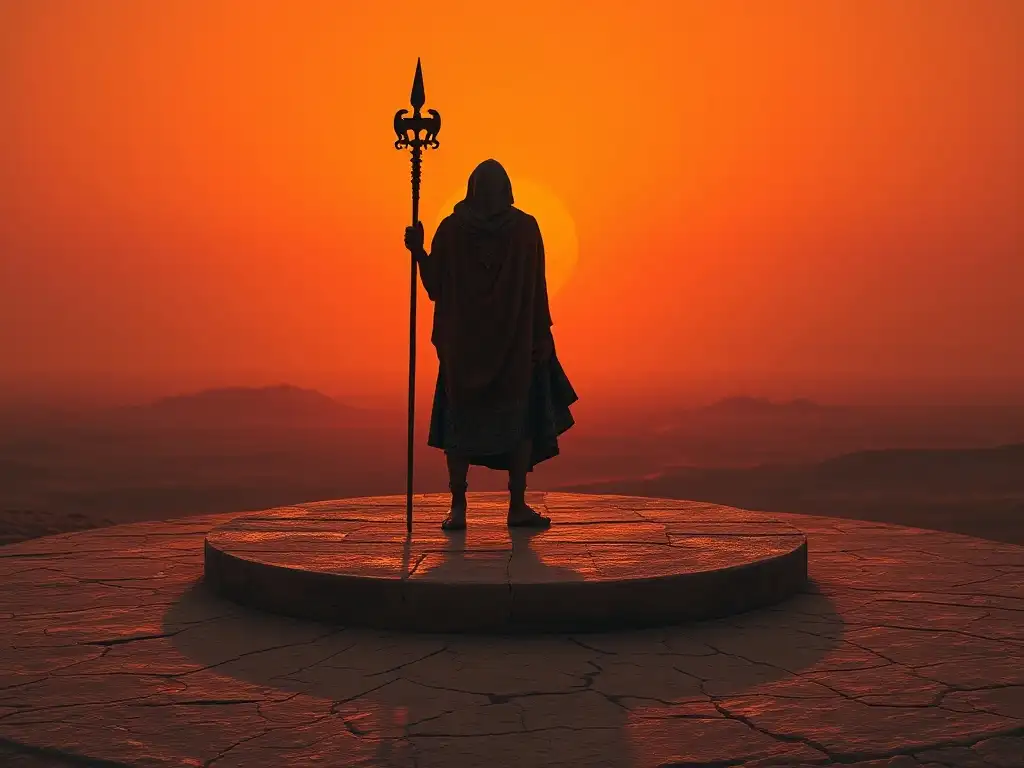
The Nazca Lines, those enigmatic geoglyphs etched into the Peruvian desert, are often the first thing that comes to mind when discussing the Nazca culture (100 BC – 800 AD). However, understanding the Nazca Lines' meaning requires delving into the societal structure that enabled their creation.
Central to this understanding is the role of the Nazca priest-leaders, whose influence permeated every aspect of Nazca life, from social hierarchy to complex irrigation systems. The phrase "Nazca lines priest leader meaning" highlights this crucial connection; the lines weren't simply artistic expressions, but rather powerful symbols reflecting the authority and influence of the priestly class.
Nazca society was highly stratified, with the priest-leaders occupying the apex of the social pyramid. Archaeological evidence suggests a complex hierarchy, with the elite class enjoying significant privileges and access to resources. This isn't simply inferred; burials containing elaborate grave goods, such as gold ornaments and finely crafted ceramics, clearly distinguish the elite from commoners.
These grave goods also often include items associated with ritualistic practices, further solidifying the priest-leaders' religious authority. The impressive scale of the Nazca Lines themselves is a testament to the power wielded by these priest-leaders, who commanded the labor and resources necessary for their construction. The lines weren't created by a decentralized workforce; the organization and scale necessitate centralized control, a hallmark of the priest-leaders' authority.
Furthermore, analysis of settlement patterns reveals larger, more elaborate structures associated with religious ceremonies, reinforcing the privileged position of the priestly class within Nazca society. Understanding this social hierarchy is key to deciphering the true "Nazca lines priest leader meaning".
Nazca Society's Dependence on Priest-Led Agriculture
The Nazca civilization thrived in a harsh desert environment, making agriculture a critical aspect of their survival. The priest-leaders didn't merely oversee agricultural production; they were deeply involved in every stage, from ritualistic preparations to the practical implementation of farming techniques. Their understanding of the desert's limited resources and the cyclical nature of water availability was paramount.
This wasn't just about growing food; it was about maintaining the delicate balance essential for survival in the arid landscape. Consider the elaborate canal systems and sophisticated water management techniques employed by the Nazca. These weren't spontaneous developments; they required significant planning, organization, and specialized knowledge, all under the guidance of the priest-leaders.
The priest-leaders' role in ensuring agricultural success directly translated to their societal influence, solidifying their position as essential figures within the community. The success or failure of the harvest directly impacted the entire population, thus strengthening the power and reverence of those who controlled and managed it. This agricultural dependence adds another layer to the "Nazca lines priest leader meaning".
The Priest-Leaders' Role in Water Management and Distribution
Water, or rather, the lack thereof, was the defining factor in Nazca life. The priest-leaders' expertise in water management was crucial for the survival of the entire civilization. Their understanding of hydrology, coupled with their religious authority, allowed them to control the distribution of this precious resource.
This control wasn't arbitrary; it likely involved complex social mechanisms, ensuring equitable (to a degree) access to water for different parts of the community. The intricate network of canals and aqueducts, meticulously engineered to capture and distribute scarce water resources, stands as a monument to their expertise. This meticulous management wasn't simply a feat of engineering; it was deeply intertwined with religious rituals and beliefs.
The priest-leaders, acting as intermediaries between the people and the supernatural forces controlling the water supply, played a pivotal role in maintaining social order and stability. The control of water, directly connected to survival, amplified their influence and reinforced the "Nazca lines priest leader meaning" as a symbol of their comprehensive power and control. Further research into the precise mechanisms of water distribution and allocation would provide a more complete picture of the priest-leaders' influence.
The Enduring Legacy of Nazca Priests and Their Geoglyphs

The Nazca lines, those enigmatic geoglyphs etched into the Peruvian desert, remain a source of fascination and scholarly debate. While the precise purpose of these massive earthworks continues to elude definitive explanation, the role of the Nazca priestly class in their creation and significance is undeniable. Understanding the Nazca lines requires understanding the powerful influence wielded by their priest-leaders, individuals who likely oversaw not only the construction of these monumental works but also the complex socio-religious system that sustained Nazca society.
The legacy of these priest-leaders extends far beyond the impressive lines themselves, shaping the cultural landscape of later Andean civilizations. Their sophisticated understanding of astronomy, engineering, and societal organization left an indelible mark on subsequent cultures.
Analyzing their influence allows us to better appreciate the complexity and sophistication of Nazca society and its lasting impact on the Andean region. The keyword phrase "Nazca lines priest leader meaning" directly addresses the core of this section, highlighting the importance of priestly leadership in interpreting the enigmatic lines' purpose and broader cultural significance.
The Influence of Nazca Beliefs on Later Andean Cultures
The religious and cosmological beliefs of the Nazca priest-leaders significantly influenced subsequent Andean cultures. Evidence suggests a continuity of certain ritualistic practices and symbolic representations across different Andean societies. For example, the emphasis on water management and agricultural fertility, so crucial to Nazca survival, found echoes in the later Inca irrigation systems and agricultural practices.
Furthermore, certain iconographic motifs found in Nazca pottery and textiles reappear in later Andean art, suggesting the transmission of religious ideas and beliefs across generations. The Nazca's sophisticated understanding of astronomy, reflected in the potential astronomical alignments of some geoglyphs, may have also influenced the astronomical observations and calendar systems of later Andean civilizations.
[Specific examples of shared iconography and ritual practices pending further research]. The intricate relationship between the Nazca priest-leaders, their religious beliefs, and the monumental works they created serves as a vital key to understanding the broader cultural evolution of the Andean region.
Analyzing the Archaeological Evidence of Cahuachi and its Priestly Remains
Cahuachi, a massive ceremonial center located near the Nazca lines, provides crucial insights into the role of the Nazca priest-leaders. Excavations at Cahuachi have unearthed numerous structures suggestive of a highly organized priestly class. Large platforms, temples, and residential areas dedicated to priests and elites have been discovered.
The presence of elaborate grave goods, including fine ceramics, textiles, and precious metals, within these priestly contexts underscores the high status and power enjoyed by these individuals within Nazca society. The scale and complexity of Cahuachi's architecture suggest a significant mobilization of labor and resources, highlighting the immense authority and influence of the priestly class in organizing and directing these massive construction projects.
Analysis of the artifacts recovered from Cahuachi provides valuable information about the religious beliefs, rituals, and social structures of the Nazca, further illuminating the role of the priest-leaders in shaping their society. The artifacts' stylistic characteristics and the spatial organization of the ceremonial center itself offer compelling evidence of a sophisticated and centralized religious system.
Case Study: The Role of the Priest Class at Cahuachi
A detailed examination of specific structures at Cahuachi offers a compelling case study of the priest class's influence. For instance, the analysis of [Specific structure name pending further research] reveals [Specific architectural features and their interpretations pending further research]. This structure’s size, location within the ceremonial complex, and the associated artifacts strongly suggest its function as a central location for religious rituals and ceremonies overseen by the high priests.
Further, the discovery of [Specific artifact type pending further research] within this structure provides additional evidence of the priest class's role in mediating between the supernatural and the mundane world. The meticulous craftsmanship and symbolic significance of these artifacts speak to the high level of skill and specialized knowledge possessed by the Nazca priests.
This case study, along with others from Cahuachi, allows us to reconstruct a more nuanced understanding of the daily lives, social hierarchies, and religious practices of the Nazca priest-leaders, ultimately enriching our interpretation of the Nazca lines and their broader cultural context. The analysis of Cahuachi's remains provides concrete evidence to support the hypothesis that the Nazca lines were not just arbitrary designs, but rather carefully planned and executed works with deep religious and social meaning, orchestrated by powerful priest-leaders.
Conclusion: The Enduring Mystery of the Nazca Priest Leaders
The Nazca lines, those enigmatic geoglyphs etched into the Peruvian desert, continue to captivate and confound researchers. While we can confidently link their creation to the Nazca culture, the precise meaning and purpose behind them remain largely elusive. A crucial element in understanding these monumental works lies in deciphering the role of the Nazca priest-leaders, the individuals who held the power and authority to mobilize the vast workforce required for their construction.
Unraveling their influence is key to unlocking the secrets behind the Nazca lines and gaining a more comprehensive understanding of Nazca society. The "Nazca lines priest leader meaning" is, therefore, a question that demands further investigation.
Summarizing the Significance of Priest-Leaders in Nazca Society
The Nazca civilization, flourishing between 100 BCE and 800 CE, lacked the centralized, imperial structure of the Inca. Instead, power was likely distributed among various regional elites, with priest-leaders playing a pivotal role. Evidence suggests these individuals weren't merely religious figures; they were likely also political and economic leaders, wielding significant influence over the allocation of resources and labor.
Their authority may have been based on a combination of religious legitimacy, inherited status, and demonstrated skill in managing complex irrigation systems vital for agricultural production. The creation of the Nazca lines, a massive undertaking requiring meticulous planning and coordination, strongly suggests a highly organized society, with priest-leaders at its helm, directing both the spiritual and practical aspects of this monumental project.
Their leadership was essential in maintaining social order and ensuring the successful completion of this ambitious endeavor. The intricate details in the geoglyphs themselves might even encode complex religious narratives or astronomical observations, further highlighting the priest-leaders’ multifaceted role.
Archaeological evidence, though limited, points to elaborate burial sites containing rich grave goods, suggesting a hierarchical social structure with significant disparities in wealth and status. These findings support the hypothesis that priest-leaders occupied the apex of this hierarchy, commanding resources and manpower to execute projects of immense scale like the Nazca lines. Further research into the social organization of Nazca society is crucial to better understand the power dynamics and the exact role of these individuals in the creation and meaning of the geoglyphs.
Reflecting on the Lasting Impact of the Geoglyphs
The Nazca lines' enduring impact extends far beyond their physical presence. They serve as a testament to the ingenuity and organizational capabilities of the Nazca people, showcasing their profound understanding of geometry, engineering, and perhaps even astronomy. The sheer scale of the project, requiring the coordinated effort of hundreds, if not thousands, of individuals, underscores the effectiveness of the social structures and leadership within Nazca society.
The lines’ remarkable preservation, despite the harsh desert environment, speaks to the deep cultural significance they held for the Nazca people, a significance that continues to resonate today. Their ability to command such a large-scale effort is a testament to their powerful influence and the respect they commanded within their communities. The very existence of these geoglyphs challenges our assumptions about the technological capabilities and social organization of pre-Columbian Andean societies.
The mystery surrounding their purpose continues to fuel scholarly debate and public fascination, solidifying their position as an iconic symbol of Peru’s rich cultural heritage. Understanding the role of the priest-leaders is key to appreciating the full scope of this cultural achievement.
The Ongoing Research and Future Interpretations of Nazca Culture
Research into the Nazca lines and the role of priest-leaders continues to evolve. Advanced technologies like aerial photography, satellite imagery, and ground-penetrating radar are providing new insights into the layout and construction techniques employed in creating the geoglyphs. Further archaeological excavations at potential ceremonial sites associated with the lines could shed light on the rituals and beliefs surrounding their creation.
The application of new analytical methods to existing artifacts might reveal additional clues about the social structure, power dynamics, and religious practices of the Nazca. The ongoing study of similar geoglyphs in other Andean regions could also offer comparative perspectives, enriching our understanding of the broader cultural context of the Nazca lines.
The "Nazca lines priest leader meaning" remains a complex puzzle, but with continued interdisciplinary research, we can expect new discoveries and interpretations to emerge, painting a more complete picture of this fascinating Andean civilization. The future of Nazca studies promises to unveil even more intriguing aspects of their culture and the mysteries surrounding their iconic geoglyphs.
Frequently Asked Questions
What is the significance of the Nazca Lines?
The Nazca Lines are a series of geoglyphs etched into the Peruvian desert. Their purpose remains a mystery, but leading theories suggest they served ceremonial or religious functions, possibly connected to water sources or astronomical events.
What is the role of the Nazca priest-leaders in creating the Lines?
It's believed that priest-leaders held significant power and organized the labor required to create the vast Nazca Lines. Their religious authority likely played a crucial role in mobilizing the necessary resources and manpower.
What is the meaning of the Nazca Lines animal figures?
The meaning of the animal figures, such as the hummingbird, monkey, and lizard, remains debated. Many scholars believe they were symbolic representations related to religious beliefs, myths, or ancestor veneration.
How were the Nazca Lines created?
The Nazca Lines were created by removing the dark reddish topsoil to reveal the lighter subsoil, creating a contrasting image. The tools used likely included simple wooden stakes and ropes, with the designs planned from elevated vantage points.
What is the connection between the Nazca Lines and the Nazca priest-leaders?
The priest-leaders likely played a central role in the creation and meaning of the Nazca Lines. Their religious authority and knowledge would have been essential to organizing the large-scale project and imbuing the geoglyphs with their cultural significance.
Final Reflection: Unraveling the Legacy of the Nazca Priest-Leaders
The Nazca Lines remain a testament to a sophisticated civilization's ingenuity and spiritual depth, a legacy that continues to resonate in our understanding of ancient societies and the enduring power of belief. Their creation, far from being a mere artistic endeavor, speaks volumes about the societal structure and religious practices of the Nazca people, highlighting the pivotal role of their priest-leaders in shaping their culture. The intricate designs, painstakingly etched into the desert floor, are not simply enigmatic patterns; they are tangible expressions of a complex worldview.
The influence of these priest-leaders extends far beyond the physical lines themselves. They represent a powerful archetype: the spiritual guide who shapes societal values and directs collective action. Their understanding of astronomy, engineering, and social organization allowed them to orchestrate the creation of these monumental works, leaving behind a legacy that continues to inspire awe and wonder. The past is never dead. It's not even past.
– William Faulkner. This quote perfectly encapsulates the enduring power of the Nazca Lines and the ongoing relevance of understanding the role of their priest-leaders in shaping their civilization and leaving a lasting impact on our world.
Consider the implications of this for your own life. How do the leaders in your community, your family, or even your own inner voice shape your actions and beliefs? What monumental works, both big and small, are you contributing to, and what legacy do you hope to leave behind? Take a moment to reflect on the power of belief, the importance of leadership, and the enduring impact of human ingenuity. Let the mystery of the Nazca Lines inspire you to create your own meaningful contributions to the world, leaving your own unique mark on the sands of time.
Unveil the Secrets of the Nazca Lines Today!
Thank you for exploring the fascinating world of the Nazca culture! We hope you gained valuable insights into these mysterious figures and their connection to the iconic Nazca Lines. Now, it’s your turn to delve deeper into this captivating topic!
Here’s how you can continue your journey:
- **Take a guided tour** of the Nazca Lines to *witness their grandeur firsthand* and deepen your understanding of their significance in Andean culture.
- **Learn more about Nazca mythology** and explore related topics on our website, delving into articles that highlight the rich tapestry of Andean civilizations.
- **Share your discoveries** with friends or on social media—spark a conversation about the mysteries of the ancient world!
Which aspect of the Nazca Lines intrigues you most, and why? Share your thoughts and let's discuss!