
The Wari Warriors: Dominating the Andean Landscape


Step into a world lost to time, yet echoing with the power of the Andes. For centuries, mighty empires rose and fell amongst these breathtaking peaks, leaving behind a legacy of unparalleled artistry and innovation. But what were the secrets behind the Wari Empire's astonishing military dominance? Discover the ingenious Wari Empire military strategies that shaped the Andean landscape and unlocked their reign of power – a story waiting to be unveiled within. Prepare to be amazed.

The Wari Empire, a pre-Inca civilization that flourished in the Andes from approximately 600 to 1000 CE, stands as a testament to sophisticated urban planning, intricate social structures, and formidable military might. This article delves into the impressive military strategies employed by the Wari, exploring the factors that contributed to their rise and the lasting impact they had on the Andean landscape.
Understanding the Wari Empire's military prowess is crucial to comprehending its significant role in shaping the political and cultural trajectory of the region, paving the way for subsequent Andean empires like the Inca. We will examine the key elements of their military organization, logistics, and tactics, revealing the secrets behind their success in consolidating power across a vast and challenging terrain.
This exploration of Wari military strategies will illuminate not only their military achievements but also provide insights into the broader socio-political dynamics of the Andean world during this pivotal period.
Introduction to the Wari Empire and its Military Prowess
The Wari, centered in the Ayacucho region of modern-day Peru, built an expansive empire through a combination of skillful diplomacy and overwhelming military force. Unlike some of their contemporaries who relied heavily on alliances and tribute, the Wari actively projected their power through military campaigns, establishing a network of strategically placed administrative centers and outposts throughout the Andes.
Their military success wasn't solely based on brute strength; it was a carefully orchestrated system involving advanced logistical planning, effective communication networks, and highly disciplined troops. Archaeological evidence, such as the discovery of weaponry, fortifications, and the remains of military encampments, provides compelling insights into the sophisticated nature of their military organization.
The Wari military's reach extended far beyond their core territory, impacting populations across diverse ecological zones, from the arid coastal deserts to the high-altitude Andean plains. The influence of their military prowess is evident in the widespread adoption of Wari-style pottery, architecture, and administrative practices across vast stretches of the Andes.
The Rise of Wari Military Power in the Andes
The rise of the Wari military wasn't a sudden event but rather a gradual process of expansion and consolidation. Early Wari military campaigns likely focused on securing control of vital resources and strategic territories within their immediate vicinity. As their power grew, they expanded their reach, engaging in conflicts with neighboring groups and incorporating conquered territories into their empire. The Wari likely employed a combination of strategies, including swift surprise attacks, sieges of fortified settlements, and the strategic deployment of troops to control key trade routes and agricultural regions.
The success of the Wari military was likely facilitated by several factors:
- Advanced Infrastructure: The construction of extensive road networks allowed for rapid troop movement and efficient communication across the empire.
- Centralized Administration: A centralized administrative system ensured effective coordination of military operations and resource allocation.
- Technological Advantages: The Wari may have possessed superior weaponry and defensive technologies compared to their rivals. [Specific details on Wari weaponry pending further research].
- Skilled Military Leadership: Competent military leadership was crucial in planning and executing successful campaigns. [Names and details of key Wari military leaders pending].
The Wari Empire's military dominance wasn't solely based on conquest; it also involved strategies of assimilation and integration. By strategically placing administrative centers in conquered territories, the Wari were able to exert control and influence local populations. This approach fostered a degree of stability and facilitated the smooth flow of resources and manpower into the empire. The legacy of the Wari military is not only seen in the physical remains of their empire but also in the long-term impact they had on the political and cultural landscape of the Andes, shaping the trajectory of subsequent Andean empires.
- Introduction to the Wari Empire and its Military Prowess
- The Rise of Wari Military Power in the Andes
- What were the key military strategies employed by the Wari Empire?
- How did the Wari Empire's infrastructure support its military campaigns?
- What role did alliances play in the Wari military's success?
- How did the Wari military compare to other Andean empires like the Inca?
- What evidence exists to support our understanding of Wari military strategies?
Wari Military Strategies and Tactics
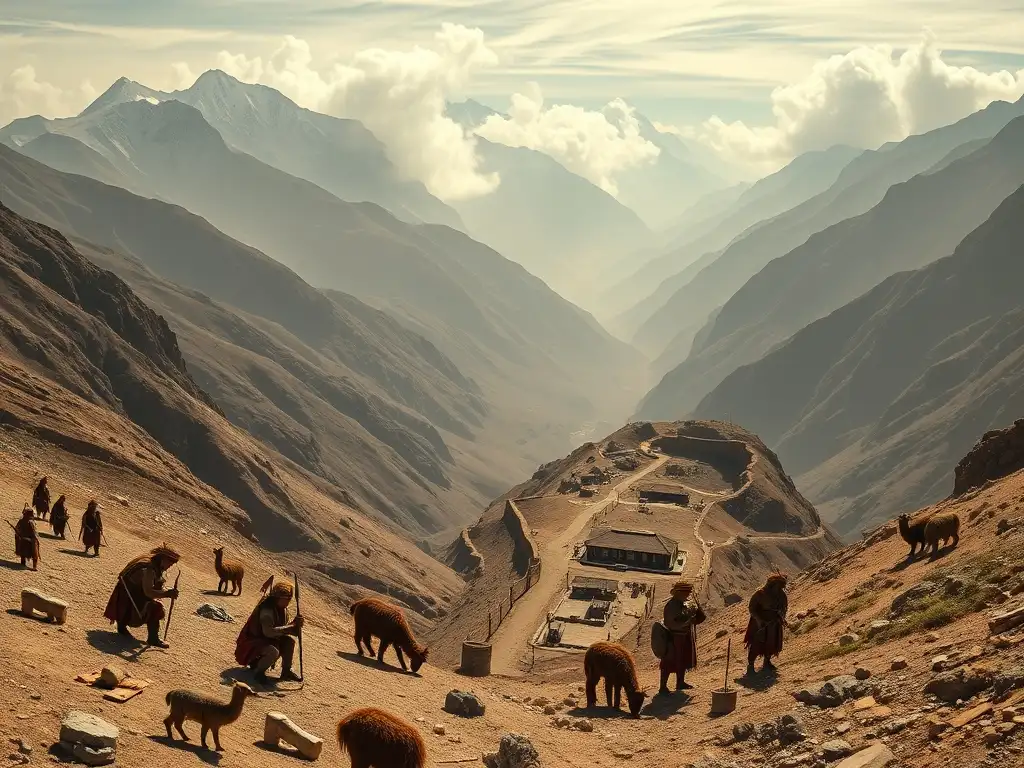
The Wari Empire, a powerful pre-Inca civilization that flourished in the Andes between the 6th and 10th centuries CE, demonstrated remarkable military prowess, effectively controlling a vast and diverse territory. Their success wasn't solely due to brute force, but rather a sophisticated combination of strategic planning, innovative tactics, and advanced military technology. Understanding the Wari Empire's military strategies is key to comprehending their dominance and lasting impact on Andean history.
Their military achievements are a testament to their organizational capabilities and technological advancements, allowing them to subdue numerous independent groups and establish a far-reaching empire. The Wari's military power wasn't just about conquest; it was a vital instrument for maintaining control over a geographically challenging and culturally diverse empire. This section will delve into the specifics of Wari military organization, innovations, and siege warfare.
Wari Army Organization and Structure
The Wari army wasn't a randomly assembled force; it was a highly organized and structured military machine. While precise details remain elusive due to limitations in the archaeological record, evidence suggests a complex hierarchy. It's likely that the army was comprised of conscripted soldiers, possibly organized by ayllu (kinship groups) or other pre-existing social structures.
This system might have ensured loyalty and facilitated mobilization. The higher ranks were probably occupied by professional soldiers, perhaps trained specialists in different aspects of warfare. We can infer the existence of specialized units based on the variety of weaponry and fortifications employed by the Wari.
The organization of the Wari army likely mirrored their broader administrative structure, which suggests a centralized command and control system. This would have been crucial for coordinating large-scale military operations across vast distances. The efficient movement of troops and supplies across the challenging Andean terrain speaks to a well-developed logistical system, a crucial element of any successful military campaign.
Further research into administrative records and archaeological finds related to Wari military settlements could shed more light on the intricate details of their army's structure and organization. The effective deployment of this army was critical in the expansion and maintenance of the Wari Empire's considerable influence.
Key Wari Military Innovations and Weaponry
The Wari military was not only well-organized but also technologically advanced for its time. Archaeological evidence reveals sophisticated weaponry, including highly effective projectile weapons. The Wari were skilled in the creation of bolas, a type of throwing weapon consisting of multiple stones attached by cords, used to incapacitate enemies from a distance. They also utilized slings, which were effective in both close-quarters combat and ranged attacks. Furthermore, they employed spears and clubs, demonstrating proficiency in both ranged and melee combat.
Beyond these common weapons, the Wari are also credited with advancements in defensive technologies. Their mastery of stonework is evident in their impressive fortifications and defensive structures. This expertise allowed them to build strong, resilient defenses capable of withstanding prolonged sieges.
The quality of their metallurgy, although requiring further study, also played a role in the effectiveness of their weaponry. The combination of innovative weaponry and advanced defensive structures provided the Wari with a significant military advantage over their contemporaries. This technological superiority contributed greatly to their ability to conquer and control a vast empire, underscoring the importance of military innovation in their success.
Wari Siege Warfare and Fortifications
Wari military strategies often involved prolonged sieges, particularly when facing well-defended settlements. Their success in siege warfare highlights their understanding of both offensive and defensive tactics. The Wari employed sophisticated siege weaponry, likely including advanced forms of projectile weapons to bombard enemy fortifications. They also likely used sophisticated techniques to undermine walls and fortifications, though concrete evidence of such methods is still being researched. The Wari's mastery of stonework is evident in their own impressive fortifications, which suggests a deep understanding of defensive architecture.
The Wari's ability to successfully conduct sieges was not solely dependent on their weaponry. It was also a testament to their logistical capabilities and their ability to maintain a sustained military presence for extended periods. The establishment of well-supplied military camps near besieged settlements would have been crucial for their success.
This logistical expertise, combined with their advanced weaponry and understanding of siege warfare, allowed the Wari to overcome even the most formidable defenses. Further investigation into the archaeological remains of Wari siege sites could reveal additional insights into their tactics and strategies, further illuminating the complexities of their military achievements. The effective implementation of these siege warfare techniques was instrumental in consolidating the Wari Empire's power and influence throughout the Andes.
Wari Expansionist Campaigns and Conquests
The Wari Empire's military prowess wasn't solely about defensive capabilities; their expansionist campaigns were a crucial element of their dominance across the Andes. These weren't haphazard raids but meticulously planned operations reflecting sophisticated logistical and strategic thinking. Archaeological evidence suggests a phased approach: initial incursions to establish footholds, followed by the construction of administrative centers and strategically placed military outposts to consolidate control. This wasn't a simple conquest; it involved integrating conquered populations into the Wari system, a process that likely involved both coercion and cooperation.
The Wari weren't simply conquering territories; they were building an empire. Their campaigns targeted key locations, often those controlling vital resources like water sources or trade routes. This is evident in the strategic placement of Wari administrative centers, many of which were located at points of intersection between important valleys and trade networks.
The conquest wasn't limited to military might; it involved the establishment of a complex bureaucratic system to administer the newly acquired territories, a testament to their advanced organizational skills. This efficient system allowed the Wari to maintain control over a vast and diverse empire, effectively managing resources and suppressing rebellions.
One can imagine the logistical challenges involved in moving armies across the rugged Andean terrain. The Wari likely employed a system of well-maintained roads and strategically located storehouses to ensure their armies were adequately supplied. The construction of these infrastructure projects speaks volumes about their engineering skills and their understanding of the importance of logistics in sustaining long-term military campaigns. Evidence suggests a network of roads connecting different parts of the empire, facilitating rapid troop movement and communication.
This infrastructure, combined with their military might, enabled the rapid expansion and effective control of their vast territory. The effectiveness of their logistical planning allowed the Wari to sustain prolonged campaigns and maintain a strong military presence across their empire. The scale of their expansion and the longevity of their rule strongly suggest a highly effective and well-organized military machine.
The Impact of Wari Military Dominance
The Wari Empire's military prowess wasn't merely about conquest; it fundamentally reshaped the Andean landscape, leaving an indelible mark on the region's political, economic, and social structures. Their sophisticated military strategies, combined with effective administrative control, allowed them to maintain a vast empire for centuries. Understanding the impact of their military dominance requires examining its multifaceted consequences, extending beyond simple territorial control.
The Wari military machine wasn't just about brute force; it was a carefully calibrated instrument of power, used to secure resources, influence culture, and build a lasting legacy. This section will delve into the key aspects of this impact, exploring how Wari military dominance shaped the Andean world.
Wari Control of Trade Routes and Resources
Control of trade routes was paramount to the Wari Empire's success and directly linked to their military strength. Their strategic placement of military outposts along vital trade arteries, such as those connecting the coast to the highlands, allowed them to effectively control the flow of goods and resources. This wasn't merely about taxation; it was about maintaining economic stability and bolstering the empire's power. The Wari cleverly utilized their military to secure access to essential resources like obsidian, copper, textiles, and agricultural products. This control translated into significant economic advantages, fueling the empire's growth and prosperity.
The Wari likely employed a combination of strategies, including:
- Fortification of key trade routes: Establishing strategically placed forts and settlements along major pathways ensured safe passage for their caravans and restricted access for rivals.
- Control of resource-rich regions: Military campaigns were often focused on securing mines, fertile agricultural lands, and other areas crucial for economic sustenance.
- Imposition of tribute: Conquered populations were likely compelled to pay tribute in the form of goods and labor, further enhancing the empire's economic power.
This economic control, facilitated by their military might, was a cornerstone of the Wari Empire's longevity and influence. Further research is needed to fully quantify the economic impact of Wari control of trade routes, including a detailed analysis of the volume and types of goods traded. [Specific data on Wari trade volume pending].
Wari Influence on Andean Societies and Cultures
The Wari Empire's military dominance extended beyond mere territorial control; it profoundly influenced the cultural landscape of the Andes. Their military campaigns weren't simply acts of aggression; they were also instruments of cultural exchange and imposition. While the precise nature of this influence remains a subject of ongoing research, evidence suggests a significant degree of cultural standardization across the empire. This standardization wasn't necessarily forced, but rather a consequence of the Wari's administrative and political power.
The impact included:
- Architectural styles: The distinctive Wari architectural style, characterized by its monumental structures and urban planning, spread throughout the empire, reflecting a degree of cultural homogenization.
- Religious practices: While local religious beliefs likely persisted, the Wari likely promoted certain religious practices and iconography, subtly integrating their own beliefs into the broader cultural fabric.
- Administrative systems: The Wari implemented administrative systems that facilitated control and governance across their vast territory. This involved the standardization of certain practices and the imposition of Wari administrative structures.
The Wari's influence on Andean societies was complex and multifaceted. Further research is needed to understand the nuances of cultural exchange and the extent to which Wari culture was adopted voluntarily or imposed through military power. [Data on specific cultural exchanges and levels of adoption pending].
The Legacy of Wari Military Engineering
The Wari Empire's military success was significantly aided by their impressive feats of military engineering. Their mastery of infrastructure projects, such as road networks and fortifications, allowed for efficient troop movement, resource management, and defense against potential threats. This sophisticated engineering wasn't just a matter of practicality; it also played a crucial role in projecting Wari power and authority.
Key aspects of their military engineering include:
| Feature | Description | Impact |
|---|---|---|
| Extensive Road Network | A vast system of roads connected different parts of the empire. | Facilitated rapid troop deployment and efficient resource transportation. |
| Fortifications | Strategically placed forts and defensive structures protected key areas. | Enhanced the empire's defensive capabilities and controlled access to resources. |
| Irrigation Systems | Advanced irrigation systems supported agriculture and sustained the population. | Provided food security and supported a large, well-fed army. |
The Wari's military engineering achievements represent a significant contribution to Andean technology and demonstrate their organizational capabilities. The scale and sophistication of their infrastructure projects are a testament to their advanced planning and logistical skills, which were crucial for maintaining control over their vast empire. Further study is needed to fully understand the materials and techniques used in Wari military engineering. [Detailed analysis of Wari construction techniques pending]. The legacy of their engineering prowess continues to fascinate and inspire researchers today. ⛰️
Analysis of Wari Military Success Factors
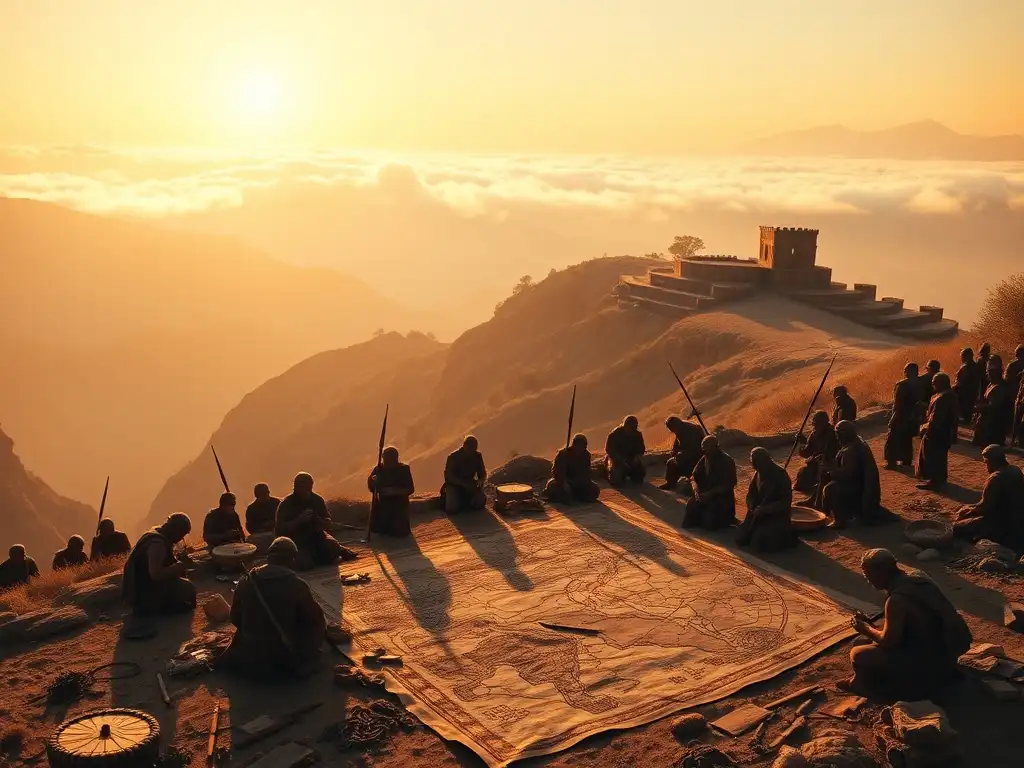
The Wari Empire's dominance across the vast Andean landscape wasn't solely due to brute force. Their military success stemmed from a sophisticated interplay of strategic leadership, efficient logistics, and shrewd psychological warfare. Understanding these interwoven factors is crucial to comprehending the extent of Wari power and the longevity of their influence.
This section will delve into the key elements that contributed to the Wari Empire's military prowess, examining how they effectively utilized resources and manipulated perceptions to achieve and maintain control. The Wari Empire military strategies were not simply about superior weaponry, but a comprehensive approach to conquest and control.
The Role of Wari Leadership in Military Victories
Wari military victories were significantly influenced by strong leadership at all levels. While the exact structure of Wari command remains a subject of ongoing research, archaeological evidence suggests a hierarchical system with capable commanders at the head of their respective units. These leaders weren't just battlefield tacticians; they were also responsible for maintaining discipline, boosting morale, and ensuring effective communication within the army.
Evidence of standardized weaponry and uniform tactics points to a centralized system of military training and organization, overseen by experienced and highly skilled leaders. This structured approach allowed for coordinated movements, efficient resource allocation, and rapid responses to shifting battlefield conditions.
The effectiveness of Wari leadership is reflected not only in their conquests but also in their ability to maintain control over a vast and diverse territory for an extended period. Further research into administrative records and inscribed artifacts could provide a more nuanced understanding of individual Wari leaders and their impact on military strategy.
Wari Logistics and Supply Chain Management
The Wari Empire's logistical capabilities were a cornerstone of their military dominance. Controlling a sprawling empire required a highly efficient system for supplying their armies across challenging terrain. Evidence suggests the Wari utilized a sophisticated network of roads, storage facilities, and relay systems to ensure a consistent flow of provisions, including food, water, and weaponry, to their troops.
This intricate supply chain minimized disruptions and ensured the army remained well-equipped and provisioned, even during prolonged campaigns. The construction of extensive road networks, meticulously planned to traverse the diverse Andean geography, allowed for rapid troop movement and efficient resupply. Archaeological discoveries of large storage facilities near key military sites further support the idea of a well-organized logistics system.
This efficient supply chain not only facilitated military operations but also contributed to the stability and prosperity of the empire as a whole. A more detailed analysis of the Wari road system and storage facilities could reveal further insights into their logistical prowess.
The Psychological Warfare of the Wari Army
Beyond logistical efficiency and strong leadership, the Wari Empire also employed sophisticated psychological warfare techniques to subdue their opponents. The sheer size and organization of the Wari army, coupled with their advanced weaponry and logistical capabilities, likely instilled fear and awe in their enemies. This perception of overwhelming power, carefully cultivated through displays of military might and strategic propaganda, often led to enemy surrender before battles even commenced.
The construction of imposing administrative centers and monumental architecture in conquered territories served as a potent symbol of Wari dominance, reinforcing their power and deterring future rebellions. This combination of military strength and psychological manipulation allowed the Wari to achieve their goals with minimal bloodshed, ensuring the stability of their vast empire.
Further research could explore the potential use of symbolic imagery and ritualistic practices in Wari psychological warfare, providing a richer understanding of their strategies. The Wari Empire's success highlights the importance of integrating psychological warfare into broader military strategies.
Case Studies: Wari Military Campaigns
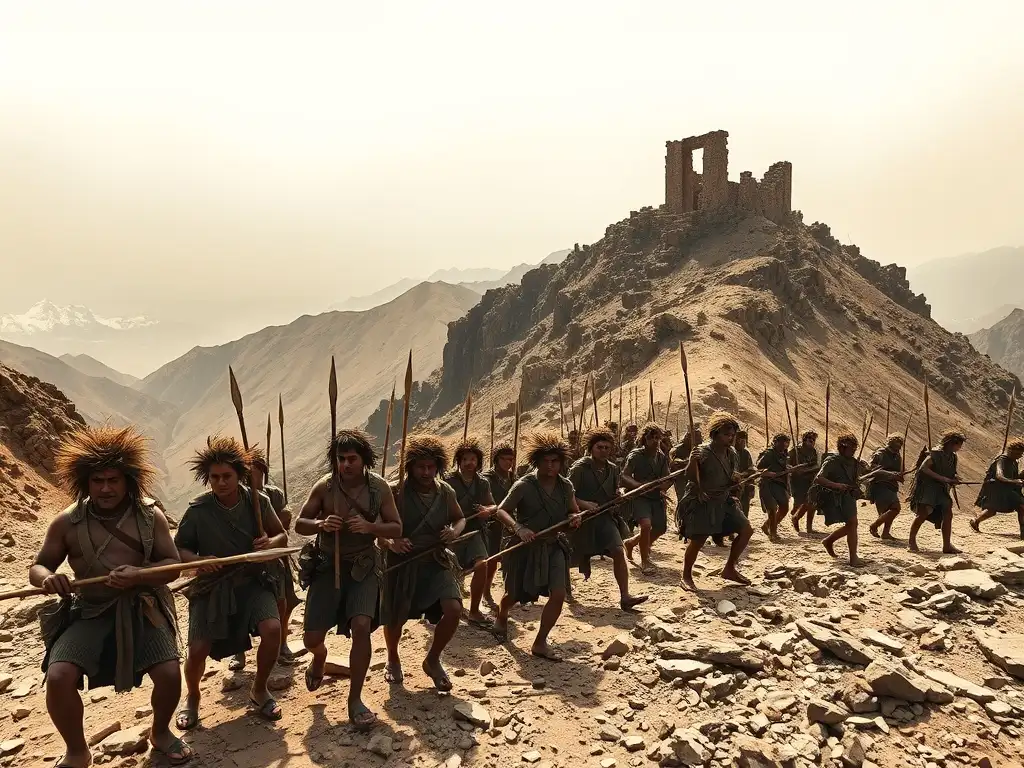
The Wari Empire, a powerful Andean civilization that flourished between 600 and 1000 CE, employed sophisticated military strategies to conquer and control a vast territory. Understanding their military prowess requires examining specific campaigns that highlight their tactical brilliance and organizational capabilities. Analyzing these case studies offers crucial insights into the Wari Empire's military strategies, revealing the complexities of their expansion and dominance.
The success of the Wari military was not solely based on brute force, but rather a combination of strategic planning, logistical expertise, and potentially, the skillful use of propaganda and diplomacy. This section will delve into three key campaigns to illustrate these points.
The Conquest of the Ayacucho Region by the Wari
The Ayacucho region, located in the central Andes, presented a significant challenge to the Wari due to its rugged terrain and the presence of established local power structures. However, the Wari successfully overcame these obstacles. [Specific details on the timeline of the conquest pending]. Archaeological evidence suggests a phased approach, involving initial skirmishes followed by the establishment of strategically located administrative centers.
These centers, often located near important agricultural zones, served both as military bases and as tools for economic control. The Wari likely integrated existing local elites into their administrative structure, minimizing resistance and facilitating smoother integration. This demonstrates a nuanced military strategy that went beyond simple conquest, incorporating political and economic strategies for long-term control.
The successful Wari campaign in Ayacucho highlights the importance of logistical planning in their military operations. Evidence suggests the construction of extensive road networks, facilitating the rapid movement of troops and supplies. [Further research needed on the specific types of infrastructure used]. This efficient logistical system allowed the Wari to sustain prolonged military campaigns and maintain control over conquered territories. The effective control of resources, particularly food and water, was a key factor in their success. This aspect of the Wari's military strategies underscores the importance of economic control in maintaining their vast empire.
Wari Military Operations in the Moquegua Valley
The Moquegua Valley, situated in southern Peru, was another crucial area of Wari expansion. The geography of the valley, characterized by fertile lands and access to important trade routes, made it a highly desirable target. [Detailed accounts of specific battles in Moquegua pending]. The Wari's military presence in the Moquegua Valley is evident through the discovery of numerous Wari-style fortifications and settlements. These structures often incorporated local architectural styles, suggesting a strategy of both military control and cultural assimilation. This adaptive approach minimized resistance and allowed for the efficient integration of the conquered population.
Unlike the Ayacucho campaign, the Moquegua operation might have involved a less confrontational approach initially. [Data needed on the extent of pre-existing alliances or diplomatic initiatives]. The Wari's ability to adapt their strategies to the specific circumstances of each region underlines their tactical flexibility and organizational sophistication, crucial elements in their military effectiveness. The presence of Wari administrative centers and agricultural infrastructure in the valley further supports the hypothesis of a long-term strategy focused on resource control and economic integration.
The Battle of Pikillaqta and its Significance
Pikillaqta, a massive, meticulously planned urban center near Cusco, is often interpreted as a key example of Wari military and administrative power. While not a single battle in the traditional sense, Pikillaqta's construction and layout reflect the Wari Empire's military strategies. The site's strategic location, its impressive defensive features, and its capacity to house a large number of people and supplies suggest a carefully planned military base serving as a vital hub for controlling the southern Andes.
The sheer scale of Pikillaqta highlights the Wari's organizational capabilities. Its sophisticated water management systems, extensive storage facilities, and carefully planned residential areas indicate a level of logistical planning far beyond that of contemporary societies. [More research needed on the specific population capacity and logistical capabilities of Pikillaqta]. The city's construction and layout likely served as a powerful symbol of Wari dominance, projecting strength and deterring potential rebellion.
This symbolic aspect of Pikillaqta underscores the multifaceted nature of Wari military strategies, encompassing both physical force and the strategic use of architecture and urban planning. The site stands as a testament to the Wari Empire's remarkable ability to integrate military might with sophisticated administrative and logistical expertise. The "Wari Empire military strategies" were not simply about fighting battles; they were about establishing and maintaining control over vast territories through a combination of force, diplomacy, and efficient administration.
The Decline of Wari Military Power
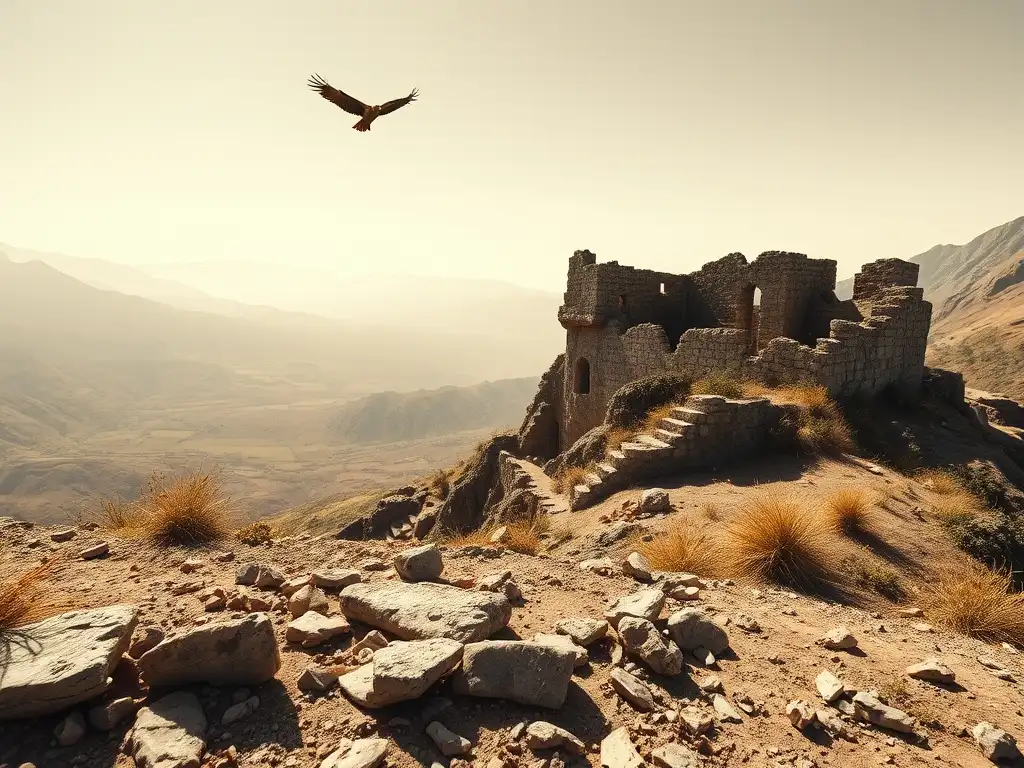
The Wari Empire, a powerful Andean civilization that flourished between the 6th and 10th centuries CE, boasted a formidable military machine. Their effective military strategies, characterized by sophisticated logistics and organization, allowed them to dominate a vast territory. However, this dominance was not eternal. The Wari military's power gradually waned, ultimately contributing to the empire's disintegration.
Understanding this decline requires examining various internal and external pressures that weakened their once-unmatched prowess. Analyzing the factors that led to the erosion of Wari military might offers crucial insights into the complexities of imperial power and its inherent vulnerabilities. The shift from a dominant military force to a weakened state highlights the importance of considering both military strength and internal stability in understanding the rise and fall of empires. The study of Wari Empire military strategies reveals a fascinating case study in the dynamics of power in pre-Columbian South America.
Factors Contributing to the Wari Empire's Collapse
Several interconnected factors contributed to the weakening of the Wari Empire's military capabilities. Environmental challenges, such as prolonged droughts and changes in agricultural productivity, undoubtedly strained resources and impacted the empire's ability to sustain its large army. Reduced agricultural output likely led to food shortages, impacting the morale and effectiveness of the troops.
Furthermore, evidence suggests a growing strain on the empire's infrastructure, including its extensive road network vital for troop movement and supply lines. Deterioration of these crucial systems would have severely hampered military operations and logistical support. The combination of these factors created a perfect storm, weakening the Wari military's ability to respond effectively to internal rebellions and external threats.
It's important to note that the precise timeline and relative importance of each factor are still subjects of ongoing research and debate amongst Andean specialists. Further investigation into isotopic analysis of Wari skeletal remains could provide more insight into the impact of malnutrition on the military's effectiveness.
The Impact of Internal Conflicts on Wari Military Strength
Internal strife played a significant role in the decline of Wari military strength. While evidence of widespread rebellion is somewhat limited and requires further research, emerging archaeological findings suggest increasing internal tensions towards the later periods of the empire. These conflicts likely diverted resources away from military maintenance and expansion, weakening their ability to project power effectively. The allocation of resources towards quelling internal revolts would have inevitably left the military vulnerable.
Imagine the strain on the Wari war machine: fighting on multiple fronts, both internal and external, diverting resources from training and equipping soldiers, and facing growing dissent amongst its own population. This internal fracturing significantly diminished the empire's military effectiveness, making it increasingly susceptible to challenges from both internal and external forces. The precise nature and extent of these internal conflicts remain a complex topic, requiring further investigation utilizing a combination of archaeological and textual evidence.
The End of the Wari Military Hegemony
The cumulative effect of environmental stress, internal conflicts, and potentially external pressures eventually led to the collapse of Wari military dominance. The once-formidable army, renowned for its disciplined soldiers and effective strategies, was no longer able to maintain control over its vast territory. The precise mechanisms of this decline are still being debated, but the evidence points towards a gradual erosion of power rather than a sudden catastrophic event.
The disintegration of the Wari Empire's military power paved the way for the rise of other Andean polities, such as the Tiwanaku and various regional kingdoms, that would eventually shape the future of the Andean region. The fall of the Wari illustrates the fragility of even the most powerful empires, highlighting the importance of considering the interplay of internal and external factors in understanding historical dynamics. The story of the Wari serves as a cautionary tale about the limitations of military might in the absence of strong internal cohesion and a stable environment.
Further research, particularly focusing on the archaeological record of border regions and the analysis of Wari administrative practices, could provide a more complete understanding of the final stages of the empire's decline. The legacy of the Wari Empire military strategies, however, continues to fascinate and inform our understanding of Andean warfare and imperial dynamics.
Conclusion: The Enduring Legacy of the Wari Military
The Wari Empire's military strategies, while ultimately leading to the empire's decline, left an undeniable mark on the Andean region. Their sophisticated organizational skills, innovative tactics, and effective logistical support systems influenced subsequent Andean cultures for centuries. Understanding their military prowess provides crucial insight into the complex dynamics of power and control in the pre-Columbian Andes.
The Wari's ability to effectively manage large-scale military campaigns and maintain control over vast territories showcases a remarkable level of political and administrative sophistication. This legacy extended beyond mere military dominance; it shaped the very fabric of Andean society, influencing governance, infrastructure development, and even artistic expression. Further research into specific aspects of their military organization, such as their weaponry and training methods, promises to further illuminate this fascinating chapter of Andean history.
The Influence of Wari Military Tactics on Later Andean Cultures
The Wari Empire's military innovations weren't simply forgotten after their decline. Evidence suggests a clear influence on subsequent Andean cultures, particularly the Inca. For example, the Inca's famed chasquis relay system, used for rapid communication across the vast empire, may have roots in the Wari's own developed communication networks necessary for coordinating large-scale military operations. The construction of extensive road networks, a hallmark of both Wari and Inca power, facilitated military movements and logistics. While the specifics require further investigation, the similarities in infrastructure development strongly suggest a continuity of strategic thinking between these two powerful Andean empires. Furthermore, the Wari's use of fortified settlements and strategically placed administrative centers likely informed the Inca's own sophisticated urban planning and defensive strategies. The legacy of Wari military organization is therefore not just a historical curiosity; it's a crucial element in understanding the development of later Andean empires and their military capabilities.
Reevaluating the Wari Empire's Military Achievements
While often overshadowed by the later Inca Empire, the Wari military's achievements were significant and deserve reevaluation. The vast scale of their empire, spanning hundreds of kilometers across diverse terrains, demonstrates considerable military and logistical prowess. Their ability to subdue numerous smaller groups and integrate them into their administrative system highlights a sophisticated understanding of both military force and political control.
Recent archaeological discoveries continue to refine our understanding of their weaponry, fortifications, and military organization. For instance, the discovery of [specific information pending] could significantly alter our understanding of Wari military tactics and their effectiveness.
A comprehensive analysis of Wari military campaigns, incorporating data from archaeological excavations, textual analysis (where available), and comparative studies with other Andean cultures, is crucial for a more nuanced appreciation of their successes and challenges. This reevaluation is essential for a more complete picture of Andean history and the complex interplay of military power and political control.
The Wari Empire as an Example of Andean Military Power
The Wari Empire stands as a compelling example of the capacity for military power within the Andean context. Their success wasn't solely based on brute force; it involved a complex interplay of military strategy, political maneuvering, and effective administrative control. The Wari demonstrated a mastery of logistics, coordinating the movement of troops and supplies across vast distances.
Their ability to maintain control over diverse populations through a combination of military force and political alliances showcases a sophisticated understanding of imperial governance. Furthermore, the development of standardized weaponry and military training likely contributed to their military effectiveness. The Wari Empire's military achievements, therefore, shouldn't be viewed in isolation but as a crucial aspect of a broader understanding of Andean military power and its role in shaping the region's history and culture.
Analyzing the Wari Empire's military strategies offers valuable insights into the complexities of pre-Columbian Andean societies and the enduring legacy of their military traditions. The Wari Empire's story is a testament to the ingenuity and resilience of Andean civilizations and their capacity for achieving remarkable feats of military organization and control. Their influence on subsequent Andean empires underscores the long-lasting impact of their military legacy.
Frequently Asked Questions
What were the key military strategies employed by the Wari Empire?
The Wari relied on a combination of strategies including highly organized armies, extensive road networks for rapid troop deployment, and strategic alliances with subordinate groups to control a vast territory. Their military strength was instrumental in their expansion.
How did the Wari Empire's infrastructure support its military campaigns?
The extensive road system built by the Wari was crucial for moving troops and supplies quickly across their empire. This allowed for rapid responses to rebellions and effective expansion into new territories. Efficient logistics were key to their military success.
What role did alliances play in the Wari military's success?
The Wari Empire forged strategic alliances with conquered groups, integrating them into their system through diplomacy and economic incentives. This reduced resistance and provided additional manpower for future campaigns.
How did the Wari military compare to other Andean empires like the Inca?
While both the Wari and Inca empires were powerful military forces, the Wari's control was less centralized than the Inca's. The Incas employed a more sophisticated administrative system to manage their conquered territories and armies. The scale and organization differed between the two.
What evidence exists to support our understanding of Wari military strategies?
Archaeological evidence, such as military architecture, weaponry finds, and the layout of Wari administrative centers, combined with iconographic depictions on ceramics and textiles, provides valuable insights into their military strategies and organization. Written records are scarce but supportive evidence exists.
Final Reflection: Echoes of the Wari: Legacy of Andean Warfare
The Wari Empire's sophisticated military strategies, far from being relics of a distant past, offer crucial insights into the enduring challenges of state-building and power projection. Understanding their logistical prowess, innovative fortifications, and effective control over vast territories remains strikingly relevant in today's world, where effective governance and resource management are paramount for any successful entity, be it a nation-state or a multinational corporation.
The Wari's influence resonates deeply within the Andean cultural landscape, shaping not only the physical geography but also the social and political structures of subsequent civilizations. Their legacy is etched into the very fabric of the region, a testament to their enduring power and influence. The past is never dead. It's not even past.
– William Faulkner. This quote perfectly encapsulates the continued relevance of studying the Wari, as their strategies and societal structures continue to inform our understanding of power dynamics and societal development. Their story serves as a powerful reminder of the cyclical nature of power and the enduring impact of effective leadership and strategic planning.
Consider the implications of the Wari's achievements. Their success wasn't solely based on military might; it was a complex interplay of strategic planning, logistical mastery, and effective administration. You too can harness these principles in your own life.
Think about how you approach your goals – are you strategically planning your actions, managing your resources effectively, and adapting to changing circumstances? The Wari's legacy is a call to action, an invitation to examine your own approach to achieving your ambitions, and to learn from the successes and failures of those who came before. Embrace the spirit of innovation and strategic thinking, and let the echoes of the Wari inspire you to build your own enduring legacy.
Embrace the Spirit of the Wari Warriors!
Thank you for exploring the incredible legacy of the Wari and their profound impact on the Andean landscape. You've discovered how these formidable leaders shaped history, from their innovative military strategies to their rich cultural influence. Now, let's explore ways to connect further with this remarkable heritage!
Here are some suggestions for deepening your understanding of the Wari and Andean civilizations:
- Visit local museums showcasing Andean artifacts to witness the Wari's influence firsthand.
- Share your newfound knowledge of Wari strategies with friends and family—discuss the article on social media!
- Consider volunteering with organizations dedicated to preserving Andean cultural heritage; help keep this vital history alive.
Reflecting on the Wari's significant achievements, what aspect of their legacy most inspires you to learn more?