
The Aymara Leaders: Guardians of Tradition in the Andes

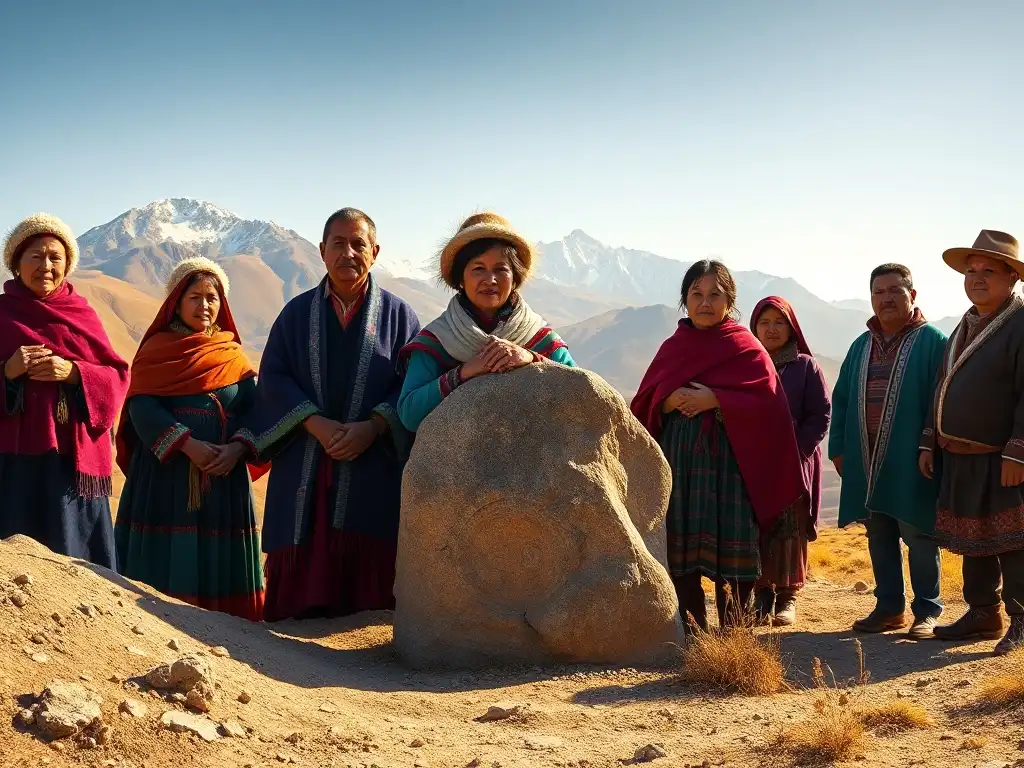
Step into a world lost to time, yet echoing with the power of ancient Andean empires. Imagine a landscape sculpted by centuries of innovation and resilience, where the echoes of sophisticated civilizations still resonate. This is the realm of the Andean Civilizations, and here, you'll uncover the fascinating legacies of the Incas, Moche, Nazca, and Tiahuanaco. But our journey begins with a pivotal group: the Aymara leaders. Their story, a testament to enduring traditions and unwavering strength, awaits you. Discover how these remarkable figures shaped Andean history – and perhaps, the very future of this captivating region.
-
Aymara Leaders: Guardians of Tradition in Andean History
- The Significance of Aymara Leadership in the Andes
- Understanding the Historical Context of Aymara Leaders
- Key Roles and Responsibilities of Aymara Leaders
- Prominent Aymara Leaders Throughout History
- The Aymara Leadership Structure: A Hierarchical View
- Aymara Leadership and the Preservation of Culture
- The Challenges Faced by Aymara Leaders Today
- Aymara Leaders: A Legacy of Resilience and Resistance
- Conclusion: Appreciating the Enduring Influence of Aymara Leaders in Andean History
- Frequently Asked Questions
- Final Reflection: Echoes of the Andes: A Legacy of Aymara Leadership
- **Embrace Your Role in Preserving Aymara Tradition! **
Aymara Leaders: Guardians of Tradition in Andean History
The Aymara people, inhabiting the high Andes of Bolivia, Peru, and Chile, boast a rich and complex history deeply interwoven with their unique system of leadership. Unlike the centralized empires of the Inca or the expansive networks of the Nazca, Aymara society developed a distinct form of governance, characterized by a decentralized structure and a strong emphasis on community and tradition.
This article delves into the significance of Aymara leadership throughout history, exploring its evolution from pre-Columbian times through the Inca conquest and beyond. We will examine how Aymara leaders, despite facing immense pressures from external forces, successfully preserved their cultural identity and maintained a degree of autonomy, showcasing their remarkable resilience and adaptability.
Understanding the role of Aymara leaders provides crucial insight into the broader tapestry of Andean history, challenging monolithic narratives and highlighting the diverse forms of power and governance that shaped the region. This exploration will uncover the intricate interplay between local Aymara traditions and broader Andean political dynamics, revealing the enduring legacy of Aymara leadership in the Andes.
The Significance of Aymara Leadership in the Andes
Aymara leadership differed significantly from the hierarchical structures of other Andean civilizations. Instead of a single, powerful emperor, Aymara societies were organized around a network of interconnected communities, each with its own local leaders. These leaders, often chosen based on a combination of hereditary lineage, demonstrated skill, and community respect, played a crucial role in managing resources, resolving conflicts, and maintaining social order. Their authority stemmed not from absolute power, but from their ability to effectively serve the needs of their communities.
This decentralized system fostered a strong sense of local autonomy and contributed to the Aymara people's remarkable ability to withstand external pressures throughout history. The role of Aymara leaders was not merely political; they also served as spiritual guides, custodians of traditional knowledge, and crucial links to the ancestral past. Their influence extended to all aspects of Aymara life, shaping religious practices, agricultural techniques, and social customs.
Understanding the Historical Context of Aymara Leaders
To fully grasp the significance of Aymara leaders, it's essential to examine the historical context within which they operated. Their leadership evolved over centuries, shaped by both internal developments and external influences.
Pre-Columbian Aymara Society and Governance
Before the arrival of the Inca, Aymara society was characterized by a sophisticated system of decentralized governance. Archaeological evidence suggests a complex network of interconnected settlements, each with its own local chieftains or leaders. These leaders were responsible for managing local resources, organizing agricultural production, and resolving disputes within their communities.
While the exact nature of their authority remains a topic of ongoing research, it is clear that their role was deeply intertwined with the spiritual and social fabric of Aymara life. Evidence of elaborate ceremonial centers and sophisticated irrigation systems points to a highly organized and resilient society capable of managing complex challenges. The absence of a centralized, overarching authority allowed for a high degree of local autonomy and adaptability.
The Impact of the Inca Empire on Aymara Leadership
The Inca conquest of the Aymara territories in the 15th century dramatically altered the existing power structures. The Inca imposed their centralized system of governance, replacing local Aymara leaders with Inca officials. However, the Aymara people did not passively accept this subjugation.
Despite the imposition of Inca rule, Aymara communities retained a degree of local autonomy, often maintaining their traditional social structures and customs under the guise of Inca administration. Many Aymara leaders adapted to the new circumstances, navigating the complexities of the Inca system while preserving elements of their cultural heritage. This period witnessed a complex interaction between Inca imperial power and Aymara resistance, shaping the future trajectory of Aymara leadership.
Aymara Resistance and the Maintenance of Autonomy
Following the Spanish conquest, the Aymara faced new challenges to their autonomy. The Spanish colonial system attempted to further dismantle traditional Aymara governance structures, replacing them with a hierarchical system designed to extract resources and consolidate Spanish power. Despite this, Aymara leaders continued to play a vital role in maintaining their cultural identity and resisting colonial oppression.
They employed a variety of strategies, including subtle forms of resistance, preserving traditional practices, and utilizing their intimate knowledge of the Andean terrain to evade colonial control. The enduring strength of Aymara culture and the continued importance of their leaders testify to their remarkable resilience in the face of centuries of external pressures. Their story serves as a powerful example of cultural preservation and the enduring strength of community-based leadership in the face of adversity.
Key Roles and Responsibilities of Aymara Leaders
The Aymara people, inhabiting the Altiplano region of the Andes Mountains, have a rich history of community-based governance. Their leaders, historically known as kurakas, held significant power and responsibility, extending far beyond simple political authority. Their roles were deeply intertwined with the spiritual well-being and material prosperity of their communities. Understanding these roles is crucial to grasping the complexities of Aymara society and its enduring resilience.
The responsibilities were not always clearly defined, and varied depending on the specific community and historical context. However, some key aspects remained consistent across different periods. The leader was not just a political figure but also a spiritual guide and economic manager, acting as a vital link between the community and the sacred world.
A successful leader was adept at balancing these diverse roles, ensuring harmony and prosperity within their domain. Their influence permeated every aspect of Aymara life, from daily rituals to major decisions affecting the entire community. The weight of these responsibilities demanded great wisdom, diplomacy, and understanding of both the spiritual and material needs of their people.
Spiritual Authority and Ritual Practices
Aymara leaders played a crucial role in maintaining the spiritual balance of their communities. They were often seen as intermediaries between the human and supernatural worlds, possessing knowledge of ancestral traditions and rituals. Their authority stemmed not only from their political position but also from their deep understanding of Aymara cosmology and religious practices.
They were responsible for conducting ceremonies, offering prayers, and interpreting signs from the natural world. These rituals were essential for ensuring successful harvests, protecting the community from harm, and maintaining the harmony between humans and nature. The kuraka would often lead important ceremonies, such as those related to the agricultural cycle, ensuring the fertility of the land and the abundance of crops.
Their knowledge of medicinal plants and healing practices also contributed to their spiritual authority, solidifying their position as essential figures within the community. The intricate relationship between the spiritual and material worlds was a central aspect of Aymara leadership, with the kuraka acting as the keystone in this intricate structure.
Political Decision-Making and Community Management
Beyond their spiritual roles, Aymara leaders were responsible for the governance and management of their communities. This involved making decisions on matters ranging from land allocation and resource distribution to conflict resolution and the organization of community labor. They acted as mediators in disputes, ensuring social harmony and preventing conflicts from escalating.
Their decisions were often reached through consensus-building processes, involving consultation with community members and elders. The ability to negotiate and find solutions that benefited the entire community was crucial for a leader's success. Effective leadership involved maintaining a delicate balance between the needs of individual families and the collective good of the community.
They oversaw the implementation of community projects, such as irrigation systems or public works, ensuring the proper functioning of Aymara society. The political authority of the kuraka was deeply rooted in the community's social fabric, relying on respect, trust, and the leader’s ability to represent the interests of the whole.
Resource Allocation and Land Management
The effective management of resources was paramount for the survival and prosperity of Aymara communities. Aymara leaders held a crucial role in this process, responsible for allocating land, water, and other vital resources among community members. This involved considering factors such as family size, agricultural needs, and customary rights. The distribution of resources was not arbitrary but followed established principles and traditions, ensuring fairness and preventing conflicts.
Their knowledge of the land, its water sources, and its agricultural potential was essential for their decision-making. They also played a key role in managing communal lands and ensuring their sustainable use. The preservation of natural resources was not merely an economic concern but also a spiritual obligation, reflecting the close relationship between the Aymara people and their environment. The leader's decisions concerning resource allocation directly influenced the well-being of their community, highlighting the interconnectedness of their political and economic responsibilities.
Prominent Aymara Leaders Throughout History
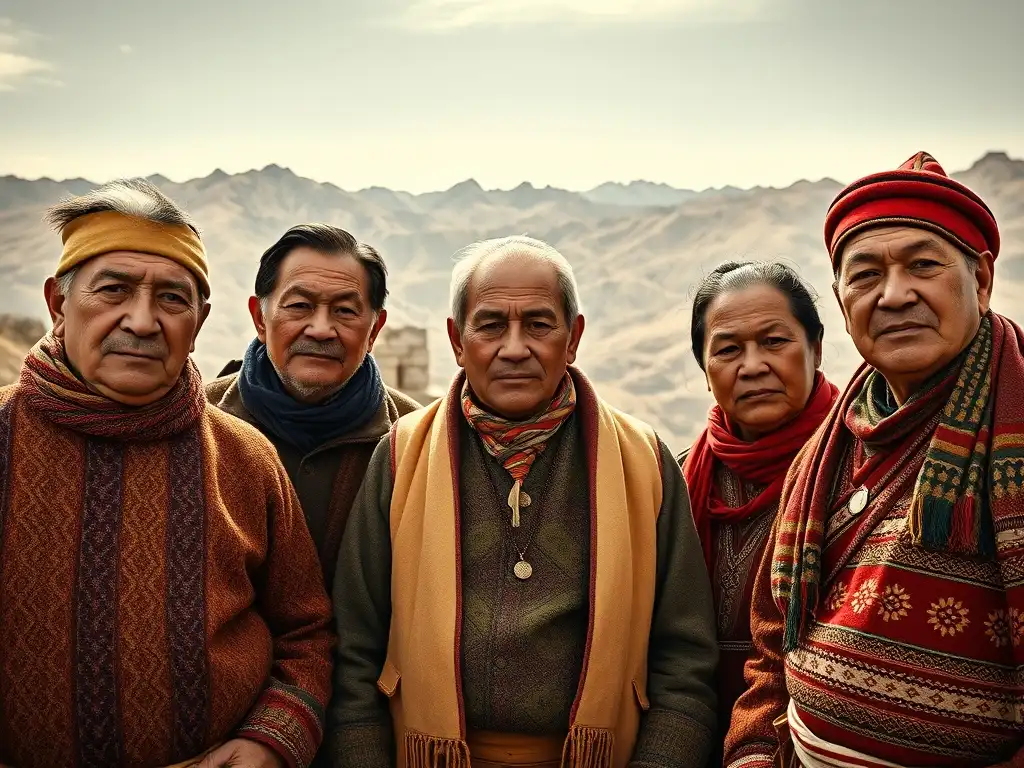
Throughout history, numerous Aymara leaders have played significant roles in shaping the cultural, political, and social landscape of the Andes. Their actions, both resistance and cooperation, have left an indelible mark on the Aymara identity and their enduring connection to their ancestral lands. Studying these individuals provides valuable insights into the complexities of Aymara history and the resilience of their culture. While records are often fragmented and incomplete, the stories of these leaders continue to be passed down through oral traditions and historical accounts, offering glimpses into the lives and legacies of these remarkable figures.
Kuraka Katari and his Legacy
Kuraka Katari, a significant figure in Aymara history, led a powerful rebellion against Spanish colonial rule in the late 18th century. While specific details about his life remain scarce, his leadership inspired numerous uprisings across the Altiplano. Katari's rebellion, though ultimately unsuccessful, symbolized the Aymara people's resistance to oppression and their determination to preserve their cultural identity.
The movement highlighted the deep-seated grievances against Spanish colonial policies and the Aymara people's unwavering commitment to self-determination. His legacy continues to resonate within Aymara communities, serving as a powerful symbol of resistance and cultural pride. Further research is needed to fully understand the extent of his influence and the complexities of his leadership during this turbulent period.
Tomás Katari and his Resistance
Tomás Katari, another prominent Aymara leader, continued the legacy of resistance against colonial rule. He was a key figure in the indigenous uprisings of the late 18th century, fighting for the rights and autonomy of the Aymara people. Tomás Katari, often viewed as a successor to the Kuraka Katari legacy, led several significant battles against the Spanish colonial forces.
His strategies and tactics reflected a deep understanding of the terrain and the strengths of the Aymara fighting forces. However, like many indigenous leaders of the time, he faced overwhelming odds and was eventually captured and executed. Despite his ultimate defeat, Tomás Katari's unwavering commitment to his people's freedom cemented his place as a symbol of Aymara resistance and a testament to the enduring spirit of the indigenous population fighting for their rights.
Evo Morales and his Challenges
Evo Morales, the first indigenous president of Bolivia, represents a significant milestone in the history of Aymara leadership. His election in 2005 marked a turning point, signifying the growing political power of indigenous communities in the region. Morales' presidency presented both significant opportunities and substantial challenges. He championed indigenous rights, implemented policies aimed at reducing poverty and inequality, and sought to strengthen Bolivia's sovereignty.
However, his administration also faced significant criticism and opposition, highlighting the complexities of governing a diverse and often divided nation. His legacy is a subject of ongoing debate, with varying perspectives on his successes and failures in addressing the deep-seated social and economic issues facing Bolivia. Analyzing his presidency provides valuable insights into the challenges and opportunities facing indigenous leaders in contemporary Andean politics.
The Aymara Leadership Structure: A Hierarchical View
The Aymara leadership structure isn't a rigid, centralized system like that of the Inca Empire. Instead, it's a complex interplay of local and regional authorities, reflecting the decentralized nature of Aymara society. The traditional Aymara system emphasizes community participation and collective decision-making, though certain roles hold significant influence. This structure, deeply rooted in Andean cosmology and social organization, ensures the continuity of traditions and the management of community resources.
The hierarchy is fluid, adapting to specific circumstances and the needs of each community. While titles and positions exist, the ultimate authority often rests with the consensus of the community itself. This intricate system has allowed Aymara communities to maintain their cultural identity and resilience over centuries, even in the face of significant external pressures. The strength of the Aymara leadership lies not in individual power, but in the collective wisdom and shared responsibility of the community.
The Role of the Mallku in Aymara Society
The Mallku, often translated as "leader" or "chief," holds a prominent position within Aymara communities. However, the Mallku's authority isn't absolute; it's earned through respect, wisdom, and demonstrated dedication to the community's well-being. The Mallku acts as a spokesperson, mediator, and advisor, representing the community in external affairs and facilitating internal decision-making processes. Their role is primarily one of guidance and facilitation, ensuring that decisions align with the community's values and traditions.
The Mallku is not an autocrat but a facilitator of community consensus. Their selection often involves community consultation and consideration of their experience and knowledge. Unlike many hierarchical systems, the Mallku is accountable to the community and can be replaced if they fail to uphold their responsibilities. This system fosters a dynamic and responsive leadership structure.
The Importance of the Mama Talla
The Mama Talla, a female leader, plays a crucial, though often overlooked, role within Aymara communities. While the Mallku often handles external affairs, the Mama Talla typically focuses on internal community matters, particularly those related to family, social harmony, and the preservation of traditional practices. Their knowledge of customary law, social protocols, and medicinal practices is highly valued. The Mama Talla often acts as a mediator in disputes, offering guidance and ensuring the smooth functioning of the community's social fabric.
Their presence underscores the importance of gender balance and shared leadership within the Aymara system. Their authority stems from their deep understanding of Aymara traditions and their ability to uphold community values. The Mama Talla's role is essential for maintaining social cohesion and cultural continuity.
Community Assemblies and Collective Decision-making
The cornerstone of Aymara governance is the community assembly, or ayllu. These assemblies are the primary forum for collective decision-making. All members of the community have a right to participate, and decisions are generally reached through consensus. This process emphasizes dialogue, discussion, and the consideration of diverse perspectives.
The Mallku and Mama Talla may guide the discussions, but the final decision rests with the collective will of the community. This participatory approach ensures that decisions reflect the needs and desires of all community members, fostering a sense of shared ownership and responsibility. This system has proven remarkably effective in maintaining social cohesion and resolving conflicts peacefully. The emphasis on consensus-building is a key element of Aymara leadership and a testament to the strength of their collective governance.
Aymara Leadership and the Preservation of Culture
Aymara leaders play a pivotal role in safeguarding and transmitting their rich cultural heritage. This responsibility extends beyond mere preservation; it involves actively fostering cultural practices and ensuring their relevance in a changing world. This active engagement with their cultural heritage is not a passive process but a dynamic and evolving one, adapting to the challenges and opportunities of the modern era.
The Aymara leaders serve as custodians of their collective memory, ensuring that traditions, knowledge, and values are passed down through generations. This commitment to cultural continuity is a defining characteristic of Aymara leadership and a key factor in their remarkable resilience.
Maintaining Aymara Language and Traditions
The preservation of the Aymara language is a central focus of Aymara leadership. Efforts range from promoting Aymara language education in schools to encouraging its use in everyday life. Leaders actively work to counter the dominance of Spanish and other languages, seeing the preservation of their language as crucial to maintaining their cultural identity.
This commitment extends to other traditional practices, including music, dance, storytelling, and traditional medicine. The transmission of these practices is often facilitated through community gatherings, ceremonies, and educational initiatives. These efforts are not merely nostalgic; they are seen as vital to the continued well-being and cultural strength of the Aymara people.
The Role of Leaders in Aymara Education
Aymara leaders recognize the importance of education in empowering their communities and preserving their cultural heritage. They actively support initiatives that incorporate Aymara language and cultural perspectives into the curriculum. They advocate for bilingual education programs, ensuring that children are fluent in both Aymara and Spanish, equipping them with the skills necessary to navigate a diverse world while maintaining their cultural identity.
Furthermore, leaders often support community-based learning programs that transmit traditional knowledge and skills, such as weaving, agriculture, and traditional medicine. This holistic approach to education aims to cultivate a sense of cultural pride and equip younger generations with the tools to thrive in a globalized world.
Protecting Aymara Ancestral Lands and Resources
The protection of ancestral lands and resources is paramount for Aymara communities. Leaders play a crucial role in advocating for land rights, environmental protection, and the sustainable use of natural resources. They work to ensure that traditional practices are compatible with environmental sustainability, striving to balance the needs of their communities with the preservation of their environment.
This commitment reflects a deep-rooted respect for nature and an understanding of the interconnectedness between their culture and the land. Their efforts often involve working with government agencies, NGOs, and other stakeholders to protect their lands and resources from exploitation and degradation. This commitment to environmental stewardship is central to Aymara identity and reflects a long-standing relationship with the Andean landscape.
The Challenges Faced by Aymara Leaders Today
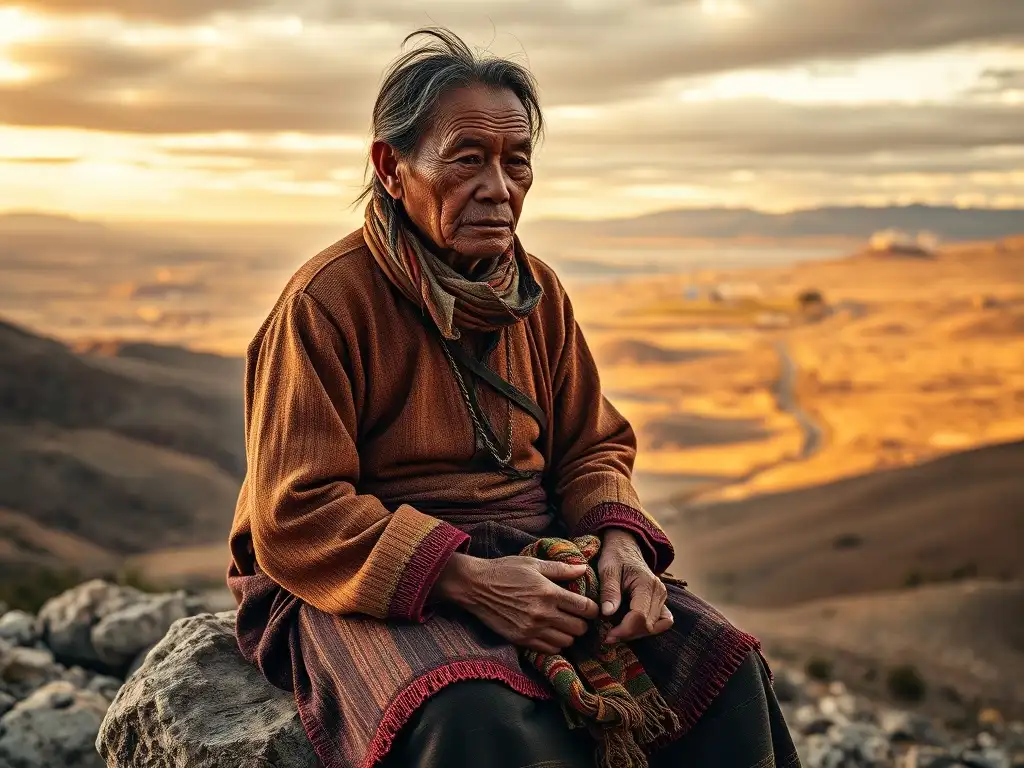
The contemporary Aymara leadership faces a complex web of interconnected challenges that threaten their cultural survival and economic well-being. These challenges are not unique to Aymara communities, but their impact is acutely felt given the historical marginalization and persistent inequalities faced by indigenous populations in the Andes. Understanding these pressures is crucial to appreciating the ongoing resilience of Aymara communities and their leaders' tireless efforts to navigate a rapidly changing world.
External Pressures and Political Marginalization
Aymara leaders often struggle against external pressures from national governments that may not fully recognize or support their traditional governance structures. This political marginalization manifests in various ways, including limited representation in national decision-making processes, insufficient funding for community development projects, and a lack of legal protection for Aymara land rights and cultural practices. The imposition of external policies without adequate consultation with Aymara communities can exacerbate existing inequalities and undermine their self-determination.
For example, [specific example of a government policy negatively impacting Aymara communities pending]. This highlights the ongoing struggle for Aymara leaders to secure their political voice and influence within a broader national context.
Economic Disparities and Social Inequality
Significant economic disparities exist between Aymara communities and the rest of the population in Andean countries. Limited access to education, healthcare, and economic opportunities contributes to a cycle of poverty that hinders social mobility and perpetuates inequality. Aymara leaders work tirelessly to address these issues, often advocating for improved infrastructure, fairer access to resources, and economic development initiatives that benefit their communities.
However, the entrenched nature of these inequalities, coupled with global economic fluctuations, makes progress slow and challenging. The lack of equitable access to credit and markets further limits the economic potential of Aymara-led enterprises, hindering sustainable development and community growth. [Specific data on income disparity between Aymara communities and national averages pending].
Climate Change and Environmental Threats to Aymara Communities
Climate change poses an existential threat to Aymara communities, which are heavily reliant on agriculture and natural resources. Changes in rainfall patterns, increased frequency of extreme weather events, and glacial melt significantly impact water availability, crop yields, and overall community well-being. Aymara leaders are at the forefront of addressing these challenges, advocating for sustainable agricultural practices, water conservation strategies, and climate change adaptation measures.
However, the scale of the challenge is immense, requiring significant investment and international cooperation to mitigate the impacts of climate change on vulnerable Aymara communities. For instance, [specific example of climate change impact on an Aymara community pending]. This underscores the urgent need for coordinated action to protect the environment and the livelihoods of Aymara communities.
Aymara Leaders: A Legacy of Resilience and Resistance
Despite the numerous challenges they face, Aymara leaders demonstrate a remarkable legacy of resilience and resistance. Their ability to adapt to changing circumstances, preserve their cultural heritage, and advocate for their rights is a testament to their enduring strength and determination. This resilience is rooted in deeply held cultural values, strong community ties, and a commitment to maintaining their traditional ways of life.
The Enduring Strength of Aymara Traditions
Aymara traditions, including their unique language, spiritual beliefs, and social structures, remain central to their identity and resilience. These traditions provide a framework for community organization, conflict resolution, and the transmission of knowledge across generations. Aymara leaders play a vital role in preserving and promoting these traditions, ensuring their continuity in the face of modernization and globalization.
The continued practice of traditional agriculture, weaving techniques, and ceremonies demonstrates the enduring strength of Aymara culture and its capacity to adapt and evolve while maintaining its core values. The resilience of the Aymara language, despite pressures from Spanish and other languages, is a powerful symbol of their cultural strength.
The Importance of Aymara Leadership for the Andean Future
The role of Aymara leaders is not merely about preserving the past; it is also crucial for shaping the future of the Andean region. Their perspectives on sustainable development, environmental protection, and social justice are essential for building a more equitable and inclusive society. Aymara leaders bring valuable insights and experiences to regional and national dialogues, advocating for policies that benefit indigenous communities and promote greater harmony between different cultures.
Their continued leadership is vital for ensuring that the rich cultural heritage and unique contributions of Aymara communities are recognized and valued. The future of the Andes depends on the active participation and leadership of indigenous groups like the Aymara, whose wisdom and experience are essential for navigating the complex challenges of the 21st century. Their continued advocacy for self-determination and cultural preservation is vital for a more just and sustainable future for all.
Conclusion: Appreciating the Enduring Influence of Aymara Leaders in Andean History
The legacy of Aymara leaders extends far beyond their lifetimes, weaving a rich tapestry into the fabric of Andean history and culture. Their skillful navigation of complex political landscapes, their dedication to preserving ancestral traditions amidst external pressures, and their remarkable resilience in the face of adversity serve as powerful testaments to their leadership. Understanding their roles allows us to appreciate the depth and complexity of Aymara society and its enduring impact on the Andes. The stories of these leaders, often passed down through oral traditions and meticulously preserved archaeological findings, offer invaluable insights into the social structures, economic systems, and spiritual beliefs that shaped Aymara communities for centuries.
Their influence is not merely historical; it remains palpable in the vibrant cultural practices, intricate social networks, and unwavering community spirit that characterize Aymara communities today. Studying these individuals provides a crucial lens through which we can better understand the resilience and adaptability of Andean civilizations in the face of change. Their contributions underscore the importance of recognizing and celebrating the diverse voices and perspectives that have shaped the rich history of the Andes.
The Aymara leadership model, characterized by a deep connection to the land and a commitment to collective well-being, offers valuable lessons for contemporary society, highlighting the importance of community-based solutions and sustainable practices. Future research should continue to shed light on the lives and contributions of individual Aymara leaders, further enriching our understanding of this remarkable culture and its enduring legacy. The ongoing efforts to preserve Aymara traditions and languages are a testament to the lasting impact of these leaders and their commitment to preserving their cultural heritage for generations to come.
The study of Aymara leaders provides a crucial opportunity to reconsider traditional narratives of Andean history, often dominated by the accounts of larger empires like the Inca. By focusing on Aymara leadership, we gain a nuanced understanding of the complexities and diversity of Andean societies, moving beyond simplistic narratives of conquest and assimilation.
This shift in perspective allows for a more inclusive and accurate representation of Andean history, highlighting the significant contributions of often-overlooked communities and their leaders. The rich tapestry of Aymara history, woven together by the actions and decisions of its leaders, serves as a reminder of the importance of preserving and celebrating the diverse cultural heritage of the Andes.
Their enduring influence continues to shape the region's identity, inspiring future generations to uphold the values of community, resilience, and cultural preservation. The careful study of Aymara leadership therefore not only enhances our historical understanding but also offers valuable lessons for present and future societies navigating the challenges of globalization and cultural preservation.
Frequently Asked Questions
What role did Aymara leaders play in Andean history?
Aymara leaders held significant power and influence throughout Andean history. They were key figures in maintaining social order, managing resources, and preserving cultural traditions within their communities. Their role varied across different periods and regions.
How did Aymara leadership differ from Inca leadership?
While both groups held significant power, Aymara leadership structures were generally less centralized than the Inca empire's. Aymara communities often maintained a greater degree of local autonomy, while the Inca imposed a more hierarchical system. Their political organizations differed significantly.
What were some of the challenges faced by Aymara leaders?
Aymara leaders faced numerous challenges, including environmental factors such as droughts and harsh climates, inter-tribal conflicts, and later, the conquest by the Inca and Spanish. Maintaining social cohesion and resources were constant concerns.
How did Aymara leaders preserve their culture and traditions?
Aymara leaders played a crucial role in preserving their culture through oral traditions, religious practices, and the transmission of knowledge across generations. They also maintained distinct social structures and languages.
Where can I learn more about Aymara leaders and their history?
To learn more, explore academic journals focusing on Andean history and Aymara culture. Museums and archaeological sites throughout the Andes also offer valuable insights into the Aymara people and their leaders. You can also search for books specifically focusing on Aymara history and leadership.
Final Reflection: Echoes of the Andes: A Legacy of Aymara Leadership
The resilience of Aymara leadership in the face of relentless historical pressures continues to resonate today, a powerful testament to the enduring strength of indigenous cultures. Their story is not just a historical account; it's a living example of how community, tradition, and resistance can shape a people's destiny, even in the face of overwhelming odds. Understanding their struggles and triumphs offers crucial insights into the ongoing fight for indigenous rights and self-determination worldwide.
The Aymara people's unwavering commitment to their traditions, despite centuries of colonization and marginalization, is profoundly inspiring. Their legacy serves as a potent reminder that cultural identity is not merely a relic of the past but a vital force shaping the present and future. The past is never dead. It's not even past.
– William Faulkner. This quote perfectly encapsulates the enduring relevance of Aymara history and the ongoing struggle for recognition and respect. Their story is a continuous narrative, woven through generations, and its threads continue to influence the social and political landscape of the Andes and beyond.
Consider the enduring impact of Aymara leadership. How can we, as individuals, contribute to the preservation of indigenous cultures and the fight for social justice? Let the echoes of the Andes inspire you to learn more, to listen to the voices of marginalized communities, and to actively support initiatives that promote cultural preservation and social equity. The future of these traditions, and indeed the richness of our shared human experience, depends on our collective commitment to understanding and celebrating the diverse tapestry of human history.
**Embrace Your Role in Preserving Aymara Tradition! **
Thank you for joining us in exploring the remarkable resilience of Aymara leaders and their rich heritage. Your interest is vital, not only in recognizing the importance of their culture but also in empowering you to actively participate in its preservation.
Now, take the next step and become a part of this crucial movement:
- **Engage with the Aymara Community:** Seek out local Aymara events or organizations and participate in cultural celebrations. Connecting directly with the community is invaluable.
- **Share Your Knowledge:** Discuss what you've learned with friends, family, and on social media to raise awareness and appreciation for Aymara culture. Your voice can inspire others to become involved in protecting these unique traditions.
- **Deepen Your Understanding:** Consider further research into Andean civilizations, perhaps even planning a visit to the Andes to experience their vibrant culture firsthand.
What aspects of Aymara culture most resonate with you, and how will you share your newfound appreciation with others?