
The Enigma of Viracocha: Inca GodKing or Historical Figure?

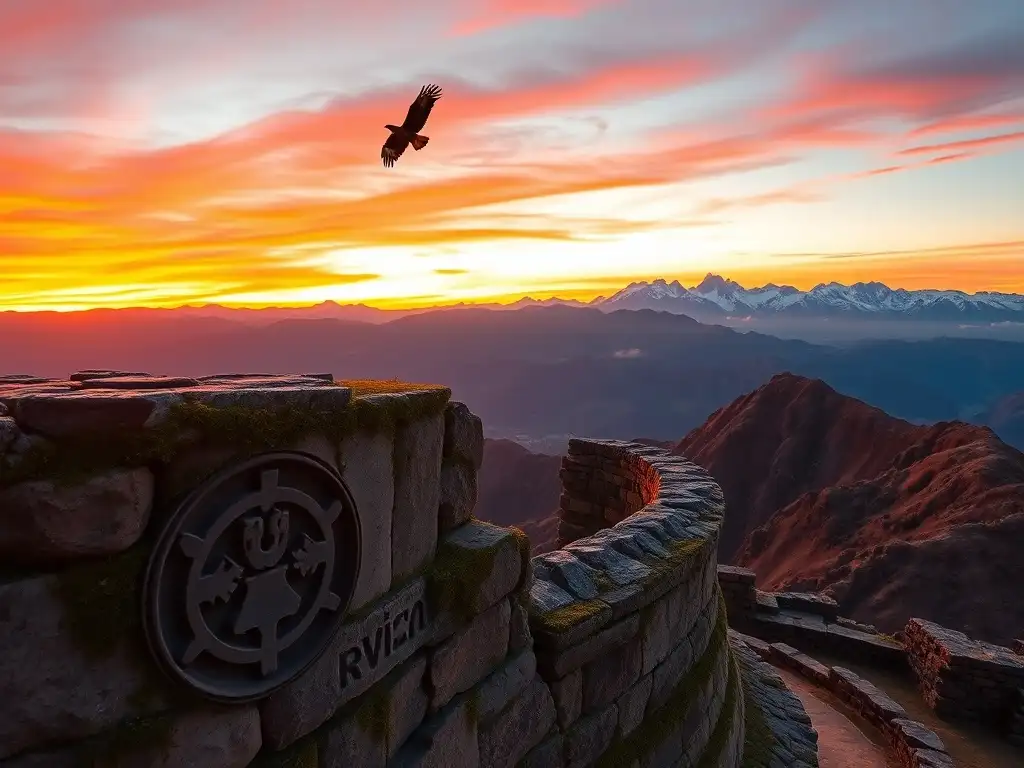
Step into a world lost to time, yet echoing with the power of ancient empires. Unravel the mysteries of the Andes, a land sculpted by breathtaking landscapes and the legacies of extraordinary civilizations. Was Viracocha a divine being, a powerful Inca GodKing, or a figure rooted in historical reality? This question, and many more, await you as we delve into the captivating story of Andean history. Prepare to be amazed by the ingenuity and complexity of these remarkable cultures. Discover the truth behind the legend—explore the enigma of Viracocha now.
The Andean world pulses with a rich tapestry of myths, legends, and historical accounts, often interwoven to the point of indistinguishability. One of the most compelling enigmas within this vibrant narrative is Viracocha, a figure shrouded in mystery and debated by scholars for centuries. Was Viracocha a powerful Inca god-king, a divine creator responsible for shaping the cosmos and humanity, or was he, perhaps, a historical figure whose exploits were later embellished and mythologized into legendary proportions?
This article delves into the multifaceted nature of Viracocha, exploring the evidence that supports both interpretations and ultimately aiming to unravel the complex layers of this enduring enigma. We will explore the various accounts of Viracocha's life and reign, examining both religious texts and archaeological findings to paint a more complete picture of this pivotal figure in Inca history and mythology. Understanding Viracocha is key to understanding the very fabric of Inca society, its beliefs, and its power structures.
This exploration will not only satisfy our curiosity about this enigmatic figure but also shed light on the broader complexities of Andean civilization and its enduring legacy. The keyword "Viracocha Inca GodKing historical figure" will be explored throughout this investigation.
Unveiling the Mystery of Viracocha: More Than Just a Name
Viracocha, whose name translates roughly to "foam of the sea" in Quechua, is a central figure in Inca mythology and cosmology. He's often depicted as a creator god, responsible for bringing forth the world and its inhabitants from the primordial waters. Ancient texts, including oral traditions painstakingly preserved and documented by Spanish chroniclers after the Conquest, portray Viracocha as a powerful being with the ability to perform miracles, command the elements, and shape the very landscape. These accounts often describe him as a bearded, light-skinned man – a striking contrast to the indigenous population, leading some to speculate about possible connections to pre-Inca cultures or even extra-Andean influences. However, the lack of concrete archaeological evidence directly linking to this specific description remains a significant challenge. The stories surrounding Viracocha vary greatly depending on the region and the specific source. Some narratives emphasize his role as a benevolent creator, while others depict a more ambivalent or even punitive deity.
This inconsistency in the narratives adds another layer of complexity to understanding Viracocha's true nature. While some accounts suggest a purely divine origin, others hint at a more earthly existence. The conflicting interpretations fuel the ongoing debate: was Viracocha solely a product of religious imagination, a powerful symbol used to legitimize Inca rule, or did a real historical figure inspire the myths and legends surrounding him? Further research into the iconography associated with Viracocha, including the various representations found in Inca art and architecture, is crucial in furthering our understanding. The analysis of these visual representations might reveal clues about his actual role in Inca society.
Viracocha's Dual Nature: Deity and Leader in Inca Lore
The duality of Viracocha's nature – as both a powerful god and a potentially historical leader – is perhaps the most intriguing aspect of his story. Many scholars argue that the legends surrounding Viracocha are a blend of historical events and mythological embellishments, a common phenomenon in ancient societies. The stories could be based on the actions of an actual leader, whose achievements were later amplified and intertwined with divine attributes to enhance the legitimacy of the Inca dynasty.
This leader may have been responsible for significant political and social reforms, military victories, or the establishment of crucial infrastructure that contributed to the Inca Empire's growth and expansion. Such actions would have naturally led to the development of a powerful mythology surrounding his figure, transforming him into a god-king whose actions were divinely ordained.
The blending of historical events and religious beliefs is supported by evidence from several sources. Archaeological discoveries, such as the remains of ancient cities and temples dedicated to Viracocha, provide tangible evidence of his importance in Inca culture. These sites often reveal intricate architectural details and elaborate carvings that reinforce the god-king’s status and power.
However, separating the historical from the mythical remains a significant challenge. Further investigation into the chronology of events surrounding the establishment and expansion of the Inca Empire is essential in establishing a timeline that could help to contextualize the stories surrounding Viracocha and potentially identify the historical events that may have inspired his divine image.
The interplay between historical accounts and religious narratives makes the quest to understand Viracocha a truly compelling and ongoing intellectual challenge. The enigma persists, but with continued research and careful analysis of available sources, we might gradually approach a clearer understanding of this fascinating figure.
- Unveiling the Mystery of Viracocha: More Than Just a Name
- Viracocha's Dual Nature: Deity and Leader in Inca Lore
The Divine Aspects of Viracocha: Exploring His Mythological Significance
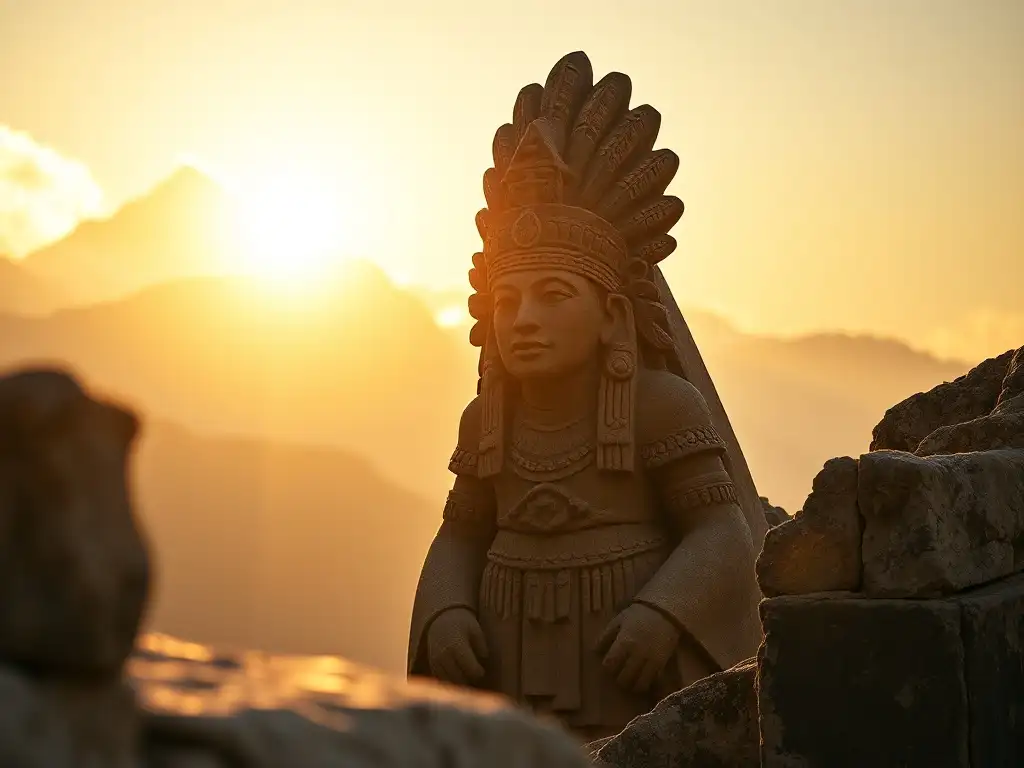
The enigma surrounding Viracocha lies not only in his potential historical existence but also in his profound and multifaceted role within Inca mythology. Understanding his divine attributes is crucial to deciphering his significance and the enduring impact he had on Andean culture. The very name "Viracocha" itself, often translated as "foam of the sea," hints at his origins as a powerful, primordial being.
His story, passed down through generations of oral tradition and later recorded by Spanish chroniclers, reveals a deity whose influence permeated every aspect of Inca life. This section delves into the core aspects of Viracocha's mythological significance, exploring his origins, powers, and widespread worship. The question of whether he was a God-King or a historical figure becomes increasingly complex when considering the sheer weight of his divine persona within Inca cosmology.
Viracocha as the Creator God: Origins and Cosmological Role
Viracocha, in Inca mythology, is primarily viewed as the creator god, the source of all existence. Different accounts describe his emergence from Lake Titicaca, emerging from the foam of the sea, or even from a cave. These varied origins highlight the fluidity of oral traditions and the adaptability of the Viracocha myth to different Andean regions and beliefs. Regardless of his precise origin, his role as the creator is undisputed.
He is credited with creating the sun, moon, stars, and the earth itself. Many accounts detail him fashioning the first humans from stone or clay, imbuing them with life and reason. His role extends beyond mere creation; he is also seen as a supreme being, a powerful force governing the cosmos and the destinies of humanity.
This cosmological role is further emphasized by his associations with water, a vital element in the Andean landscape and a symbol of life and fertility. The Viracocha Inca GodKing historical figure debate is significantly impacted by this profound cosmological significance. Was this powerful creator god a reflection of a powerful leader, or was the leader imbued with the attributes of the creator god?
Viracocha's Attributes: Powers, Symbols, and Representations
Viracocha's power wasn't limited to creation; he possessed a vast array of divine attributes. He was depicted as a majestic figure, often with a long beard – a striking feature in the context of Inca iconography – and regal attire. His most common symbols include a staff or scepter, representing his authority and power, and a sun disc, symbolizing his connection to the celestial realm.
He was believed to possess the ability to control the elements, particularly water, demonstrating his control over life-giving resources. Furthermore, he was associated with miracles and wonders, often depicted as performing acts of creation or demonstrating his power over nature. Interestingly, some accounts describe him as being able to both create and destroy, highlighting the duality inherent in his nature – a creator who also holds the power of destruction and renewal.
Depictions of Viracocha varied across the Andes, reflecting the syncretic nature of Andean religion and the adaptation of the myth to local contexts. These varied representations further complicate the question of whether Viracocha was solely a divine entity or also a reflection of a powerful human ruler, a Viracocha Inca GodKing historical figure.
The Widespread Worship of Viracocha Across the Andes
The worship of Viracocha wasn't confined to a single region; evidence suggests that his cult spread across a vast area of the Andes, encompassing various pre-Inca and Inca cultures. Temples and shrines dedicated to Viracocha have been discovered throughout the region, indicating a widespread belief in his power and influence. The Inca, in particular, elevated Viracocha to a position of supreme importance within their pantheon, incorporating him into their elaborate religious ceremonies and rituals.
His image appeared on various artifacts, including textiles, ceramics, and metalwork, demonstrating the pervasiveness of his cult. The extent of this widespread worship underscores his importance not only as a deity but also as a unifying force across different Andean communities. This widespread veneration strengthens the argument that the Viracocha Inca GodKing historical figure concept might be a blending of divine mythology and the glorification of a powerful leader whose influence spanned a wide geographical area.
The sheer scale of the worship suggests a figure whose impact transcended simple religious belief and extended into the political and social fabric of Andean society. Further research is needed to fully understand the nuances of Viracocha's worship and the extent of his influence across the different Andean cultures.
Viracocha as a Historical Figure: Separating Fact from Legend
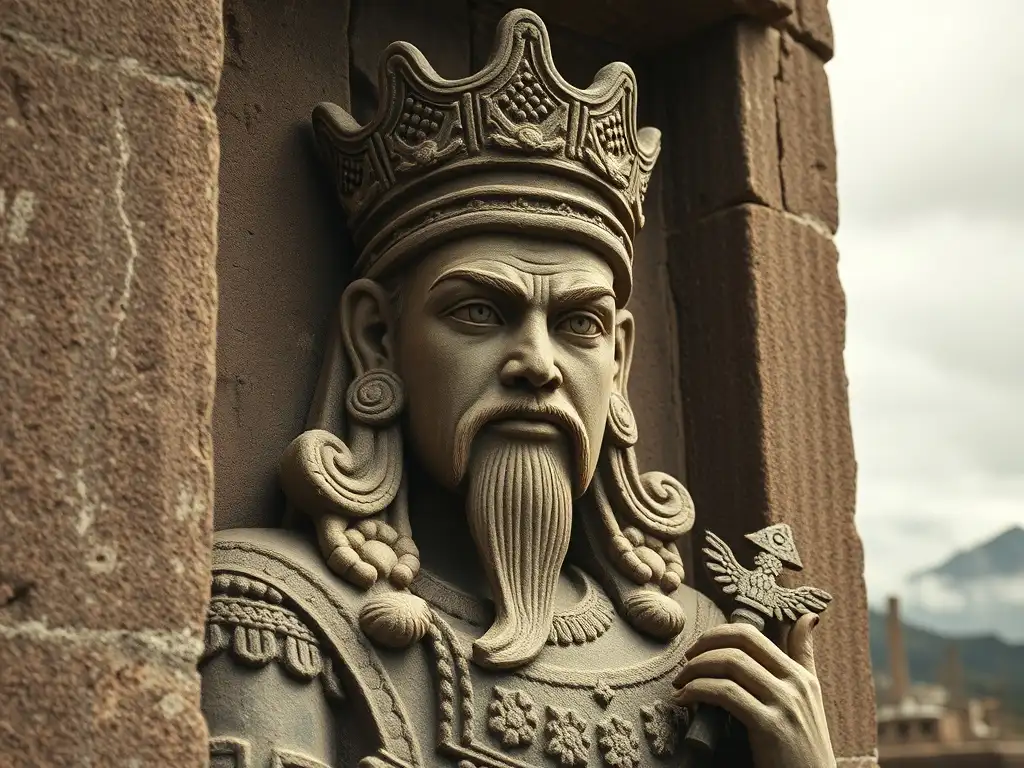
The enigmatic figure of Viracocha remains a captivating subject of debate among scholars studying Andean civilizations. Was Viracocha a powerful Inca God-King, a mythical creator deity, or perhaps a historical figure whose exploits were later mythologized and elevated to divine status? This section explores the possibility of Viracocha as a historical person, examining potential historical contexts, analyzing written accounts, and reviewing archaeological evidence to separate fact from legend in the story of this influential figure.
The keyword "Viracocha Inca GodKing historical figure" is central to this investigation, aiming to clarify the complexities surrounding this important Andean personality. Understanding Viracocha's true nature is crucial to understanding the development of Inca mythology and the Inca Empire's origins.
Potential Historical Context: The Rule of Pachacuti and Viracocha's Possible Origin
The rise of the Inca Empire under Pachacuti Inca Yupanqui (circa 1438-1471) provides a crucial historical context for understanding the Viracocha narrative. Some theories suggest that Viracocha may have been a pre-Inca ruler whose achievements were later incorporated into Inca mythology, perhaps even a predecessor to Pachacuti. The rapid expansion of the Inca Empire under Pachacuti might have involved the strategic appropriation and assimilation of existing power structures and legends, with Viracocha's story serving as a powerful tool for legitimizing Inca rule.
This process of incorporating pre-existing narratives into the official Inca history is well documented in other aspects of Inca mythology. It's possible that a real individual, perhaps a powerful leader from a preceding culture or a significant figure within early Inca society, served as the basis for the Viracocha legend.
Further research into pre-Inca cultures and their interactions with the nascent Inca state is essential to explore this hypothesis fully. This investigation could potentially unveil new insights into the early stages of Inca imperial development and the role of cultural syncretism in shaping Inca identity.
Tracing Viracocha's Presence in Inca Chronicles and Accounts
While Inca oral traditions were primarily transmitted through storytelling and memory, the Spanish conquest inadvertently preserved some of these narratives through written accounts. Chroniclers like Garcilaso de la Vega, a mestizo son of an Inca noblewoman and a Spanish conquistador, offered valuable, albeit sometimes biased, insights into Inca beliefs and history. These chronicles mention Viracocha, often depicting him as a creator god who emerged from Lake Titicaca, but also occasionally alluding to his actions as a powerful ruler.
The varying depictions of Viracocha in these accounts suggest a complex evolution of the narrative over time, potentially reflecting both mythical and historical elements intertwined. Careful analysis of these chronicles, paying close attention to contextual details and potential biases, is crucial for discerning historical kernels within the mythological framework.
Further investigation into lesser-known chronicles and indigenous accounts could reveal additional nuances and shed light on the historical aspects of the Viracocha narrative. The careful examination of these texts is vital for a comprehensive understanding of the Viracocha figure and his place within Inca history.
Analyzing Archaeological Evidence: Links Between Viracocha and Tiwanaku
Archaeological evidence, particularly from the Tiwanaku site, offers intriguing potential links to the Viracocha legend. Tiwanaku, a powerful pre-Inca civilization, flourished centuries before the Inca Empire. Its impressive architecture and sophisticated social organization suggest a highly developed culture.
Some scholars propose a connection between Viracocha and Tiwanaku, suggesting that Viracocha might have been a leader or deity associated with this earlier civilization. The stylistic similarities between Tiwanaku iconography and later Inca representations of Viracocha warrant further investigation. This connection, if proven, would significantly strengthen the case for Viracocha as a historical figure whose influence transcended the Inca Empire's boundaries.
Further archaeological excavations and comparative studies of Tiwanaku and Inca art and architecture are essential to establishing a more definitive link between Viracocha and this important pre-Inca civilization. The potential discovery of additional artifacts or inscriptions related to Viracocha at Tiwanaku or other pre-Inca sites could provide crucial evidence supporting this hypothesis. The ongoing investigation into this connection promises to unveil further mysteries surrounding this fascinating figure.
The Debate: God-King or Real Ruler? Exploring Different Perspectives
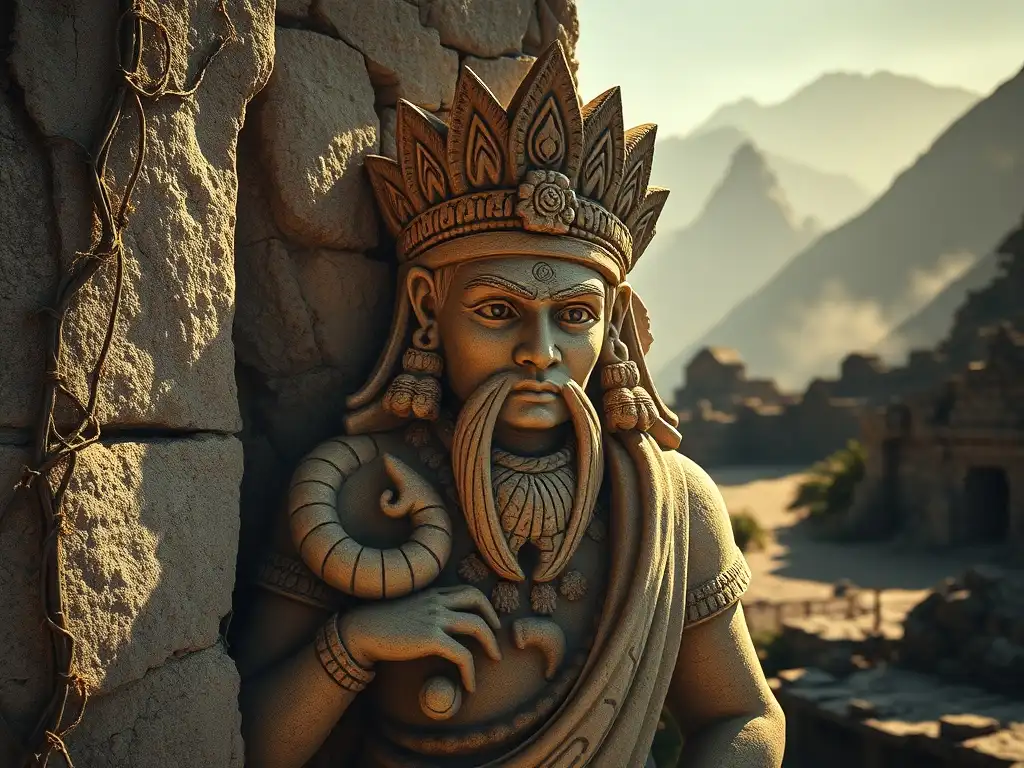
The question of Viracocha's true nature—divine being or historical leader—remains one of the most enduring enigmas in Andean studies. The scarcity of primary sources and the complex interplay between Inca mythology and historical accounts necessitate a careful examination of diverse perspectives. This section delves into the arguments surrounding Viracocha's identity, weighing the evidence for both interpretations and exploring the possibility of a synthesis that bridges the gap between myth and reality.
Understanding this debate is crucial for grasping the complexities of Inca cosmology and the development of their imperial structure. The keyword "Viracocha Inca GodKing historical figure" is central to this discussion, representing the core of the ongoing scholarly inquiry.
The Argument for Viracocha as a Purely Mythological Figure
Many scholars argue that Viracocha should be understood primarily as a creator god, a figure central to Inca cosmology and not a historical individual. This perspective emphasizes the pervasive presence of Viracocha in Inca mythology, where he's depicted as the creator of the world, the sun, the stars, and humanity itself. His association with water, a vital resource in the Andes, further strengthens his symbolic importance as a life-giving deity.
The numerous myths surrounding his creation and actions often lack concrete historical context, reinforcing the idea of a purely mythological figure. These myths, passed down through generations via oral tradition, often depict Viracocha performing miraculous feats, further blurring the line between divine power and historical agency.
Furthermore, the absence of consistent archaeological evidence directly linking Viracocha to specific individuals or events lends credence to this interpretation. The lack of verifiable physical remains or artifacts definitively associated with a "historical Viracocha" strengthens this purely mythological viewpoint.
The sheer volume of myths and legends surrounding Viracocha, consistently portraying him as a divine creator and not a mortal ruler, significantly contributes to this argument. Analyzing these narratives reveals a consistent pattern: Viracocha is portrayed as a powerful, transcendent figure, far removed from the mundane concerns of earthly rulers.
The Argument for Viracocha as a Deified Historical Leader
Conversely, other researchers posit that Viracocha might have been a real historical figure who was later deified, becoming a central figure in Inca mythology. This perspective suggests that the myths and legends surrounding Viracocha are not entirely fabrications, but rather embellished accounts of the actions of a powerful leader.
This leader, perhaps a significant figure in the early stages of Inca expansion or consolidation, could have been responsible for important innovations in agriculture, social organization, and even religious practices. Over time, the achievements and influence of this historical figure might have been exaggerated and transformed, ultimately leading to his apotheosis as a divine creator.
This argument often points to the presence of certain consistent elements within the various Viracocha narratives. For example, the recurring theme of Viracocha emerging from Lake Titicaca, a place of great spiritual and geographical significance, might represent a symbolic representation of a leader originating from a powerful region. Similarly, accounts of Viracocha's travels and interactions with different groups could reflect real historical events, albeit heavily mythologized.
The possibility of reconstructing a historical kernel within the mythological narratives remains an area of active research, offering a fascinating pathway to understanding the interplay between myth and history in the Inca world. Further research, particularly in the areas of archaeology and comparative mythology, is needed to fully explore this possibility.
Synthesis: A Possible Interplay Between Myth and Reality
Reconciling the opposing viewpoints on Viracocha's identity suggests a potential synthesis: Viracocha might have been a real historical figure whose legacy was later profoundly intertwined with Inca mythology. This perspective proposes that a powerful, influential leader, perhaps a key figure in the early formation of the Inca empire, could have been progressively deified over time. His accomplishments and influence were likely embellished and transformed through oral tradition, eventually culminating in the complex and multifaceted god-king figure we know today.
This approach allows for a more nuanced understanding of the available evidence. It acknowledges the rich mythological tapestry surrounding Viracocha while still recognizing the possibility of a historical core. Further research into Inca societal structures, early imperial development, and the evolution of Inca religious beliefs is crucial to further exploring this intriguing synthesis.
The enduring enigma of Viracocha serves as a potent reminder of the challenges and rewards of interpreting ancient cultures, highlighting the intricate relationship between historical fact and mythological narrative. The ongoing investigation into the nature of Viracocha, whether God-King or historical figure, remains a vital area of study in understanding the fascinating world of the Inca civilization.
Viracocha's Enduring Legacy: Influence on Inca Society and Religion
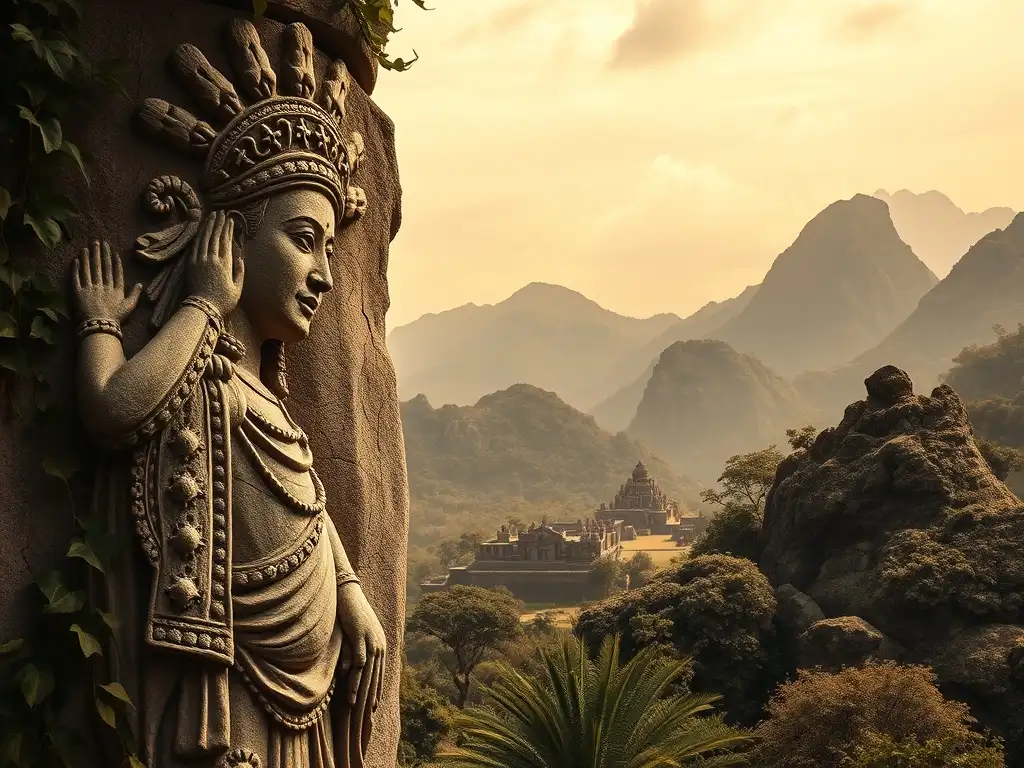
Viracocha, a pivotal figure in Inca mythology and potentially a historical figure, left an indelible mark on Inca society and religion. His enduring legacy is woven into the fabric of Inca governance, religious practices, artistic expressions, and even their understanding of the cosmos. The ambiguity surrounding his identity – god-king or historical leader – only adds to the fascination and complexity of his influence.
Understanding Viracocha's legacy requires examining his multifaceted impact on various aspects of Inca life. This section will delve into the profound ways Viracocha shaped the Inca world, focusing on his influence on governance, religious rituals, and artistic representations. The enduring power of his image speaks volumes about his importance to the Inca civilization, even centuries after his presumed existence.
Impact on Inca Governance and Royal Power: Divine Mandate
The Inca emperors, the Sapa Inca, claimed descent from the sun god, Inti. However, Viracocha's role in legitimizing royal power was arguably just as significant. The idea of a divinely ordained ruler, a concept deeply rooted in Viracocha's mythical creation of the world and humanity, provided the Sapa Inca with a powerful justification for their absolute authority.
This "divine mandate" ensured obedience and solidified the emperor's position as the intermediary between the divine and the earthly realms. The Inca's sophisticated bureaucratic system, their intricate social hierarchy, and their vast empire were all, in part, underpinned by the belief in Viracocha's power and the lineage connecting the emperor to this powerful creator deity. Viracocha's legacy, therefore, is not just a religious one but also profoundly political.
His image and stories served as a powerful tool for maintaining social order and consolidating imperial control. The very structure of the Inca state, from the top down, was influenced by the belief in Viracocha's creative and governing power. Further research could shed light on the precise mechanisms through which this divine mandate translated into specific political actions and policies.
The Role of Viracocha in Inca Religious Practices and Rituals
Viracocha's prominence in Inca religious practices is undeniable. He was not merely a creator god but also a figure of immense power, capable of both creation and destruction. His association with water, a vital resource in the Andes, highlights his importance for agricultural success and the prosperity of the Inca empire.
Religious rituals dedicated to Viracocha were likely elaborate and widespread, involving offerings, prayers, and possibly human sacrifice in certain contexts. These rituals aimed to appease the deity, ensure bountiful harvests, and maintain cosmic balance. The capacocha, a form of child sacrifice, may have been connected to Viracocha's power and his role in maintaining the harmony of the universe.
Unfortunately, the precise details of these rituals remain somewhat obscure, as much of Inca religious practice was oral and not extensively documented by the Spanish conquistadors. Archaeological findings, however, continue to provide valuable clues, uncovering evidence of ceremonial sites and artifacts linked to Viracocha worship. The study of Inca iconography reveals further insights into the nature of Viracocha and his role in the Inca pantheon.
Viracocha's Portrayal in Inca Art and Architecture: Enduring Symbolism
Viracocha's enduring presence is vividly illustrated in Inca art and architecture. Depictions of Viracocha vary, sometimes showing him as a benevolent creator, other times as a powerful and even terrifying figure. He is often portrayed with a staff, symbolizing his authority and power. Some representations depict him emerging from a lake or spring, emphasizing his connection to water and creation.
The iconography of Viracocha is complex and multi-layered, reflecting the multifaceted nature of the deity himself. His image can be found on textiles, pottery, and stone carvings, demonstrating the widespread reverence he commanded throughout the Inca empire. The architecture of Inca cities may also subtly reflect Viracocha's influence. The careful planning and precise execution of Inca constructions, particularly those linked to water management, could be interpreted as a reflection of Viracocha’s order and design.
Further research into the iconography and symbolism embedded within Inca art and architecture could reveal deeper connections to Viracocha's significance within Inca culture and belief systems. The study of Inca art offers a powerful lens through which to understand the enduring legacy of this enigmatic figure, whether god-king or historical leader. Analyzing these artistic representations offers invaluable insight into the Inca worldview and the profound impact Viracocha had on their culture.
Conclusion: Reconciling the Duality of Viracocha, Inca God-King and Historical Figure
The question of whether Viracocha was a divine being or a historical figure remains a complex and fascinating puzzle. Evidence suggests a compelling blend of both interpretations. The mythical narratives, rich in symbolism and supernatural events, paint a picture of a creator god, responsible for the very fabric of the Andean world. These stories, passed down through generations via oral tradition and later recorded by Spanish chroniclers, undeniably shaped Inca cosmology and religious practices. The reverence and awe surrounding Viracocha are undeniable, solidifying his position as a powerful Inca God-King in the minds of his worshippers.
However, the persistent presence of seemingly historical details within the myths hints at a possible earthly origin. The accounts of Viracocha's travels, his interactions with various populations, and his eventual disappearance all possess a narrative structure reminiscent of historical accounts. This suggests that the figure of Viracocha might have been a powerful leader, perhaps a conqueror or a reformer, whose actions were later embellished and mythologized to fit the existing religious framework.
The blending of historical events with divine attributes is a common theme in many creation myths worldwide, and Viracocha’s story is no exception. Therefore, understanding Viracocha requires acknowledging this duality: a powerful leader whose deeds were woven into the very fabric of Inca religious belief, transforming him into a powerful Viracocha Inca GodKing and a figure of historical significance.
The Importance of Understanding Viracocha's Complex Legacy
Understanding Viracocha's dual nature is crucial for a complete understanding of Inca civilization. His enduring presence in Andean mythology underscores the profound influence of religious beliefs on Inca society. Viracocha's legacy shaped not only religious practices but also social structures, political systems, and artistic expression. The iconography associated with Viracocha, frequently appearing in textiles, pottery, and stone carvings, reflects his importance and widespread veneration.
Analyzing these artifacts provides valuable insights into Inca religious beliefs and artistic styles, enriching our understanding of their cultural identity. Furthermore, recognizing the potential historical basis of the Viracocha myth allows us to explore the complexities of early Andean societies, offering a glimpse into the political and social dynamics of the pre-Inca and early Inca periods. The ongoing debate surrounding Viracocha serves as a reminder of the intricate relationship between myth, history, and cultural identity.
Future Research and Unresolved Questions: Continued Exploration of Viracocha
Despite extensive research, several questions regarding Viracocha remain unanswered. Further archaeological investigations are needed to uncover new evidence that might shed light on his historical existence. A more detailed analysis of pre-Inca traditions and iconography could reveal earlier forms of Viracocha worship, potentially tracing his origins back to even earlier Andean cultures. Comparative studies with other Andean mythologies could illuminate the evolution of Viracocha's image and the transmission of his cult across different regions and time periods.
Additionally, a deeper analysis of the Spanish chronicles, taking into account potential biases and interpretations, is necessary to reconstruct a more nuanced picture of Viracocha’s role in Inca society. The interdisciplinary approach, combining archaeological findings, anthropological studies, and textual analysis, is crucial to unraveling the enigma of Viracocha. The continued exploration of Viracocha promises to unveil further insights into the rich tapestry of Andean civilization.
Viracocha: An Essential Figure in Andean Civilizations Understanding
Viracocha, whether viewed as a divine creator or a powerful historical figure, remains an essential key to understanding Andean civilizations. His enduring presence in Inca mythology and iconography reflects his profound influence on Inca religious beliefs, social structures, and artistic expressions. The ongoing debate surrounding his historical existence highlights the complexities of interpreting ancient sources and the challenges of separating myth from history.
Continued research, integrating archaeological discoveries, anthropological studies, and textual analysis, is crucial to enriching our understanding of this enigmatic figure and his lasting impact on Andean culture. The legacy of Viracocha serves as a powerful reminder of the dynamic interplay between religious beliefs and historical events in shaping the identity and development of Andean civilizations. Further investigation into this Viracocha Inca GodKing historical figure will undoubtedly reveal more fascinating insights into this captivating aspect of Andean history.
Frequently Asked Questions
Who was Viracocha?
Viracocha is a central figure in Andean mythology, particularly for the Inca. He is often depicted as a creator god, but his historical existence is debated, with some suggesting he may have been a legendary figure or even a historical leader.
Was Viracocha a God or a King?
That's the central question! Sources portray him as both a powerful creator god and a wise king who taught the Inca civilization. His true nature remains unclear and open to interpretation.
What are the main sources of information about Viracocha?
Information about Viracocha comes primarily from Inca oral traditions, later recorded by Spanish chroniclers. These accounts are often contradictory and fragmented, making it difficult to determine the truth.
What role did Viracocha play in Inca mythology?
Viracocha is credited with creating the world, the first humans, and the Inca civilization itself. He is often depicted as a powerful and benevolent deity, though also capable of destruction and punishment.
How does the debate about Viracocha's historical existence affect our understanding of Inca history?
The debate highlights the challenges of interpreting ancient sources and the intertwining of myth and history in pre-Columbian cultures. Understanding Viracocha helps us appreciate the complexity of Inca beliefs and their worldview.
Final Reflection: Unraveling the Legacy of Viracocha
The enigma of Viracocha remains a potent symbol of the enduring power of myth and the persistent search for historical truth. His story, woven into the tapestry of Inca civilization, continues to resonate today, reminding us of the complex interplay between divine narratives and the tangible realities of human history. The very ambiguity surrounding his identity—god, king, or something else entirely—forces us to confront the limitations of our understanding of the past and the enduring influence of powerful narratives.
Viracocha's enduring presence in Andean culture underscores the lasting impact of a figure whose historical reality remains elusive. His story, passed down through generations, shaped Inca beliefs, rituals, and social structures. The very act of questioning his existence compels us to examine the ways in which myths and legends shape our understanding of the world. Myth is a powerful tool, not only for explaining the world, but for shaping it.
This quote highlights the importance of understanding how Viracocha's story, regardless of its factual basis, continues to influence the cultural landscape of the Andes and our understanding of Inca civilization.
Consider, then, the power of narrative and the responsibility we bear in interpreting the past. You, the reader, are now equipped with a deeper understanding of the complexities surrounding Viracocha. Let this exploration inspire you to question, to investigate, and to appreciate the multifaceted nature of history. Engage with the stories of the past, not just to accept them at face value, but to critically examine their origins, their impact, and their enduring legacy. The search for truth, like the enigma of Viracocha himself, is a journey of continuous discovery.
Unveil the Mysteries of Viracocha Today!
Thank you for exploring the captivating world of Viracocha with us. We hope you've gained intriguing insights into this enigmatic figure and his enduring influence on our understanding of the past. Now, let's put your newfound knowledge to work!
Here are a few suggestions for further exploration:
- Join a local history group or online forum to discuss the significance of Viracocha in Inca culture. Your unique perspective will enrich the conversation.
- Deepen your understanding by reading books and articles about other Andean deities and the broader context of this fascinating civilization.
- Visit a museum or cultural exhibit featuring Andean history and artifacts for a deeper connection with this remarkable past.
What are your thoughts on Viracocha's lasting impact on modern Andean culture? Share your insights below!