
The Inca Diplomats: Negotiating Alliances and Trade

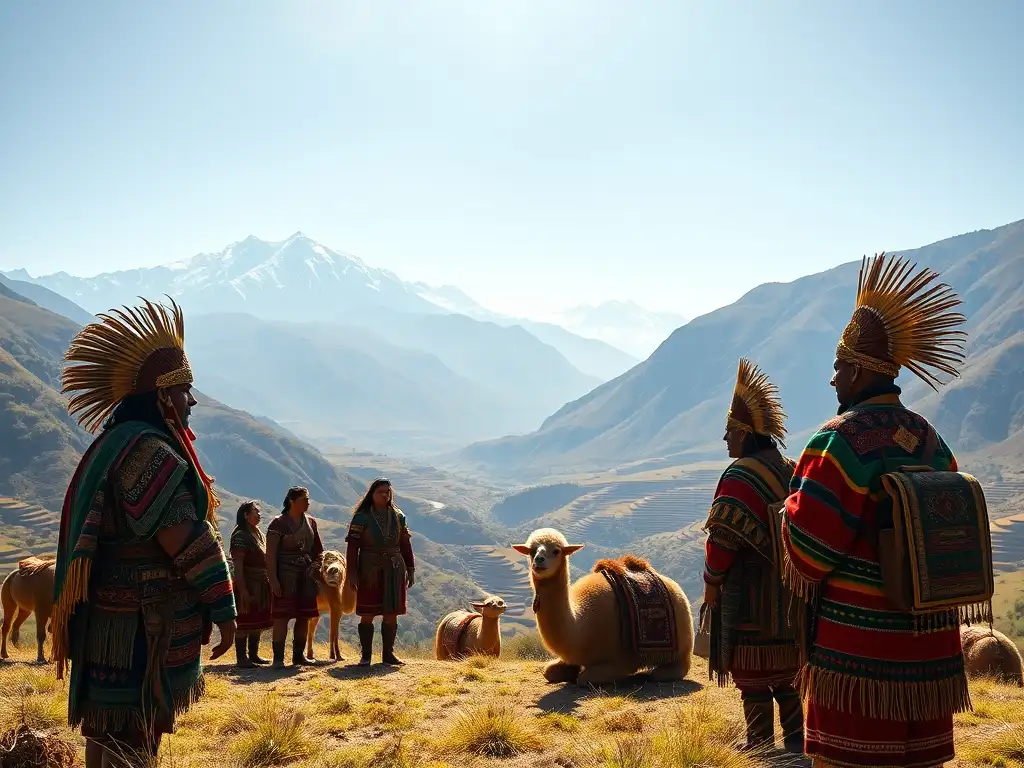
Unravel the mysteries of the Andes! Prepare to journey back in time to a world of breathtaking ingenuity and complex societies. For centuries, the Andean civilizations captivated the world with their remarkable achievements. But what were the secrets behind their enduring power? Discover the fascinating world of Inca diplomacy strategies, and explore how these masterful negotiators built an empire that spanned a vast and diverse landscape. Delve into the intricacies of their alliances and trade networks – a story of ambition, resilience, and unexpected alliances that will leave you wanting more.
-
Inca Diplomacy Strategies: Building Alliances and Trade Networks
- The Role of Inca Diplomats in Andean Society
- Understanding Inca Political Negotiation Tactics
- Key Elements of Inca Diplomatic Missions
- Inca Strategies for Forming Alliances
- Inca Trade Diplomacy and Economic Expansion
- Case Studies of Successful Inca Diplomatic Engagements
- The Legacy of Inca Diplomatic Practices
- Lessons Learned from Inca Methods of Negotiation
- Influence of Inca Diplomacy on Andean History
- Conclusion: The Significance of Inca Diplomatic Skills
- Frequently Asked Questions
- Final Reflection: The Enduring Legacy of Inca Diplomacy
- **Unveil the Secrets of Inca Diplomacy! **
Inca Diplomacy Strategies: Building Alliances and Trade Networks
The Inca Empire, renowned for its vast territorial expanse and sophisticated administrative system, achieved its remarkable growth not solely through military conquest, but also through a complex and effective system of diplomacy. This article delves into the intricate strategies employed by Inca diplomats to forge alliances, manage relations with conquered populations, and establish lucrative trade networks across the Andes. Understanding Inca diplomacy is key to comprehending the empire's enduring legacy and its profound impact on the Andean region.
We will explore the roles of key diplomatic figures, the techniques used in negotiations, and the lasting consequences of their strategic alliances and trade agreements. This examination of Inca diplomacy provides crucial insights into the political and economic dynamics that shaped the Andean world. The keyword "Inca diplomacy strategies" will be explored through a detailed examination of their sophisticated methods, revealing a nuanced picture beyond simple military might.
The Role of Inca Diplomats in Andean Society
Inca diplomats, often members of the imperial elite or individuals with proven skills in negotiation and communication, held a position of significant power and influence within Andean society. Their responsibilities extended far beyond simple treaty-making. They acted as emissaries, carrying messages and gifts between the Inca emperor and other rulers, both within the empire and beyond its borders. These diplomats were carefully selected for their understanding of Andean cultures, their fluency in various languages, and their ability to navigate complex social hierarchies.
Their role involved much more than just conveying information; they were responsible for assessing the political climate in different regions, identifying potential allies and threats, and reporting back to the emperor on the overall stability and potential vulnerabilities of the empire's borders. Furthermore, they played a crucial role in integrating newly conquered territories into the Inca system. This involved establishing fair (from the Inca perspective) trade agreements, overseeing the implementation of Inca laws and customs, and fostering a sense of loyalty among previously independent communities.
The success of Inca expansion relied heavily on the skills and insights of these skilled negotiators. Effective diplomacy ensured a smoother transition of power and minimized resistance after a conquest. The social standing and influence of these diplomats reflected their importance in maintaining the empire's stability and growth.
Understanding Inca Political Negotiation Tactics
Inca political negotiation tactics were multifaceted and adaptable, reflecting the diverse environments and cultures they encountered. Rather than solely relying on military force, the Inca often employed a combination of strategies to achieve their diplomatic goals. These included:
- Gift-giving: Lavish gifts of textiles, precious metals, and other valuable goods were strategically used to cultivate relationships and demonstrate the Inca's power and generosity. The carefully chosen gifts often held symbolic meaning, reflecting the Inca's understanding of the recipient's culture and values.
- Marriage alliances: Strategic marriages between Inca royalty and members of other Andean elites were a powerful tool for consolidating power and forging lasting alliances. These unions not only created kinship ties but also facilitated the exchange of information and resources.
- Religious diplomacy: The Inca leveraged their religious authority to influence other groups. The Inca religion emphasized the power and legitimacy of the emperor, and religious ceremonies and rituals were employed to impress and intimidate potential rivals or consolidate loyalty amongst subjects.
- Infrastructure development: The construction of roads, irrigation systems, and other public works projects in conquered territories served not only as economic improvements but also as symbols of Inca power and benevolence, fostering a sense of shared prosperity and minimizing resistance. These projects demonstrated the Inca's commitment to improving the lives of the people under their rule.
The effectiveness of Inca diplomacy is undeniable, evidenced by the vast size and longevity of their empire. Their sophisticated strategies, combining coercion with cooperation, allowed them to expand their influence and build a powerful and relatively stable empire across a diverse and challenging landscape. The legacy of Inca diplomatic practices continues to resonate in the Andean region today, showcasing the enduring power of skilled negotiation and strategic alliances.
Key Elements of Inca Diplomatic Missions
Inca diplomatic missions were meticulously planned operations, crucial for maintaining the vast empire's stability and expanding its influence. These missions weren't simply about delivering messages; they were complex performances aimed at showcasing Inca power and prestige while fostering goodwill and cooperation. Key elements included carefully selected envoys, often high-ranking officials or members of the royal family, who possessed the necessary authority and diplomatic skills.
These envoys carried lavish gifts, symbolic items representing Inca wealth and power, which served as tangible demonstrations of imperial generosity and strength. The timing of these missions was also carefully considered, often coinciding with significant events or festivals within the recipient community. This strategic timing maximized the impact of the mission and ensured a receptive audience.
Finally, detailed records were kept of each mission, documenting the interactions, agreements, and gifts exchanged. This meticulous record-keeping allowed the Inca administration to monitor the effectiveness of their diplomatic strategies and adapt them as needed. The success of an Inca diplomatic mission was judged not only by the immediate results but also by its long-term impact on relations between the Inca Empire and the visited community.
Inca Strategies for Forming Alliances
The Inca Empire’s impressive growth was not solely due to military conquest; shrewd diplomacy played a vital role. The Inca employed a variety of strategies to forge alliances, prioritizing peaceful integration whenever possible. This approach minimized conflict and maximized the resources and manpower available to the empire.
A key aspect of their strategy was the careful assessment of potential allies. The Inca leadership evaluated factors such as a potential ally's geographic location, military strength, economic resources, and existing political structures. This comprehensive assessment informed decisions about how best to approach each community, tailoring their diplomatic efforts to the specific circumstances.
Rather than imposing their will, the Inca often offered incentives to potential allies, such as access to trade routes, protection from external threats, or preferential treatment within the Inca system. This pragmatic approach proved effective in securing alliances with a wide range of communities across the Andes, contributing significantly to the expansion and stability of the empire. The Inca understood that a network of loyal allies was as valuable, if not more so, than military might alone in maintaining their dominance.
Marriage Alliances as a Diplomatic Tool
Marriage was a powerful diplomatic tool in the Inca Empire. Royal Inca princesses and princes were strategically married into the ruling families of conquered or allied communities. These unions served multiple purposes: solidifying alliances, integrating conquered territories into the empire, and establishing a network of loyal relatives in key regions.
Such unions weren't simply symbolic; they created strong familial bonds that transcended political boundaries. The Inca princesses and princes brought with them not only prestige but also access to resources and influence within the Inca court, which could be used to further the interests of their new families and communities. The children of these unions inherited both Inca and local lineage, forging a new generation of leaders who were both loyal to the empire and connected to their local communities.
These strategic marriages were carefully orchestrated, reflecting the Inca’s understanding of the power of kinship ties in maintaining political stability and influence. Historical records, while sparse, indicate the importance placed on these unions as a cornerstone of Inca diplomacy.
Gift Exchange and Reciprocity in Inca Politics
Gift exchange was integral to Inca diplomacy, operating on the principle of reciprocity. Lavish gifts, often including textiles, precious metals, and exotic goods, were presented to leaders of other communities as a demonstration of goodwill and a way to establish or strengthen alliances. These weren't simply acts of generosity; they were carefully calibrated exchanges designed to foster mutual obligation and dependence.
The gifts were not only valuable in themselves but also symbolic, representing the power and prestige of the Inca Empire. The act of giving a gift created a debt of gratitude, which could then be called upon when the Inca needed support or cooperation. The system relied on a balance of exchange; reciprocal gifts from allied communities demonstrated their loyalty and commitment to the alliance.
This intricate system of gift-giving fostered a network of interconnected communities bound by mutual obligation and shared interests, strengthening the Inca Empire's political and economic influence. The failure to reciprocate appropriately could be interpreted as a sign of disrespect or disloyalty, potentially leading to strained relations or even conflict.
The Importance of Religious Rituals in Inca Negotiations
Religious rituals played a significant role in Inca diplomatic negotiations. These rituals weren't merely ceremonial; they were integral to the process, demonstrating respect, building trust, and solidifying agreements. The Inca believed their emperors were divinely appointed, and their religious authority played a key role in their diplomatic successes.
Important negotiations often involved religious leaders and ceremonies, including sacrifices, prayers, and feasts. These rituals served to legitimize agreements and reinforce the power and authority of the Inca. The participation of religious figures in negotiations signaled the seriousness of the Inca's intentions and emphasized the sacred nature of the agreements.
For example, shared religious practices, or even the adoption of Inca deities, could be incorporated into the alliance-building process, strengthening the bond between the Inca and their allies. These rituals provided a framework for understanding and cooperation, transcending cultural differences and promoting a sense of shared purpose. The effective use of religious rituals in Inca diplomacy significantly contributed to the empire's stability and expansion.
Inca Trade Diplomacy and Economic Expansion
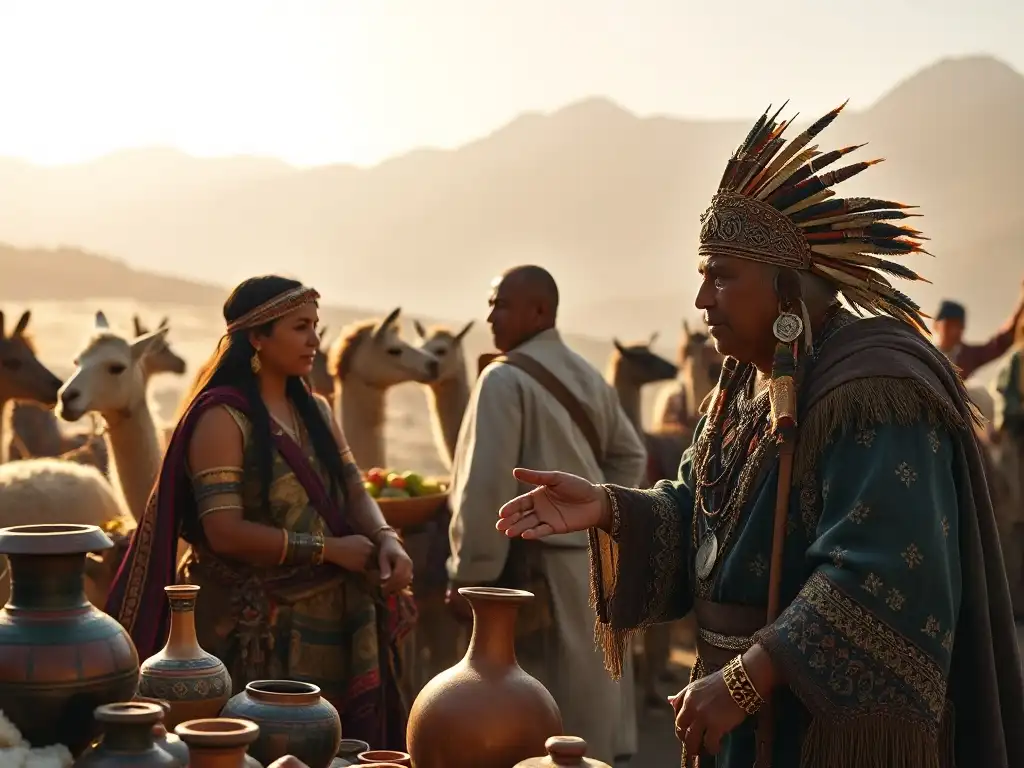
Inca diplomacy wasn't solely about military might; it was intricately woven with economic strategies. The Inca Empire's remarkable expansion wasn't just a conquest of territories, but also a strategic acquisition of resources and access to vital trade routes. This expansion fueled economic growth and solidified the empire's power.
The Inca understood that controlling trade routes translated directly into political influence and economic dominance. This understanding shaped their diplomatic approach, prioritizing alliances with groups controlling valuable resources and strategic locations. The carefully cultivated relationships ensured a steady flow of goods and services, contributing significantly to the empire's prosperity and stability.
The empire's vast network of roads, the Qhapaq Ñan, facilitated this trade, making the efficient movement of goods and diplomats possible across vast distances. This infrastructure wasn't merely a logistical marvel; it was a cornerstone of Inca diplomatic strategy, allowing for rapid response to both opportunities and threats. The system of mit'a, the labor tax, also played a significant role, as skilled laborers were often deployed to assist in the construction and maintenance of these vital trade routes, further strengthening the empire's control and influence.
Establishing Trade Routes and Agreements
The establishment of trade routes wasn't a haphazard process for the Inca. It involved meticulous planning and negotiation. Diplomatic missions were sent to establish formal agreements with neighboring groups, outlining the terms of trade, ensuring fair exchange, and preventing conflicts over resources.
These agreements weren't simply verbal understandings; they were formalized through ceremonies and the exchange of gifts, solidifying the bonds between the Inca and their trading partners. The Inca often used their superior military strength as leverage in these negotiations, but they also understood the value of mutually beneficial arrangements. They carefully selected locations for establishing tambos, roadside inns that provided lodging and supplies for travelers, thus further facilitating trade and fostering friendly relations along the routes.
The strategic placement of these tambos not only boosted trade but also served as important communication hubs for the empire. The detailed records kept by the Inca quipu system likely documented these trade agreements, providing valuable insight into the empire's economic and diplomatic relationships.
The Role of the Inca State in Trade Regulation
The Inca state played a crucial role in regulating trade, ensuring a fair and efficient system. They established standardized weights and measures to prevent cheating and maintain order in the marketplaces. The state also controlled the flow of certain goods, particularly those considered essential or luxurious, such as textiles, precious metals, and coca leaves. This control allowed the Inca to maintain a degree of economic leverage and to prevent monopolies from forming.
Furthermore, the Inca implemented a system of taxation, which included the tribute of goods, further consolidating their control over the economy. This regulated system, combined with the state's control over the Qhapaq Ñan, ensured the smooth functioning of the vast trade network, contributing to the empire's economic stability and prosperity. Any disruption of trade was met swiftly and decisively by the Inca state, demonstrating its commitment to maintaining economic order.
Goods Exchanged Through Inca Diplomatic Channels
A wide array of goods flowed through the Inca diplomatic channels, reflecting the empire's diverse resources and its relationships with neighboring groups. Luxury items, such as gold and silver artifacts, fine textiles, and elaborate ceramics, were exchanged as gifts to cement alliances and demonstrate the Inca's power and wealth. However, the trade wasn't limited to luxury goods. Essential commodities like food, tools, and building materials were also exchanged, highlighting the practical aspects of Inca diplomacy.
The exchange of coca leaves, a crucial element in Andean culture and religious practices, played a significant role in diplomacy, solidifying relationships and demonstrating respect. The movement of specialist craftsmen, such as skilled weavers, metalworkers, and stonemasons, further enriched the empire's economy and strengthened its ties with other communities. This intricate web of trade and exchange was fundamental to the Inca empire's success and long-term stability.
Case Studies of Successful Inca Diplomatic Engagements
The Inca's success stemmed not only from military prowess but also from shrewd diplomatic strategies. Several notable instances showcase their ability to forge alliances and secure trade through diplomacy. These engagements illustrate the multifaceted nature of Inca diplomacy, demonstrating their capacity to adapt their approach based on the specific context and the nature of the interactions. The evidence suggests a sophisticated understanding of negotiation and a capacity for long-term strategic planning.
The Inca-Chimor Treaty of Alliance
The alliance between the Inca and the Chimor kingdom, a powerful coastal civilization, stands as a prime example of successful Inca diplomacy. While the exact details remain debated by historians, it's evident that the Inca, rather than engaging in a costly and potentially destructive war, opted for a diplomatic solution. This alliance provided the Inca with access to the Chimor's rich coastal resources, including fish, cotton, and precious metals. In return, the Chimor likely received protection from other threats and access to the Inca's vast inland resources.
This strategic partnership demonstrates the Inca's willingness to negotiate and compromise, prioritizing long-term stability over immediate conquest. The treaty likely involved a complex exchange of goods, services, and potentially even political concessions, solidifying the alliance and ensuring mutual benefit. Further research is needed to fully understand the terms of this agreement and its long-term consequences.
Securing Obsidian Trade with the Coastal Peoples
Obsidian, a volcanic glass prized for its sharpness, was essential for toolmaking in the Andes. Access to obsidian sources was crucial, and the Inca skillfully negotiated access to this vital resource through diplomatic channels. They established trade relationships with coastal communities that controlled obsidian mines. These negotiations likely involved the exchange of other valuable goods and services, ensuring a steady supply of obsidian for the empire.
This demonstrates the Inca's understanding of the importance of resource control and their ability to secure essential materials through diplomatic means rather than solely through military conquest. The establishment of stable trade routes for obsidian underscores the Inca's pragmatic approach to diplomacy and their capacity for long-term strategic planning in resource management. The success of these diplomatic efforts underscores the importance of trade and resource access in the broader Inca imperial strategy.
The Legacy of Inca Diplomatic Practices
The Inca Empire's sophisticated diplomatic strategies left a lasting impact on the Andean region, far exceeding the empire's relatively short lifespan. Their methods weren't solely about conquest; they prioritized establishing mutually beneficial relationships through a complex system of alliances, tributary arrangements, and carefully managed trade networks. This approach ensured the stability and expansion of the empire while minimizing direct conflict.
The legacy of Inca diplomacy can be seen in the enduring influence of their administrative systems and the long-term integration of diverse Andean communities. Even after the Spanish conquest, elements of Inca diplomatic practices, particularly those related to community governance and resource management, persisted in various forms. The Inca's ability to incorporate conquered populations into their administrative structure, often granting them a degree of autonomy in exchange for loyalty and tribute, was a masterclass in strategic diplomacy that other empires would study for centuries to come.
This approach, while undoubtedly exploitative in certain aspects, was significantly less brutal than the complete annihilation of conquered peoples practiced by other empires. The enduring impact of Inca diplomacy is a testament to their understanding of power dynamics and the long-term benefits of peaceful integration. Their success in unifying such a diverse region, however briefly, remains a significant achievement in the history of Andean civilizations.
Lessons Learned from Inca Methods of Negotiation
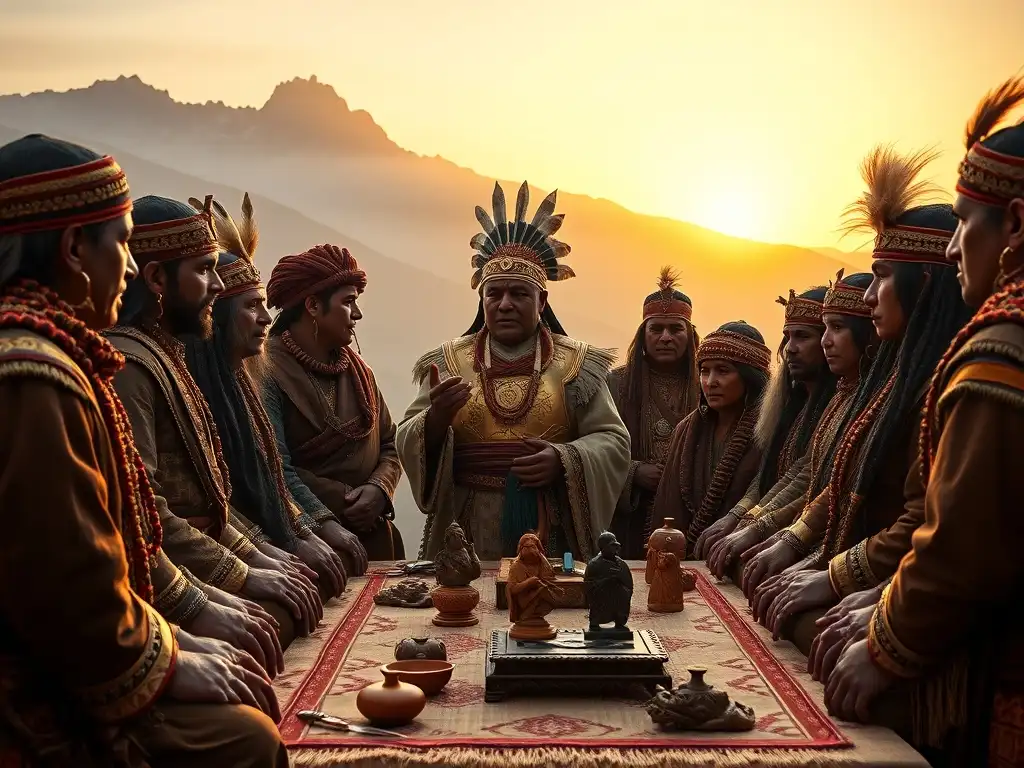
Analyzing Inca negotiation techniques offers valuable insights into effective diplomacy. Their success stemmed from a combination of factors: a deep understanding of local customs and power structures, skilled negotiators who could speak multiple languages, and a willingness to offer incentives beyond mere coercion. The Incas employed a strategy of "divide and conquer" in some instances, but this was often coupled with offers of protection, trade advantages, and integration into the empire's vast infrastructure.
Their ability to tailor their approach to each specific situation demonstrates a high degree of adaptability and strategic thinking, a crucial component of successful negotiation. The Incas understood the importance of establishing trust and maintaining long-term relationships. This is evident in their system of mita, a form of labor tribute, which, while demanding, was often structured in a way that benefited both the empire and the contributing communities.
The Inca's emphasis on reciprocity and mutual benefit demonstrates a sophisticated understanding of negotiation dynamics that contrasts sharply with the more purely exploitative methods of other empires. Studying their approach highlights the importance of cultural sensitivity, strategic alliances, and long-term vision in achieving diplomatic goals.
Influence of Inca Diplomacy on Andean History
Inca diplomacy fundamentally shaped the course of Andean history. Their ability to unify a vast and diverse region under a single political entity, albeit temporarily, was a remarkable feat largely attributable to their sophisticated strategies. The empire's extensive road network, facilitated by diplomatic agreements and resource mobilization, fostered trade and communication across the Andes, contributing to cultural exchange and economic integration. This integration, however, was not without its challenges.
While the Incas successfully integrated many communities, resistance movements persisted throughout their reign, highlighting the limitations of even the most effective diplomatic strategies. The legacy of Inca diplomacy also extended beyond the empire's collapse. The administrative and political structures established by the Incas, including their system of provincial governors and regional alliances, influenced subsequent Andean societies.
Even after the Spanish conquest, aspects of Inca diplomatic practices, such as the use of intermediaries and the negotiation of tribute agreements, continued to play a role in the interactions between indigenous communities and the colonial power. The enduring impact of Inca diplomacy underscores its importance not only in the formation of the empire but also in the shaping of the broader Andean historical landscape. The study of Inca diplomacy provides a rich understanding of the complexities of power, negotiation, and cultural exchange in the Andean world.
Conclusion: The Significance of Inca Diplomatic Skills
The Inca Empire's remarkable expansion and longevity weren't solely due to military might. Their sophisticated diplomatic strategies played a crucial, often underestimated, role in securing alliances, managing conquered territories, and establishing a vast, interconnected trade network. The mit'a system, while seemingly a form of forced labor, also served a diplomatic function, integrating conquered populations into the empire's economy and social structure, fostering a sense of shared purpose and reducing the likelihood of rebellion. This approach, coupled with the strategic placement of loyal governors and the careful management of resources, ensured the empire's stability for generations.
The Inca's understanding of the importance of cultural exchange and the skillful negotiation of treaties – often involving elaborate ceremonies and symbolic gifts – demonstrate a sophisticated understanding of power dynamics and the art of persuasion. Their success underscores the point that effective diplomacy, far from being a secondary concern, was a vital pillar of Inca imperial power, a critical element of their "Inca diplomacy strategies". The legacy of these sophisticated strategies continues to fascinate historians and provides valuable insights into the complexities of empire building and maintenance. Understanding these methods allows us to appreciate the nuances of the Inca's political and social organization, highlighting their sophisticated approach to governance and their lasting impact on Andean history.
Analyzing the Inca's success in this area offers valuable lessons for understanding how effective diplomacy can contribute to both short-term stability and long-term sustainability, even in environments characterized by significant cultural and geographic diversity. The careful study of Inca diplomacy provides a rich case study for understanding the complexities of power and governance in pre-Columbian societies, and beyond. The strategic use of alliances, the integration of conquered peoples, and the establishment of a robust trade network were not merely coincidental factors in the Inca Empire's success; they were the result of deliberate and carefully considered diplomatic policies that deserve further investigation and analysis. The enduring impact of Inca diplomacy strategies remains a testament to their ingenuity and foresight.
Frequently Asked Questions
What were the primary goals of Inca diplomacy?
The Inca Empire employed diplomacy to expand its territory and secure resources. This involved forging alliances through strategic marriages and establishing trade networks that strengthened their influence. Maintaining control over conquered territories was also a key diplomatic objective.
How did the Inca use marriage to achieve diplomatic goals?
The Inca utilized royal marriages to create alliances with neighboring groups. These unions fostered loyalty and integrated conquered elites into the Inca power structure. This minimized resistance and facilitated the smooth flow of resources.
What role did trade play in Inca diplomacy?
Trade was a crucial diplomatic tool. The Inca established extensive trade routes, exchanging goods and fostering relationships with various groups. This system facilitated economic growth and strengthened political ties across their vast empire.
What strategies did the Inca use to manage conquered populations?
The Inca implemented sophisticated strategies to manage conquered populations, including incorporating local leaders into their administration and promoting a sense of shared identity. They also employed a system of tribute and labor to ensure control and resource extraction.
How effective were Inca diplomatic strategies in maintaining their empire?
Inca diplomatic strategies were generally highly effective for a considerable period. However, internal conflicts and external pressures ultimately contributed to the empire's decline despite their sophisticated approach to diplomacy and governance.
Final Reflection: The Enduring Legacy of Inca Diplomacy
The sophisticated diplomatic strategies employed by the Inca Empire remain remarkably relevant today, offering valuable lessons in negotiation, alliance-building, and the management of diverse populations within a vast, complex state. Their success in uniting a sprawling territory through a combination of military prowess and shrewd political maneuvering continues to fascinate and inform modern political science and international relations. The Inca's ability to forge lasting peace and prosperity, at least for a time, stands as a testament to the power of well-crafted diplomacy.
The Inca's emphasis on reciprocal relationships and the establishment of trust, rather than solely relying on force, offers a compelling counterpoint to modern power dynamics often characterized by unilateral action. The Inca did not conquer to destroy, but to incorporate.
This sentiment, while needing careful contextualization, highlights the nuanced approach the Inca took, prioritizing integration over outright subjugation whenever strategically advantageous. This approach, while not without its flaws, provides a valuable framework for understanding how to build sustainable relationships across diverse communities and cultures, a challenge that remains highly pertinent in our increasingly interconnected world.
Consider the intricate web of alliances and trade routes the Inca meticulously cultivated. Think about how their understanding of cultural nuances and the strategic use of gifts and symbolic gestures facilitated cooperation and minimized conflict. You too can apply these principles in your own life, whether negotiating a business deal, fostering relationships within your community, or simply navigating the complexities of everyday interactions. Embrace the Inca legacy of diplomacy – learn to listen, to understand, and to build bridges rather than walls. The future of peaceful coexistence depends on it.
**Unveil the Secrets of Inca Diplomacy! **
Thank you for exploring the fascinating world of Inca diplomacy with us! You've gained valuable insights into how negotiations shaped alliances and trade in ancient Andean civilization. Now, let's delve even deeper into this rich historical tapestry!
- **Dive deeper:** Explore our extensive resource page for recommended books and articles offering further insights into the intricate strategies employed by Inca diplomats.
- **Join the conversation:** Share your thoughts and perspectives on this topic in the comments below and connect with other history enthusiasts interested in Andean civilizations.
- **Explore new perspectives:** Challenge yourself to design a diplomatic strategy based on the principles you've learned. Consider how you might negotiate alliances, mirroring the approaches of an Inca diplomat.
What aspect of Inca diplomacy most captivates you, and how might these historical strategies inform modern negotiation techniques?