
The Nazca Potters: Art and Symbolism in Ceramic Vessels

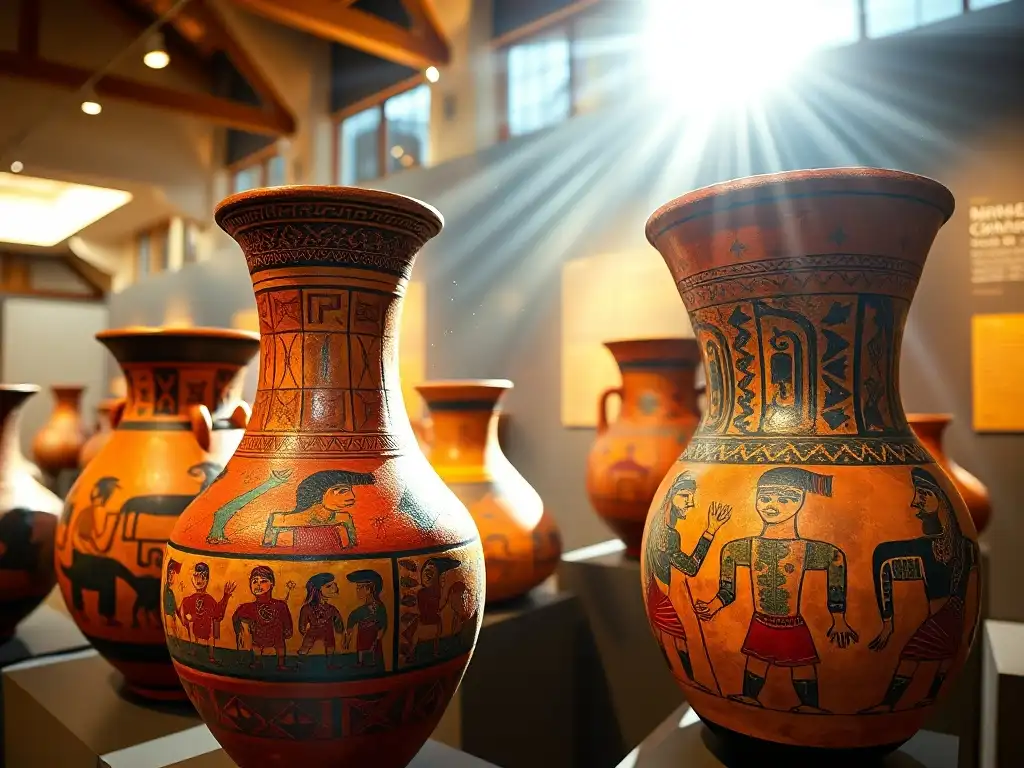
Step into a world lost to time, yet echoing with vibrant artistry and enigmatic symbolism. Prepare to be captivated by the Andean Civilizations, a journey through the breathtaking ingenuity and profound spiritual beliefs of ancient cultures. Discover the secrets hidden within the intricate designs of Nazca pottery symbolism, a testament to the sophisticated understanding of their world. Unravel the mysteries and delve deeper into the fascinating legacy of these remarkable societies—their art, their technology, and their enduring impact on history. What stories do these ancient vessels whisper? Explore now and find out.
The Nazca culture, flourishing along Peru's southern coast between 100 BCE and 800 CE, left behind a legacy far beyond their iconic geoglyphs. Their mastery of pottery, a testament to their artistic skill and spiritual beliefs, provides invaluable insight into their complex society and worldview. This article delves into the captivating world of Nazca pottery, exploring the intricate symbolism embedded within these ceramic vessels and their significance in understanding Nazca beliefs, social structures, and daily life.
We will examine the artistic techniques employed, the recurring motifs and their interpretations, and the role these vessels played in their rituals and ceremonies. Understanding Nazca pottery symbolism offers a unique window into a fascinating civilization that continues to intrigue and inspire researchers and enthusiasts alike. This exploration will reveal how these seemingly simple clay vessels hold profound meaning, reflecting a rich and sophisticated culture that thrived in the harsh desert environment.
Artistic Techniques and Materials
Nazca potters demonstrated remarkable skill in shaping, painting, and firing their vessels. They primarily used clay sourced locally, often mixed with tempering agents like sand or shell fragments to improve its workability and durability. The process involved meticulous hand-building techniques, creating a variety of forms, from simple bowls and jars to intricately designed effigy vessels depicting humans, animals, and mythical beings.
The surfaces were meticulously smoothed before the application of vibrant pigments derived from minerals and plants. These paints, often applied in multiple layers, achieved a striking brilliance and longevity, even after centuries. The firing process, likely involving open-air kilns, further contributed to the durability and permanence of these exquisite artifacts.
The precision and control evident in their work highlight the high level of skill and specialized knowledge within Nazca society. Specific details regarding the exact kiln temperatures and firing techniques remain a subject of ongoing research, but the results speak for themselves.
Recurring Motifs and Their Interpretations
Nazca pottery is characterized by a rich repertoire of recurring motifs. These include stylized representations of:
- Animals: Birds, particularly hummingbirds and raptors, feature prominently, often depicted in dynamic poses. Other common animal motifs include felines, reptiles, and marine creatures. These depictions may relate to shamanistic practices, ecological beliefs, or totemic associations.
- Human Figures: Human representations range from realistic portraits to stylized figures often engaged in various activities, including ritual ceremonies, feasting, and hunting. Some figures wear elaborate headdresses and adornments, suggesting social hierarchy and status.
- Mythological Creatures: Several depictions show hybrid creatures, combining elements of different animals, possibly representing supernatural beings or deities within the Nazca pantheon. These figures often hold symbolic significance, possibly related to ancestor veneration or spiritual beliefs.
- Geometric Patterns: Complex geometric patterns, often incorporating lines, triangles, and spirals, are frequently incorporated into the designs. These patterns may have had ritual significance or served as decorative elements.
The interpretation of these motifs is often debated among scholars, but they provide crucial clues to understanding Nazca cosmology, social organization, and daily life. Further research, particularly cross-referencing these motifs with other archeological finds, is crucial to refine our understanding of their precise meaning.
The Role of Pottery in Nazca Society
Nazca pottery was not merely decorative; it played a significant role in various aspects of their society. Evidence suggests that ceramic vessels were used in:
- Religious Rituals: Many vessels were found in tombs and ceremonial contexts, suggesting their use in funerary rites and offerings to deities.
- Social Gatherings: Larger vessels, such as jars and storage containers, may have been used for communal feasting and celebrations.
- Daily Life: Smaller vessels served practical purposes such as cooking, storing food and water, and personal use.
The careful craftsmanship and elaborate decoration of many vessels point to their importance in social status and political power. The distribution of different types of pottery across different social strata could further illuminate the social dynamics of Nazca society. This aspect requires more detailed investigation, focusing on the archeological context of vessel discoveries. [Specific information pending: Analysis of pottery distribution across different settlements]
Nazca Pottery and its Lasting Legacy
The remarkable artistry and symbolic richness of Nazca pottery continue to fascinate and inspire. These vessels offer a unique window into the beliefs, practices, and social structures of a remarkable civilization. Their enduring legacy serves as a testament to the creativity and ingenuity of the Nazca potters and their profound impact on Andean art and culture.
The ongoing study of Nazca pottery symbolism promises to further illuminate our understanding of this captivating culture and its place in the broader context of Andean history. The meticulous research and preservation efforts dedicated to these artifacts ensure that their stories continue to resonate with future generations.
- Artistic Techniques and Materials
- Recurring Motifs and Their Interpretations
- The Role of Pottery in Nazca Society
- Nazca Pottery and its Lasting Legacy
Introduction to Nazca Ceramic Art
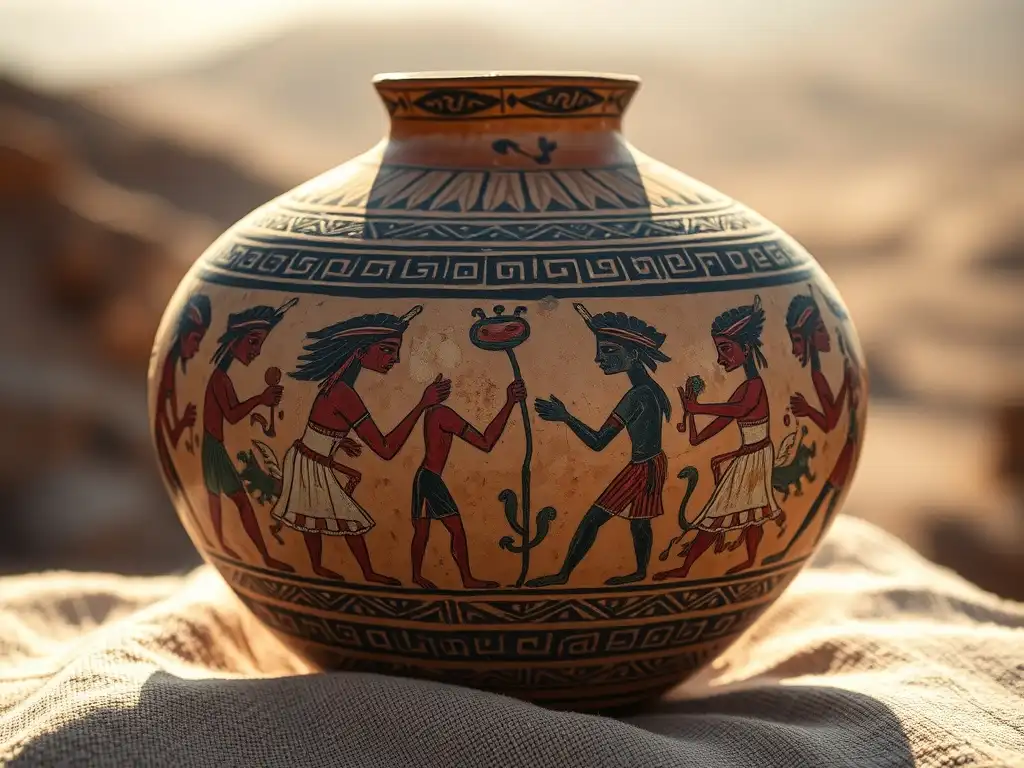
The Nazca culture, flourishing along the southern coast of Peru from approximately 100 BCE to 800 CE, left behind a remarkable legacy: their intricate and highly symbolic pottery. These ceramic vessels, far from being mere utilitarian objects, served as powerful mediums for expressing religious beliefs, social structures, and daily life. Understanding Nazca pottery symbolism provides invaluable insight into this fascinating civilization.
The sheer volume and diversity of surviving pieces—from simple bowls to elaborate, anthropomorphic jars—testify to the integral role ceramics played in Nazca society. The vibrant colors, intricate designs, and recurring motifs found on these vessels continue to captivate researchers and art enthusiasts alike, offering a window into the beliefs and practices of a people who thrived in a challenging desert environment.
This section delves into the artistry and symbolism embedded within these remarkable artifacts, exploring the techniques employed and the messages conveyed. The study of Nazca pottery symbolism reveals a complex worldview, reflecting a deep understanding of their environment and a sophisticated social hierarchy.
The Role of Ceramics in Nazca Society
Ceramics were far more than functional items for the Nazca; they held significant social and religious importance. Their prevalence in burials suggests a belief in the afterlife, with vessels often included as grave goods to accompany the deceased. The intricate decoration on many pieces points to a highly stratified society, with the complexity and style of the pottery potentially reflecting the social status of its owner. For example, elaborate polychrome vessels with complex iconography were likely reserved for the elite, while simpler, monochrome pieces might have been used by commoners.
Furthermore, the presence of specific motifs on certain vessels could indicate membership in particular groups or clans. Analysis of Nazca cemeteries reveals a consistent pattern: the wealthier the burial, the more elaborate and numerous the ceramic vessels. This demonstrates the high value placed on these objects and their connection to social standing within Nazca society.
The careful craftsmanship and attention to detail further underscore their importance, showcasing a level of artistic skill and cultural significance that transcends mere functionality. The study of Nazca pottery symbolism, therefore, offers a crucial lens through which to examine the social fabric of this ancient civilization. The recurring motifs, carefully chosen colors, and overall design aesthetics all contribute to a richer understanding of their societal structure.
Clay Sourcing and Firing Methods
The exceptional quality of Nazca pottery is partly attributable to the careful selection and preparation of the clay. While precise sourcing locations remain under investigation, evidence suggests the Nazca utilized local clays, adapting their techniques to the specific properties of the available materials. The clay was meticulously refined, removing impurities to achieve a smooth, even consistency. This process, combined with sophisticated firing techniques, resulted in durable and aesthetically pleasing vessels.
Nazca potters employed various firing methods, likely experimenting to achieve different effects. Evidence suggests a combination of open-air and kiln firing, with the latter providing more control over the temperature and resulting in a more uniform finish. The firing process was crucial in achieving the vibrant colors characteristic of Nazca polychrome pottery. The precision and control demonstrated in both clay preparation and firing techniques highlight the advanced technological skills of the Nazca potters.
The mastery of these techniques was essential in producing the high-quality vessels that are so highly prized today. Further research into the specific clay sources and firing methods is needed to fully understand the technological sophistication of Nazca ceramic production. The development of advanced firing techniques contributed significantly to the distinctive features of Nazca pottery, enhancing the vibrancy of the colors and the durability of the vessels.
The Development of Nazca Pottery Styles
Nazca pottery styles evolved over time, reflecting changes in artistic preferences and potentially, social and religious beliefs. Early Nazca pottery (Early Intermediate Period) often featured simpler designs, predominantly in monochrome or bichrome palettes. As the culture developed, a dramatic shift occurred towards the complex polychrome styles that define the later Nazca periods. This evolution involved the incorporation of increasingly intricate designs, featuring a wider range of colors and more elaborate motifs.
The use of negative space, fine linework, and detailed figural representations became increasingly sophisticated. Specific motifs, such as stylized animals, plants, and human figures, recur throughout Nazca pottery, but their representation and arrangement varied across different periods and styles. Analyzing these changes allows researchers to trace the evolution of Nazca artistic conventions and potentially identify shifts in religious or social practices. The precise chronology of stylistic changes is still a subject of ongoing research, with scholars using various techniques, including stylistic analysis and radiocarbon dating, to refine our understanding.
The development of Nazca pottery styles provides a fascinating case study of artistic innovation within a specific cultural context. The transition from simpler to more complex designs reflects both technical advancements and changes in the cultural values and beliefs of the Nazca people. The detailed study of these stylistic changes helps in better understanding the social and cultural evolution of the Nazca civilization.
Exploring the Iconography of Nazca Pottery
The Nazca culture, flourishing along Peru's southern coast from approximately 100 BCE to 800 CE, left behind a remarkable legacy: intricately designed and vibrantly colored ceramic vessels. These aren't merely functional objects; they are canvases brimming with symbolic narratives, offering invaluable insights into their cosmology, social structures, and daily life. Understanding the Nazca pottery symbolism is key to unlocking a deeper appreciation of this fascinating civilization.
The motifs, often depicted with astonishing detail and artistry, reveal a complex worldview populated by deities, animals, and fantastical creatures. This section will explore some of the key iconographic elements found in Nazca pottery.
Principal Deities: The Mythological Figures
Anthropomorphic figures, often depicted with elaborate headdresses, ornaments, and stylized features, dominate many Nazca ceramics. While specific identities remain debated amongst scholars, these figures are generally interpreted as representations of deities or powerful shamans. Their attire and attributes provide clues to their roles and significance within Nazca society. For example, figures adorned with feline features—perhaps representing a jaguar deity—are frequently associated with power and authority. Others, with elaborate headdresses resembling birds or snakes, might represent deities associated with the sky or underworld.
The style of these depictions varies considerably. Some figures are rendered in a highly stylized manner, almost geometric in their simplicity, while others are remarkably naturalistic, capturing subtle details in facial expressions and body posture. This stylistic diversity might reflect different artistic traditions or even variations in the social status of the individuals depicted.
Further research is needed to definitively identify all the figures and fully understand their complex relationships within the Nazca pantheon. Detailed analysis of individual pottery pieces, combined with comparative studies of other artifacts, is crucial for advancing our understanding of Nazca pottery symbolism in relation to their religious beliefs. For instance, the recurring motif of a deity holding a staff might symbolize control over the natural world or a specific ritualistic power.
Representations of Birds: Hummingbirds and Raptors
Birds hold a prominent place in Nazca iconography, likely reflecting their importance in the ecosystem and their symbolic associations. Hummingbirds, with their vibrant plumage and association with flowers and nectar, are frequently depicted, often in dynamic poses, suggesting their agility and grace. These depictions may symbolize fertility, vitality, or perhaps even the spiritual realm, given the hummingbird's ability to seemingly hover between the earth and the sky. Detailed analysis of the colors used in these depictions – often vivid greens, blues, and reds – may also reveal additional symbolic meaning.
In contrast to the delicate hummingbirds, raptors like eagles and falcons are also represented, often with a more aggressive posture. These birds of prey, symbols of power and dominance, might reflect aspects of leadership, warfare, or the control of natural resources within Nazca society. The juxtaposition of these contrasting avian species – the gentle hummingbird and the powerful raptor – in a single vessel might suggest a complex interplay of opposing forces within the Nazca worldview.
Further research into the specific contexts of these depictions – for example, considering the types of vessels on which they appear and other motifs present – may help to illuminate their deeper meanings. The careful observation of the Nazca pottery symbolism related to birds provides a rich source of information about their culture and values.
Depictions of Marine Life: Sharks and Whales
The Nazca coast, rich in marine life, naturally influenced their artistic representations. Sharks, often depicted with sharp teeth and menacing expressions, are frequently found on Nazca pottery. While seemingly straightforward representations, these images likely carry deeper symbolic weight. Sharks, as apex predators, could symbolize power, danger, or perhaps even the unpredictable nature of the sea.
Whales, in contrast, represent a different aspect of the marine environment. Their immense size and power likely held great significance for the Nazca people who relied on the ocean for sustenance. Depictions of whales might relate to abundance, fertility, or the power of nature itself. The size and scale of these representations are noteworthy, often dominating the surface of the ceramic vessels.
This emphasis on scale might reflect the importance of these marine creatures within their culture and their spiritual beliefs. Understanding the Nazca pottery symbolism related to marine life requires considering the ecological context and the cultural relationship between the Nazca and the ocean. Further studies of similar pottery from adjacent cultures could provide a comparative perspective, enriching our interpretation of these remarkable images.
Agricultural Motifs: Corn, Beans, and Squash
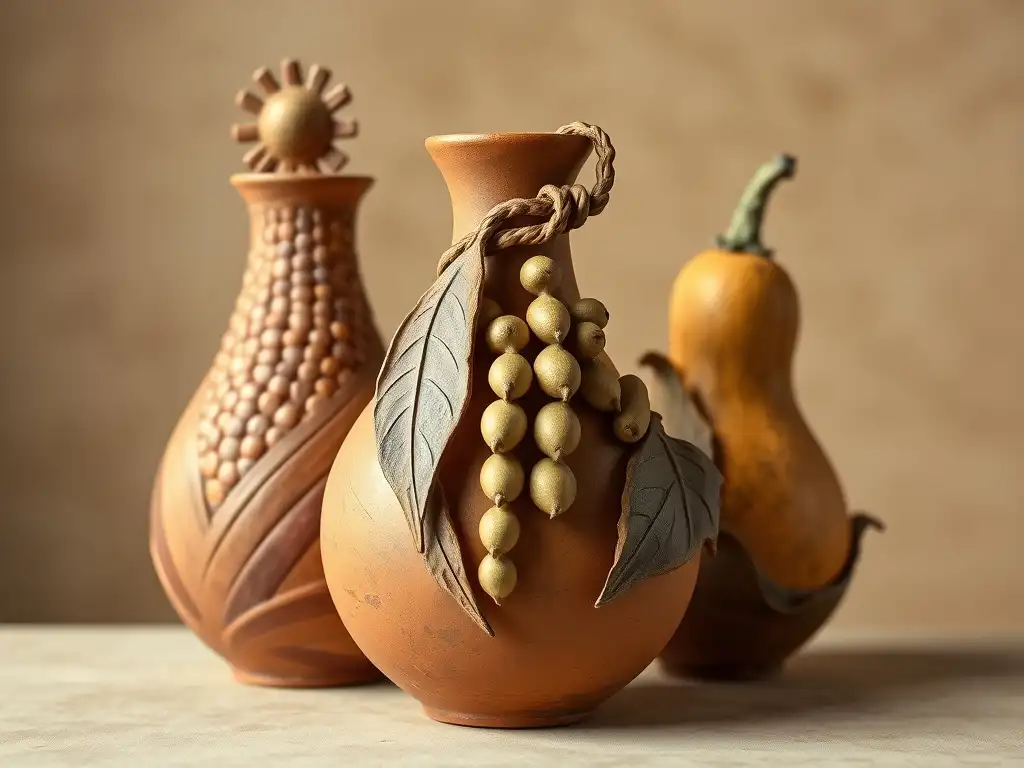
The Nazca people were highly skilled agriculturalists, and this mastery is vividly reflected in their pottery. Depictions of corn, beans, and squash—the staple crops of their diet—are ubiquitous throughout Nazca ceramics. These aren't simply realistic representations; they are imbued with symbolic meaning, often linked to fertility, abundance, and the cyclical nature of life and death. The meticulous detail in which these plants are rendered speaks volumes about their importance to Nazca society.
We see not just the mature plants, but also the stages of growth, from seedlings to ripe fruits, suggesting a deep understanding and reverence for the agricultural cycle. The vibrant colors used – often contrasting hues of red, yellow, and black – further enhance the visual impact and likely held additional symbolic significance within the culture. For example, the color red could represent blood, life force, and the sun, connecting the agricultural bounty directly to the vital energies of the natural world. The careful arrangement of these motifs within the overall composition of the vessel also points to a sophisticated understanding of visual storytelling, with each plant playing a specific role within the narrative being conveyed.
Furthermore, the size and prominence given to certain plants within a scene may indicate their relative importance to the community, or even to a particular individual. Scholars continue to debate the precise interpretations of these arrangements, but the overall message is clear: agriculture was not merely a means of subsistence, but a central pillar of Nazca identity and spirituality. Analysis of different pottery styles across various periods also reveals changes in how these agricultural motifs were depicted, providing valuable insights into the evolution of Nazca agricultural practices and beliefs.
Warrior Figures and Their Attire
Another prominent theme in Nazca pottery is the depiction of warrior figures, often highly stylized and adorned with elaborate attire. These representations aren't just portraits of individual warriors; they offer a glimpse into the social structure, military organization, and beliefs surrounding warfare within Nazca society. The warriors are frequently shown wearing elaborate headdresses, often featuring feathers or other symbolic elements. These headdresses weren't merely decorative; they likely signified rank, status, or affiliation with specific clans or groups.
The warriors' clothing also reveals significant details; intricate textiles, often depicted with remarkable accuracy, suggest a sophisticated weaving tradition and a complex understanding of textile production. The weapons carried by the warrior figures – spears, clubs, and sometimes even atlatls – offer clues about their military technology and fighting styles. The postures of the warriors, whether standing proudly or engaged in combat, further contribute to the narrative depicted on the vessel. Some pottery shows warriors in ceremonial contexts, suggesting the importance of military rituals and their role in Nazca society.
The colors used in portraying warriors – often stark contrasts of black and white or red and yellow – likely carried symbolic significance, possibly related to concepts of power, strength, and perhaps even the underworld. The presence of warrior figures on ceremonial vessels underscores their importance within the broader context of Nazca religion and beliefs. Careful study of these depictions, combined with archaeological evidence from Nazca sites, allows researchers to gradually piece together a more complete understanding of their warfare, social organization, and worldview. The consistent appearance of these motifs across different pottery styles suggests a long-standing and deeply ingrained cultural significance attached to warfare within Nazca civilization.
Nazca Pottery Symbolism: Unraveling the Meaning
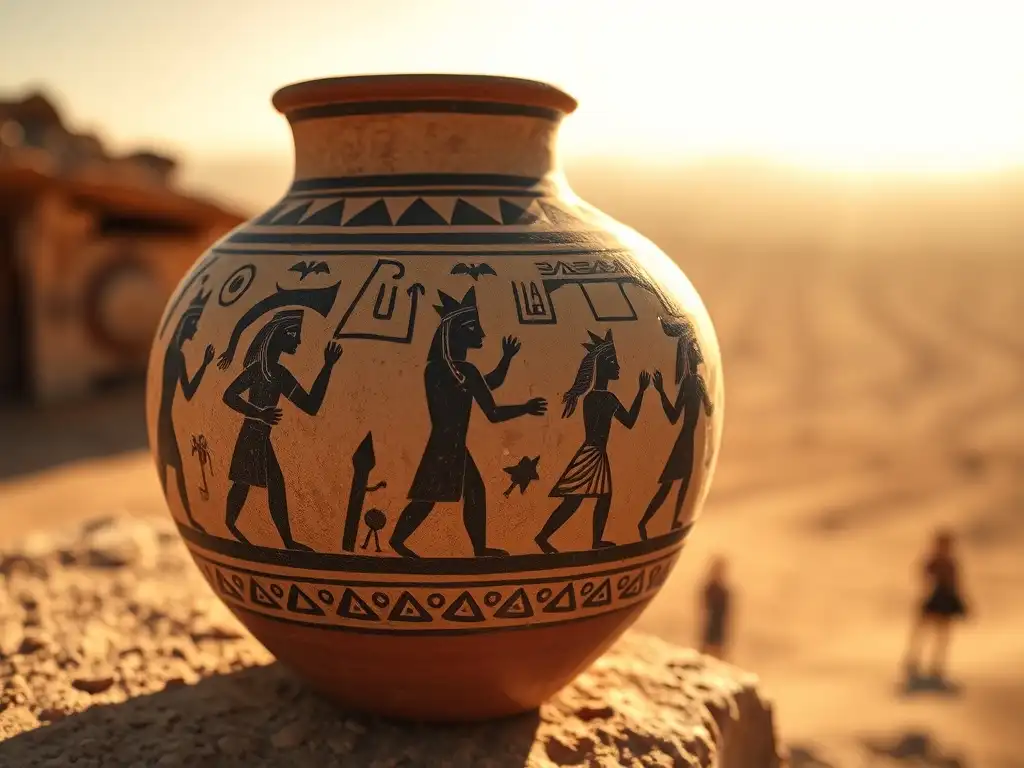
The Nazca culture, renowned for its enigmatic geoglyphs, also left behind a rich legacy in ceramic artistry. Nazca pottery symbolism, far from being mere decoration, served as a powerful means of communication, reflecting religious beliefs, social structures, and daily life. The intricate designs and vibrant colors found on these vessels offer a window into the worldview of this fascinating civilization.
Studying these artifacts allows us to piece together a more complete understanding of Nazca society, beliefs, and artistic expression. Understanding the symbolism embedded within these pieces provides crucial insights into the complexities of Nazca culture and its enduring impact on Andean history.
Pottery in Funerary Practices and Offerings
Nazca pottery played a significant role in funerary rituals and offerings to the deities. Elaborately decorated vessels were frequently included in tombs, often alongside other grave goods. The type and decoration of the pottery found within a specific burial site could indicate the social status of the deceased. For instance, intricately painted vessels depicting mythological scenes or powerful figures might be associated with elite individuals, while simpler, undecorated vessels might accompany commoners.
The content of the vessels themselves also held symbolic meaning. Some vessels were found containing food, drink, or other offerings intended for the deceased's journey to the afterlife. The specific types of offerings might reflect beliefs about the nature of the afterlife or the deceased's role in society.
For example, a vessel containing chicha (a fermented corn beverage) might suggest a connection to celebrations or rituals associated with fertility and abundance. Analysis of organic residues within these vessels, where possible, further enhances our understanding of their use and significance in funerary contexts. The careful placement of these vessels within the tomb also speaks volumes about the importance of these items in the Nazca worldview.
The Interpretation of Color Symbolism
Color played a crucial role in Nazca pottery symbolism. Specific colors were likely associated with particular deities, events, or concepts. While definitive interpretations remain debated, some recurring patterns emerge from careful study. For example, red frequently appears in depictions of powerful figures or scenes of ritual sacrifice, potentially symbolizing blood, energy, or the life force. Conversely, white might be associated with purity, while black could represent the underworld or night.
The combination of colors also held significance. Complex polychrome designs, featuring multiple colors arranged in intricate patterns, may have conveyed multifaceted narratives or symbolized intricate relationships between different aspects of the Nazca worldview. Further research, including comparative analysis with textiles and other art forms from the Nazca period, is necessary to refine our understanding of the full range of color symbolism in their pottery.
The intensity and vibrancy of the colors, even after centuries, attest to the skill and knowledge of Nazca artisans in developing and utilizing pigments. This is a testament to their advanced understanding of material science and color theory.
The level of detail and the style of decoration on Nazca pottery often correlated with the social status of its owner or the occasion for which it was created. Elaborately decorated vessels, featuring complex mythological scenes, stylized figures, and intricate geometric patterns, were likely reserved for the elite. These pieces often showcase a high level of artistic skill and demonstrate the prestige associated with owning such finely crafted objects.
Simpler, less decorated vessels were likely used for everyday purposes and were more common among the general population. The presence or absence of certain motifs, such as specific deities, animals, or plant life, could also indicate the social standing of the individual or the context in which the vessel was utilized. The styles of decoration changed over time, reflecting the evolving social and political dynamics within Nazca society.
Careful analysis of ceramic styles across different time periods offers valuable insights into the social and economic changes that occurred during the Nazca era. Further investigation into the production techniques and the organization of pottery workshops could shed more light on the social structures that governed the creation and distribution of these remarkable artifacts. The study of Nazca pottery symbolism, therefore, offers a multifaceted approach to understanding the complexities of this ancient civilization.
The Relationship Between Pottery and Nazca Geoglyphs
The intricate designs adorning Nazca pottery often bear a striking resemblance to the famous geoglyphs etched into the desert floor. While the exact relationship remains a subject of ongoing scholarly debate, several compelling theories link these two artistic expressions. One prominent theory suggests that the pottery served as a portable representation of the geoglyphs, allowing for the dissemination of religious or cosmological beliefs across wider geographical areas. The portability of ceramic vessels contrasted sharply with the permanence and scale of the geoglyphs, which were largely confined to the Nazca desert.
This suggests a deliberate strategy to communicate key symbols and narratives beyond the immediate vicinity of the geoglyphs themselves. Furthermore, the stylistic similarities between the motifs found on the pottery and those depicted in the geoglyphs suggest a shared artistic and ideological framework. Specific examples include recurring representations of stylized animals, such as hummingbirds, monkeys, and lizards, which appear in both contexts, hinting at a common symbolic language employed by Nazca artisans and the creators of the geoglyphs. The precise meanings of these symbols are still being deciphered, but their recurring presence across different media strongly suggests a deep cultural significance.
Researchers continue to analyze the patterns and motifs to understand their possible connection to astronomical events, agricultural cycles, or ritualistic practices. The ongoing research into both pottery and geoglyphs promises further insights into the complex worldview of the Nazca civilization. The study of such parallels provides invaluable clues to understanding the overall symbolic system of the Nazca culture, linking seemingly disparate artistic expressions into a cohesive whole.
The Psychotropic Use of Pottery Depictions
The imagery found on Nazca pottery frequently features scenes that suggest the use of hallucinogenic plants. Depictions of figures with altered states of consciousness, alongside representations of plants believed to possess psychotropic properties, such as San Pedro cactus, are not uncommon. This suggests a strong connection between the creation and use of pottery and ritualistic practices involving altered states of perception. Some scholars hypothesize that the vibrant colors and intricate designs on the vessels themselves may have been intended to enhance the hallucinogenic experience, acting as visual aids during shamanistic rituals.
The stylistic choices – the use of bold colors, repetitive patterns, and distorted figures – may have been designed to stimulate and amplify the effects of the psychotropic substances. For example, the swirling designs on some vessels could be interpreted as a visual representation of the altered perceptions experienced under the influence of hallucinogens. Furthermore, the use of specific colors might have held symbolic significance in relation to particular deities or spiritual experiences.
The precise interpretation of these scenes remains challenging, however, as the exact nature of the rituals and their purposes are still largely unknown. Further research into the chemical analysis of residues found on the pottery, combined with ethnographic studies of contemporary Andean cultures that still utilize hallucinogenic plants, could help to elucidate the role of psychotropics in Nazca society and the meanings embedded within the artistic representations on their pottery. The investigation of "Nazca pottery symbolism" in this context reveals a complex interplay between art, religion, and altered states of consciousness, offering a deeper understanding of the Nazca worldview.
The Evolution of Nazca Pottery Styles
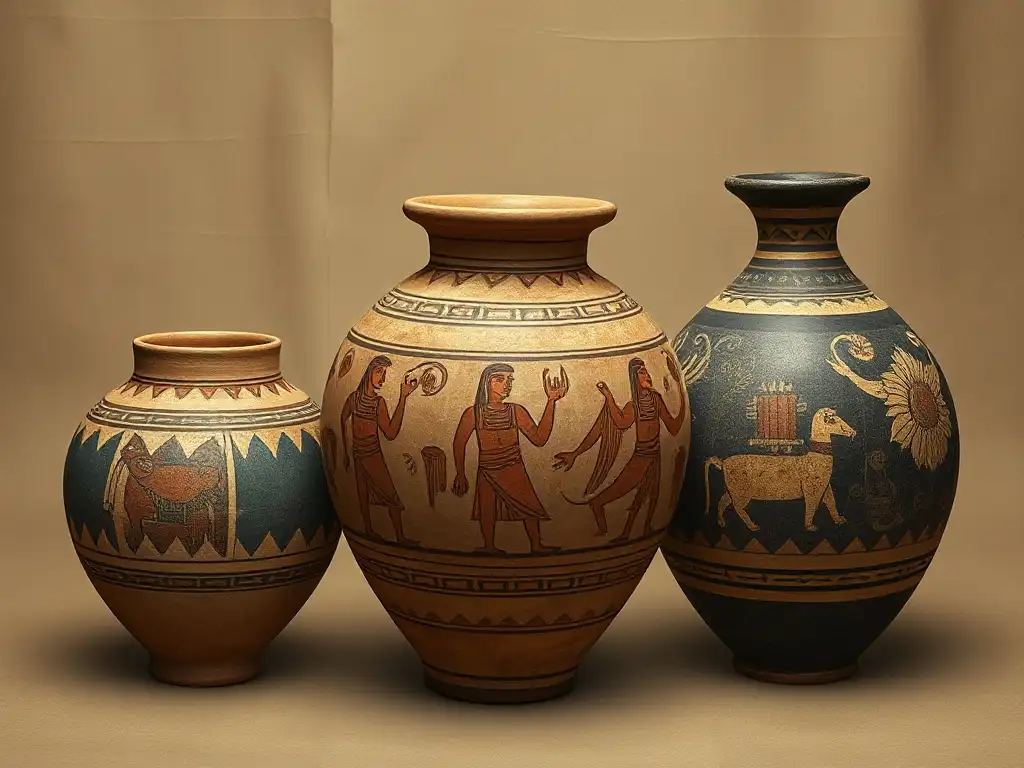
The Nazca civilization, renowned for its enigmatic geoglyphs, also left behind a remarkable legacy in the form of its vibrant and intricately decorated pottery. Understanding the evolution of Nazca pottery styles is crucial to deciphering the symbolism embedded within these ceramic vessels, a key aspect of understanding Nazca pottery symbolism. The stylistic changes across the different Nazca periods reflect not only evolving artistic techniques but also potential shifts in societal beliefs, religious practices, and perhaps even political structures. Analyzing these changes provides valuable insights into the complexities of this fascinating ancient culture.
Early Nazca: Initial Polychrome Techniques
Early Nazca pottery (circa 100-300 CE) is characterized by the introduction of polychrome painting techniques. Potters began experimenting with a wider range of colors, moving beyond the simpler bichrome styles of earlier cultures. This period saw the emergence of intricate designs featuring geometric patterns, stylized plant motifs, and early representations of human and animal figures.
The color palette, often featuring reds, yellows, whites, and blacks, was applied with a remarkable precision, showcasing a high level of skill and artistic control. The shapes of the vessels themselves were relatively simple, often featuring globular jars, bowls, and stirrup-spouted vessels. However, even these simple forms were often adorned with elaborate painted decorations, demonstrating the importance of visual aesthetics in Early Nazca culture.
The increased complexity in color use and design strongly suggests an advancement in both artistic skill and the sophistication of their symbolic language. Further research is needed to fully understand the specific meanings conveyed by these early polychrome designs, but it is clear they were not merely decorative. They represented a burgeoning visual language integral to Nazca society.
Middle Nazca: Complex Imagery and Forms
The Middle Nazca period (circa 300-500 CE) witnessed a significant leap in both the complexity and the sophistication of Nazca pottery. Potters achieved a mastery of polychrome painting, using a wider range of colors and finer brushstrokes to create incredibly detailed and lifelike representations. This era is famous for its iconic representations of deities, mythical creatures, and scenes of daily life.
The imagery became far more narrative, depicting complex scenes often involving multiple figures engaged in various activities. For example, many vessels depict stylized representations of shamanistic rituals, suggesting a deep connection between religious beliefs and ceramic art. The forms of the vessels also became more diverse, with the introduction of more elaborate shapes and sizes.
The use of mold-made pottery also became more prevalent, allowing for mass production of certain styles and designs. This increase in production, combined with the intricate and complex imagery, indicates a significant societal investment in ceramic art and its symbolic function within the culture. The sheer diversity of imagery and forms during this period underscores the importance of Nazca pottery symbolism as a primary means of communication and expression within the society.
Late Nazca: Stylistic Changes and Simplifications
The Late Nazca period (circa 500-750 CE) marks a transition in Nazca pottery styles. While the polychrome painting techniques remained, a noticeable shift towards simplification occurred. The intricate detail and narrative complexity of the Middle Nazca period gave way to a more stylized and repetitive imagery. While some elaborate designs persisted, many vessels featured simpler geometric patterns and less detailed figures.
This simplification might reflect a number of factors, including changes in social organization, religious beliefs, or perhaps even resource limitations. The color palette also seems to have narrowed slightly, with a greater emphasis on certain colors. The overall effect is a feeling of a more restrained and less elaborate aesthetic compared to the preceding period. This stylistic shift is a crucial aspect of understanding the evolution of Nazca pottery symbolism.
Further research is needed to determine the exact reasons for this stylistic transition, but it clearly represents a significant change in artistic expression within the Late Nazca period. The change might not represent a decline in artistic skill, but rather a shift in the cultural priorities reflected in the ceramic art. The simplification may, in fact, suggest a different, perhaps more coded, system of symbolism.
Regional Differences Across the Nazca Valley
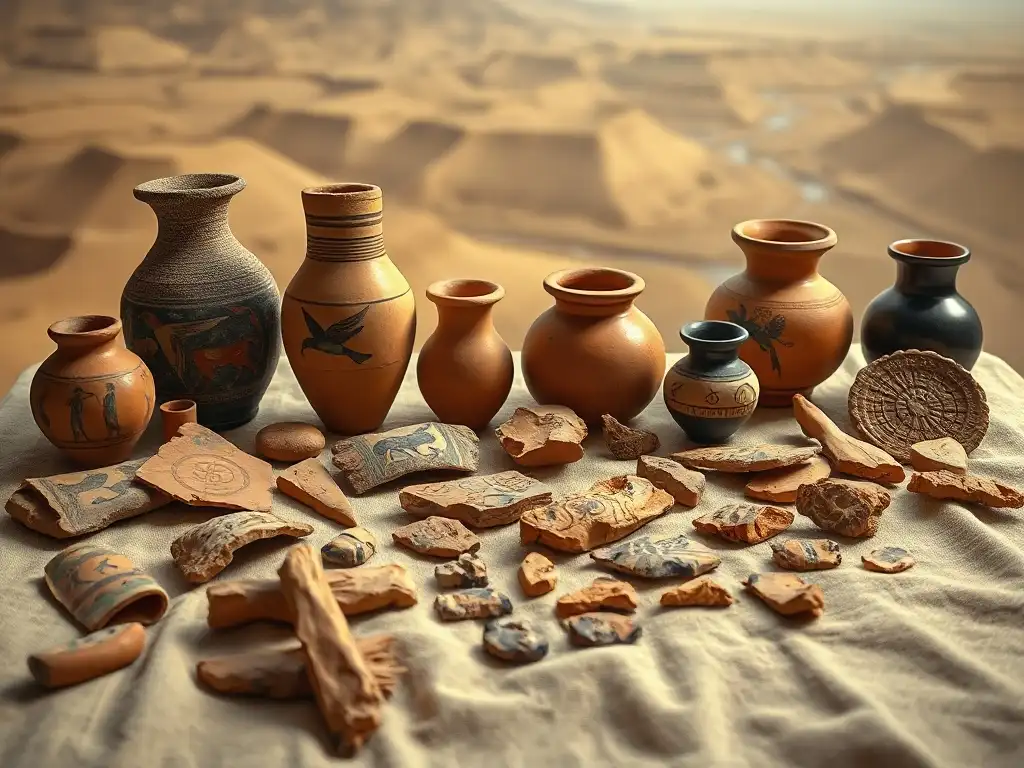
The Nazca culture wasn't monolithic; significant variations in pottery styles existed across the Nazca Valley. These regional differences, often subtle yet discernible to trained eyes, reflect localized artistic traditions, access to resources, and potentially even distinct social or political groupings. For instance, pottery from the lower Nazca Valley, closer to the coast, frequently displays a greater emphasis on marine motifs – stylized fish, crustaceans, and ocean waves – reflecting the readily available seafood resources and the importance of maritime activities in their economy. This contrasts with pottery found in the upper Nazca Valley, where agricultural imagery, such as depictions of maize, beans, and other crops, predominates, highlighting the agricultural basis of their society in those areas.
The color palettes also show regional variations. Coastal areas might favor brighter, more vibrant colors, while inland sites often show a preference for earthier tones. These variations aren't simply aesthetic choices; they reflect the interconnectedness of art and daily life within the Nazca civilization.
Further research is needed to fully understand the social and political implications of these regional stylistic differences, perhaps indicating separate communities or even competing artistic schools within the larger Nazca culture. The precise boundaries of these regions and the degree of interaction between them are still subjects of ongoing archaeological investigation and debate among scholars specializing in Nazca pottery symbolism. Careful analysis of ceramic styles, combined with contextual data from excavation sites, is crucial to further unraveling this fascinating aspect of Nazca cultural diversity.
The Impact of Technological Advancements
Technological advancements played a crucial role in the evolution of Nazca pottery styles. The development of improved kilns, for example, allowed potters to achieve higher firing temperatures, resulting in stronger and more durable vessels. This, in turn, facilitated the creation of larger and more complex ceramic forms, including elaborate effigy vessels depicting humans, animals, and mythical beings. The refinement of slip techniques, involving the application of colored clay coatings, allowed for greater control over surface decoration and the creation of more intricate designs.
The introduction of new pigments, possibly through trade networks, further expanded the range of colors available to Nazca potters, enriching their artistic palette. This technological evolution wasn't a linear progression; rather, it involved periods of innovation and experimentation, with different techniques and styles coexisting and sometimes even blending together. The development of the stirrup-spout vessel, a distinctive Nazca innovation, is a prime example of this technological and artistic interplay.
This unique vessel form, with its characteristic spout resembling a stirrup, showcases not only remarkable technical skill but also a distinctive aesthetic sensibility, profoundly influencing the development of subsequent styles. The study of these technological advancements provides valuable insights into the creative processes of Nazca potters and the complex relationship between technology, artistry, and social change within their society. The precise timeline of these technological developments is still being refined through ongoing research, particularly through the detailed analysis of kiln remains and the chemical composition of pigments used in different periods.
Stylistic Changes Over Time: A Chronological Overview
The stylistic evolution of Nazca pottery is a complex tapestry woven over several centuries. Archaeologists have broadly categorized Nazca pottery into different phases, often based on stylistic characteristics such as vessel shapes, decoration techniques, and the prevalence of specific motifs. Early Nazca pottery, for example, is often characterized by simpler forms and relatively restrained decoration, compared to the later periods. As the Nazca culture matured, so did their pottery, with the emergence of increasingly elaborate forms and more complex decorative schemes.
The use of polychromy (multiple colors) became more sophisticated, with potters mastering techniques to create vibrant and intricate designs. Specific motifs, such as feline deities, mythical creatures, and stylized plants, also appear and evolve over time, reflecting changing religious beliefs and cultural practices. The transition between phases isn't always abrupt; rather, there's often a gradual shift in styles, with elements of earlier periods persisting alongside newer innovations. This continuous evolution highlights the dynamic nature of Nazca art and its capacity for adaptation and innovation.
A complete chronological overview requires a detailed analysis of many sites and a careful consideration of contextual information, including the stratigraphic layers of excavated pottery. Further research is needed to refine the chronological framework and fully understand the factors driving these stylistic transformations, which is essential for clarifying the nuances of Nazca pottery symbolism. The precise dating of different phases remains a subject of ongoing debate among researchers, with new discoveries constantly refining our understanding of this fascinating artistic trajectory.
The Legacy of Nazca Pottery
The Nazca culture, flourishing along Peru's southern coast between 100 BCE and 800 CE, left behind a remarkable legacy, most notably its intricate and enigmatic pottery. The distinctive style, characterized by its vibrant colors, complex iconography, and masterful execution, profoundly impacted subsequent Andean cultures. Understanding Nazca pottery symbolism is key to unlocking a deeper understanding of their worldview and societal structures.
The sophisticated techniques employed, including the use of slip-painting and negative space, represent a high point in pre-Columbian ceramic artistry. These weren't merely functional vessels; they were canvases for conveying narratives, beliefs, and social hierarchies. The impact of this artistic achievement reverberates through time, shaping the artistic expressions of later civilizations.
Influence on Later Ica and Huari Pottery
The stylistic innovations of Nazca pottery didn't disappear with the culture itself. Subsequent Andean cultures, particularly the Ica and Huari, drew heavily from Nazca artistic traditions. Ica pottery, produced from roughly 100 CE to 1000 CE, often exhibits a clear continuity with Nazca styles. We see echoes of the characteristic polychromy, the use of figurative representations, and even specific motifs in Ica ceramics.
While Ica potters developed their own unique aesthetic, the influence of Nazca is undeniable, suggesting a process of cultural exchange and adaptation. Similarly, the Huari, a powerful empire that emerged in the central Andes between 600 and 1000 CE, incorporated aspects of Nazca artistic vocabulary into their own ceramic production. The precise nature of this influence—whether through direct contact, trade networks, or cultural diffusion—remains a subject of ongoing scholarly debate.
However, the presence of similar motifs and stylistic elements strongly suggests a direct lineage. Analyzing the evolution of these motifs across different periods helps us trace the flow of artistic ideas and cultural exchange in the Andean region. For example, certain anthropomorphic figures and stylized plant designs can be traced from Nazca pottery to later Ica and Huari examples, demonstrating a clear artistic continuity.
Major Museum Holdings of Nazca Ceramics
Several major museums worldwide boast significant collections of Nazca ceramics, providing invaluable resources for scholars and the public alike. These collections are crucial for understanding Nazca pottery symbolism and the broader context of the culture's artistic achievements. The Larco Museum in Lima, Peru, houses a particularly impressive collection, renowned for its comprehensiveness and the exceptional quality of its pieces.
Many of these pieces display the characteristic vibrant colors and intricate designs that define Nazca pottery. The American Museum of Natural History in New York City also possesses a notable collection, offering a glimpse into the diversity of Nazca ceramic styles and techniques. These museums act as custodians of a vital part of Andean heritage, allowing researchers to study the artifacts closely and the public to appreciate the artistry and cultural significance of Nazca pottery.
A comparative study of the holdings of different museums highlights the diverse range of styles and themes present in Nazca ceramic production, underscoring the complexity of this ancient culture's artistic output. Furthermore, these collections are constantly being studied and reinterpreted, leading to a richer and more nuanced understanding of Nazca pottery symbolism over time.
Current Archaeological Research on Nazca Pottery
Current archaeological research on Nazca pottery continues to yield exciting new discoveries and refine our understanding of Nazca pottery symbolism. Recent excavations have uncovered new burial sites containing exceptionally well-preserved ceramic vessels, offering fresh insights into funerary practices and beliefs. The application of advanced scientific techniques, such as X-ray fluorescence spectroscopy, is providing detailed information about the pigments and manufacturing processes used by Nazca potters.
This allows researchers to better understand the technical aspects of their craft and the extent of their artistic skill. Furthermore, ongoing research is focusing on the interpretation of the iconography, employing interdisciplinary approaches that integrate archaeological data with anthropological and ethnohistorical perspectives. This multi-faceted approach aims to unpack the complex layers of meaning embedded in the imagery, allowing for a more nuanced understanding of Nazca society, religion, and cosmology.
The ongoing research is also focusing on the potential connections between the imagery on the pottery and other aspects of Nazca culture, such as their monumental geoglyphs. The discovery of new examples and the development of new analytical techniques continue to reshape our understanding of this rich and fascinating artistic tradition. The field is dynamic, with new discoveries and interpretations constantly emerging, enriching our knowledge of Nazca pottery symbolism and its place within the broader context of Andean prehistory.
Conservation Challenges and Ethical Considerations
The remarkable artistry and historical significance of Nazca pottery present significant challenges for conservation efforts. The fragility of the materials, coupled with the effects of time and environmental factors, necessitates meticulous and specialized care. Many pieces have suffered damage from looting, improper handling, and exposure to the elements. The porous nature of the clay itself makes it susceptible to moisture damage, leading to cracking and flaking.
Furthermore, the vibrant pigments used in Nazca pottery are often unstable and prone to fading, requiring careful control of light and temperature to mitigate deterioration. This necessitates advanced conservation techniques, including careful cleaning, stabilization of fragile areas using specialized consolidants, and the development of appropriate storage and display environments. The cost of these treatments can be substantial, particularly for large collections or particularly fragile artifacts.
Ethical considerations are paramount in the conservation of Nazca pottery. The illicit trade in antiquities continues to threaten the survival of these invaluable artifacts. Many pieces are removed from their archaeological contexts, severing the connection to their history and cultural significance. This not only deprives future generations of valuable research opportunities but also contributes to the erosion of cultural heritage.
Therefore, ethical conservation involves not only the physical preservation of the artifacts but also the protection of their archaeological context and the promotion of responsible collecting and research practices. This includes strict adherence to international laws and regulations concerning the trade in cultural property, as well as the implementation of educational programs aimed at raising awareness about the importance of protecting these irreplaceable treasures. Collaboration between museums, archaeologists, and government agencies is critical to ensuring the long-term preservation and ethical stewardship of Nazca pottery. The responsible acquisition and provenance research are also crucial steps in ensuring the ethical handling of these artifacts.
Only through a multifaceted approach that incorporates both scientific expertise and a deep respect for cultural heritage can we hope to safeguard the legacy of Nazca pottery for generations to come. The ongoing struggle against looting and illegal trafficking underscores the urgent need for a global effort to protect these invaluable pieces of history. The preservation of Nazca pottery is not merely a matter of protecting objects; it is a matter of preserving a vital part of humanity's cultural heritage for the future.
Frequently Asked Questions
What is the significance of Nazca pottery?
Nazca pottery is incredibly significant because it provides invaluable insights into the daily life, religious beliefs, and social structures of the Nazca civilization. The intricate designs and vibrant colors offer a window into their world. Their pottery is also highly valued for its artistic merit and technical skill.
What are some common symbols found in Nazca pottery?
Common symbols include stylized animals like hummingbirds, monkeys, and lizards, as well as geometric patterns, and anthropomorphic figures. These symbols often held religious or ritualistic meaning, reflecting their cosmology and worldview.
How did Nazca potters create such vibrant colors?
The Nazca achieved their vibrant colors through the use of natural pigments derived from minerals and plants. They expertly mixed these pigments with a clay slip to create a wide array of hues that remain remarkably vivid even today. Firing techniques also played a crucial role in preserving the colors.
What is the connection between Nazca pottery and their religious beliefs?
Nazca pottery is deeply intertwined with their religious beliefs. Many vessels depict mythological creatures and deities, suggesting a strong link between their artistic creations and their spiritual world. The pottery served both practical and ritualistic purposes.
Where can I learn more about Nazca pottery symbolism?
To delve deeper into Nazca pottery symbolism, you can explore academic journals and books on Andean archaeology, visit museums with Nazca collections, and consult online resources dedicated to pre-Columbian art and culture. Many websites and documentaries offer detailed information.
Final Reflection: Unraveling the Whispers of Nazca Pottery
The intricate artistry and symbolic language etched onto Nazca ceramic vessels remain profoundly relevant today, offering a powerful testament to the enduring human need for expression and the captivating power of ancient cultures. These aren't simply broken pieces of the past; they are vibrant windows into a sophisticated society, their designs whispering stories across millennia, challenging our modern perspectives and enriching our understanding of human creativity.
The impact of Nazca pottery extends far beyond the dusty plains of Peru; its influence resonates in contemporary art, design, and even our understanding of ancient belief systems. The bold lines, vibrant colors, and enigmatic figures continue to inspire artists and researchers alike, prompting ongoing investigation and reinterpretation. The past is never dead. It's not even past.
– William Faulkner. This quote perfectly encapsulates the enduring legacy of Nazca pottery, its symbolism continuing to shape our present and inform our future.
Consider the intricate details, the carefully chosen colors, the deliberate placement of each symbol. What stories do you hear in these ancient voices? Take a moment to reflect on the power of visual communication, the enduring strength of human creativity, and the importance of preserving and understanding our shared cultural heritage. Let the legacy of the Nazca potters inspire you to seek meaning in the world around you, to appreciate the artistry in the everyday, and to find your own voice in the grand tapestry of human history.
Unveil the Artistry of Nazca Pottery!
Thank you for exploring the captivating world of Nazca pottery and its mesmerizing ceramic vessels! You've discovered the intricate artistry and profound cultural significance behind these historical treasures. Let's build on this newfound appreciation with some practical steps to further enrich your understanding of this remarkable art form.
- Visit local museums or galleries showcasing Andean art to experience Nazca pottery up close. The detail and vibrant colors are truly breathtaking.
- Participate in a pottery workshop and create your own ceramic piece, inspired by the innovative designs of the Nazca people. This hands-on experience will deepen your appreciation for their skill and creativity.
- Share your insights with friends and family by hosting a viewing session or discussion on Andean ceramics. Their unique perspectives will enhance your own understanding of this fascinating culture.
What can the artistry of Nazca pottery teach us about cultural expression and creative innovation?