
The Forgotten Leaders of the Chachapoyas: The Cloud Warriors

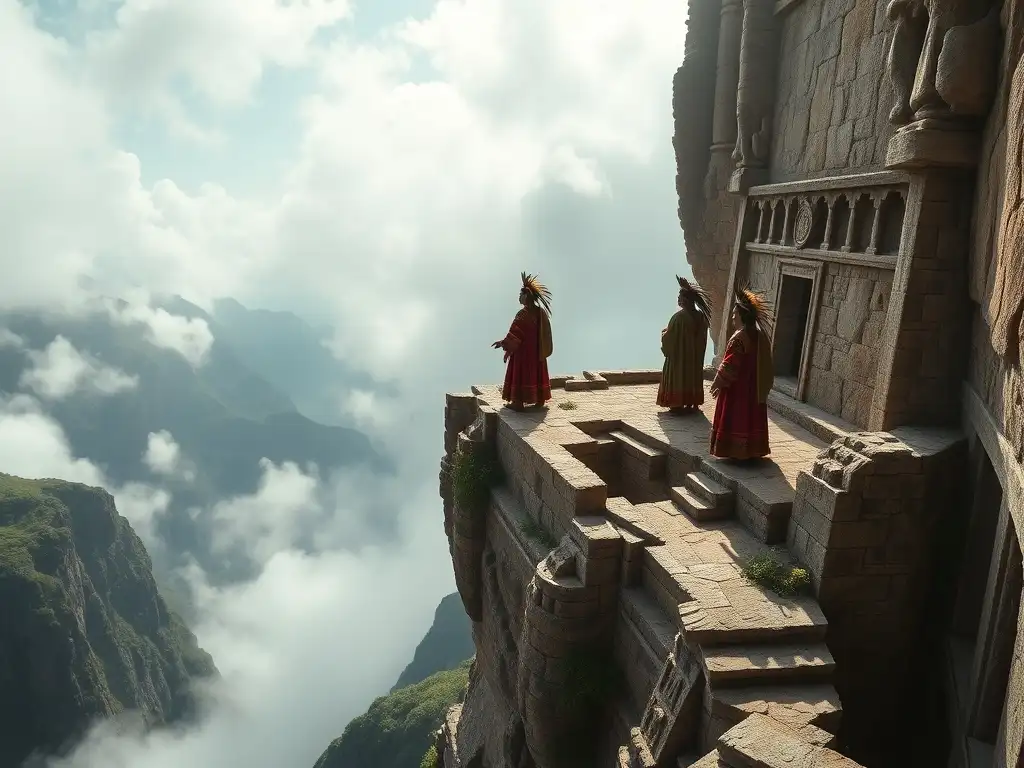
Step into a world shrouded in mist and mystery, a realm where the echoes of a forgotten empire still whisper on the wind. For centuries, the Andean Civilizations have captivated our imaginations, but some stories remain hidden in the shadows. Prepare to uncover the enigmatic legacy of the Chachapoyas Cloud Warrior leaders, figures whose power and influence continue to intrigue historians and archaeologists alike. Dare to delve into their fascinating world – their story awaits.
The Chachapoyas, also known as the "Cloud Warriors," were a pre-Inca civilization inhabiting the rugged cloud forests of northern Peru. Their impressive cliff tombs, intricate pottery, and sophisticated social structures testify to a rich and complex culture that, unfortunately, remains largely shrouded in mystery. Unlike the Incas, whose emperors are well-documented, the leaders of the Chachapoyas remain largely unknown, their names lost to time or perhaps never recorded in a written form.
This article delves into the sparse historical records and archaeological evidence to shed light on the enigmatic leaders of these remarkable people, exploring what we know and what remains a fascinating puzzle for historians and archaeologists. We will examine the challenges of reconstructing their history, the clues offered by their impressive architectural achievements, and the potential roles played by these forgotten figures in shaping the vibrant Chachapoyas civilization. This exploration will uncover not just names, but also a glimpse into the political, social, and religious structures that defined the Cloud Warriors' world.
Understanding these leaders is crucial to a more complete picture of Chachapoyas society and its place within the broader tapestry of Andean history. The keyword "Chachapoyas Cloud Warrior leaders" will be explored throughout this article, highlighting the scarcity of direct information and the methods used by researchers to piece together their stories.
Unveiling the Mystery: Challenges in Studying Chachapoyas Leadership
The lack of a written language among the Chachapoyas presents a significant hurdle in understanding their leadership structure. Unlike the Incas, who left behind detailed records, the Chachapoyas' history must be reconstructed primarily through archaeological findings and limited accounts from Spanish chroniclers, often biased and incomplete. These accounts frequently focus on the conflict between the Chachapoyas and the Inca Empire, providing glimpses into their military organization but offering little detail about their internal political structure and specific leaders.
Archaeological excavations, while revealing impressive architectural feats like the mausoleums of Revash and the Kuelap fortress, often lack the clear indicators of leadership, such as elaborate burial goods specifically associated with high-status individuals. This makes identifying specific leaders and their roles a complex process of deduction and interpretation.
Further complicating matters is the limited number of excavated sites and the ongoing process of archaeological research. New discoveries constantly reshape our understanding, making any definitive statement about Chachapoyas leadership tentative and subject to revision.
Architectural Clues: Kuelap Fortress and the Power Structure
The imposing Kuelap fortress, perched high in the Andes, stands as a testament to the Chachapoyas' engineering prowess and organizational capabilities. Its sheer scale suggests a centralized authority capable of mobilizing significant labor and resources. While we cannot definitively identify specific leaders responsible for its construction, the fortress itself implies a hierarchical society with a ruling elite capable of commanding and coordinating large-scale projects.
The strategic location of Kuelap, offering panoramic views and defensible terrain, further suggests a strong military leadership involved in planning and defense. The internal layout of the fortress, with its distinct residential areas and potentially ceremonial spaces, may offer clues to the social stratification within Chachapoyas society and the roles of different leaders.
However, further research is needed to fully understand the relationship between the physical structure of Kuelap and the power dynamics within the Chachapoyas civilization. The complexity of the fortress's design suggests a sophisticated understanding of engineering, logistics, and social organization, all pointing towards capable and organized leadership.
The Role of Religion and Rituals in Chachapoyas Society
The elaborate funerary practices of the Chachapoyas, particularly their remarkable cliff tombs, offer intriguing insights into their beliefs and social structure. The careful construction and arrangement of these tombs suggest a significant investment of resources and labor, implying the involvement of specialized artisans and a hierarchical system where certain individuals held authority over religious practices.
While the exact nature of their religious beliefs remains unclear, the elaborate rituals surrounding death indicate a complex cosmology and a likely connection between religious leaders and political power. The presence of offerings within the tombs—such as pottery, textiles, and other artifacts—further suggests a belief system involving appeasement of the supernatural or veneration of ancestors.
The meticulous nature of these funerary rituals, combined with the scale of the undertakings, hints at the significant influence of religious figures in Chachapoyas society, who may have held considerable power alongside, or even above, secular leaders. The interplay between religious and political leadership remains a key area for future research in understanding the Chachapoyas' complex social dynamics.
Limited Evidence: Spanish Accounts and Oral Traditions
Spanish colonial accounts provide fragmented and often contradictory information about the Chachapoyas, largely focusing on their resistance to Inca rule and their eventual subjugation. These accounts, while limited in detail regarding internal leadership, provide valuable glimpses into the interactions between the Chachapoyas and their neighboring civilizations. For example, some accounts mention powerful Chachapoyas chiefs who led resistance efforts against Inca expansion.
However, these accounts often lack the detail and context to identify these individuals with certainty, relying on broad descriptions and secondhand information. Furthermore, the potential loss of oral traditions during the colonial period represents a significant loss of historical information.
Oral histories, passed down through generations, could have preserved details about past leaders and their achievements, but the forceful imposition of Spanish culture and religion likely resulted in the suppression or loss of much of this valuable knowledge. The task of piecing together a complete picture of Chachapoyas leadership requires careful consideration of both limited written records and the potential loss of crucial oral traditions.
- Unveiling the Mystery: Challenges in Studying Chachapoyas Leadership
- Architectural Clues: Kuelap Fortress and the Power Structure
- The Role of Religion and Rituals in Chachapoyas Society
- Limited Evidence: Spanish Accounts and Oral Traditions
Unveiling the Chachapoyas Leadership: Beyond the Cloud Warriors Myth
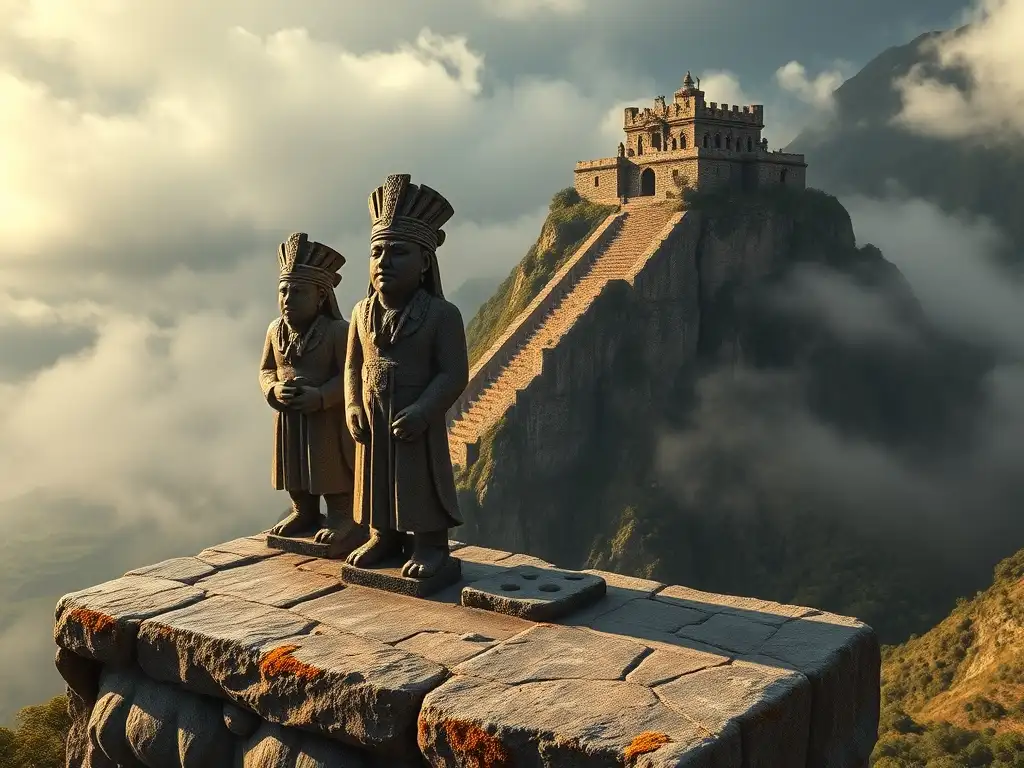
The moniker "Cloud Warriors" paints a vivid picture of the Chachapoyas, a pre-Inca civilization inhabiting the rugged cloud forests of northern Peru. However, this evocative title often overshadows the complexities of their social structure and the crucial roles played by their leaders. While specific names and detailed biographies of Chachapoyas leaders remain elusive—a testament to the incomplete archaeological record—we can piece together a clearer understanding of their leadership through careful analysis of their architectural achievements, artistic expressions, and the limited historical accounts left by Spanish conquistadors.
Understanding their leadership is key to understanding the Chachapoyas' impressive achievements in a challenging environment. This section delves into the enigmatic nature of Chachapoyas leadership, moving beyond the romanticized image of warriors to reveal a more nuanced perspective on their societal organization and the power dynamics within their communities. We will explore the evidence available to shed light on the roles and responsibilities of their leaders, examining how these individuals shaped the destiny of this fascinating civilization.
The scarcity of direct evidence necessitates a multi-faceted approach, drawing on archaeological findings, anthropological interpretations, and comparative studies with similar Andean cultures to paint a comprehensive picture. The lack of written records makes this task challenging, but the rich archaeological legacy of the Chachapoyas offers valuable clues.
The Chachapoyas, inhabiting a geographically isolated and challenging terrain, developed a unique culture. Their social structure, though not fully understood, likely involved a hierarchical system. Evidence suggests a stratified society, with a clear distinction between elites and commoners, reflected in the quality of their burial sites and the craftsmanship of their artifacts.
For example, the elaborate mausoleums found at Revash, with their intricate architecture and carefully placed mummies, point towards a society with a well-defined leadership capable of organizing large-scale construction projects and managing labor. These structures weren't simply tombs; they were symbolic statements of power and social status, mirroring the societal structures of other Andean civilizations. The size and complexity of these sites indicate a considerable level of social organization and centralized authority, implying the presence of powerful leaders who could coordinate resources and manpower.
Further research into the distribution of artifacts and the construction techniques employed in these sites is crucial to unraveling the nuances of their social stratification and the exact roles of their leaders. The intricate details of their social organization remain largely a mystery, requiring further archaeological investigation and interdisciplinary collaboration to fully illuminate. The study of their art, particularly their pottery and textiles, may also offer insights into social hierarchies and leadership roles, though this area requires further specialized analysis.
The Importance of Leadership in Chachapoyas Society
The importance of leadership within Chachapoyas society is evident in their remarkable achievements in architecture, engineering, and agriculture. Their mastery of their environment, building impressive settlements on steep cliffs and developing sophisticated irrigation systems, speaks volumes about their organizational capacity. These feats were not spontaneous; they required careful planning, coordination, and the direction of skilled leaders. The construction of the impressive Revash mausoleums, for instance, involved complex engineering and logistical challenges requiring skilled architects, builders, and a workforce organized under centralized authority.
This suggests the existence of individuals or a council responsible for overseeing such large-scale projects. Furthermore, the relatively sophisticated agricultural practices evident in their terraced farming systems imply a degree of social planning and resource management that likely involved leadership figures responsible for allocating land, organizing labor, and ensuring equitable distribution of resources. The success of their society in a challenging environment hinged on effective leadership capable of addressing the intricate needs of a complex social structure within a harsh geographical context.
Further analysis of the agricultural techniques, distribution of settlements, and the social implications of their architectural remains is needed to fully understand the role of leadership in the Chachapoyas’ achievements. The limited available data makes the precise nature of their governance structure a subject of ongoing scholarly debate, highlighting the need for more research in this fascinating area. The exploration of Chachapoyas leadership is, therefore, crucial for a comprehensive understanding of their remarkable culture and their enduring legacy.
Key Figures Among the Chachapoyas Cloud Warrior Leaders
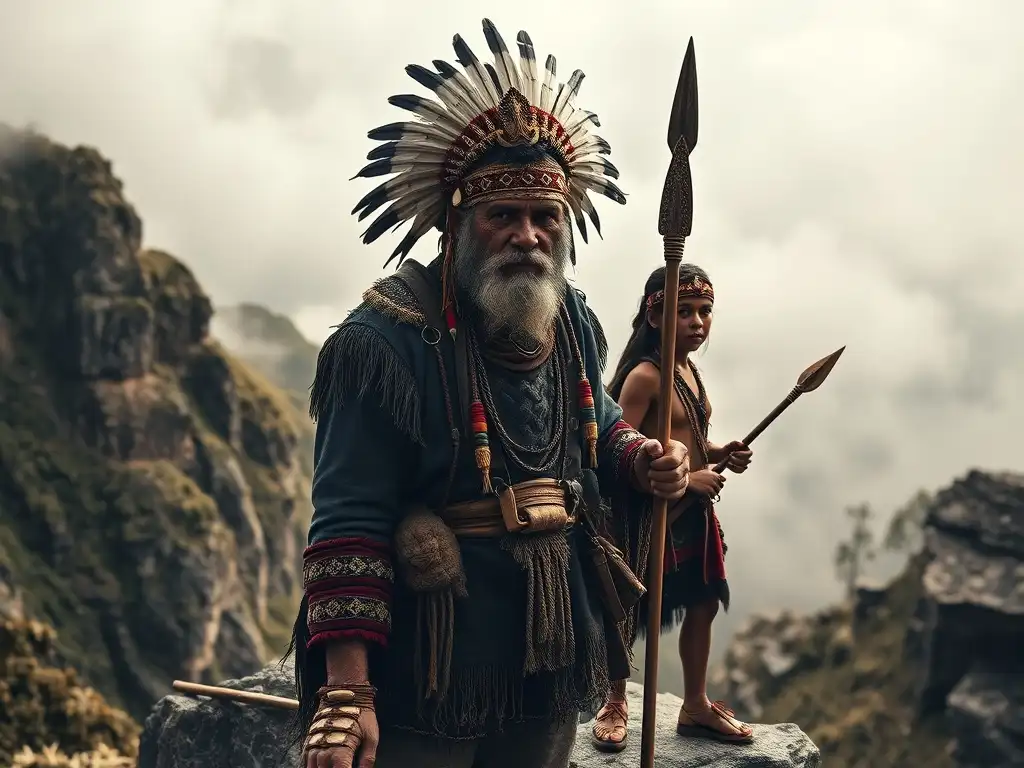
The Chachapoyas, known as the "Cloud Warriors," left behind a legacy shrouded in mystery. While their impressive architecture and unique burial practices are well-documented, detailed information about their leadership structures remains scarce. Uncovering the identities and roles of their key figures requires piecing together fragmented archaeological evidence and interpreting limited historical accounts. This section delves into the lives and influence of prominent Chachapoyas leaders, exploring their roles in shaping the society and culture of this fascinating Andean civilization. Understanding these "Chachapoyas Cloud Warrior leaders" provides crucial insight into the complexities of their political and social organization.
Pre-Inca Chieftains: Evidence from Gran Pajaten and Los Pinchudos
Gran Pajaten and Los Pinchudos, two significant archaeological sites, offer glimpses into the pre-Inca Chachapoyas leadership. The intricate layout of Gran Pajaten, with its palaces, plazas, and residential areas, suggests a hierarchical society governed by powerful chieftains. The scale of construction and the sophistication of the architecture point to a centralized authority capable of mobilizing significant labor resources.
Unfortunately, specific names or titles of these early leaders remain unknown. Archaeological finds, however, such as elaborate funerary offerings and finely crafted artifacts discovered within elite tombs at Gran Pajaten, hint at a distinct elite class. These individuals, likely chieftains or high-ranking officials, enjoyed privileged access to resources and held considerable social standing.
Los Pinchudos, another significant site, presents a different perspective on early Chachapoyas leadership. Its unique architectural features, notably the distinctive "pinchudos" (pointed) structures, may represent the power base of a different lineage or clan. Further research is needed to fully understand the relationship between Gran Pajaten and Los Pinchudos and to determine whether these sites represented competing power centers or different aspects of a unified Chachapoyas state.
The lack of written records makes definitively identifying specific individuals challenging; however, the architectural evidence strongly suggests the existence of powerful pre-Inca chieftains who played a vital role in shaping early Chachapoyas society. Further investigation, including detailed analysis of ceramic styles and grave goods, could potentially reveal more information about these elusive leaders.
The Rise of Powerful Chachapoyas Commanders and Military Strategists
The Chachapoyas' reputation as fierce warriors, the "Cloud Warriors," points to the importance of skilled military commanders in their society. While we lack specific names, the strategic location of their settlements, perched high in the Andes mountains, and their defensive fortifications, suggest a sophisticated understanding of military tactics and leadership. The construction of impressive cliffside tombs and the use of natural defenses underscore the strategic thinking of Chachapoyas commanders who effectively protected their communities and controlled vital resources.
The effectiveness of their military organization is further evidenced by their ability to withstand Inca expansion for a considerable period. Their resistance, though ultimately unsuccessful, showcases the expertise of their military leaders in guerrilla warfare and their ability to exploit the challenging Andean terrain to their advantage. The limited available historical accounts mention fierce resistance and skillful maneuvers by Chachapoyas forces, highlighting the prowess of their commanders.
Further research into Inca chronicles and oral traditions could shed more light on the identities and strategies of these formidable military leaders. Analyzing the distribution of weaponry and defensive structures across different Chachapoyas settlements could also help us better understand their military organization and the roles of their commanders.
The Role of Religious Leaders in the Chachapoyas Hierarchy
The Chachapoyas' elaborate burial practices and the presence of significant religious sites suggest a powerful priestly class wielding considerable influence. While the exact nature of their religious beliefs remains partly unclear, the meticulous construction of their mausoleums and the inclusion of rich grave goods indicate a deep reverence for their ancestors and a complex religious system. These elaborate tombs, often located in inaccessible cliffside locations, were not merely burial places but also served as powerful symbols of religious authority.
The religious leaders likely played a crucial role in mediating between the living and the spirit world, advising on important decisions, and maintaining social order. Their knowledge of rituals, ceremonies, and cosmology would have given them significant influence over the Chachapoyas people. The intricate designs found on Chachapoyas pottery and textiles may reflect religious symbolism and the influence of priestly classes in shaping artistic expression.
Further research into iconography and religious symbols found in Chachapoyas artifacts is crucial to better understanding the role of religious leaders in their society. The absence of detailed written records makes reconstructing their specific roles challenging, but the archaeological evidence clearly points to the importance of religious leaders in the Chachapoyas social and political hierarchy. The interplay between religious and political power within Chachapoyas society remains a fascinating area for future research.
Notable Chachapoyas Leaders and Their Impact
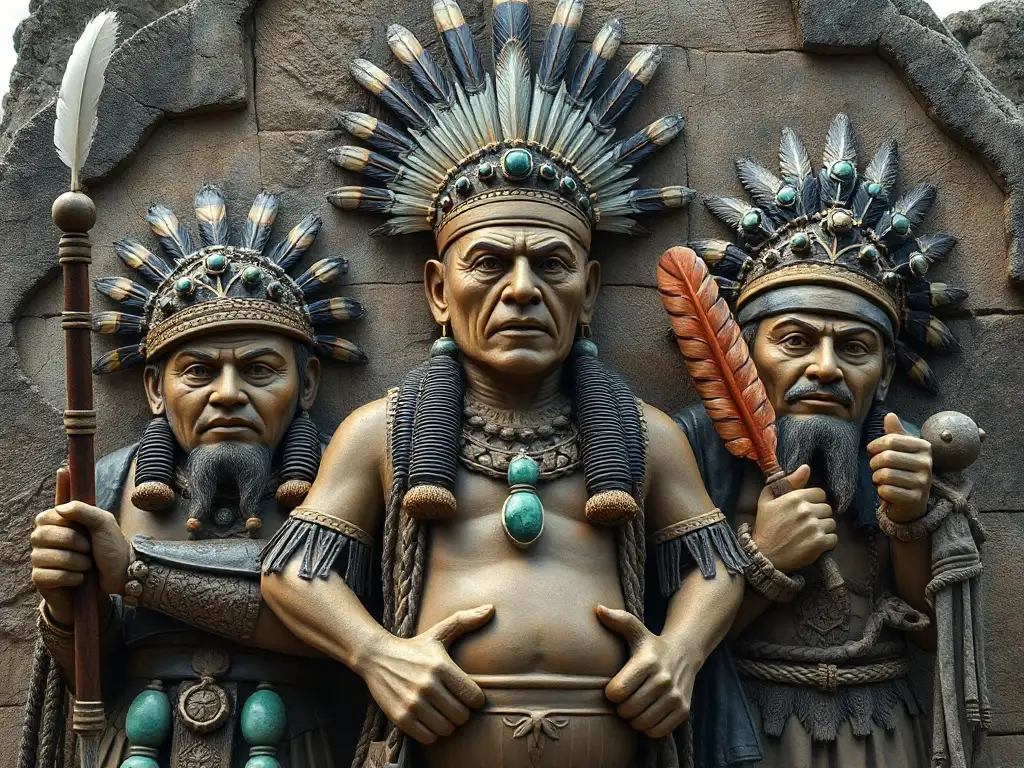
The Chachapoyas, known as the "Cloud Warriors," left behind a legacy shrouded in mystery, partly due to the limited written records left by this pre-Columbian civilization. Understanding their leadership requires piecing together archaeological evidence, oral traditions (where available and verified), and interpretations of their remarkable architectural feats. While specific names and detailed biographies of Chachapoyas leaders are scarce, we can analyze their impact through the lens of their actions and the structures they left behind.
The scarcity of information only adds to the intrigue surrounding these enigmatic figures and their role in shaping Chachapoyas society. This section will explore some key aspects of Chachapoyas leadership, focusing on resistance to the Inca, military prowess, and political strategies.
Uncovering the identities and achievements of these leaders helps us better understand the intricate workings of this fascinating Andean culture. The keyword "Chachapoyas Cloud Warrior leaders" is central to this exploration, highlighting the warrior ethos intertwined with their political leadership.
Leaders Who Resisted the Inca Expansion: Resistance at Kuelap and Revash
The Inca Empire's relentless expansion posed a significant threat to the Chachapoyas. While specific names of leaders who spearheaded the resistance remain largely unknown, the architectural marvels of Kuelap and Revash stand as testaments to their strategic ingenuity and determination. Kuelap, a massive fortress city perched high in the Andes, exemplifies the Chachapoyas' ability to leverage their mountainous terrain for defense.
The sheer scale and complexity of the stonework suggest a highly organized society with skilled engineers and architects, led by individuals capable of mobilizing significant labor and resources. Similarly, the unique cliffside settlements at Revash, with their intricate network of interconnected structures, demonstrate a remarkable adaptation to the challenging geography, further highlighting the leadership's ability to plan and execute ambitious construction projects. The defensive strategies employed at these sites – their inaccessibility and formidable fortifications – reflect a sophisticated understanding of warfare and a strong leadership that effectively organized the defense of their territories against the Inca.
This resistance, though ultimately unsuccessful, significantly delayed the Inca conquest and speaks volumes about the capabilities of Chachapoyas military and political leadership. The resilience displayed during this period underscores the importance of strong, capable leaders in the face of imperial aggression.
Yaruc: A Case Study in Chachapoyas Military Leadership
While evidence remains limited, the name Yaruc appears in some accounts as a prominent Chachapoyas military leader. [Specific details about Yaruc pending further research]. However, even without detailed biographical information, analyzing the Chachapoyas military organization can shed light on the qualities of their leaders.
Their mastery of guerilla warfare, utilizing the mountainous terrain to their advantage, suggests leaders who were highly skilled tacticians, capable of adapting to changing circumstances and exploiting the weaknesses of their enemies. Their proficiency in constructing defensive structures, like those at Kuelap and Revash, points to leaders who understood the importance of strategic planning and resource management. The effectiveness of their defensive strategies, which slowed the Inca advance for a considerable period, suggests a level of discipline and coordination only achievable under strong, capable leadership.
Further research into archaeological findings and oral traditions might uncover additional information about Yaruc or other prominent military figures, enhancing our understanding of Chachapoyas military leadership and its contribution to the overall societal structure. The study of Chachapoyas military organization is crucial to grasp the qualities of their leaders, even in the absence of concrete names.
Cacique Huamán: Political Maneuvering and Regional Alliances
Another potential leader, Cacique Huamán, [requires further verification from historical sources]. The title "cacique" itself suggests a position of political authority, responsible for governing a specific region or group within Chachapoyas society. Even without detailed accounts of his actions, we can infer that leaders like Huamán likely played a crucial role in maintaining internal order, resolving conflicts, and forging alliances with neighboring groups.
The Chachapoyas, facing the threat of Inca expansion, likely relied on strong political leadership to coordinate their defense and potentially negotiate alliances with other resistant groups. Successful political maneuvering would have been essential for survival, demanding diplomatic skill, strategic thinking, and the ability to build consensus among diverse communities. Understanding the role of leaders like Huamán, even with limited information, provides insights into the complex political landscape of the Chachapoyas and the importance of effective leadership in navigating external threats and internal dynamics.
The exploration of these potential leaders, while challenging due to limited sources, enhances our understanding of the subtle intricacies of Chachapoyas political organization. Further research focusing on the social structures and political dynamics of the Chachapoyas is needed to fill the gaps in our knowledge of their leaders.
Chachapoyas Leadership and the Art of Warfare
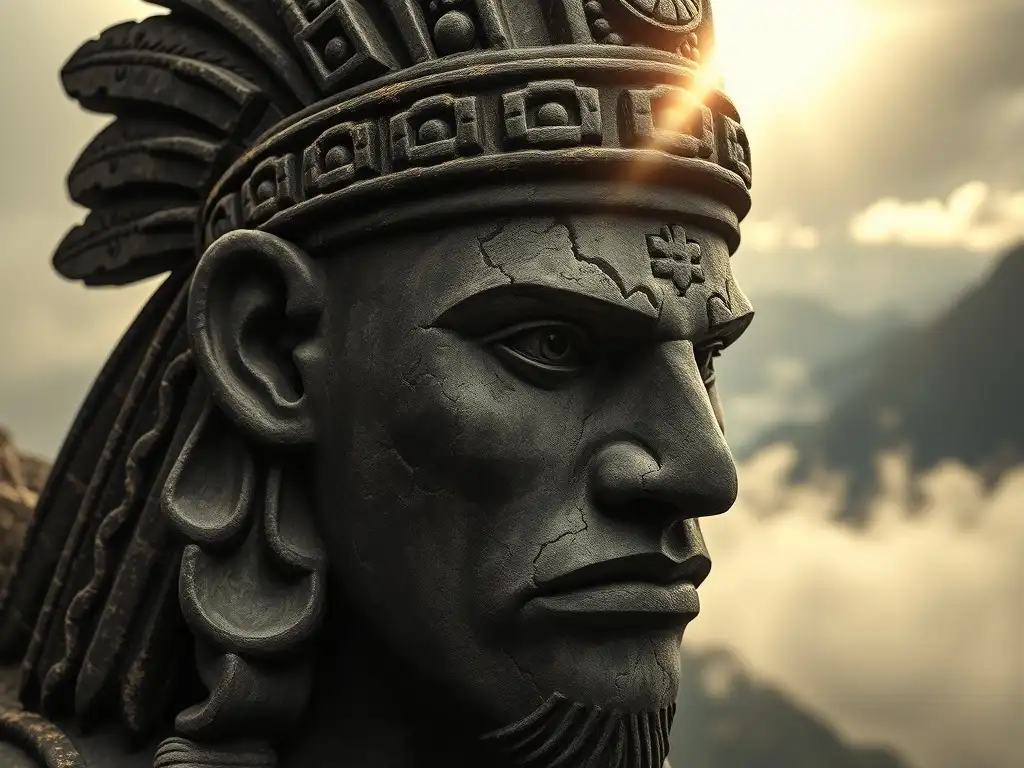
The Chachapoyas, often dubbed "Cloud Warriors," were a formidable pre-Columbian civilization inhabiting the rugged northern Andes of Peru. Their success wasn't solely due to their mastery of their environment, but also to effective leadership and sophisticated military strategies. While specific names and detailed biographies of their leaders remain elusive – a testament to the challenges of archaeological research in such a difficult terrain – we can glean insights into their leadership from their remarkable achievements in warfare and infrastructure.
Understanding Chachapoyas leadership requires examining their strategic thinking, their adaptation to the unique geography, and the impressive fortifications they constructed. This reveals a civilization led by individuals possessing exceptional organizational and defensive skills, crucial for survival in a competitive Andean landscape.
The scarcity of written records necessitates a reliance on archaeological evidence to reconstruct the political and military organization of these enigmatic "Cloud Warriors." The study of their sophisticated defensive structures, intricate funerary practices, and the impressive scale of their settlements all contribute to a richer understanding of their societal structure and the nature of their leadership.
Strategies and Tactics Employed by Chachapoyas Cloud Warrior Commanders
Chachapoyas military strategies were heavily influenced by the challenging terrain of their homeland. Their commanders likely employed guerilla warfare tactics, utilizing the dense cloud forests and treacherous mountain passes to their advantage. Ambushes and hit-and-run attacks were probably common, maximizing the impact of their smaller, more agile forces against larger, less adaptable armies.
Archaeological finds suggest a sophisticated knowledge of weaponry, including slings, spears, and possibly bows and arrows. The effectiveness of these weapons, combined with their superior knowledge of the land, would have allowed Chachapoyas commanders to inflict significant casualties on their enemies. Evidence suggests a strong emphasis on mobility and adaptability, key components of successful guerilla warfare.
Their commanders likely possessed detailed knowledge of the mountain trails and river systems, facilitating rapid movements and strategic deployments of troops. Moreover, the ability to effectively communicate and coordinate these movements across vast, difficult terrains hints at a well-structured command chain and a high degree of leadership competence. While precise details of their tactical maneuvers are lost to time, the enduring legacy of their resistance speaks volumes about the skill and ingenuity of their military leadership.
The Influence of Geography on Chachapoyas Military Leadership
The mountainous, cloud-forest environment profoundly shaped Chachapoyas military leadership and strategy. The sheer inaccessibility of their territory acted as a natural defense, limiting enemy incursions and allowing for the development of a unique military doctrine. Commanders needed to be adept at navigating treacherous terrain, leading troops through dense jungles and across precarious mountain paths.
This required not only physical strength and endurance but also exceptional navigational skills and a deep understanding of the local environment. The ability to effectively utilize the natural features of the landscape – such as cliffs, rivers, and dense vegetation – was crucial for successful defensive and offensive operations. This intimate knowledge of the terrain, passed down through generations, was undoubtedly a key component of Chachapoyas military success, requiring leaders with expertise in both military tactics and environmental knowledge.
The high altitude and variable weather conditions further complicated military operations, demanding commanders capable of adapting to unpredictable circumstances and leading their troops through extreme conditions. This environmental challenge undoubtedly fostered resilience, adaptability, and a strong sense of unity among the Chachapoyas warriors under their leaders' guidance.
Fortifications and Defensive Structures as Evidence of Leadership
The impressive network of fortifications and defensive structures built by the Chachapoyas provides compelling evidence of strong, organized leadership. The construction of these structures, often located in strategically advantageous positions, required significant planning, coordination, and manpower. The scale and complexity of these projects – such as the Kuelap fortress – suggest a highly centralized system of governance and a leadership capable of mobilizing large numbers of people for extended periods.
The sophisticated engineering techniques employed, including the use of stone and mortar, demonstrate a high level of technological skill and organizational capacity. The presence of intricate defensive systems, such as walls, towers, and gates, highlights the importance placed on defense and the strategic foresight of their leadership in anticipating and preparing for potential threats. The careful selection of locations, often involving natural defensive features, further underscores the strategic acumen of their commanders.
These impressive feats of engineering and construction serve as silent testaments to the organizational prowess and visionary leadership that shaped the Chachapoyas civilization. Analyzing the layout, construction techniques, and materials used in these fortifications offers valuable insights into the leadership structures and the priorities of the Chachapoyas society. The sheer scale of the effort involved suggests a powerful and well-organized society, driven by strong leadership capable of executing large-scale projects.
The Legacy of Chachapoyas Leaders: A Lasting Impact on Andean History
The Chachapoyas, often called the "Cloud Warriors," left behind a legacy that extends beyond their impressive cliff tombs and intricate pottery. While specific names and detailed biographies of their leaders remain elusive, their organizational prowess and sophisticated social structures profoundly impacted later Andean cultures. Their decentralized political system, based on a network of independent but interconnected communities, contrasts sharply with the more centralized empires of the Inca.
This unique approach to governance likely influenced the strategies and adaptability of neighboring groups, contributing to the complex tapestry of Andean power dynamics. Understanding the influence of Chachapoyas leadership requires moving beyond the romanticized image of isolated warrior-kings and delving into the intricacies of their social organization. Further research is needed to fully understand the extent of their influence on successor cultures, particularly in the areas of warfare tactics, agricultural practices, and religious beliefs.
The lack of extensive written records presents a significant challenge, making archaeological evidence crucial for piecing together this fascinating historical puzzle. Analyzing architectural styles, burial practices, and material culture across different regions can shed light on potential interactions and the diffusion of Chachapoyas ideas and practices.
Chachapoyas Leadership and its Influence on Later Andean Cultures
The Chachapoyas' impact on subsequent Andean societies is a subject of ongoing scholarly debate. While not a monolithic empire like the Inca, their sophisticated societal organization likely influenced later groups through various indirect means. For example, the Chachapoyas' mastery of defensive architecture, evident in their strategically placed cliff-side settlements, might have influenced the defensive strategies of later Andean communities facing similar geographical challenges.
Their unique artistic styles, particularly in pottery and textiles, show a level of sophistication that likely influenced the aesthetic traditions of neighboring cultures. Evidence suggests a degree of cultural exchange, possibly through trade networks, which could have facilitated the transmission of ideas and technologies. The precise nature and extent of this influence remain uncertain, but the potential for cultural diffusion cannot be dismissed.
Future research focusing on comparative analysis of material culture and settlement patterns across different Andean regions could provide crucial insights into the long-term influence of Chachapoyas leadership and societal structures. The absence of a centralized, imperial structure doesn't diminish their importance; instead, it highlights a different, equally effective model of Andean governance.
The Enduring Mystery of the Chachapoyas and their Forgotten Leaders
The relative obscurity surrounding Chachapoyas leaders is a significant challenge for historians. Unlike the Inca, who left behind extensive written records, the Chachapoyas primarily relied on oral traditions and less durable materials. This scarcity of primary sources contributes to the enduring mystery surrounding their political organization and the identities of their key figures.
Archaeological discoveries continue to offer tantalizing glimpses into their world, revealing sophisticated engineering feats and intricate social structures, but the names and deeds of their leaders often remain shrouded in the mists of time. This lack of concrete information doesn't diminish the importance of understanding their leadership; rather, it highlights the limitations of our current understanding and the need for more research.
The challenge lies in interpreting the available evidence—from burial sites and architectural remains to the analysis of material culture—to piece together a more complete picture of Chachapoyas political life. This requires a multidisciplinary approach, combining archaeological findings with anthropological interpretations and linguistic analysis (where applicable) to build a more nuanced understanding of their societal organization and the role of their leaders.
Preserving the Memory of the Cloud Warriors and their Commanders
Preserving the memory of the Chachapoyas and their leaders is crucial for understanding the rich tapestry of Andean history. Efforts to protect and study their archaeological sites are paramount, as these sites provide invaluable insights into their culture and social organization. Careful excavation and documentation techniques are essential to avoid damaging irreplaceable artifacts and ensuring the long-term preservation of these fragile historical records.
Furthermore, collaborating with local communities, whose ancestral ties to the Chachapoyas often provide crucial oral histories and traditional knowledge, is essential. Their perspectives and insights can significantly enrich our understanding of the past. The preservation of Chachapoyas heritage goes beyond simply protecting physical remains; it also involves promoting public awareness and education.
By disseminating knowledge about the Chachapoyas and their achievements, we can ensure that their legacy continues to inspire and educate future generations. This requires a comprehensive approach involving museums, educational institutions, and community initiatives to ensure the long-term safeguarding of this important cultural heritage, ensuring the memory of the Chachapoyas "Cloud Warrior" leaders lives on. This is vital for a complete understanding of Andean history and for celebrating the diversity of Andean civilizations.
Frequently Asked Questions
Who were the Chachapoyas?
The Chachapoyas were a pre-Inca civilization inhabiting the cloud forests of northern Peru. They were known for their unique culture, impressive architecture, and fierce independence. They were also known as the "Cloud Warriors".
What is the significance of the title "Cloud Warriors"?
The name "Cloud Warriors" reflects the Chachapoyas' mountainous, cloud-shrouded homeland and their reputation as skilled warriors. This evocative title emphasizes their adaptability and resilience.
Were the Chachapoyas leaders powerful?
While specific names and details about their leadership structure remain scarce, archaeological evidence suggests a complex social hierarchy with powerful leaders who oversaw significant construction projects and managed resources. Their influence was substantial within their territory.
How did the Chachapoyas differ from other Andean civilizations?
Unlike the Incas, the Chachapoyas developed a unique culture relatively isolated in the cloud forests. They possessed a distinct architectural style and artistic traditions, showcasing their independence and adaptability to their environment. Their mummy traditions were also unique.
Where can I learn more about Chachapoyas Cloud Warrior leaders?
Further research into Chachapoyas history can be found in academic journals, books, and museum exhibits focusing on pre-Inca Andean civilizations. Archaeological sites in northern Peru also offer invaluable insights.
Final Reflection: Echoes of the Cloud Warriors
The legacy of the Chachapoyas, those enigmatic "Cloud Warriors," continues to resonate in the modern world, a testament to the enduring power of a culture that defied the harsh Andes and left behind a rich tapestry of mystery and resilience. Their sophisticated social structures, impressive architectural feats, and unique artistic expressions challenge our understanding of pre-Columbian societies and remind us of the diverse narratives that shaped the history of South America. We must actively work to preserve and understand their story, lest it fade completely into the mists of the Andes.
The exploration of Chachapoyas leadership reveals not only their political acumen but also the deep spiritual connection they held with their environment. Their mastery of their surroundings, their intricate burial practices, and their artistic achievements speak volumes about their ingenuity and their profound understanding of the world around them. The past is never dead. It's not even past.
- William Faulkner. This quote rings true when considering the enduring impact of the Chachapoyas, whose influence continues to shape our understanding of Andean history and culture, even centuries after their decline. Their story compels us to reconsider our own relationship with the past and the importance of preserving cultural heritage for future generations.
Consider the echoes of the Cloud Warriors in your own life. How can we, as individuals, better understand and appreciate the diverse cultures that have shaped our world? What steps can we take to ensure that the stories of forgotten civilizations, like that of the Chachapoyas, are not lost to time?
Let the legacy of these remarkable people inspire you to seek out the untold stories of the past, to champion the preservation of cultural heritage, and to embrace the richness and diversity of human history. Their story is a powerful reminder that even in the face of adversity, the human spirit can achieve greatness, leaving behind a legacy that continues to inspire and challenge us today.
Unveil the Legacy of the Cloud Warriors!
Thank you for exploring the fascinating world of the Chachapoyas and their remarkable history! You've uncovered the incredible stories of these skilled warriors, revealing the strength and resilience of a truly extraordinary civilization. Let's continue this journey of discovery!
Here are three ways you can delve deeper into this rich history:
- **Expand your knowledge:** Explore the Andean Civilizations archives to discover other captivating stories from the Andes region.
- **Join the discussion:** Share your thoughts on the Chachapoyas in our community forum – let's learn from one another!
- **Share the story:** Write a short social media post to raise awareness about the unique heritage of the Chachapoyas and tag us!
What aspect of the Chachapoyas' legacy resonates most with you, and how will you help keep their story alive?